Lucia, Lucille, Lucy, Lucian, Lucius

Origin: Latin
Meaning: “light.”

Today is December 13, said to be the darkest night of the year, and also the feast of St. Lucy, whose name appropriately means “light.” Contrary to popular belief, Lucy is the English form of Lucia, and is not a nickname that later became an independent given name, in fact, Lucy was fairly common in Medieval England, particularly after the Norman Conquest in 1066. The latinate form of Lucia, is a feminine version of the Latin, Lucius, which was a Roman praenomen derived from the Latin word lux meaning “light.”

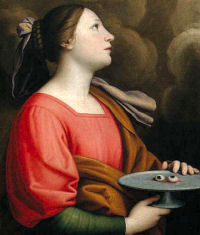
The name was popularized by a 4th-century Sicilian martyr, who, according to legend, was a beautiful Christian woman of noble lineage. She was particularly known for her striking eyes, and when a local pagan suitor tried to force her to marry him, she spent the entire night gouging her own eyes out, presenting them on a platter to the lovelorn nobleman the next day, proclaiming that if he loved her eyes so much, he could marry them instead of her. St. Lucy was immediately tortured and put to death and as a result, she is considered the patron saint of the blind.

Her feast day in Sweden is an especially popular celebration. Each year a girl is chosen to represent the saint, while leading a procession of singing white clad men and women. In older traditions, it was usually the oldest girl in the household who was picked, but since becoming a school or city festival, the title is either given to the prettiest girl or the most popular girl, sometimes done by popular demand of the populace, or school, in which the procession is held. The Sankta Lucia wears a wreath of lit candles upon her head and a red sash around her waist, afterwards, glög and lussekatte, (a type of Saffron biscuit),are served. Its popularity in Scandinavia may be due to some ancient pre-Christian roots, in which the early Germanic tribes would fend off the dark wintery nights with a procession of candles, its true origins have been somewhat lost to history, but there is a Scandinavian legend that claims that Saint Lucy appeared to a band of lost vikings, and lead them back safely to shore. Thereafter, Lucy became a popular saint among the Scandinavians.

The holiday is also celebrated in some parts of the United States, especially in Minnesota, where there are large Scandinavian enclaves, as well as in Norway, and among the Swedish speaking populations of Finland and in Estonia and Latvia.

Lucille is a derivative of the Latin feminine name, Lucilla, which was an old Latin diminutive form of Lucia. It was popularized as an independent given name, early on, due to the popularity of a 3rd century Roman martyr.

A modern famous bearer was Lucille Ball (1911-1989), a famous American actress and comedienne, known for her popular sitcom, I Love Lucy.

Lucille currently ranks in as the 613th most popular female name in the United States, she did experience a peak in popularity a the beginning of the 20th century, ranking in the highest back in 1919, coming in as the 27th most popular female name.

Its masculine form of Lucius, was a fairly common Roman praenomen during the Roman Republic and Roman Empire. It was borne by two kings of Etruria, and it was also borne by the Roman statesman, orator and philosopher, Lucius Annaeus Seneca. Lucius is also found in the New Testament, the name of a minor character, an Antiochan Christian. In addition, it was borne by three popes and a 3rd century male saint.

Lucianus, another male praenomen, is related to Lucius, but with slightly different meaning, the meaning refers to one who carries or bears light.

As of 2008, Lucian was the 810th most popular male name in the United States.

Other forms of the names include:

Lucia

  • Drita (Albanian: literally means “light” in Albanian, it is sometimes used as an alternative for Lucia).
  • Luzía (Aragonese)
  • Lusia (Breton)
  • Llúcia (Catalan)
  • Lucija Луција (Croatian/Latvian/Serbian: loot-SEE-yah)
  • Jasna (Croatian/Serbian: literally means “light” occasionally used as an alternative for Lucy. YAHS-nah)
  • Lucie (Czech: LOOT-syeh)
  • Lucia (Danish/Dutch/Corsican/Estonian/Norwegian/Romanian/Slovakian/Slovene/Swedish)
  • Luus (Dutch/Limburgish)
  • Lucy/Lucia (English: older pronunciation of the latter is LOO-shah, and in modern times, often pronounced loo-SEE-ah)
  • Lusia (Faroese)
  • Lukki/Lukka (Finnish)
  • Luusi/Luusia (Finnish)
  • Luce/Lucie (French)
  • Lucette (French: initially a diminutive form, now used as an independent given name, though considered very dated)
  • Luzie (Fruilian)
  • Lucia/Luzei/Luzia/Luzie/Luzi (German)
  • Zeia (German: old Pet form of Luzei, very obscure)
  • Loukia Λουκία (Greek: Modern)
  • Luca/Lúcia (Hungarian: former is pronounced LOOT-sah)
  • Lúcía/Lúsía (Icelandic)
  • Luce (Italian: LOO-chay)
  • Lucetta/Lucietta (Italian: initially diminutive forms, now used as independent given names)
  • Lucia (Italian: loo-CHEE-ah)
  • Luciella (Italian: originally a diminutive form, now used as an independent given name)
  • Lux (Latin: directly from the Latin word for “light” it is occasionally used as a given name in the English speaking world, and it was further popularized by the Eugenides book The Virgin Suicides, in which the lead character is named Lux Lisbon).
  • Liucija (Lithuanian: lyoot-SEE-yah).
  • Luċija (Maltese: loo-CHEE-yah)
  • Ruhia/Ruihi/Ruruhi (Maori)
  • Løssi (Norwegian: dialectical form of Lucy, from the regions of Møre and Romsdal).
  • Lucja (Polish: LOOT-syah)
  • Łucja (Polish: WOOT-syah)
  • Lúcia (Portuguese: LOOS-yah)
  • Luzia (Portuguese: loo-ZEE-uh)
  • Luziya/Svetlana (Russian: the latter is from the Old Slavonic meaning “light” and is sometimes used as an alternative form Lucy)
  • Liùsaidh (Scottish)
  • Lucìa (Sicilian)
  • Lucía (Spanish/Galician: loo-THEE-ah in Iberian Spanish and loo-SEE-ah in Latin American Spanish)
  • Luz (Spanish/Portuguese: literally ” light” in Spanish and Portuguese, it has been used as a variation for the Latin Lucia. LOOTH-Iberian Spanish LOOS-Latin American Spanish, LOOZH-Portuguese)
  • Luci (Swedish/Norwegian)
  • Lussa (Swedish: very old and obscure form of Lucy)
  • Lukia/Lucia (Ukrainian)
  • Lùsia (Venetian)
  • Lleucu (Welsh)

Lucian

  • Luken (Basque)
  • Lukian (Breton/Danish/German/Norwegian/Polish)
  • Lusian (Breton)
  • Llucià (Catalan)
  • Lucian (English: LOO-shen)
  • Lukianos (Finnish)
  • Lucien (French)
  • Lukianosz (Hungarian)
  • Lúkíanos (Icelandic)
  • Luciano (Italian/Galician/Portuguese/Spanish: Italian diminutives are Ciano, Luci and Lucio)
  • Lucianus (Latin/Dutch)
  • Lukiāns (Latvian)
  • Lukianas (Lithuanian)
  • Lucjan/Łucjan (Polish)
  • Luchian/Lucian (Romanian)
  • Lukián/Lucián (Slovakian)

Feminine forms are:

  • Liczenn (Breton)
  • Lucienne (French: luy-SYEN)
  • Luciana (Italian/Latin/Portuguese/Romanian/Spanish: Italian loo-CHAH-nah, Latin loo-KYAH-nah, Portuguese loo-SYAH-nah, Spanish: loo-THYAH-nah or loo-SYAH-nah)
  • Luciane (Brazilian Portuguese: loo-SYAH-nay)

Lucilla

  • Lucille/Lucile (French; English)
  • Lucilla (Italian/Latin: loo-CHEEL-lah in Italian)
  • Lucélia (Portuguese)
  • Lucília (Portuguese)
  • Lucila (Spanish/Portuguese)

An Italian masculine form is Lucilio

Lucius

  • Lucius (English LOO-shus)
  • Luvcie (Estruscan)
  • Lucius/Luzius (German)
  • Lúciusz (Hungarian)
  • Lucietto (Italian: obscure)
  • Lucido/Lucidio (Italian: obscure)
  • Lucio (Italian: loo-CHEE-o)
  • Luciolo (Italian: obscure)
  • Lucione (Italian: obscure)
  • Lugh (Manx)
  • Ruhiu (Maori)
  • Lucjusz/Łucjusz (Polish: LOOT-syoosh)
  • Lúcio (Portuguese)
  • Luci (Romanian)
  • Luzi (Romansch)
  • Lucio (Spanish: loo-THEE-o, loo-SEE-o)

Javier, Xavier

Gender: Masculine
Origin: Basque
Meaning: “the new house.”

The name is derived from a Basque surname Extaberri meaning “the new house” and has been in use as a given name for centuries. It was popularized by St. Francis Xavier (1506-1552), and was also the family name of the Lords of Javier. After the popularity of the saint, the name spread throughout the Spanish speaking world as a popular male given name, its usage was followed in due course by other Catholic countries.

The name has experienced a sudden surge of popularity in the United States, ranking in as the  71st most popular male name for 2008.

In Australia he ranks in at # 56 (2007), and # 90 in Spain for 2005. Its designated name-day is December 3rd.

Other forms of the name include:

  • Chabier (Aragonese)
  • Xabel (Asturian)
  • Xabier/Xabi (Basque)
  • Xavier (Catalan/French/Galician/Portuguese/Valencian: Catalan diminutives are Xavi and Xevi)
  • Saveriu (Corsican)
  • Xaver (German/Czech)
  • Savy (Irish)
  • Saverio/Zaverio (Italian)
  • Xaverius (Latin)
  • Xabiere (Leonese)
  • Xavêio (Piedmontese)
  • Ksawery/Xawery (Polish: latter form is archaic, diminutive form is Ksawerek)
  • Ksaber Ксавьер (Russian)
  • Xavér (Slovakian/Hungarian)
  • Javier (Spanish)

Feminine forms

  • Xavière (French)
  • Saveria/Saverina/Zaveria (Italian)
  • Ksawera/Ksaweryna (Polish: diminutive forms are Ksawerka or Ksawerynka)
  • Xavéria (Slovakian)
  • Javiera/Xaviera (Spanish)

A popular compound name, used among Catholics, is Francis Xavier (English: common in Ireland); Franz Xaver (German: used in the Catholic areas of German speaking countries); Francisco Xavier (Portuguese) Francisco Javier; (Spanish) and Francois-Xavier (French).

In Portugal, Xavier is sometimes used in conjunction with Maria or Francisca as a feminine name, but is never used on females as a stand alone name. Its conjunction with names like Maria or Francisca are usually used in a religious context, in reference to the saint.

Elisabeth, Elizabeth

Gender: Feminine
Origin: Hebrew
Meaning: “God is my oath; God is abundance.”

The name is a transliterated form of the Biblical Greek Ελισβετ (Elisabet), which is a Hellenized version of the Biblical Hebrew feminine name, אֱלִישֶׁבַע‎ (Elisheva).

Elizabeth appears twice in the Bible, once in the Old Testament as the name of Aaron’s wife and once in the New Testament as the wife of Zachariah and the mother of John the Baptist.

Elizabeth has remained fairly consistent in the U.S top 100 for over a hundred years. She currently ranks in at # 9 and the lowest she has ever come in the U.S. charts was in 1945 at # 26.

In Australia she is the 37th most popular female name (2007), in Canada, she ranks in at # 20 (2008), in England/Wales she came in at # 40 (2008), in Ireland at # 63 (2007) and in Scotland at # 68 (2008).

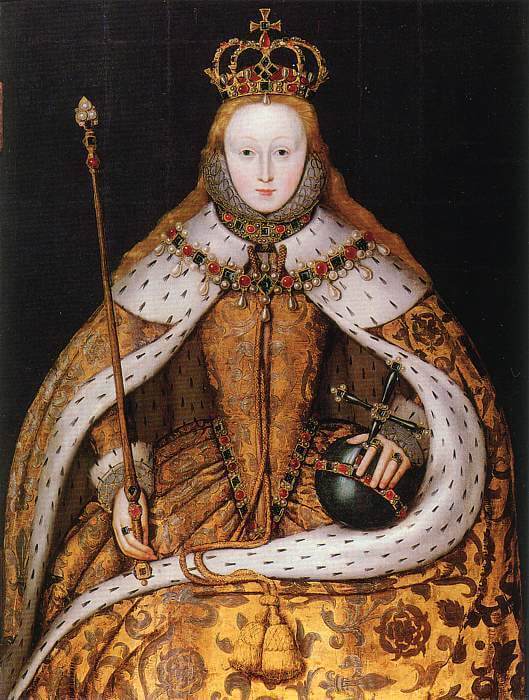
The name was borne by several saints and European royalty. Among the most notable bearers were, St. Elizabeth of Hungary, a 12th-century Hungarian princess who was known for her acts of kindness and charity toward the poor and Queen Elizabeth I of England, including the current reigning Queen, Elizabeth II.

The name Isabel/Isabella are relatives, but have becomes so far apart from its original source, that they often occur concurrently in many European countries with Elizabeth, hence is why I shall devote a different post to Isabel/Isabella, but I shall cite her several times in this article as a variation whenever needed.

I believe one of the reasons why Elizabeth has been a long time favorite, is because of her versatility. She can be shortened to a variety of different nicknames, especially in English. The most popular are: (I have cited the ones that have commonly been used as independent given name with a black club)

Bess, Bessie, Beth♣, Bets, Betsy, Bet, Bettie/Betty, Bezzy, Bit, Bitsy, Biz, Buffy, Elisa♣, Elise♣, Elle♣, Eliza♣, Ella♣, Ellie, Elsa♣, Elsie♣, Ibbie, Lib, Libby, Lilly, Lisa♣, Liz, Lizzie, Liza♣, Tetty, Tibby and Tizzy.

Other forms of the name include:

Latinate Forms
Forms found in Latinate/Romance languages

  • Sabela (Asturian)
  • Elisabèt, Lisabèt (Bearnais)
  • Elisabet (Catalan)
  • Babette (French: originally a diminutive form, used as independent given name, now considered extremely dated)
  • Élisabeth (French)
  • Élise (French)
  • Lise (French)
  • Lisette (French: originally a diminutive form but exclusively used as an independent given name)
  • Bettina (Italian)
  • Elisa (Italian/French/Portuguese: appears in Boccaccio’s Decameron as the name of one of the female story tellers).
  • Elisabella (Italian: obscure)
  • Elisabetta (Italian/Romansch)
  • Elisa (Italian/Sardinian/Spanish)
  • Elisanna/Elisena (Italian: obscure)
  • Elisetta (Italian)
  • Lelisa (Italian: obscure)
  • Lisa (Italian/Spanish)
  • Lisella (Italian: obscure)
  • Lisena (Italian: obscure)
  • Lisetta (Italian)
  • Lisina/Lisinda (Italian: obscure)
  • Lisanna (Italian)
  • Elisabetha (Late Latin)
  • Elizabetta (Liguru: a minor language spoken in Italy)
  • Elisabeta/Elisèu/Eliso (Occitanian)
  • Elisabete/Elisete/Elsa (Portuguese)
  • Babèu/Eisabèu/ Lisabèu (Provencal: Babeu is a diminutive)
  • Elisabeta (Romanian/Spanish)
  • Lisabetta (Romansch/Corsican)
  • Lisabbetta (Sicilian)
  • Isabel/Ysabel (Spanish/Aragonese/Catalan/Galician/Portuguese)

Germanic Forms
Forms used in Germanic languages

  • Elsabe (Afrikaans)
  • Liesel (Alsatian)
  • Elisabet (Danish/Faroese/Swedish/Norwegian)
  • Elsebeth (Danish)
  • Else (Danish)
  • Lise (Danish/German)
  • Lis (Danish/Norwegian/Swedish)
  • Lisbet (Danish/Norwegian/Swedish)
  • Lisbeth (Danish/German)
  • Els (Dutch: a diminutive form, occasionally used as an independent give name)
  • Elsa (Dutch/German/Swedish)
  • Liesbeth/Lijsbeth (Dutch)
  • Liesje (Dutch)
  • Eliza (English: originally a diminutive, exclusively used as an independent given name)
  • Elsba/Elsbet/Elsuba/Elusbet (Faroese)
  • Elspa (Faroese)
  • Lisabet/Lisbet (Faroese)
  • Elsebe/Elsche/Eske/Telsa (Frisian)
  • Bettina/Bettine (German: a borrowing from the Italian)
  • Elisa (German: a borrowing from Romance languages)
  • Elisabeth (German/Dutch)
  • Elise (German/Danish/Dutch/English/Norwegian: a borrowing from the French)
  • Elli (German: diminutive form, occasionally used as an independent given name)
  • Elsbeth (German/Swiss-German dialectical form)
  • Ilsa/Ilse (German/Dutch: initially a diminutive form, popularly bestowed as an independent given name, now considered dated. il-SEH)
  • Lies/Liesa/Liese (German/Dutch)
  • Liesel/Liesl (German: originally a diminutive form, used as an independent given name, now considered dated)
  • Lilli (German: originally a diminutive form, used as an independent given name due to its association with the flower)
  • Lisa/Lise (German/Dutch/English/Swedish/Danish/Norwegian)
  • Sabeth (German: obscure)
  • Aileisabaiþ (Gothic)
  • Elísabet (Icelandic)
  • Ellisif/Ellisiv (Norwegian)
  • Lieken, Lüke, Lücken (Plattdeutsch)
  • Bettan (Swedish: originally a diminutive form, occasionally used as an independent given name, but now considered dated)
  • Lisen (Swedish: originally a diminutive form, used as an independent given name)

German diminutive forms are Betti, Elis, Elli, Elschen, and Lieschen.

Slavic Forms
Forms used in Slavic speaking countries

  • Elisaveta Елисавета (Bulgarian)
  • Elizabeta (Croatian)
  • Alžběta (Czech: alzh-BYEH-tah)
  • Eliška (Czech: originally a diminutive form, used as an independent given. eh-LEESH-kah)
  • Elisabeti Елїсабеть (Old Church Slavonic)
  • Eliza (Polish: eh-LEE-zah)
  • Elżbieta (Polish: elsh-BYEH-tah)
  • Halszka (Polish: archaic. HAHLSH-kah)
  • Halżbieta (Polish: archaic. halsh-BYEH-tah)
  • Elizaveta/Yelizaveta Елизавета (Russian)
  • Jelisaveta (Serbian)
  • Alžbeta (Slovak)
  • Ažbeta (Slovene)
  • Betina (Slovene)
  • Elica (Slovene: originally a diminutive form, used as an independent given name. eh-LEET-sah)
  • Elisa/Elis (Slovene)
  • Elizabeta/Elizabet (Slovene)
  • Elza (Slovene)
  • Jelisava (Slovene)
  • Lizabeta (Slovene)
  • Špela (Slovene: originally a diminutive form, exclusively used as an independent given name. SHPEH-lah)
  • Hilža (Sorbian)
  • Lisaveta/Yelysaveta (Ukrainian)

Czech diminutive forms are Běta, Bětka, Bětuška, Betynka, Bětuše, Betyna, and Líza. Slovakian diminutives include: Beta, Betka, Betuška, Betinka, Betuša and Betina. Polish diminutive forms are Bieta, Ela (the most prevalent), Elka, Elunia and Elżunia. Slovene diminutives are: Beta, Beti, Betika, Ela, Eli, Elzi, Špelca, Špelica, Špelka, Jelica, Lili, and Lizika.

Baltic Forms
Forms used in the Baltic States

  • Eliisabet (Estonian)
  • Elts (Estonian)
  • Etti (Estonian)
  • Ilze (Estonian)
  • Liisa/Liisi/Liis (Estonian/Finnish)
  • Liisu (Estonian)
  • Eliisa (Finnish)
  • Elizabete (Latvian)
  • Līze/Lizina (Latvian)
  • Elžbieta (Lithuanian)
  • Eliissá/Liisá/Liissá (Saami)

Celtic Forms
Forms used in Celtic based languages

  • Elesbed (Breton)
  • Eilís (Irish: IE-leesh)
  • Ealisaid (Manx: ALE-is-sed)
  • Ealee (Manx)
  • Ealish (Manx)
  • Ealasaid (Scottish)
  • Elspeth (Scottish)
  • Bethan/Betsan (Welsh)

Other forms

  • Elizabeta (Albanian)
  • Ilizabith إليزابيث (Arabic)
  • Il-Shvai ܐܠܝܫܒܥ \ܐܠܝܫܒܚ (Aramaic)
  • Elsapet (Armenian)
  • Yeghisapet (Armenian)
  • Zabel (Armenian)
  • Elixabete/Elixabet/Elizabete (Basque: former are pronounced eh-LEE-sheh-BEH-tah and eh-LEE-shah-Bet)
  • Elixi (Basque: eh-LEE-shee)
  • Elisheba (Biblical Hebrew)
  • Eliso ელისო (Georgian)
  • Lizi (Georgian)
  • Elisavet Ελισαβετ(Greek: Modern)
  • Zeta (Greek: Modern)
  • Ilsipat (Greenlandic)
  • Elikapeka (Hawaiian)
  • Elisheva (Hebrew: see Hebrew script above)
  • Lizzamma (Hindi/Indian)
  • Erzsébet/Orzebet (Hungarian: ER-zhey-bet)
  • Aley/Aleyamma/Aleykutty (Malayalam)
  • Eli/Eliamma (Malayalam)
  • Elizabetta (Maltese)
  • Erihapeti (Maori)
  • Elizabet (Turkish)

Hungarian nicknames includes Bözsi, Erzsi (ER-zhee), and Zsóka (ZHO-kaw).

Medieval Forms
Forms no longer in usage from Medieval Europe

  • Ysabel/Ysabet (Catalan, Valencia, 16th-century)
  • Elisaued (Cornwall, England, 10th-century)
  • Elizabez (England, 13th-century)
  • Lylie/Lilion (England, 13th-century, possibly nicknames)
  • Elisota (England, 14th-century)
  • Elseby (Finland)
  • Isabelot (France, Paris, 13th-century)
  • Yzabé (France, Bordeaux, 15th-century)
  • Besina (14th-century Italy, Venice, possibly a diminutive form)
  • Isabetta (Italy, Florence 15th-century)
  • Bechte (Germany, 15th-century, most likely a diminutive form)
  • Beth (Germany, 15th-century, diminutive form)
  • Bettlin (Germany, 15th-century, probably a diminutive form)
  • Bytzel (Germany, 15th-century, diminutive form)
  • Els (Germany, 15th-century, diminutive form)
  • Elsslein (Germany, late 15th-century)
  • Elsslin (Germany, 15th-century, probably a diminutive form)
  • Eltzabet (Germany, late 15th-century)
  • Lyse (Germany, 15th-century, diminutive form)
  • Elsebeth (Germany, 15th-century)
  • Elzebeth (German, in Silesia, 14th-century)
  • Nele/Neleke (German, in Silesia, 14th-century, most likely than not, diminutive forms)
  • Elysant (Normandy, 1190)
  • Helisent (Normandy, 1221)
  • Isabellis (Normandy, 12th-century)
  • Ysabels/Yzabels/Yzabela (Occitan, Saint Flour, 14th-century)
  • Elitze (Sweden, 15th-century)
  • Elsika/Elsiko/Elzeke (Sweden, 15th-century)
  • Elsby/Elzeby (Sweden, 16th-century)
  • Aleseta (Switzerland, Sion, 14th-century)

Name-days are: November 17 and November 19.

Catherine/Katherine

Gender: Feminine
Origin: Debated
Meaning: Debated

Katherine and Catherine have to be one of the quintessential female classics of the Western World, according to the United States Social Security Administration’s popularity charts, Katherine has not fallen out of the top 100 for over a 100 years. She has remained a staple, bouncing the lowest to 105th position in 1938 and bouncing the highest to the 25th place in 1991. She currently ranks in as the 45th most popular female name in the United States (2008). Her elder English and French counterpart, Catherine, comes in slightly lower, but has remained fairly high in the American charts since 1880. Her highest position being at # 18 in 1914 and then again in 1917 and came in the lowest just this past year, ranking in at # 149.

In other countries, the rankings of Katherine are as follows:

# 78 (Canada-BC, 2008)
# 63 (Chile, 2006)

Her popularity in other incarnations are as follows: (divided alphabetically by cited country)

Katharina (# 8, Austria, 2008)
Catalina (# 3, Chile, 2006)
Kateřina (# 7, Czech Republic, 2008)
Katrin (# 6, Faroe Islands, 2008)
Aikaterini (# 3, Greece, 2004)
Katrín (# 4, Iceland, 2004-2007)
Katie (# 2, Ireland, 2008)
Kate (# 10, Ireland, 2008)
Karin (9th most popular female name among Palestinian Christians in Israel, 2004)
Katharina (# 5, Liechtenstein, 2008)
Katerina (# 10, Macedonia, 2006)
Katie (# 1, Northern Ireland, 2008)
Yekaterina (# 1, Russia-St. Petersburg, 2003)
Yekaterina (# 6, Russia-Moscow, 2007)
Katie (# 8, Scotland, 2008)
Katarina (# 7, Serbia, 2005)
Katarína (# 4, Slovakia, 2004)
Kaitlyn (# 10, United States-Combined Spellings, 2007)

As for the etymology of the name, it has always been popularly believed to mean “pure” but its history and origins are far more complicated and muddled. There are several theories as to its derivations and linguistic origins, the most popular are that it is either derived from the Greek  word, ΚαΘαροσ, (katharos), meaning, “pure”, or the Greek Εεκατερινε, (Hekaterine), a feminine form of the Greek, Hekáteros, meaning “each of the two; singly.” It has also been suggested that it is a form of the Greek goddess name, Hecate, which means “from a far”, or it is possibly from the Greek word, αικια (aikia) meaning, “torture; injurious treatment.” According to Behindthename, another theory suggests that it could be from a Coptic name meaning “my consecration of your name.”

The name was introduced into Western Europe after European Crusaders encountered the Christians of the Middle East, among them, the devotion of a popular 4th-century, Christian saint was discovered, St. Katherine of Alexandria. According to legend, the saint was spiked and tortured on a wheel after refusing to deny her Christian convictions and converting several members of the Alexandrian royal family to Christianity. Her cult was very popular among Christians in Syria, many centuries before her story even reached Europe. After its introduction, European Latin scholars assumed that the name was associated with the Greek Katharos meaning “pure.”

The name was first recorded in England in 1196. It was thereafter an extremely popular name in Christian Europe.

Catherine has several name-days, but the most popular, and the most widely celebrated during the Middle Ages, took place on November 25th. There is an old French celebration that took place on November 25th.  It was a day for unmarried women, twenty-five years and older, (labelled Catherinette’s in French). They would make caps, attend balls and crown the local St. Catherine of Alexandria statue with a custom hat. This was to ensure that the saint would provide the single ladies a partner by the end of the year. The term “capping st. Catherine” was used in reference to a single woman 25 years and up. This tradition died out somewhat, but remains a popular festivity among hat-makers and dress-makers even till today, particularly in the 2nd arrondisment of Paris. Any women who is single, working in the fashion industry, 25 years old and older, can attend a ball in a specially made hat, and go to the City Hall to present their creations for judging.

Though the term is a bit old fashioned, catherinette is a French word used to refer to a single women who is 25 years and older.

Other notable bearers, place and things include:

Catherine of Aragon

Catherina is the name of a crater on the moon, named for St. Catherine of Alexandria.

The Monastery of St. Catherine’s in Sinai Egypt, which is said to be the oldest Christian monastery and boasts one of the largest collections codices and manuscripts in the world.

St. Katherine Municipality lies in the North Sinai Governorate of Egypt, its city is St. Katherine’s.

Saint Catherine of Siena (1347-1380), a renowned Catholic saint, theologian, Doctor of the Church and tertiary of the Dominican order. She was known for her mystical experiences and her papal counseling.

St. Catherine of Bologna (1413-1463) another Italian saint, she is considered the patron saint of Bologna, artists and against temptations.

Catherine of Aragon (1485-1536) the first wife of Henry VII of England. Actually, Henry went on to marry two other Catherines, Catherine Howard and Catherine Parr.

St. Kateri Tekakwitha (1656-1680) was a Catholic Algonquin woman affectionately termed Lily of the Mohawks, she was also the daughter of a chief. At a young age she was ravished by the scars of small-pox and lived a life of devotion till she died at the age of 24.

Now to delve into her sundry variations.

Latinate Forms

Variations from various Romance based languages

  • Catèlena (Artapan)
  • Catin/Catineta/Catinon (Bearnais)
  • Caterina (Catalan/Italian/Spanish)
  • Catalina (Corsican/Gascon/Occitanian/Spanish)
  • Catherine (French)
  • Katia (Italian: a borrowing from the Russian but very popular in Italy)
  • Rina (Italian diminutive form, used as an independent given name)
  • Catharina (Late Latin)
  • Catarina (Portuguese/Occitanian/Galician/Romansch)
  • Cátia (Portuguese: originally a diminutive form or either a Portugeusized form of the Slavic Katya, particularly common in Brazil, where it was most likely introduced by Russian and Ukrainian immigrants)
  • Catarino (Provencal)
  • Ninoun (Provencal: originally a diminutive, now becoming more common as an independent given name)
  • Cătălina/Ecaterina (Romanian)
  • Catinca (Romanian: a romanianized form of the Russian diminutive, Katinka, used as an independent given name)
  • Catina (Romanian/Sicilian)
  • Catrina (Romanian)
  • Catrina/Chatrina (Romansch)
  • Caderina/Catellina (Sardinian)

Obscure French diminiutives are Catherinette, Trinette and Rinette.

Germanic Forms
Variation from various Germanic based languages

  • Caja (Danish)
  • Catharina/Cathrine/Katarina/Katherina (Danish/Norwegian/Swedish)
  • Karen (Danish)
  • Karin (Danish/Norwegian/Swedish)
  • Katharine (Danish)
  • Katrina/Katrine/Kathrina/Kathrin (Danish)
  • Trine (Danish)
  • Catharina (Dutch/Swedish)
  • Cato (Dutch)
  • Kaatje (Dutch)
  • Katelijne/Katelijn (Dutch)
  • Katrien (Dutch)
  • Katrijn (Dutch)
  • Nienke (Dutch)
  • Tineke (Dutch: originally a diminutive form, used as an independent given name)
  • Toos/Truus (Dutch: initially diminutive forms, used as independent given names)
  • Trijn/Trijntje (Dutch)
  • Kate/Katie (English: originally diminutive forms, now often used as independent given names in most English speaking countries)
  • Katherine/Karen (English)
  • Katarina/Katrin (Faroese/Danish)
  • Katrina (Faroese)
  • Kaja (Frisian)
  • Käthe/Caatje (Frisian)
  • Katryntje (Frisian)
  • Keetje (Frisian)
  • Nine/Nynke (Frisian)
  • Cathrin/Catrin/Kathrin (German)
  • Carin/Karin/Karina/Karine (German/Swedish/Norwegian/Danish)
  • Katarina/Katerine/Katharina (German)
  • Kathrein (German)
  • Katinka (German/Dutch: Germanized form of the Russian diminutive, Katenka)
  • Katja (German)
  • Trina (German)
  • Kaðlín (Icelandic: kahth-LEEN)
  • Karín (Icelandic)
  • Kata/Katarína/Katrín (Icelandic)
  • Kett (Lëtzebuergesch)
  • Kaia (Norwegian)
  • Kari (Norwegian)
  • Trina (Plauttdeutsch)
  • Cajsa/Kajsa (Swedish)
  • Katarina (Swedish)
  • Reina (Yiddish)

Obscure German diminutive forms are Käthchen and Trinchen. A Swiss German dialectical diminutive is Käti. English diminutive forms are Cat, Cathy, Kate, Kathy, Katie, Kay, Kiki, (also used in Sweden and Norway), Kit and Kitty.

Celtic Forms
Variations from various Celtic based languages

  • Katarin (Breton)
  • Katell/Kattelig (Breton: latter is pronounced kah-tel-LEEK)
  • Katik (Breton: kah-TEEK)
  • Katou (Breton: kah-TOO)
  • Cáit/Cáitín (Irish)
  • Catraoine/Caiterína (Irish)
  • Caitlín (Irish)
  • Caitria/Caitrín (Irish)
  • Caitríona (Irish)
  • Cathleen/Kathleen (Irish: anglicized form of Caitlin)
  • Catreena/Catreeney (Manx)
  • Catrìona (Scottish)
  • Cadi (Welsh)
  • Catrin (Welsh)

Slavic Forms
Variation used in Slavonic based languages

  • Kacjaryna (Belorusian: kahts-yah-REE-nah)
  • Ekaterina (Bulgarian/Macedonian/Russian)
  • Kateřina (Czech: kah-teh-ZHEE-nah)
  • Katarzyna (Polish: kah-tah-ZHIH-nah)
  • Jekaterina/Yekaterina (Russian)
  • Katarina (Serbo-Croatian/Slovenian)
  • Katarína (Slovakian)
  • Katica (Slovenian: originally a diminutive form, now used as an independent given name. kah-TEET-sah)
  • Katja (Slovenian: originally a diminutive form, now used as an independent given name. KAHT-yah)
  • Katherine/Kateryna (Ukrainian)

Russian Diminutives include: Katenka, Katiusha and Katya, Czech pet forms are,Káťa, Kačka, Káča, Kačí, Kačenka, Kača, Kačaba, Kačík, Kačuda, Kaťulka, Katerinka, Katica, Katja, Katka, Katla, Katuška and Rina. The most popular diminutive form in Poland is Kasia (KAH-shuh), but there is also Kachna, Kaśka, Kasienka and Kasiunia. Serbo-Croatian diminiutive forms are Kata, Kate (final E is pronounced), Katica, Katja, Katarincica and Rina. A Bulgarian diminutives is Katriška.Ukrainian diminutives are: Katrusya, Katya and Katerynka. Belorusian diminutive forms are Kasja and Katra.

Baltic Forms
Various forms used in the Baltic States

  • Kaarin (Estonian)
  • Kadi/Kadri/Kadrin (Estonian)
  • Kairi/Kari (Estonian)
  • Kaisa/Kaisu (Estonian/Finnish)
  • Katre/Katri/Katrin (Estonian)
  • Triina/Triin/Triinu (Estonian)
  • Kaija (Finnish)
  • Kata (Finnish)
  • Katariina (Finnish/Estonian)
  • Kati (Finnish)
  • Katja (Finnish)
  • Katri/Katriina (Finnish)
  • Riina (Finnish)
  • Jekaterina (Latvian)
  • Kate (Latvian: final E is pronounced)
  • Katrīna (Latvian)
  • Trine (Latvian: final E is pronounced)
  • Katerina/Katrina (Lithuanian)
  • Katrė (Lithuanian)
  • Katryna (Lithuanian)
  • Kotryna (Lithuanian)

Other Languages

  • Katarina/Katjusha/Katerina/Katha (Albanian)
  • Gadara/Gadarine/Kadara/Kadarine (Armenian)
  • Karine (Armenian)
  • Katalina (Basque)
  • Katalin (Basque/Hungarian)
  • Katarin (Basque)
  • Ekaterina (Georgian)
  • Kattak (Greenlandic)
  • Aikaterine/Aikaterini (Greek Modern)
  • Katerina (Greek Modern)
  • Katina (Greek Modern)
  • Kakalina/Kalena/Kalina (Hawaiian)
  • Kathani (Hindi/Arabic)
  • Katarina (Hungarian/Turkish)
  • Kasari (Japanese)
  • Katarina (Maltese)
  • Kataraina (Maori)
  • Kateri (Mohawk)
  • Gáddjá (Saami)
  • Gáhte (Saami)
  • Gáhteriinná/Káhtariinná (Saami)
  • Gáre/Káre (Saami)
  • Gáren (Saami)
  • Kasrin ܟܐܣܪܝܢ (Syriac/Assyrian)
  • Akaterina (Turkish)

Hungarian diminutive forms include Kata, Kati, Katica, Katinka, Kató, Katóka, Kitti and Koto.


Medieval Forms
Variations used in the Middle Ages and are most likely out of usage
  • Catelinòta (Bearnais)
  • Cathelinen (Dutch, 14th-century)
  • Verkateline (Dutch, 13th-14th centuries)
  • Catelina/Catelin/Catlin (English 12th-century)
  • Cattel/Cattle/Catin (English 12th-century)
  • Katelina/Kateline/Katelin/Katlin (English 12th-century)
  • Caterina/Katerina/Katerine (English 14th-century)
  • Kateryna/Kateryn (English 15th-century)
  • Catant (French, obscure medieval diminutive form)
  • Cateline/Catelot/Caterine (French in Paris, 13th-century, the final T on Catelot is silent).
  • Cathereau (French; obscure medieval form; KAH-teh-RO)
  • Kateline/Katerine (French, in Paris, 13th-century)
  • Ka(e)therlin/Ketlin/Keterlin/Ketterlin (German 15th-century)
  • Keth/Ketherlein (German 15th-century)
  • Katusch/Kethe/Keterlyn (German in Silesia, 13th-century)
  • Kaþareina (Gothic, extinct Germanic language)
  • Quataryna/Quatalina (Provencal, 16th-century)
  • Kaithren (Scottish, 15th-century)
  • Katrein (Scottish, 16th-17th-centuries)
  • Kadrin (Swedish 12th-century)
  • Karinae (Swedish 12th-15th centuries)
  • Katena (Swedish 14th-century)
  • Kättilö (Swedish 14th-century, though may also be a corruption of the Old Norse Katla)


There are a few masculine forms, the Italian Caterino, Catterino, Cattalino, Catinu (Sicilian dialectical form), and the Romanian Cătălin.


Martin, Martina

Origin: Latin
Meaning: “belonging to the god Mars.”

This popular pan-European name is derived from Latin name Martinus, a derivative of the Latin genitive Martis, used in reference to the Roman god Mars. The usage of the genitive case would reflect possession, therefore the name would roughly translate as meaning “belonging to Mars” or “possessed by Mars.”

The name was popularized by a 4th-century bishop and saint, (the patron saint of France), known as Martin of Tours. According to legend, he came upon a beggar in the middle of a harsh and cold winter, Martin cut his only cloak in half and gave it to the beggar, later that night, he had a dream of Christ appearing before him, wearing the other half of his cloak. Saint Martin of Tours was not only a popular devotional saint in France, but in the rest of Europe as well. Today, the surname of Martin is the most common in France, originally the surname was taken in honour of the saint.

Another popular saint who bears the name is St. Martin de Porres, attributed as the first African-American saint, he was born in Peru in the 1500s. He was the son of a Spanish nobleman and an African slave woman. He later became a Dominican and was known for his charity and mystical powers. In Spanish-speaking countries, the name Martin is mostly given in commemoration of him.

The name became popular among protestants, particularly adherents of the Lutheran faith, due to its associations with the German Reformer Martin Luther (1483-1546). It was also borne by Civil Rights Activist Martin Luther King Jr. 1929-1968).

In Europe today, Martin is still a fairly common choice. Its rankings are as follows:

  • #55 (Belgium 2006)
  • #56 (France 2006)
  • #20 (Hungary 2005)
  • #73 (Ireland 2007)
  • # 72 (Northern Ireland 2007)
  • # 8 (Norway 2007)
  • #32 (Slovenia 2005)
  • #59 (Spain 2006)
  • # 79 (Sweden 2007)

In Chile, he was the 4th most popular male name in 2006, while in the United States he comes in at a meagre # 221. The perfect classic male name for someone looking for something not too odd yet not too popular.

Other forms of the name include (divided alphabetically by origin)

  • Mardig (Armenian)
  • Mattin (Basque: diminutive form is Matxin)
  • Marzhin/Marzin (Breton)
  • Martí (Catalan: 77th most popular male name in Spain in 2006)
  • Martinu (Corsican)
  • Morten (Danish/Norwegian)
  • Maarten/Marten/Martijn (Dutch Pronunciation for the latter: http://www.forvo.com/search/Martijn/)
  • Ties (Dutch: originally a diminutive form, used as an independent given name)
  • Tinus (Dutch: originally a diminutive form of Martinus, now used as an independent given name)
  • Tijn (Dutch: originally a diminutive, now used as an independent given name. It was the 28th most popular male name in the Netherlands in 2008)
  • Madro/Mardi/Mardu/Mart/Märten/Märtin/Märt (Estonian)
  • Martti (Finnish)
  • Merten (Frisian)
  • Marti/Martinni (Greenlandic)
  • Márton (Hungarian: Pronunciation: http://www.forvo.com/search/Marton/ 31st most popular male name in Hungary 2005. Diminutive is Mártos)
  • Marteinn/Martin (Icelandic)
  • Mairtín (Irish Gaelic)
  • Martiniano (Italian: obscure)
  • Martino (Italian)
  • Martianus (Latin/Dutch)
  • Martinus (Latin/Dutch)
  • Marcis/Martins/Martiņš/Mārtiņš/Marts/Mārts (Latvian)
  • Martynas (Lithuanian)
  • Marcin (Polish. Pronunciation:http://www.forvo.com/search/Marcin/pl/. Diminutive is Marcinek)
  • Martim/Martinho (Portuguese)
  • Martinián (Slovakian)
  • Tinek (Slovenian: initially a diminutive form, now used as an independent given name)
  • Tine (Slovenian: originally a diminutive form, now a popular independent given name ranking in as the 59th most popular male name in Slovenia as of 2008. The final e is pronounced)
  • Martín (Spanish)
  • Mårten (Swedish)
  • Martyn (Welsh/Ukrainian)

Martin is not only used in English, but is also used in Croatian, Estonian, French, German, Maltese, Scandinavian, Romanian, Russian, Czech, Slovenian, Hungarian and Bulgarian languages as well. German nicknames include Marte, Mart,  Marti or Marty. Maroš is the Czech and Slovakian pet form and Marty is the common English nickname.

The name-days are:

  • March 1 (Bulgaria)
  • November 11 (Czech Republic/France/Germany/Poland/Lithuania/Slovakia)
  • November 10 (Sweden/Estonia/Latvia)

    Dutch children celebrating St. Martin's Day

    In some parts of Holland,  Belgium, Germany, Austria and Switzerland, children celebrate St. Maarten’s Day (November 11) by carrying lanterns from door-to-door and getting sweets in exchange for song. The same holiday is observed under the name of Mardispäev in Estonia, Jum San Martin in Malta and to a lesser extent, the holiday is celebrated in the greater region of Poland, particularly in Poznan. Only on this day, instead of it being a children’s holiday, it is more of a day to get a traditional poppy-filled croissant sold by bakers just on that one day of the year, occasionally there are concerts held in the city.

    The most common feminine form is usually Martina, which has experienced wide usage in Bulgaria, Croatia, Czech Republic, Dutch-speaking countries, Estonia, Faroe Islands, German-speaking countries, Italy, Portuguese-speaking countries, Romania, Scandinavia, Serbia, Slovakia and Spanish-speaking countries. It was borne by a 3rd-century Roman saint and martyr as well as a 6th-century Byzantine empress.

    Martinitsa

    It is interesting to note that in Bulgaria, the designated name-day is March 1, and Martin, as well as Martina, have historically been connected to the Bulgarian word mart (meaning March). In this case, the names are sometimes bestowed upon a March baby or children born on March 1. The Holiday of Baba Marta (meaning “grandmother March.”) is a traditional Bulgarian festival that celebrates the arrival of spring and the end of winter, Baba Marta is the harbinger of good weather and if she is displeased, she will continue to bring stormy weather. Baba Marta is considered a moody and fickle old woman, so one must always be careful not to displease her, one way of doing this is the exchange of martenitsi, (white and red tassles which are pinned to clothing), this is used as a way to ask Baba Marta for mercy. A martinitsa is worn either till the end of March or until the wearer spots a stork or a blooming tree, with this, the bearer knows that Baba Marta is pleased, afterwards, they are hung on trees in order to transfer luck onto the tree. The martenitsa symbolizes new life, fertility and spring.

    The rankings of Martinas popularity from country to country are as follows:

    • # 1 (Chile, 2006)
    • # 2 (Malta, 2007)
    • # 76 (Slovenia, 2005)
    • # 34 (Spain, 2006)

    Other feminine forms are:

    • Marzhina (Breton)
    • Maatje/Maartje/Martien/Martijntje (Dutch)
    • Tieneke/Tineke/Tine/Tini (Dutch diminutive forms, used as an independent given names)
    • Martine (French/Estonian/Norwegian/Danish: an obscure French feminine diminutive form is Martinette, the name is very popular in Norway coming in as the 28th most popular female name in 2007, in the Danish/Norwegian case, the final e is pronounced).
    • Martinka (Hungarian: initially used as a diminutive, occassionally used as an independent given name)
    • Martína (Icelandic)
    • Martana (Italian: obscure)
    • Martinella (Italian: obscure)
    • Marcina (Polish: the original Polish feminine form, this form has always been unusual and its latinized counterpart of Martyna has recently enjoyed popularity)
    • Martyna (Polish: popularized by a popular French children series known as Martine in French and Martynka in Polish written by Belgian authors Marcel Marlier and Gilbert Delahaye, published (1954). In Polish Martyna is pronounced (mahr-TIH-nah) the Y is akin to the i sound in pig, but not exactly so. Martyna is also the Ukrainian and Lithuanian version, but in those cases, it is pronounced with the long i sound (mahr-TEE-nah).\
    • Martinha (Portuguese)

    Other famous bearers of the name include: Martina von Trapp (1921-1951) is immortalized in the Sound of Music as Gretl von Trapp, she was named for the manor house she was born in, Martinschlössel (Martin’s Castle in English). Czech-American tennis player, Martina Návratilová (b.1956). American country-Western singer Martina McBride (b.1966). Italian actress, Martina Stella (b.1984).

    The name-days are:

    • March 1 (Bulgaria)
    • July 17 (Czech Republic)
    • January 30 (Germany/Hungary)
    • September 9 (Slovakia)
    • November 10 (Sweden)

    Renata, Renatus, René, Renée

    Origin: Latin
    Meaning: “rebirth.”

    The origins of René and Renée can be traced back to the Late Latin male name Renatus, meaning “rebirth; born again.” The name is borne by several saints in both its Latin masculine form and feminine Latin form. The French forms have experienced usage in the Netherlands, Slovenia, Slovakia, the Czech Republic as well as Anglo-phone countries.

    Renée enjoyed a short spout of popularity in the United States during the late 60s and early 70s, the highest it peaked was in 1967 coming in at # 62. As of 2008, she came in at # 734. Surprisingly, its masculine version ranked in higher in the top 1000, coming in as the 561st most popular male name in 2008. René is still somewhat prevalent among the Cajun and Creole communities of Louisiana.

    In 2005, he was the 57th most popular male name in Slovenia.

    Renata has experienced usage from South America to Eastern Europe, she is a common choice in Poland, Germany, Italy and Brazil. In 2006, she was the 34th most popular female name in Chile and the 68th most popular female name in Hungary.

    Other forms of the name include:

    • Renata (Czech, Croatian, German, Italian, Lithuanian, Polish, Portuguese, Spanish. Polish diminutive forms are: Rena, Renatka and Renia. Spanish diminutive form is Renita, often used as an independent given name)
    • Renate (Dutch/German)
    • Renáta (Hungarian/Czech/Slovak)

    Masculine forms include:

    • René (French, Czech, Dutch, German, Hungarian, Slovakian, Slovenian)
    • Renát (Hungarian/Slovakian)
    • Röné (Hungarian)
    • Renato (Italian/Spanish)
    • Renatus (Late Latin)
    • Renáto (Slovakian)
    • Renátus (Slovakian)

    The designated name-day is November 6 in Slovakia, October 19 in France, November 12 in Poland and Lithuania, November 28 in the Czech Republic (Renata is October 13); October 6 in Hungary and January 23 in Estonia.

    The name is borne by French mathematician and philosopher René Descartes and French painter René Magritte and American actress Renée Zellweger.

    Wolfgang

    Gender: Masculine
    Origin: German
    Meaning: “wolf path; wolf strife.”

    The name is composed of the Old Germanic elements wolf meaning “wolf” and gang meaning “strife” or “walk.” The name was borne by a a medieval German saint, known as Wolfgang of Regensburg (934-944) and is considered one of the three great German saints of the 10th-century.

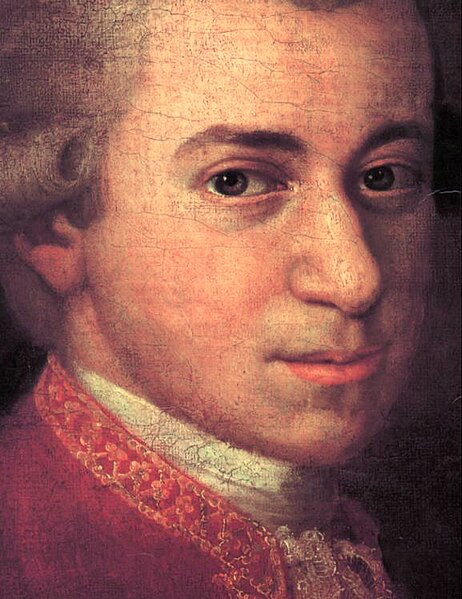
    The name is also borne by Austrian composer, Wolfgang Amadeus Mozart (1756-1791) and German novelist and poet Johann Wolfgang von Goethe. Popular German diminutives are Wolf and Wolfie. In recent years, the name has been considered dated in German speaking countries. The designated name-day is October 31.

    Other forms of the name include:

    • Volfgangu
    • Volfgang (Croatian/Slovakian)
    • Vuk (Croatian)
    • Farkas (Hungarian)
    • Volfgango (Italian)
    • Volfgangs (Latvian)
    • Volfas/Volfgangas (Lithuanian)

    Ursula

    ursulaBritishMuseumGender: Feminine
    Origin: Latin
    Meaning: “little she-bear; she-cub; little female bear.”
    Eng (ERS-uh-LAH)

    The name is of Latin origin but is suggested that is may be a latinization of the old Germanic female name Yrsa meaning “bear” and was popularized by a medieval Christian saint said to be martyred in Cologne. Not much is known about the saint, other that she was martyred under Huns along with 11,000 other virgins, which is now believed to be a misprint from the written source of the legend. What is known for sure is that there was a basilica built in honour of a virgin Christian martyr in Cologne and from this arose several different legends referring to a St. Ursula and St. Cordula. According to the legend, St. Ursula was a British princess who was sent by her father to Germany to marry a prince, along with her, were sent 11,000 maidens, however,  her ship was taken off course due to a storm and instead ended up in France where she then decided to do a pan-European Christian pilgramage before meeting her future husband. She made a pilgramage to Rome where she tried to pursuade the pope to do a pilgramage with her and her 11,ooo companions. When she reached cologne she and her companions were massacred by the Huns.

    The legend is based off of a 4th century inscription written in the Basilica which was built in the saint’s honour. It is believed that the 11,ooo handmaidens was confused with a female martyr named Undecimilia, Undecimila or Xemilia and that the abbreviation XI.M.V was misread as a number. The same saint has also been referred to under the names Pinnosa or Vinnosa. The name was quite prevalent in Great Britain before the Reformation and went out of usage afterwards. The name is also borne by Swiss actress Ursula Andress (b. 1936). It has also appeared in popular culture as the name of the evil sea-witch in Disney’s the Little Mermaid and as the name of the wife of Nigellus Phineas Black in the Harry Potter Series.

    In Poland, the name is associated with a great piece of Polish Literature written by Jan Kochanowski. Known as Laments (Treny) 1580, they are a series of 19 elegies which talk about the author’s grief after the death of his two and half year old daughter Orszola (Urzula) which he refers to as the Slavic Sappho.

    Other forms of the name are (divided alphabetically by nationality):

    • Orsula (Corsican)
    • Uršula (Croatian/Czech/Slovakian/Slovenian)
    • Yrsa (Danish/Faroese/Icelandic/Norwegian/Swedish)
    • Orsel (Dutch)
    • Ursule/Ursuline (French)
    • Ursula/Ursel (German/Dutch/Estonian/Finnish/Spanish: German diminutive forms are Ulla, Uli and Uschi)
    • Orsolya (Hungarian: or-SHOH-lah was the 56th most popular female name in Hungary in 2006)
    • Úrsúla (Icelandic)
    • Orsina/Orsola/Orsolina (Italian)
    • Ursa (Latin)
    • Urzula (Latvian)
    • Uršulė (Lithuanian)
    • Urszula/Orszola/Warszula (Polish: Latter two forms are older forms and are rarely used. Diminutive form is Ula and Urszulka. Older diminutive forms are Ulicha and Ulita)
    • Úrsula (Portuguese)
    • Ursetta/Ursina/Urschla (Romansch)
    • Urška (Slovenian: originally a diminutive now used as an independent given name, it was the 51st most popular female name in Slovenia in 2005)
    • Orscheli (Swiss-German: ORSH-lee)

    There are a few male equivalents which include:

    • Orso/Orsino/Ursio/Ursino (Italian)
    • Urs (German)
    • Ursinus/Ursus (Latin)
    • Ursyn/Ursycjusz (Polish: very rare)
    • Ursin/Urosin (Romansch)

    Callistus, Callista

    443px-François_Boucher_012Origin: Greek/Late Latin
    Meaning: “most beautuful.”

    Callistus and Callista is a Late Latin form of the Greek Καλλιστοσ (Kallistos) meaning “most beautiful” which is ultimately derived from the Greek feminine name Kalliste or Kalliste.

    In Greek mythology, Callisto was the daughter of King Lycaon of Arcadia, she was a hunting companion or nymph of the goddess Artemis, and took an oath to remain a virgin. Zeus disguised himself as Artemis in order to get close to the virgin, upon embracing the false image of Zeus, Zeus took on his true form and raped Callisto. When Artemis discovered that one of her virgin maids was pregnant and defiled, she turned Callisto into a bear and Callisto gave birth to her son Arcas. Zeus placed Callisto and her son in the constellation Ursa Minor. Later, Kallisto became an epithet for the goddess Artemis Kalliste. A moon of Jupiter was also named in the nymph’s honour.

    In later years, the masculine form of Callistus was borne by three popes, also known as Callixtus, one of which was canonized a saint. His designated name-day is October 14.

    The feminine version is borne by actress Calista Flockhart (b.1964). It was also borne by a 19th-century American female Baptist missionary Calista Vinton (1807-1864).

    Spelled Callista, it is the name of a genus of molusc, and an orchid genus. It was also the name of the title character in the 1855 novel by John Henry Newman (Callista). A fictionalized version of Christians in ancient Rome.

    Kallista is the name of a suburb of Melbourne Australia, and Kalista is the name of a village in Bulgaria.

    Other forms of the name include, male versions:

    • Calistu (Corsican)
    • Kalist (Croatian/Slovak)
    • Calixus (Danish)
    • Kallistus/Kalixtus (German)
    • Kallistos (Greek)
    • Callisto (Italian)
    • Callixtus/Callistus (Late Latin)
    • Kalikstas (Lithuanian)
    • Kalikst (Polish)
    • Calisto/Calixto (Spanish/Portuguese)

    Female forms include

    • Kalliste/Kallisto (Classic Greek)
    • Calista (English spelling, has been in usage since at least the 18th-century. Also used in Spanish and Portuguese speaking countries)
    • Callista (Late Latin/Italian)
    • Kallisti (Modern Greek)
    • Kalista/Kaliksta (Bulgarian, Czech/Slovak, Croatian, Polish)
    • Calixta (Spanish/Portuguese)

    English nickname options include Calla and Callie.

    Hedwig

    Lesseur-JadwigaGender: Feminine
    Origin: German
    Meaning: “heathen war; battle, combat, war.”
    Eng (HED-wig); Germ (HED-vig)

    The name probably conjures images of Harry Potter for you, maybe you were looking for a good “Halloween” themed name for a pet, or heck, even a child, and you stumbled here.

    Hedwig is an old Germanic name either composed of the elements hadu meaning “battle; combat” and wig meaning “war.” It has even been suggested to be composed of the Germanic elements hede meaning “heathen” and wig meaning “war.”

    The name used to be quite prevalent in German speaking countries as well as in Scandinavia, but is now considered a dated name. Its Polish form of Jadwiga (jahd-VEE-gah) has been somewhat common in Poland for centuries.

    It was borne by two Polish queens and saints. One was a German import who most likely first introduced the name into Poland. She was the Duchess of Silesia (1174-1243) and the wife of Henry I the Bearded of Silesia. She chose to enter a convent upon his death. St. Hedwig was known for her piety and charity, refusing to wear shoes as a sign of humility, and she is also known for establishing German culture in Poland, particularly in the region of Silesia.

    The other Jadwiga 1373/4-1399, also a canonized saint, was proclaimed King instead of Queen to reflect her sovereignty. She was the daughter of Louis I of Hungary and Elisabeth of Bosnia. She was known for her well-rounded education, (she could speak six languages fluently), and her extreme piety. Among her contributions to Polish society was the restoration of the Krakow University (now known as Jagiellonie in her honour), and her union with Jogaila, the Lithuanian duke. Due to their marriage, Lithuania became Christian and a strong ally of Poland.

    Many legends have been attributed to the female king’s sanctity, one of which was that she would smuggle food out of her comfortable surroundings and distribute it among the poor. It is even said that she miraculously brought a drowned boy back to life.

    Other notable bearers of this name include Hedwig Countess of Mons (970-1013) she is also known as Avoise, Hadevide, and Haltude. Hedwige of Saxony (910-965), Jadwiga of Kalisz (1266-1339). Of course we all know that Harry Potter’s pet owl boasts this name. It was also the full name of actress Hedy Lamarr (1914-2000). It is also borne by Hedvig Raa-Winterhjelm (1838-1907) a Swedish stage actress who contributed greatly to Finnish theatre, by uttering the first lines in Finnish in theatre history.

    Other forms of the name include. Divided alphabetically by nationality

    • Hedvika (Czech/Slovak: diminutives include Heda, Heddy, Hedva, Hedine and Viky)
    • Jadviga (Czech/Latvian)
    • Hedevig (Danish)
    • Hadewych (Dutch)
    • Hedvi (Estonian)
    • Heivi (Estonian)
    • Heiðvík (Faroese)
    • Helvi (Finnish)
    • Heta (Finnish)
    • Avoise/Edvige (French: Avoise is the medieval form which has gone out of usage, Edvige is the more modern French form)
    • Hedy (German/Dutch: originally a diminutive form, sometimes used as an independent name)
    • Hedí (Icelandic)
    • Heiðveig (Icelandic)
    • Edvige (Italian/Corsican)
    • Hedvigis (Late Latin)
    • Eda/Ede (Latvian/Estonian)
    • Hedija (Latvian)
    • Jadvyga (Lithuanian)
    • Hadewig (Old German)
    • Jadwiga (Polish: common diminutives include Jadzia and Iga).
    • Hedvig (Scandinavian/Hungarian)
    • Hedda (Swedish/Norwegian: currently a very popular name in Norway)
    • Hedviga (Slovak/Latvian/Croatian)

    Its designated name-day is October 15.