Mulan

  • Origin: Chinese
  • Meaning: “magnolia.”
  • Gender: Female

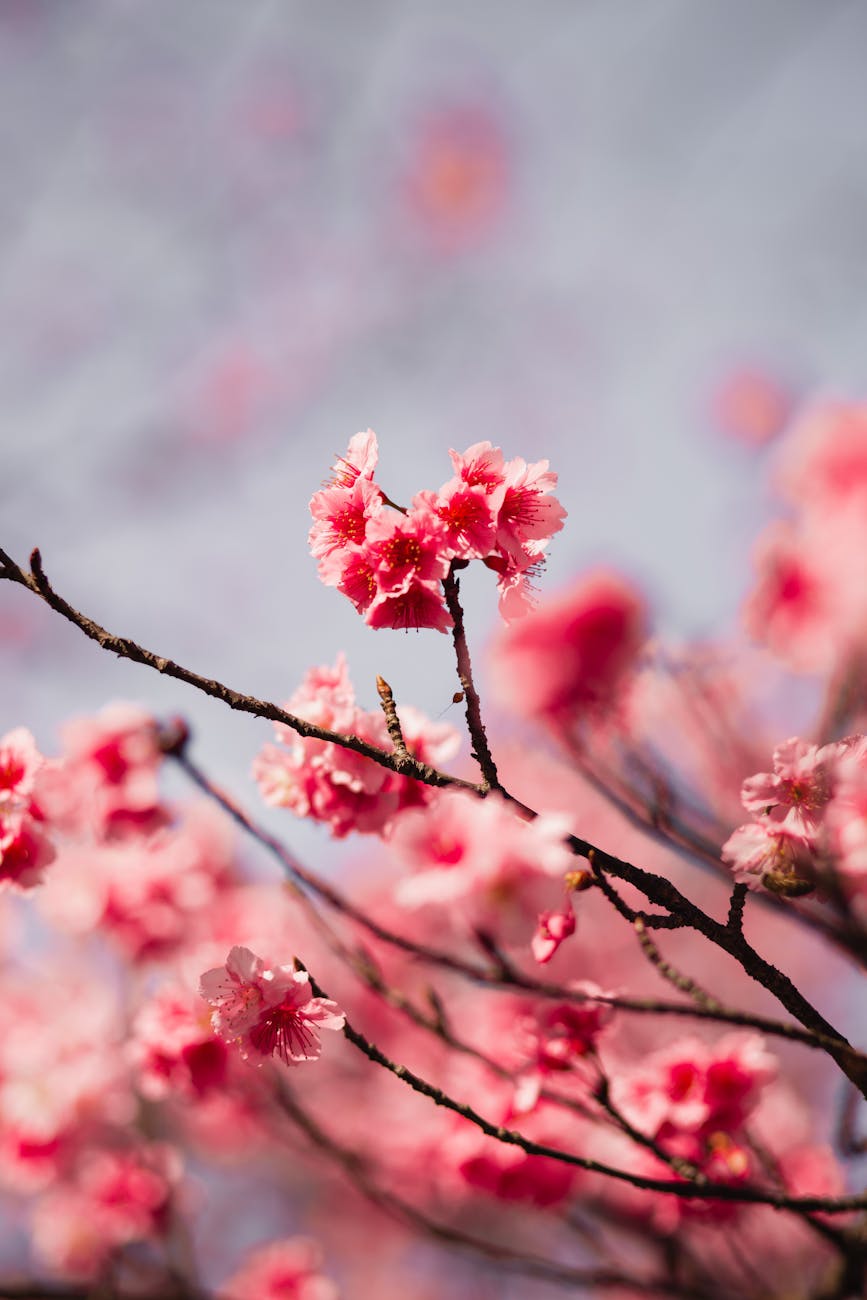
The name Mulan (simplified 木兰 / traditional 木蘭) is Chinese, literally meaning “magnolia.”
It is composed of 木 (mù) — “wood; tree,”蘭 / 兰 (lán) — “orchid,” which in full, translates to magnolia.

The name is best known from the Ballad of Mulan (木蘭辭 / 木兰辞), a Northern Wei-era folk poem likely composed between the 5th and 6th centuries CE. It tells the story of a young woman, Hua Mulan (花木蘭), who disguises herself as a man to take her ailing father’s place in the imperial army.

While the Ballad of Mulan is not strictly historical, the story became deeply embedded in Chinese cultural consciousness—an emblem of filial piety (孝, xiào), bravery, and loyalty.
In later retellings, especially during the Tang and Ming dynasties, Hua Mulan was elevated to near-mythic status, blending Confucian and patriotic ideals.

In China, Mulan continues to be used as a poetic and feminine name, admired for its historical depth and symbolism of courage and integrity rather than for commercial associations.

Disney adapted the tale into an animated movie, making the name familiar to Western ears.

Sources

Harini

  • Origin: Sanskrit हरिणी
  • Meaning: “doe; yellow; tawny; green”
  • Gender: feminine
  • Pron: HER-ee-nee

The name is from the Sanskrit हरिण (harina), which can refer to a doe as well as to a yellowish-greenish colour, such as tawny or green. It is used to refer to yellow jasmine as well as to an idol made of gold. Harini (doe) is also used to describe one of four classes of a type of woman, feminine and sweet like a doe. It is also an epithet for the goddess Lakshmi.

Sources

Ianthe

Photo by James Wheeler on Pexels.com
  • Origin: Greek Ἰάνθη
  • Meaning: “violet flower.”
  • Gender: feminine
  • Eng pron: (i-AN-thee); Grk pron: (ee-AHN-thay)

The name comes directly from the Greek ἴον (ion) meaning “violet” and ἄνθος (anthos). It is borne in Greek mythology by an Oceanid nymph who was responsible for violet flowers and purple tinged clouds. It is also the name of Cretan woman in Greek mythology who marries Iphis after she is turned into a man by Aphrodite.

It was in vogue in 19th-century England, being the nickname for Lady Charlotte Harley, by Lord Byron to whom the poem, Childe Harold’s Pilgrimage is dedicated. It was also used by Percey Bysshe Shelley’s poem, Queen Mab, in which it is the name of a character. Shelley later named his daughter Ianthe. It is also the name of a character in John William Polidori’s 1819 short story, The Vampyre. It was the pen-name of American writer and poet, Emma Catherine Embury (1806-1863).

In recent literature, it is the name of a character in the Court of Thorns and Roses series by Sarah J. Maas.

Other forms/Usages

  • Ianthé (French)
  • Janthe (German, Late Latin)
  • Ianta Ианта (Russian)

Sources

Hanasa

Photo by Guilherme Rossi on Pexels.com
  • Origin: Japanese
  • Kanji: 花咲
  • Katakana: ハナサ
  • Most common meaning: “flower blossom.”
  • Gender: feminine
  • Pron: HAH-nah-SAH

The name is composed of the Kanji 花 (flower) and 咲 (bloom, blossom, flourish). Other Kanji combinations are possible with different meanings.

Sources

Mais, Mays

  • Origin: Arabic ميس
  • Meaning: “hackberry tree; sugarberry tree”
  • Gender: feminine
  • Pron: (MAH-ees; MIES)

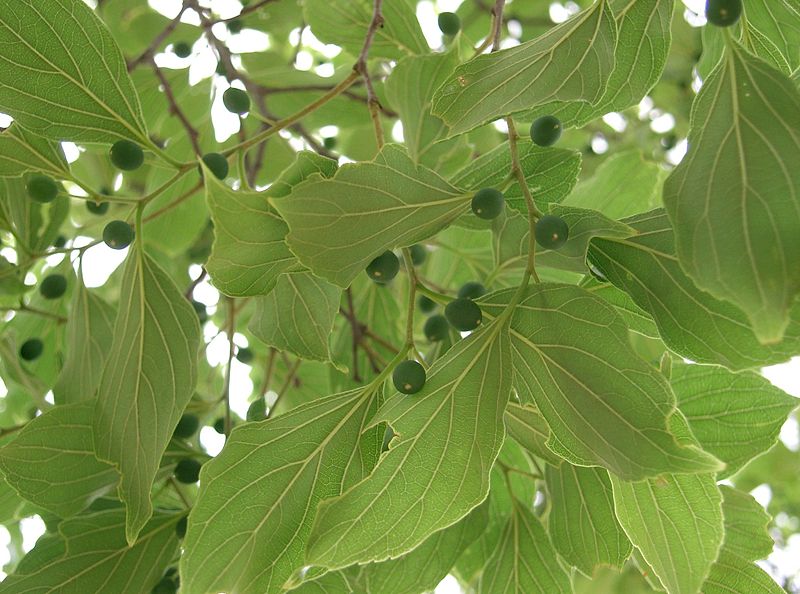
The name comes directly from the Arabic word ميس which is the name of the hackberry tree.

Sources

Ilavenil

Photo by Srinivas Raghavan on Pexels.com
  • Origin: Tamil இளவேனில்
  • Meaning: “springtime”
  • Gender: feminine
  • Variant transcription: Elavenil
  • Pron: (EE-luv-eh-nil)

The name comes directly from the Tamil word ilavenil இளவேனில் (springtime). A notable bearer is sport shooter, Elavenil Valarivan (b. 1999).

Sources

Ruixi

Photo by Pixabay on Pexels.com
  • Origin: Chinese 蕊僖
  • Meaning: “joyful stamen; joyful bud; bud of joy.”
  • Gender: feminine
  • Pronunciation: (ROO-SHEE)

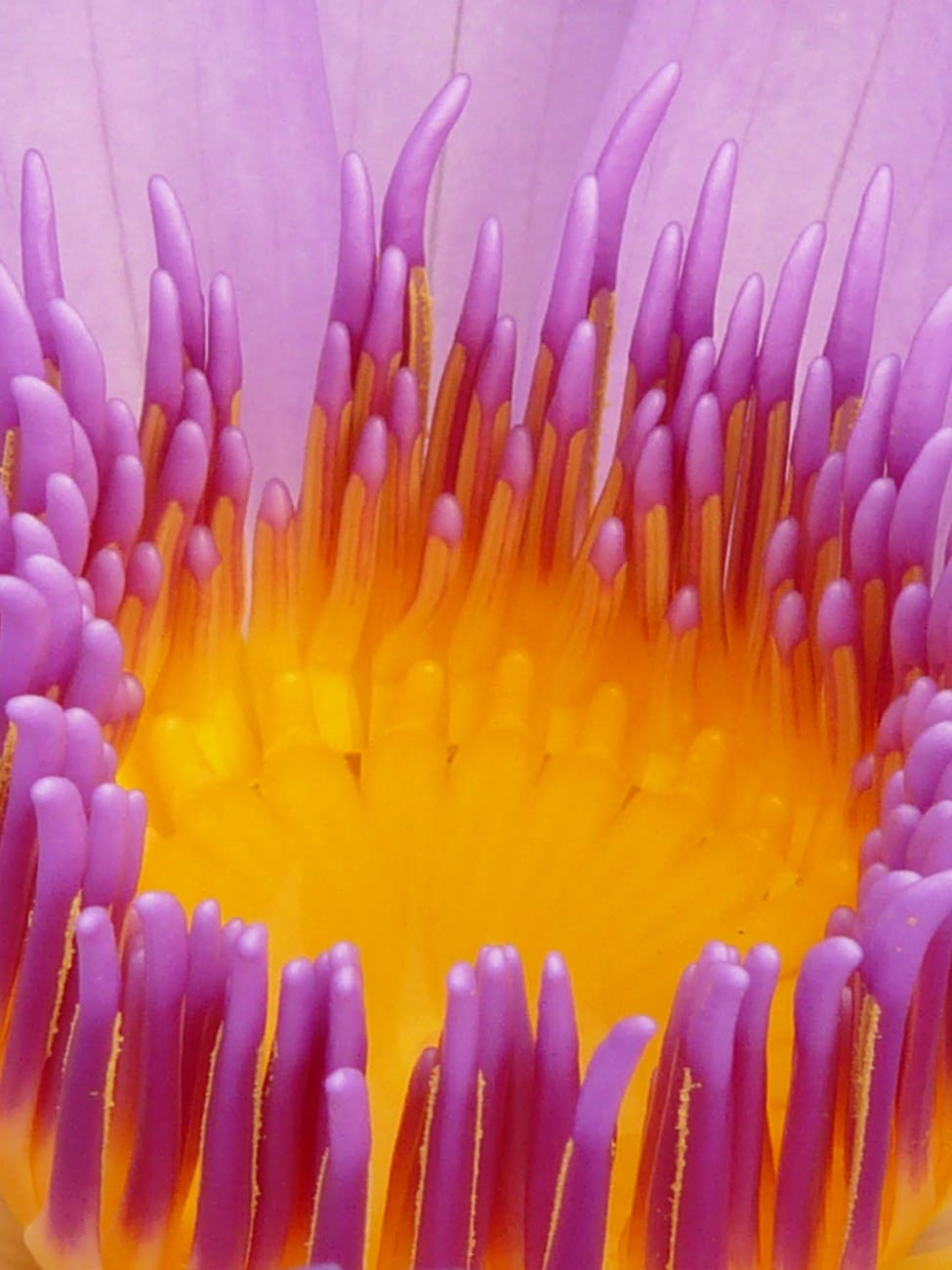
The name is composed of the Chinese 蕊 (ruǐ) meaning, (stamen, pistil, bud) and 僖 ()(joy).

Sources

Balandis, Balanda

Photo by Genaro Servu00edn on Pexels.com
  • Origin: Lithuanian
  • Meaning: “april; pigeon; dove.”
  • masc (bahl-LAHN-dis); fem (bah-LAHN-dah)

Balandis comes directly from the Lithuanian word for both the type of bird (dove, pigeon) or the month of April. The word itself is from the Old Prussian root word balts meaning “white.” Both the month and the bird may have gotten this name due to their associations with the colour white.

A feminine form is Balanda.

Sources

Hatan, Hattan

Photo by Jill Burrow on Pexels.com
  • Origin: Arabic هتان
  • Meaning: “downpour, rain.”
  • Gender: masculine

The name comes directly from the Arabic weather term هتان (hattan) meaning “downpour; rain.” It is commonly used in Arab Gulf countries.

Sources

Vaiva

Gender: Feminine
Origin: Lithuanian
Meaning: “rainbow.”
(VYE-vah).

The name is derived from the Lithuanian word vaivorykštė meaning “rainbow.”

In Lithuanian mythology, the name is borne by a minor goddess of the rainbow.

According to one account, the lightning god, Perkunas, was suppose to marry the goddess Vaiva on a Thursday, but she was kidnapped by the evil Velnias and Perkunas has hunted down Velnias ever since.

Another form of the name is Vaivora.

The designated name-day is June 18.

Sources

  1. http://people.tribe.net/dreamkeeper/blog/ea3bb428-113e-4b5e-8214-da6ea680bcff
  2. http://www.behindthename.com/namedays/lists/6.php