Christopher

Gender: Masculine
Origin: Greek
Meaning: “Christ-bearer.”
(KRIS-te-FER)

A popular male name throughout the Christian world, it is derived from the Greek Χριστόφορος, which is composed of the elements, χριστός (khristós), meaning, “anointed one” or in this case, just “Christ” and φέρειν (phérein), meaning, “to carry.”

The name caught on in the early Middle Ages after the legends of a Saint of the same name became a widespread cult, according to the legend, the name was borne by a giant who carried the Christ child across a river. He is considered the patron saint of travellers and is still revered as a popular saint in both the Eastern Churches and the Roman Catholic Church.

As of 2008, Christopher was the 9th most popular male name in the United States. Between 1979-1994, he was the 2nd most popular male name. The lowest he has ranked in U.S. naming history was in 1931, when he came in as the 360th most popular male name.

The name has always been quite common in Central and Northern Europe.

His rankings in other countries are as follows:

  • # 53 (Australia, 2007)
  • # 65 (Canada, B.C., 2008)
  • # 94 (England/Wales, 2008)
  • # 155 (Germany, 2009)
  • # 61 (Ireland, 2007)
  • # 18 (Poland, Warsaw, 2009)
  • # 52 (Scotland, 2008)
  • # 99 (Sweden, 2008)

Other forms include:

  • Kristofor (Albanian)
  • Krystafer كريستوفر (Arabic: used among Middle Eastern Christian)
  • Khrystafor Хрыстафор (Belarusian)
  • Kristof (Breton)
  • Khristofor/Hristofor Христофор (Bulgarian)
  • Cristòfol (Catalan)
  • Cristofanu (Corsican)
  • Kristofor (Croatian)
  • Kryštof (Czech)
  • Christoffer/Christopher/Kristoffer (Danish)
  • Christoffel/Christoforus (Dutch)
  • Christophe (Dutch/French)
  • Christof/Kristof (Estonian)
  • Tohver/Tohvri (Estonian)
  • Kristofer/Risto (Finnish)
  • Christoph/Christof (German)
  • Khristóphoros Χριστόφορος (Greek: Modern)
  • Kristóf/Krisztofer (Hungarian)
  • Kristófer (Icelandic)
  • Críostóir (Irish-Gaelic)
  • Cristofaro/Cristofero (Italian)
  • Cristofalo/Cristofolo (Italian)
  • Cristofano (Italian)
  • Cristoforo (Italian: most common form)
  • Christophorus (Latin)
  • Kristaps/Kristofs (Latvian)
  • Kristoforas/Kristupas (Lithuanian)
  • Christopher/Kristoffer (Norwegian)
  • Krzysztof (Polish)
  • Cristóvão (Portuguese)
  • Christof/Christofor (Romanian)
  • Khristofor Христофор (Russian/Serbian/Ukrainian)
  • Cristolu (Sardinian)
  • Kester (Scottish)
  • Krištof (Slovak/Slovene)
  • Kito (Sorbian)
  • Cristóbal (Spanish)
  • Christoffer/Kristoffer (Swedish)
  • Kristof (Turkish)
  • Krishtof Криштоф (Ukrainian)
  • Cristoforo (Venetian)

Common English diminutives are Chip, Chris, Christy, Kip, Kit and Topher.

German diminutives are Stoffel and Stoffi.

Polish diminutives are: Krzysiek, Krzysiu, Krzyś, Krzysio, Krzysiaczek, Krzych and Krzychu.

An Italian feminine form is Cristofora and an obscure French/German feminine form is Christophine. Another obscure feminine form is the Polish, Krzysztofa.

Notable bearers include: Christopher Columbus (1451-1506), three Danish Kings which include Christoffer of Bavaria, English playwright, Christopher Marlowe (1564-1593) and the fictional character, Christopher Robin, of Winnie-the-Pooh books.

Anthony, Antonia

Origin: Latin
Meaning: unknown

The masculine English name, Anthony, is currently the 7th most popular male name in the United States.

The name is derived from a Roman family name, Antonius, which is of speculated origins, it is suspected to be of Etruscan heritage and it was borne by Marcus Antonius, (Marc Antony), who ruled the Roman Empire jointly with Caesar Augustus during the 1st-century B.C.E. His romance with Cleopatra is retold in Shakespeare’s tragedy, Antony and Cleopatra (1606).

The name was popularized in the Christian world due to the cult of St. Anthony the Great, an Egyptian hermit from the 3rd-century C.E. He is mostly noted for his establishment of Christian monasticism, another famous saint is Anthony of Padua, a 13th-century saint, who is known as the patron saint of Portugal and of lost items.

Originally, Antony was the more common form used in the English speaking world, and still is, to a certain extent, in the United Kingdom. The original English pronunciation was AN-tuh-nee, but AN-thuh-nee can also be heard in certain areas of the United States, particularly in the Midwest.

The lowest that Anthony has ranked in United States naming history was in 1885 when he came in as the 105th most popular male name.

His ranking in other countries is as follows:

  • # 48 (Australia, 2007)
  • # 33 Antoine (Belgium, 2006)
  • # 55 (Canada, B.C., 2008)
  • # 16 Antoine (France, 2006)
  • # 70 (France, 2006)
  • # 74 Antonin (France, 2006)
  • # 71 (Ireland, 2007)
  • # 312 (the Netherlands, 2008)
  • # 22 (Spain, 2006)

Its continental form of Anton, has always been a popular choice throughout Northern and Central Europe, in the United States, he is currently the 832nd most popular male name-2008, the highest he ever ranked in U.S. naming history was in 1885 coming in as the 175th most popular male name.

In other countries, his rankings are as follows:

  • # 4 (Finland, among Swedish-speakers, 2007)
  • # 11 (Sweden, 2007)

The feminine form of Antonia, currently does not rank in the U.S. top 1000, she is currently the 5th most popular female name in Chile-2008.

In the Netherlands, its diminutive form of Teun is currently the 36th most popular male name (2008).

Other forms of Anthony include:

  • Antón (Aragonese)
  • Antoniu (Asturian/Romanian/Sicilian)
  • Andoni (Basque)
  • Antolin (Basque)
  • Antton (Basque)
  • Anteng (Bavarian)
  • Dane (Bavarian: not to be confused with the English name Dane, this is pronounced: DAH-neh)
  • Anton Антон ანტონ(Breton/Bulgarian/Dutch/Estonian/Georgian/German/Maltese/Romanian/Russian/Scandinavian/Slovene/Ukrainian)
  • Antoun (Breton)
  • Andon Андон (Bulgarian/Albanian)
  • Antonij Антоний (Bulgarian)
  • Antoni (Catalan/Polish/Romansch: in Catalan, Tonet is the diminutive form. In Polish, the pet form is Antek)
  • Antone (Corsican: Antó is the diminutive form)
  • Ante/Anto (Croatian)
  • Antun (Croatian)
  • Antonín (Czech)
  • Anthonie/Antonie (Dutch)
  • Antheunis/Anthonis (Dutch)
  • Antonius (Dutch/Latin)
  • Antoon (Dutch)
  • Teun (Dutch: originally a diminutive form, now used as an independent given name).
  • Teunis/Theunis (Dutch: originally a diminutive form, now used exclusively as an independent given name)
  • Ton (Dutch/Limburgish)
  • Anteneh (Est0nian)
  • Tõnis (Estonian: originally a diminutive form, also used as an independent given name)
  • Anttoni (Finnish)
  • Antoine (French)
  • Antonin (French/Romansch)
  • Tinus (Frisian)
  • Antain/Antaine/Antoin/Antóin (Gaelic-Irish)
  • Antônios Αντώνιος/Antónis Αντώνης (Greek: modern)
  • Akoni/Anakoni (Hawaiian)
  • Antal (Hungarian)
  • Antoníus (Icelandic)
  • Totono (Indonesian)
  • Antonello (Italian)
  • Antonetto/Antonietto (Italian: obscure archaic diminutive form that was used as an independent given name)
  • Antoniano (Italian)
  • Antonico (Italian)
  • Antonillo (Italian)
  • Antonino (Italian: Nino is the common diminutive form)
  • Antoniuccio/Antonuccio (Italian: archaic form)
  • Antoniusso (Italian: archaic form)
  • Antuono (Italian: archaic, possibly a corruption of the French Antoine)
  • Antoninus (Latin)
  • Antons (Latvian)
  • Tun/Tunnes (Lexumburgish)
  • Antanas (Lithuanian: more common form)
  • Antonijus (Lithuanian)
  • Tonìn (Neopolitan)
  • Tonik (Norwegian: obscure form)
  • Titoan/Titouan (Occitanian/Provençal)
  • Tönnies, Tüns (Plattdeutsch)
  • Antoniusz (Polish: obscure form)
  • António (Portuguese: European)
  • Antônio (Portuguese: Brazilian)
  • Tonnies/Tünnes (Ripoarisch)
  • Antieni (Romansch)
  • Antòni (Sardinian/Occitanian: diminutive form is Tottoi)
  • Antonije Антоније (Serbian)
  • ‘Ntonio (Sicilian)
  • Antonio (Spanish/Italian: Toño and Tonito are the Spanish diminutive forms)
  • Done (Swabian)
  • Antümi (Turkish)
  • Antonij Антоній (Ukrainian)

Various feminine forms include:

  • Antònia (Catalan)
  • Antonieta (Catalan)
  • Antonija Антонија (Croatian/Serbian/Slovene)
  • Antonína (Czech/Slovak)
  • Antonie (Czech: ahn-TONE-yeh)
  • Antonia (Dutch/Italian/Polish/Romansch/Slovene/Spanish)
  • Tonneke (Dutch)
  • Antonie (French)
  • Antonine/Tonine (French: Tonine was originally a diminutive form and is now occasionally used as an independent given name)
  • Antoinette (French/Dutch)
  • Toinette (French: originally a diminutive form, now used as an independent given name)
  • Toinon (French: originally a diminutive form, occasionally used as a diminutive form)
  • Antía (Galician)
  • Antonella (Italian)
  • Antonetta/Antonietta (Italian)
  • Antonica (Italian)
  • Antonilla (Italian)
  • Antonina Антонина (Italian/Polish/Russian: Tosia is the Polish diminutive form and Nina is the Italian diminutive form)
  • Antonita (Italian/Spanish: originally a pet form, now used as an independent given name)
  • Titoana/Titouane (Occitanian/Gascon/Provençal)
  • Antónia (Portuguese/Bearnais/Hungarian/Slovak)
  • Tonia (Romansch)
  • Tonka (Slovene: originally a diminutive form, used as an independent given name)

A common English diminutive form for both the masculine and the feminine is Tony, in French, common diminutive forms are Toine, Toinou and Togne, for males.

Italian feminine diminutive forms are: Tonia, Tonina, Tona, NinaNinetta and Ninuccia. Italian masculine diminutives are: Tonio, Tonello, Tonino, Tonuccio, Nino, Ninuccio, Totò, Toni and Tony.

Italian combined forms are Antonmaria, Antoniomaria and Antonangelo.

Alexander, Alexandra

Origin: Greek
Meaning: “defender of man.”

The name is composed of the Greek elements, ἀλέξω (alexos), meaning “to defend; to help” and the genitive Greek noun, ἀνδρός (andros) “belonging to man.” Hence, the name would roughly translate as “defender of man” or “helper of man.”

The name is extremely ancient, and possibly, even pre-Hellenistic, the oldest record of the name dates back to the Mycenean period, where the feminine form of Alexandra, is found written in Linear B.

In Greek mythology, Alexander was another name used for the hero, Paris and Alexandra was used as an epithet for the goddess, Hera.

The name is also found several times in the Bible and the most famous bearer in history has to possibly be attributed to Alexander the Great, a 4th-century Greek emperor who expanded his empire as far away as Asia, spreading his fame and his name.

Later the name was borne by several saints and kings throughout Europe, including Tsar Alexander I of Russia.

Currently, Alexander is the 6th most popular male name for boys in the United States, (2008), the lowest that Alexander ever ranked in U.S. naming history was in 1959, coming in at # 233.

In other countries, his rankings are as follows:

  • # 19 (Australia, 2008)
  • # 8 (Austria, 2008)
  • # 37 (Belgium, 2006)
  • # 3 (Bulgaria, 2008)
  • # 14 (Canada, B.C., 2008)
  • # 44 (Chile, 2006)
  • # 19 (England/Wales, 2008)
  • # 1 (Estonia, 2007)
  • # 9 (Finland, among Finnish-speakers)
  • # 99 (Hungary, 2008)
  • # 5 (Iceland, 2004-2007)
  • # 5 (Isle of Man, 2008)
  • # 2  Alessandro (Italy, 2007)
  • # 4 Alecsander/Alessandro (Liechtenstein, 2008)
  • # 1 Aleksander (Macedonia, 2006)
  • # 5  Alejandro (Mexico, 2008)
  • # 97 (the Netherlands, 2008)
  • # 10 (Norway, 2008)
  • # 14 Aleksander (Poland, Warsaw, 2009)
  • # 2 Alexandru (Romania, 2008)
  • # 1  (Russia, Moscow, 2007)
  • # 11 (Scotland, 2008)
  • # 2 Alejandro (Spain, 2008)
  • # 2 Àlex (Spain, Catalonia, 2008)
  • # 6 (Sweden, 2008)
  • # 1 Alessandro (Switzerland, among Italian-speakers, 2008)

Other forms of Alexander include:

  • Aleksandër/Sandër/Skënder (Albanian: Aleko, Aleks, Leka, Lekë, Leksi and Leks are diminutive forms)
  • Eskender (Amharic/Ethiopian)
  • Iskander الاسكندر / اسكندر (Arabic)
  • Alixandre (Aragonese)
  • Aleksandr/Alexandr Ալեքսանդր (Armenian)
  • Aleksan/Alexan Ալեքսան (Armenian)
  • Aleq/Alik Ալեք/ Ալիկ (Armenian: originally diminutive forms, now used as independent given names)
  • Alexandru (Asturian/Romanian)
  • İsgəndər (Azeri)
  • Alakshendra/Alekzandar (Bangali)
  • Iskandar/Skandar (Bangali)
  • Iskәndәr Искәндәр (Bashkir)
  • Alesander (Basque)
  • Aliaksandr Аляксандp (Belarusian: Aleś Алeсь is usually the diminutive form)
  • Alaksander Аляксандаp (Belarusian: Tarashkevitsa spelling)
  • Aleksandar (Bosnian/Croatian: Saša is the diminutive form)
  • Aleksandar Александър (Bulgarian: Sasho Сашо and Aleks Aлекс are the diminutives)
  • Alexandre/Àlex/Xandre (Catalan/Galician)
  • Lisandru (Corsican/Lombard)
  • Alexandr (Czech)
  • Alexander (Czech/Dutch/English/Estonian/German/Icelandic/Norwegian/Swedish)
  • Alexander/Aleksander (Danish)
  • Xander (English)
  • Sander (Dutch/Estonian/Norwegian: contracted form)
  • Aleksander (Estonian)
  • Alejandru (Extrumaduran: a dialect of Spanish)
  • Aleksandur (Faroese)
  • Aleksanteri (Finnish)
  • Santeri/Santtu (Finnish: contracted forms)
  • Alexandre (French)
  • Aleksander (Frisian)
  • Alexandré/Aleksandre ალექსანდრე (Georgian)
  • Aleko ალეკო/Lexo ლექსო (Georgian: contracted forms)
  • Aléxandros Αλέξανδρος (Greek: Modern)
  • Alakshendra अलक्षेन्द्र (Hindi)
  • Sándor (Hungarian)
  • Iskandar (Indonesian/Malay)
  • Alasandar/Alastar/Alsander (Irish-Gaelic)
  • Alessandro (Italian: Ale is a diminutive form)
  • Alessandrino (Italian: obscure)
  • Sandro (Italian: a diminutive form now used exclusively as an independent given name)
  • Sandrino (Italian: originally a diminutive form, used as an independent given name, obscure)
  • Askander/Eskander/Îskenderê (Kurdish)
  • İskender Искендер (Kyrgyz)
  • Aleksandrs (Latvian)
  • Alexandrus (Latin)
  • Aleksandras (Lithuanian)
  • Lisandor (Lombard)
  • Aleksandar Александар (Macedonian: Alek Алек, Atse Аце, Atso Ацо and Sasho Сашо are diminutive forms)
  • Chandy ചാണ്ടി (Malayalam)
  • Lixandru (Maltese)
  • Alxandre (Mirandese: a dialect of Portuguese)
  • Aleksandr/Alexandr Алєѯандръ (Old Church Slavonic)
  • Sikandar سکندر (Persian)
  • Aleksander (Polish: more common form, diminutives include, Alek, Aleks and Olek.)
  • Oleksander (Polish: archaic form)
  • Alexandre (Portuguese)
  • Alexandro (Portuguese: obscure)
  • Alesch (Romansch)
  • Alexi (Romansch)
  • Aleksandr Александр (Russian: diminutive forms include: Alik Алик, Sasha Саша, Sashka Сашка, Sashok Сашок, Sashkin Сашкин, Shura Шура, Shurik Шурик and Sanyok Санёк )
  • Alasdair/Alastair/Alistair/Alisdair/Aldair (Scotch-Gaelic)
  • Aleksandar Александар (Serbian: Aca Аца, Aleks Алекс, Sale Сале, and Saša Саша are diminutives)
  • Alessandru (Sardinian)
  • Alissandru (Sicilian)
  • Lisciànniru/Lisciànnuru/Lisciànnaru (Sicilian)
  • Aleksander (Slovene: Aleks, Sandi and Sašo are the diminutives)
  • Alejandro (Spanish: Alejo, Alex, Jano and Jandro are the diminutive forms)
  • Aleksandar (Tamil)
  • İskender (Turkish)
  • Olexandr/Oleksandr Олександр (Ukrainian: Oles Олесь and Sashko Сашко are the diminutives)
  • Iskandar (Uzbek)
  • Alecsander (Welsh)
  • Sender/Senderl סענדער (Yiddish)

As for its feminine form, it has also been borne by several monarchs and saints throughout history. Currently, she is the 61st most popular female name in the United States, the highest she ranked was at # 26 in 1995-1996, the lowest she ever ranked was in 1936 coming in as the 991st most popular female name. Her rankings in other countries is as follows:

  • # 74 (Australia, 2007)
  • # 5 (Bulgaria, 2008)
  • # 53 (Canada, B.C., 2008)
  • # 45 (Chile, 2006)
  • # 90 (England/Wales, 2008)
  • # 21 (Hungary, 2008)
  • # 67 (Ireland, 2007)
  • # 7 (Macedonia, 2006)
  • # 397 (the Netherlands, 2008)
  • # 99 (Norway, 2007)
  • # 8 Aleksandra (Poland, 2oo8)
  • # 4 (Romania, 2008)
  • # 77 (Sweden, 2007)

Alexandra has also spun off Sandra, which is currently the 7th most popular female name in Estonia, and ranks in as the # 441st most popular female name in the United States.

In the United States, the highest she peaked was in 1947, coming in as the 5th most popular female name. Sandy is the preferred pet form.

In other countries, her rankings are as follows:

  • # 58 (Norway, 2008)
  • # 30 (Spain, 2006)

Its more elaborated version of Alexandria, currently ranks in as the 189th most popular female name in the United States (2008).

Other forms of Alexandra include:

  • Aleksandra Александра (Bulgarian/Croatian/Estonian/Polish/Russian/Serbian/Slovene)
  • Aleksandrina Александрина (Bulgarian/Russian)
  • Alexandra (Catalan/Czech/Dutch/English/French/German/Greek/Hungarian/Portuguese/Romanian/Scandinavian/Slovak)
  • Alexandrine (Danish/French/German)
  • Sandra (Dutch/English/Finnish/German/Italian/Latvian/Lithuanian/Portuguese/Scandinavian/Slovene)
  • Xandra (Dutch)
  • Alexandria (English/German)
  • Alexandrina (English: the first name of Queen Victoria)
  • Sandrine (French)
  • Szandra (Hungarian)
  • Alessandra (Italian)
  • Alessandrina (Italian)
  • Sandrina (Italian/Spanish)
  • Lisandra (Maltese)
  • Alexandreina (Romanian)
  • Sanda (Romanian/Croatian)
  • Alastríona/Alastrina (Scotch-Gaelic)
  • Alissandra (Sicilian)
  • Alejandra (Spanish)
  • Oleksandra Олександра (Romanian)

Common English diminutive forms for both genders are Alex, Lex, and Sandy. For males, Ander, Andy and Xander, for females, Alexa, Lexa, Lexie, Sandra and Xandra.

The designated name-days for Alexander are: February 27 (Slovakia), November 19 (Russia) and December 12 (Sweden).

The designated name-days for Alexandra are: April 21st (Czech Republic), May 6/31 (Russia), May 18 (Hungary), June 23 (Russia), August 30 (Greece), Janury 2nd (Slovakia) and February 17 (Sweden)

A Hungarian male diminutive is Sanyi.

Polish diminutives are: Ola, Olka and Olusia.

In Russian, common unisexual diminutives, are Sasha and Shura. Popular feminine diminutives are: Lesya Леся,

A Romanian male diminutive form is Sandu.

An obscure Scottish male diminutive is Sawney.

Melchior

Gender: Masculine
Origin: Debated
Meaning: Debated

The name is of uncertain origin or meaning, but may be related to the Phoenician deity name, Melqart, which means “king city” or possibly even to the Hebrew components, malki (my king) and or (light), which would roughly translate as “my king is light.”

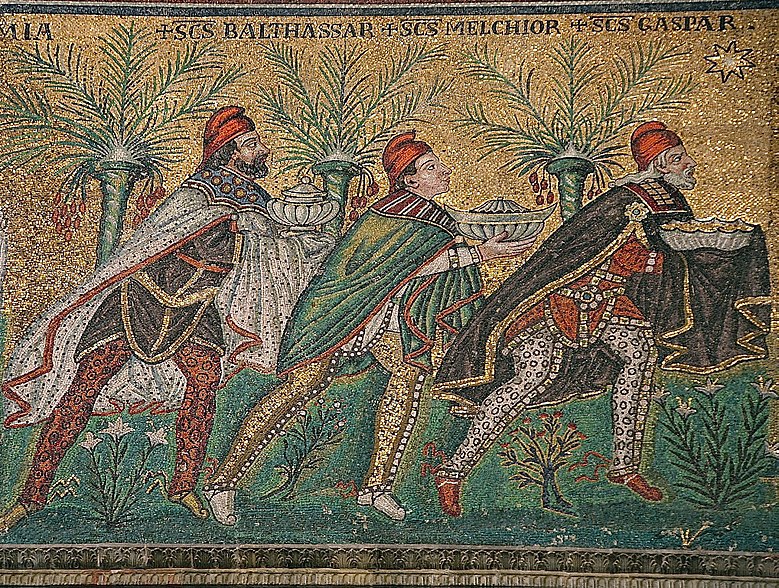
According to Christian lore, it is the name of one of the Three Wise Men (Magi) who visited Christ.

Its designated name-day is January 6th.

Other forms of the name include:

  • Meltxor (Basque)
  • Melcion/Melcior (Catalan)
  • Melchioru (Corsican)
  • Melkior (Croatian/Serbian/Slovene)
  • Melker (Danish/Norwegian/Swedish: currently very popular in Sweden, in 2007, it was the 54th most popular male name in Sweden)
  • Melchior (English/French/German/Polish/Slovak)
  • Malchior (German/Polish: older forms)
  • Marchal/Melcher (German: archaic)
  • Melchiorre (Italian)
  • Melchioras/Melkijoras (Lithuanian)
  • Merkelis (Lithuanian)
  • Melkjor (Maltese)
  • Marchion (Occitanian)
  • Melhior (Polish: very obscure)
  • Belchior (Portuguese)
  • Melkhior (Russian)
  • Melichar (Slovak)
  • Melchor (Spanish/Galician)

an obscure feminine form is Melchiora.

Balthazar

Gender: Masculine
Origin: Phoenician
Meaning: “Ba’al protects the king.”
Eng (Bel-the-Zar)

The name is believed to be a corruption of the Biblical Phoenician name, Belshazzar, which appears in the Book of Daniel as the name of a Babylonian king.

In Christian folklore, the name is attributed to one of the Three Wise Men, in both the Eastern and Western Christian Church, Balthazar is honored as a saint.

The designated name-day is January 6th.

Other forms of the name include:

  • Baltasar (Basque/Galician/Maltese/Spanish)
  • Hausl (Bavarian)
  • Balthazar (Catalan/English/French/Dutch/German)
  • Baltazaru (Corsican)
  • Baltazar (Croatian/Czech/Polish)
  • Hauser (German: Austrian dialectical form)
  • Boldizsár/Baltazár (Hungarian)
  • Baldasarre (Italian)
  • Baltazaras (Lithuanian)
  • Bautesar (Occitanian)
  • Balser/Balzer (Romansch)
  • Valtasar (Russian)
  • Baltazár (Slovak)
  • Boltežar (Slovene)
  • Baltsar (Swedish)

As for nicknames, Bolt might make an interesting choice.

Casper/Jasper

Gender: Masculine
Origin: Persian
Meaning: “treasurer; treasure bringer.”

Caspar, Casper and Jasper are Greek corruptions of an ancient Chaldean or Persian word, gizbar, which means “treasurer.” In modern Hebrew, gizbar is still the word for “treasurer.”

Traditionally, the name is attributed to one of the three Magi, or the Three Wise Men, who are noted for bearing the Christ child gifts. Gaspar is supposedly the one who brought frankincense.

The names of the Magi first appeared in Latin texts which date from the 9th-century C.E. Since then, the name has been in usage in Europe since the Middle Ages, and Gaspar/Caspar is attributed as a saint.

Currently, Jasper ranked in as the # 451st most popular male name in the United States. In Belgium, it is the 51st (2006) and in the Netherlands, the 35th (2008).

Casper did not make it into the U.S. top 1000, the name has not been in the top 1000 since 1933, when it came in as the 978th most popular male name for that year. Its disfavor may have been due to the popular children’s cartoon series, Casper the Friendly Ghost.

His rankings in other countries are as follows:

  • # 77 (the Netherlands, 2008)
  • # 86 (Norway, 2007)
  • # 46 (Sweden, 2007)

Other forms of the name include:

  • Karsudan (Amharic/Ethiopian)
  • Kagpha (Armenian)
  • Gasparu (Corsican)
  • Kašpar (Czech)
  • Jesper (Danish/Dutch/Norwegian/Swedish: YES-per. The 97th most popular male name in the Netherlands-2008, 56th most popular in Norway-2007 and the 74th most popular in Sweden-2007)
  • Kasper/Kaspar (Danish/Dutch/German/Maltese/Norwegian/Swedish)
  • Casper/Caspar (Dutch/English)
  • Jasper (Dutch/English/German: pronounced YAHS-per in Dutch and German)
  • Gaspard (French/Portuguese)
  • Jaspert (Frisian)
  • Gaspare (Italian: gahs-PAH-re)
  • Gasparo/Gaspero (Italian)
  • Gasparino/Gasperino (Italian)
  • Caspar/Gasparus (Latin)
  • Gaspars (Latvian)
  • Kasparas (Lithuanian)
  • Ġaspar (Maltese)
  • Kacper (Polish: most common form)
  • Kasper/Gaspar (Polish)
  • Gašpar (Prekmurian)
  • Chasper/Chispar (Romansch: diminutive is Chasprot)
  • Hasper (Romansch)
  • Papper (Romansch)
  • Tgasper (Romansch)
  • Aspano/Asparinu (Sicilian)
  • Gašpar (Slovene/Croatian)
  • Gaspar (Spanish/Basque/French/Occitanian)
  • Gushnasaph (Syrian)

Feminine forms are the Dutch Jasperine, the French Gasparine and the Italian Gasparina.

The designated name-day is January 6th.

Jacob, James, Jacqueline

Gender: Masculine
Origin: Hebrew
Meaning: debated
Eng: (JAKE-ub); (JAMEZ)

Since it is the beginning of the year, I thought I would start doing the most popular names of 2008.

In the United States, Jacob is currently the most popular male name, coming in at # 1 in 2008.

Actually, Jacob has held on to the number 1 spot, for the last decade, since 1999. The lowest that Jacob has ever ranked in U.S. naming history was back in 1967 ranking in at # 353.

Jacob’s rankings in other countries are as follows:

  • # 21 (Australia, 2007)
  • # 3 (Canada, B.C., 2008)
  • # 20 (England/Wales, 2008)
  • # 94 (Ireland, 2007)
  • # 122 (the Netherlands, 2008)
  • # 89 (Norway, 2007)
  • # 79 (Scotland, 2008)
  • # 29 (Sweden, 2007)

Jacob is a Biblical name of Hebrew origin, borne by an important Jewish patriarch, the meaning of the name is somewhat debated. Though many sources agree that it is derived from the Hebrew ‎עקב (aqabaqav), which means “to seize by the heel”, “to circumvent” or ” to restrain” and may possibly be a word-play of the Hebrew עקבה‎ (iqqebahiqqbah) meaning, “heel,” since in the Bible, Jacob was born holding onto the heel of his twin brother Esau. In Hebrew, the act of holding the heel was associated with deception, so the name has been suggested to take on the meaning of “deception.”

Other sources have suggested it to mean “may God protect”, being a derivative of the Hebrew יַעֲקֹבְאֵל (Ya’aqov’el).

In the Bible, Jacob was the younger twin son of Rebekah and Isaac, by deceiving his elder brother Esau into selling his birthright, Jacob received his father’s blessing before Isaac’s death.

Jacob later became the father of the twelve tribes of Israel.

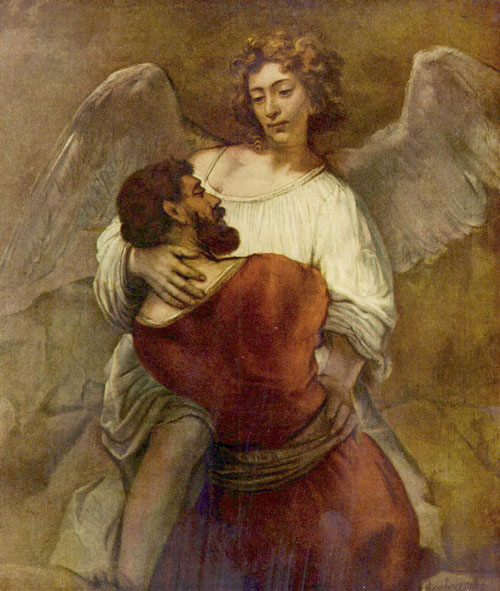
His episode of dreaming of a ladder to heaven is called “Jacob’s Ladder” and his wrestling with the angel, after which God gave Jacob the name of Israel ,meaning, “struggles with God” or “God contended.”

The name later appears in the New Testament by several other characters, one of them being the name of the Apostle James, (also known as Jacob since both names are related).

In English, both Jacob and James are derived from the Biblical Greek, Ιακωβος (Iakobos) later being latinized to Iacomus, (from which James is an anglicized a corruption).

James and Jacob have been used in England interchangeably since the Middle Ages, James became a common name in English and Scottish royalty.

Currently, James is the 17th most popular male name in the United States, the highest he has peaked was between 1940 and 1952, coming in at # 1. The lowest he has peaked was at # 19 in 1999 and then again in 2001.

James has never detracted from the U.S. top 20.

In other countries, his rankings are as follows:

  • # 8 (Australia, 2007)
  • # 10 (Canada, B.C., 2008)
  • # 9 (England/Wales, 2008)
  • # 5 (Ireland, 2007)
  • # 332 (the Netherlands, 2008)
  • # 5 (Scotland, 2008)

The designated name-days for Jacob are December 20 (France), July 25.

Other forms of both names include:

  • Jakob (Afrikaans/Danish/Dutch/German/Norwegian/Slovene/Swedish: 12th most popular male name in Slovenia-2005; 39th most popular in Norway-2007 and the 3o9th most popular in the United States-2008)
  • Japku/Jakup/Jakub/Jakob/Jakov (Albanian)
  • Ya’eqob (Amharic/Ethiopian)
  • يعقوب Yaʿqūb/Yakub (Arabic)
  • Chaime (Aragonese)
  • Ya`iqob/Ukba/Ukva ያዕቆብ (Aramaic)
  • Hagop/Hakob/Jakob Հակոբ/Յակոբ (Armenian)
  • Aqob/Jakobos (Assyrian)
  • Yəqub (Azeri)
  • Jacobe/Jagoba/Jakes/Jakoma/Yaku/Yagoba/Xanti (Basque)
  • Jåggl (Bavarian)
  • Jakub/Jakaŭ/Jakuš (Bielorusian)
  • Jakub (Bosnian/Polish/Slovak/Slovene/Sorbian: common Polish diminutive forms are Kuba and Kubuś)
  • Jacut/Jagu/Jagut/Jak/Jakez/Jakezig/Jakou (Breton)
  • Yakov/Zhekov Жеков (Bulgarian)
  • Iacovo/Iacoviello/Coviello (Calabrian: Southern Italian dialect)
  • Jacob (Catalan/Dutch/English/Lexumburgish/Limburgish/Portuguese)
  • Jaume/Jaumet (Catalan)
  • Jacca/Jago/Jamma/Jammes (Cornish)
  • Giacumu (Corsican)
  • Jakov/Jako Јаков (Croatian/Serbian/Slovene)
  • Jákob (Czech/Hungarian: Kuba and Kubík are the diminutive forms)
  • Jacobus/Jakobus (Dutch/Limburgish: Jacobus is currently the 233rd most popular male name in the Netherlands-2008)
  • Coos/Kobe/Kobus/Jaap (Dutch: initially diminutive forms, used as independent given names)
  • Coby (English: originally a diminutive form, now used as an independent given name. He currently ranks in as the 832nd most popular male name-2008)
  • Jaagup/Jaak/Jakkab/Jakkob/Jakob (Estonian)
  • Jákup (Faroese)
  • Jaakob/Jaakoppi/Jaakko (Finnish: Jaska is the diminutive form)
  • Jacopo (Florentine: Northern Italian dialectical form, Lapo and Puccio are diminutives)
  • Jacques (French)
  • Iaquet/Jaco/Jacot/Jacquot/Jacquet (French: archaic, medieval forms)
  • Jacquemin/Jacqueminot (French: archaic, medieval forms)
  • Jabbo/Coob (Frisian)
  • Jakip (Frisian)
  • Iacun (Fruilian)
  • Sacun (Fruilian: literally meaning “Saint James.”)
  • Xacobe/Xaime (Galician)
  • Iakob იაკობ (Georgian)
  • Iákovos Ιακωβος/Iakóv Ιακώβ/Yángos Γιάγκος (Greek)
  • Iakopa/Iakopo/Kimo (Hawaiian)
  • Akiba/Akiva עֲקִיבָא (Hebrew)
  • Ya’akov יעקב (Hebrew)
  • Akkoobjee (Hindi)
  • Jakab (Hungarian)
  • Yakob/Yakobus (Indonesian)
  • Seamus/Séamus (Irish-Gaelic: SHAY-mus: Séimí and Séimín are diminutive forms. Currently the 748th most popular male name in the United States)
  • Giacobbe (Italian)
  • Giacomo (Italian: more common form)
  • Jacopo (Italian: archaic form)
  • Aqo/Ya’qub (Kurd)
  • Iacobus/Iacomus/Jacobus (Latin)
  • Jēkabs (Latvian)
  • Jaokob (Limburgish)
  • Cobus/Keub/Keube/Kuub/Kuèb (Limburgish: initially diminutive forms, now used as independent given names)
  • Zjaak/Jaco (Limburgish: initially diminutive forms, now used as independent given names)
  • Jokūbas (Lithuanian)
  • Jakov/Jakle/Jako (Macedonian)
  • Chacko/Yakob (Malayalam)
  • Ġakbu (Maltese)
  • Jayms (Manx)
  • Hemi (Maori)
  • Sak (Mohawk)
  • Jacuvo/Jacuviello/Cuviello (Neopolitan: Southern Italian dialect)
  • Gemme/Gemmes/Jacque (Norman)
  • Jacme (Occitanian/Provençal)
  • Jammes/Jaume (Occitanian)
  • Iakovu Іакѡвъ (Old Church Slavonic)
  • Yaghoub (Persian)
  • Giaco (Piedmontese: Northern Italian dialect)
  • Diogo (Portuguese: variation of Tiago)
  • Iago (Portuguese)
  • Jacó (Portuguese)
  • Jácomo (Portuguese)
  • Jaime (Portuguese/Spanish: Jaime is currently the 321st most popular male name in the United States-2008. He is the 97th most popular in Chile-2006 and the 33rd most popular in Spain-2006)
  • Thiago (Portuguese-Brazilian)
  • Tiago (Portuguese-European: a contraction of the Spanish Santiago, which literally means “Saint James”)
  • Köbes (Ripoarisch)
  • Iacob (Romanian)
  • Jacomo (Romanesque: a Northern Italian dialect spoken in the region of Tuscany)
  • Giachem/Giachen/Jachen (Romansch)
  • Giacumin (Romansch)
  • Yakov Иаков/Яков (Russian: Yasha is a diminutive form)
  • Iakopo (Samoan)
  • Hamish (Scottish-Gaelic: an anglicization of Seumas)
  • Jaikie (Scottish-Gaelic)
  • Jamie (Scottish: low lands Scots contraction, currently the 669th most popular male name in the United States; the 17th most popular male name in Scotland-2008; the 51st most popular in England and Wales-2008; 17th most popular in Ireland-2007; the 12st most popular in the Netherlands and the 96th most popular in Australia)
  • Seumas (Scottish-Gaelic)
  • Simidh (Scottish-Gaelic)
  • Jaka (Slovene: this was the 10th most popular male name in Slovenia-2005)
  • Diego (Spanish: a contraction of Santiago. Diego currently ranks in as the 68th most popular male name in the United States-2008. In Belgium he is the 48th-2006; in Chile, the 7th-2006; in France the 78-2006. In the Netherlands he comes in as the 189th most popular male name-2008 and in Spain he is the 10th most popular male name-2006 )
  • Jacobo (Spanish: archaic form: Jaime or Diego are the preferred forms)
  • Santiago (Spanish: literally meaning “Saint James” the name is usually bestowed in honour of St. James the Apostle. Currently, it is the 171st most popular male name in the United States. In Chile, he is the 55th most popular-2006 and in Spain, the 66th most popular-2006)
  • Yago (Spanish: archaic form)
  • Yakubu (Swahili)
  • Köbi (Swiss-German dialectical diminutive form, occasionally used as an independent given name)
  • Yaqub ܝܰܥܩܽܘܒ (Syrian)
  • Yakup (Turkish: Yascha is a diminutive form)
  • Yakiv Яків (Ukrainian)
  • Iago/Siam (Welsh)
  • Coppel/Kapel/Koppel (Yiddish)
  • Yankev/Yankl/Yankel/Yankele (Yiddish)

Older Polish forms include: Jakub, Jakób, Jakob, Jakow, Jekub, Jokob, Jokub and Jakusz.

Less common Polish diminutive forms include: Jakuszek, Jakubek, Jakubko, Kusz, Kuszęt, Kubek, (in modern Polish this means “cup” and has fallen out of usage as a diminutive form of Jacob), and Jaksa.

English diminutives of Jacob include: Jack, Jake, Jay, Cobb, Coby and Cubby. Diminutives for James include: Jack, Jamie, Jay, Jeb, Jem, Jemmy, Jim and Jimmy.

A Danish and Dutch diminutive form is Ib and Jeppe, Sjaak and Sjakie are also Dutch diminutives.

Slovene diminutive forms include: Jak, Jakec, Jaki, Jaša, Žak and Žaki.

Jacob has spawned various feminine forms that are worth noting.

There is the French, Jacqueline, (said like JACK-eh-lin), in English, but pronounced as (ZHAHK-e-LEEN) in French.

The name has a long history of usage in the English speaking world and is also used the German-speaking world and is occasionally used in Spanish-speaking countries.

Jacqueline is currently the 152nd most popular name for females in the United States. The highest she ranked was in 1961 coming in as the 37th most popular female name.

For Americans, a notable bearer is former First Lady and fashion trend-setter, Jacqueline Bouvier Kennedy Onassis.

A common English diminutive form is Jackie.

Other feminine forms include:

  • Jakuba (Czech)
  • Bine (Danish/German)
  • Jacobine/Jakobine (Danish/Norwegian/German/Swedish)
  • Jacoba/Coba (Dutch)
  • Jacobien (Dutch)
  • Jacomina (Dutch)
  • Jacquetta (English)
  • Jacquemine (French: archaic form)
  • Jacquette (French)
  • Jakoba/Jakobe (German)
  • Yaakova (Hebrew)
  • Giachetta (Italian)
  • Giacobba (Italian)
  • Giacometta (Italian)
  • Giacoma/Giacomina (Italian)
  • Jacobella/Jacomella/Jacovella (Italian: obscure/archaic forms)
  • Iacobina (Latin)
  • Jakubina (P0lish)
  • Żaklina (Polish: corruption of the French, Jacqueline)
  • Jacobina (Romansch)
  • Jacobea (Romansch)
  • Jamesina/Jamesine (Scottish)
  • Jakoba/Jakobina (Slovene)
  • Jakica/Jakovica (Slovene: initially a diminutive forms, used as independent given names yah-KEET-sah, yah-koh-VEET-sah)
  • Žaklin/Žaklina (Slovene: corruptions of the French, Jacqueline zhahk-LEEN; zhahk-LEE-nah)
  • Jacquelina (Spanish: corruption of the French, Jacqueline)

Angela

Gender: Feminine
Origin: Greek
Meaning: “messenger.”
Eng (AN-je-luh)

The name is a feminine form of the Greek male name, Ángelos (αγγελος), meaning, “messenger.”

In Greek mythology, Ángelos was an epithet for the god, Hermes. In later Judeo-Christian culture, the name became associated with angels since it shares the same etymology with the word angel.

The name has been borne by several saints.

In the United States, she currently ranks in at # 133. The highest she peaked in U.S. naming history was between 1974-1976 where she was the 5th most popular female name in the United States.

Her rankings in other countries are as follows:

  • # 91 (Canada, B.C. 2008)
  • # 56 (Chile, 2006)
  • # 481 (the Netherlands, 2006)
  • # 25 (Spain, 2006)

Angela is used in Danish, Dutch, English, German, Icelandic, Italian, Norwegian, Romanian, Romansch, Slovak , Slovene and Swedish.

Its Latinate diminutive form, Angelina, has recently sparked in popularity, due to the fame of American actress, Angelina Jolie.

In the United States, she currently ranks in as the 69th most popular female name (2008). Her rankings in other countries are as follows:

  • # 54 (Australia, 2007)
  • # 91 (Canada, B.C. 2008)
  • # 72 (France, 2006)
  • # 184 (the Netherlands, 2008)
  • # 96 (Sweden, 2007).

Other feminine forms Angela include:

  • Anxhela (Albanian)
  • Anela/Aneliya (Bulgarian)
  • Àngela (Catalan)
  • Angiola (Corsican/Romansch/Sardinian)
  • Angioletta (Corsican/Romansch/Sardinian)
  • Anđela (Croatian)
  • Anděla (Czech)
  • Angèle (French: an obscure diminutive form is Angelette)
  • Anela/Ankela (Hawaiian)
  • Angéla (Hungarian)
  • Aingeal (Irish Gaelic)
  • Angeletta (Italian: obscure diminutive form which was occasionally used as an independent given name)
  • Anġla (Maltese)
  • Ainle (Manx)
  • Aniela (Polish: diminutive form is Anielka)
  • Ângela (Portuguese)
  • Anzhela ангела (Russian)
  • Andjela Анђела (Serbian)
  • Ángela (Spanish)
  • Angelia (Spanish)
  • Angelita (Spanish: a diminutive form occasionally used as an independent given name)

An English diminutive is Angie, German diminutives are Angie and Geli.

Some Italian smush names include Giovannangela, Giuliangela, Mariangela, Michelangela, and Rosangela.

Masculine forms are:

  • Angeru (Basque)
  • Angel Ангел (Bulgarian)
  • Àngel (Catalan)
  • Anđelko (Croatian)
  • Anděl (Czech)
  • Anxo (Galician)
  • Angelos Αγγελος (Greek Modern)
  • Angelo (Italian/Spanish: currently the 284th most popular male name in the United States-2008; and the 98th in Chile-2006)
  • Angelus (Latin)
  • Anġlu (Maltese)
  • Ángel (Spanish)

Other forms of Angelina include:

  • Angiolina (Corsican/Romansch/Sardinian)
  • Angelien (Dutch)
  • Angéline (French)
  • Anzhelina Анжелина (Russian)

Angelina is also used in English, French, German, Italian, Polish, Romanian and Spanish.

Angela’s designated name-day is sometimes January 4th.

Genevieve

Gender: Feminine
Origin: French
Meaning: debated
Eng (JEN-e-VEEV); Fre (zhe-nə-VYEV, zhawn-VYEV )

The name is of debated origin and meaning, some sources relate it to the Celtic Guinevere, which is composed of the Welsh elements gwyn meaning “white, fair” and hwyfar meaning “smooth.”

However, this theory has been strongly conjectured against, and it is more than likely related to a Frankish source, believed to be an early latinization of the Frankish feminine compound name Kenowefa or Kenuwefa, which is composed of the elements ken meaning “race; tribe” and wefa meaning “woman.”

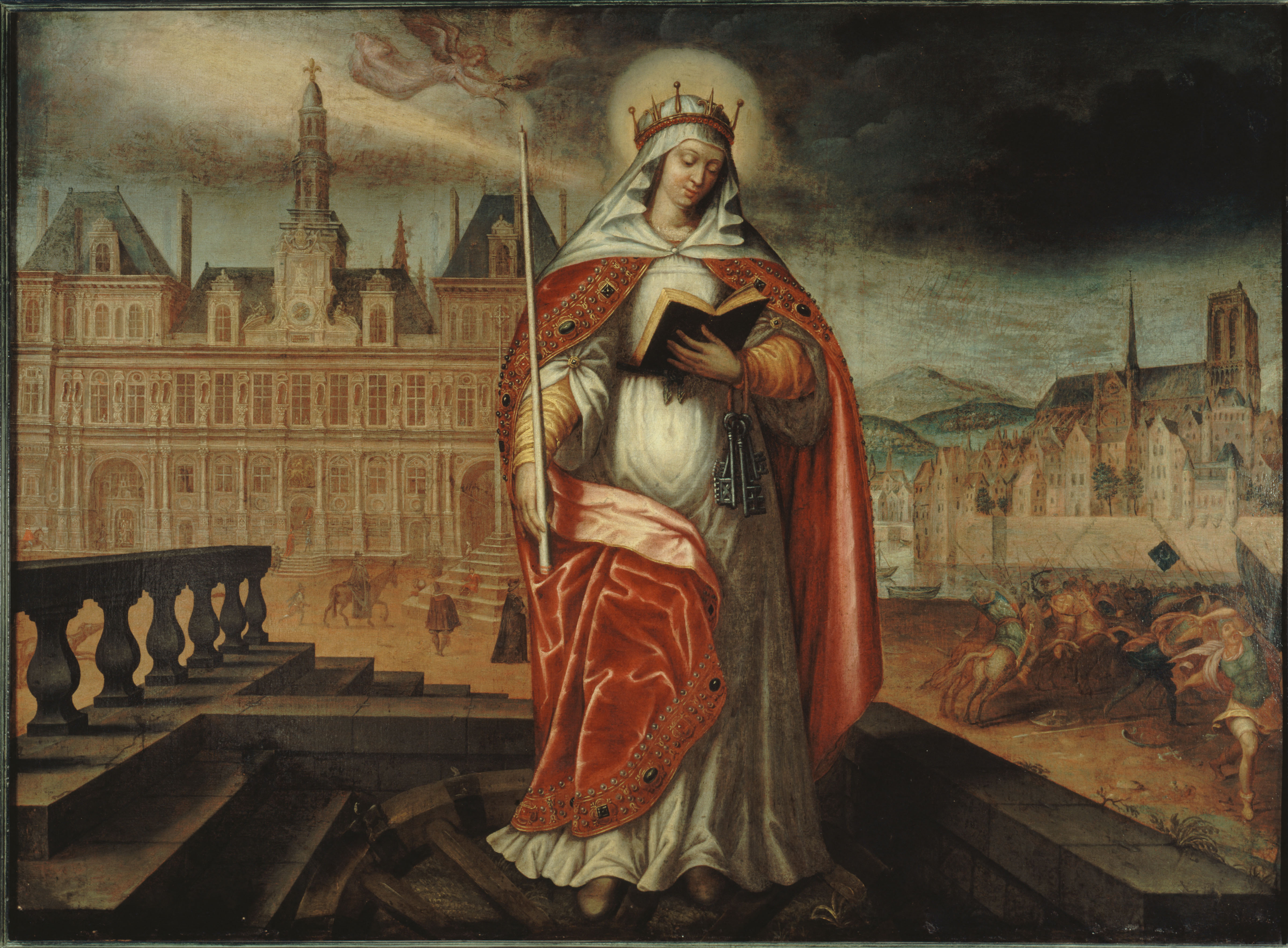
The name was popularized by an early medieval French saint who is said to have rescued Paris from the invading Huns, a pious woman in life, she is now considered the patron saint of Paris.

Her feast day, and consequently, Genevieve’s name-day, is January 3rd.

As of 2008, Genevieve ranked in as the 324 most popular female name in the United States.

Common English diminutives are Gennie and Vivi.

In French, Ginette was the most common diminutive form, breaking off as an independent given name, now considered dated in the French-speaking world.

In Spanish the nicknames are often Veva and Beba

Other forms of the name include:

  • Xenoveva (Asturian)
  • Genevisa/Bièva (Bearnais)
  • Genoveva (Catalan/Croatian/Dutch/German/Limburgish/Portuguese/Spanish)
  • Ghjenuveffa (Corsican)
  • Jenovéfa/Jenůfa (Czech: the latter is a more archaic form)
  • Geneviève (French: this form has also been used as a borrowing in Scandinavian countries as well as in German-speaking countries)
  • Genevote (French: an archaic form seldom in usage)
  • Genofeva (German)
  • Genovéva (Hungarian/Slovak)
  • Zsinett (Hungarian: corruption of Ginette)
  • Genoveffa (Italian)
  • Genoeffa (Italian: very obscure form)
  • Genovaitė (Lithuanian)
  • Genowefa (Polish: Gienia/Gienka are the common nicknames)
  • Genevivo (Provençal)
  • Genovefa (Slovene, diminutives include: Gena, Geni, Genica, Genija, Genka, Fefa and Fefi)
  • Genova (Spanish)

An obscure masculine Italian form is Genoveffo.

Sylvester/Silvester

Gender: Masculine
Origin: Latin
Meaning: “wooded, wild.”

Sylvester is an English corruption of the Latin name Silvester, which is derived from the Latin word silvestis meaning “wooded” or “wild.”

The name is borne by several saints and popes, “Silvester” became synonymous with the name for New Years Eve in some countries, since December 31st is the feast of St. Silvester.

Silvester is used in Danish, German, English, Slovene and Slovak.

Before the Reformation, Sylvester was a fairly common male name in England, but went out of usage due to its strong papal associations at the time.

Other forms of the name include:

  • Silvestre (Catalan/Spanish)
  • Silivestru (Corsican)
  • Silvestar (Croatian)
  • Silvestr/Sylvestr (Czech)
  • Sylvester (English/Finnish/Swedish/Ukrainian)
  • Silvar/Silver (Estonian)
  • Sylvestre (French)
  • Fester (Frisian/Limburgish)
  • Szilveszter (Hungarian)
  • Silvestro (Italian)
  • Silvester (Latin/Estonian)
  • Silvestrs (Latvian)
  • Vester (Limburgish)
  • Silvestras (Lithuanian)
  • Sylfest/Sølfest (Norwegian)
  • Sylwester (Polish: diminutive forms are: Syc, Syczek, Syczko, Sych, Sychno, Sychta, Sysz, Syszek, Syszka and Syszko)

An Italian and Slovene feminine form is Silvestra.

The name is currently borne by American actor, Sylvester Stallone (b.1946).

In American popular culture, it was borne by the animated cat named for the the felis silvestris catus, a subspecies of wildcat that was believed to be related to the domesticated cat, at the time. Later scientific evidence established them as two separate species..

A common English nickname is Sly.