Sabina

Gender: Feminine
Origin: Latin Сабина
Meaning: “Sabine.”
Eng (suh-BEE-nah; suh-BYE-nah).

The name comes from a Roman cognomen, Sabinus, which was usually carried by people of Sabine origins. The Sabines were an ancient Italic people who lived in Central Italy and whose culture was eventually absorbed by the Romans.

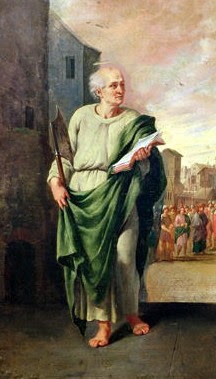
The name was borne by an early Christian saint and martyr. It is also the name of a region in Italy which takes its name from the tribe.

It is also the name of a genus of tree, which has probably further popularized the name.

The name could also be from the Arabic, sometimes transliterated as Sabeen, meaning “follower of another religion” and was said to be a name given to the Prophet Mohammed by non-Muslims.

Currently, Sabina is the 13th most popular female name in Kazakhstan, (2010), while Sabine is the 392nd most popular in the Netherlands, (2010).

The name is used throughout Europe and Central Asia.

Other forms include:

  • Sabien (Dutch)
  • Sabine (German/French)
  • Szabina (Hungarian)
  • Sabeena (Indian)
  • Savina (Italian)

Masculine forms include:

  • Sabino (Italian)
  • Savino (Italian)
  • Sabinus (Latin)
  • Sabin (Romanian)

A Czech and Polish diminutive is Sabinka.

Anna, Anne

Gender: Feminine
Origin: Biblical Hebrew
Meaning: “grace.”
(ANN; AHN). (ANN-uh; AHN-nah). (HANN-uh; HAHN-nah)

Anne is possibly one of the quintessential classic English and French female names. Prior to the 18th-century, it seems that every other girl born in England was either named Anne, Jane or Mary. There were several British and French queens who bore this simplistic moniker, including the ill fated Anne Boleyn, the mother of Elizabeth I. The history of Anne is rather long and complicated.

It was foremost popularized through the cult of St. Anne, a legendary figure who was said to be the mother of the Virgin Mary and the grandmother of Christ.

In Brittany, the name became especially popular because it happened to coincide with the name of an ancient Celtic goddess, her cult being replaced by St. Anne’s. In fact, it was borne by one Breton Princess, Anne of Brittany.

The name was introduced into Britain by the French-Normans after the invasion in 1066. Previously, there had been a minor Saxon king named Anna, but in this case the name is related to the Saxon arn (eagle). Anna and Anne are still occasionally used as male given names in Friesland.

Other than the apocryphal saint, the name Anne can be traced directly back to the Bible. In the New Testament, it is the name of a prophetess who predicts the Crucifixion of Christ.

Anna (Αννα), is the Greek translation of the early Hebrew Channah חַנָּה, usually transliterated as Hannah, meaning “grace.”

Hannah is borne in the Old Testament by the faithful mother of the prophet, Samuel.

Hannah has always been popular among Jewish families, but was virtually unheard of among non-Jews before the Reformation, except in some cases where it may have been used as a diminutive form of Johanna, spelled Hanna.

It was the Byzantines who had introduced the Anna form to the world, making it popular throughout Eastern and Southern Europe. It was a very popular name among the Byzantine royal family and it was borne by the majestic Anna of Byzantium.

Anna may be the more melodic form of the bunch, but Anne’s minimalistic qualities are charming. Short, to the point, no frills. It’s not a bad name, though it does lack some spice, which is why parents are probably more attracted to its more exotic alternatives. In fact, Anne only comes in at # 608 in the top 1000 female names of the United States. It is safe to say, however, that she is very much loved in the middle name spot.

Anna is currently one of the most popular female names in Europe and abroad. Her rankings are as follows:

  • # 1 (Austria, 2010)
  • # 1 (Estonia, 2011)
  • # 2 (Hungary, 2010)
  • # 3 (Ana, Georgia, 2010)
  • # 3 (Iceland, 2010)
  • # 4 (Ana, Croatia, 2010)
  • # 4 (Czech Republic, 2010)
  • # 4 (Germany, 2011)
  • # 4 (Ukraine, 2010)
  • # 5 (Faroe Islands, 2010)
  • # 5 (Ana, Portugal, 2010)
  • # 6 (Armenia, 2010)
  • # 6 (Ane, Greenland, 2002-2003)
  • # 6 (Ana, Romania, 2009)
  • # 6 (Ana, Serbia, 2010)
  • # 7 (Latvia, 2011)
  • # 7 (Russia, 2011)
  • # 8 (German-speaking Switzerland, 2010)
  • # 9 (Denmark, 2011)
  • # 10 (Netherlands, 2010)
  • # 10 (Northern Ireland, 2010)
  • # 10 (Norway, 2010)
  • # 11 (Italy, 2010)
  • # 12 (Ireland, 2010)
  • # 14 (Poland, 2010)
  • # 16 (Catalonia, 2010)
  • # 26 (Canada, B.C., 2010)
  • # 28 (Italian-speaking Switzerland, 2010)
  • # 28 (United States, 2010)
  • # 29 (Scotland, 2010)
  • # 40 (France, 2009)
  • # 46 (French-speaking Switzerland, 2010)
  • # 53 (Belgium, 2009)
  • # 63 (England/Wales, 2010)
  • # 71 (Australia, 2010)
  • # 81 (Sweden, 2010)
  • # 83 (Spain, 2010)
Other forms of the name include:
  • Anneen (Afrikaans/Low German)
  • Anna Анна (Afrikaans/Albanian/Armenian/Breton/Bulgarian/Catalan/Corsican/Czech/Dutch/English/Estonian/Faroese/Finnish/French/Frisian/German/Greek/Hungarian/Icelandic/Italian/Latvian/Limburgish/Maltese/Polish/Russian/Ukrainian/Scandinavian/Slovak)
  • Anne (Basque/Dutch/English/French/Scandinavian)
  • Gánna Га́нна (Belarusian)
  • Annaig (Breton)
  • Annick (Breton)
  • Maina (Breton)
  • Mannaig (Breton)
  • Mannick (Breton)
  • Naig (Breton)
  • Ana Ана ანა (Bulgarian/Croatian/Galician/Georgian/Lombard/Macedonian/Portuguese/Romanian/Samogaitian/Serbian/Slovene/Spanish/Venetian)
  • Jana (Croatian/Ladino)
  • Aneta (Czech/Polish/Samogaitian/Slovak)
  • Aina (Catalan)
  • Anica (Croatian/Serbian/Slovene)
  • Ane (Danish)
  • Anika (Danish)
  • Anneke (Dutch)
  • Anneken (Dutch)
  • Annika (Dutch/Finnish/German/Latvian/Scandinavian)
  • Anka (Dutch/Frisian/German)
  • An(n)ke (Dutch/Frisian)
  • Anouk (Dutch/French)
  • Ans (Dutch)
  • Enneke (Dutch)
  • Enneken (Dutch)
  • Anita (English/German/Polish/Spanish)
  • Annette (English/French/German)
  • Anissa (English)
  • Annelle/Annella (Estonian)
  • Anete (Estonian/Latvian)
  • Anett (Estonian)
  • Anu (Estonian)
  • Anni (Finnish)
  • Annikki (Finnish)
  • Anniina (Finnish)
  • Annukka (Finnish)
  • Niina (Finnish)
  • Anaïs (French/Provençal)
  • Annouche (French)
  • Ninette (French)
  • Ninon (French)
  • Ninouk (French)
  • Anje (Frisian)
  • Ankea (Frisian)
  • Antje (Frisian)
  • Antjen (Frisian)
  • Anute (Fruilian)
  • Anano (Georgian)
  • Annchen (German)
  • Annel (German)
  • Annele (German/Latvian)
  • Anneli(e) (German/Finnish/Swedish)
  • Annet (German)
  • Anina (German)
  • Anja (German/Slovene)
  • Anouschka (German/Italian/Russian)
  • Annaki (Greek)
  • Annoula (Greek)
  • Noula (Greek)
  • Anikó (Hungarian)
  • Annuska (Hungarian)
  • Panni (Hungarian)
  • Áine (Irish)
  • Ánna (Irish)
  • Annarella (Italian)
  • Annella (Italian)
  • Annetta (Italian)
  • Annettina (Italian)
  • Nona (Italian/Romansch)
  • Ance (Latvian)
  • Annija (Latvian)
  • Anninya (Latvian)
  • Ona (Lithuanian)
  • Annamma (Malayalam)
  • Annam (Malayalam)
  • Onnee (Manx)
  • Âone (Norman)
  • Aenna/Aenne (Old High German)
  • Annehe (Old High German)
  • Änna/Änne (Old High German)
  • Neta (Piedmontese)
  • Noto (Piedmontese)
  • Anke (Plattdeutsch)
  • Anneke(n) (Plattdeutsch)
  • Analia (Romansch/Spanish)
  • Annina (Romansch)
  • Annotta (Romansch)
  • Anca (Romanian)
  • Anicuta (Romanian)
  • Anėta (Samogaitian)
  • Anėkė (Samogaitian)
  • Annag (Scottish)
  • Ghianna (Sicilian)
  • Janna (Sicilian)
  • Nanna (Sicilian)
  • Anniken (Swedish)
  • Ann (Welsh)
  • Nan (Welsh)
  • Nanno (Welsh)
  • Nanw (Welsh)
  • Aana (Wolof)
As for the Hannah forms

Hanna without an H is the prefered form on Continental Europe, usually pronounced (HAHN-nah) and in French like Anna. Hanna and Hanne (HAHN-neh) are also used as diminutive forms of Johanna/Johanne in the Netherlands, Sweden, Norway, Denmark and Germany. There is the Hungarian Hajna pronounced (HOY-no). The Czech/Slovak form of Hana nickname Hanka. There are the Yiddish forms of Heyna, Hayna, Hejna (all pronounced like HAY-nah) including the diminutive forms of HenaHende, Hendel and Henye.  The Polish diminutive form of Hania, which might make an interesting alternative to Anya or Hannah. Hannah, Hanna and Henna are all used in the Middle East.

Of course, how could we ever forget the popular diminutive forms of Annie and Nan.

Paul

Gender: Masculine
Origin: Latin
Meaning: “short; small; humble; few.”
Eng (PAWL)

The name is derived from the Latin Roman family name, Paulus, which could translate as meaning, “small, short; humble; few.”

Paul and his various forms has to be one of the most common male names used throughout the Christian world. It has been used equally among Orthodox Christians, Roman Catholics and Protestants.

Its most famous bearer was Paul of Tarsus, whose real name was Saul. St. Paul, as referred to by the Roman Catholic and Eastern Orthodox Churches, is attributed as being the author of much of the New Testament.

The name was borne by several popes, royals and saints thereafter.

Currently, its Germanic form of Paul is the 8th most popular male name in Germany, (2011). His rankings in other countries are as follows:

  • # 13 (Austria, 2010)
  • # 22 (France, 2009)
  • # 41 (Romania, 2009)
  • # 90 (Ireland, 2010)
  • # 130 (Scotland, 2010)
  • # 178 (United States, 2010)
  • # 485 (Netherlands, 2010)
His foreign equivalents rankings are as follows:
  • # 3 (Pablo, Spain, 2010)
  • # 4 (Páll, Faroe Island, 2010)
  • # 4 (Pau, Catalonia, 2010)
  • # 17 (Paweł, Poland, 2010)
  • # 26 (Pablo, Chile, 2010)
  • # 29 (Pavel, Czech Republic, 2010)
  • # 31 (Pablo, Catalonia, 2010)
  • # 44 (Pau, Spain, 2010)
  • # 91 (Pál, Hungary, 2010)
  • # 144 (Pablo, France, 2009)
  • # 202 (Paolo, France, 2009)
  • # 361 (Pablo, United States, 2010)

Other forms of the name include:

  • Pali (Albanian)
  • Paulë (Albanian)
  • Boulos/Bulos بولس (Arabic)
  • Faulus (Aramaic)
  • Boghos Պողոս (Armenian)
  • Poghos Պողոս (Armenian)
  • Paul (Basque/Dutch/English/Estonian/German/French/Romanian/Scandinavian/Silesian)
  • Paweł Павeл (Belarusian/Polish)
  • Polus (Berber)
  • Paol (Breton)
  • Pavel Павел (Bulgarian/Czech/Russian/Slovene)
  • Pavolo (Calabrian)
  • Pavulu (Calabrian)
  • Pau (Catalan/Occitanian)
  • Pawl (Cornish/Welsh)
  • Paulu (Corsican/Sardinian/Sicilian)
  • Pavao (Croatian)
  • Pavle პავლე Павле (Croatian/Georgian/Macedonian/Serbian)
  • Pavo (Croatian)
  • Palle (Danish)
  • Poul (Danish)
  • Pauwel (Dutch)
  • Paavel (Estonian)
  • Paavo (Estonian/Finnish)
  • Páll (Faroese/Icelandic)
  • Paavali (Finnish)
  • Pauli (Finnish)
  • Pol (Flemmish/Romansch)
  • Paale (Frisian)
  • Pals (Frisian)
  • Paulus पौलुस (Frisian/Hindi/Latin)
  • Pay (Frisian)
  • Powles (Frisian)
  • Pouw (Frisian)
  • Pauli (Fruilian)
  • Pódhl (Gaelic)
  • Pól (Gaelic)
  • Paulo (Galician)
  • Pavlos Παυλος (Greek)
  • Pāl पॉल (Hindi)
  • Pál (Hungarian)
  • Pósa (Hungarian)
  • Paolo (Italian/Portuguese)
  • Paolino (Italian/Portuguese)
  • Paulinus (Latin)
  • Pāvils (Latvian)
  • Paulius (Lithuanian)
  • Povilas (Lithuanian)
  • Paol (Lombard)
  • Paulose (Malayalam)
  • Pawl (Maltese)
  • Pawlu (Maltese)
  • Payl (Manx)
  • Paora (Maori)
  • Pål (Norwegian/Swedish)
  • Pavel (Romanian)
  • Paulin (Romansch)
  • Polet (Romansch)
  • Polin (Romansch)
  • Pulegn (Romansch)
  • Pàl (Scots-Gaelic)
  • Pawůł (Silesian)
  • Pavol (Slovak)
  • Pawoł (Sorbian)
  • Pablo (Spanish)
  • Paoro (Tahitian)
  • Pàul (Tuscan)
  • Pavlo Павло (Ukrainian)

For a Reference a Female forms See Paula and Paulina (soon to come)

Theresa

Gender: Feminine
Origin: Uncertain
Eng (teh-REE-sah; teh-REESE); Spanish (teh-REY-sah); German/Polish (teh-REH-zah); French (teh-HREZ).

The name was first recorded in the 4th century as Therasia. It was borne by the wife of the ex-Roman senator turned Christian Bishop, St. Paulinus of Nola. Therasia had hailed from the Northern Region of Spain, and the name took off as Teresa in both Spain and Portugal.

Its origins are most popularly attributed to the Greek, therizo, meaning, “to harvest” or “to reap.” However, some sources believe that it might be from the Greek word theros meaning “summer” or that it is derived from the name of one of the Santorini islands. It could also very well be an old Iberian name of uncertain etymology. What is certain is that the name’s usage was confined to the Iberian Peninsula up until the 16th-century when it was made famous throughout Europe by St. Teresa of Avila, a Roman Catholic nun and mystic. She is revered as a Doctor of the Church.

In the German-speaking world, it was popularized by Habsburg, Maria Theresa (1717-1780), Empress of the Austro-Hungarian Empire.

It is also borne by a 19th-century French nun, St. Thérèse de Lisieux. She is also revered as a great theologian and Doctor of the Church.

Currently, Teresa/Theresa is the 31st most popular female name in Austria, (2010), the 65th most popular in Germany (2011) and the 100th most popular in Spain, (2010). While in the United States, she comes in at a lowly # 936 (2010).

Popular English nicknames include:  Trace, Tracy, Terry, Tess, Tessa, Tressie (also used as a nickname in Malta), Tress & Reese.
Other forms of the name:
  • Teresa تيريزا (Albanian/Arabic/Catalan/Finnish/German/Italian/Latvian/Polish/Portuguese/Spanish)
  • Terese (Basque/Norwegian/Swedish)
  • Terezija (Croatian/Slovenian)
  • Rezika (Croatian/Slovenian)
  • Resa (Bavarian)
  • Reserl (Bavarian)
  • Resi (Bavarian)
  • Tessa (Bavarian/English/German/Italian)
  • Tereza (Bulgarian/Czech/Maltese/Portuguese-Brazilian/Romanian/Slovak)
  • Teresia (Corsican/Swedish)
  • Terezie (Czech)
  • Thera (Dutch)
  • Theresa (Dutch/German/English)
  • Theresia (Dutch/German/Swedish: common Dutch nicknames are Thera and Trees)
  • Tereesa/Tereese (Estonian)
  • Thérèse (French)
  • Tereixa (Galician)
  • Terisa (German)
  • Therese (German/Scandinavian)
  • Theres (German/Scandinavian)
  • Terézia (Hungarian/Czech/Slovak. Hungarian diminutive form is Teca)
  • Teréz (Hungarian)
  • Teresía (Icelandic)
  • Toiréasa (Irish)
  • Treasa (Irish)
  • Teresiana (Italian)
  • Teresina (Italian)
  • Terina (Italian)
  • Teresija (Latvian)
  • Terēze (Latvian)
  • Tèrìz (Lebanese)
  • Teresė (Lithuanian:Teresijus)
  • Threissya (Malayalam)
  • Trezza (Maltese)
  • Teresita (Spanish)
  • Tessan (Swedish: traditionally a diminutive form, occasionally bestowed as an independent given name)
The designated name-day is often October 15.

Simeon, Simon

Gender: Masculine
Origin: Biblical, Hebrew
Meaning: “he has heard.”
Eng (SIE-mun)

Simeon first appears in the Old Testament as a patriach of the Simeonite tribe and one of the 12 sons of Jacob.

The name origins are debated. The Torah claims that the name is in reference to Leah’s cry of anguish to God over her husband’s deference to her. Being a derivative of the Hebrew shama’on meaning “he has heard my suffering.” In this case, the name would share the same etymology as the name Ishmael (God has heard).

In some classical Rabbinical texts the name is sometimes translated to mean “he who listens to the words of God.” It has even been suggested that it is derived from the Hebrew sham’in meaning “there is sin” which is in reference to Zimri, an ancestor of Simeon’s, who committed the sin of having a relationship with a Midianite woman.

The name was borne by several other characters in the Old and New Testament, in the forms of Simeon and Simon. Simon later became associated with St. Peter. During the early Christian era, the Greek world took the name to mean “snub nosed” due to its similarity in sound to the Greek word σιμοσ (simos).

Simon has always been prevalent in the Western World, it is currently very trendy in continental Europe. The rankings of popularity in various countries are as follows:

  • # 3 (Poland, Szymon, 2010)
  • # 7 (Austria, 2010)
  • # 10 (Belgium, 2009)
  • # 12 (Italy, Simone, 2008)
  • # 26 (Germany, 2011)
  • # 32 (Denmark, 2010)
  • # 37 (Sweden, 2010)
  • # 49 (France, 2009)
  • # 56 (the Netherlands, Siem, 2010)
  • # 60 (Croatian, Šimun, 2010)
  • # 60 (Norway, Simen, 2010)
  • # 64 (Norway, 2010)
  • # 71 (Croatia, Šime, 2010)
  • # 75 (the Netherlands, 2010)
  • # 91 (Hungary, 2010)

Other forms of the name include (divided alphabetically by origin)

  • Simeon Սիմէօն (Albanian/Armenian/Bulgarian)
  • Simon Симон Սիմոն (Albanian/Armenian/English/Finnish/German/Hungarian/Macedonian/Malayalan/Norwegian/Occitanian/Slovenian/Swedish/ Romanian)
  • Samān (Arabic)
  • Shamo (Assyrian)
  • Shamun ܫܡܥܘܢ (Assyrian)
  • Şımon (Azeri)
  • Ximun (Basque)
  • Shyman Шыман (Belarusian)
  • Symon Сымон (Belarusian)
  • Simó (Catalan)
  • Simone (Corsican/Italian)
  • Šime (Croatian)
  • Šimo (Croatian)
  • Šimun (Croatian)
  • Šimon (Czech/Prekmurian/Slovak)
  • Simion (Danish/Romanian)
  • Simoen (Danish)
  • Siemen (Dutch/Frisian)
  • Siem (Dutch)
  • Siimon (Estonian/Finnish)
  • Smeon ስምዖን, (Ethiopian)
  • Símeon /Símun (Faroese)
  • Sema (Finnish)
  • Semen (Finnish/Gascon)
  • Semjon (Finnish)
  • Semoi (Finnish)
  • Siim (Finnish)
  • Siimoni (Finnish)
  • Simeoni (Finnish)
  • Simo (Finnish/Serbian)
  • Symeon Συμεών (Greek)
  • Symeonos Συμεώνος (Greek)
  • Siimuut (Greenlandic)
  • Shimon שמעון (Hebrew)
  • Símon (Icelandic)
  • Síomón (Irish)
  • Sshimeoni (Kosovar)
  • Sīmanis (Latvian) 
  • Sīmans (Latvian)
  • Simons (Latvian)
  • Saimonas (Lithuanian)
  • Saimontas (Lithuanian)
  • Simanas (Lithuanian)
  • Simas (Lithuanian)
  • Simeonas (Lithuanian)
  • Simonas(Lithuanian)
  • Sime Симе (Macedonian)
  • Shimon (Malayalam)
  • Simen/Simian (Norwegian)
  • Simå (Norwegian dialectical form: Norrland & Østerdalen)
  • Sømjo (Norwegian dialectical form: Rogaland)
  • Simonu/Symeonu (Old Church Slavonic)
  • Symeon (Polish)
  • Szymon (Polish: Szymek and Szymuś are diminutives)
  • Simão (Portuguese)
  • Simeão (Portuguese)
  • Simun (Quecha)
  • Schimun (Romansch)
  • Semyon Семён (Russian)
  • Sim (Scottish)
  • Šimej (Slovene)
  • Simón (Spanish)
  • Jimeno (Spanish)
  • Ximeno (Spanish)
  • Simoni (Swahili)
  • Shemod (Syrian)
  • Shimeon (Syrian)
  • Semen/Symon Симон (Ukrainian)
  • Mişon (Turkish)
  • Seimon (Welsh)
  • Simwnt (Welsh)
  • Shimmel (Yiddish)

Feminine forms include:

  • Simona (Czech/Italian/Portuguese/Romanian/Slovak/Slovenian)
  • Simonia/Simonie (Danish)
  • Simoona (Finnish)
  • Simone (French)
  • Simonette (French)
  • Szimóna (Hungarian)
  • Szimonetta (Hungarian)
  • Símonía (Icelandic)
  • Simonetta (Italian)
  • Sima (Lithuanian)
  • Simonė (Lithuanian)
  • Szymona (Polish)
  • Simoneta (Portuguese)
  • Ximena (Portuguese/Spanish)
  • Simoneta/Šimona (Slovak)
  • Simeona (Slovene)
  • Jimena (Spanish)

The designated name-day is October 28, and October 30 in Slovakia.

Joachim, Joaquin

Gender: Masculine
Origin: Hebrew
Meaning: “Yahweh has established.”
Eng (JOKE-im); Sp (wah-KEEN)

The name is possibly derived from the Biblical Hebrew male name, Jehoiachin, which is found in the Old Testament as the name of king of Judah imprisoned during the Babylonian exile.

Joachim appears in the apocryphal Gospel of James as the name of the husband of St. Anne and the father of the Virgin Mary. In the Qu’ran the father of Mary is named Imran, though Joachim and Imran are not etymological related. The Catholic Church, Eastern Orthodox Churches and the Anglican Church has traditionally revered this legendary character as a saint and as a result, the name became extremely popular across Europe, especially in Catholic countries.

The name was never very common in the English-speaking world but was occasionally used by Irish-Catholics and American-Catholics.

Currently Joachim is the 319th most popular male name in France, (2009) and the 496th most popular in the Netherlands (2010). Its Spanish form of Joaquin, however, ranks even higher in a couple of countries. His rankings are as follows:

  • # 5 (Chile, 2010)
  • # 99 (Spain, 2010)
  • # 306 (United States, 2010).

Other forms of the name include:

  • Iyakem (Amharic/Ethiopian)
  • Chuaquín (Aragonese)
  • Xuaco/Xuacu (Aragonese)
  • Jokin (Basque)
  • Chaosum (Breton)
  • Joasim (Breton)
  • Jechim (Breton)
  • Joasin (Breton)
  • Jaouas (Breton)
  • Yoakim Йоаким (Bulgarian)
  • Yakim Яким (Bulgarian)
  • Yokim Йоким (Bulgarian)
  • Joaquim (Catalan/Portuguese)
  • Quim (Catalan/Portuguese)
  • Ximo (Catalan/Valencian)
  • Youakim (Coptic/Syrian)
  • Jáchym (Czech)
  • Jokum (Danish)
  • Jochem (Dutch/German)
  • Aki (Finnish)
  • Jaakkima (Finnish)
  • Joachim (English/French/German/Hungarian/Polish)
  • Kim (Finnish/Scandinavian)
  • Kimi (Finnish)
  • Xaquín (Galician)
  • Xoaquin (Galician)
  • Xocas (Galician)
  • Ioa’kime იოაკიმე (Georgian)
  • Achim (German)
  • Jochen (German)
  • Jochim (German)
  • Jóakim (Icelandic)
  • Gioacchino/Gioachino (Italian)
  • Giovacchino (Italian)
  • Yoakima (Lingala)
  • Joakim Јоаким (Macedonian/Serbian/Scandinavian) 
  • Akimka (Maldovan)
  • Iacin (Murcian)
  • Juaqui (Murcian)
  • Quino (Murcian)
  • Ioachim (Romanian)
  • Giuachin (Romansch)
  • Akim АкимЯким (Russian)
  • Yakim (Russian)
  • Joaquín (Spanish)
  • Joakym Йоаким (Ukrainian)

Feminine forms include:

  • Gioacchina (Italian)
  • Gioachina (Italian)
  • Giovacchina (Italian)
  • Joachima (Polish)


Pranav

Gender: Masculine
Origin: Hindi प्रणव
Meaning: “to sound out loudly”

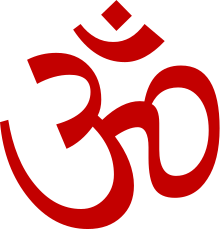
The name comes from the word for the sacred Hindu syllable (om).

The om is a common symbol used to represent Hinduism, its philosophy and its theology. It represents the name of God and the vibration of the Supreme.

Currently, Pranav is the 956th most popular male name in the United States, (2010).

Source

  1. http://www.behindthename.com/name/pranav

Peter

Gender: Masculine
Origin: Greek
Meaning: “rock.”
Eng (PEE-ter)

The name is derived from the Greek Πετρος (Petros) meaning, “rock.”

The name is found in the New Testament as a vernacular translation for the Aramaic Cephas (rock) a nickname designated to the Apostle Simon Bar-Jonah by Jesus. He is known as St. Peter, and Catholics traditionally attribute him as being the first Pope.  Among other denominations, he is considered to be one of Christ’s most prominent apostles.

Due to the associations with the apostle, Peter became an extremely prevalent male name throughout the Christian world.

The name seems to have been in usage in England since early times, but became especially popular after the Norman invasion. During this period, the form of Piers was preferred, being gradually replaced in popularity by Peter over the centuries.

Currently, Peter is 191st most popular male name in the United States, (2009). He has been steadily declining in the United States for the past 10 years, in 2000 he ranked in at # 125. His rankings in other countries, however, has not faltered. His rankings including his vernacular forms are as follows:

  • # 7 Pedro (Brazil, 2009)
  • # 9 Petar (Bulgaria, 2008)
  • # 15 Petr (Czech Republic, 2009)
  • #38 Pierre (France, 2006)
  • # 3 (Greenland, 2003-2004)
  • # 8 (Hungary, 2008)
  • # 33 Petur (Iceland, 2008)
  • # 70 (Ireland, 2008)
  • # 25 Pietro (Italy, 2007)
  • # 8 Pēteris (Latvia, 2005)
  • # 9 Petar (Macedonia, 2006)
  • # 10 Piotr (Poland, 2008)
  • # 3 (Slovakia, 2004)
  • # 59 (Slovenia, 2005)
  • # 50 Pedro (Spain, 2008)

Other forms of the name include:

  • Petrus (Afrikaans/Dutch/German/Indonesian/Latin/Limburgish/Plattdeutsch/Swedish)
  • Pieter (Afrikaans)
  • Pjetër/Pjetri (Albanian)
  • Ṗeṭros ጴጥሮስ (Amharic/Ethiopian)
  • Pero (Aragonese)
  • Bedros/Pedros Պետրոս (Armenian)
  • Botros/Boutros/Butros بطرس (Arabic/Coptic)
  • Pedru (Asturian/Konkoni)
  • Pyotr (Azeri)
  • Betiri (Basque)
  • Kepa (Basque)
  • Peio (Basque)
  • Peru (Basque)
  • Petri (Basque)
  • Piatro Пятро (Belarusian)
  • Piotr Пётр (Belarusian/Polish)
  • Pêr (Breton)
  • Pierrick (Breton)
  • Penko Пенко (Bulgarian)
  • Petar Петар (Bulgarian/Croatian/Macedonian/Serbian)
  • Pere (Catalan)
  • Peder (Cornish/Danish/Lombard/Norwegian)
  • Petru (Corsican/Romanian/Sicilian)
  • Pyè (Creole)
  • Pero (Croatian/Serbian)
  • Petar Петар (Croatian/Macedonian/Serbian/Slovene)
  • Petr (Czech)
  • Pelle (Danish/Norwegian/Swedish: originally a diminutive, now occasionally used as an independent given name. PEL-le)
  • Peer (Danish/Dutch/German)
  • Per (Danish/Faroese/Norwegian/Swedish)
  • Peter (Danish/Dutch/English/German/Luxembourgish/Norwegian/Slovak/Swedish)
  • Peeter (Estonian)
  • Peiru (Extramadura)
  • Pætur/Petur (Faroese)
  • Patras پطرس (Farsi)
  • Pekka (Finnish)
  • Petteri (Finnish)
  • Petri (Finnish)
  • Pietari (Finnish)
  • Pierre (French)
  • Piter/Pier/Pit (Frisian)
  • P’et’re პეტრე (Georgian)
  • Petros Πέτρος (Greek)
  • Pathros (Hindi)
  • Péter (Hungarian)
  • Petres (Hungarian)
  • Peto (Hungarian)
  • Pétur (Icelandic)
  • Peadar (Irish-Gaelic)
  • Pietro (Italian/Albanian)
  • Petronius (Latin)
  • Pēteris (Latvian)
  • Petras (Lithuanian)
  • Pir (Luxembourgish)
  • Petre Петре (Macedonian/Romanian)
  • Pathrose (Malayalam)
  • Pietru (Maltese)
  • Peddyr (Manx)
  • Petera (Maori)
  • Petter (Norwegian/Swedish)
  • Pèir/Pèire/Pèr (Occitanian)
  • Pedro (Portuguese/Spanish)
  • Pêro (Portuguese: archaic)
  • Pidru (Quecha)
  • Peadar/Peader/Peder/Peidar/Peider (Romansch)
  • Pyotr Пётр (Russian)
  • Pedru/Perdu/Pretu (Sardinian)
  • Peadar/Peadair (Scottish-Gaelic)
  • Pyjter/Piter (Silesian)
  • Pětr (Sorbian)
  • Petero (Swahili)
  • Pär (Swedish)
  • Pethuru (Tamil)
  • Raayappar (Tamil)
  • Petro Петро (Ukrainian)
  • Piter (Uzbek)
  • Piero (Venetian)
  • Piitre (Vöro: an Eastern Estonian dialect)
  • Pedr (Welsh)

In French, Pierre is used in a number of compound names. Some of the most common include:

Some common Italian compound names include: Piergiuseppe, Pietropaolo, Pierpaolo, Pietrantonio, Pierantonio, Pierluigi , Piergiorgio , Pietrangelo, Pierangelo, Pierce, Pierfrancesco, Piermaria and Piersilvio

Its feminine form of Petra was once a very popular name in German-speaking countries, but is now considered rather dated. Throughout Central Europe, however, she is experiencing a strong trend. Her current rankings are as follows:

  • # 46 (Czech Republic, 2009)
  • # 9 (Hungary, 2008)
  • # 46(Slovenia, 2005)

Feminine forms include:

  • Peta (Afrikaans/English)
  • Penka Пенка (Bulgarian)
  • Petra(Bulgarian/Croatian/Czech/Dutch/Finnish/German/Greek/Hungarian/Scandinavian/Serbian/Slovak/Slovene/Spanish)
  • Petrina (Croatian/German)
  • Pernille (Danish/Norwegian)
  • Petrea (Danish)
  • Petrine (Danish/German/Norwegian)
  • Petronella (Danish/Norwegian/Swedish)
  • Pietronella (Dutch)
  • Parnel/Pernel (English: archaic)
  • Peronel (English: archaic)
  • Petronel (English: archaic)
  • Petriina (Finnish)
  • Pernelle (French)
  • Pernette (French)
  • Péroline (French)
  • Péronelle (French)
  • Perrenotte (French)
  • Perrette (French)
  • Perrine (French)
  • Pétronelle (French)
  • Peyronne (French)
  • Pierrine/Pierrette (French)
  • Pétronille (French)
  • Peekje (Frisian)
  • Peterke (Frisian)
  • Petje (Frisian)
  • Petke (Frisian)
  • Pierke/Pierkje (Frisian)
  • Pieterke (Frisian)
  • Pietje/Piertje (Frisian)
  • Petrónia (Hungarian)
  • Petronia (Italian/Latin/Polish)
  • Petronilla (Italian/Latin)
  • Piera/Pierina (Italian)
  • Pieretta (Italian)
  • Pieruccia (Italian)
  • Pietra/Pietrina (Italian)
  • Pietruccia (Italian)
  • Petronela (Polish/Romanian)
  • Petrona (Spanish)
  • Pernilla (Swedish)

Italian female compound forms include: Pierangela and Pieranna.

Common German pet forms are: Pedi, Petzi and Pezi

The designated name-days are: April 29 (Hungary) and June 29 (Hungary, Germany, Slovakia, Sweden).

Sources

Matthias, Mathias

Gender: Masculine
Origin: Hebrew
Meaning: “gift of yahweh.”
Eng (muh-THIGH-us); Germ/Scand (mah-TEE-ahs)

Matthias is a form of Matthew, but has been treated as a different name for centuries. He has been a staple in Central and Northern Europe, especially in Germany, the Netherlands and Scandinavia.

In the New Testament, the name was borne by the replacement of Judas Iscariot. Matthias was considered an apostle and according to legend, he went on to convert the Georgians where he died a martyr by crucifixion.

He is currently one of the most popular male names in all of Europe, his rankings are as follows:

  • # 8 Mathis (Belgium, 2008)
  • # 13 Matyáš (Czech Republic, 2009)
  • # 10 Mathias (Denmark, 2009)
  • # 8 Mattias/Mathias (Estonia, 2008)
  • # 60 Mathias (France, 2006)
  • # 71 Matthis/Mathis/Mattis/Matis (Germany, 2009)
  • # 131 Matthias (Germany, 2009)
  • # 54 Mátyás (Hungary, 2008)
  • # 31 Matthías (Iceland, 2008)
  • # 7 Mattia (Italy, 2007)
  • # 5 Mathias (Liechtenstein, 2008)
  • # 1 Matas (Lithuania, 2009)
  • # 1 Matthias (Malta, 2008)
  • # 6 Thijs (the Netherlands, 2009)
  • # 52 Ties (the Netherlands, 2009)
  • # 92 Matthijs (the Netherlands, 2009)
  • # 5 Mathias/Matias (Norway, 2009)
  • # 11 Maciej (Poland, 2008)
  • # 35 Matija (Slovenia, 2005)
  • # 90 Matjaz (Slovenia, 20o5)
  • # 97 Mattias (Sweden)
  • # 33 Mathis (Switzerland, among French-speakers, 2008)
  • # 4 Mattia (Switzerland, among Italian-speakers, 2008)
  • # 4 Mattia (Switzerland, among Romansch-speakers, 2008)

Other forms of the name include:

  • Matthias Ματθιας Матті́й (Afrikaans/English/French/German/Greek/Maltese/Scandinavian/Ukrainian)
  • Matthes (Afrikaans)
  • Mattheis (Afrikaans)
  • Matthies (Afrikaans)
  • Matta متى (Arabic)
  • Matai (Aramaic)
  • Matta/Mətta (Azeri)
  • Matia (Basque)
  • Maciej Maceй (Belarusian/Polish: MAHT-chay)
  • Matties (Catalan)
  • Matija Матија (Croatian/Serbian/Slovene)
  • Matyáš (Czech)
  • Matthijs (Dutch)
  • Thijs (Dutch: originally a diminutive form, now a very popular independent given name. TIES)
  • Ties (Dutch: originally a diminutive form, now a very popular independent given name. TEES)
  • Madis (Estonian)
  • Matias (Finnish/Portuguese)
  • Mat’at”a მატათა (Georgian)
  • Mathias (French/German/Scandinavian)
  • Mathis (French/German)
  • Matis (German)
  • Mattias (German/Swedish)
  • This (German)
  • Mathaios Ματθαιος (Greek: Biblical)
  • Makaio (Hawaiian)
  • Mattithyahu מַתִּתְיָהוּ (Hebrew)
  • Mátyás (Hungarian)
  • Maitiú (Irish-Gaelic)
  • Mattia (Italian)
  • Mathia (Kiswahili)
  • Matiass (Latvian)
  • Matas (Lithuanian)
  • Motiejus (Lithuanian)
  • Mathai (Malayalam)
  • Matius (Malay)
  • Matthia Матѳіа (Old Church Slavonic)
  • Täis (Plattdeutsch)
  • Matia (Romanian)
  • Mateias/Matteias (Romansch)
  • Teias (Romansch)
  • Tia (Romansch)
  • Tias (Romansch)
  • Maitias (Scottish-Gaelic)
  • Matia (Sardinian)
  • Maćij (Sorbian)
  • Matías (Spanish)

An obscure Feminine form is the Polish: Macieja

In France, the designated name-day is May 14.

The name has been borne by several Hungarian kings.

Sources

  1. http://www.behindthename.com/php/find.php?name=matthias
  2. http://www.askoxford.com/firstnames/matthias?view=uk
  3. http://www.newadvent.org/cathen/10066a.htm

Susan, Susannah

Gender: Feminine
Origin: Hebrew
Meaning: “lily; rose.”

Susannah is the anglicized form of the Biblical Greek Sousanna (Σουσαννα) which in turn, is a translation of the Biblical Hebrew שׁוֹשַׁנָּה (Shoshannah). Shoshannah is derived from the Hebrew word ששון (shoshan) which means “lily” in ancient Hebrew, but in modern Hebrew has evolved to mean “rose.”

The Hebrew word of shoshan has been traced to the ancient Egyptian element, sšn meaning “lotus” and is also believed to be linked with the Hebrew word ששון (sasson) meaning, “joy”.

It is also interesting to note that in modern Farsi, the word for lily is sausan compare to shoshan.

The ancient place name of Susa is also believed to be related to the Semitic botanical word, due to the so-called abundance of lilies that used to thrive in the area.

In the Old Testament (or Apocrypha) the name is borne by a woman falsely accused of adultery. She is rescued by the prophet Daniel who tricks her accusers and reverses the accusations against them.

It is also borne in the New Testament by a companion of Mary and a disciple of Christ. She is revered as a saint in the Catholic and Eastern Orthodox Churches.

Susan is a Middle English knock off, most likely influenced by the French Suzanne, which might have been introduced by the Norman conquerors in the 11th-century.

Currently, Susannah does not appear in the U.S. top 1000, (2008), but she has become especially trendy in many Central and Eastern European countries (in her various vernacular forms of course).

Her rankings in other countries are as follows:

  • # 22 Zuzana (Czech Republic, 2009)
  • # 96 Zsuzsanna (Hungary, 2009)
  • # 8 Suzana (Macedonia, 2006)
  • # 3 Zuzanna (Poland, 2008)
  • # 3 Zuzana (Slovakia, 2004)

In the English-speaking world, Susan was especially popular after World War II. In the United States, it is often considered dated and is usually associated with someone in their early 60s to late 50s. In fact, she remained a staple among the Baby-Boom Generation all the way to the early beginnings of the Generation Xers. She remained strong in the top 10 for over 20 years. The highest she peaked was between 1957 and 1960, coming in as the second most popular female name. Currently, she stands at a meagre #711.

Other forms of the name include:

  • Sawsan (Arabic)
  • Shushan (Armenian)
  • Sjusanna (Bulgarian)
  • Zulisja (Bulgarian)
  • Susanna (Catalan/Estonian/Finnish/German/Italian/Romansch/Swedish/Ukrainian)
  • Suzana (Croatian/Macedonian/Romanian/Serbian/Slovene)
  • Zuzana (Czech/Slovak/Lithuanian)
  • Sanna/Sanne (Danish/Dutch/Finnish/Norwegian/Swedish)
  • Susanne (Dutch/German/Norwegian/Swedish)
  • Susan (English)
  • Soosan سوسـن (Farsi)
  • Suzanne (French)
  • Suzette (French: originally a diminutive, but long regarded as an independent given name)
  • Šušanik შუშანიკ (Georgian)
  • Sousanna Σουσαννα (Greek)
  • Susann (German/Scandinavian)
  • Shoshana שושנה (Hebrew: Modern)
  • Zsuzsanna (Hungarian: ZHOO-zhawn-naw)
  • Zane (Latvian)
  • Zuzanna (Latvian/Polish: zoo-ZAHN-nah; zoo-ZAHN-ne-nah)
  • Sosamma (Malayalam)
  • Huhana (Maori)
  • Żużanna (Polish: archaic, possibly based off the Hungarian form. zhoo-ZHAHN-ne-nah)
  • Susana (Portuguese/Spanish)
  • Sana (Romansch)
  • Susauna (Romansch)
  • Sjusanna Сюзанна (Russian)
  • Suzan (Turkish)

Bulgarian diminutives include: Susa, Suzanka and Susak
Czech/Slovak short for is Zuza
English short forms are: Sue, Suzie and occasionally, Sukie/Sookie.
French affectionate forms include: Suzelle/Suzel, Suzette, Suzie and Suzon
Hungarian short forms are: Zsazsa, Zsuzsa and Zsuzsi.
Lithuanian diminutives are: Zune and Zuze
Polish diminutives include: Zanna, Żanna, Zanka, Zańka, Zuchna, Zula, Zuzia and Zużka
Spanish diminutives are: Susanita & Susi

The designated name-day is August 11 in (Estonia, Finland and Sweden).

Sources