Urdze

  • Origin: Latvian
  • Meaning: “brook, stream; to stir up, to move, to urge.”
  • Gender: Female

Urdze is a rare Latvian feminine given name derived from the noun urga, meaning “stream” or “brook,” and the verb urdzēt, meaning “to stir up, to move, or to urge.”

Urdze was added to the official Latvian name calendar in 1966 and was first recorded in Vidzeme (Valmiera district) in 1975. It remains exceptionally uncommon — as of 2008, records note only one bearer of the name in Latvia.

The designated name-day is November 17th.

Source

  • Pauls Balodis, Latviešu personvārdu etimoloģiskās semantikas teorētiskais modelis un tā realizācija (Rīga: Latvijas Universitāte, 2008), p. 312. Available via the University of Latvia Digital Repository
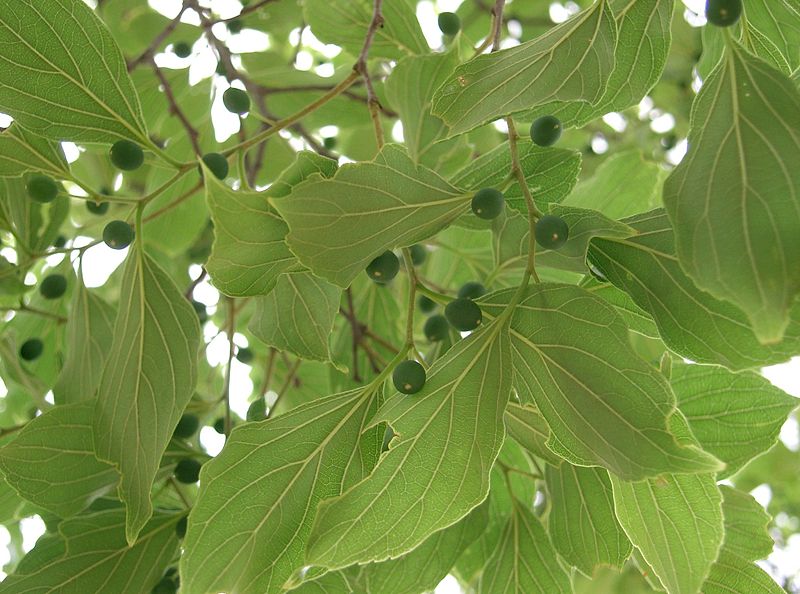

Mais, Mays

  • Origin: Arabic ميس
  • Meaning: “hackberry tree; sugarberry tree”
  • Gender: feminine
  • Pron: (MAH-ees; MIES)

The name comes directly from the Arabic word ميس which is the name of the hackberry tree.

Sources

Eirlys

  • Origin: Welsh
  • Meaning: “snowdrop.”
  • Gender: feminine
  • Pronunciation: AYRE-lis

The name comes directly from the Welsh word for “snowdrop,” a type of flower known as galanthus. The word itself is composed of the Welsh words, eira (snow) & llys (vegetable; herb).

The galanthus flower is known to flower in February.

Sources

Erlis, Erlisa

  • Origin: Albanian
  • Meaning: “scent of the oak.”
  • Pron (AIR-lees; air-LEE-sah)

Erlis is an Albanian male name which is composed of the Albanian words, erë (wind, scent) and lis (oak).

Erlis is also used as a male name in Kyrgyzstan, being a borrowing from the Albanian from Soviet times.

Its feminine form is Erlisa.

Sources

Kayal

The name is a feminine Indian name that sounds identical to the male English surname & given-name, Kyle.

It can either be derived from the Hindi “कायल (convinced) or the Tamil கயல் which is the name of a species of fish endemic to the Indian subcontinent, known under the scientific term of cyprinus fimbriatus or the Fringed-lipped peninsula carp.

Sources

Tulsi

  • Origin: Sanskrit तुलसी
  • Hindi/Nepali: तुलसी; Bengali টালসি
  • Meaning: “holy basil.”
  • Gender: unisex
  • Pronunciation: TULL-see

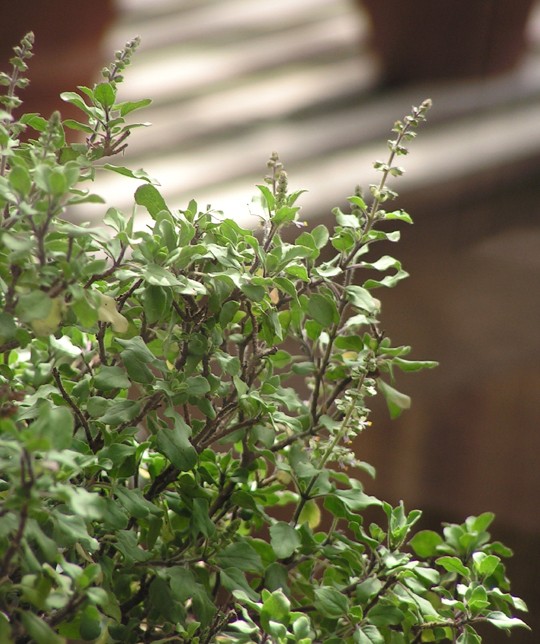
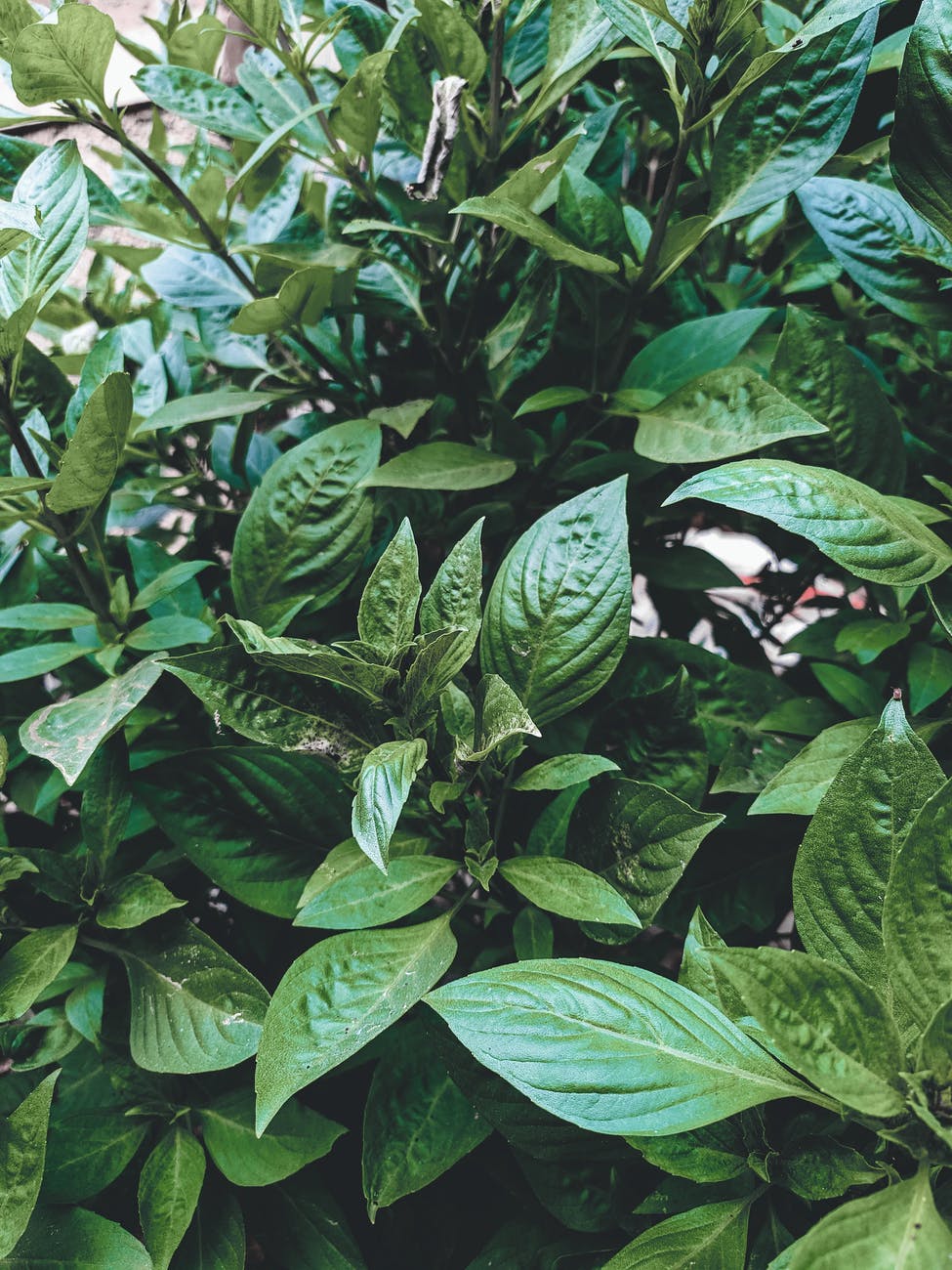
The name is derived from the Sanskrit तुलसी (holy basil). It is the name of a type of perennial plant in the family Lamicae and is endemic to the Indian subcontinent.

Tulsi is considered sacred plant in Hinduism, it is worshipped as an avatar for the goddess Lakshmi and the plant is traditionally planted in the center of courtyards to Hindu houses or next to Hanuman temples.

It is worshipped in Vaishnavism and holds an importance in Ayuverda traditions.

A notable bearer is American politician Tulsi Gabbard (b. 1981).

Sources

Sihana

  • Origin: Albanian
  • Meaning: “like the moon.”
  • Gender: feminine
  • Pronunciation: (sih-HAH-nah)

The name is composed of the Albanian elements, si (like) and hëna (moon).

The name is borne by Albanian supermodel, Sihana Shalaj.

Sources

Asvika, Ashvika

  • Origin: Sanskrit अश्विका
  • Meaning: “little mare; drawn by horses; equestrian”
  • Gender: feminine
  • AHSH-vee-ka

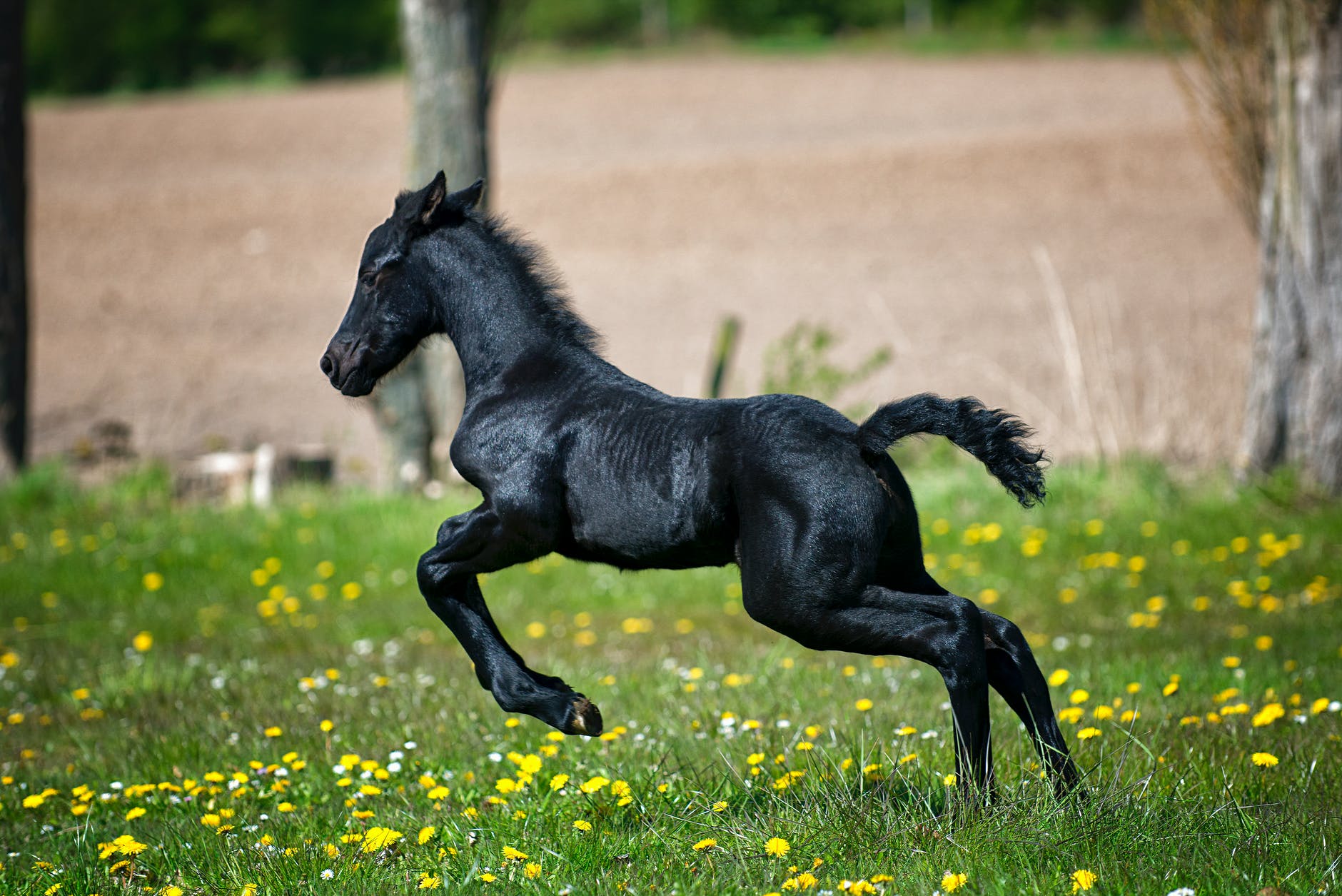
The name comes from the Sanskrit अश्विका (azvika) meaning, “little mare; drawn by horses” or “equestrian.”

Sources

Glesni

  • Origin: Welsh
  • Meaning: “blueness; verdure.”
  • Gender: feminine
  • Pronunciation: GLESS-nee

The name is derived from the Welsh word glesni (blueness; verdure).

Sources

Azza

  • Origin: Arabic عَزَّة
  • Meaning: “young female gazelle”
  • Gender: feminine
  • Pronunciation: OZZ-zah

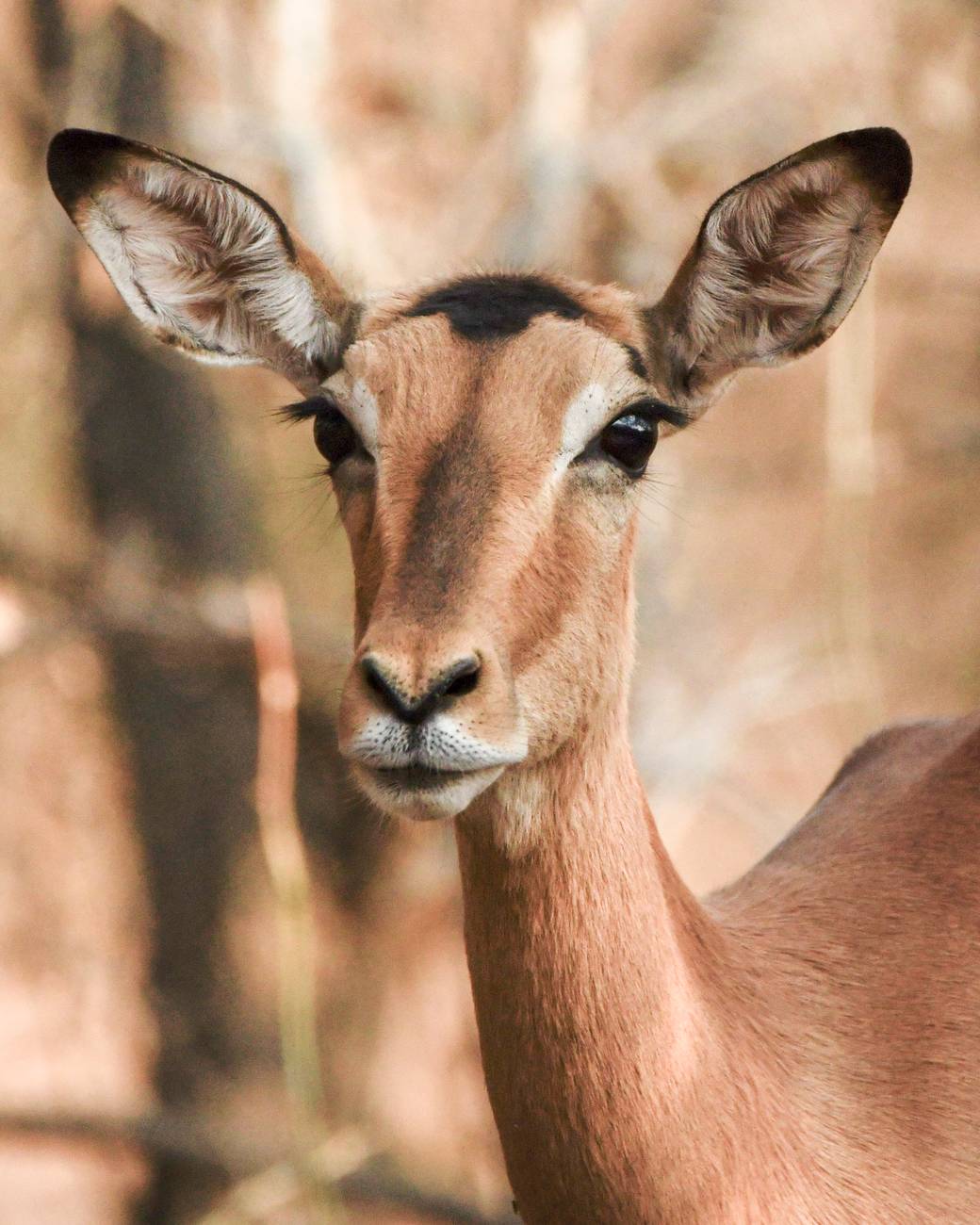
The name is derived from the Arabic word for a young female gazelle.

Another form is Azzah.

Sources