
- Origin: Hmong
- Meaning: “pumpkin; gourd.”
- Gender: Female
- IPA(key): /tau̯˥/
The name comes directly from the Hmong word for a pumpkin or gourd.
Sources
The name comes directly from the Hmong word for a pumpkin or gourd.
Sources

The name comes directly from the Manipuri word ꯃꯥꯏꯔꯦꯟ (mairen), meaning “pumpkin.”
Sources

From the Nahuatl word ayotli (pumpkin, gourd, squash) or directly from the Nahuatl word, ayotzin (turtle, tortoise).
It was borne by a Chichimec ruler but modern use in Mexico is exclusively feminine.
Sources
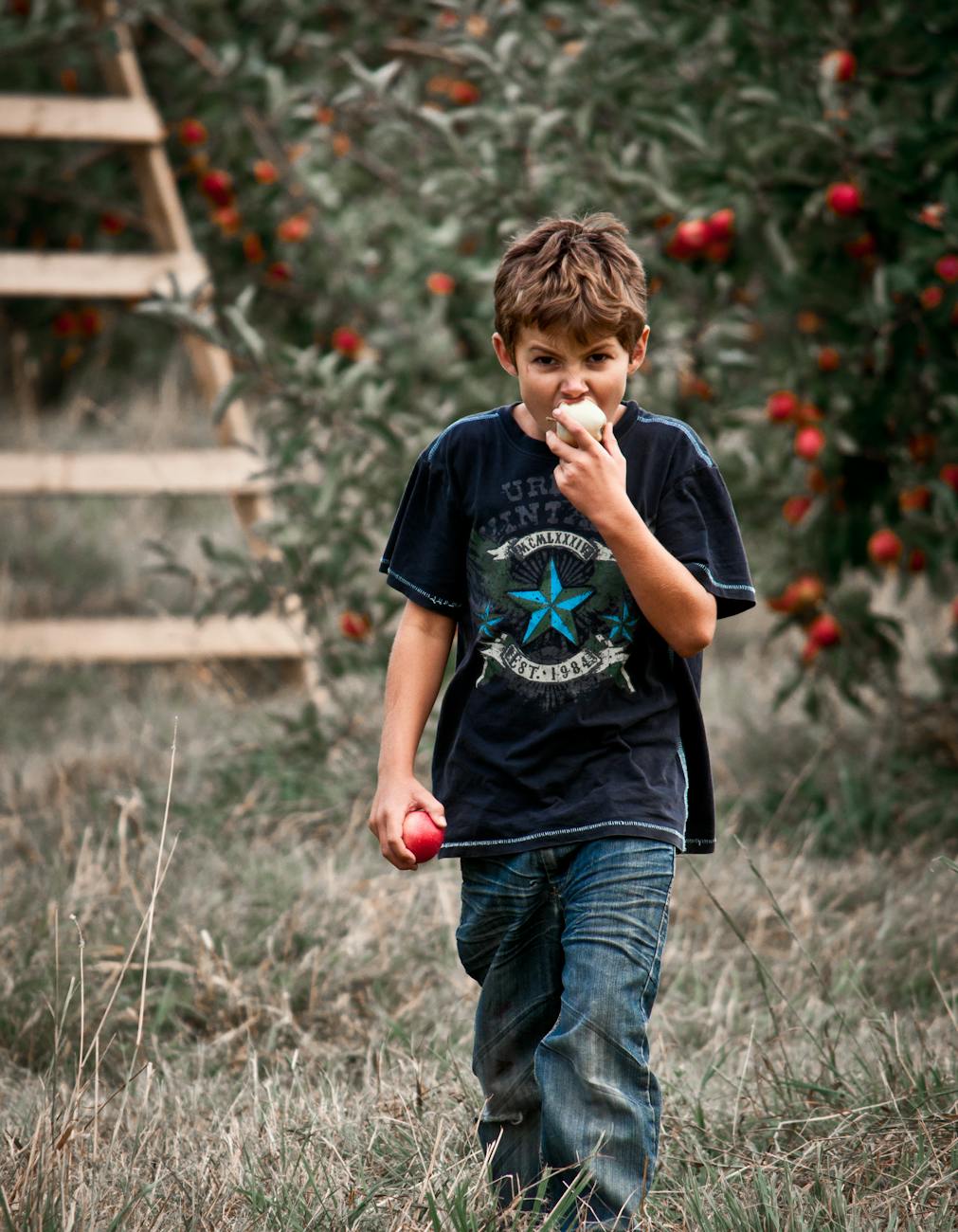
From the Welsh afal, meaning “apple,” Afallach is the name of a male deity in early Welsh mythology. He is described as a god of the Otherworld and of healing—figures sometimes link him to the Isle of Apples (Ynys Afallach), the mythic realm better known to us as Avalon. Through this association, Afallach is regarded as the mythic progenitor of the name Avalon, the legendary paradise of Arthurian lore.
Avalloc is its Anglicized form. Other Anglicized forms includem Evelake, and Aflach.
It has seldom use, if at all, as a given-name in the modern era, but it’s a bold, evocative choice pulled straight from Welsh mythology. It is ideal for those drawn to ancient, nature-infused names with literary and mystical resonance or those who want a pagan inspired name.
Sources

The name Hephzibah (Hebrew חֶפְצִי־בָהּ, Ḥefzī-bāh) means “my delight is in her.” In the Hebrew Bible, it appears as the name of the wife of King Hezekiah and the mother of King Manasseh (2 Kings 21:1; 2 Chronicles 33:1).
In Isaiah 62:4, Hephzibah is also used symbolically as a poetic name for restored Zion, representing the renewed favor of God toward His people
The name was occasionally used among medieval Jewish communities, where it appears in apocryphal and mystical writings such as the Apocalypse of Zerubbabel and the Zohar. In these texts, a legendary warrior woman named Hephzibah fights the enemies of Israel in the messianic age, slaying wicked kings and defending Jerusalem.
Hephzibah enjoyed modest popularity among Protestant families in the 18th and 19th centuries, especially in colonial America and Puritan New England, where Old Testament names were widely favored. Common diminutives included Eppie, Hepsie, and Hepsy.
By the early 20th century, the name’s use had largely waned, surviving mainly as a literary or historical curiosity.
It was often utilized in 19th-century literature, being the name of a character in George Eliot’s Silas Marner (1861); and Nathaniel Hawthorne’s The House of the Seven Gables (c. 1851), which features Hepzibah Pyncheon, a proud but impoverished New England gentlewoman. Recently, it appears as the name of a witch in the Harry Potter series by J.K. Rowling.
An early notable bearer was American Bostonian Socialite, Hepzibah Swan (d. 1825, unknown birth date). A more recent notable bearer is American-Australian pianist, Hephzibah Menuhin (1920-1981).
It is also the name of several places in the United States.
With its mix of Biblical grace, Gothic Americana, and warrior-woman legend, Hephzibah carries both majesty and mystery. Its vintage nicknames—Eppie, Hepsie, Hepsy—soften its grandeur, making it unexpectedly wearable today.
Hephzibah, long slumbering in scripture and story, may be ready for revival.
Sources

The name is formed from the Latin nox (“night”) and lucere (“to shine”). It is an obscure Roman epithet but may make the right choice for parents looking for a gothic, romantic and celestial appellation.
Noctiluca served as an epithet of Venus in ancient Rome. According to Ovid (Fasti 4.373–376), the Romans celebrated a festival to Venus Noctiluca (“Venus the Night-Shining”) on the Aventine Hill, where fires were lit in her honor.
The word was later borrowed into natural history as the name of a bioluminescent sea creature—Noctiluca scintillans—whose glowing waters inspired comparisons to stars reflected in the ocean.
Noctiluna is another variation that may be appealing to those who love Luna but want something more unique.
The nicknames Nockti, Nocktie, Nockty or Luca are options.
Sources

A poetic rarity, it is from the ancient Greek λαλαγέω (lalageo) meaning “to babble; to prattle.”
The most famous bearer of the name appears in Horace’s Odes (Book I, 22), in which it is the name of the poet’s idealized beloved.
Edgar Allan Poe later used Lalage as a tragic heroine in his 1835 play Politian, reinforcing its Romantic aura.
The name experienced some usage in the 19th-century throughout the English-speaking world. A notable bearer is British educator and feminist, Lalage Brown (b. 1927).
Common short forms are Lallie, Lally and Gigi.
Sources
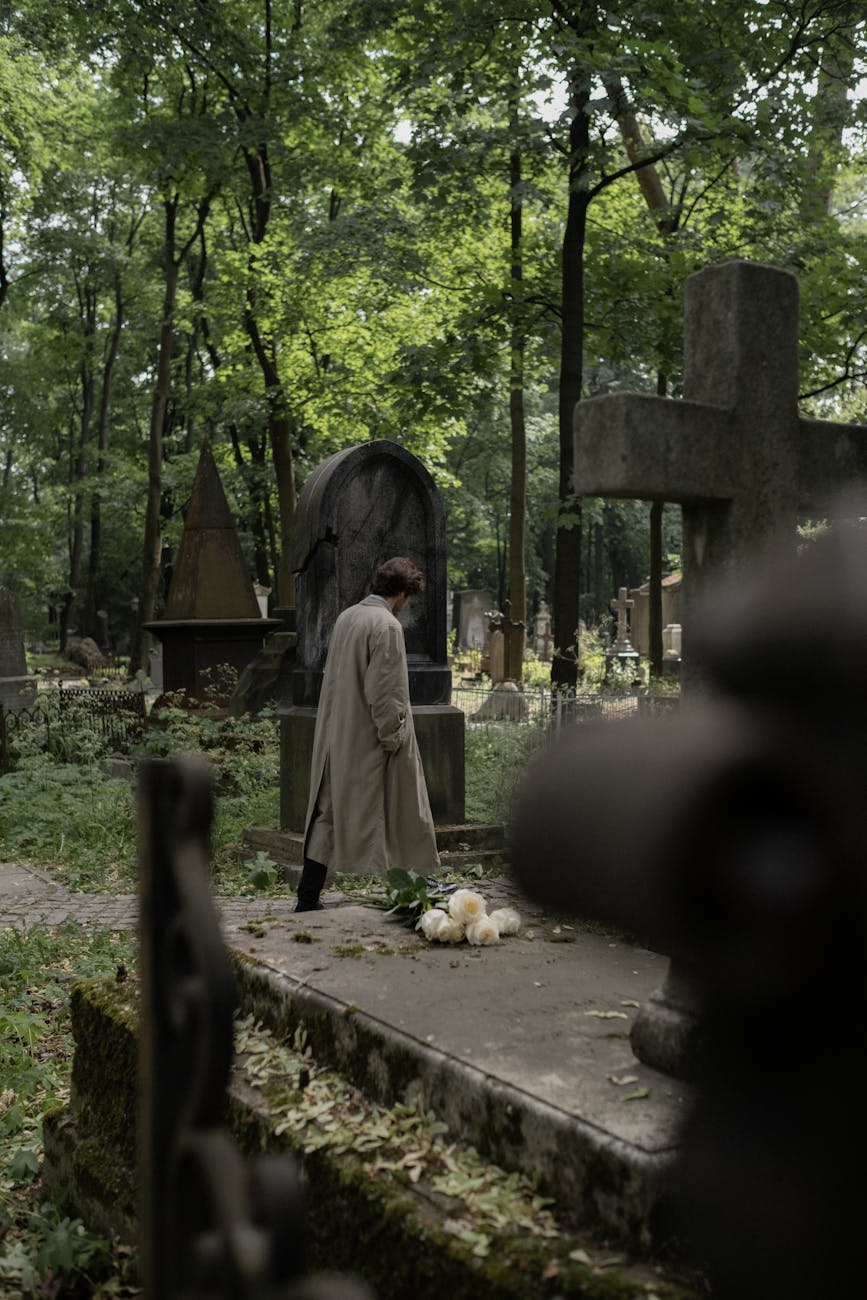
Poetic, bold and well, grim, it is an obsolete Medievel gem which is composed of the Germanic elements, ebur (boar) and grim (bold; fierce; grim).
Source
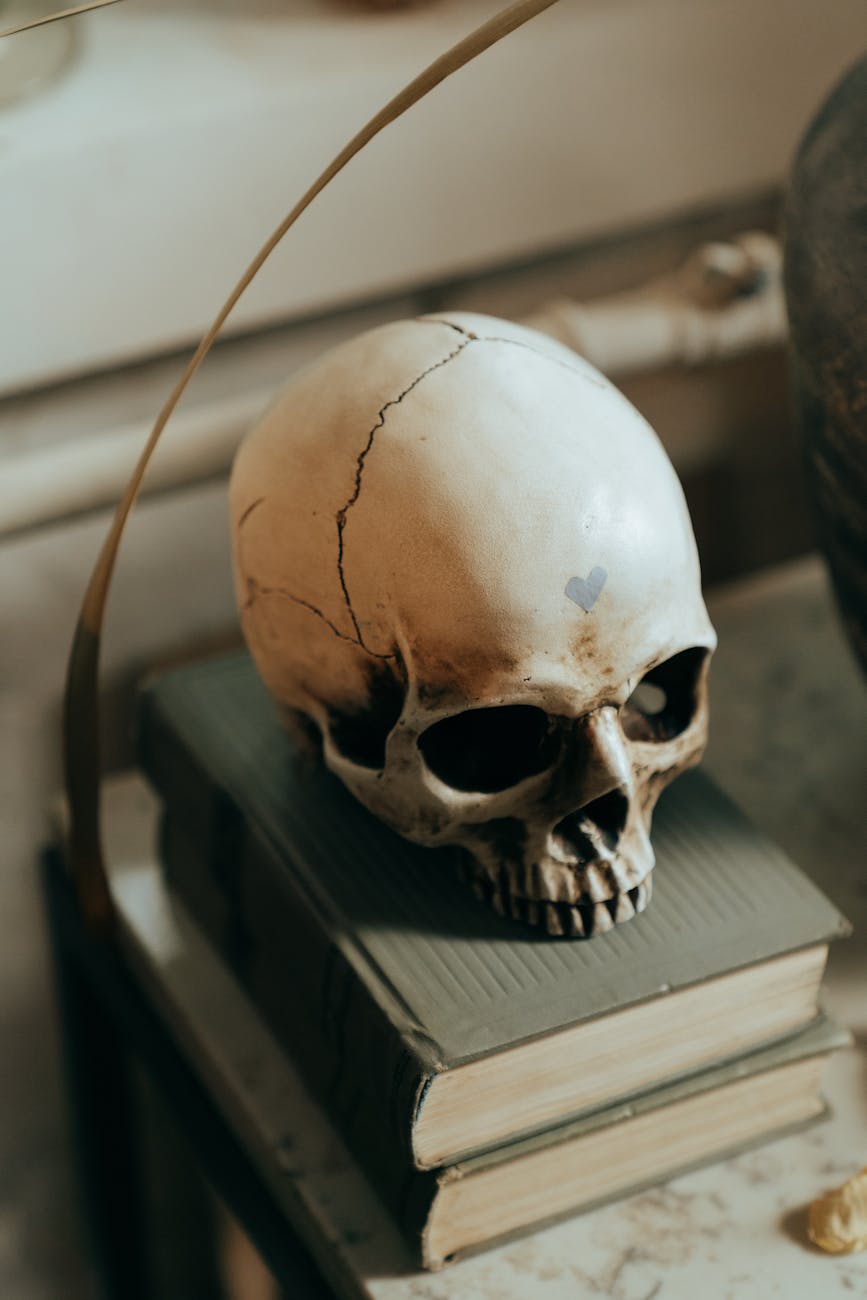
Craft is a Latinate form of the German, Kraft (power; strength). It was in use as a male given-name in Medieval Germanic countries but is today obsolete. A variant Latinate form is Crafto.
This may make the perfect name for a Halloween baby.
Sources
A 19th-century gem and late 20th-century vampiric monikor, the name is of uncertain meaning but has its origins in Medieval Spain. It is likely of Visigothic origins, possibly derived from Gailawera or Geloyra, which stem from gails (happy) or (spear); and wers (friendly, agreeable, true).
It should be noted that Elvira (Latin: Iliberri or Iliberis) was an ancient Iberian and later Roman city located near present-day Granada, in Andalusia, southern Spain. However, in this case, it is likely derived from an Iberian source, meaning “new town.”
It was a popular female name among the royal family of Castille & León, producing two queens who bore this name, Elvira of Castile, Queen of León (965–1017) and Elvira of Castile, Queen of Sicily (c. 1100–1135).
It was later used in Mozart’s 1787 opera Don Giovanni (libretto by Lorenzo Da Ponte), in which Donna Elvira is one of Don Giovanni’s former lovers. This likely popularized the name outside of the Iberian peninsula.
By the turn of the 20th-century, Elvira was not unknown in the United States, though never overly popular, it peaked at #254 in 1914, but fell out the Top 1000 by 1981, the same year Elvira, Mistress of the Dark came on the scene.
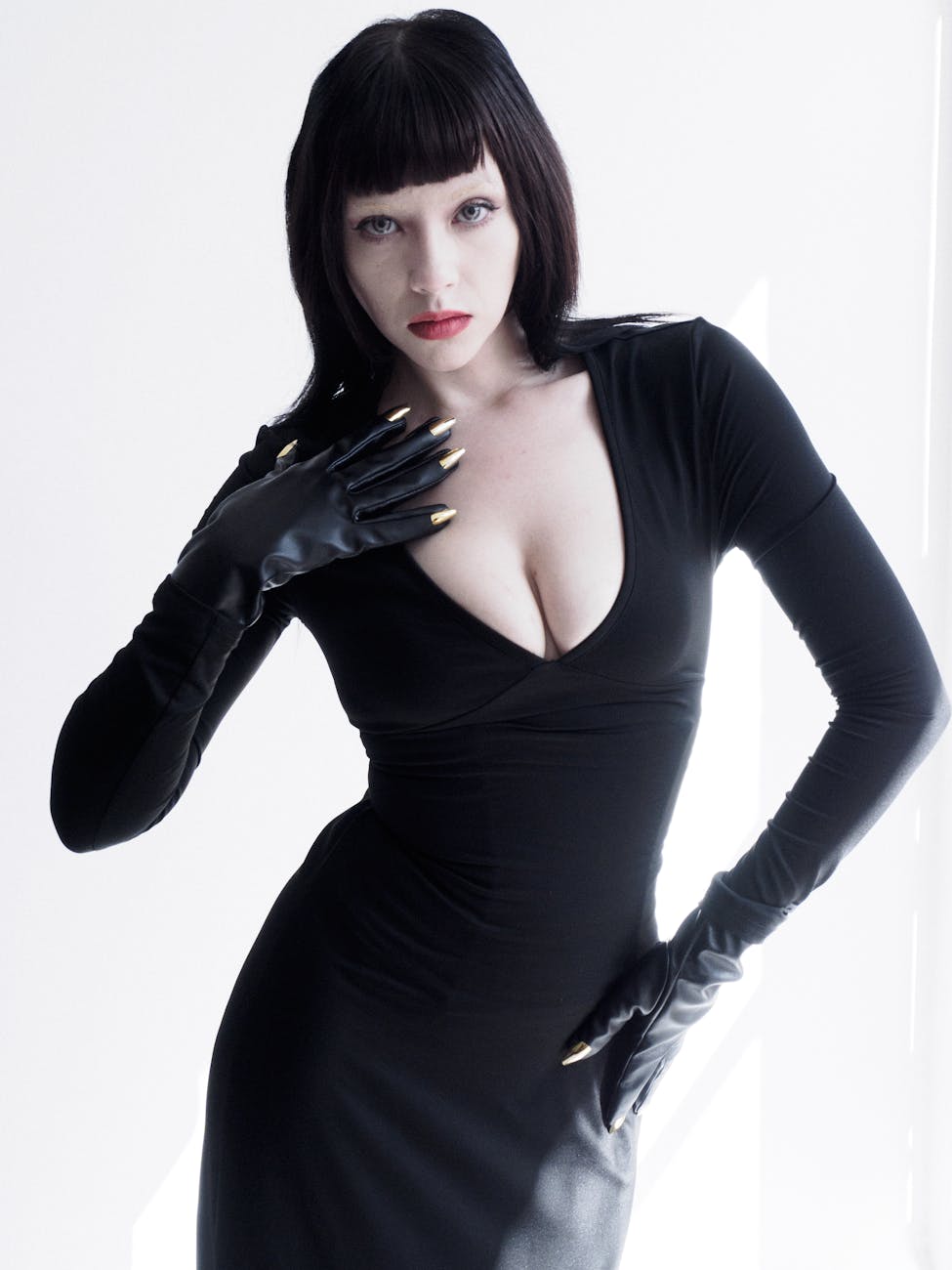
The real Halloween link began in 1981, when actress Cassandra Peterson created the camp-horror TV hostess Elvira, Mistress of the Dark for a Los Angeles late-night show (Movie Macabre).
Dressed in a plunging black gown with a beehive of jet hair, Elvira presented old horror movies with sardonic humor — blending Gothic sex appeal, irony, and B-movie kitsch.
The character became a pop-culture icon: Halloween TV specials, films, pinball machines, comic books, and even perfume lines immortalized her as the Queen of Halloween.
Outside the United States, this name does not have such associations. In Sweden, it has been among the top 100 girls’ since 1998 and peaked at #25 in 2014. As of 2024, it came in at #40.
It’s a popular name in the Balkans, even spinning off a male form of Elvir (Bosnian and Albanian).
Other forms include:
Obscure Lithuanian male forms are the Lithuanian, Elvyras; the Polish, Elwir(o), and the Italian Elviro.
Name days: August 25 (Austria), July 16 (Croatia), February 10 (Hungary), January 25 (Spain), March 1 (Sweden), November 21 (Slovakia), August 13 (Latvia).
Sources