
- Origin: Mordvin Эйзюраль
- Meaning: “born in the season of icicles.”
- Gender: Female
A Pre-Christian Mordvin female name, meaning, “born in the season of icicles.”
Source
A Pre-Christian Mordvin female name, meaning, “born in the season of icicles.”
Source

The name is derived from the Mordvin word mijal, meaning, “beaver.”
Sources
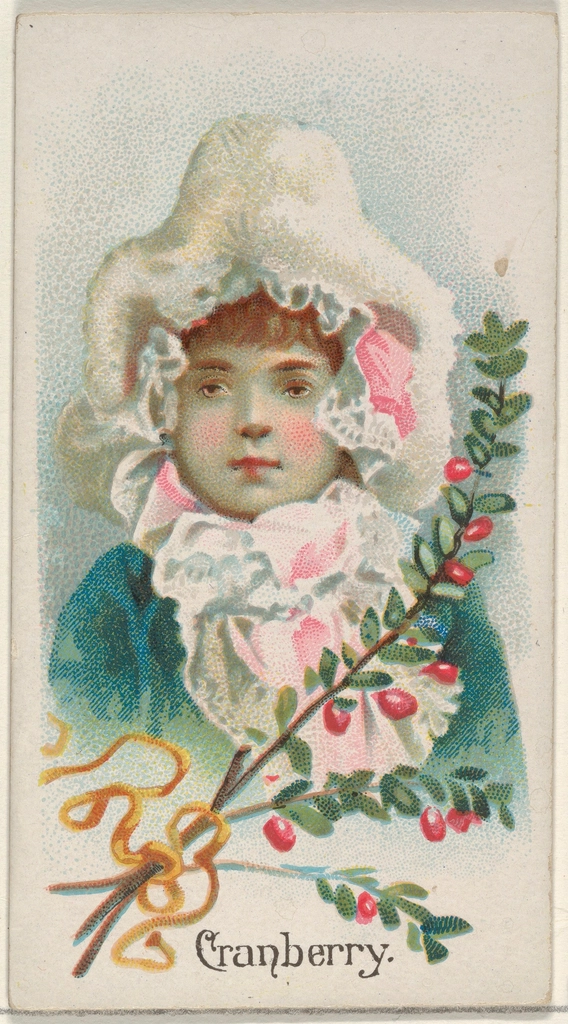
A Pre-Christian Mordvin female name meaning, “cranberry.”
Source

The name is derived from the Mordvin word, kile (birch tree).
Sources

The name is derived from the Mordvin, sele (elm).
Sources
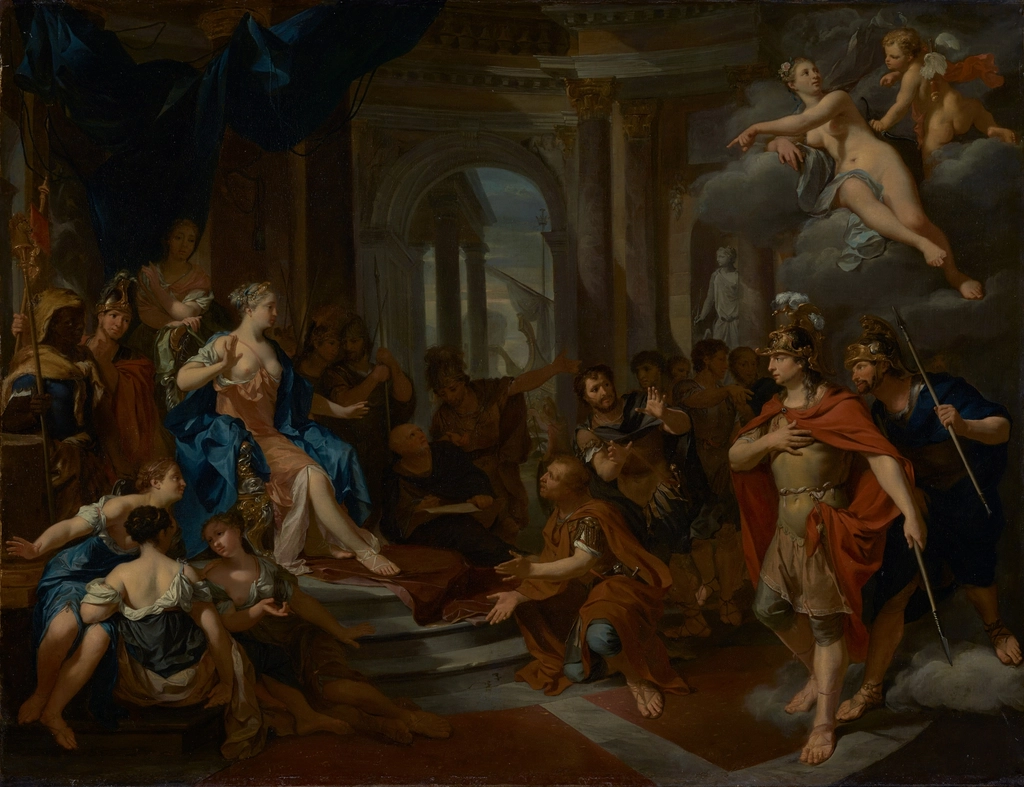
The name is derived from the Greek δαίω (daio) meaning, “to light; to burn; to kindle,” and “to divide, share, tear” or “to host a feast.” The element has the same meaning as distributing justice, items or food.”
It is borne in the Illiad by a minor character, a Trojan warrior who attacked the Greek fleet during the tenth year of the Trojan war and was subsequently shot dead.
Sources
Nuyat is a male pre-Christian Mordvin name meaning, “harvest.”
The female form is Nuya.
Source

The name comes from the Ancient Greek noun ἄνθραξ (ánthrax), meaning “ember; burning charcoal.”
Anthracia is best known from Greek myth as one of the nymphs who nursed the infant Zeus in secret to protect him from Cronus.
Source

The name began as a Finnish diminutive form of the Latin name Urban. The name took on new significance in the 19th century, when Finnish national romanticism reinterpreted Panu through its resemblance to the native word panu, meaning “fire” or “flame.”
In Finnish folklore and epic poetry, Panu appears as the spirit or personification of fire, particularly in the mythological corpus connected to the Kalevala.
The name’s modern popularity was reinforced by Juhani Aho’s 1897 historical novel Panu, which centers on the clash between Christianity and ancient Finnish paganism. In Aho’s novel, the protagonist Panu is the last pagan priest defending the old faith. The book was highly influential in the Finnish national revival movement and helped cement Panu as a culturally resonant personal name.
The designated name-day in Finland is November 11.
Sources
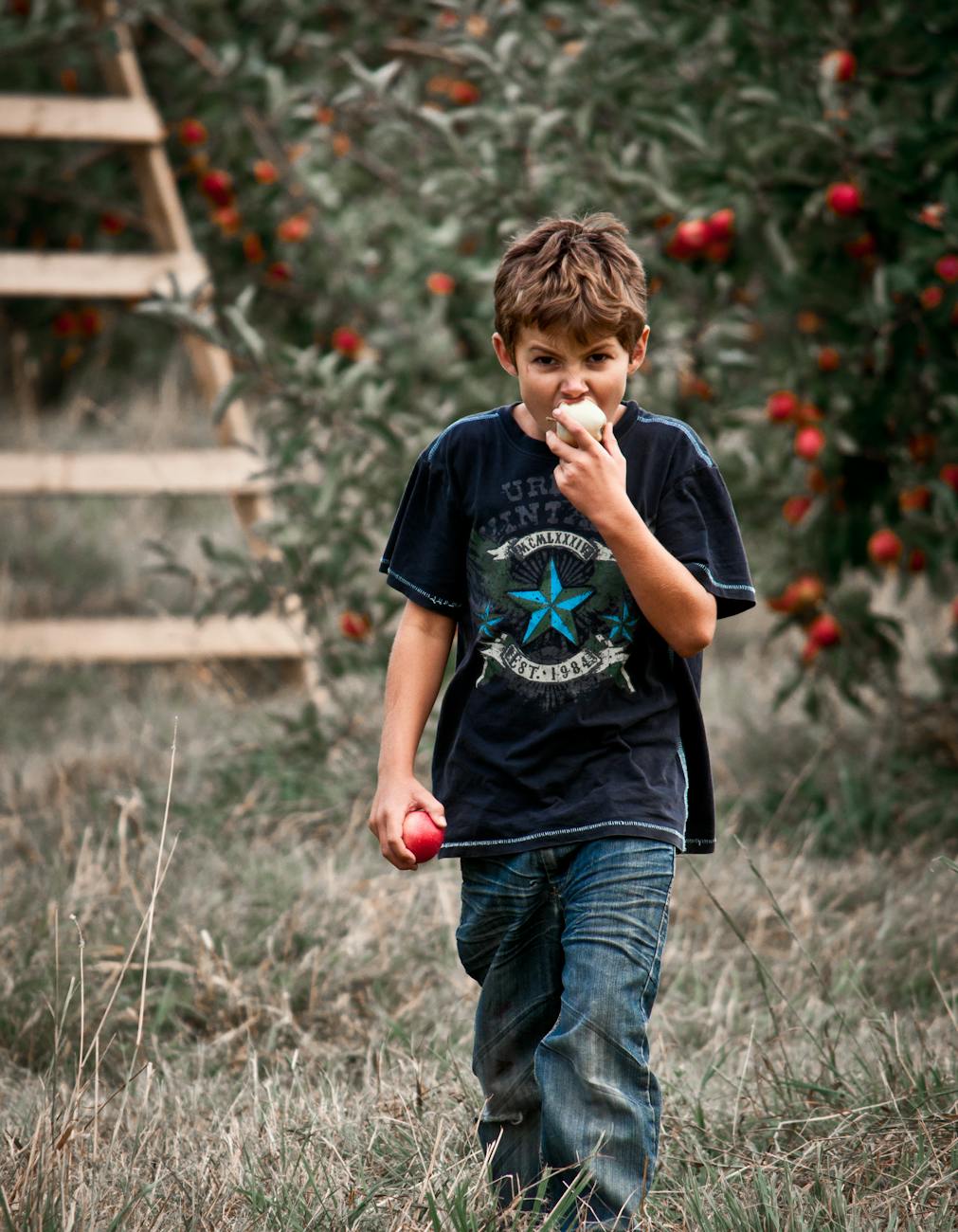
From the Welsh afal, meaning “apple,” Afallach is the name of a male deity in early Welsh mythology. He is described as a god of the Otherworld and of healing—figures sometimes link him to the Isle of Apples (Ynys Afallach), the mythic realm better known to us as Avalon. Through this association, Afallach is regarded as the mythic progenitor of the name Avalon, the legendary paradise of Arthurian lore.
Avalloc is its Anglicized form. Other Anglicized forms includem Evelake, and Aflach.
It has seldom use, if at all, as a given-name in the modern era, but it’s a bold, evocative choice pulled straight from Welsh mythology. It is ideal for those drawn to ancient, nature-infused names with literary and mystical resonance or those who want a pagan inspired name.
Sources