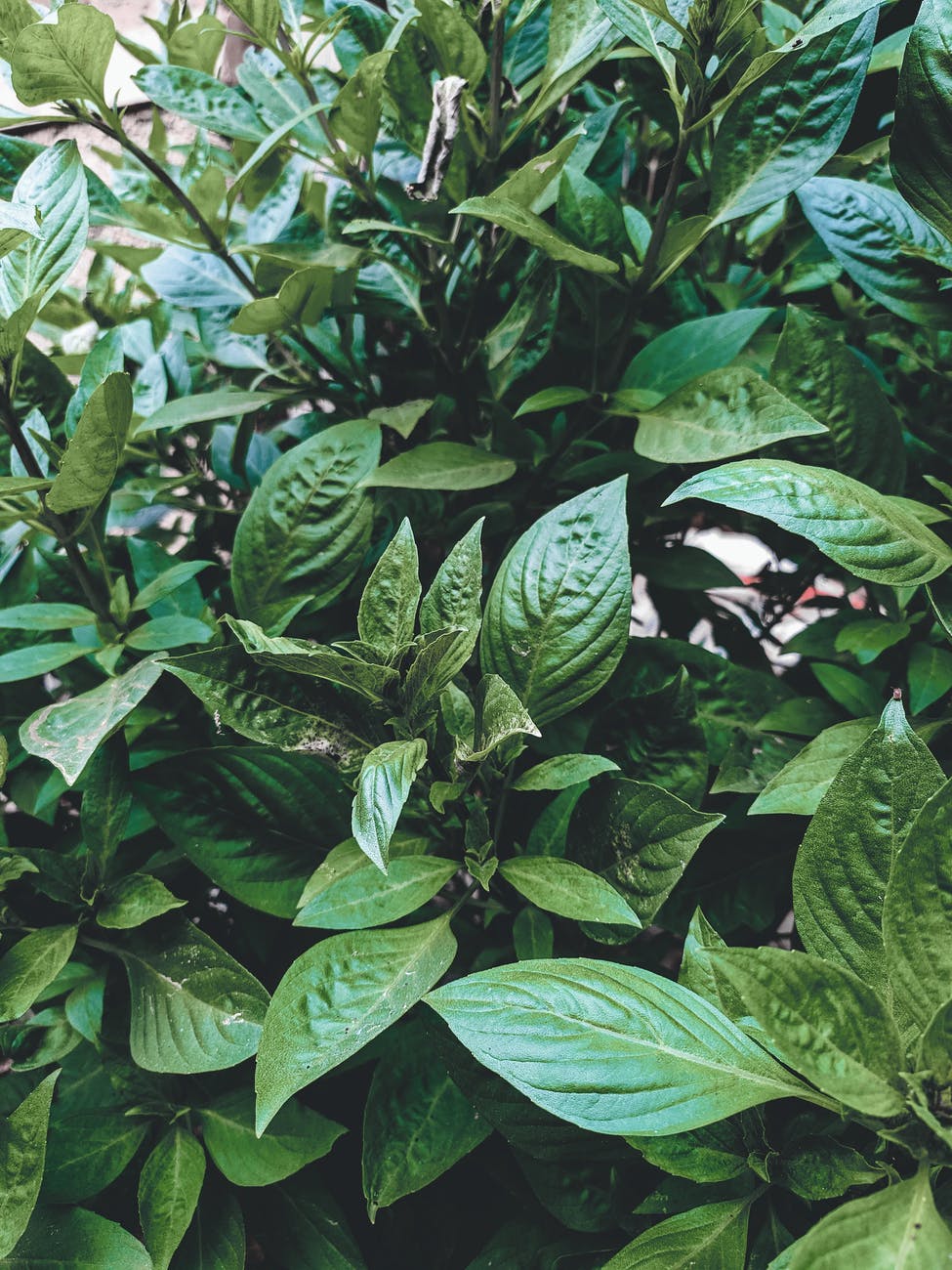
Photo by Shivam Patel on Pexels.com
- Origin: Welsh
- Meaning: “blueness; verdure.”
- Gender: feminine
- Pronunciation: GLESS-nee
The name is derived from the Welsh word glesni (blueness; verdure).
Sources
The name is derived from the Welsh word glesni (blueness; verdure).
Sources
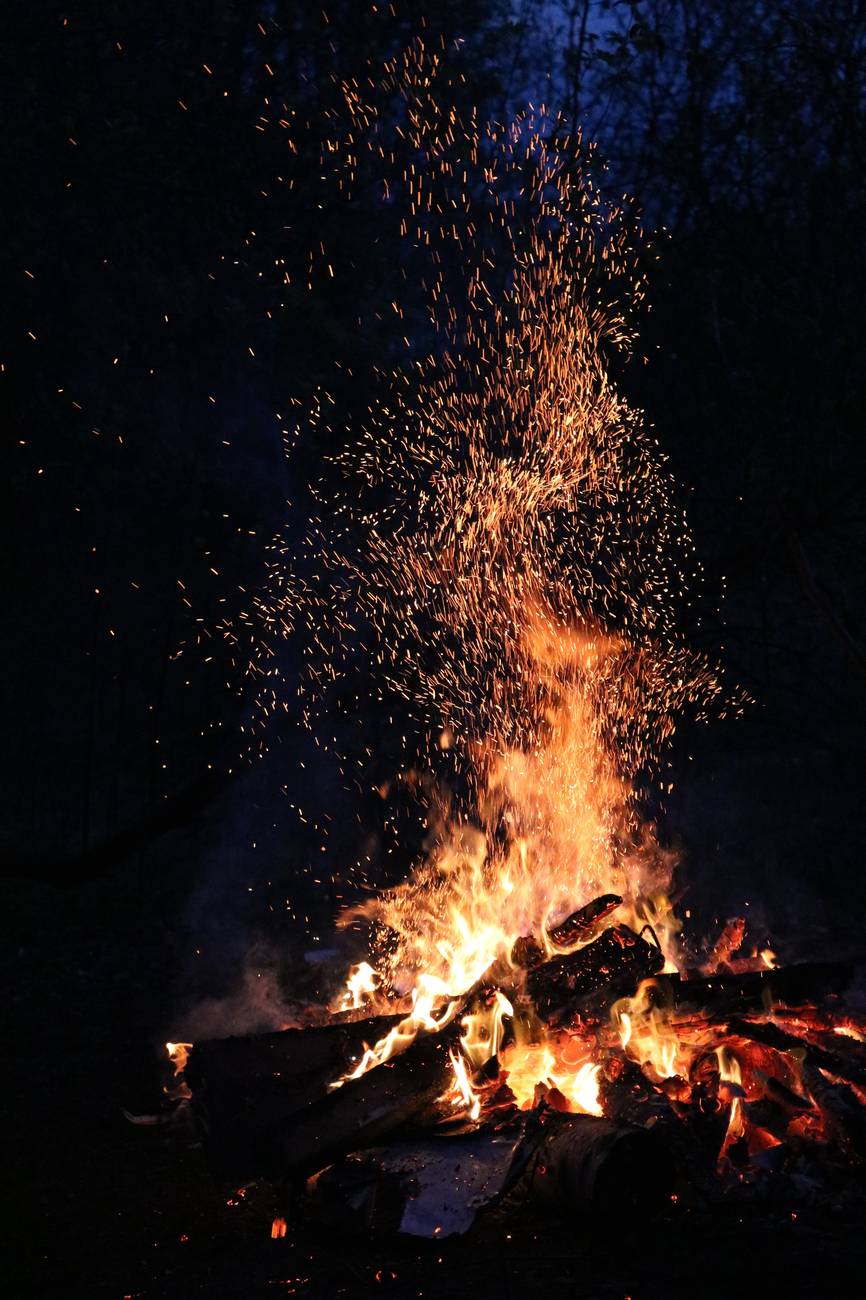
Plamen Пламен (Bulgarian & Serbian) is primarily South Slavic in the contemporary world, but comes from a pan-Slavic word meaning, “flame.” The feminine form is Plamena.
It was potentially Płomień in Medieval Polish. Płamen (male) and Płamena (female) are also modern Polish transliterations of the Bulgarian.
In Bulgaria, the designated name-day is November 8th.
Sources
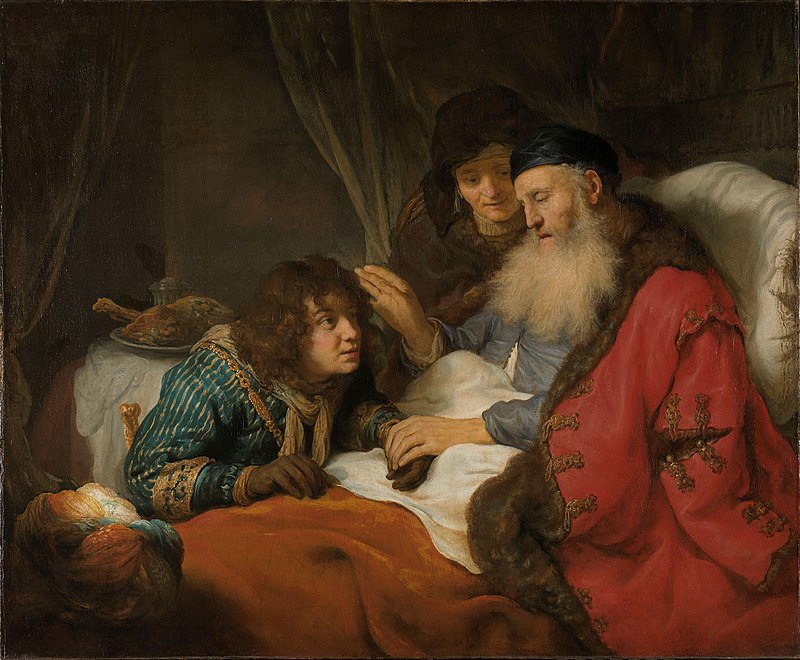
The name comes directly from the word and first came into use as a female given-name in 16th-century English, it was later adopted by the Puritans and has had sporadic use as a given-name by various Christian groups since. The name has recent been very popular among Nigerian Christians.
The word itself derives from the Anglo-Saxon, blǣdsian, which originally meant “to mark with blood,” which was often done during pre-Christian Anglo-Saxon religious rights.
Blessing first entered the U.S. Top 1000 Female Names in 2019, ranking in at #916.
A notable bearer is Nigerian Track & Field Athlete, Blessing Ogakbere (b.1988).
Sources
 I know it has been a while since I last posted, I hope everyone is healthy and safe!
Here is a list of plants, fruits & flowers in their French vernacular form as feminine given names.
Please keep in mind that many of these are hypothetical. I would be honored if someone actually found inspirations and used these on their children. What do you think? Would you use any of these?
Hypothetical names will have an asterisk. Names with no asterisk actually have a history of use in the Francophone world, whether obscure or widespread.