The name is composed of the Welsh words, gwyn (white, fair, blessed) and llwyf (elm tree). The name was borne by a 7th-century Welsh saint of whom very little is known. Her feast day is November 30th.
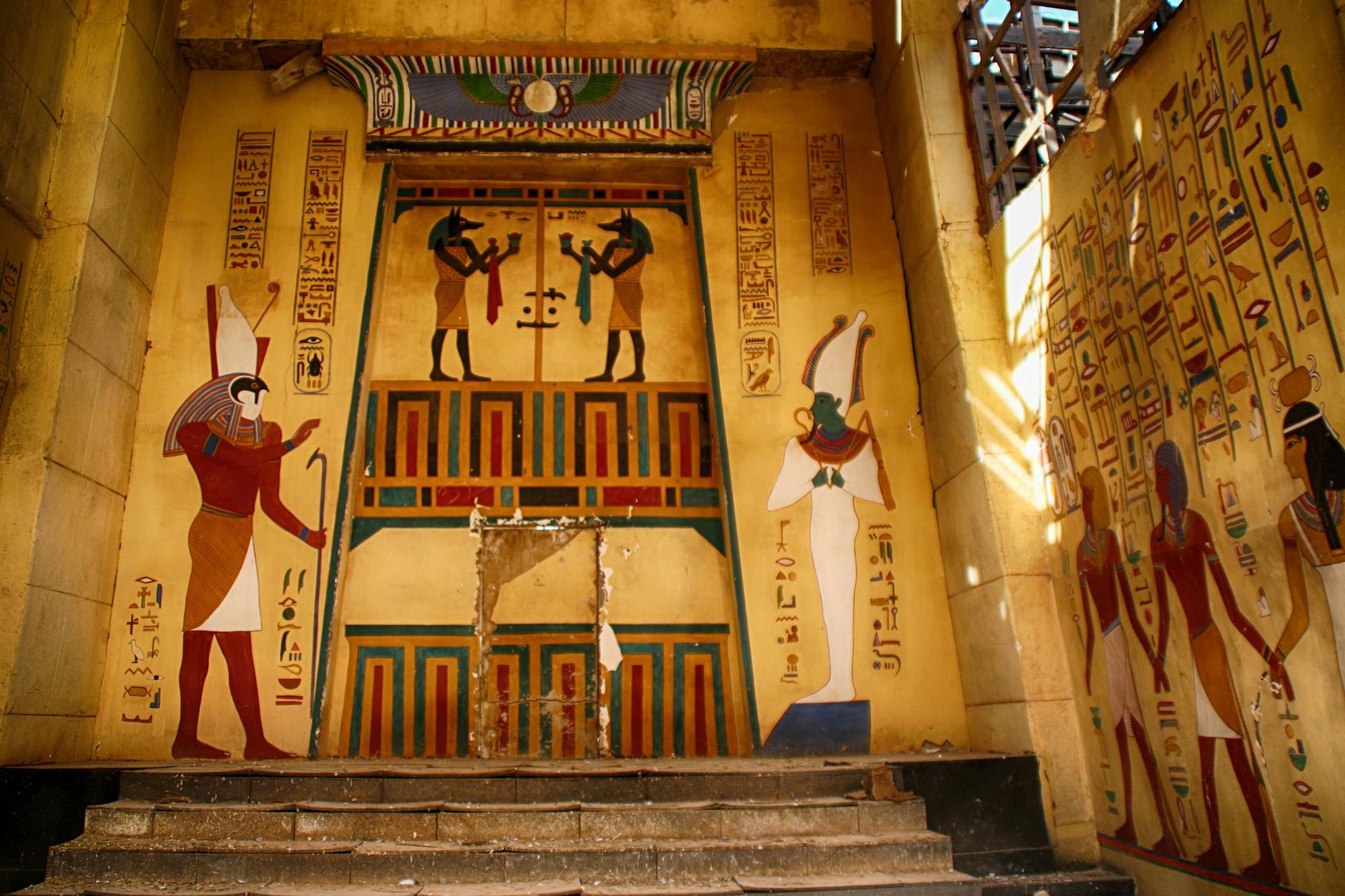
The Ancient Egyptian word and name Heka (transliterated ḥkꜣ, later Hkȝ) literally means “magic,” “sorcery,” or “divine power.” It derives from the root ḥk — “to work magic” — and the ending ꜣ (the Egyptian aleph) which functions as a nominal element.
In Egyptian cosmology, heka was not mere illusion or trickery, but a primordial creative force — the divine energy that allowed both gods and humans to act, heal, and give life. The term is thus best understood as “creative power made manifest,” and shares a root with the Ancient Egyptian ka, roughly translating to “soul.”
Heka was also deified as a god embodying magic itself. He appears as a male deity in Old Kingdom Pyramid Texts (c. 2500 BCE) and remained important through the Greco-Roman period.
In theology, Heka was said to have existed before all other gods — the power through which even the creator gods shaped the universe. The Coffin Texts describe him as:
“I am Heka, the magic, the child of Atum… before the gods came into being, I was.”
In later periods, he was depicted as a man holding two entwined serpents, sometimes accompanying deities such as Khnum and Neith, and invoked by priests and physicians in medical papyri. His power was integral to Egyptian medicine and ritual; magic (heka) was considered a sacred technology given by the gods for healing and protection.
The Coptic form is Hik, it is not used as a name among contemporary Copts but may make an interesting revival.
It is speculated that Hecate’s name and cult may have its roots in the Ancient Egyptian god.
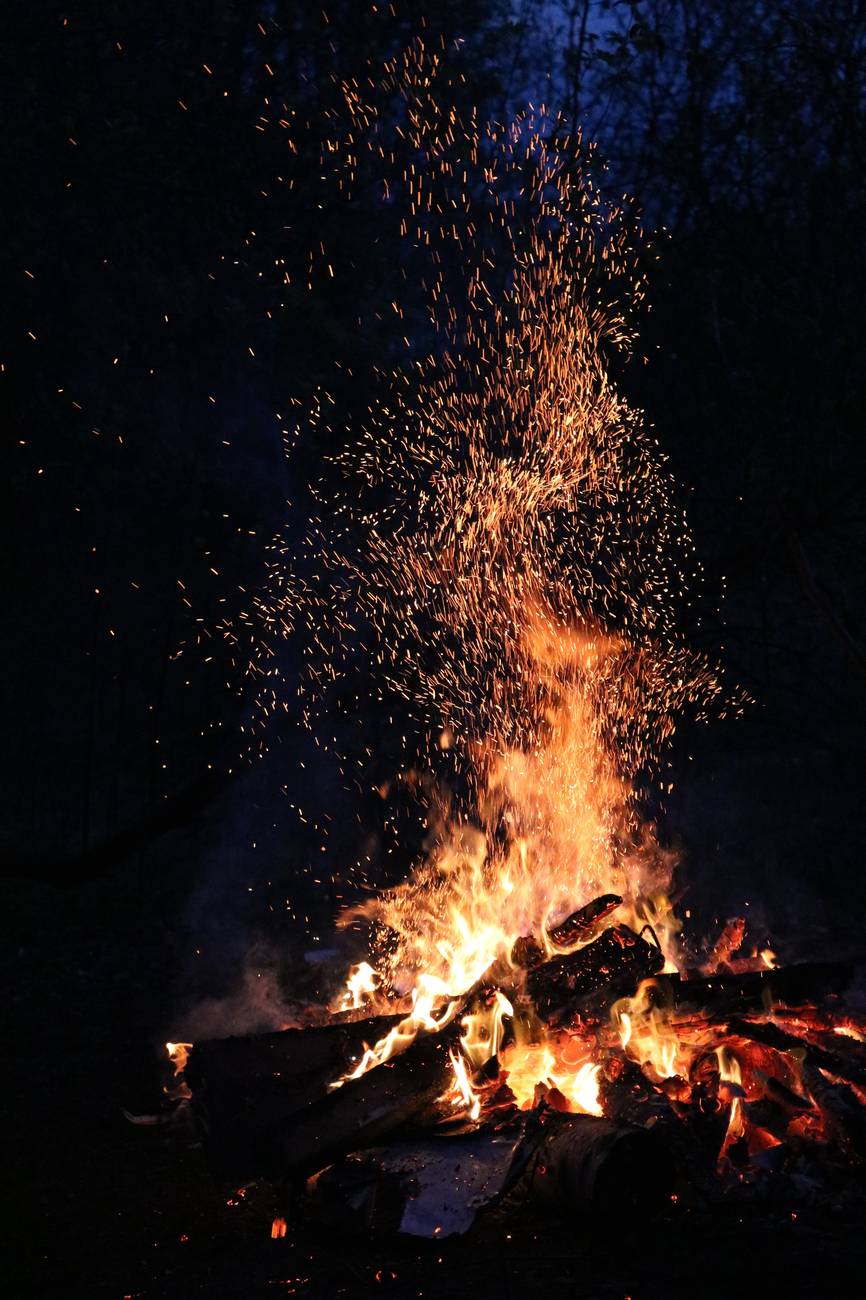
PlamenПламен (Bulgarian & Serbian) is primarily South Slavic in the contemporary world, but comes from a pan-Slavic word meaning, “flame.” The feminine form is Plamena.
It was potentially Płomień in Medieval Polish. Płamen (male) and Płamena (female) are also modern Polish transliterations of the Bulgarian.
In Bulgaria, the designated name-day is November 8th.
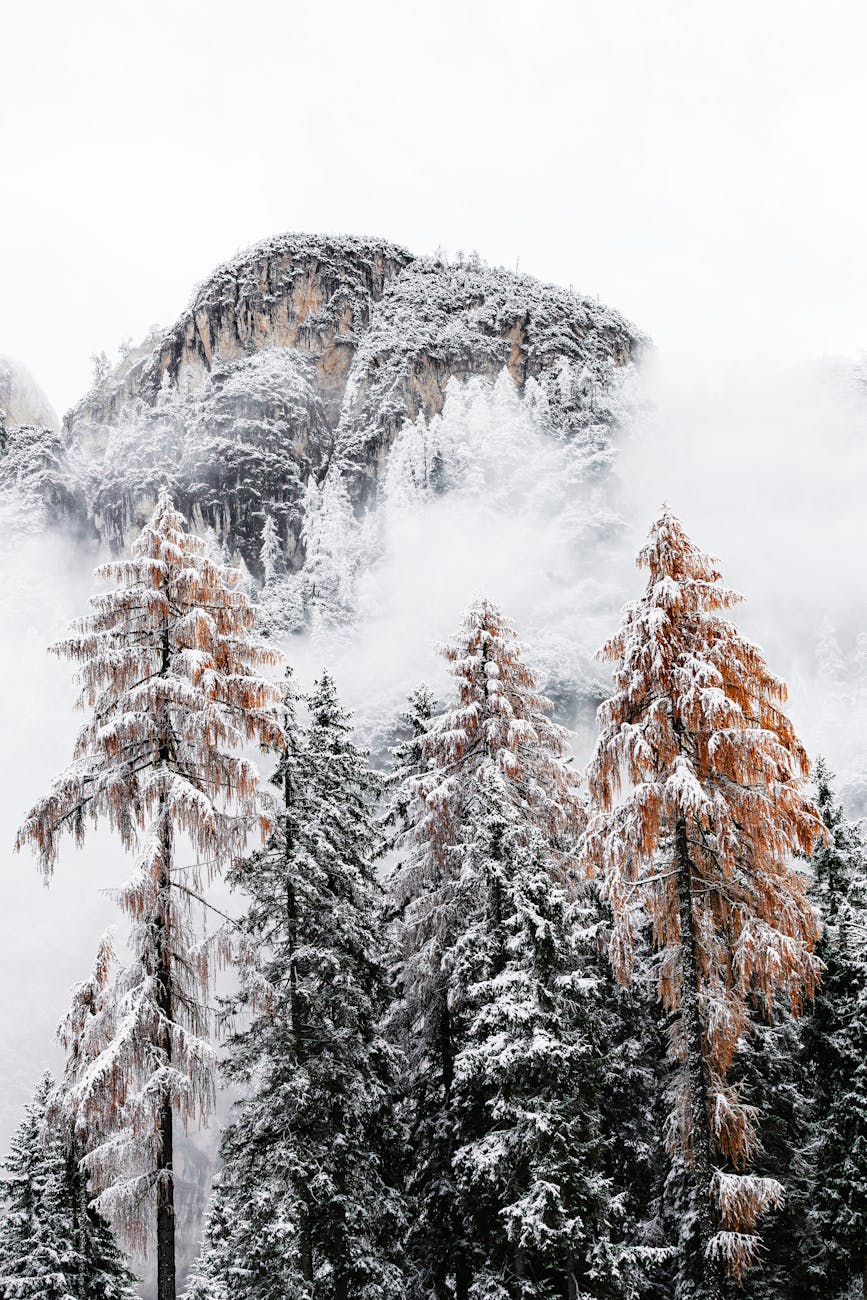
The name is derived from the Finnish word for a species of pine tree known as pinus pinea. This might be the perfect autumnal name. Its designate name-day is October 6.
As of 2011, Pinja was the 35th most popular female name in Finland.
 Gender: Feminine