The name is composed of the Old Slavonic elements, stracho (fear) and mir (peace). Strachomir is the Polish form, it is first recorded in Poland in 1386 but has since fallen out of use.
It spun off the Medieval Czech and Polish male name, Strachota, which was used as a vernacular form of the Greek name, Methodius which also means “fear.” A hypothetical female form would be Strachomira.
Hypothetical Polish diminutive forms would be, Stracha, Strachot, Strasz, Straszech, Straszek, and Straszko.
The South Slavic forms are Strahimir Страхомир,Strahomir Страхимир, and Strashimir Страшимир.
Strashimirite is a type of mineral which was discovered by Bulgarian minereologist Jordanka Minčeva-Stefanova who named it after Bulgarian minerologist, Strashimir Dimitrov (1892–1960).
Strashimira Страшимирa is a Bulgarian feminine form and it is borne by Bulgarian volleyball player, Strashmira Filipova (b. 1985).
The designated name day in Croatia is September 9.
Sources
A. Cieślikowa (red.), Słownik etymologiczno-motywacyjny staropolskich nazw osobowych, t. 1, Kraków 2000, ISBN 83-87623-23-7
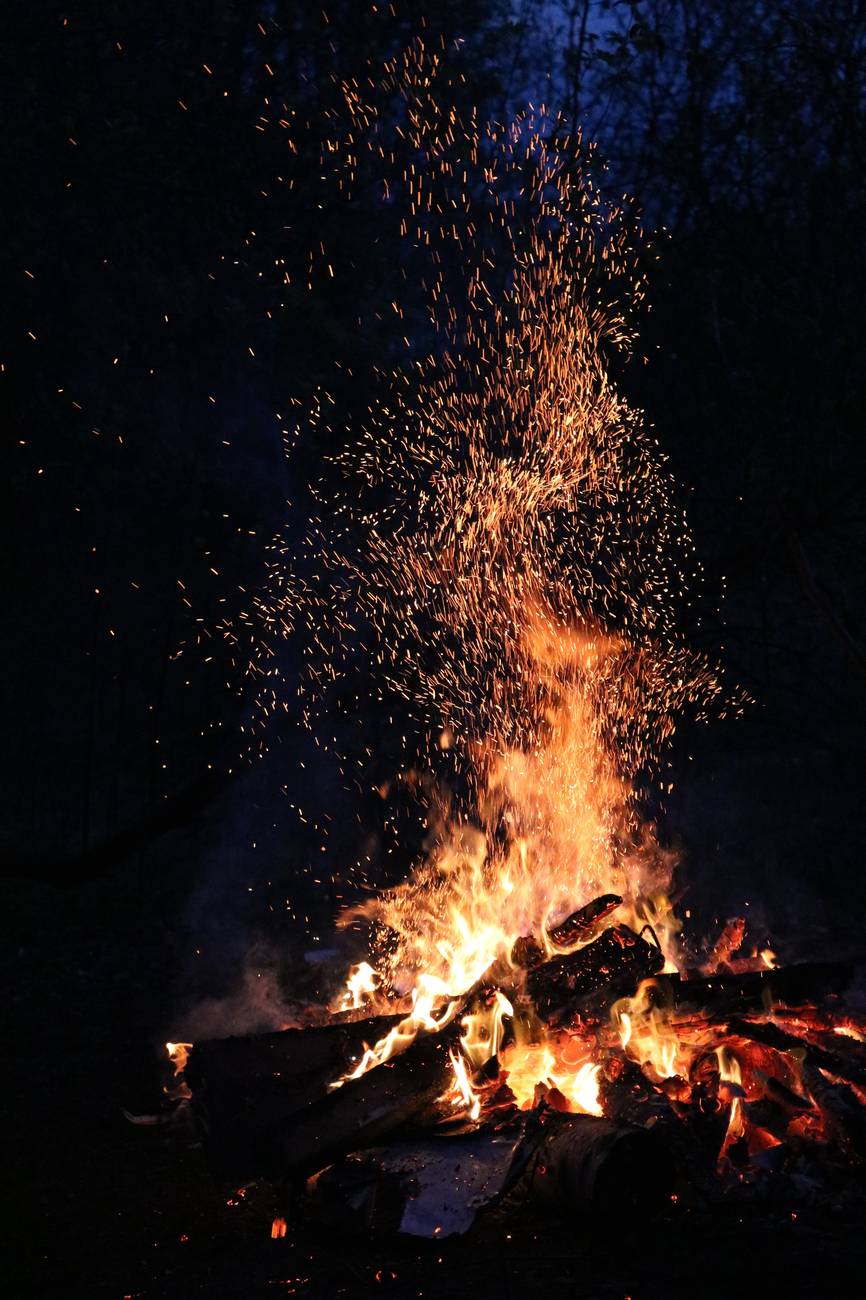
PlamenПламен (Bulgarian & Serbian) is primarily South Slavic in the contemporary world, but comes from a pan-Slavic word meaning, “flame.” The feminine form is Plamena.
It was potentially Płomień in Medieval Polish. Płamen (male) and Płamena (female) are also modern Polish transliterations of the Bulgarian.
In Bulgaria, the designated name-day is November 8th.
The name is derived from the Slavonic element mil meaning “gracious; dear.”
The name is used in virtually every Slavic speaking country, and is currently the most popular female name in Armenia. It is also used in Brazil, Spanish-speaking countries, German-speaking countries, Italy and Hungary.
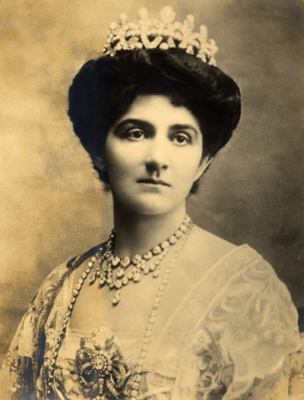
The name was introduced into Italy when King Emmanuel III of Italy married Milena Vukotić (1847-1923).


 Gender: Feminine