Odhrán, Odharnait

  • Origin: Irish-Gaelic
  • Meaning: “dun, pale, sallow, greenish-grey.”
  • Masc pron: Masc. (AW-rawn); Fem (AR-net)

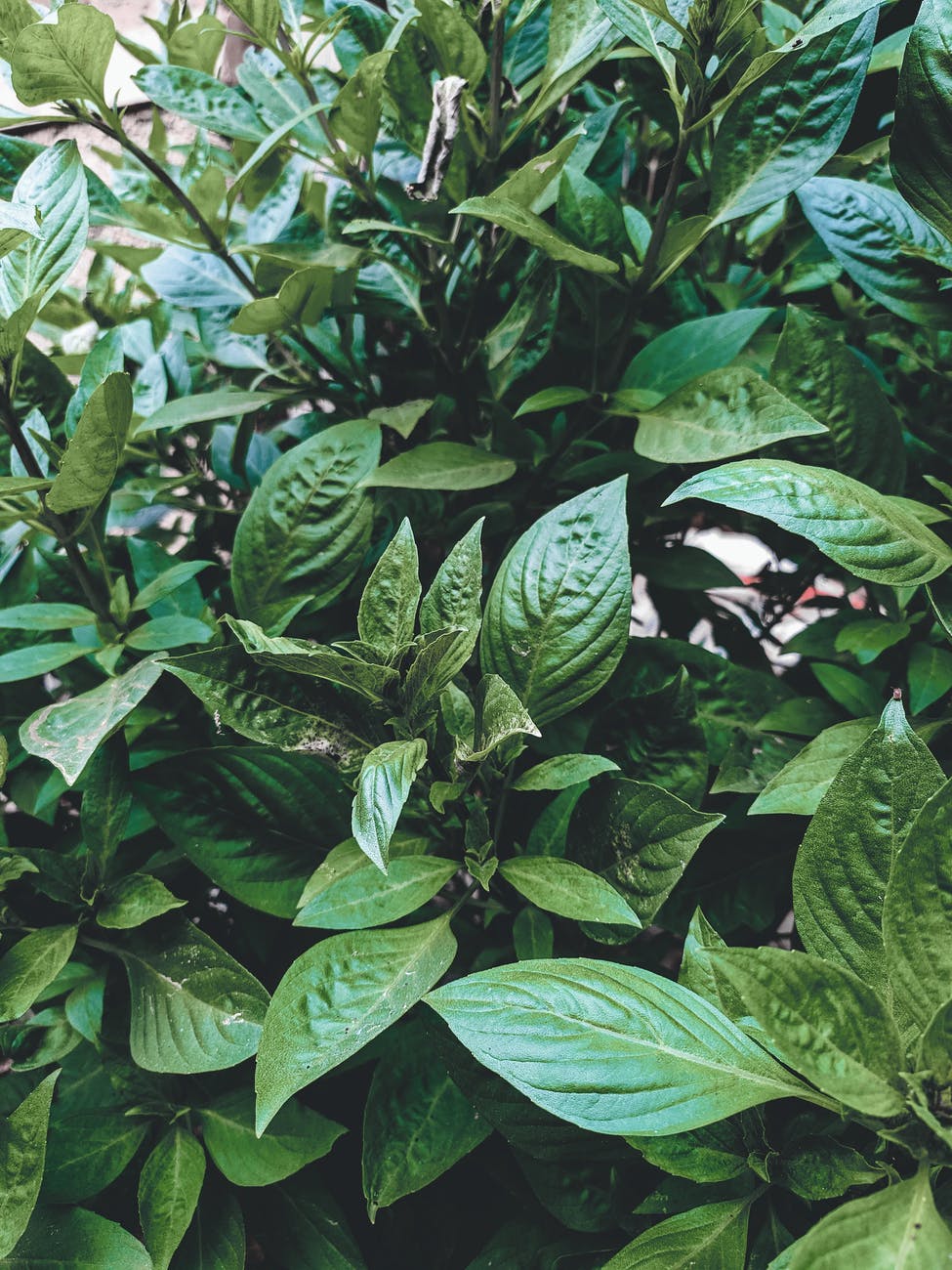
Both names are rooted in the Old Irish adjective odhar, meaning “dun, pale, sallow, greenish-grey.” The word originally described earthy or muted colors — the shade of an animal’s coat, or a green-brown hue in nature.

Odhrán (modern spelling in Irish, often Anglicized as Oran or Orin) is a diminutive form: odhar + -án, meaning “little pale one” or “little sallow/greenish one.”

Odharnait is the feminine form, built from odhar + –ainait, a feminine diminutive ending.

Odhrán is well-attested in medieval Ireland. A 6th-century saint named Odhrán of Iona (also called Odran) was a companion of St. Columba and is remembered as one of the first Irish Christian martyrs. His feast day is celebrated on October 27.

Anglicized Male Variations

  • Odran
  • Otteran
  • Oran, Oren, Orrin

Anglicized Female Variations

  • Eorna
  • Odarnata (Latinized)
  • Odarnat
  • Orna, Ornat

Sources

Shahla

Photo by cottonbro studio on Pexels.com
  • Origin: Arabic شَهْلَاء
  • Meaning: “bluish-black eyes.”
  • Gender: Female

The name is derived from the Arabic word اَشْھَل (ashal) meaning, “bluish black eyes.” The name is also used in Iran, Afghanistan and among South-Asian Muslims.

Other forms include:

  • Şəhla (Azeri)
  • Syahla (Indonesian)
  • Chahla (Maghrebi Arabic transliteration)
  • Shahlo Шаҳло (Tajik, Uzbek)

Sources

Elliw

Photo by Alexander Grey on Pexels.com
  • Origin: Welsh
  • Gender: feminine
  • Meaning: “colour”
  • Pronunciation, sounds kind of like Eshew

The name is derived from the Welsh lliw, meaning “colour.” The name has been in use since Medieval Times.

Sources

Azraq, Zaraq, Zarqaa

Photo by cottonbro studio on Pexels.com
  • Origin: Arabic زرقاء
  • Meaning: “blue”
  • (uz-ROCK); (zuh-ROCK); (zar-KA)
  • Usage: Arabic-Speaking countries, India and Pakistani among Muslim communities

Azraq أَزْرَق is from the masculine Arabic noun from the word for blue. The name has occasional use in Arabic-speaking North Africa and the Levant.

It’s feminine form of Zarqaa زرقاء is the Arabic feminine version of the word for blue زرقاء. It is transliterated as Zerqa or Zerka in Maghrebi Arab countries. Zerka can also be the Bosnian or Albanian form. This name has occasional use across the Islamic world.

Zaraq زرق is an Arabic unisex name derived from the neuter Arabic noun meaning “greenish-blue,” roughly translating to the color of turquoise (not the gemstone which in Arabic is Fairuz فيروز). Zaraq is mainly used as a masculine name in Southeast Asian countries such as Pakistan and India, but is considered unisex in the Arabic-Speaking world.

All three names derive from the Arabic root word z-r-q (ز-ر-ق), which means “blue.”

Other transliterations of the feminine form are Zurqa and Zurqa.’

Sources

Glesni

  • Origin: Welsh
  • Meaning: “blueness; verdure.”
  • Gender: feminine
  • Pronunciation: GLESS-nee

The name is derived from the Welsh word glesni (blueness; verdure).

Sources

Poppy

Gender: Feminine
Origin: English

Are you loving Lily? Maybe the popularity has gotten to you. There is this spunky floral moniker that has already reached outrageous popularity in Great Britain. Poppy is a sweet little floral that has been in usage since at least the 19th century. The name may seem a bit too insubstantial for some, hence is why it is sometimes listed as a nickname for such names as Parthenope, Penelope, Persephone, Pippilotta, Philippa, Pomeline and Perpetua.

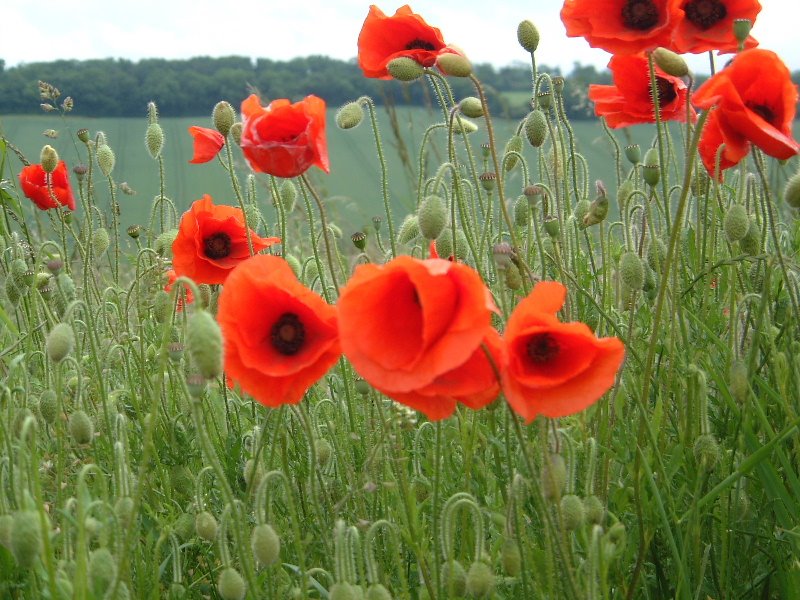
The associations with the flower are beautiful! Who wouldn’t want to be named for a deep red, eye popping flower (no pun intended). Then again, its symbolisms with death and sleep can be a bit of a turn off for others.

In Ancient Rome and Greece, the poppy was a funerary flower, they were usually placed on graves. The poppy got the association of death and sleep, since opium, (which is extracted from poppy seeds), was such a strong barbiturate. In fact, it was so strong, that the ancients used it as an anesthetic while conducting surgeries. However, Poppy does have the redeeming qualities of being associated with resurrection, since after being put under a death like sleep from opium during an operation, the patients always seemed to awaken as if they had come back to life. Its symbolism for dead soldiers comes from a poem written by John McCrae, entitled in Flanders Fields (1915). McCrae writes how he witnessed his friend perish amidst a field of poppies during WWI, and he compares the field of poppies to all the fallen dead soldiers. The name could be a nice way to honour a relative that has perished in a war.

As of 2010, Poppy was the 16th most popular female name in England/Wales. Her rankings in other countries are as follows:
  • # 47 (Scotland, 2010)
  • # 52 (Northern Ireland, 2010)
  • # 66 (Australia, NSW, 2010)
In the United States, it doesn’t even rank in the top 1000. However, with its growing popularity in Britain along with its similar appeal to other red hot climbers such as Scarlett and Ruby, she just might be making her way into the top 1000 by next year.
Another interesting side note is that Poppy is the flower of the month of August. Not a bad choice for an August baby.
A famous American bearer is CNN news anchor and reporter, Poppy Harlow (née Katharine) b.1982

Bruno, Bruna, Brune


Gender: Masculine
Origin: German
Meaning: “brown.”
(BROO-no)

The name has a Latin sound but is actually of German origins. It is derived from the German word brun meaning “brown.” A follower of my blog, Capucine, informed me that the meaning of the name was originally a euphemism for a bear.

It has also been suggested that the name might be related to the Old High German, brunja, meaning, “breastplate.”

According to askoxford.com, the name has been borne by German royalty and nobility alike. It was also borne by a 10th-century saint and the son of Emperor Henry the Fowler as well as by the Saxon Duke who gave his name to the town of Brunswick (in German Braunschweig).

The name has also experienced popular usage in Spanish-speaking countries, French-speaking countries, as well as in Italy, Portugal and Poland.

Thanks to the influx of German immigrants at the beginning of the 20th century, it reached # 260 way back in 1915. The highest it has ever reached in the Social Security list. It currently comes in at a mere # 665 (2018).

His rankings in other countries are as follows:

  • # 14 (Catalonia, 2018)
  • # 21 (Spain, 2018)
  • # 29 (Galicia, Spain, 2018)
  • # 44 (Poland, 2018)
  • # 59 (Portugal, 2018)
  • # 115 (Italy, 2018)
  • # 377 (England & Wales, 2018)
  • # 476 (the Netherlands, 2018)
Other forms of the name include:
  • Bru (Catalan)
  • Bruneau (French)
  • Brun (German)
  • Brúnó (Hungarian)
  • Brunello (Italian)
  • Brunetto (Italian)
  • Brunino (Italian)
  • Brunone (Italian)
  • Broen (Limbergish)
  • Brunon (Occitanian/Polish)

The feminine form of Bruna is a popular name in Brazil, Italy and Croatia.

It is currently the 28th Most Popular Female Name in Spain (2018) and the 66th Most Popular Female Name in Portugal (2018), while its French form of Brune currently ranks in at # 363 in France (2018).

Other feminine forms include:

  • Brune (Dutch/French)
  • Brunonia (English), which is borne by author, Brunonia Barry
  • Brunelle (French)
  • Brunette (French)
  • Brunella (Italian)
  • Brunetta (Italian)
  • Brunina (Italian)
  • Brunona (Polish)

Its designated name day is July 12.


Updated by Sebastiane on 12/21/2019
Sources

Sini, Sinikka

Gender: Feminine
Origin: Finnish
Meaning: “blue.”

Both names come directly from the Finnish word for “blue.”

The name is borne by Swedish Social Democrat politician, Sinikka Bohlin (b. 1947) as well as by Norwegian vocalist Sinikka Langland.

The designated name day in Finland is September 2nd.

To hear what both names sound like when pronounced by native speakers, consult this link: http://www.forvo.com/search/Sinikka/ and for Sini http://www.forvo.com/word/sini/

Vaiva

Gender: Feminine
Origin: Lithuanian
Meaning: “rainbow.”
(VYE-vah).

The name is derived from the Lithuanian word vaivorykštė meaning “rainbow.”

In Lithuanian mythology, the name is borne by a minor goddess of the rainbow.

According to one account, the lightning god, Perkunas, was suppose to marry the goddess Vaiva on a Thursday, but she was kidnapped by the evil Velnias and Perkunas has hunted down Velnias ever since.

Another form of the name is Vaivora.

The designated name-day is June 18.

Sources

  1. http://people.tribe.net/dreamkeeper/blog/ea3bb428-113e-4b5e-8214-da6ea680bcff
  2. http://www.behindthename.com/namedays/lists/6.php