Eva, Eve

Gender: Feminine
Origin: Hebrew
Meaning: “life.”
Eng (EEV); (EE-vuh); Germ/Sp/Pol (EV-ah)

The name is borne in the Bible and in the Quran by the first woman created by God. She and her husband were expelled from the Garden of Eden after eating from the Tree of Knowledge.

The name is believed to be derived from the Hebrew roots חַוָּה, Ḥavvāh, from the Hebrew root ḥāyâ meaning “life” and the Semitic element, ḥyw “to live.” Both the Hebrew word chavah meaning “to live” and chayah meaning “to breath” share the same root.

Despite Eve’s fall from Grace in the Bible, the name was always in usage among Jewish, Christian and Muslim communities. In England, its usage can be traced back to the 12th-century. Its Latinate form of Eva, has always been a classic in continental Europe, especially in Germany, Poland, Slovakia and the Czech Republic.

As of 2010, Eva was the most popular female name in the Faroe Islanda and in Slovenia. Eve, Eva and all her various forms’ rankings in other countries are as follows:

  • # 3 (Iceland, 2010)
  • # 4 (French-speaking, Switzerland, 2010)
  • # 5 (Netherlands, 2010)
  • # 7 (Ieva, Lithuania, 2010)
  • # 10 (Armenia, 2010)
  • # 10 (Evie, England/Wales, 2010)
  • # 14 (Northern Ireland, 2010)
  • # 15 (France, 2009)
  • # 17 (Scotland, 2010)
  • # 20 (Belgium, 2009)
  • # 24 (New Zealand, 2010)
  • # 26 (Australia, NSW, 2010)
  • # 29 (Croatia, 2010)
  • # 31 (Evie, Scotland, 2010)
  • # 33 (Evie, Australia, NSW, 2010)
  • # 37 (England/Wales, 2010)
  • # 44 (Eevi, Finland among Finnish-speakers, 2010)
  • # 44 (Ireland, 2010)
  • # 46 (Austria, 2010)
  • # 47 (Canada, BC, 2010)
  • # 48 (Spain, 2010)
  • # 55 (Catalonia, 2010)
  • # 55 (Éabha, Ireland, 2010)
  • # 56 (Eve, Northern Ireland, 2010)
  • # 59 (Eve, Ireland, 2010)
  • # 86 (Norway, 2010)
  • # 91 (United States, 2010)
  • # 92 (Eve, England/Wales, 2010)
  • # 99 (Eve, Australia, NSW, 2010)
  • # 201 (Eve, France, 2009)
  • # 589 (Eve, United States, 2010)
  • # 705 (Evie, United States, 2010)

Other forms of the name include:

  • Eva Ева ევა
    (Afrikaans/Albanian/Armenian/Basque/Belarusian/Bosnian/Catalan/Croatian/Czech/Dutch/Faroese/French/Frisian/Galician/Georgian/German/Icelandic/Italian/Portuguese/Romansch/Spanish/Scandinavian)
  • Evis (Albanian)
  • Mahalet/Mahlet (Amharic)
  • Hawa حواء Хауа (Arabic)
  • Yeva (Armenian)
  • Həvva (Azeri)
  • Yeva Ева Эва (Belarusian/Russian/Ukrainian)
  • Yevga Евга (Belarusian)
  • Hava (Bosnian)
  • Evy (Danish/Norwegian/Swedish: initially a diminutive form, occasionally used as an independent given name)
  • Eveke (Dutch: initially a diminutive form, used as an independent given name, EV-eh-ke)
  • Eve (English/Estonian/Walon)
  • Evie (English)
  • Hawat/Hewa (Egyptian/Coptic)
  • Eeva (Estonian/Finnish)
  • Eevi (Estonian/Finnish)
  • Evi (Estonian)
  • Ivi/Iivi (Estonian)
  • Iivika (Estonian)
  • Ève (French)
  • Eefje, Eefke (Frisian)
  • Hawwa ሕይዋን (Ge-ez)
  • Eua Ευα (Greek)
  • Chava חַוָה (Hebrew: Modern: KHAH-vah, gutteral CH sound)
  • Éva (Hungarian: AY-vaw, diminutive form is Évike)
  • Hawa (Indonesian/Malayalam)
  • Éabha (Irish-Gaelic)
  • Ieva (Latvian/Lithuanian: YEH-vah)
  • Evuzus (Malaysian)
  • Aaue (Manx)
  • Èva (Occitanian)
  • Ewa (Polish: EH-vah, diminutive forms are Ewka, Ewunia and Ewusia)
  • Evá (Sami)
  • Evelia (Spanish)
  • Evita (Spanish)
  • Eba (Tagalog)
  • Havva (Turkish)
  • Efa (Welsh)

Italian masculine form is Evo.

Traditionally, in most European countries, the name-day for Adam and Eve is December 24.

Frederick

Gender: Masculine
Origin: German
Meaning: “peaceful ruler.”
Eng (FRED-eh-rick; FRED-rick)

The name is composed of the Germanic elements, frid (peace) and rich (ruler). The name has been popular in the Germanic world since the 10th century. It was borne by three dukes of Austria, including Frederick the Fair (1289-1330), the first king of Austria. It was extremely popular among minor German royalty and was eventually borne by Frederick II, King of Prussia, also known as Frederick the Great (1712-1786)

Among Danish Royalty, it has been tradition to alternate naming the eldest son either Christian or Frederick each generation. Frederick, so far, has been borne by nine Danish kings and is currently borne by the Danish Crown Prince (b.1968).

In the Middle Ages, it was borne by three Holy Roman Emperors, including the illustrious Crusader, Frederick I Barberossa (the Red Beard).

The name was introduced into England by the Normans, but became popular in the 18th-century when the German Hanovers inherited the British Throne, which has issued at least one Frederick thus far: Frederick, Prince of Wales (1707–1751), eldest son of King George II of England.

As of 2010, its Danish form of Frederik was the 7th most popular male name in Denmark. His rankings in other countries are as follows:

  • # 11 (Federico, Italy, 2010)
  • # 16 (Federico, Argentina, 2009)
  • # 35 (Fredrik, Norway, 2010)
  • # 95 (England/Wales, 2010)
  • # 393 (Frederik, Netherlands, 2010)
  • # 496 (United States, 2010)

Other forms of the name include:

  • Ferry (Alsatian)
  • Frederig (Breton)
  • Frederic (Catalan)
  • Bedřich (Czech)
  • Frederick (English)
  • Fríðrikur (Faroese)
  • Fredrik (Finnish/Scandinavian)
  • Frédéric (French)
  • Freark (Frisian)
  • Fridric (Frisian)
  • Frerich (German)
  • Friedrich (German)
  • Frigyes (Hungarian)
  • Friðrik (Icelandic)
  • Feardorcha (Irish)
  • Federico (Italian/Spanish)
  • Federigo (Italian)
  • Fredo (Italian)
  • Fricis (Latvian)
  • Frīdrihs (Latvian)
  • Frydrichas (Lithuanian)
  • Friduric (Old High German)
  • Friðrikr (Old Norse)
  • Freerk (Plattdeustch)
  • Fryderyk (Polish)
  • Frédéri (Poitvin)
  • Frederico (Portuguese)
  • Frederi (Provançal)
  • Fadri (Romansch)
  • Frideric (Romansch)
  • Riet (Romansch)
  • Riget (Romansch)
  • Friderik (Slovene)
Common diminutives include:
  • Bedřišek (Czech)
  • Béďa (Czech)
  • Béďánek (Czech)
  • Bédísek (Czech)
  • Fedder (Danish)
  • Fred (English/Scandinavian)
  • Freddy (English/Scandinavian)
  • Frits (Faroese)
  • Fiete (Frisian)
  • Fiddy (German)
  • Freidi (German)
  • Freidl (German)
  • Fre(r)k (German)
  • Fritz (German)
Its feminine form of Federica is currently the 21st most popular female name in Italy, (2009), while Frederikke is currently the 38th most popular female name in Denmark, (2010) and Frédérique is the 150th most popular female name in the Netherlands, (2010).
Other feminine forms include:
  • Bedřiška (Czech)
  • Frederikke (Danish/Norwegian)
  • Frédérique (Dutch/French)
  • Frederica (English/Portuguese)
  • Friðrika (Faroese/Icelandic)
  • Fredrika (Finnish/Swedish)
  • Friederike (German)
  • Federica (Italian)
  • Fryderyka (Polish)
  • Fadrica (Romansch)
  • Fadrina (Romansch)

Edna

Gender: Feminine
Origin: Biblical Hebrew
Meaning: “pleasure.”

The name is found throughout the Old Testament as the name of several female personages. Most notably, it is found in the Apocryphal Book of Jubilees in which it is mentioned that it is the name of the wives of Enoch, Methuseleh and Terah.

The name appears again as the name of the wife of Tobit.

Edna was fairly common in the early 20th-century in both the United States and in Northern Europe, but has fallen out of usage since. In 1899, Edna was the 11th most popular female name in the United States.

In fact, before the 18th-century, the name was seldom used outside the Jewish community, but since the Protestant Reformation, the name experienced a vogue in predominately Protestant countries.

Edna shares an etymological relation with the Hebrew word, eden (paradise).

The Irish female name, Eithne, has often been anglicized to Edna.

As of 2010, Edna was the 67th most popular female name in Bosnia & Herzegovina.

In Latvia the designated name-day is July 5.

Sources

  1. http://en.wikipedia.org/wiki/Edna_(given_name)
  2. http://www.behindthename.com/php/search.php?nmd=n&terms=Edna&submit=Go
  3. http://www.bible-history.com/isbe/E/EDNA/
  4. http://www.google.com/imgres?imgurl=http://freepages.religions.rootsweb.ancestry.com/~luijkenaar/adam/img/edna.jpg&imgrefurl=http://freepages.religions.rootsweb.ancestry.com/~luijkenaar/adam/enoc_edna.html&usg=__irzvCMRy8iIryby4cYCh69s0Kpg=&h=720&w=576&sz=67&hl=en&start=19&um=1&itbs=1&tbnid=qmG_vhr19Eb6bM:&tbnh=140&tbnw=112&prev=/images%3Fq%3DEdna%2B(Bible)%26um%3D1%26hl%3Den%26safe%3Doff%26sa%3DN%26tbs%3Disch:1

Anna, Anne

Gender: Feminine
Origin: Biblical Hebrew
Meaning: “grace.”
(ANN; AHN). (ANN-uh; AHN-nah). (HANN-uh; HAHN-nah)

Anne is possibly one of the quintessential classic English and French female names. Prior to the 18th-century, it seems that every other girl born in England was either named Anne, Jane or Mary. There were several British and French queens who bore this simplistic moniker, including the ill fated Anne Boleyn, the mother of Elizabeth I. The history of Anne is rather long and complicated.

It was foremost popularized through the cult of St. Anne, a legendary figure who was said to be the mother of the Virgin Mary and the grandmother of Christ.

In Brittany, the name became especially popular because it happened to coincide with the name of an ancient Celtic goddess, her cult being replaced by St. Anne’s. In fact, it was borne by one Breton Princess, Anne of Brittany.

The name was introduced into Britain by the French-Normans after the invasion in 1066. Previously, there had been a minor Saxon king named Anna, but in this case the name is related to the Saxon arn (eagle). Anna and Anne are still occasionally used as male given names in Friesland.

Other than the apocryphal saint, the name Anne can be traced directly back to the Bible. In the New Testament, it is the name of a prophetess who predicts the Crucifixion of Christ.

Anna (Αννα), is the Greek translation of the early Hebrew Channah חַנָּה, usually transliterated as Hannah, meaning “grace.”

Hannah is borne in the Old Testament by the faithful mother of the prophet, Samuel.

Hannah has always been popular among Jewish families, but was virtually unheard of among non-Jews before the Reformation, except in some cases where it may have been used as a diminutive form of Johanna, spelled Hanna.

It was the Byzantines who had introduced the Anna form to the world, making it popular throughout Eastern and Southern Europe. It was a very popular name among the Byzantine royal family and it was borne by the majestic Anna of Byzantium.

Anna may be the more melodic form of the bunch, but Anne’s minimalistic qualities are charming. Short, to the point, no frills. It’s not a bad name, though it does lack some spice, which is why parents are probably more attracted to its more exotic alternatives. In fact, Anne only comes in at # 608 in the top 1000 female names of the United States. It is safe to say, however, that she is very much loved in the middle name spot.

Anna is currently one of the most popular female names in Europe and abroad. Her rankings are as follows:

  • # 1 (Austria, 2010)
  • # 1 (Estonia, 2011)
  • # 2 (Hungary, 2010)
  • # 3 (Ana, Georgia, 2010)
  • # 3 (Iceland, 2010)
  • # 4 (Ana, Croatia, 2010)
  • # 4 (Czech Republic, 2010)
  • # 4 (Germany, 2011)
  • # 4 (Ukraine, 2010)
  • # 5 (Faroe Islands, 2010)
  • # 5 (Ana, Portugal, 2010)
  • # 6 (Armenia, 2010)
  • # 6 (Ane, Greenland, 2002-2003)
  • # 6 (Ana, Romania, 2009)
  • # 6 (Ana, Serbia, 2010)
  • # 7 (Latvia, 2011)
  • # 7 (Russia, 2011)
  • # 8 (German-speaking Switzerland, 2010)
  • # 9 (Denmark, 2011)
  • # 10 (Netherlands, 2010)
  • # 10 (Northern Ireland, 2010)
  • # 10 (Norway, 2010)
  • # 11 (Italy, 2010)
  • # 12 (Ireland, 2010)
  • # 14 (Poland, 2010)
  • # 16 (Catalonia, 2010)
  • # 26 (Canada, B.C., 2010)
  • # 28 (Italian-speaking Switzerland, 2010)
  • # 28 (United States, 2010)
  • # 29 (Scotland, 2010)
  • # 40 (France, 2009)
  • # 46 (French-speaking Switzerland, 2010)
  • # 53 (Belgium, 2009)
  • # 63 (England/Wales, 2010)
  • # 71 (Australia, 2010)
  • # 81 (Sweden, 2010)
  • # 83 (Spain, 2010)
Other forms of the name include:
  • Anneen (Afrikaans/Low German)
  • Anna Анна (Afrikaans/Albanian/Armenian/Breton/Bulgarian/Catalan/Corsican/Czech/Dutch/English/Estonian/Faroese/Finnish/French/Frisian/German/Greek/Hungarian/Icelandic/Italian/Latvian/Limburgish/Maltese/Polish/Russian/Ukrainian/Scandinavian/Slovak)
  • Anne (Basque/Dutch/English/French/Scandinavian)
  • Gánna Га́нна (Belarusian)
  • Annaig (Breton)
  • Annick (Breton)
  • Maina (Breton)
  • Mannaig (Breton)
  • Mannick (Breton)
  • Naig (Breton)
  • Ana Ана ანა (Bulgarian/Croatian/Galician/Georgian/Lombard/Macedonian/Portuguese/Romanian/Samogaitian/Serbian/Slovene/Spanish/Venetian)
  • Jana (Croatian/Ladino)
  • Aneta (Czech/Polish/Samogaitian/Slovak)
  • Aina (Catalan)
  • Anica (Croatian/Serbian/Slovene)
  • Ane (Danish)
  • Anika (Danish)
  • Anneke (Dutch)
  • Anneken (Dutch)
  • Annika (Dutch/Finnish/German/Latvian/Scandinavian)
  • Anka (Dutch/Frisian/German)
  • An(n)ke (Dutch/Frisian)
  • Anouk (Dutch/French)
  • Ans (Dutch)
  • Enneke (Dutch)
  • Enneken (Dutch)
  • Anita (English/German/Polish/Spanish)
  • Annette (English/French/German)
  • Anissa (English)
  • Annelle/Annella (Estonian)
  • Anete (Estonian/Latvian)
  • Anett (Estonian)
  • Anu (Estonian)
  • Anni (Finnish)
  • Annikki (Finnish)
  • Anniina (Finnish)
  • Annukka (Finnish)
  • Niina (Finnish)
  • Anaïs (French/Provençal)
  • Annouche (French)
  • Ninette (French)
  • Ninon (French)
  • Ninouk (French)
  • Anje (Frisian)
  • Ankea (Frisian)
  • Antje (Frisian)
  • Antjen (Frisian)
  • Anute (Fruilian)
  • Anano (Georgian)
  • Annchen (German)
  • Annel (German)
  • Annele (German/Latvian)
  • Anneli(e) (German/Finnish/Swedish)
  • Annet (German)
  • Anina (German)
  • Anja (German/Slovene)
  • Anouschka (German/Italian/Russian)
  • Annaki (Greek)
  • Annoula (Greek)
  • Noula (Greek)
  • Anikó (Hungarian)
  • Annuska (Hungarian)
  • Panni (Hungarian)
  • Áine (Irish)
  • Ánna (Irish)
  • Annarella (Italian)
  • Annella (Italian)
  • Annetta (Italian)
  • Annettina (Italian)
  • Nona (Italian/Romansch)
  • Ance (Latvian)
  • Annija (Latvian)
  • Anninya (Latvian)
  • Ona (Lithuanian)
  • Annamma (Malayalam)
  • Annam (Malayalam)
  • Onnee (Manx)
  • Âone (Norman)
  • Aenna/Aenne (Old High German)
  • Annehe (Old High German)
  • Änna/Änne (Old High German)
  • Neta (Piedmontese)
  • Noto (Piedmontese)
  • Anke (Plattdeutsch)
  • Anneke(n) (Plattdeutsch)
  • Analia (Romansch/Spanish)
  • Annina (Romansch)
  • Annotta (Romansch)
  • Anca (Romanian)
  • Anicuta (Romanian)
  • Anėta (Samogaitian)
  • Anėkė (Samogaitian)
  • Annag (Scottish)
  • Ghianna (Sicilian)
  • Janna (Sicilian)
  • Nanna (Sicilian)
  • Anniken (Swedish)
  • Ann (Welsh)
  • Nan (Welsh)
  • Nanno (Welsh)
  • Nanw (Welsh)
  • Aana (Wolof)
As for the Hannah forms

Hanna without an H is the prefered form on Continental Europe, usually pronounced (HAHN-nah) and in French like Anna. Hanna and Hanne (HAHN-neh) are also used as diminutive forms of Johanna/Johanne in the Netherlands, Sweden, Norway, Denmark and Germany. There is the Hungarian Hajna pronounced (HOY-no). The Czech/Slovak form of Hana nickname Hanka. There are the Yiddish forms of Heyna, Hayna, Hejna (all pronounced like HAY-nah) including the diminutive forms of HenaHende, Hendel and Henye.  The Polish diminutive form of Hania, which might make an interesting alternative to Anya or Hannah. Hannah, Hanna and Henna are all used in the Middle East.

Of course, how could we ever forget the popular diminutive forms of Annie and Nan.

Noah

Gender: Masculine
Origin: Biblical Hebrew נוֹחַ 
Meaning: “rest; comfort.”
Eng (NOH-ah)

The name is derived from the Hebrew male name נוֹחַ (Noach) which can either be from the Hebrew (nāḥam) meaning “comfort” or (nûaḥ) meaning, “rest.”

It borne in the Old Testament (Genesis) by the builder of the Ark that allowed him, his family and the animal species to survive the Great Flood. The same story also appears in the Qu’ran. In Islam, Nuh (Noah) is revered as a prophet.

The story of Noah’s Ark was extremely popular in Medieval Europe and he was even revered as a saint by the Catholic Church, but Noah itself never caught on as a given name until after the Protestant Reformation, when it became extremely popular among the Puritans. It fell out of usage between the 19th-century up until recently, where it is now one of the most popular male names in the Western World.

Its recent boom in popularity is a mystery. It is currently the most popular male name in German-speaking Switzerland (2010) and Belgium (2009), and his rankings in other countries are as follows:

  • # 2 (Nojus, Lithuanian, 2010)
  • # 3 (Denmark, 2011)
  • # 3 (French-speaking Switzerland, 2010)
  • # 5 (Nóa Faroe Islands, 2010)
  • # 7 (United States, 2010)
  • # 8 (Australia, 2010)
  • # 9 (Canada, B.C., 2010)
  • # 11 (Germany, 2011)
  • # 11 (Northern Ireland, 2010)
  • # 11 (Norway, 2010)
  • # 12 (New Zealand, 2010)
  • # 14 (France, 2009)
  • # 18 (England/Wales, 2010)
  • # 21 (Netherlands, 2010)
  • # 23 (Italian-speaking Switzerland, 2010)
  • # 25 (Sweden, 2010)
  • # 26 (Ireland, 2010)
  • # 27 (Austria, 2010)
  • # 32 (Noé, French-speaking Switzerland, 2010)
  • # 32 (Noé France, 2009)
  • # 41 (Scotland, 2010)
  • # 99 (Noé, Belgium, 2009)
  • # 534 (Noé, United States, 2010)

Other forms of the name include:

  • Noah (Albanian/Czech/Dutch/English/French/German/Italian/Scandinavian)
  • Nuh  نوح (Arabic/Azeri/Bosnian/Chechen/Chuvash/Coptic/Ethiopian/Indonesian/Javanese/Kazakh/ Kyrgyz/Tatar/Turkmen/Turkish/Uzbek)
  • Noy Նոյ (Armenian)
  • Noj Ной (Belarusian/Bulgarian/Russian/Ukrainian)
  • Noe ნოე Ное (Bosnian/Czech/Georgian/Macedonian/Polish/Romanian/RomanschSerbian/Slovak/Slovene)
  • Noè (Catalan/Italian)
  • Noa (Croatian/Estonian)
  • Noach (Dutch)
  • Nóa (Faroese)
  • Nooa (Finnish)
  • Noé Νωέ (French/Galician/Greek/Hungarian/Portuguese/Romansch/Spanish)
  • Noach נוֹחַ (Hebrew)
  • Nói (Icelandic)
  • Nûh (Kurdish)
  • Noë (Latin)
  • Noahas (Lithuanian)
  • Nojus (Lithuanian)
  • Noje Ноје (Serbian)
  • Nuux (Somali)
  • Noak (Swedish)
The name Noah also appears in the Book of Mormon as the name of an evil Nephite king who burned the prophet Abinadi at the stake.
An obscure French feminine form is Noée.

Paul

Gender: Masculine
Origin: Latin
Meaning: “short; small; humble; few.”
Eng (PAWL)

The name is derived from the Latin Roman family name, Paulus, which could translate as meaning, “small, short; humble; few.”

Paul and his various forms has to be one of the most common male names used throughout the Christian world. It has been used equally among Orthodox Christians, Roman Catholics and Protestants.

Its most famous bearer was Paul of Tarsus, whose real name was Saul. St. Paul, as referred to by the Roman Catholic and Eastern Orthodox Churches, is attributed as being the author of much of the New Testament.

The name was borne by several popes, royals and saints thereafter.

Currently, its Germanic form of Paul is the 8th most popular male name in Germany, (2011). His rankings in other countries are as follows:

  • # 13 (Austria, 2010)
  • # 22 (France, 2009)
  • # 41 (Romania, 2009)
  • # 90 (Ireland, 2010)
  • # 130 (Scotland, 2010)
  • # 178 (United States, 2010)
  • # 485 (Netherlands, 2010)
His foreign equivalents rankings are as follows:
  • # 3 (Pablo, Spain, 2010)
  • # 4 (Páll, Faroe Island, 2010)
  • # 4 (Pau, Catalonia, 2010)
  • # 17 (Paweł, Poland, 2010)
  • # 26 (Pablo, Chile, 2010)
  • # 29 (Pavel, Czech Republic, 2010)
  • # 31 (Pablo, Catalonia, 2010)
  • # 44 (Pau, Spain, 2010)
  • # 91 (Pál, Hungary, 2010)
  • # 144 (Pablo, France, 2009)
  • # 202 (Paolo, France, 2009)
  • # 361 (Pablo, United States, 2010)

Other forms of the name include:

  • Pali (Albanian)
  • Paulë (Albanian)
  • Boulos/Bulos بولس (Arabic)
  • Faulus (Aramaic)
  • Boghos Պողոս (Armenian)
  • Poghos Պողոս (Armenian)
  • Paul (Basque/Dutch/English/Estonian/German/French/Romanian/Scandinavian/Silesian)
  • Paweł Павeл (Belarusian/Polish)
  • Polus (Berber)
  • Paol (Breton)
  • Pavel Павел (Bulgarian/Czech/Russian/Slovene)
  • Pavolo (Calabrian)
  • Pavulu (Calabrian)
  • Pau (Catalan/Occitanian)
  • Pawl (Cornish/Welsh)
  • Paulu (Corsican/Sardinian/Sicilian)
  • Pavao (Croatian)
  • Pavle პავლე Павле (Croatian/Georgian/Macedonian/Serbian)
  • Pavo (Croatian)
  • Palle (Danish)
  • Poul (Danish)
  • Pauwel (Dutch)
  • Paavel (Estonian)
  • Paavo (Estonian/Finnish)
  • Páll (Faroese/Icelandic)
  • Paavali (Finnish)
  • Pauli (Finnish)
  • Pol (Flemmish/Romansch)
  • Paale (Frisian)
  • Pals (Frisian)
  • Paulus पौलुस (Frisian/Hindi/Latin)
  • Pay (Frisian)
  • Powles (Frisian)
  • Pouw (Frisian)
  • Pauli (Fruilian)
  • Pódhl (Gaelic)
  • Pól (Gaelic)
  • Paulo (Galician)
  • Pavlos Παυλος (Greek)
  • Pāl पॉल (Hindi)
  • Pál (Hungarian)
  • Pósa (Hungarian)
  • Paolo (Italian/Portuguese)
  • Paolino (Italian/Portuguese)
  • Paulinus (Latin)
  • Pāvils (Latvian)
  • Paulius (Lithuanian)
  • Povilas (Lithuanian)
  • Paol (Lombard)
  • Paulose (Malayalam)
  • Pawl (Maltese)
  • Pawlu (Maltese)
  • Payl (Manx)
  • Paora (Maori)
  • Pål (Norwegian/Swedish)
  • Pavel (Romanian)
  • Paulin (Romansch)
  • Polet (Romansch)
  • Polin (Romansch)
  • Pulegn (Romansch)
  • Pàl (Scots-Gaelic)
  • Pawůł (Silesian)
  • Pavol (Slovak)
  • Pawoł (Sorbian)
  • Pablo (Spanish)
  • Paoro (Tahitian)
  • Pàul (Tuscan)
  • Pavlo Павло (Ukrainian)

For a Reference a Female forms See Paula and Paulina (soon to come)

Benedict, Benedikt

Gender: Masculine
Origin: Latin
Meaning: “blessed.”

The name comes directly from the Late Latin name Benedictus meaning “blessed.” The name was borne by a 6th-centuy Italian monk and saint who credited for being the founder of the Order of the Benedictines.

The name was very common throughout Medieval Europe, being borne by 16 popes, it was fairly popular in England, in the form of Bennett.

The name was also commonly used among German-Jews, being used as a cognate of the Hebrew male name Baruch בָּרוּךְ (blessed).

In the United States, the name became taboo to use due to its associations with Benedict Arnold (1741-1801) a famous American deserter and traitor to the British.

The name recently skyrocketed in Germany after the succession of the German born Pope Benedict XVI. It is currently the 93rd most popular male name in Germany, (2011). It is especially popular in Bavaria.

His rankings in other countries are as follows:

  • # 1 (Bence, Hungary, 2010)
  • # 32 (Benedek, Hungary, 2010)
  • # 294 (Benoît, France, 2009)

Other forms of the name include:

  • Benedikti (Albanian)
  • Benedet (Aragonese)
  • Benedictu (Asturian)
  • Benedita (Basque)
  • Beñat (Basque)
  • Benead (Breton)
  • Benet (Catalan)
  • Benedettu (Corsican/Maltese/Sardinian)
  • Benedikt Венедикт (Croatian/Czech/German/Icelandic/Norwegian/Russian/Serbian/Scandinavian/Ukrainian)
  • Ben(d)t (Danish/Norwegian)
  • Benedictus (Dutch/Late Latin)
  • Benedict (English/German/Romanian/Scandinavian)
  • Bennett (English)
  • Pentti (Finnish)
  • Bénédict (French)
  • Benoît (French)
  • Beinidict (Gaelic)
  • Bieito (Galician)
  • Benedikhti ბენედიქტე (Georgian)
  • Bendix (German/Norwegian)
  • Bennet (German)
  • Benz (German)
  • Venediktos Βενέδικτος (Greek)
  • Bence (Hungarian)
  • Benedek (Hungarian)
  • Benett (Hungarian)
  • Benedetto (Italian)
  • Benito (Italian/Spanish)
  • Bettino (Italian)
  • Bendiks (Latvian)
  • Benediktas (Lithuanian)
  • Bendik (Norwegian)
  • Benedix (Plattdeutsch)
  • Benedykt (Polish)
  • Benedito (Portuguese)
  • Bento (Portuguese)
  • Benezet (Provençal)
  • Banadet (Romansch)
  • Banadegt (Romansch)
  • Bandet (Romansch)
  • Benedegt (Romansch)
  • Binidittu (Sicilian)
  • Beňadik (Slovak)
  • Bengt (Swedish)
  • Bened (Welsh)
  • Benesh (Yiddish)

Feminine forms include:

  • Benedetta (Corsican/Maltese/Italian/Sardinian)
  • Benedikta (Czech/German)
  • Benedikte (Danish/Norwegian)
  • Bénédicte (French)
  • Benoîte (French)
  • Benita (Italian/Spanish)
  • Bettina (Italian)
  • Benedicta (Latin/Romansch)
  • Benedykta (Polish)
  • Benedita (Portuguese)
  • Bengta (Swedish)

Deborah

Gender: Feminine
Origin: Biblical Hebrew
Meaning: “bee.”
דְּבוֹרָה
Eng (DEB-uh-ruh); Eng (deh-BORE-uh)

In the Old Testament, the name is found in the Book of Judges as the name of a prophetess and female judge who led a defeat against the Canaanites.

It was also borne by a nurse of Rebecca.

The name has always been a common Jewish name, but did not catch on with Christians until after the Protestant Reformation, when the name became especially prevalent among the Puritans.

Deborah experienced a sharp vogue in the mid 20th century when, in 1955, she ranked in as the 2nd most popular female name in the United States. Deborah remained in the top 10 between 1950 and 1962. As of 2010, Deborah only ranked in as the 776th most popular female name.

Currently, its Portuguese form of Débora is the 88th most popular female name in Brazil, (2011). Her rankings in other countries are as follows:

  • # 328 (France, 2009)
  • # 491 (the Netherlands, 2010)

Other forms of the name include:

  • Deborha (Amharic)
  • Diba دیبا (Arabic)
  • Debara Дэбара (Belarusian)
  • Dihya (Berber)
  • Debora დებორა Девора (Bulgarian/Czech/Dutch/Finnish/Georgian/German/Italian/Polish/Russian/Scandinavian)
  • Devora Девора (Bulgarian)
  • Dèbora(Catalan)
  • Debra (English)
  • Deboora (Estonian)
  • Débora (French/Portuguese/Spanish)
  • Debbora Δεββωρα (Greek: Biblical)
  • Devorah דְּבוֹרָה (Hebrew: Biblical)
  • Dvora/Dvorit דְּבוֹרָה (Hebrew: Modern)
  • Debóra (Icelandic)
  • Deborra (Late Latin)
  • Depke (Plattdeutsch)


Common Nicknames include:

Deb, Debbie (English)
Debbos, Debo, Deby (German)

Other notable bearers include: British actress, Deborah Kerr (1921-2007); American pop singer, Deborah “Blondie” Harry (b.1945); American Singer, Debbie Gibson (b.1970); Italian actress, Debora Caprogli0 (b.1968); Estonian poet and translator, Debora Varaandi (1916-2007); Polish philsopher and poet, Debora Vogel (1900-1942); Belgian actress, Déborah François (b.1987).

The designated name-days are: April 24 (Poland); September 21 (France); November 4 (Poland).

Sources

  1. http://www.behindthename.com/php/find.php?name=deborah
  2. http://www.jewishencyclopedia.com/view.jsp?artid=689&letter=J&search=Judges
  3. http://www.newadvent.org/cathen/04663a.htm
  4. http://www.houseofdavid.ca/anc_heb.htm
  5. http://www.houseofdavid.ca/anc_heb_6.htm#Deborah

Seth

The name is found in the Old Testament, the Book of Mormon, the Qu’ran and in ancient Egyptian mythology, though the later may have a completely different etymology.
In both the Bible and the Qu’ran it is borne by the son of Adam and Eve, who was borne after the murder of Abel and the banishment of Cain. In this case, it may be derived from the Hebrew (syt) meaning “plant; seed” or it may be from another Hebrew source meaning “appointed.”

In the Book of Mormon, it is borne by the son of Lehi a Jaredite.

In Egyptian mythology it is the name of the god of chaos, the desert, foreigners and of the planet Mars. In this case, the etymology is uncertain.

Currently, Seth is the 165th most popular male name in the United States (2010) and the 217th most popular in the Netherlands, (2010).

Other forms of its Biblical counterpart include:

  • Shith  شيث‎ (Arabic)
  • Şeys (Azeri)
  • Set Сэт (Belarusian/Finnish/German/Italian/Russian/Scandinavian/Spanish)
  • Sif Сіф (Belarusian)
  • Šit (Bosnian)
  • Šet (Croatian/Czech/Serbian)
  • Seth Σηθ (Dutch/English/Greek/French/Plattdeutsch/Polish)
  • Sett (Estonian)
  • Shet  שֵׁת (Hebrew)
  • Séth (Hungarian)
  • Szet (Polish)
  • Sete (Portuguese)
  • Šét (Slovak)
Other forms of the Egyptian include:
  • Set (Ancient Egyptian/Coptic)
  • Setekh (Ancient Egyptian)
  • Setesh (Ancient Egyptian)
  • Sutekh (Ancient Egyptian)
  • Suty (Ancient Egyptian)
The name is borne by actor and comedian Seth Green (b.1974)
Sources 

Walter

Gender: Masculine
Origin: German
Meaning: “ruler of an army.”

The name is composed of the Old High German elements, wald (ruler) and hari (army). The name was used in England pre-Norman invasion in the Anglo-Saxon form of Wealdhere but was soon replaced with the Normanized Walter. It was borne by a legendary Visigothic king who appears in several Medieval poems and epics.

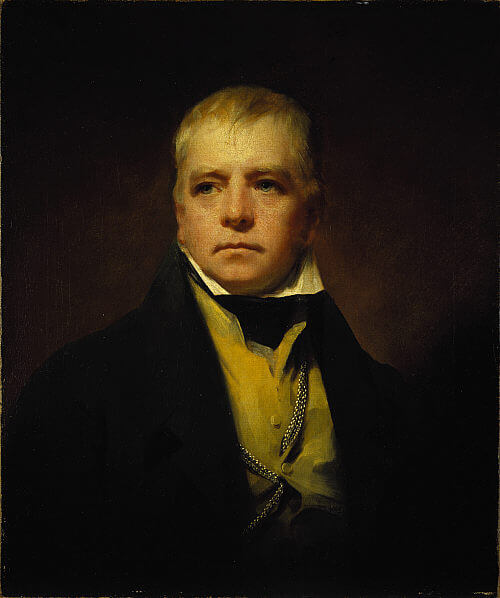
There have been several other notable bearers throughout history, one of the most famous being Sir Walter Scott (1771-1832).

Currently it is the 332nd most popular male name in the United States, (2010).

Other forms include:

  • Wealdhere (Anglo-Saxon)
  • Valter (Czech/Finnish/Italian/Hungarian/Norwegian/Russian/Slovak/Slovene/Swedish)
  • Valder (Danish/Norwegian)
  • Wouter (Dutch)
  • Walter (English/German/Italian/Polish/Scandinavian)
  • Valterri (Finnish)
  • Gauthier/Gautier (French)
  • Wolter (Frisian)
  • Waldhar (German: archaic)
  • Walther (German)
  • Valtier (Hungarian)
  • Gaulterio (Italian)
  • Gaultero (Italian)
  • Gaultiero (Italian)
  • Gaulterius (Late Latin)
  • Valters (Latvian)
  • Valtare (Norwegian)
  • Walthari (Old High German)
  • Wöltje (Plattdeutsch)
  • Guálter (Portuguese)
  • Gualtério (Portuguese)
  • Bhaltair (Scottish)
  • Bhàtair (Scottish)
  • Volter (Swedish)
  • Gwallter (Welsh)

Diminutives include:

  • Woidda (Bavarian)
  • Valte (Danish)
  • Wout (Dutch)
  • Wally (English/German)
  • Walt (English)
  • Wat (English)
  • Wate (Frisian)
  • Watse (Frisian)
  • Valkó (Hungarian)
  • Valtika (Hungarian)
  • Valle (Swedish)
  • Wale/Wali/Walo (Swiss-German)
  • Walti (Swiss-German)
  • Wädi/Wädu (Swiss-German)

Feminine forms include:

  • Woutera (Dutch)
  • Wouterina (Dutch)
  • Waltera (German)
  • Gaultiera (Italian)
  • Gaultierina (Italian)
  • Valterina (Italian)

Source

  1. http://www.behindthename.com/name/walter