Stylian, Stelian, Stylianos, Steliana

  • Origin: Greek
  • Meaning: “piller.”

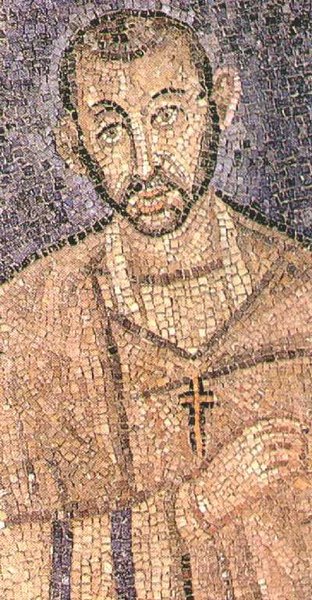
Stylianos Στυλιανός is derived from the Greek στῦλος (stylos) meaning, “pillar.” St. Stylian was a 6th-century Byzantine saint who was a hermit, known for his love of children, hence he is considered the patron saint of children.

His feast day is November 26th.

Masculine forms include:

  • Stilian Стилиан (Albanian, Bulgarian, Russian)
  • Estilià (Catalan)
  • Stylian Стиліан (English, German, Polish, Ukrainian)
  • Stélien (French)
  • Stilien,Stylien (French)
  • Stelios Στέλιος (Greek)
  • Stylianos Στυλιανός (Greek)
  • Estellio (Italian)
  • Stelio, Stellio (Italian)
  • Stiliano (Italian)
  • Stylianus (Late Latin)
  • Estiliano (Portuguese, Spanish)
  • Steliano (Portuguese, Spanish)
  • Stelian (Romanian)
  • Stilijan Стилијан (Serbian)
  • Stilijanos (Serbian)

Feminine forms include:

  • Stiliana Стилияна (Albanian, Bulgarian, Italian)
  • Stélie, Stéliane, Stélienne, Stylienne (French)
  • Stelia (Greek, Italian)
  • Styliani Στυλιανή (Greek)
  • Stellia (Italian)
  • Styliana (Polish)
  • Estiliana (Portuguese, Spanish)
  • Steliana (Portuguese, Romanian, Spanish)
  • Stilijana (Serbian)

A common short form in Greece for the female version is Stella.

Sources

Astraea

  • Origin: Greek Ἀστραία
  • Meaning: “star.”
  • Gender: feminine
  • Eng Pronunciation: (uh-STRAY-ah)

The name is borne in Greek mythology by the daughter of Astraeus and Eos. She is the goddess of justice, innocence, purity, & precision and is closely associated with Dike, the goddess of Justice. According to Ovid, Astraea was a mortal woman during the Golden Age, but ascended into the heavens to become the constellation Virgo.

Other froms of the name include:

  • Astraia Աստրաիա (Armenian, Czech, German, modern Greek, Scandinavian)
  • Astrea Астрея (Bulgarian, Catalan, Italian, Russian, Spanish, Ukrainian)
  • Astrée (French)
  • Astraja (Lithuanian, Polish)
  • Astreia (Portuguese)

Sources

Adonis, Adonija, Adonise

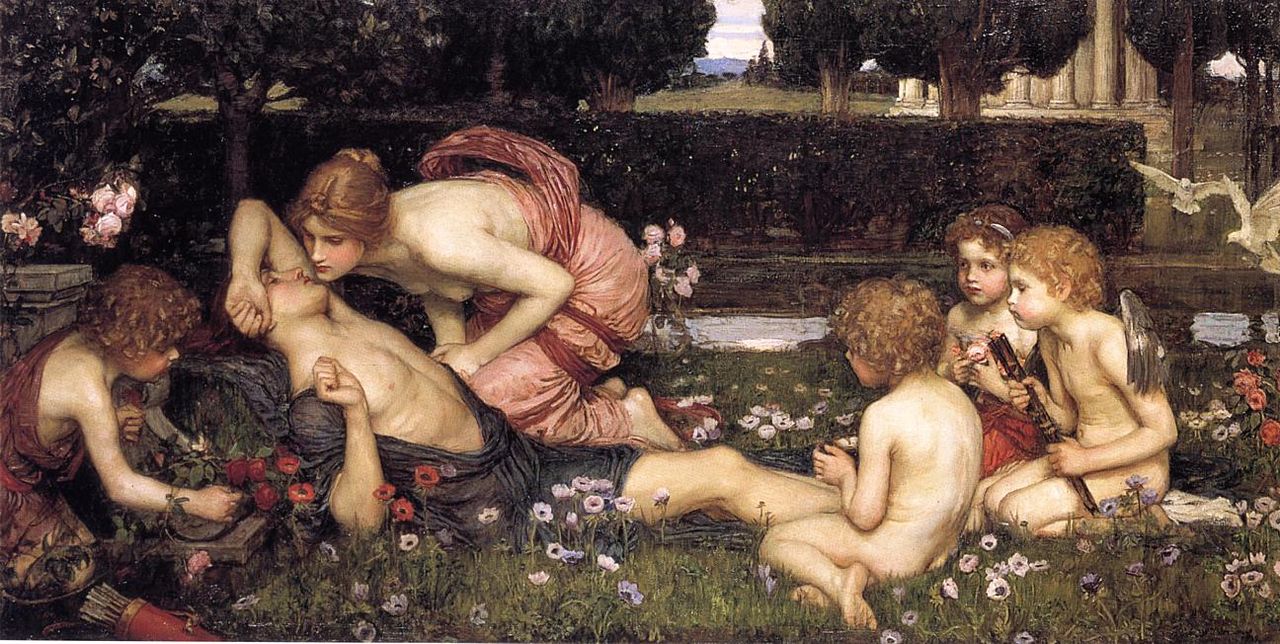
Adonis is borne in Greek mythology by the god of beauty and desire. According to the most popular myth, he was born of the incestuous union of Theias and his daughter Myrrha. Myrrha had tricked her own father into having sex with her. The gods transformed Myrrha into a myrrh tree after Theias attempted to kill her whilst pregnant with Adonis. Adonis was beloved of Aphrodite and mothered by Persephone, but he was subsequently killed by a boar when Artemis, or in some versions, Ares, sent a boar to kill Adonis out of jealousy. When Adonis died, Aphrodite cried tears which mingled with Adonis’ blood, producing the Anemone flower. Aphrodite instituted the Adonia festival in his commemoration, whereby all women had a mass mock funeral of Adonis by growing plants in potsherds on their rooftops and performing a mass funeral ritual as soon as the plants sprouted.

It is likely Adonis was imported by the Greeks from the Phoenicians, the latter being the descendants of the Sumerians, Mesopotamians & Babylonians. It is believed by most scholars that Adonis is an adaptation of the Sumerian story of Dumuzid & Inanna (later Tammuz & Ishtar), in which a ritual funeral rite was also performed by women across the former Babylonian empire. Adonis itself is a Hellenized form of the Canaanite, adon, which means “lord” and was often used as an appellation by the Canaanites for the god Tammuz. The Jews adopted this appellation for Yahweh in the form of Adonai (my lord).

Adonis is borne by an 8th-century French saint of Vienne. He is also listed as Adon & Ado. Adonis has sporadically been used as a given-name in Greece, anglophone, francophone & hispanophone countries. The French feminine off-shoots, though rare these days, are Adonise (AH-do-NEEZ) and Adonie, and were actually prevalent in 18th-centurry Quebec & New Orleans. An obscure Italian feminine form is Adonella.

There is the male Biblical Hebrew name, Adonijah meaning (my lord is Yahweh). It is borne by a son of King David and was Hellenized in the Septuagint as Adonias.

Other forms include:

  • Adonies (Catalan)
  • Adonia (Dutch, Italian, Swedish)
  • Adonija Адония (French, German, Russian)
  • Adonias Αδωνίας (French, Greek, Portuguese)
  • Adonías (Galician)
  • Adonja (Norwegian)
  • Adoniasz (Polish)
  • Adonías (Spanish)
  • Adoniya Адонія (Ukrainian)

Currently, Adonis is the 242nd most popular male name in the United States and the 461st most popular in France.

Other forms include:

  • Adonisi ადონისი (Albanian, Georgian)
  • Adonis Адонис Адоніс Άδωνις Ադոնիս (Armenian, Bosnian, Bulgarian, Croatian, Dutch, English, Estonian, French, Macedonian, German, Greek, Polish, Romanian, Russian, Ukrainian, Scandinavian, Serbian, Slovene, Spanish, Turkish)
  • Adónis Адо́ніс (Belarusian, Continental-Portuguese, Czech, Slovak)
  • Adó (Catalan)
  • Adónisz (Hungarian)
  • Adone, Adon (Italian)
  • Adônis (Brazilian-Portuguese)
  • Adón (Spanish)

Sources

Atreus

  • Origin: Greek Ἀτρεύς
  • Meaning: “to not tremble; fearless.”
  • Gender: masculine
  • Pronunciation: Eng (AY-tree-us); Grek (ah-TRAY-oos)

The name is composed of the Greek elements, ἀ-, “no” and τρέω, “tremble,” hence meaning, “fearless.”

The name is borne in Greek mythology by the son of Pelops & Hippodamia and the father of Agammennon & Menelaus. Atreus and his brother were expelled from their kingdom after killing their elder brother for the throne. Atreus took refuge in Mycenae where he sat-in as a temporary king while Eurystheus was fighting in a war, but ultimately, Atreus took over the the throne. His descendants thereafter are known as Atreides.

In Frank Herbert’s Dune Series, House of Atreides is the name of one of the great houses.

The name has recently entered the U.S. Top 1000 in 2019, currently ranking in as the 788th most popular name in the United States.

Other forms include:

  • Atreüs (Breton)
  • Atreu (Catalan, Portuguese, Romanian)
  • Atreus (Dutch, English, German, Latin, Scandinavian)
  • Atrée (French)
  • At’revsi ატრევსი (Georgian)
  • Atreusz (Hungarian, Polish)
  • Atreos Ατρέας (Modern Greek)
  • Atreifur (Icelandic)
  • Atreo (Italian, Spanish)
  • Atrėjas (Lithuanian)
  • Atrey Атрей (Russian, Ukrainian)
  • Atrej (Serbo-Croatian, Slovenian)

Sources

Ambrose

Gender: Masculine
Origin: Greek
Meaning: “immortal.”
Eng (AM-broze); Fre (ahm-BWAHZ)

Ambrose is an English version of the Late Latin, Ambrosius, which is a form of the Greek male name Αμβροσιος (Ambrosios), meaning, “immortal.”

The name was borne by a 4th-century Christian saint, a contemporary of St. Augustine of Hippo. He is considered a Doctor of the Church and the patron saint of Milan.

As of 2010, its French form of Ambroise was the 391st most popular male name in France.

The designated name-day is December 7.

There is a feminine version as well, Ambrosia, and in Greek mythology, it is borne by the daughter of Atlas and Pleione. It was also the name of the food of the gods eaten on Mount Olympos.

Other forms of the name include:

  • Ambrozi (Albanian)
  • Ambrosiu (Asturian)
  • Anbortsi (Basque)
  • Ambroaz (Breton)
  • Amvrosij Амвросий (Bulgarian/Russian/Ukrainian)
  • Ambròs (Catalan)
  • Ambrosgiu (Corsican)
  • Ambrozije (Croatian)
  • Ambrož (Czech/Slovene)
  • Ambroos (Dutch)
  • Broos (Dutch/Limburgish)
  • Ambroise (French)
  • Ambros (German/Romansch)
  • Ambrosios Αμβροσιος (Greek)
  • אמברוזיוס Ambrwzyws (Hebrew)
  • Ambrus (Hungarian)
  • Ambrósíus (Icelandic)
  • Ambróis (Irish)
  • Bosone (Italian: obscure)
  • Ambrogio/Ambrogino (Italian: more common forms)
  • Ambrosino (Italian: obscure)
  • Ambrosi (Kiswahili)
  • Ambrosius (Late Latin/Danish/Dutch/Finnish/German/Estonian/Norwegian/Swedish)
  • Ambrozijs (Latvian)
  • Ambraziejus (Lithuanian)
  • Ambroeus (Lombard)
  • Ambroży (Polish)
  • Ambrósio (Portuguese)
  • Ambrozie (Romanian)
  • Ambrosi(Romansch)
  • Ambròsu (Sardinian)
  • Ambroggiu (Sicilian)
  • Ambróz (Slovakian)
  • Ambrosio (Spanish/Galician/Italian/Venetian)
  • Emrys (Welsh)

Feminine forms include:

  • Ambroisine/Ambrosine (French)
  • Ambrogia/Ambrogina (Italian)
  • Ambrosina (Italian)
  • Ambrosia (Greek/Italian)
  • Ambrozja (Polish)
  • Ambrozija (Slovene)

Achilles

Gender: Male
Origin: Greek
Meaning “pain.”
Eng (uh-KEELZ); (ah-KEEL-leez); Fre (ah-SHEEL); It (ah-KIL-le)

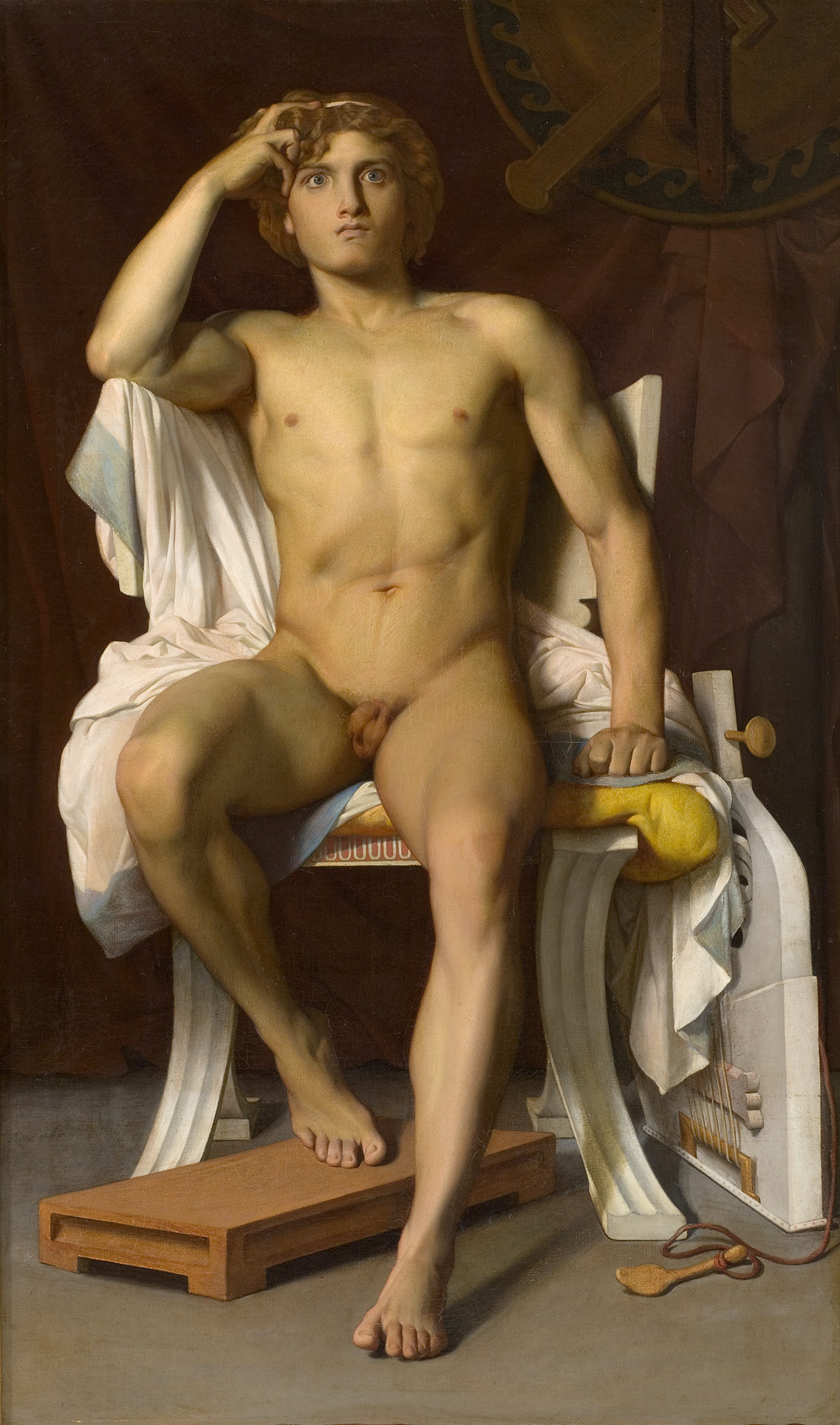
The name of the great Pythian hero of the Trojan war, Achilles was invincible save for the one spot on his heel that was vulnerable to killing him. Achilles was timelessly struck down after a poisoned arrow pierced his heel. Some legends state that his mother, Thetis, had dipped him in the river Styx to render her child immortal. However, since she was holding him by one heel, the waters were unable to pass through her hands onto the area to which she held him.

Achilles’ Heels is a term used to describe a person’s weakness. In anatomy, Achilles Tendon is used to describe a tendon of the posterior leg.

As of 2009, Achille was the 204th most popular male name in France.

Other forms of the name include:

  • Akili (Albanian)
  • Akiles (Basque)
  • Ahilej (Bosnian, Serbo-Croatian)
  • Akilles (Breton)
  • Aquil·les (Catalan)
  • Achilles (Czech/English/Polish)
  • Akhilleus (Finnish/Scandinavian: very obscure)
  • Achille (French/Italian)
  • Achilleus Αχιλλευς (Greek)
  • Akhilleusz (Hungarian: obscure)
  • Ahillejs (Latvian)
  • Achilas (Lithuanian)
  • Akille (Maltese)
  • Akilles (Danish/Norwegian/Swedish)
  • Ahile (Romanian)
  • Achilli (Sicilian)
  • Ahil (Slovene)
  • Aquiles (Spanish/Galician/Portuguese)

Tiffany, Theophania

Gender: Feminine
Origin: Greek
Meaning: “God appears; manifestation of God; epiphany.”
Eng (TIFF-uh-NEE); (thee-o-FAH-nee-ah)

Tiffany, now considered a name of the 80s, is actually an early English Medieval form of the Greek female name Theophania, which means “God appears”, being composed of the Greek elements, θεος (theos), meaning, “God” and φανης (phanes), meaning “appears.”

The name was usually bestowed upon girls born on the feast of the Epiphany (January 6), which celebrates when the Three Wise Men visited the Christ Child.

The name was popular in Medieval England and fell out of usage, being introduced into England via the Normans in the form of Tiphaine.

A few English matronymic surnames developed from it, Tiffany being the most notable, becoming one of very few female given names to appear in an English surname. A few other female names being: Alice, Isemay and Maude.

At of the turn of the last century, the name came to be associated with Tiffany & Co, which was founded by Charles Lewis Tiffany in 1837.

The name may have caught the public attention via the company, but most likely, its popularity was sparked after the publication of the Truman Capote novella, Breakfast at Tiffany’s (1958), which was later made into a film, starring Audrey Hepburn, in 1961.

Tiffany appeared in the U.S. top 1000 the following year. In 1962, she was the 783rd most popular female name. The highest she peaked was in 1982, coming in as the 13th most popular female name. She peaked again in 1988, coming in at # 13.

As of 2010, she ranks in as 311th most popular female name in the United States, while in France she ranked in as the 432nd most popular (2009).

Other forms of the name include:

  • Tiffany (French/English)
  • Tiphaine (French)
  • Theophania Θεοφανια (Greek)
  • Teofánia (Hungarian)
  • Tifani (Hungarian)
  • Teofania (Italian/Polish)
  • Feofania (Russian)
  • Epifanía (Spanish)

Males forms are:

  • Theophanes/Theophanis Θεοφανης (Greek)
  • Teofan (Polish)
  • Feofan Феофан (Russian)
  • Epifanío (Spanish)

Phoebe

Gender: Feminine
Origin: Greek
Meaning: bright; light
(FEE-bee).

To many Americans, Phoebe brings to mind the wacky yet lovable character of Phoebe Buffay on the popular SitCom, Friends. To the British, she is of an upper crust trendy sort, to Christians, she is an admirable woman in the New Testament, and to the Greeks, she is a classic, featured in both the Greek Orthodox calendar of saints as well as in Greek myth.

The name is derived from the Greek, Phoibus, which means “bright, light.”

In Greek Mythology, Phoebe was a pre-Olympic goddess, a Titan. She was the goddess of the moon and the consort of her own brother Coeus, from him, she mothered Asteria and Leto and was believed to be the grandmother of Artemis and Apollo.

The Greeks later associated her with the goddess Artemis. Phoebe was often used as an epithet for Artemis, while the masculine form, Phoebus, was used for Apollo.

Phoebe was also associated with the Oracle of Delphi.

There are a few other Phoebes mentioned in ancient Greek religion, one was a Heliade nymph, another was the daughter of Leucippus and Philodice.

Phoebe, daughter of Leucippus, and her sister Hilaeira, were priestesses to Artemis and Athena. They were both betrothed to Idras and Lynceus. Castor and Pollux, the divine twins, were so impressed by their beauty, that they fell in love with the two maidens and carried them off for themselves. Idras and Lynceus, outraged, sought the two immortals but were both slain. Nevertheless, Phoebe married Pollux. It was also the name of a sister to Leda.

In the New Testament, the name is borne by a woman of Cenchrae, many scholars argue that she was a deaconess, the Catholic Church especially seems to support this stance. She is also believed to have brought Paul’s Epistle of the Romans to Rome. She is a canonized saint in both the Catholic and Greek Orthodox Churches, both rites hold her feast on September 3rd.

Fast forward to the 1500s and you will find the name Phebe, (an older English spelling), as the name of one of Shakespeare’s characters in his play, As You Like It. In the modern American Classic, she is the younger sister of Holden Caulfied in J.D. Salinger’s Catcher in the Rye. Polish Science Fiction writer, Jacek Duraj, uses the name as an acronym for post-human beings in his novel Perfekcyjna niedoskonałość.

Phoebe is also the name of a genus of evergreen tree, a species of bird and a moon of the planet, Saturn.

As of 2010, Phoebe was the 29th most popular female name in England/Wales. Her rankings in other countries are as follows:

  • # 56 (Australia, NSW, 2010)
  • # 90 (Northern Ireland, 2010)
  • # 93 (Scotland, 2010)
  • # 309 (United States, 2010)

Other forms of the name include:

  • Febe (Asturian/Danish/German/Italian/Norwegian/Polish/Portuguese/Spanish/Swedish)
  • Foibe (Danish)
  • Phoebe (Dutch/English/German)
  • Phœbé/Phébé (French)
  • Phoibe (German)
  • Phoebi/Phoibi (Greek)
  • Feba (Serbo-Croatian)
  • Foibe (Swedish)

Aura

The name could be of a few different etymologies.

In Greek, it is derived from the word for “breeze”, and is borne by several characters in Greek myth. One was a Titan goddess who was the personification of the fresh breezes and the cool air that accompanies early mornings.

According to one legend, Aura was so proud of her virginity that she mocked the virgin goddess Artemis, claiming that Artemis was not as pure as she, since Artemis was too “womanly.” In revenge, Artemis had Dionysus rape Aura. As a result, the Titaness went mad, becoming a slayer of men. When her twin sons were born, Aura ate one twin, while Artemis rescued the other. Zeus eventually transformed her into a breeze. Other legends state that she was transformed into a stream.

The aurai (the breezes) were a type of nymph, fathered by the sea god Oceanus.

Aura appears in the English lexicon describing a glow or metaphysical halo that is given off by a person’s or object’s energy.

The name has also experienced usage in Scandinavia. Its earliest attestation is in Sweden in 1818. In this case, the name may be a borrowing from the Greek, or it could be a contracted form of Aurora or AureliaHowever, it has been popularly attributed as being derived from a Norse element, aurr, meaning, “clay.”

In Finland, the name is a somewhat of a patriotic name as this was given as a name to the Maiden of Finland, the personification of Finland. In this case, her name is taken from the name of a river. The river name is believed to be related to an archaic Swedish word, aathra, meaning, (waterway), but in Finnish could be translated as meaning, “plow.”

As of 2010, Aura was the 8th most popular female name in the Faroe Islands.

Other forms of the name include:

  • Aura (English/Faroese/Finnish/Latin/Portuguese/Scandinavian/Spanish)
  • Ára (Faroese)
  • Aure (French)
  • Avra (Greek)
  • Aula (Italian)
  • Ávrá (Sami)

Corinna

Gender: Feminine
Origin: Greek
Meaning: “little maiden.”
Germ/Eng (koh-RIN-nah); Grk (koh-REEN-nah)

The name is from the ancient Greek Κοριννα (Korinna) which is derived from the Greek, κορη (kore), meaning “maiden.” There is the diminutive sufix of -inna attached, so it more likely means “little maiden” “little girl.” The name is related to Cora, a name which I will go further into in a seperate entry.

The name was borne by a 5th-century BCE Greek poetess and it is the name of the title character in Ovid’s Amores. It is also the name of the title character in Robert Herrick’s 17th-century poem Corinna’s going a-Maying.

Its French form of Corinne was popularized via the eponymous novel by Madame de Staël (1807)

As of 2009, Korina was the 73rd most popular female name in Croatia. While its French form of Corinne ranked in as the 728th most popular female name in the United States, (2010).

The designated name-day in Germany is October 22. The Corinna form is also used in Italy.

Other forms of the name include:

  • Korilla (Boetian)
  • Corinna (Catalan/English/Italian)
  • Korina Корина (Croatian/Czech/Latvian/Greek/Serbian/Slovakian/Slovene)
  • Corine (Dutch/French: koh-REEN)
  • Korinna Коринна  (German/Greek/Hungarian/Russian)
  • Corinne (French:  koh-RIN)
  • Corina (German/Italian/Portuguese/Romanian/Romansch/Spanish)
  • Coranna (Italian)
  • Corilla (Italian)
  • Korynna (Polish)
  • Koryna (Polish/Lithuanian)

There is a modern Greek masculine form: Korinos and an Italian masculine version of Corinno.