Phyllodoce

  • Origin: Greek Φυλλοδόκη
  • Modern Greek: Fillodoki
  • Meaning: “receiver of foliage.”
  • Gender: Female
  • Eng pron: FYE-loh-DIS-ee; Grk (Fil-LOH-do-keh)

The name derives from the Ancient Greek elements φύλλον (phyllon), meaning “leaf, foliage,” and δέχομαι (dechomai), “to receive” or “to welcome.”

In Greek mythology, Phyllodoce was one of the Nereids, the fifty sea nymph daughters of Nereus and Doris.

The name Phyllodoce was later adopted in scientific Latin for a genus of mountain heath plants (family Ericaceae), commonly called mountain heathers. These small evergreen shrubs, with delicate purple or pink flowers, grow in alpine and arctic regions.

With its lyrical cadence and mythological roots, Phyllodoce reflects the 18th–19th-century European taste for classical revival names, particularly those drawn from nature and mythology.

Sources

Milvydas, Milvydė

  • Origin: Lithuanian
  • Meaning: “beloved to see.”
  • M (MIL-vee-dahs); F (MIL-vee-dey)

Milvydas is an ancient Baltic male name constructed from the elements, mīlas or mielas, meaning, “dear; kind; beloved,” and vydėti, “to see, to perceive,” or vydas “vision; sight.” Another form is Milvidas.

Male diminutive forms are: Milas, Milius, Vidas, Vidis, and Vydas.

The feminine counterparts are Milvida, Milvyda and Milvydė.

The designated name-day for Milvydė is November 11th.

Female diminutive forms are: Mila, Milė, Milva, Vyda, and Vydė.

Source

Gwawr, Gwawrddydd

  • Origin: Welsh
  • Meaning: “dawn; daybreak.”
  • Gender: Female
  • Pronunciation: Gwawr, Gwawrdydd

Gwawr is derived from the Welsh word for “dawn,” whereas Gwawrdydd is from the Welsh meaning, “daybreak.”

In Welsh legend and early medieval hagiography, Gwawr is mentioned as one of the daughters of Brychan Brycheiniog, a 5th-century Welsh chieftain and saint reputed to have had many saintly children.

A notable bearer is Welsh concert soprano, Gwawr Edward (b. 1984).

Gwawr continues to experience quiet usage in Wales, whereas Gwawrdydd remains rare, last experiencing rare use in the mid 1800s. Another rarer variation is Gwawrwen (fair dawn; white dawn; holy dawn).

Sources

Makeda

  • Origin: Amharic / Geʽez: ማክዳ
  • Meaning: debated
  • Gender: Feminine
  • Pronunciation (muh-KAY-dah)

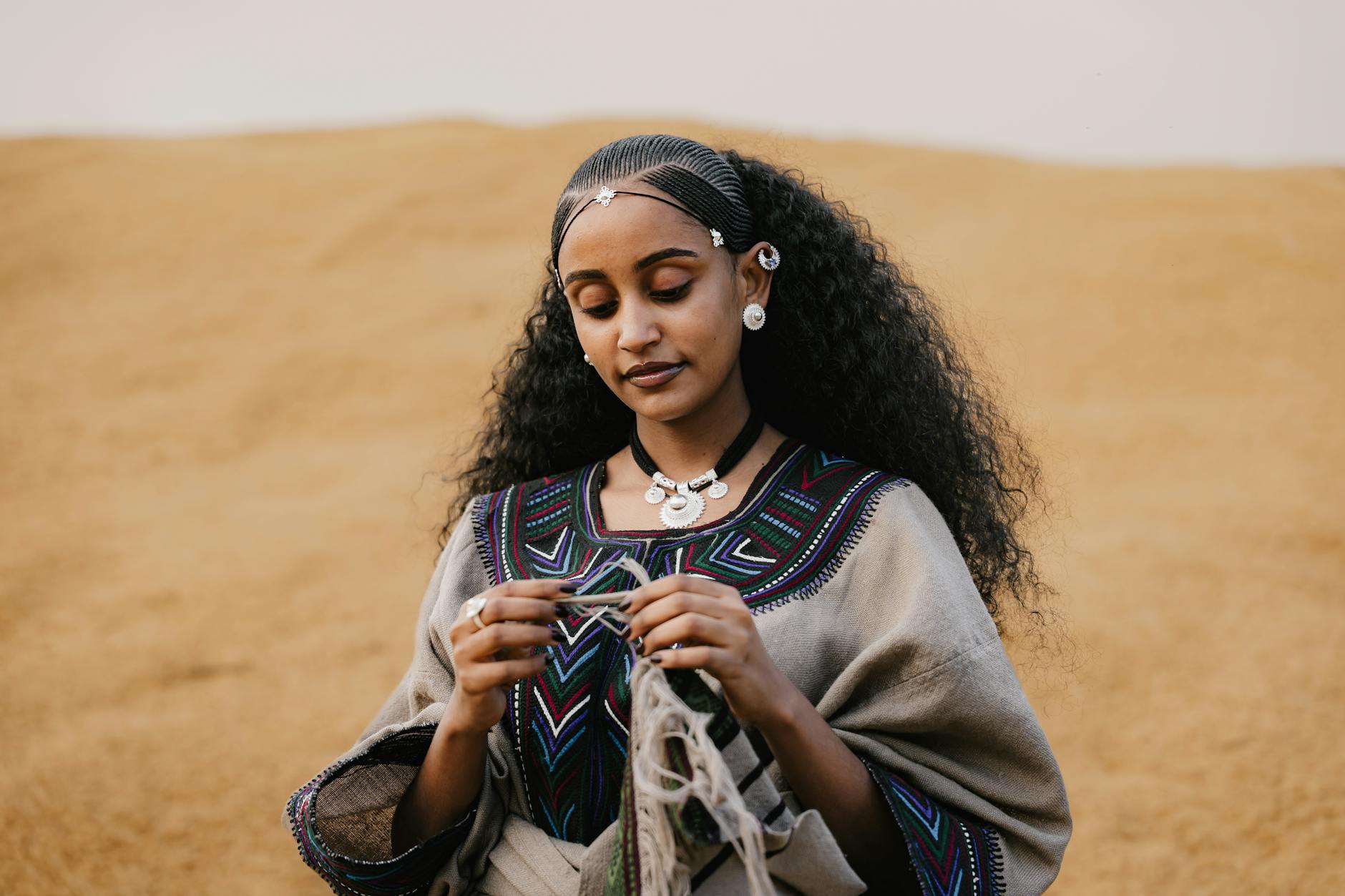
Makeda (also rendered Makda or Mäkēda) is a female name of Ethiopian origin, best known as the traditional name of the Queen of Sheba in Ethiopian, Eritrean, and Geʽez sources.

In the Kebra Nagast (“The Glory of Kings”), Ethiopia’s national epic written in Geʽez, Makeda is portrayed as the Queen of Sheba who visits King Solomon in Jerusalem — a story paralleling the biblical and Qurʾānic accounts. Through her union with Solomon, she becomes the ancestress of the Solomonic dynasty, which ruled Ethiopia for centuries.

While the precise etymology of the name in Geʽez or Amharic is debated, some Ethiopian scholars interpret it as meaning “greatness, prominence, power,” and according to the original legend, it means “not thus,” from when she proclaimed it was thus not right to worship the sun but the God of the Hebrew Bible. Other sources relate it to the same root as the name Magdala (tower), and others have suggested it is a corruption of Candace.

In modern Ethiopia, Makda is a variation.

This name was given to Bob Marley’s daughter in 1981, which set off a trend of use in the African-American community.

Sources

Svirbutas

  • Origin: Lithuanian
  • Meaning: debated
  • Gender: Male

Svirbutas is an ancient Lithuanian male name, attested in historical sources from the 13th–15th centuries. It belongs to the older layer of Baltic personal names that predate Christianization, often formed from archaic roots with meanings now obscure or lost.

It likely derives from the Lithuanian elements svir (to swing, to sway; to be of importance) and but (to be; to exist).

The designated name-day is November 8th.

A potential Lithuanian female form is Svirbutė.

Sources

Elswith, Elswyth

  • Origin: Anglo-Saxon
  • Meaning: “strong temple.”
  • Gender: Female
  • Diminutives: Elsie, Elzie, Swithie, Swithy
  • ELZ-with, ELS-with

The name is the modern English form of the Anglo-Saxon female name, Eahlswiþ, which is composed of the Anglo-Saxon elements, eahl (temple) and swiþ (strong).

The most famous historical bearer is Ealhswith (Elswith), Queen of Wessex and wife of King Alfred the Great (d. 902). She was the mother of Edward the Elder and Æthelflæd, Lady of the Mercians, and is remembered for her wisdom, learning, and piety.

Her name appears in multiple forms across medieval chronicles: Ealhswith, Ealswitha, Aelswith, Aelswitha, Alswith, Elswith, Elswitha, and Elswyth.

The name gained renewed attention through the popular Netflix/BBC historical drama The Last Kingdom (2015–2022) and its sequel film Seven Kings Must Die (2023), based on Bernard Cornwell’s The Saxon Stories series.

Since 2022, at least 11 girls have been bestowed the name Elswyth in England & Wales.

While Ealhswith fell out of use after the Norman Conquest, Elswith or Elswyth has occasionally been revived in historical fiction and modern England as a rare, archaic revival, akin to Edith and Ethel. It fits within the current trend toward names that blend mythic, Old English, and Celtic sounds, offering an even more unique alternative to trending names such as Eloise, Elowen and Ella.

Sources

Sterpeta

  • Origin: Italian
  • Meaning: “brushwood; bramble; thicket.”
  • Gender: Female
  • stehr-PEY-tah

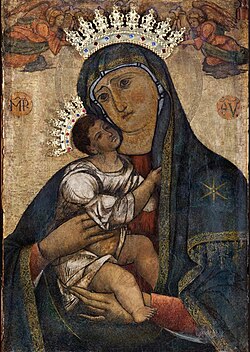
A rare vintage name from Southern Italy, Sterpeta is associated with the Virgin Mary, deriving from Madonna della Sterpeto – the name of a Marian shrine located near Barletta, in the province of Apulia (Puglia). The title Sterpeto itself comes from the Italian sterpeto, meaning “thicket,” “bramble,” or “brushwood,” referring to the rural area where the miraculous image was discovered.

According to local tradition, during a devastating plague in 16th-century Barletta, a perfectly preserved medieval icon of the Virgin Mary was found hidden in the cellar of an abandoned monastery. The townspeople carried the image in procession, and as soon as it was revealed, the plague ceased and the people were healed. In gratitude, the sanctuary of Madonna dello Sterpeto was built on the site, and devotion to the image spread throughout the region. Her feast-day is May 8th.

The personal name Sterpeta emerged as a devotional given name in honor of la Madonna dello Sterpeto, but its usage remained largely confined to Barletta, Foggia, and Bari in Puglia. The name gradually fell out of use in the 20th century and was last recorded in Italy in 2006.

With its strong regional flavor and deep Marian symbolism, Sterpeta is a distinctive relic of Southern Italian faith and folklore. It is a name that bridges miracle, memory, and devotion, and its meaning also links it to fall or autumnal themes.

Sources

Ladan

  • Origin: Persian لادن or Somali
  • Meaning: “nasturtium;” “healthy; lucky; blessed.”
  • Gender: Female
  • LAH-dahn

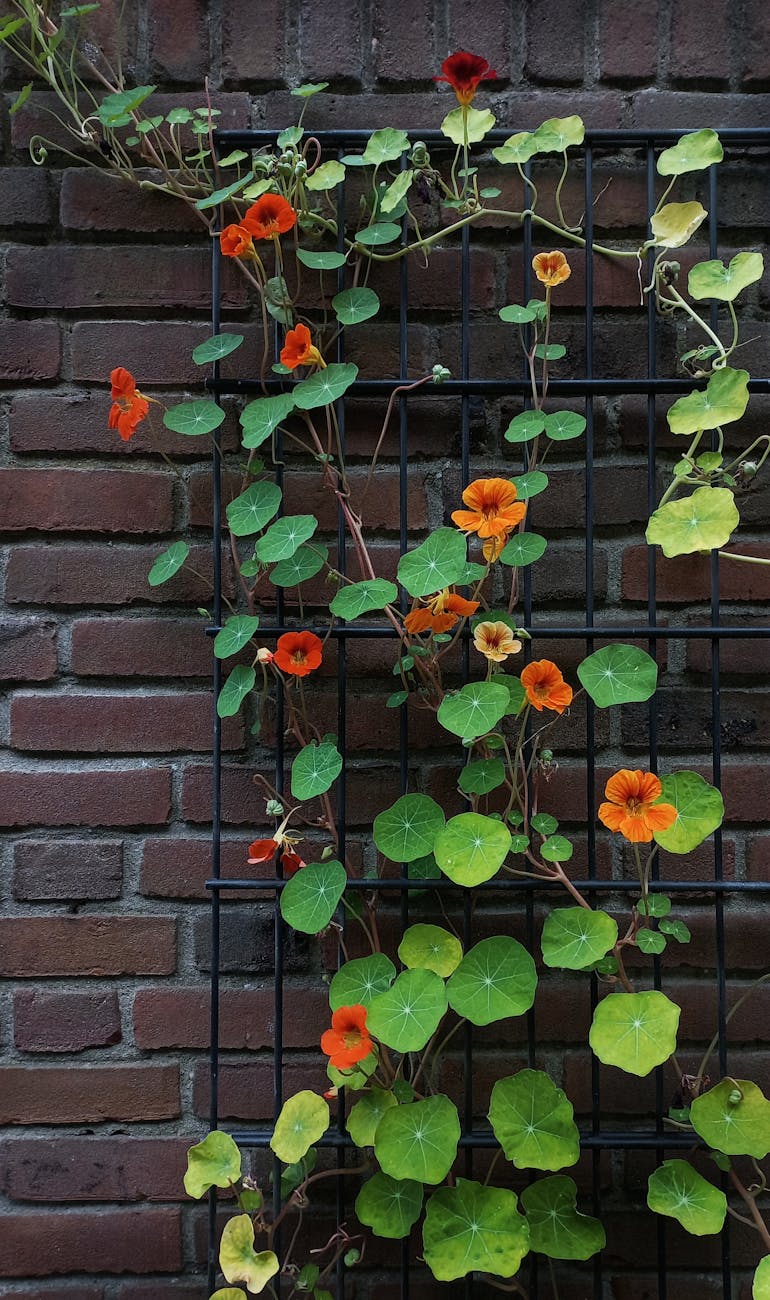
In Persian, Ladan (لادن) is a nature name meaning “nasturtium.” The term may derive from ancient Greek ládanon, the word for labdanum, a fragrant resin once used in incense and perfume.

A notable Persian bearer is Iranian actress, Ladan Mostofi (b. 1972).


In Somali, Ladan comes from the native adjective ladan, meaning “healthy,” “prosperous,” “comfortable,” or “blessed.”

A notable Somali bearer is American poet, Ladan Osman.

Sources

Lamis

  • Origin: Arabic لَميس
  • Meaning: “soft.”
  • Gender: Female

The name comes directly from the Arabic لمِيس ‎(lamīs), meaning “soft; tender; soft to the touch.”

An Urdu and Bengali form is Lamisa.

Alternately, it appears in Greek mythology, in the epic Dionysiaca by Nonnus of Panopolis as the name of one of the leaders of the satyrs who joined the army of Dionysus in his campaign against India. In that context, the meaning of the name is not clarified and the mythological reference is very obscure.

Sources

Zīle, Zīlīte

  • Origin: Latvian
  • Meaning: “acorn; titmouse; pupil of the eye.”
  • Gender: female
  • Pron: ZEE-leh; zee-LEE-teh

Zīle and Zīlīte are speculated to be ancient Latvian females names that survived Christianization.

Zīle is from the Latvian word for acorn or the name of a type of passerine bird known as the titmouse in English. It is first recorded in Riga as early as 1544 (1).

Zīlīte is also a Latvian word, derived from Zīle, with a diminutive suffix attached, also mean “titmouse” or “pupil.” Its usage is recorded as early as 1499 in Riga (2).

Sources