Achilles

Gender: Male
Origin: Greek
Meaning “pain.”
Eng (uh-KEELZ); (ah-KEEL-leez); Fre (ah-SHEEL); It (ah-KIL-le)

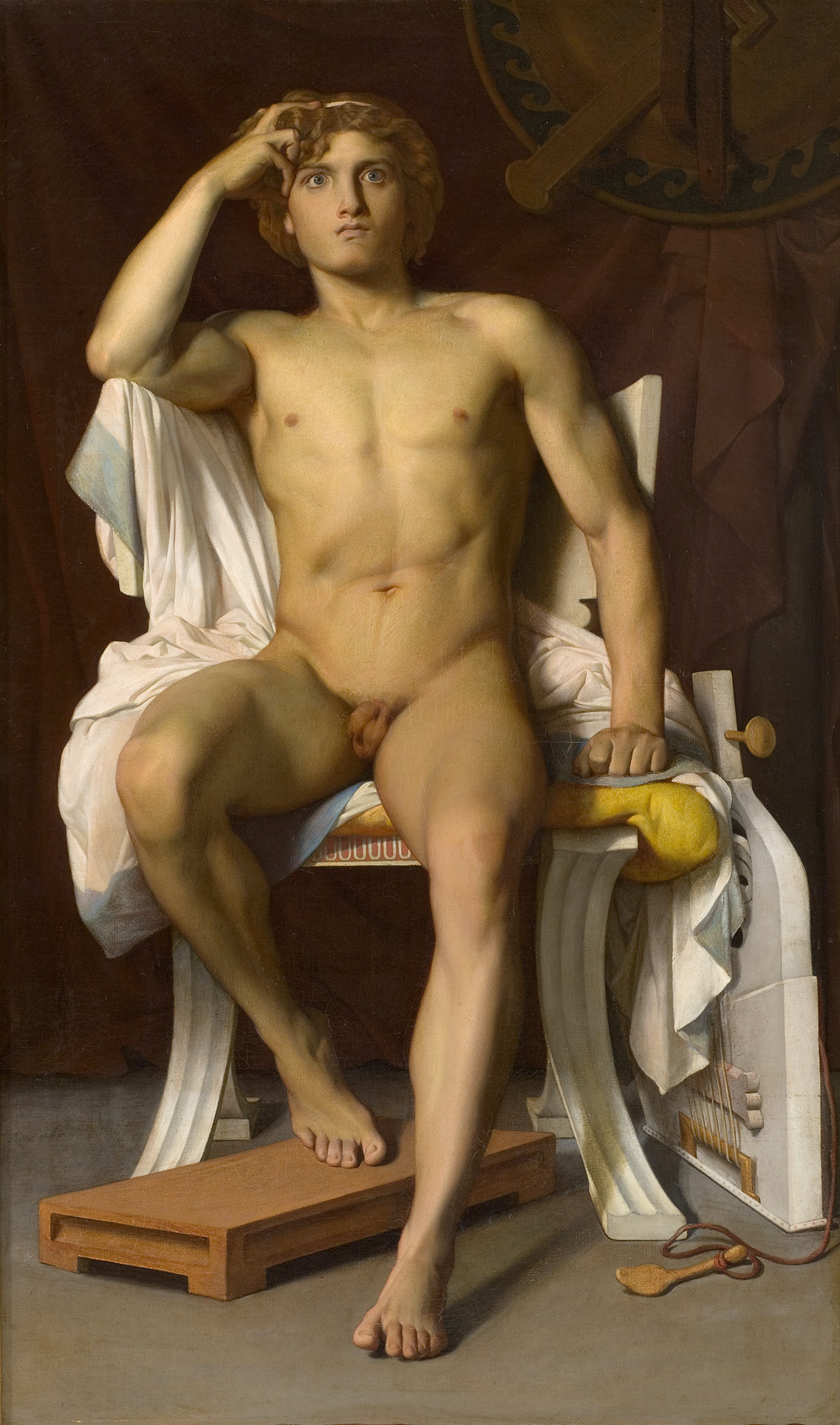
The name of the great Pythian hero of the Trojan war, Achilles was invincible save for the one spot on his heel that was vulnerable to killing him. Achilles was timelessly struck down after a poisoned arrow pierced his heel. Some legends state that his mother, Thetis, had dipped him in the river Styx to render her child immortal. However, since she was holding him by one heel, the waters were unable to pass through her hands onto the area to which she held him.

Achilles’ Heels is a term used to describe a person’s weakness. In anatomy, Achilles Tendon is used to describe a tendon of the posterior leg.

As of 2009, Achille was the 204th most popular male name in France.

Other forms of the name include:

  • Akili (Albanian)
  • Akiles (Basque)
  • Ahilej (Bosnian, Serbo-Croatian)
  • Akilles (Breton)
  • Aquil·les (Catalan)
  • Achilles (Czech/English/Polish)
  • Akhilleus (Finnish/Scandinavian: very obscure)
  • Achille (French/Italian)
  • Achilleus Αχιλλευς (Greek)
  • Akhilleusz (Hungarian: obscure)
  • Ahillejs (Latvian)
  • Achilas (Lithuanian)
  • Akille (Maltese)
  • Akilles (Danish/Norwegian/Swedish)
  • Ahile (Romanian)
  • Achilli (Sicilian)
  • Ahil (Slovene)
  • Aquiles (Spanish/Galician/Portuguese)

Anatole

Gender: Masculine
Origin: Greek Ανατολιος
Meaning: “sunrise.”

The name is derived from the Greek, Anatolios Ανατολιος, which is derived from the word anatole ανατολη (sunrise). The name was borne by a 3rd-century Christian saint, philosopher and martyr.

The name was borne by several other saints.

An anatole is also a musical term employed in jazz.

The name was one of the most popular male names throughout the Soviet Union, before the October Revolution, the name was only used among monks and priests. The name no longer appears in Russia’s top 10.

Its French form of Anatole is 234th most popular male name in France, (2009).

Other forms of the name include:

  • Anatol Анатоль (Belarusian/Czech/German/Hungarian/Polish/Romanian)
  • Anatolij Анатолиј Анато́лий (Bulgarian/Croatian/Macedonian/Russian/Ukrainian)
  • Anatoli ანატოლი (Catalan/Georgian/Russian)
  • Anatole (French)
  • Anatolios (Greek)
  • Anatolio (Italian/Spanish)
  • Anatolijs (Latvian)
  • Anatolijus (Lithuanian)
  • Anatoliusz (Polish)
  • Anatólio (Portuguese)
  • Anatolie (Romanian)
  • Anatoliy (Russian: variant transcription)
  • Anatolije Анатолије (Serbian)
  • Anadolu (Turkish)
Common Russian diminutives are: Anatolka, Natoli, Natoha, Natosha, Tolia, Tolyunya; Tolyusya; Tolyan; Tolyaha; Tolyasha; Tosha; Tosya; Totya; Tusya 
A feminine form is Anatolia, which was also borne by an early Christian martyr. It shares its name with a region in Turkey.
Other feminine forms include:
  • Anatolija Анатолия (Bulgarian/Russian/Serbian)
  • Anatolia (Italian/Latin/Polish/Spanish)
  • Anatola (Polish)

Cyprian

Gender: Masculine
Origin: Latin
Meaning: “from Cyprus.”
Eng (SIP-ree-ən)

The name is derived from the Roman family name, Cyprianus, which means, “from Cyprus.”

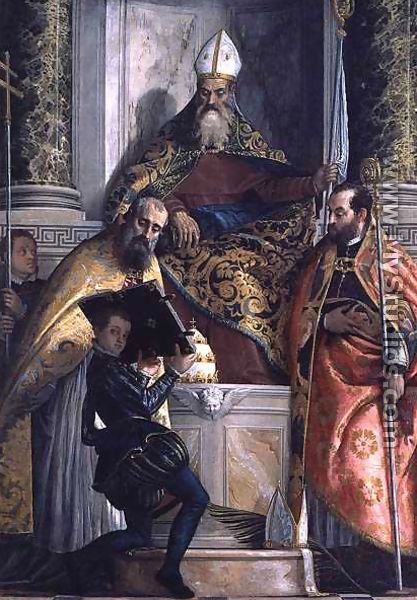
The name was borne by a 3rd-century Christian theologian, writer, martyr and saint.

As of 2009, its French form of Cyprien was the 272nd most popular male name in France.

Other forms of the name include:

  • Çipriani (Albanian)
  • Cyprian (Albanian/English/German/Polish/Romansch)
  • Sybryan سيبريان (Arabic)
  • Kiprianos Կիպրիանոս (Armenian)
  • Zipriano (Basque)
  • Kiprijan Киприян (Bulgarian)
  • Cebrià (Catalan)
  • Ciprijan (Croatian/Macedonian/Serbian/Slovene)
  • Cyprián (Czech)
  • Cyprianus (Dutch/Latin)
  • Cyprien (French)
  • Ciprian (Fruilian/Romanian)
  • Cibrán (Galician)
  • Kvipriane კვიპრიანე (Georgian)
  • Kyprianόs Κυπριανός (Greek)
  • Cipriano (Italian/Portuguese/Spanish)
  • Kiprijonas (Lithuanian)
  • Kiprián Киприа́н (Russian)
  • Cebrián (Spanish)
  • Kypryan Кипріян (Ukrainian)
Feminine forms include:
  • Cyprienne (French)
  • Cipriana (Italian/Portuguese/Spanish)
  • Cypriana (Latin/Polish)
The name was borne by several other saints, another notable bearer is Polish romantic poet, Cyprian Kamil Norwid (1821-1883).

Hippolytus, Hippolyte

Gender: Masculine
Origin: Greek ‘Ιππολυτος
Meaning: “freer of horses.”
Eng (hip-PAHL-ih-tus); Eng Fem (HIP-poh-LY-tee; hi-PAHL-i-tah) Fre (EEP-poh-LEET)

The name is derived from the Greek, Hippolytos (‘Ιππολυτος), which is composed of the elements, hippos (‘ιππος), meaning, “horse” and lyo (λυω) meaning, “to loosen.”

The name was borne in Greek mythology by a son of Theseus, and depending on some sources either the Amazon, Hippolyte (hence the name) or Antiope. He rejected the advances of his step-mother, Phaedra, who, when spurned, complained to Theseus that his son had raped her. In anger, Theseus cursed his own son, using of the his three wishes granted by Poseidon, Hippolytus was dragged to death by his horses after being frightened by a sea-monster. The story was retold both by Euripides in his play Hippolytus and by Seneca the Younger in his play, Phaedra.

His possible birth mother of Hippolyte was an Amazonian queen who possessed a magical girdle which denoted her rank. She appears in the legend of Hercules who seeks her girdle for the princess, Admeta. Hippolyte is so impressed with the immortal’s prowess that she gives Hercules her girdle as a gift. William Shakespeare may have based his character of Hippolyta who appears in A Midsummer’s Night Dream off of Hippolyte the Amazon queen.

The male form of Hippolytus appears several more times throughout Greek mythology as the name of minor characters.

It was also borne by some early renowned Christian saints, including Hippolytus of Rome a 3rd-century Christian theologian, writer and martyr.

In English and early Greek, Hippolyte often appears as a feminine form, but in French, it is an epicène name, that is a unisex name, however, it is more often used on males than on females. As of 2009, Hippolyte was the 286th most popular male name in France.

Other forms of the name include:

  • Ipolit Иполит (Bulgarian/Serbian)
  • Hipòlit (Catalan)
  • Hipolit (Croatian/Polish/Romanian/Slovak)
  • Hippolyt (Czech/German)
  • Hippolytus (Dutch/English/Latin)
  • Hippolyte (French)
  • Ipolite იპოლიტე (Georgian)
  • Hippolütosz (Hungarian)
  • Ippolito (Italian)
  • Hipolitas (Lithuanian)
  • Hipólito (Portuguese/Spanish)
  • Ippolit Ипполит (Romansch/Russian/Ukrainian)
  • ‘Ipołito (Venetian)
Feminine forms include:
  • Hipolita Хиполита (Albanian/Bulgarian/Serbian)
  • Ipalita Іпаліта (Belarusian)
  • Hipòlita (Catalan)
  • Hippolyta ‘Ιππολυτη (English/Greek/Latin/Romanian)
  • Hippolyte ‘Ιππολυτη (English/French/Greek)
  • Hippolüté (Hungarian)
  • Ippolita Ипполи́та (Italian/Russian/Ukrainian)
  • Hipolitė (Lithuanian)
  • Hippolita (Polish)
  • Hipólita (Portuguese/Spanish)

Virgil

Gender: Masculine
Origin: Latin
Meaning: unknown
Eng (VUR-jəl); Fre (vare-ZHEEL)

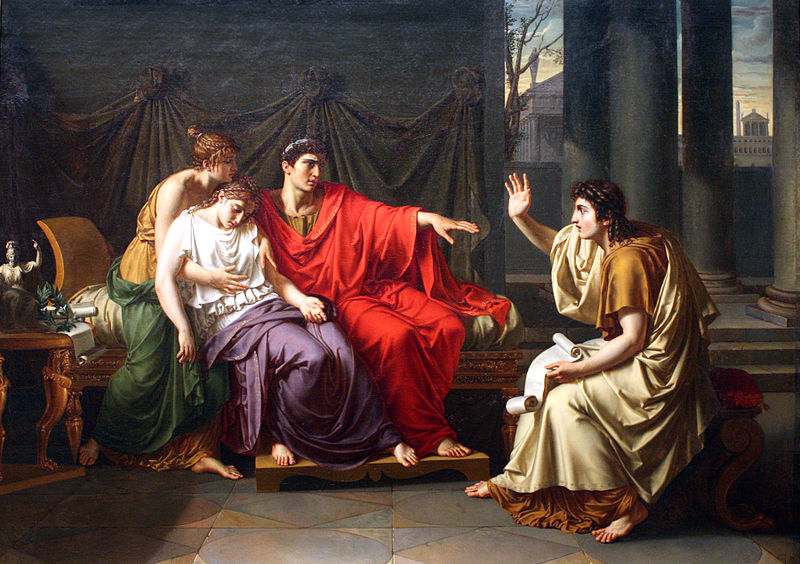
The name was borne by famous Latin poet, Publius Vergilius Maro (70–19 BCE), the author of the Aenead, credited for being one of Rome’s most epic poems.

Dante used Virgil as the guide in his Inferno and part of Purgatorio.

The origins of the name are unclear, Virgil itself is derived from the Latin, Virgilius/Vergilius, a Roman family name of uncertain meaning.

At one time, Virgil was one of the most popular male names in the United States. The highest he ranked was in 1907 coming in as the 93rd most popular male name. As of 2010, Virgil no longer appears in the U.S. top 1000

As of 2009, its French counterpart of Virgile was the 333rd most popular male name in France.

Other forms of the name include:

  • Virgiliu (Albanian/Romanian/Sicilian)
  • Virchilio (Aragonese)
  • Virxiliu (Asturian)
  • Virgili (Catalan/Lombard/Occitanian)
  • Virgilije Вергилиј (Croatian/Macedonian/Serbian/Slovene)
  • Virgilius (Dutch/Latin)
  • Vergil (English/German/Plattdeutsch/Ripoarisch/Scandinavian)
  • Virgil (English/Romanian)
  • Vergíliu (Extramaduran)
  • Virgile (French)
  • Virgjili (Frulian)
  • Feirgil/Veirgil (Gaelic)
  • Virxilio (Galician)
  • Virgill (Icelandic)
  • Virgilio (Italian/Spanish)
  • Vergilius (Latin)
  • Vergīlijs (Latvian)
  • Virgilijus (Lithuanian)
  • Virġilju (Maltese)
  • Bergílio (Mirandese)
  • Wergiliusz (Polish)
  • Virgílio (Portuguese)
  • Vergėlėjos (Samogaitian)
  • Vergílius (Slovak)
  • Fyrsil (Welsh)
The name was also borne by an 8th-century Irish saint and missionary, Virgil of Salzburg.

Amalia, Amelia

Gender: Feminine
Origin: Germanic
Meaning: “work.”
(uh-MAHL-yah); (uh-MAHL-ee-ah); (uh-MEE-lee-yah).

Amalia, the pretty, edgy name with the stern meaning, comes from the ancient Germanic word amal, meaning “to work.” However, the name has also been linked to the Greek word amalos, meaning “soft.”

Throughout the centuries, the name has been borne by German nobility and royalty alike. Its more favored form of Amelia was introduced to the English-speaking world when the German Hanover line married into the British royal family in the 18th-century. It was borne by the daughters of George II and III of England.

The name was also borne by Amelia Earhart (1897-1937)

Other forms of the name include:

  • Amàlia (Catalan)
  • Amálie (Czech/Slovak)
  • Amelie (Danish/Finnish/German/Norwegian)
  • Amalia (Dutch/Estonian/Finnish/Galician/German/Greek/Italian/Polish/Spanish/Romanian/Romansch)
  • Amelia (Dutch/English/Estonian/Finnish/German/Polish/Spanish. Polish diminutive forms are Amelcia, Amelka, Mela, Melcia and Melcia)
  • Amaali (Estonian/Finnish)
  • Amalja (Faroese)
  • Malja (Faroese)
  • Malla (Faroese/Norwegian/Swedish: obscure)
  • Amaalia/Amaliia/Amali/Amu (Finnish)
  • Amakka (Finnish)
  • Amalkka (Finnish)
  • Maali/Maalia (Finnish)
  • Amélie (French)
  • Amke (Frisian)
  • Amalie (German/Scandinavian)
  • Amely (German)
  • Amália/Amál (Hungarian)
  • Amélia (Hungarian/Portuguese/Slovak)
  • Amalía /Amelía (Icelandic)
  • Amālija/Amēlija (Latvian)
  • Amalija (Lithuanian/Slovak/Slovene)
  • Amelija (Lithuanian)
  • Amália (Portuguese)
  • Amelita (Spanish: initially a diminutive form, occassionally used as an independent given name)
  • Amaliya (Russian)
  • Ameliya/Hamaliya (Ukrainian)

In recent years Amelia has spiked in popularity coming in as the 41st most popular female name in the United States,(2010). Amelie, which did not even appeared in the Social Security List before 2001, currently comes in at # 681st most popular female name, (2010). Amelia and her various forms’ rankings in other countries are as follows:

Amelia

  • # 5 (England/Wales, 2010)
  • # 6 (Poland, 2009)
  • # 8 (Poland, Warsaw, 2010)
  • # 12 (Australia, NSW, 2010)
  • # 13 (New Zealand, 2010)
  • # 18 (Canada, B.C., 2010)
  • # 34 (Ireland, 2010)
  • # 43 (Scotland, 2010)
  • # 132 (Norway, 2010)
  • # 200 (France, 2009)
Amelie/Amélie
  • # 25 (Austria, 2010)
  • # 32 (Belgium, 2008)
  • # 34 (German-speaking, Switerland, 2010)
  • # 55 (England/Wales, 2010)
  • # 69 (Australia, NSW, 2010)
  • # 80 (Scotland, 2010)
  • # 111 (France, 2009)
  • # 297 (Netherlands, 2010)
Amalia/Amalie
  • # 11 (Amalie, Norway, 2010)
  • # 27 (Amalie, Denmark, 2010)
  • # 42 (Amalia, Romania, 2009)

Amalia does not figure in America’s top 1000. With the spotlight of Malia Obama, and the increasingly popularity of its Amelia counterpart, this name might be a potential hit within the next few years.

Possible nickname options include Amy, Mia, Lia, Mali, Malia and Molly.

There is a Scandinavian masculine form: Melius.

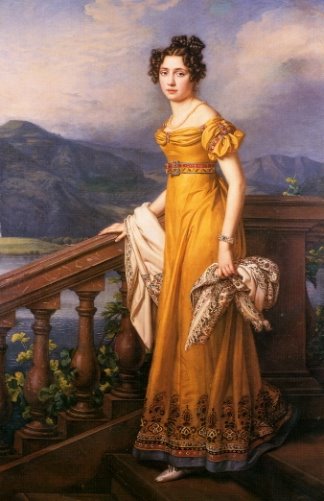
(Upper left, Amalie Auguste of Bavaria).

Jessica, Iscah

Gender: Female
Origin: Hebrew
Meaning “to behold.”
(IS-kuh); (JES-sik-kuh)

The name Jessica is an Anglicization of the Hebrew name, Iscah, which is borne in the Old Testament by a niece of Abraham.

Jessica first appeared in Shakespeare’s, the Merchant of Venice (1596), it is believed that the English author corrupted a Greek transliteration of the Hebrew Yiskah יִסְכָּה, which in the Bible of Shakespeare’s time would have been rendered as Jescha or Jesca. In the Merchant of Venice, Jessica is the name of the beautiful daughter of Shylock.

Yiskah (יסכה)  is said to come from the Hebrew root sachah (סכה), which means “to see.” Adding the yud implies future tense which makes the name imply foresight or clairvoyance.

The famous French rabbincal scholar, Rashi, claimed that Yiskah was another name for Sarah, the wife of Abraham, since she was beautiful to behold and she was known for her prophetic foresight.

The name did not get much usage until the end of the 20th-century, where it became one of the most popular female names in the United States during the 70s, 80s and 90s.

She seems to have steadily rose over a 20 year span between the 1960s and early 1970s. She jumped several places between 1969 and 1970, going from the 134th position in 1969 way up to # 98 in 1970, from thereon, the name continued to rise, peaking at # 3 in 1978. She remained in the top 10 throughout the 70s, 80s and 90s, sometimes hitting the 1st place position. In 2001, she dropped all the way down to # 11, and he has been declining since, currently, as of 2010, she is the 92nd most popular female name. In other countries, her rankings are as follows:

  • # 6 (England/Wales, 2010)
  • # 8 (Northern Ireland, 2010)
  • # 11 (Scotland, 2010)
  • # 17 (New Zealand, 2010)
  • # 20 (Australia, NSW, 2010)
  • # 29 (Ireland, 2010)
  • # 42 (Canada, B.C., 2010)
  • # 43 (German-speaking Switzerland, 2009)
  • # 71 (Mexico, 2010)
  • # 82 (Dzsesszika, Hungary, 2010)
  • # 171 (Norway, 2010)
  • # 262 (France, 2009)
  • # 304 (Netherlands, 2010)

Other forms of the name include:

  • Jèssica (Catalan)
  • Jessika/Jesika (Czech/Polish/Slovak: relatively recent in usage, and is becoming more prevalent)
  • Jessa (English: contraction of Jessica)
  • Jessica (English/Dutch/German/Finnish/French/Scandinavian/Spanish: a borrowing from the English and becoming more and more prevalent, sometimes rendered phonetically as Jessika in Germanic countries)
  • Jescha (English: archaic)
  • Iekika (Hawaiian)
  • Iscah/Yiskah יִסְכָּה (Hebrew)
  • Jiska (German: very obscure)
  • Dzsesszika (Hungarian)
  • Jiszká (Hungarian)
  • Gessica (Italian)
  • Džesika (Lithuanian)
  • Dżesika (Polish: phonetic rendition and the more popular form, becoming more common in Poland)
  • Jéssica (Portuguese-Brazilian)
  • Jesica (Spanish)

Diminutive forms are Jessie and Jessy.

The names are borne by pop singer, and actresses Jessica Tandy (b.1908), Jessica Lange (1942), Jessica Simpson (b.1980), Jessica Alba (b.1981), Jessica Biel (1982).

Freya

Gender: Feminine
Origin: Old Norse
Meaning “lady; mistress”
(FRAY-yah)

The name is derived from the proto-Germanic word, *frawjōn, which designates a woman of noble birth. The modern German word of Frau is a modern cognate. Many scholars argue whether Freya was originally the name of the goddess or a title used in reference to her; it has even been suggested that the goddess had an actual given that has been lost to history.

In Norse mythology, Freya was believed to be the most beautiful goddesses ever created. Scholars believe that Freya was essentially a fertility goddess who assisted in the growth of wildlife, agriculture and human reproduction; along with birth and life, she was also associated with death. In Norse legend, it was Freya who received half the slain warriors into her heavenly hall.

She is often times the subject of the poetic eddas along with her numerous epithets, which are as follows:

  • Vanadis (beautiful goddess)
  • Mardoll (sea bright)
  • Horn (flaxen)
  • Gefn (the giver)
  • Syr (sow) which illustrates Freya’s association with pigs and fertility.

Today the name has survived in modern Germanic lexicons; the English word Friday means “Freya’s day” likewise the same in German with Freitag; the Danish/Swedish/Norwegian Fredag and the Dutch Vrijdag.

There are a few plants named for the goddess, such as Freyja‘ Hair and Freyja’s Tears, and the chemical Vanadium is derived from her epithet, Vanadis.

Today, Freya, and its alternate forms are still very common throughout Scandinavia and she even appears in the British top 100. Her rankings are as follows:

  • # 8 (Freja, Denmark, 2010)
  • # 19 (England/Wales, 2010)
  • # 19 (Scotland, 2010)
  • # 41 (Freja, Sweden, 2010)
  • # 53 (Northern Ireland, 2010)
  • # 61 (Ireland, 2010)

Other forms include:

  • Frea (Anglo-Saxon/Lombard)
  • Fröe (Danish: obscure form)
  • Freya (English/Modern German/Dutch)
  • Froya (Faroese)
  • Freija (Finnish)
  • Frya/Frija (Frisian)
  • Freja (German/Scandinavian)
  • Fráujo (Gothic)
  • Frėja (Lithuanian)
  • Frieja (Low Saxon)
  • Frøya (Norwegian)
  • Freyja (Old Norse/Icelandic)
  • Frīa/Frija (Old High German)
  • Frowa (Old High German)
  • Fröa (Swedish: very obscure form)
  • Fröja (Swedish: very obscure form)
The designated name-day in Sweden is January 23rd.

George

Gender: Masculine
Origin: Greek Γεωργιος
Meaning: “farmer.”
Eng (JORJ)

The name is an English and Romanian form of the Greek, Georgios Γεωργιος, which is derived from the Greek γεωργος (georgos) meaning, “farmer; earth worker.”

The name was borne by a 4th-century Christian saint and martyr, a Roman soldier of Greek ancestry who refused to sacrifice to pagan gods as demanded by the Roman Emperor at the time. He was popularized in the Western Christian Church after the Crusades, when soldiers brought the story back to Western Europe. The saints’ story was embellished and his story appears in the Golden Legend.

The most famous legend was that during the saint’s life, he managed to rescue a maiden who was about to be sacrificed to a dragon by slaying it with his lance. This legend has been the subject of art for centuries.

Though revered as the patron saint of England, the name itself did not catch on in until the 18th-century, following the accession of George I of England. The name has been borne by several kings throughout Europe. It was also borne by the first president of the United States, George Washington.

In Medieval times, English troops would chant “by George“, as a invocation to the saint to protect them in battle.

Between 1880 and 1937, George remained in the U.S. top 10. As of 2010, he only ranked in as the 164th most popular male name. His rankings in other countries are as follows:

  • # 1 (Georgi, Bulgaria, 2007)
  • # 1 (Georgios, Greece, 2010)
  • # 2 (Giorgi, Georgia, 2011)
  • # 5 (Yegor, Belarus, 2011)
  • # 9 (England/Wales, 2010)
  • # 12 (Yegor, Russia, 2011)
  • # 16 (Jorge, Spain, 2010)
  • # 19 (Jiří, Czech Republic, 2010)
  • # 20 (Romania, 2009)
  • # 22 (Jordi, Catalonia, 2010)
  • # 27 (Jure, Slovenia, 2010)
  • # 42 (Jorge, Chile, 2010)
  • # 53 (Juraj, Croatia, 2010)
  • # 69 (Jure, Croatia, 2010)
  • # 73 (Australia, NSW, 2010)
  • # 75 (Jurij, Slovenia, 2010)
  • # 76 (Jørgen, Norway, 2010)
  • # 78 (Jorge, Mexico, 2010)
  • # 80 (Joris, Netherlands, 2010)
  • # 82 (Jordi, Spain, 2010)
  • # 84 (Jurica, Croatia, 2010)
  • # 100 (Scotland, 2010)
  • # 168 (Jorge, United States, 2010)
  • # 233 (Joris, France, 2009)
  • # 420 (Jordi, Netherlands, 2010)

Other forms of the name include:

  • Gjergj (Albanian)
  • Jorgo (Albanian)
  • Giorgis ጊዮርጊስ (Amharic)
  • Jurj(us)  جرج  جرجس (Arabic)
  • George  جورج (Arabic/English/Romanian)
  • Khodor  خضر (Arabic)
  • Chorche (Aragonese)
  • Gev(or) Գեվ Գեվոր (Armenian)
  • Gevorg Գեվորգ (Armenian)
  • Kevork Գեւորգ (Armenian)
  • Xurde (Asturian)
  • Gorka (Basque)
  • Jury Юры (Belarusian)
  • Yegor Егор (Belarusian/Russian)
  • Jord (Breton)
  • Jorj (Breton)
  • Georgi Георги (Bulgarian)
  • Jordi (Catalan)
  • Juraj (Croatian/Slovak/Slovene)
  • Jurica (Croatian)
  • Jure (Croatian/Slovene)
  • Jiří (Czech)
  • Jørgen (Danish/Norwegian)
  • Joris (Dutch/Frisian)
  • Sjors (Dutch)
  • Georg (Faroese/Estonian/German/Icelandic/Romansch/Scandinavian)
  • Jurjen (Frisian)
  • Jüri (Estonian/Volapuk)
  • Jørundur (Faroese)
  • Jokora (Finnish)
  • Jori (Finnish)
  • Jyr(k)i (Finnish)
  • Yrjänä (Finnish)
  • Yrjö (Finnish)
  • Georges (French)
  • Xurxo (Galician)
  • Giorgi გიორგი (Georgian/Monegasque)
  • Jörgen (German/Swedish)
  • Jörg (German/Swedish)
  • Jürgen (German)
  • Jürg (German)
  • Georgios Γεώργιος (Greek)
  • Joorut (Greenlandic)
  • Juulut (Greenlandic)
  • Keoki (Hawaiian)
  • György (Hungarian)
  • Seoirse (Irish-Gaelic)
  • Giorgio (Italian/Venetian)
  • Georgius (Latin)
  • Jur(g)is (Latvian)
  • Jurgis (Lithuanian)
  • Gjoko  Ѓок (Macedonian)
  • Gjorgje Ѓорѓе (Macedonian)
  • Gjorgji  Ѓорѓи (Macedonian)
  • Gheevargees ഗീവര്‍ഗീസ് (  (Malayalam)
  • Gheevarugees ഗീവറുഗീസ് ( (Malayalam)
  • Varghees വര്‍ഗീസ്‌ (Malayalam)
  • Verghese വെര്‍ഗീസ് (Malayalam)
  • Varughese വറുഗീസ് (Malayalam)
  • Ġorġ (Maltese)
  • Jore (Norman)
  • Jørn (Norwegian)
  • Ørjan (Norwegian)
  • Jordi (Occitanian/Provençal)
  • Jerzy (Polish)
  • Jorge (Portuguese/Spanish)
  • Gheorghe (Romanian)
  • Georgy Георгий (Russian/Ukrainian)
  • Yuri Юрий (Russian)
  • Deòrsa (Scottish)
  • Seòrsa (Scottish)
  • Đorđe Ђорђе (Serbian)
  • Đorđo Ђорђо (Serbian)
  • Đurađ Ђурађ(Serbian)
  • Jurij (Slovene)
  • Göran (Swedish)
  • Örjan (Swedish)
  • Gewarges ܓܝܘܪܓܣ(Syriac)
  • Gorges ܓܪܓܣ (Syriac)
  • Yorgo (Turkish)
  • Heorhiy Георгій (Ukrainian)
  • Yur Юр (Ukrainian)
  • Sior (Welsh)
In ancient Greece, Georgos may have also been used as an epithet for Zeus.
As for its feminine forms, I shall save that for a separate post 🙂

Joseph, Josephine

Gender: Masculine
Origin: Hebrew יוֹסֵף
Meaning: “He shall add; God shall add.”
Eng (JOH-sef)

The name is derived from the Biblical Hebrew male name, יוֹסֵף (Yosef).

In the Old Testament, the name is borne by the first son of Rachel and the eleventh son of Jacob. After being sold off as a slave by his brothers, Joseph ended up in Egypt, later becoming an important advisor to the pharoah.

In the New Testament, it is borne by the husband of the Virgin Mary. Known as St. Joseph among Catholics, he is a particularly revered saint among Italian Catholics, considered the patron saint of stepfathers and carpenters.

Another important character with this name in the New Testament, is Joseph of Arimathea, a disciple of Christ and also the man who provided a burial spot for Jesus after his death.

The name has always been very prevalent throughout Europe and the Middle East.

In the United States, its popularity can be due to several factors: it was common among both various Christian and Jewish immigrants. The name is even very common among Muslim families.

Currently, Joseph is the 20th most popular male name in the United States, (2010). In fact, Joseph has never ranked outside of the Top 20. Common English nicknames are Joe and Joey. His rankings in other countries are as follows:

  • # 1 (Yusif, Azerbaijan, 2012)
  • # 1 (Yusuf, Turkey, 2010)
  • # 2 (Yusuf, Tajikistan, 2009)
  • # 2 (Youssef, Tunisia)
  • # 3 (Yousef, Arab-World, 2011)
  • # 4 (José, Equitorial Guinea, 2011)
  • # 5 (Joosep, Estonia, 2011)
  • # 5 (Isle of Man, 2009)
  • # 5 (Yousouf, Israel, among Muslim and Christian boys, 2010)
  • # 5 (José, Philippines, 2011)
  • # 5 (Jose, Puerto Rico, 2010)
  • # 7 (Youssef, Morocco)
  • # 8 (Josip, Croatia, 2010)
  • # 8 (Yosef, Israel, among Druze boys, 2004)
  • # 9 (Yosef, Israel, among Jewish boys, 2010)
  • # 14 (Giuseppe, Italy, 2010)
  • # 15 (England/Wales, 2010)
  • # 16 (Joseph/Giuseppe, Malta, 2010)
  • # 29 (Northern Ireland, 2010)
  • # 36 (New Zealand, 2010)
  • # 37 (Ireland, 2010)
  • # 41 (Australia, NSW, 2010)
  • # 41 (József, Hungary, 2010)
  • # 43 (José, Spain, 2010)
  • # 44 (Scotland, 2010)
  • # 51 (José, United States, 2010)
  • # 62 (Josef, Sweden, 2010)
  • # 68 (Josip, Bosnia & Herzegovina, 2010)
  • # 68 (Josep, Catalonia, 2010)
  • # 71 (José, Catalonia, 2010)
  • # 74 (Canada, BC, 2010)
  • # 149 (France, 2009)

Other forms of the name include:

  • Josef (Afrikaans)
  • Isuf (Albanian)
  • Jozef/Jozif (Albanian: Zef is a diminutive form)
  • Sepp (Alsatian)
  • Hovsep Հովսեփ (Armenian)
  • Yūsuf/Youssef/Yussef يوسف, (Arabic)
  • Yusif/Yusuf/Usub (Azeri)
  • Joseba/Josepe (Basque)
  • Joseph ДЖО́ЗЕФ (Belarusian/English/German/French)
  • Josip (Bosnian/Croatian: Joso, Jozo and Joško are diminutive forms)
  • Jusuf (Bosnian)
  • Yosif Йосиф (Bulgarian)
  • Josep (Catalan, Pep is a common diminutive form)
  • Ghjaseppu (Corsican)
  • Jozèf (Creole/Haitian)
  • Josef (Czech)
  • Joep (Dutch: originally a diminutive form, now used as an independent given name)
  • Joop (Dutch: originally a diminutive form, used as an independent given name)
  • Joost (Dutch: originally a diminutive form, now used as an independent given name)
  • Jozef (Dutch)
  • Joseph (English/French/German)
  • Joséphin (French: obscure)
  • Joosep (Estonian)
  • Jósef (Faroese)
  • Jooseppi (Finnish)
  • Juuso (Finnish)
  • Bepùt/Bepi/Bepo (Fruilian)
  • Xosé (Galician)
  • Ioseb იოსებ (Georgian)
  • Ioses/Joses Ιωσης (Greek: Biblical)
  • Iōséph Ἰωσήφ/Iosepos, Iosipos Ιώσηπος (Greek: Modern)
  • Yosef יוסף (Hebrew)
  • Isuppu (Hindi)
  • József (Hungarian: Jóska is the diminutive form)
  • Yusuf/Yusup/Ucup (Indonesian)
  • Giuseppe (Italian: diminutive forms are Beppe, Peppe and Peppino)
  • Giuseppino (Italian)
  • Pino (Italian: diminutive form now used as an independent given name)
  • Seosamh (Irish-Gaelic)
  • Ujöp (Ladino)
  • Iosephus/Josephus (Latin)
  • Jāzeps (Latvian)
  • Gioxeppe (Ligurian)
  • Joep (Limburgish)
  • Juozapas (Lithuanian)
  • Juozas (Lithuanian)
  • Giüsèpp (Lombard: Pèpp and Bèpp are diminutive forms)
  • Ousep/Ousef/Yosef (Malayalam)
  • Ouseppachen/Kochaappu (Malayalam)
  • Ġużeppi (Maltese: Ġużi, Ġuż, Peppi, Pepp, Żeppi and Żepp are diminutives)
  • Hohepa (Maori)
  • Jupp (Moselfrench)
  • Josef (Norwegian)
  • Josèp (Occitanian)
  • Iosifu Іѡсифъ (Old Church Slavonic)
  • Yūsuf/Youssef/Yussef يوسف, (Persian)
  • Joosef (Plattdeutsch)
  • Józef (Polish)
  • Gèseppe (Puglian)
  • Jüppes/Jüppke (Ripoarisch)
  • Iosif (Romanian)
  • Gisep (Romansch)
  • Iosif/Osip Иосиф (Russian)
  • Jisepu (Sardinian)
  • Josif Јосиф (Serbian)
  • Seòsaidh (Scots-Gaelic)
  • Giuseppi (Sicilian)
  • U’Seppi (Sicilian)
  • Zefel/ Zeflik (Silesian)
  • Jozef (Slovakian)
  • Jožef/Jože (Slovene)
  • Sefer (Swabian)
  • José (Spanish/Portuguese: Pepe and Pepito are the diminutive forms)
  • Yusup/Usup/Ucup (Sudanese)
  • Yoseppu (Tamil)
  • Yusuf (Turkish)
  • Yosyp (Ukrainian)
  • Josep (Valencian)
  • Juxepe (Venetian: diminutives are Bepi and Bepin)
  • Joseff (Welsh)
  • Yissl/Jayzl/Yussel (Yiddish)

Bavarian diminutive forms are Pepi, Perperl, SeppSeppiSeppl and Söpp.

Other German diminutives include: Seb, Seffi and Beppal is a Swiss-German diminutive form.

A Rheinish diminutive is Jupp.

Czech diminutives are: Pepík, Pepek, Pepan and Pepin.

Dutch short forms are Jef, Zef and Jos.

A common Hebrew short form is Yosi.

Italian diminutives and its dialectical forms include: Scepp (Calabrian); Pepp’, Pè, Peppiniéllo, Peppì, Peppinié (Campanese); Gioxe, Bepi, Bepin (Ligurian); Gepe and Pinin (Piedmontese); Seppud, Bapèpp, Peppo, Peppin, G’sip, Giusè, Pinucc, Peppon, ‘Mbà Peppe and P’pen (Puglian); Peppe and Pippo (Sicilian); Bepi and Beppe (Tuscan) and  Bepìn and Bepo (Venetian).

Standard Italian diminutives are: Bepi, Beppe, Beppino, Geppetto, Geppino, Peppe, Peppenuzzo, Peppi, Peppino, Peppinello, Peppiniello, Peppinetto, Peppo, Peppuccio, Pino Pinello, Pinuccio, Peppone, Pippo Puccio and Seppe.

Portuguese diminutives include: Zé, Zézinho, Zéca and Zécinha.

Slovakian diminutives are: Jožko, Jojo and Dodo.

Slovene short forms are: Pepe, Pepi and Pepc.

A common Spanish compound name is José Maria

Its more common feminine form of Josephine became prevalent throughout Europe at the end of the 18th-century and at the beginning of the 19th-century, due to the popularity of Josephine Bonaparte, (1763-1814), the wife of Napoleon.

Originally, Joséphine was a French diminutive form of Josèphe. Joséphine became the standard form around the same time Josephine Bonaparte became famous and has remained the more common French feminine form of Joseph, since.

Currently, in the United States, she is the 186th most popular female name, (2010). In the Netherlands, she was the 153rd most popular female name, (2010).

Other feminine forms include:

  • Jozefina (Albanian)
  • Josepa (Catalan: diminutive is Pepa)
  • Josipa (Croatian)
  • Josefa (Czech/Portuguese/Spanish)
  • Josefina (Czech)
  • Jozefien (Dutch)
  • Joetta (English)
  • Josephina/Josephine (English)
  • Josefiina (Finnish)
  • Josée (French)
  • Josèphe (French)
  • Joséphine (French)
  • Josette (French)
  • Josefine (German/Danish)
  • Josepha (German)
  • Iosiphina Ιωσηφίνα (Greek: Modern)
  • Jozefa (Hungarian/Slovene)
  • Jósefína (Icelandic)
  • Seosaimhín (Irish-Gaelic)
  • Giosetta (Italian)
  • Giuseppa/Giuseppina (Italian)
  • Iosephina (Latin)
  • Ġużeppa (Maltese: Ġuża is the diminutive form)
  • Józefa (Polish)
  • Józefina (Polish)
  • Jožefina/Jožefa/Joža (Slovene)
  • Jožica (Slovene: originally a diminutive form, now used as an independent given name)
  • Josefa/Josefina (Spanish)
  • Josefin/Josefine (Swedish)
  • Yosipa/Osipa/Yuzefa (Ukrainian)

Croatian diminutive form is Pepica.

Czech diminutives are: Pepa, Pepca, Pepicka, Pepina, Pepka, Jóža, Jožka and Jóžin.

Common English short forms for Josephine include: Fifi, Jo, Jody, Jojo, Josie and Posey.

Common French diminutive forms are Fifi and Fifette.

German diminutives are Pepa.

Italian diminutives are: Giusy, Pina, Pinuccia, Pinella and Pippa.

Slovene diminutive form is Pepca

Marie-Josée is a common French compound form.

Designated name-days are March 19 and May 1.