Nicholas

Origin: Greek
Meaning: “victory of the people.”

Today is St. Nicholas Day! So, I thought, what a perfect opportunity to blog about the name Nicholas and all his myriad variations.

This is an update of a post I wrote three years ago in December. I thought I would rerun it with some updates.

The name is derived from the Greek, Νικόλαος, (Nikolaos), which is composed of the Greek words νικη (níkē), meaning, “victory” and λαὸς (laos), meaning, “people.” λαὸς (laos) could also derive from the Greek root word, λας (-las) as in “λα-τομεῑο“, which means, “stone” “rock”, as in Greek mythology it was believed that all humans were formed from the stones that Deucalion and Pyrrah threw over their shoulders as they were running.

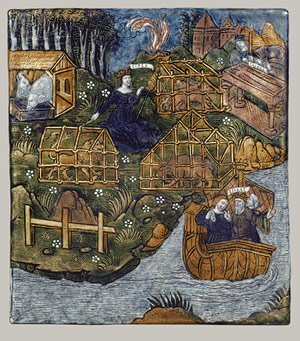
In the post-Christian world, the name Nicholas was popularized through the cult of St. Nicholas, Bishop of Myra in Lycia, (the inspiration for the modern-day Santa Claus). He was known for his acts of charity toward the poor, the most popular story being that he saved a local poor man’s daughters from lives of prostitution by dropping gold nuggets down the man’s chimney so that the man could pay for his debts instead of selling his daughters.

St. Nicholas is a very popular saint in both the Eastern and Western Churches.

The name was introduced into England in the form of Nicholas, though the sans H version has also its share of usage in the Anglophone world. Nicholas first came into usage in England around the 12th-century and remained common even through the period of the Reformation. Currently, Nicholas is the 42nd most popular male name for boys in the United States, (2011). His rankings in all his various forms in other countries are as follows:

  • # 1 (Nika/Nikoloz(i), Georgia, 2011)
  • # 3 (Nikola, Macedonia, 2006)
  • # 3 (Nikola, Serbia, 2011)
  • # 5 (Nikolay, Bulgaria, 2009)
  • # 5 (Nikolaos, Greece, 2010)
  • # 6 (Nicolás, Argentina, 2009)
  • # 9 (Nicolás, Columbia, 2011)
  • # 9 (Nicolás, Mexico, 2011)
  • # 15 (Nicholas/Nick/Nicholai/Nicoló, Malta, 2011)
  • # 16 (Mikołaj, Poland, 2009)
  • # 22 (Nicolò, Italy, 2010)
  • # 22 (Nicolas, Spain, 2010)
  • # 24 (Niklas, Austria, 2010)
  • # 27 (Nikola, Croatia, 2009)
  • # 29 (Nicolas, Belgium, 2008)
  • # 31 (Nikolaj, Denmark, 2011)
  • # 36 (Australia, NSW, 2011)
  • # 36 (Canada, BC, 2010)
  • # 45 (Nikolai, Norway, 2011)
  • # 51 (Nicolas, Catalonia, 2010)
  • # 56 (Nicolas, Austria, 2010)
  • # 69 (Nicolas, France, 2010)
  • # 72 (Miklós, Hungary, 2011)
  • # 75 (New Zealand, 2010)
  • # 82 (Nikola, Slovenia, 2010)
  • # 93 (Niklas, Norway, 2011)
  • # 94 (Nikola, Bosnia & Herzegovina, 2010)
  • # 168 (Nicolas, United States, 2011)
  • # 181 (Scotland, 2010)
  • # 332 (Nicolaas, Netherlands, 2011)
  • # 451 (Nicolas, Netherlands, 2011)
  • # 473 (Nikolas, United States, 2011)
  • # 550 (Nickolas, United States, 2011)
  • # 639 (Nikolai, United States, 2011)

Other forms of the name include the following, (divided alphabetically by linguistic origin):

Latinate Forms
Variations used in Latin languages

  • Micolau (Catalan)
  • Nicolau (Catalan/Galician/Occitanian/Portuguese)
  • Niculaiu (Corsican)
  • Nicoty (Brusseler: a French dialect)
  • Colin (French: originally a diminutive form, now used exclusively as an independent given name, not to be confused with the Celtic Colin/Collin which has a completely different etymology and pronunciation)
  • Nicolas/Nico (French: diminutive forms are Colas, Coliche, Colineau, Coya, Koni, Nic, Nico and Nikko)
  • Coletto/Colino (Italian: obscure)
  • Niccola/Nicola (Italian: Cola is a diminutive form)
  • Nicolai (Italian)
  • Nicolao (Italian)
  • Niccolò/Niccolo/Nicolò (Italian)
  • Nicoletto (Italian: obscure)
  • Niccolino/Nicolino (Italian: obscure)
  • Nico (Italian/Romanian/Spanish: originally a diminutive form, now used exclusively as an independent given name)
  • Nicolás/Colás (Leonese)
  • Nicu (Leonese/Romanian: originally diminutive forms, used as independent given names)
  • Nicolaus (Late Latin)
  • Nicolinus (Late Latin)
  • Neculai/Nicolae/Niculae (Romanian: diminutive form is Nicoară)
  • Nicușor (Romanian: originally a diminutive form, used as an independent given name)
  • Clà/Clau (Romansch)
  • Niclà/Nicolà/Niculin (Romansch)
  • Nigola (Sardinian)
  • Nicolao/Nicolás (Spanish)

Feminine forms ares

  • Nicolaua (Catalan)
  • Colette (French: originally a diminutive form, now used exclusively as an independent given name)
  • Coline (French: originally a diminutive form, now used exclusively as an independent given name. The name also coincides with the French word for hill. Diminutive form is Colinette)
  • Nicole (French)
  • Nicolette (French: originally a diminutive form of Nicole, now exclusively used as an independent given name)
  • Nicoline (French)
  • Nicolasa (Galician/Spanish)
  • Nicoletta (Italian)
  • Nicolina (Italian)
  • Nicoleta (Romanian)
  • Nicolina/Niculina (Romanian)
  • Nicoleta/Nicolá (Spanish)

Germanic Forms
Variations used in Germanic based languages

  • Nikolaus (Afrikaans/Old Dutch)
  • Claus/Klaus/Niels (Danish: originally diminutive forms but used as independent given names for centuries)
  • Nicolai/Nikolaus/Nikolaj (Danish)
  • Nilaus/Nis (Danish)
  • Nicolaas/Nikolaas (Dutch)
  • Klaas/Nico/Niek/Niels (Dutch: Originally diminutive forms but have been used as independent given names for centuries)
  • Nicholas/Nicolas (English: diminutive forms include: Cole, Nat, Nick and Nicky)
  • Niklas/Niklái (Faroese)
  • Niklaas (Flemmish)
  • Klaas/Klaes (Frisian)
  • Nickel/Nickels (Frisian)
  • Claus/Claas/Klaas/Klaus/Klas (German: originally diminutive forms but have been used as independent given names for centuries)
  • Nickolaus/Nicolas/Nicolaus/ Niklaus/Nikolaus/Niklas (German)
  • Nico/Niko (German)
  • Neikaulaus (Gothic)
  • Néckel/Kleeschen/Klos (Lexumburgish)
  • Klaos (Limburgish)
  • Nikolaas/Nicolaas (Low Saxon)
  • Nicolai/Nikolai (Norwegian)
  • Niels (Norwegian)
  • Nickel (Plattdeutsch)
  • Michlaus (Swabian)
  • Niclas/Nicklas/Niklas (Swedish)
  • Nels/Nils (Swedish)
  • Klas/Claes (Swedish)
  • Chlaus/Glaus (Swiss-German)

Germanic feminine forms are:

  • Nikoline (Danish)
  • Klasina/Klazina (Dutch)
  • Nicole (Dutch/English/German: a borrowing from the French, very popular in the 1980s in German-speaking countries, English-speaking countries, as well as in the Netherlands and Scandinavia. In 1980, Nicole was the 7th most popular female name in the United States)
  • Nicolet (Dutch: a bastardization of the French, Nicolette)
  • Nicolien/Nicoline (Dutch)
  • Nicola/Nichola (English: a name that was particularly popular in Great Britain in the 70s and 80s, not to be confused with the masculine versions which are separate evolutions. This is pronounced NIK-uh-lah, and is most likely a feminization of the Scottish Nichol)
  • Nikolina (Faroese)
  • Nikólína (Icelandic)

Slavic Forms
Forms used in Slavonic languages

  • Mikalai Мікалай (Belarusian)
  • Nikola(y)/Niklen Никола/Николай/Никлен (Bulgarian: diminutive forms are: Kole, Kolyo, Kolyu and Nikùlitza).
  • Nikola/Niko (Croatian: Nikša and Nikica are diminutive forms)
  • Mikoláš/Mikuláš (Czech: short form is Mikula )
  • Nikola (Macedonian: diminutive forms are Kole and Nikolče nee-KOL-che)
  • Mikołaj (Polish: diminutive forms are Kola, Mikcio, Mik, Mikołajek, Miki, Miko, Mikoś, Mikuś, Misza, Nicz, Niki and Niko)
  • Nikolai Николай (Russian: Kolya and Nikita are diminutive forms)
  • Nikola Никола (Serbian)
  • Mikoláš/Mikuláš (Slovakian)
  • Nikolas (Slovakian)
  • Nikita (Slovakian: a borrowing from the Russian, sometimes used as an independent given name in Slovakia)
  • Miklavž/Niko/Nikolaj (Slovene)
  • Mikławš/Klaws (Sorbian)
  • Mykola Микола/Mykolai Миколай (Ukrainian)

Feminine forms are:

  • Nikoleta/Nikolina Николина/Николета (Bulgarian)
  • Nikolina/Nika/Nina (Croatian)
  • Nikoleta (Czech/Polish/Slovakian)
  • Nikola (Czech/Polish/Slovakian: currently very popular in all three countries)
  • Nikol (Czech/Polish: a corruption of the French, Nicole, and is a relatively recent form in the Czech Republic and Poland and is also rapidly increasing in popularity)
  • Nikolina (Czech/Polish)
  • Mikuláška (Slovakian: obscure)
  • Nika/Nikolaja (Slovene)

Celtic Forms
Forms used in Celtic Countries

  • Nikolaz/Nikolazig (Breton)
  • Nikolas (Cornish)
  • Cóilín (Irish)
  • Nicolás/Nioclás (Irish)
  • Neacel/Nichol/Nicol (Scottish)
  • Niclas (Welsh)

Baltic Forms
Forms used in the Baltic

  • Klaus/Laas/Laus (Estonian)
  • Nigol/Nigulas/Nigul (Estonian)
  • Niilas/Niilo/Niilu (Estonian)
  • Niklas/Nikolai/Niko (Estonian)
  • Nikita (Estonian: a borrowing from the Russian, occasionally used as an independent given name)
  • Nil/Nillo/Nilo/Nils/Nilus (Estonian)
  • Launo/Niilo/Niklas/Niko (Finnish)
  • Nikolajs/Niks/Nils (Latvian)
  • Klavs/Niklavs (Latvian)
  • Mikalojus/Mikas/Nikalojus (Lithuanian)
  • Miklay Миклай (Mari)
  • Mikuk Микук (Mari)
  • Mikus Микуш (Mari)
  • Nibá (Saami)
  • Nigá/Nigo (Saami)
  • Nihkke/Nihkko (Saami)
  • Niillas/Nilá/Nillá/Nilsa (Saami)

Feminine forms are:

  • Nikolė (Lithuanian)
  • Nikoleta/Nikoletė (Lithuanian)

Other Forms
Forms used in other languages

  • Nikolla/Nikollë/Koll/Kol (Albanian)
  • Nikolas ኒኮላስ (Amharic/Ethiopian)
  • Nikoghayos Նիկողայոս/Nikoghos o Նիկողոս (Armenian)
  • Nikola (Basque)
  • Mikulay/Mikuҫ Микулай, Микуҫ (Chuvash)
  • Nikolaus/Niqwela/Niqewlawes نيقولاوس (Coptic/Lebanese/Syriac)
  • Niko (Fijian)
  • Nikoloz ნიკოლოზ (Georgian)
  • Nikolaos Νικόλαος/Nikolas Νικόλας/Nikos Νίκος /Nikolis Νικολής (Greek Modern)
  • Niilsi/Niisi (Greenlandic)
  • Nikku/Nikkulaat (Greenlandic)
  • Miklós/Nikola (Hungarian)
  • Nikku/ Nikkii/Nikorasu (Japanese)
  • Nikola (Maltese)

Feminine forms are as follows:

  • Níkē Νίκη/Nikoléta Νικολέτα/Νikolína Νικολίνα (Greek: modern)
  • Nikkuliina/Nikkuliit (Greenlandic)
  • Nikolett (Hungarian)

Lucas, Luke

Gender: Masculine
Origin: Greek
Meaning: “from Lucania.”
Eng (LOOK); Fre IPA (LUYK)

Both names are derived from the Greek, Λουκας (Loucas), which means, “from Lucania”, the name of a region in Italy.

The name was popularized throughout the Christian world due to the fame and renown of St. Luke, a Christian convert, gentile and doctor. He is credited as being the author of the Acts and the third Gospel in the New Testament.

In the English speaking world, Luke has been in usage since the 12th-century, he is currently the 39th most popular male name in the United States, (2011). His latinate form of Lucas is the 29th most popular male name. Their rankings in other countries are as follows:

For Luke/Luc

  • # 1 (Luke, Malta, 2010)
  • # 5 (Luuk, Netherlands, 2011)
  • # 9 (Ireland, 2010)
  • # 17 (Northern Ireland, 2010)
  • # 24 (New Zealand, 2010)
  • # 33 (Australia, NSW, 2011)
  • # 38 (England/Wales, 2010)
  • # 50 (Lluc, Catalonia, 2010)
  • # 56 (Canada, BC, 2010)
  • # 45 (Scotland, 2010)
  • # 99 (Luc, Netherlands, 2011)
  • # 249 (Netherlands, 2011)
  • # 253 (Luc, France, 2010)

For Luca(s)

  • # 1 (Luka, Croatia, 2009)
  • # 1 (Luca, Malta, 2010)
  • # 1 (Luka, Serbia, 2011)
  • # 1 (Luka, Slovenia, 2010)
  • # 2 (Australia, NSW, 2011)
  • # 2 (France, 2010)
  • # 2 (Luca, German-speaking, Switzerland, 2010)
  • # 2 (Monaco, 2009)
  • # 2 (Sweden, 2011)
  • # 3 (Belgium, 2008)
  • # 3 (Denmark, 2011)
  • # 3 (Faroe Islands, 2010)
  • # 3 (Luca, French-speaking, Switzerland, 2010)
  • # 3 (Luka, Georgia, 2011)
  • # 3 (Lucas/Lukas, Germany, 2011)
  • # 3 (Luca(s), Liechtenstein, 2010)
  • # 3 (Lukas, Lithuania, 2011)
  • # 4 (Canada, BC, 2010)
  • # 4 (Lukáš, Czech Republic, 2010)
  • # 4 (Luca, Luxembourg, 2010)
  • # 5 (Lucas, Brazil, 2011)
  • # 5 (Lucas, French-speaking, Switzerland, 2010)
  • # 5 (Lukáš, Slovakia, 2011)
  • # 6 (Netherlands, 2011)
  • # 9 (Luca, Italian-speaking, Switerland, 2010)
  • # 12 (Luca, Italy, 2009)
  • # 13 (Scotland, 2010)
  • # 17 (Norway, 2011)
  • # 19 (England/Wales, 2010)
  • # 21 (Spain, 2010)
  • # 22 (Luca, Austria, 2010)
  • # 22 (Luca, Belgium, 2008)
  • # 28 (Northern Ireland, 2010)
  • # 32 (Luca, Netherlands, 2011)
  • # 36 (Catalonia, 2010)
  • # 38 (Luka, Bosnia & Herzegovina, 2010)
  • # 38 (Łukasz, Poland, 2009)
  • # 70 (Luca, England/Wales, 2010)
  • # 79 (Luca, Australia, NSW, 2011)
  • # 79 (Ireland, 2010)
  • # 95 (Luka, Belgium, 2008)
  • # 96 (Luca, Scotland, 2010)
  • # 100 (Luca, France, 2010)
  • # 112 (Luka, France, 2010)
  • # 182 (Luka, Netherlands, 2011)
  • # 260 (Luca, United States, 2011)
  • # 743 (Luka, United States, 2011)

Other forms of the name include:

  • Luka Лука ლუკა (Albanian/Belarusian/Croatian/Georgian/Macedonian/Old Church Slavonic/Russian/Serbian/Slovene/Ukrainian)
  • GhukasՂուկաս (Armenian)
  • Lucas Лукас لوکا (Belarusian/Dutch/English/Farsi/French/German/Portuguese/Romansch/Scandinavian/Spanish)
  • Lukaz (Breton)
  • Lluc (Catalan)
  • Lukáš (Czech/Slovak)
  • Luuk (Dutch)
  • Luke (English/Dutch)
  • Luuka(s) (Finnish)
  • Luc (French/Galician)
  • Lukas (German/Latvian/Lithuanian/Scandinavian)
  • Loukas Λουκάς (Greek)
  • Lukács (Hungarian)
  • Lúkas (Icelandic)
  • Luca (Italian/Maltese/Romanian/Sardinian)
  • Lucano (Italian: obscure)
  • Luchino (Italian: obscure)
  • Luchetto (Italian: obscure)
  • Lucone (Italian: obscure)
  • Lúcás (Irish-Gaelic)
  • Luch (Piedmontese)
  • Łukasz (Polish)
  • Lücha (Romansch)
  • Łuca (Venetian)
  • Luk (Walon)

An Italian feminine form is Luchina.

In English, Lucky is occasionally used as a pet form.

Sources

  1. http://dictionary.reference.com/browse/Luke
  2. http://www.behindthename.com/php/find.php?name=luke
  3. http://www.askoxford.com/firstnames/luke?view=uk
  4. http://www.etymonline.com/index.php?term=Luke
  5. http://www.statistics.gov.uk/specials/babiesnames_boys.asp
  6. http://www.catholic.org/saints/saint.php?saint_id=76

Élodie

Gender: Feminine
Origin: Germanic
Meaning: debated
Fre (ay-lo-DEE); Eng (EL-o-DEE)

The name is of debated origin and meaning but is possibly derived from the Germanic elements ala meaning “other; foreign” and od meaning “riches, wealth.” Other sources list it as a derivative of the Franconian al-ôd meaning “inheritance, estate; property.”

It was also the name of an ancient Nubian kingdom and one of the first kingdoms to become Christian and is the name of a species of aquatic plant, also spelled Elodea.

The name was popularized by a 9th-century Spanish saint who was martyred with her sister Nunilona. In the 1980s, Élodie was very popular in France. In 2000, she ranked as high as # 39, now she only ranks in as the 215th most popular female name in France, (2010). But, she may sound fresh and appealing to anglophone parents; if you are curious as to how to best pronounce this in English, think Melody sans M.

Elodie has had some history of usage in the United States, though very sparse. She appears in the census records as early as the 18th-century; most Elodies seems to have been located in Louisiana, (no surprise there). Other interesting variations which appear in the American census records include: Eloda, Eloida, Elodia, and Elodi.

She appears in the U.S. top 1000 3 times, once in 1881, 1883 and then again in 1886. She has not been seen since.

Other forms of the name include:

  • Elodi (Basque)
  • Alòdia (Catalan)
  • Elodia (Corsican/Spanish)
  • Elodie (English)
  • Eloida (English)
  • Lodi (French: diminutive form)
  • Alodia (Italian/Polish/Spanish)
  • Aloida (Latvian)
  • Alodija/Aliodija (Lithuanian)
  • Alódia (Portuguese)

The name was borne by Elodie Lawton Mijatović (1825-1908) a British-Serbian author known for her books on Serbian history and culture as well as her prolific works translating books from Serbian-English and English-Serbian.  It is also borne by French actress Élodie Bouchez-Bangalter (b.1973), French singer Élodie Frégé (b.1982) and French-Canadian radio personality Élodie (Didi) Gagnon

Masculine forms include Alodius and Alodiusz (Polish).

Gabriel, Gabriella

Origin: Hebrew גַבְרִיאֵל  Γαβριηλ
Meaning: “strong man of God.”
Eng (GABE-ree-el); (gah-bree-EL-ah); Fre (gah-bree-EL); Germ (GAHP-ree-el); Pol (GAHP-ryel)

The name is derived from the Biblical Hebrew, גַבְרִיאֵל (Gavri-el) meaning, “strong man of God.”

In Judeo-Christian religions, it is the name of a powerful archangel, who is often viewed as a messenger of God. He appears several times in the Old and New Testaments.

Among Christians, one of his most important messages was relayed to the Virgin Mary that she would be the mother of Jesus. Islamic tradition also believes the same, and in Islam, it was the angel Gabriel who revealed the Qu’ran, (through God), to Mohammed.

In Mormon theology, Gabriel is believed to be the embodiment of Noah in the afterlife.

Gabriel is a fairly common name among Christians, Jews and Muslims, making him an extremely cross-cultural portable name.

Currently, in the United States, his popularity has been rising. He is the 24th most popular male name, (2011). In other countries, his rankings in all his various forms are as follows:

  • # 2 (Gabriel(e), Liechtenstein, 2010)
  • # 3 (Brazil, 2011)
  • # 4 (Romania, 2009)
  • # 6 (Gabriele, Italy, 2009)
  • # 7 (France, 2010)
  • # 9 (Quebec, Canada, 2011)
  • # 19 (Croatia, 2009)
  • # 26 (Belgium, 2008)
  • # 28 (Canada, BC, 2010)
  • # 28 (Mexico, 2010)
  • # 29 (Austria, 2010)
  • # 35 (Spain, 2010)
  • # 40 (Poland, 2009)
  • # 47 (Sweden, 2011)
  • # 48 (Norway, 2011)
  • # 52 (Catalonia, 2010)
  • # 78 (England/Wales, 2010)
  • # 95 (Australia, NSW, 2011)
  • # 124 (Scotland, 2010)
  • # 189 (Djibril, France, 2010)
  • # 313 (Jibril, France, 2010)

Other forms of the name include:

  • Jibrail/Jibrīl جبرائيل ጂብሪል (Arabic/Ethiopian)
  • Gabriel გაბრიელი ገብርኤል
    (Armenian/Catalan/Coptic/Czech/Danish/English/Ethiopian/Finnish/French/Georgian/German/Norwegian/Polish/Portuguese/Romanian/Romansch/Spanish/Swedish)
  • Gavrik (Armenian)
  • Cəbrayıl/Cibril (Azeri)
  • Gawryil Гаўрыіл (Belarusian)
  • Džibril/Džebrail (Bosnian)
  • Gavrail Гавраил (Bulgarian)
  • Zheberejil Жәбірейіл (Central Asian)
  • Gabrijel (Croatian/Maltese/Serbian)
  • Gabriël (Dutch)
  • Gaabriel (Estonian)
  • Gabrel (Ethiopian)
  • Kaapo/Kaapro (Finnish)
  • Gabriél Γαβριήλ (Greek)
  • Gavril Γαβριηλ (Greek)
  • Gavriel גַּבְרִיאֵל (Hebrew)
  • Gábriel (Hungarian)
  • Gábor (Hungarian)
  • Gabríel (Icelandic)
  • Jibril (Indonesian)
  • Gaibriéil (Irish-Gaelic)
  • Gabo/Gabbo (Italian)
  • Gabriele (Italian: more common form)
  • Gabriellino (Italian)
  • Gabriello (Italian)
  • Gabrio (Italian)
  • Cibrayîl (Kurdish)
  • Gabrielus (Latin)
  • Gabriels (Latvian)
  • Gabrielius (Lithuanian)
  • Jibrail (Malaysian)
  • Gavriilu Гаврїилъ (Old Church Slavonic)
  • Khabbriele (Puglian)
  • Gabin (Provençal)
  • Gavril Гавриил (Romanian/Russian)
  • Crabiele/Gabilele/Gabriello (Sardinian)
  • Cabbrieli (Sicilian)
  • Gabri’el ܠܒܪܝܐܝܠ (Syrian)
  • Gebrael (Syrian)
  • Cebrâîl (Turkish)
  • Gavrel גַאבְֿרֶעל (Yiddish)

English short form is Gabe.

Its feminine form of Gabriella/Gabriela is also rising in popularity. Currently, Gabriella is the 34th most popular female name in the United States, (2011). Her rankings in other countries are as follows:

  • # 3 (Gabriela, Bulgaria, 2009)
  • # 5 (Gabrielė, Lithuania, 2011)
  • # 5 (Gabrielle, Philippines, 2011)
  • # 7 (Gabriela, Columbia, 2011)
  • # 8 (Gabriela, Romania, 2009)
  • # 9 (Gabriela, Puerto Rico, 2011)
  • # 10 (Gabriela, Brazil, 2010)
  • # 13 (Gabriela, Poland, Warsaw, 2010)
  • # 19 (Gabriela, Poland, 2009)
  • # 28 (Gabrijela, Croatia, 2009)
  • # 30 (Gabriela, Mexico, 2010)
  • # 30 (Gabrielly, Brazil, 2010)
  • # 36 (Gabriela, Croatia, 2009)
  • # 38 (Gabriela, Chile, 2010)
  • # 64 (Australia, NSW, 2011)
  • # 64 (Gabriela, Spain, 2010)
  • # 67 (Gabrielle, France, 2010)
  • # 72 (Canada, BC, 2010)
  • # 94 (Gabrielle, Canada, BC, 2010)
  • # 119 (Gabrielle, United States, 2011)
  • # 466 (France, 2010)

Other feminine forms include:

  • Gebre’elwa ገብርኤሏ (Amharic/Ethiopian)
  • Gabriela (Bulgarian/Croatian/Czech/German/Polish/Portuguese/Romanian/Scandinavian/Slovak/Spanish)
  • Brielle (Cajun: abbreviated form of Gabrielle)
  • Gabrijela (Croatian/Serbian)
  • Gabriëlle (Dutch)
  • Briella/Briela (English)
  • Gabrielle (French/English)
  • Gabria (Italian)
  • Gabrielina (Italian)
  • Gabriella (Italian/English/Hungarian/Scandinavian: more common form in Italy)
  • Gabrielė (Lithuanian)
  • Gavriila Гавриила (Russian)

Czech diminutives are: Gába, Gabika, Gábina, Gabrina and Gabby.

A Polish diminutive is Gabrysia (gah-BRIH-shah).

English short forms are: Gabby and Ella.

Designated name-days are: February 10/27 (Poland), February 19 (Sweden), March 24 (Czech/Finland/Poland/Slovakia/Sweden), September 29 (France/Germany), December 12 (Hungary)

Raphael

Gender: Masculine
Origin: Hebrew רָפָאֵל Ραφαηλ
Meaning: “God is healer.”
Fre (ra-fa-EL); Eng (RAF-ee-el; RAY-fee-əl)

The name is found in Judeo-Christian and Islamic legend as the name of a major archangel. In the Bible, he is mentioned in the Book of Tobit, which is considered canonical in the Roman Catholic, Orthodox and Anglican tradition. Due to Raphael’s deliverance of Sarah from the demon Asmodeus (who killed every husband she married before consumation), Raphael has been invoked as a matchmaker by Catholics.

Raphael also appears in the non-canonical Book of Enoch in which he is responsible for binding the fallen angel Azazel

In Islamic tradition, he is known as Israfel/Israfil and it is believed that he will blow the trumpet on Judgement Day.

It is interesting to note that the modern Hebrew word for a medical doctor is  דוֹקטוֹר (rophe), compare to the first element of Raphael.

Raphael is currently a trend across Europe, in France, Raphaël is the 11th most popular male name, (2010). His rankings in his various forms are as follows:

  • # 3 (Liechtenstein, 2010)
  • # 11 (Rafael, Brazil, 2010)
  • # 17 (Austria, 2010)
  • # 40 (Rafał, Warsaw, Poland, 2010)
  • # 48 (Rafał, Poland, 2009)
  • # 50 (German-speaking, Switzerland, 2010)
  • # 54 (Raphaël, Belgium, 2008)
  • # 55 (Rafael, Spain, 2010)
  • # 56 (Rafael, Croatia, 2009)
  • # 63 (Rafael, France, 2010)
  • # 189 (Rafaël, Netherlands, 2011)
  • # 274 (Rafael, United States, 2011)
  • # 668 (United States, 2011)

Its feminine form of Rafaela is currently the 8th most popular female name in Brazil, (2010), while the French form of Raphaëlle ranked in as the 273rd most popular female name in France, (2010).

Other forms of the masculine include:

  • Rafael (Albanian/Armenian/Catalan/Croatian/Czech/Finnish/Hungarian/Portuguese/Romanian/Romansch/Scandinavian/Slovene/Spanish)
  • Raphel ሩፋኤል (Amharic/Ethiopian)
  • Rupha(e)l ራፋኤል (Amharic/Ethiopian)
  • Israfil اسرافيل, Исрафил (Arabic/Central Asian: used among Muslims)
  • Rapael რაფაელ (Armenian/Georgian)
  • Rafail Рафаил Ραφαήλ (Bulgarian/Greek/Macedonian/RomanianRussian/Serbian)
  • Rafel (Catalan)
  • Raphael (Coptic/English/German)
  • Rafaël (Dutch)
  • Raafael (Estonian)
  • Raphaël (French)
  • Raiféal (Gaelic)
  • Raffaele (Italian)
  • Raffaello (Italian)
  • Raffaelino (Italian)
  • Îsrafîl (Kurdish)
  • Rafla (Lebanese/Syrian: used among Christians)
  • Rafaelis (Lithuanian)
  • Rapolas (Lithuanian)
  • Rafel (Maltese)
  • Rafał (Polish)
  • Arrafieli (Sardinian)
  • Rafiele (Sardinian)
  • İsrafil (Turkish)
  • Rafayil Рафаї́л (Ukrainian)
Common diminiutives are: Raf (Dutch); Rafe (English); Ralph (English); Rafinha (Brazilian-Portuguese); Rafa (Spanish).
Feminine forms include:
  • Rafaela (Croatian/Macedonian/Portuguese/Romansch/Slovene/Spanish)
  • Raphaëlle (French)
  • Raphaela (German)
  • Raphaele (German)
  • Raffaella (Italian)
  • Raffaellina (Italian)
The name was also notably borne by Raphael, or Raffaello Sanzio (1483–1520), an Italian master painter.

Alexis, Alexa, Alexia, Alessia

Gender: Masculine
Origin: Greek
Meaning: “defender; helper.”
(uh-LEK-sis)

The name is derived from the Greek male name, Αλεξις (Alexis), which is derived from the Greek element, αλεξω (alexo), meaning, “defender; helper.”

The name was borne by a 3rd-century Greek comic and poet, and by several male saints and five Byzantine emperors.

In its Russian incarnation of Aleksei, it was fairly common among Russian royalty. It was borne by two Russian tsars and by the last Russian crown-prince, Aleksei Romanov.

Currently, in the United States, Alexis ranks in as the 242nd most popular male name, despite this, the name is far more common for females, (even though Alexis is not a legitimate feminine name and should not be considered as such), in fact, it is currently the 26th most popular female name, (2011). In the United States, its usage as a female given name can be traced all the way to the 1940s, when it first entered the U.S. top 1000. Its usage among females is most likely attributed to Canadian actress, Alexis Smith (1921-1993) who was born as Gladys. Its popularity on females, however, might mostly be influenced by the 1980 drama series, Dynasty, in which one of the female leads, played by Joan Collins, was named Alexis.

In other countries, Alexis as a male name is ranked as follows:

  • # 28 (France, 2010)
  • # 38 (Alejo, Argentina, 2009)
  • # 83 (Belgium, 2008)
  • # 90 (Aleix, Spain, 2010)

Other forms of the name include:

  • Ales (Basque)
  • Aleksei/Alexei Алексей (Bulgarian/Russian)
  • Aleix (Catalan)
  • Alesiu (Corsican)
  • Aleksej/Alexej (Czech/Slovak)
  • Alexis (Danish/English/German/French/Norwegian/Spanish/Swedish)
  • Aleksi (Finnish)
  • Aleksis (Finnish)
  • Aleixo (Galician/Portuguese)
  • Alexei (German)
  • Alexios Αλεξιος (Greek)
  • Elek (Hungarian)
  • Alessi (Italian: obscure)
  • Alessio (Italian)
  • Alexius (Latin/German)
  • Aleksas (Lithuanian)
  • Aleksy (Polish)
  • Alexie (Romanian)
  • Alexi (Romansch)
  • Aliesch (Romansch)
  • Alessiu (Sicilian)
  • Lezziu (Sicilian)
  • Alejo (Spanish)
  • Aleksej (Slovene)
  • Aleš (Slovene)
  • Oleksiy Олексій (Ukrainian)

Alyosha and Lyosha are common Russian diminutive forms.

Its feminine forms of Alexa and Alexia are also rising in popularity, Alexia is currently the 275th most popular feminine name in the United States, (2011), while Alexa comes in as the 55th most popular female name. I shall go into more details in another post. In the meantime, here are other feminine forms

  • Alexa (English/Hungarian)
  • Alexia (English/German/Greek/French)
  • Alessa (Italian)
  • Alessia (Italian)
  • Alessina (Italian)
  • Aleksja (Polish)
  • Aléxia (Portuguese)
  • Alexina/Alexine (Scottish)

Common short forms are Alex, Lex and Lexie.

Designated name-days are: February 17 (France), March 17 (Greece), July 17 (Germany) and December 12 (Sweden).

Sources

  1. http://www.behindthename.com/name/alexis
  2. http://www.askoxford.com/firstnames/alexis?view=uk
  3. http://www.askoxford.com/firstnames/alexa?view=uk
  4. http://www.askoxford.com/firstnames/alexia?view=uk
  5. Bengt af Klintberg: Namnen i almanackan, 2001
  6. Yáñez Solana, Manuel (1995). El gran libro de los Nombres. M. E. Editores, Madrid
  7. Montes Vicente, José María (2001). El libro de los Santos. Alianza, Madrid
  8. Kustaa Vilkuna: Etunimet, 3. painos 2001, s. 30,

Gaétan


Gender: Masculine
Origin: German/Polish/Italian/French
Meaning: “from Caieta.”
It (guy-TAH-no); Fre (GAH-eh-TAWn); Pol/Germ (KYE-eh-TAHN)

The name is derived from the Latin place name, Caietanus, meaning,  “from Caieta”. Caieta is now known as Gaeta.

In ancient Greece, this was a town where prisoners were taken to be executed. The town probably got its name from the wet nurse of Zeus in Greek myth.

It was borne by a 16th-century Italian saint, which spurred the popularity of the name throughout Europe. It has been in usage in German speaking countries as well as in Poland in the form of Kajetan and Cajetan, the name Kaj was later spun off from this name, now being more popular than its formal form in Sweden and Denmark.

As of 2010, its French form of Gaétan was the 122nd most popular male name in France.

Other forms of the name include:

  • Caitanu (Asturian)
  • Kaitan (Basque)
  • Gaietà (Catalan)
  • Gaitanu (Corsican)
  • Kajetán (Czech/Hungarian/Slovak)
  • Cajetaan (Dutch)
  • Gaétan (French)
  • Gaëtan (French)
  • Gaetano (Galician/Italian)
  • Kayetan (German)
  • Kajetan (German/Polish/Scandinavian)
  • Gaïtános Γαϊτάνος (Greek)
  • Caietanus (Latin)
  • Kajetonas (Lithuanian)
  • Aitano (Neopolitan)
  • Gaitano (Neopolitan)
  • Caetano (Portuguese)
  • Caetan (Romanian)
  • Cajetan (Romansch)
  • Kaetan Каетан (Russian)
  • Gajetànu (Sardinian)
  • Cayetano (Spanish)

Feminine forms are:

  • Gaetana (Italian)
  • Gaétane (French)
  • Gaëtane (French)
  • Kajetana (German/Polish)
  • Kaia (German)
  • Kaja (German/Polish)
  • Caietana (Latin)

Its designated name day is August 7.

Aurelian

Gender: Masculine
Origin: Latin
Meaning: “golden one.”
Eng (aw-RIL-lee-yen) Fre (Pronunciation)

The name is derived from the Latin cognomen, Aurelianus, which means, “golden one.”

The name was borne by a 3rd-century Roman Emperor.

As of 2010, its French form of Aurélien was the 150th most popular male name in France. Other forms of the name include:

  • Aureliani (Albanian)
  • Aurelián (Aragonese/Czech)
  • Awrelijan Аўрэліян (Belarusian)
  • Avrelian Аврелиан (Bulgarian/Russian/Ukrainian)
  • Aurelià (Catalan)
  • Aurelijan Аурелијан (Croatian/Macedonian/Serbian)
  • Aurelian (English/German/Lombard/Polish/Romanian)
  • Aurélien (French)
  • Aureliano (Galician/Italian/Portuguese/Spanish)
  • Avreliane ავრელიანე (Georgian)
  • Aurelianus (Latin)
  • Aureliāns (Latvian)
  • Aurelianas (Lithuanian)
  • Aurilianu (Sicilian)
A feminine form is Aureliana (Italian/Latin/Portuguese/Spanish)

Ambrose

Gender: Masculine
Origin: Greek
Meaning: “immortal.”
Eng (AM-broze); Fre (ahm-BWAHZ)

Ambrose is an English version of the Late Latin, Ambrosius, which is a form of the Greek male name Αμβροσιος (Ambrosios), meaning, “immortal.”

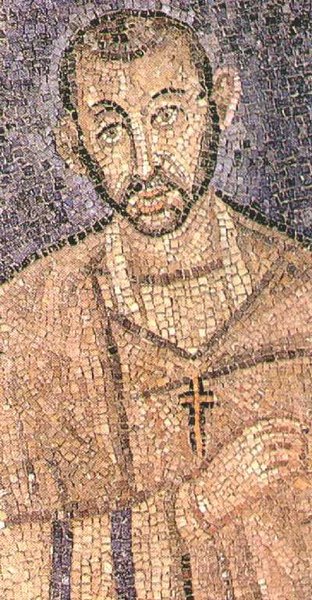
The name was borne by a 4th-century Christian saint, a contemporary of St. Augustine of Hippo. He is considered a Doctor of the Church and the patron saint of Milan.

As of 2010, its French form of Ambroise was the 391st most popular male name in France.

The designated name-day is December 7.

There is a feminine version as well, Ambrosia, and in Greek mythology, it is borne by the daughter of Atlas and Pleione. It was also the name of the food of the gods eaten on Mount Olympos.

Other forms of the name include:

  • Ambrozi (Albanian)
  • Ambrosiu (Asturian)
  • Anbortsi (Basque)
  • Ambroaz (Breton)
  • Amvrosij Амвросий (Bulgarian/Russian/Ukrainian)
  • Ambròs (Catalan)
  • Ambrosgiu (Corsican)
  • Ambrozije (Croatian)
  • Ambrož (Czech/Slovene)
  • Ambroos (Dutch)
  • Broos (Dutch/Limburgish)
  • Ambroise (French)
  • Ambros (German/Romansch)
  • Ambrosios Αμβροσιος (Greek)
  • אמברוזיוס Ambrwzyws (Hebrew)
  • Ambrus (Hungarian)
  • Ambrósíus (Icelandic)
  • Ambróis (Irish)
  • Bosone (Italian: obscure)
  • Ambrogio/Ambrogino (Italian: more common forms)
  • Ambrosino (Italian: obscure)
  • Ambrosi (Kiswahili)
  • Ambrosius (Late Latin/Danish/Dutch/Finnish/German/Estonian/Norwegian/Swedish)
  • Ambrozijs (Latvian)
  • Ambraziejus (Lithuanian)
  • Ambroeus (Lombard)
  • Ambroży (Polish)
  • Ambrósio (Portuguese)
  • Ambrozie (Romanian)
  • Ambrosi(Romansch)
  • Ambròsu (Sardinian)
  • Ambroggiu (Sicilian)
  • Ambróz (Slovakian)
  • Ambrosio (Spanish/Galician/Italian/Venetian)
  • Emrys (Welsh)

Feminine forms include:

  • Ambroisine/Ambrosine (French)
  • Ambrogia/Ambrogina (Italian)
  • Ambrosina (Italian)
  • Ambrosia (Greek/Italian)
  • Ambrozja (Polish)
  • Ambrozija (Slovene)

Celestine

Gender: Masculine (English); Feminine (French)
Origin: Latin
Meaning: ” of the sky; of the heavens.”
Eng (sel-es-TINE; SEL-es-tin); Fre Masc (say-les-TEN); Fre Fem (say-les-TEEN)

The name is derived from the Late Latin male name, Caelestinus, meaning, “of the sky; of the heavens.”

In English, the name was anglicized to Celestine while in French, Célestine was always strictly the feminine form, the French masculine form being, Célestin.

The name was borne by five popes.

In the English-speaking world, Celestine was seldom used, if it was ever used it was usually used for females being a borrowing from the French, though Celestine is a common male name among Nigerian Catholics.

As of 2010, Célestin was the 415th most popular male name in France, while its feminine form of Célestine was the 419th most popular female name in France.

Other forms of the name include:

  • Celestin Целестин Целестин (Asturian/Bulgarian/Romanian/Romansch/Russian/Scandinavian/Serbian/Ukrainian)
  • Celestí (Catalan)
  • Celestýn (Czech)
  • Celestijn (Dutch)
  • Celestinus (Dutch)
  • Celestine (English)
  • Célestin (French)
  • Celestino (Galician/Italian/Portuguese/Spanish)
  • Coelestin (German)
  • Cölestin (German)
  • Zölestin (German)
  • Kelestínos Κελεστίνος (Greek)
  • Celesztin (Hungarian)
  • Caelestinus (Late Latin)
  • Celestinas (Lithuanian)
  • Celestyn (Polish)
  • Celestìnu (Sardinian)
  • Celestín (Slovene)
A famous female bearer was Célestine Galli-Marié (1840–1905), a French mezzo-soprano who created the title role in the opera Carmen
La Celestina, a 15th-century literary piece written by Fernando de Rojas, is considered one of Spain’s greatest pieces of literature.
Celestina is also the name of an 18th-century literary piece written by poet, Charlotte Turner Smith.
Other feminine forms include:
  • Celestina Целестина (Czech/English/Italian/Lithuanian/Portuguese/Romanian/Romansch/Russian/Slovak/Spanish)
  • Célestine (French)
  • Cölestina (German)
  • Zölestina (German)
  • Celesztina (Hungarian)
  • Celestyna (Polish)
  • Kolestina Колестина (Russian)

Celestine is also the name of an order of Benedictine monks and it is also the name of a type of mineral.