Tahmina, Tahmineh

  • Origin: Persian تهمینه (Persian); Таҳмина (Tajik); তাহমিনা
  • Meaning: “potent; strong; powerful.”
  • Gender: Female

The name is derived from the Farsi تهم (tahm), meaning, “potent; strong; powerful.”

It’s a Persian female name with deep roots. It is the name of the wife of Rostam and the mother of Sohrab in the 10th-century Persian epic, Shahnameh.

Its usage has spread to South-Asia, Pakistan and Bangladesh, as well as throughout Central Asia.

Between 1996-2002, it appeared in the U.K’s Top 500 Most Popular Female Names, peaking at #641 in 1999.

Notable bearer include Tajik actress, Tahmina Rajabova (b. 1982) and Iranian film director, Tahmineh Milani (b. 1960).

Other forms include:

  • Tahmina, Takhmina, Taxmina Тахмина, تهیمینه / تهمینه (Avar, Baloch, Bashkir, Chechen, Circassian, Kazakh, Kurdish, Kyrgyz, Ossetian, Pashto, Tatar, Turkmen, Uzbek)
  • Təhminə (Azeri)
  • Tahmina, Tamina (Bosnian)
  • Tahmine (Turkish)

A rare Bosnian masculine form is Tahmin/Tamin.

Sources

Rubab

  • Origin: Arabic رباب
  • Gender: Female

The name comes directly from the Arabic word رباب for a type of stringed instrument.

It was also the name of Rubāb bint Imraʾ al-Qays (b. 7th-century C.E). The wife of Husayn ibn Ali.

It is borne by Pakistani Olympic Swimmer, Rubab Raza (b. 1991).

Another transciption is Rabab.

Other forms include:

  • Rübabə (Azeri)
  • Robabeh ربابه (Persian)
  • Robab رباب (Persian)
  • Rübab (Turkish)

The name is used throughout the Islamic World.

Sources

Sabih, Sabiha

Sabiha Sultan
  • Origin: Arabic
  • Meaning: “comely; beautiful; handsome; graceful.”

Sabih صبيح is a masculine Arabic name which comes directly from the Arabic word, صَبيح (ṣabīḥ), meaning, “comely; beautiful; handsome; graceful.” It is ultimately derived from the Arabic root word, صبح (ṣabuḥa) “to be beautiful; to be radiant; to beam.”

Sabiha صبيحة is its feminine form. It’s feminine form was borne by Sabiha Sultan (1894-1971) an Ottoman princess, the third and last daughter of Sultan Mehmed VI; the first Turkish female sculptor, Sabiha Bengütaş (1904-1992); and Turkish combat pilot, Sabiha Gökçen (1913-2001).

Sources

Zubaidah, Zubayda

Photo by Sena on Pexels.com
  • Origin: Arabic زُبَيْدَة (Arabic)
  • Usage: Arabic-speaking world, most of the Islamic world
  • Gender: Female
  • Meaning: “little butterball.”

The name is derived from the Arabic rootز-ب- د (z-b-d), which pertains to “cream, foam, butter,” along with the Arabic feminine diminutive suffix, roughly translating to “little cream” or “little butter,” having the same sense as “cream of the crop.”

This was the sobriquet of Zubaidah bint Ja’far (766–831), the wife of Harun al-Rashid. Borne as Sukhainah or Amat al-‘Aziz, she was known for her construction of wells and reservoirs along the pilgramage routes to Mecca and is featured in The Thousand and One Nights. Her life was later the inspiration behind the character of Zobeide in the German opera Abu Hassan by Carl Maria von Weber.

The Turkish form of the name, Zübeyde, was borne by an Ottoman princess, the daughter of Sultan Ahmed II, who lived from 1728 to 1756. It was also carried by Zübeyde Hanım (1856–1923), the mother of Mustafa Kemal Atatürk. The name appeared in the Top 100 most popular female names in Turkey between 1980 and 1986, peaking at #70 in 1981

It is also the name of an asteroid.

Other forms include

  • Zübeydə (Azeri)
  • Zubejda (Bosnian)
  • Zobeide (German, literary)
  • Zoubida (Maghrebi Arabic)
  • Zubaida Зөбаида (Tatar)
  • Zübeyde (Turkish)
  • Zubayda (Uzbek)

Sources

Ayman, Yamina, Yumna

Photo by Skylar Kang on Pexels.com
  • Origin: Arabic
  • Meaning: “right.”
  • masc. (I-mun); fem (yah-MEE-nah); YOOM-na

Ayman is derived from the Arabic word يمين (yamin) meaning “right,” referring to the right hand. The word is ultimately derived from a Semitic root ي م ن (right). The Arabic root word is y-m-n (ي-م-ن), which can mean “right hand,” “right side,” “favor,” “blessing,” “prosperity,” “ease,” or “success.” It shares the same root as the Hebrew מִין (yamin) meaning, “right hand; south,” which forms a basis of the name Benjamin. The country of Yemen also gets its name from the same root word.

The name was borne by a companion of the Prophet Mohammed, known as Ayman Ibn Abayd.

Ayman is a traditional male name in the Arabic-speaking world, but has been commonly used on females in Pakistan, possibly in reference to the kunya of Umm Ayman (meaning “mother of Ayman”, the mother of Ayman Ibn Abayd, or perhaps due to it sounding more feminine in the Urdu language.

Its traditional Arabic feminine form is Yamina يمينة which is a popular female name in Maghrebi countries but is used in other predominate Islamic countries. Another feminine form is Yumna يُمْنَى, which is currently the 983rd most popular female name in the United States (2021).

A more unusual feminine form is Yumnaat يُمْنَات.

Ayamin أَيامِن which is a plural form يمين (yamin) is occasionally used as a unisex name.

Ayman currently ranks as the 96th most popular male name in Catalonia, Spain (2021).

Its current rankings in other countries are as follows:

  • #407 (England & Wales, 2021).
  • #477 (France)

Its Turkish form of Eymen is the 5th most popular male name in Turkey (2021). In the Netherlands it ranks in at #344 (2022) and in France at #440 (2021).

Another transliteration of Ayman is Aiman.

Other forms include:

  • Ejmen (Albanian)
  • Yaman, Yamin يمين (Arabic)
  • Yumn يُمْن (Arabic)
  • Ayman (Arabic, Azeri, Urdu)
  • Aiman আইমান Әймән (Bengali, Kazakh, Tatar)
  • Ajman (Bosnian)
  • Aymon Аймон (Tajik)
  • Eymen (Turkish)

Feminine forms include:

  • Jamina (Albanian, Bosnian)

Sources

Safin, Safana, Safina

Safin سَفِين is an Arabic male name that derives from the Arabic root, S-F-N س ف ن meaning, “ship.” Safin itself is the plural form and therefore means “ships.” The singular form of Safina سَفِينة (ship) is used as a female given-name. Another feminine form, which is Safana سَفّانة, literally meaning “boatwright” in modern Arabic derives from the same root but may have had a connotation of a precious gem or pearl in old Arabic and was also used as a term of endearment for a daughter.

The name is used in reference to “سفينة نوح” (safinat Nuh), which is Arabic for Noah’s ark.

Other forms include: Safeen (masculine), Saffanah (feminine), Safanah (feminine) & Safinah (feminine).

A Tatar form is Сәфинә” (Säfinä).

Safina is used throughout the Islamic world.

Sources

Ramz, Ramzi, Ramza, Ramzia

  • Origin: Arabic
  • Meaning: “code, sign, mark.”

Ramiz رامز , Ramz رَمْز & Ramzi رمزي are Arabic masculine names which come directly from the Arabic word (ramz) رَمْز , meaning, “code, sign, mark, symbol, gesture.” It is ultimately derived from R-M-Z root in Arabic.

Ramzi appeared in the U.S. Top 1000 Most popular male names between 1973-1990 and peaked at #320 in 1982. It’s usage in the United States may have been influenced by immigrant groups who use the name (Southeastern European Muslims, Arab immigrants & Southeastern Asian Muslims immigrants), mixed with Anglophone parents who were probably using it as an alternate spelling for the English surname/place-name, Ramsey, which means “wild garlic island.” It should also be noted that during this time period, the use of Arabic names became especially popular among African-Americans.

The name is sometimes transliteration as Ramzy and I suppose in the English-speaking world it could also be transliterated as Ramsey.

The feminine forms are Ramza and Ramzia, spelled Ramziya Рәмзия in Central Asian & Turkic languages (Bashkir, Chechen, Tatar).

Other forms include:

Male

  • Remzi Ремзи (Albanian, Bosnian, Crimean Tatar, Turkish)

Female

  • Remzije (Albanian, Bosnian)
  • Remziye (Turkish)

Sources

Gauri

  • Origin: Sanskrit, Hindi, Marathi गौरी
  • Meaning: “fair; light-skinned; white; brilliant.”
  • Gender: feminine
  • Pronunciation: GORE-ee

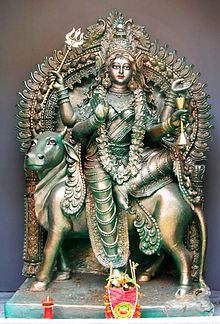
The name comes directly from the Sanskrit word meaning “fair; light-skinned; white; brilliant.” In Hinduism, this is an epithet for the goddess Parvati in her Mahagauri form.

The Kannada and Tamil form is Gowri கௌரி (Tamil) & ಗೌರಿ (Kannada).

Gauri can also be a Finnish male form of the name Gabriel.

Sources

Hansa

The name can have a few origins and meanings. It is primarily an Indian name that comes from the Sanskrit हंस (hamsa), which originally referred to an aquatic bird of passage. The hamsa is described as a mythical bird with knowledge in the Rig Veda and also as the main means of transport for the gods Brahma, Gayatri, Saraswati, and Vishvakarma in Hinduism. In the Ramayana, the hamsa was the bird that carried love letters between Damayanti and Nala. According to Indian legend, arayanna (heavenly hamsa swans) are said to live in the Himalayas where they eat pearls and are able to separate milk from water.

The hamsa bird is also associated with the concept of soham (that I am), as when it is said fast, hamsa starts to resemble soham. The latter is linked with the Brahman, and thus the bird is often associated with the cycle of samsara.

The hamsa bird has also been a popular motif in Indian art for centuries.

Over the centuries, it has interchangeably been translated as a swan, flamingo, goose or duck. It is ultimately from the Proto-Indo-European root word *ǵʰh₂éns, which is also the progenitor of the English word goose, German gans (goose), and the Latin anser (goose).

In India, as a given-name, it is used among all languages groups. The name is primarily used on females but has occasionally been given to males.

The name is also German and Scandinavian female name, being a contracted form of Johanna. Other forms are Hansina and Hansine.

Sources

Bayram, Bajram

  • Origin: Turkic
  • Meaning: “festival; holiday.”
  • Gender: masculine
  • BY-rahm

The name comes directly from the Turkic word referring to any festival or public holiday, whether religious or secular.

Between 1980-2004, the name appeared in the Top 100 Most Popular Turkish Male Names, and peaked at #42 in 1981.

Sources