Rubab

  • Origin: Arabic رباب
  • Gender: Female

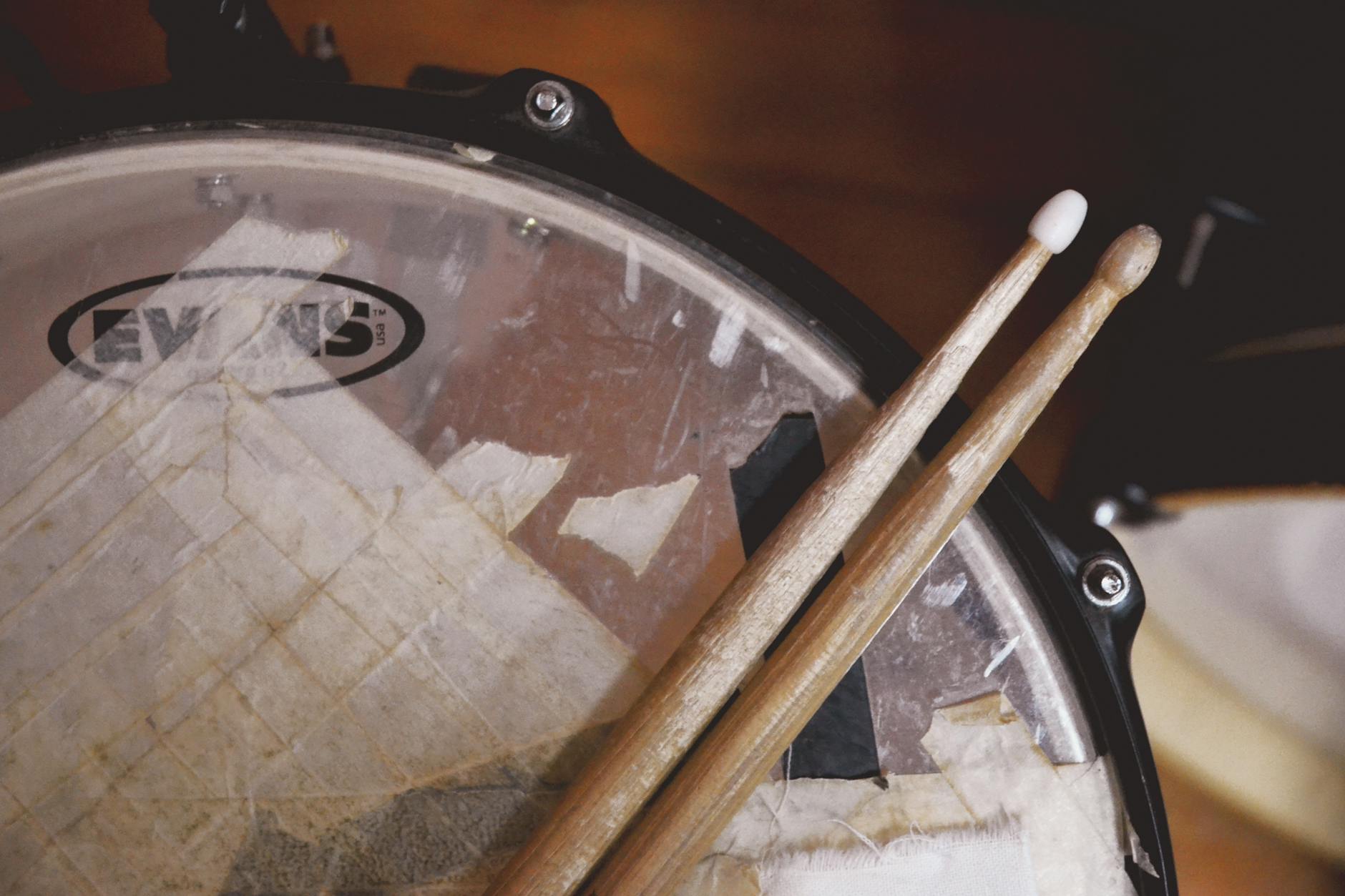
The name comes directly from the Arabic word رباب for a type of stringed instrument.

It was also the name of Rubāb bint Imraʾ al-Qays (b. 7th-century C.E). The wife of Husayn ibn Ali.

It is borne by Pakistani Olympic Swimmer, Rubab Raza (b. 1991).

Another transciption is Rabab.

Other forms include:

  • Rübabə (Azeri)
  • Robabeh ربابه (Persian)
  • Robab رباب (Persian)
  • Rübab (Turkish)

The name is used throughout the Islamic World.

Sources

Aarohi

Photo by Jure u0160iriu0107 on Pexels.com
  • Origin: Sanskrit
  • Meaning: ascending; rising; crescendo.”
  • Gender: feminine
  • Pronunciation: AH-roh-hee

The name comes from the Sanskrit root आरोहण (arohana) meaning “ascending; ladder; rising.” It also refers to a crescendo in music.

It is also sometimes transliterated as Arohi.

A notable bearer is Indian actress, Aarohi Patel (b. 1994).

Sources

Villano, Villana

Photo by Helena Lopes on Pexels.com
  • Origin: Italian
  • Meaning: “farmhand, countryman, peasant”

From the Medieval Italian term, villano, meaning a farmhand, countryman, peasant, ultimately from the Latin villanus, of the same above meaning.

Both its masculine form of Villano and its feminine form of Villana were in common use in Medieval Italy. Its masculine form was born by two 12th-century Italian bishops, and its feminine form was born by Bl. Villana de Botti (1332-1360), an Italian nun and penitent who is currently up for canonization by the Catholic Church.

Both names fell out of use in Italy due to the term later taking on the meaning of a rude or crass person. Villano is however, also an Italian surname. Its gallicized forms of Villain and Villaine appear in sporadic use in France between the 11th-17th centuries.

Villanella is a type of Italian music, which later spun off the Villanelle (derived from pluralized of the former word), which is the name of a type of pastoral poem that became popular in 19th-century England.

Villanelle was used as the name of a character in the 1987 Jeannette Winterson novel, The Passion. It was then used as the name of a character in the Luke Jennings’ thriller novel, Codename Villanelle, which later spun off the BBC series, Killing Eve (2018-2022). Since 2018, the name has appeared in sporadic use in the U.K. being given to 5 baby girls a year.

Theoretically, Villanella could have been a Medieval diminutive form of Villana, and it would then be possible to gallicize the name to Villanelle, but I cannot find any records for either name being used prior to the 21st-century, and Villana’s French form was Villaine, which would more likely to have lend itself to the diminutive form of Villainette.

Masculine forms:

  • Villain (French, rare)
  • Villanus (Late Latin)
  • Willan (Polish, rare)

Feminine forms

  • Villaine (French)
  • Willana (Polish)

Sources

Ezgi

  • Origin: Turkish
  • Meaning: “song; melody; tune.”
  • Gender: feminine
  • Pronunciation: EZ-ghee

The name comes directly from the Turkish word for a song, tune or melody. The name appeard in the Top 100 Most Popular Female names in Turkey between 1989-2011, and peaked at #46 in 1992.

Sources

Megha

  • Origin: Sanskrit मेघ, Hindi मेघपुंज
  • Meaning: “cloud.”
  • Gender: feminine
  • MAY-gah

The name comes directly from the Sanskrit word for “cloud.”

It is also the name of a raga in the Hindustani classical music tradition.

Sources

Cecilia, Cecily

Gender: Feminine
Origin: Latin
Meaning “blind”
Eng (seh-SEE-lee-yuh); Lat (kay-KEE-lyah); Italian (chay-CHEEL-yah).

This four syllable, melodic name has been in usage throughout the Western World since the early Middle Ages. Thanks to the cult of Saint Cecilia, an early Christian martyr, considered to be the patron saint of music and musicians.

Geoffrey Chaucer made the saint a subject of his writings and refers to the name as meaning “lily of heaven”; “the way for the blind”; “contemplation of heaven and an active life”; “as if lacking in blindness”; “a heaven for people to gaze upon.”

However, these were only epithets used by the early English writer describing the wondrous attributes and virtues of the saint, and should not be confused for its real meaning.

The name is a feminine form of the Latin Caecilius which comes from the word caecus meaning blind.

The name was introduced into England after the Norman conquest in the form of Cecily (SES-ih-LEE). The name was very popular in England until the Protestant Reformation where it fell out of usage.

Its Latin counterpart of Cecilia was not introduced into the English speaking world until the 18th-century, afterwards, its early English form of Cecily became quite popular during Victorian England.

As of 2010, its Danish form of Cecilie was the 30th most popular female name in Denmark. Her rankings in other countries are as follows:

  • # 39 (Silje, Denmark, 2010)
  • # 65 (Silje, Norway, 2010)
  • # 277 (Cecilia, United States, 2010)
  • # 385 (Cécile, France, 2009)
  • # 486 (Cecilia, France, 2009)
  • # 741 (Cecelia, United States, 2010)

There is the masculine English form of Cecil. Other forms of the name include:

  • Aziliz (Breton)
  • Cicilia (Corsican)
  • Cecilija (Croatian)
  • Cila (Croatian)
  • Cecílie (Czech: tset-TSEEL-yeh)
  • Cecilie (Danish/Norwegian)
  • Cille (Danish)
  • Sille (Danish)
  • Cecile/Ceciel (Dutch)
  • Cecilia (Dutch/Finnish/German/Italian/Romanian/Spanish/Swedish)
  • Cilla (Dutch/Swedish)
  • Cecelia (English)
  • Säsil (Estonian)
  • Sesilia (Faroese)
  • Selja/Silja (Finnish)
  • Cécile (French)
  • Silke (Frisian/German: ZIL-kə)
  • Síle (Gaelic)
  • Kek’ik’ilia კიკილია (Georgia)
  • Cäcilia/Caecilia (German: tsay-TSEEL-yah or tsay-TSEE-lee-yah)
  • Cäcilie (German: tsay-TSEEL-yə or tsay-TSEE-lee-yə)
  • Zilla (German: originally a diminutive form sometimes used as an independent given name, another diminutive is Zilly)
  • Kekilia (Greek Modern)
  • Sissiilia/Sissii (Greenlandic)
  • Kikilia (Hawaiian)
  • Cecília (Hungarian/Portuguese/Slovak)
  • Cili (Hungarian/Slovene)
  • Szöszill (Hungarian)
  • Seselía, Sesilía, Sesselía, Sessilía (Icelandic)
  • Sisilia (Indonesian)
  • Sheila (Irish)
  • Caecilia (Latin)
  • Cecilė/Cilė(Lithuanian)
  • Cissolt (Manx: SIS-solt)
  • Sidsel (Norwegian/Danish)
  • Silje (Norwegian/Danish)
  • Sissel (Norwegian/Danish)
  • Cilgia (Romansch)
  • Tsetsiliya (Russian)
  • Sìleas (Scottish)
  • Cecília (Slovakian)
  • Šejla (Slovakian)
  • Cecilija (Slovenian)
  • Cilika (Slovenian)
  • Cilka (Slovenian)
  • Sisel (Yiddish)
  • Zisel (Yiddish)

Male forms include

  • Cecil (English)
  • Cecilio (Italian/Spanish)
  • Caecilius (Latin)
  • Cecilijus (Lithuanian)
  • Cecilián (Slovakian)

Czech diminutive forms are: Cecilka, Celia, Cilia, Cilka and Cilinka.

English diminutive forms are: Cece, Celia and Sissy.

The designated name-day is November 22nd.

Ava

Gender: Feminine
Origin: German/Persian
Eng (AY-vah); Germ/Per (AH-vah)

This vintagy, two syllable name has risen way up to the US top 10, coming in at # 5 most popular female name in the United States, (2010).

The name was relatively rare before 2000, and came out of nowhere, thanks, no doubt, to such Hollywood trendsetters as Heather Locklear and Reese Witherspoon, both of whom used the name for their daughters in the late 1990s. Both actresses named their daughters in honour of actress, Ava Gardner (1922-1990), whose full name was Ava Lavinia Gardner.

The name has several different origins and meanings, the beloved English counterpart is probably derived from a medieval Frankish name, which was borne in the 9th-century by a saint and the daughter of King Pepin II. In this case, it might be derived from the Germanic element avi meaning “desired.” Other sources have related it to the Frisian awa (water) or from the old Saxon, aval (power).

Another notable bearer is Ava of Melk (1060-1127), a Medieval poetess credited as being the first German language writer. Its recent popularity in German-speaking countries may in part be in tribute to her millennial anniversary and in part to Hollywood.

The name is also a popular Persian female name and is commonly used in Iran and throughout Central Asia. It can either be related to the Persian meaning, “sound, voice” or it may be connected with the Avestan word meaning “first.”

In Ireland and Scotland, it is sometimes used as an anglicized form of Aoife.

Its rankings in other countries are as follows:

  • # 3 (Scotland, 2010)
  • # 6 (Canada, B.C., 2010)
  • # 6 (Ireland, 2010)
  • # 11 (England/Wales, 2010)
  • # 14 (Australia, 2010)
  • # 20 (Northern Ireland, 2010)
  • # 188 (Germany, 2011)
  • # 246 (France, 2009)
  • # 444 (the Netherlands, 2010)

Linas

flax_flowers_good_bigGender: Masculine
Origin: Lithuanian
Meaning: “flax”
(LIN-ahs)

The name is fairly popular in Lithuania, the name comes directly from the Lithuanian word for flax, linum usitatissimum, and it could also be a form of the Greek name Linos meaning “comfort song.” In the Lithuanian case, it is most likely that the name has its origins in indigenous Baltic roots. Its feminine forms is Linė (LIN-ay) and Lina (LIN-ah). The name is borne by Lithuanian basketball player Linas Kleiza (b.1985). Its designated name-day is September 23. There is a Spanish form: Lino.

Jolana

  • Gender: Feminine
  • Origin: Czech/Slovak
  • (yoh-LAH-nah)

I could probably just write about Yolanda and include Jolana in a small snippet of a paragraph, but once in a while, variants of names deserve their own due. Jolana is probably one of them. Jolana is just a Czech/Slovak form of Yolanda, which in turn is derived from a medieval French name meaning “violet.” For a guitar player, the sound of Jolana might hold some nostalgia. Between 1958 and 1989, Jolana was a Czechoslovakian electric guitar company. They were known for their rather inexpensive models, making them a popular item for Western musicians just starting out in their careers. George Harrison and Eric Clapton owned a Jolana at one time or another. With the fall of the Soviet Union, Jolana Electric Guitars sort of dissipated into oblivion or either into guitar collector’s haven. The originals are now a popular collectors items. Recently, a Czech company by the name of NBE started reproducing Jolana models. Despite it being the name of a well-known company, it is still a prevalent female given name in its home countries. Its designated name day is September 15th.