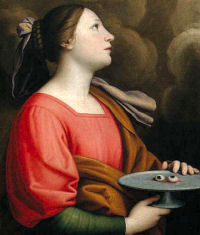
Michael

Gender: Masculine
Origin: Hebrew
Meaning: “who is like God?”
Eng (MI-kel)

One of the most prevalent male names in the Western World, and to a certain extent, the Middle Eastern world, the name is derived from a rhetorical Hebrew question מִיכָאֵל (Mikha’el) meaning “who is like God?” or “who is like El” the answer being that no one is like God.

This is in reference to the legend of when one of God’s most powerful angels, (Lucifer depending on the theological tradition), became so arrogant and prideful that he built an army of angels in order to overthrow the throne of God, thinking that he himself could be like God, Michael is believed to have smite the fallen angel, asking him the question “who is like God?” after casting him out of the gates of heaven.

According Mormon saint theology, “who is like God?” refers to the idea that Michael was Adam before he was created by God in human form. The meaning of the name explains that all humans are created in God’s image.

Michael is believed to be a powerful angel in Islamic, Christian and Jewish tradition. He appears several times in the Bible, being mentioned in the Book of Daniel, the Book of Jude and the Book of Revelations. He even appears in the apocryphal Book of Enoch.

In Roman Catholicism, Michael is referred to as St. Michael the Archangel and is considered a powerful saint, especially powerful against demonic attacks and is the patron saint of chivalry, the warrior, police officers, paratroopers, firefighters, soldiers and fighter pilots. Among German Catholics, he is the patron saint of Germany, and in Belgium, he considered the patron saint of Brussels.

In the Eastern Christian tradition, is known as Taxiarch Archangel Michael or simply as Archangel Michael.

In Jewish tradition, Michael is the protector and heavenly warrior of Israel and the advocate of the Jews.

In Islam, he is mentioned in the Qu’ran once, in Sura 2:98 and that Michael was a good angel who stood on the left hand of God (Allah’s) throne.

The archangel is also important in the Bahai faith and the New Age religions.

He plays a role in John Milton’s epic poem, Paradise Lost.

There is no reason to explain why Michael is so popular, especially in the U.S. As of 2008, Michael was the 2nd most popular male name. He was moved down from the 1st position down to the 2nd position back in 1999, when he was overthrown by Jacob.

Between the years 1954 and 1999, Michael was the most popular male name. The lowest that Michael ever ranked in U.S. naming history was in 1892 when he came in as the 59th most popular male name in the United States. In other countries, Michael’s rankings are as follows:

  • # 36 (Australia, 2007)
  • # 36 (Canada, B.C. 2008)
  • # 4 (Denmark, 2009)
  • # 52 (England/Wales, 2008)
  • # 10 (Ireland, 2007)
  • # 239 (the Netherlands, 2008)
  • # 33 (Scotland, 2008)

The Michael form is also used in Afrikaans, Danish, Czech, German and Ripoarisch.

Other forms of the name include:

  • Mëhill/Mhill (Albanian)
  • Mighel (Amazigh/Moroccan)
  • Mikhael/Mikail ميخائيل‎, (Arabic/Coptic)
  • Miguel (Aragonese/Galician/Portuguese/Spanish: mee-GEL)
  • Mikael Միքաել (Armenian)
  • Micael (Asturian)
  • Mikayıl (Azeri)
  • Mikel (Basque)
  • Mitxel (Basque)
  • Miquèu (Bearnais/Occitanian/Gascon/Provençal)
  • Mickaël (Breton)
  • Mikael (Breton/Finnish/Icelandic/Norwegian/Swedish: a Finnish diminutive form is Mika)
  • Mihail Михаил (Bulgarian/Russian: Misha is the most common diminutive form)
  • Michjeli (Calabrian: Chjeli is the diminutive mee-KYAY-lee)
  • Miquel (Catalan: mee-KEL. Quelo is a common diminutive form)
  • Myghal (Cornish)
  • Michal (Czech/Slovak: mee-HAHL: 15th most popular male name in the Czech Republic-2007)
  • Mihajlo/Mihovil (Croatian: diminutive form is Miho)
  • Mihail Михаил (Croatian/Serbian)
  • Mikkel (Danish/Norwegian/Swedish: 6oth most popular male name in Norway-2007)
  • Maikel (Dutch: MY-kel)
  • Michaël (Dutch/Frisian: mee-kah-EL)
  • Michiel (Dutch: 307th most popular male name in the Netherlands-2008)
  • Miikael/Mikhel (Estonian)
  • Mikko (Finnish)
  • Michel (French: MEE-shel)
  • Michêl (Fruilian)
  • Mícheál (Gaelic-Irish)
  • Mìcheal (Gaelic-Scotch)
  • Micheil (Gaelic-Scotch)
  • Mikheil მიხეილი (Georgian)
  • Mikhael/Mikhalis Μιχάλης/Μιχαήλ (Greek: Μίκης (Mikis) is the common pet form))
  • Mikala (Hawaiian)
  • Micha’el מִיכָאֵל‎, (Hebrew)
  • Mihály (Hungarian: 60th most popular male name in Hungary-2008. Misi and Miska are the most common pet forms. MEE-hie)
  • Mikhael (Indonesian)
  • Michea (Italian: obscure/archaic mee-KAY-ah)
  • Michele (Italian: mee-KAY-lay)
  • Michelino (Italian: obscure)
  • Miķelis/Mihails (Latvian)
  • Mykolas (Lithuanian)
  • Mikail (Malayalam)
  • Mikiel (Maltese)
  • Mikaere (Maori)
  • Migueltzin (Nahuatl)
  • Michè (Neopolitan)
  • Miché/Michi (Norman)
  • Miqueu (Occitanian)
  • Mikhailu Мїхаилъ (Old Church Slavonic)
  • Michał (Polish/Sorbian: mee-HOW)
  • Mihai/Mihail (Romanian: diminutive form is Mihaita)
  • Micheli/Mikelli/Migali (Sardinian)
  • Mihailo Михаило (Serbian)
  • Miceli (Sicilian: Celi is a diminutive form. mee-KAY-lee)
  • Miha (Slovene: originally a diminutive form of Mihael, now used exclusively as an independent given name, it was the 11th most popular male name in Slovenia-2005)
  • Mihael (Slovene: 86th most popular male name in Slovenia-2005)
  • Mikâil (Turkish)
  • Mikhailo/Mykhailo Михайло (Ukrainian)
  • Michełe (Venetian)
  • Meical (Welsh)

English diminutive forms are: Mick, Micky, Mike and Mikey. German diminutive forms are Maik (pronounced like Mike), Maiki, Michi and Micki. A Swiss-German dialectical diminutive is is Michu (Bern)

There are also forms that mean “Michael Archangel” and are used in reference to the angel. These are:

  • Michelangelo (Italian)
  • Michelarcangelo (Italian)
  • Michelangiolo (Romansch)
  • Mihangel (Welsh)

Michelangela is an Italian feminine form.

An Italian smush is Michelantonio.

The feminine form of Michelle (an English corruption of the French feminine form Michèle), has been used in the English speaking world since the early 20th-century.

It currently ranks in as the 103rd most popular female name, and the highest it peaked was # 2, in the years 1968, ’69 and again in ’71, ’72.

Its Latinate feminine form has recently sparked in popularity as well (see Michaela for more details)

Other feminine forms include:

  • Micaela (Asturian)
  • Mikelle (Basque)
  • Miquèla (Bearnais)
  • Mikaela (Breton)
  • Miquela (Catalan/Occitanian/Gascon/Provençal)
  • Michelle (English/German: a phonetic corruption of the French Michèle)
  • Michèle (French)
  • Michéline (French: mee-shay-LEEN)
  • Michaelina/Michaeline (Irish: an Irish corruption of the French Micheline and the Italian, Michelina, common diminutive form is Micki/Micky. MY-keh-LEEN-ah; MY-keh-LEEN)
  • Michela (Italian: mee-KAY-lah)
  • Michelina (Italian: mee-kay-LEE-nah)
  • Michalina (Polish: mee-ha-LEE-nah: Michalinka and Misia are the diminutive forms)
  • Miguela (Spanish)
  • Miguelina (Spanish)

The designated name-day for Michael is September 29.
Jacob, James, Jacqueline

Gender: Masculine
Origin: Hebrew
Meaning: debated
Eng: (JAKE-ub); (JAMEZ)

Since it is the beginning of the year, I thought I would start doing the most popular names of 2008.

In the United States, Jacob is currently the most popular male name, coming in at # 1 in 2008.

Actually, Jacob has held on to the number 1 spot, for the last decade, since 1999. The lowest that Jacob has ever ranked in U.S. naming history was back in 1967 ranking in at # 353.

Jacob’s rankings in other countries are as follows:

  • # 21 (Australia, 2007)
  • # 3 (Canada, B.C., 2008)
  • # 20 (England/Wales, 2008)
  • # 94 (Ireland, 2007)
  • # 122 (the Netherlands, 2008)
  • # 89 (Norway, 2007)
  • # 79 (Scotland, 2008)
  • # 29 (Sweden, 2007)

Jacob is a Biblical name of Hebrew origin, borne by an important Jewish patriarch, the meaning of the name is somewhat debated. Though many sources agree that it is derived from the Hebrew ‎עקב (aqabaqav), which means “to seize by the heel”, “to circumvent” or ” to restrain” and may possibly be a word-play of the Hebrew עקבה‎ (iqqebahiqqbah) meaning, “heel,” since in the Bible, Jacob was born holding onto the heel of his twin brother Esau. In Hebrew, the act of holding the heel was associated with deception, so the name has been suggested to take on the meaning of “deception.”

Other sources have suggested it to mean “may God protect”, being a derivative of the Hebrew יַעֲקֹבְאֵל (Ya’aqov’el).

In the Bible, Jacob was the younger twin son of Rebekah and Isaac, by deceiving his elder brother Esau into selling his birthright, Jacob received his father’s blessing before Isaac’s death.

Jacob later became the father of the twelve tribes of Israel.

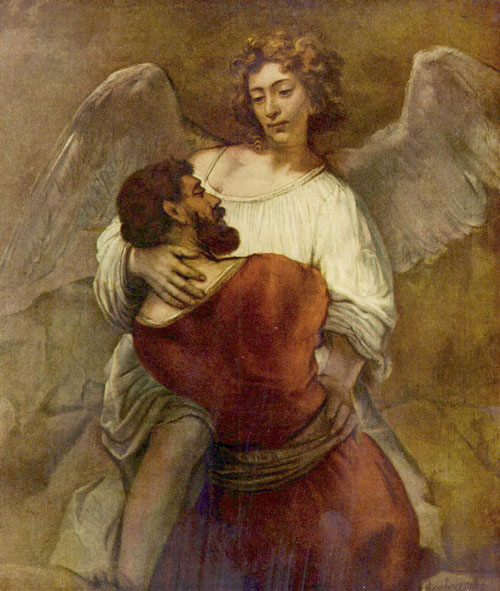
His episode of dreaming of a ladder to heaven is called “Jacob’s Ladder” and his wrestling with the angel, after which God gave Jacob the name of Israel ,meaning, “struggles with God” or “God contended.”

The name later appears in the New Testament by several other characters, one of them being the name of the Apostle James, (also known as Jacob since both names are related).

In English, both Jacob and James are derived from the Biblical Greek, Ιακωβος (Iakobos) later being latinized to Iacomus, (from which James is an anglicized a corruption).

James and Jacob have been used in England interchangeably since the Middle Ages, James became a common name in English and Scottish royalty.

Currently, James is the 17th most popular male name in the United States, the highest he has peaked was between 1940 and 1952, coming in at # 1. The lowest he has peaked was at # 19 in 1999 and then again in 2001.

James has never detracted from the U.S. top 20.

In other countries, his rankings are as follows:

  • # 8 (Australia, 2007)
  • # 10 (Canada, B.C., 2008)
  • # 9 (England/Wales, 2008)
  • # 5 (Ireland, 2007)
  • # 332 (the Netherlands, 2008)
  • # 5 (Scotland, 2008)

The designated name-days for Jacob are December 20 (France), July 25.

Other forms of both names include:

  • Jakob (Afrikaans/Danish/Dutch/German/Norwegian/Slovene/Swedish: 12th most popular male name in Slovenia-2005; 39th most popular in Norway-2007 and the 3o9th most popular in the United States-2008)
  • Japku/Jakup/Jakub/Jakob/Jakov (Albanian)
  • Ya’eqob (Amharic/Ethiopian)
  • يعقوب Yaʿqūb/Yakub (Arabic)
  • Chaime (Aragonese)
  • Ya`iqob/Ukba/Ukva ያዕቆብ (Aramaic)
  • Hagop/Hakob/Jakob Հակոբ/Յակոբ (Armenian)
  • Aqob/Jakobos (Assyrian)
  • Yəqub (Azeri)
  • Jacobe/Jagoba/Jakes/Jakoma/Yaku/Yagoba/Xanti (Basque)
  • Jåggl (Bavarian)
  • Jakub/Jakaŭ/Jakuš (Bielorusian)
  • Jakub (Bosnian/Polish/Slovak/Slovene/Sorbian: common Polish diminutive forms are Kuba and Kubuś)
  • Jacut/Jagu/Jagut/Jak/Jakez/Jakezig/Jakou (Breton)
  • Yakov/Zhekov Жеков (Bulgarian)
  • Iacovo/Iacoviello/Coviello (Calabrian: Southern Italian dialect)
  • Jacob (Catalan/Dutch/English/Lexumburgish/Limburgish/Portuguese)
  • Jaume/Jaumet (Catalan)
  • Jacca/Jago/Jamma/Jammes (Cornish)
  • Giacumu (Corsican)
  • Jakov/Jako Јаков (Croatian/Serbian/Slovene)
  • Jákob (Czech/Hungarian: Kuba and Kubík are the diminutive forms)
  • Jacobus/Jakobus (Dutch/Limburgish: Jacobus is currently the 233rd most popular male name in the Netherlands-2008)
  • Coos/Kobe/Kobus/Jaap (Dutch: initially diminutive forms, used as independent given names)
  • Coby (English: originally a diminutive form, now used as an independent given name. He currently ranks in as the 832nd most popular male name-2008)
  • Jaagup/Jaak/Jakkab/Jakkob/Jakob (Estonian)
  • Jákup (Faroese)
  • Jaakob/Jaakoppi/Jaakko (Finnish: Jaska is the diminutive form)
  • Jacopo (Florentine: Northern Italian dialectical form, Lapo and Puccio are diminutives)
  • Jacques (French)
  • Iaquet/Jaco/Jacot/Jacquot/Jacquet (French: archaic, medieval forms)
  • Jacquemin/Jacqueminot (French: archaic, medieval forms)
  • Jabbo/Coob (Frisian)
  • Jakip (Frisian)
  • Iacun (Fruilian)
  • Sacun (Fruilian: literally meaning “Saint James.”)
  • Xacobe/Xaime (Galician)
  • Iakob იაკობ (Georgian)
  • Iákovos Ιακωβος/Iakóv Ιακώβ/Yángos Γιάγκος (Greek)
  • Iakopa/Iakopo/Kimo (Hawaiian)
  • Akiba/Akiva עֲקִיבָא (Hebrew)
  • Ya’akov יעקב (Hebrew)
  • Akkoobjee (Hindi)
  • Jakab (Hungarian)
  • Yakob/Yakobus (Indonesian)
  • Seamus/Séamus (Irish-Gaelic: SHAY-mus: Séimí and Séimín are diminutive forms. Currently the 748th most popular male name in the United States)
  • Giacobbe (Italian)
  • Giacomo (Italian: more common form)
  • Jacopo (Italian: archaic form)
  • Aqo/Ya’qub (Kurd)
  • Iacobus/Iacomus/Jacobus (Latin)
  • Jēkabs (Latvian)
  • Jaokob (Limburgish)
  • Cobus/Keub/Keube/Kuub/Kuèb (Limburgish: initially diminutive forms, now used as independent given names)
  • Zjaak/Jaco (Limburgish: initially diminutive forms, now used as independent given names)
  • Jokūbas (Lithuanian)
  • Jakov/Jakle/Jako (Macedonian)
  • Chacko/Yakob (Malayalam)
  • Ġakbu (Maltese)
  • Jayms (Manx)
  • Hemi (Maori)
  • Sak (Mohawk)
  • Jacuvo/Jacuviello/Cuviello (Neopolitan: Southern Italian dialect)
  • Gemme/Gemmes/Jacque (Norman)
  • Jacme (Occitanian/Provençal)
  • Jammes/Jaume (Occitanian)
  • Iakovu Іакѡвъ (Old Church Slavonic)
  • Yaghoub (Persian)
  • Giaco (Piedmontese: Northern Italian dialect)
  • Diogo (Portuguese: variation of Tiago)
  • Iago (Portuguese)
  • Jacó (Portuguese)
  • Jácomo (Portuguese)
  • Jaime (Portuguese/Spanish: Jaime is currently the 321st most popular male name in the United States-2008. He is the 97th most popular in Chile-2006 and the 33rd most popular in Spain-2006)
  • Thiago (Portuguese-Brazilian)
  • Tiago (Portuguese-European: a contraction of the Spanish Santiago, which literally means “Saint James”)
  • Köbes (Ripoarisch)
  • Iacob (Romanian)
  • Jacomo (Romanesque: a Northern Italian dialect spoken in the region of Tuscany)
  • Giachem/Giachen/Jachen (Romansch)
  • Giacumin (Romansch)
  • Yakov Иаков/Яков (Russian: Yasha is a diminutive form)
  • Iakopo (Samoan)
  • Hamish (Scottish-Gaelic: an anglicization of Seumas)
  • Jaikie (Scottish-Gaelic)
  • Jamie (Scottish: low lands Scots contraction, currently the 669th most popular male name in the United States; the 17th most popular male name in Scotland-2008; the 51st most popular in England and Wales-2008; 17th most popular in Ireland-2007; the 12st most popular in the Netherlands and the 96th most popular in Australia)
  • Seumas (Scottish-Gaelic)
  • Simidh (Scottish-Gaelic)
  • Jaka (Slovene: this was the 10th most popular male name in Slovenia-2005)
  • Diego (Spanish: a contraction of Santiago. Diego currently ranks in as the 68th most popular male name in the United States-2008. In Belgium he is the 48th-2006; in Chile, the 7th-2006; in France the 78-2006. In the Netherlands he comes in as the 189th most popular male name-2008 and in Spain he is the 10th most popular male name-2006 )
  • Jacobo (Spanish: archaic form: Jaime or Diego are the preferred forms)
  • Santiago (Spanish: literally meaning “Saint James” the name is usually bestowed in honour of St. James the Apostle. Currently, it is the 171st most popular male name in the United States. In Chile, he is the 55th most popular-2006 and in Spain, the 66th most popular-2006)
  • Yago (Spanish: archaic form)
  • Yakubu (Swahili)
  • Köbi (Swiss-German dialectical diminutive form, occasionally used as an independent given name)
  • Yaqub ܝܰܥܩܽܘܒ (Syrian)
  • Yakup (Turkish: Yascha is a diminutive form)
  • Yakiv Яків (Ukrainian)
  • Iago/Siam (Welsh)
  • Coppel/Kapel/Koppel (Yiddish)
  • Yankev/Yankl/Yankel/Yankele (Yiddish)

Older Polish forms include: Jakub, Jakób, Jakob, Jakow, Jekub, Jokob, Jokub and Jakusz.

Less common Polish diminutive forms include: Jakuszek, Jakubek, Jakubko, Kusz, Kuszęt, Kubek, (in modern Polish this means “cup” and has fallen out of usage as a diminutive form of Jacob), and Jaksa.

English diminutives of Jacob include: Jack, Jake, Jay, Cobb, Coby and Cubby. Diminutives for James include: Jack, Jamie, Jay, Jeb, Jem, Jemmy, Jim and Jimmy.

A Danish and Dutch diminutive form is Ib and Jeppe, Sjaak and Sjakie are also Dutch diminutives.

Slovene diminutive forms include: Jak, Jakec, Jaki, Jaša, Žak and Žaki.

Jacob has spawned various feminine forms that are worth noting.

There is the French, Jacqueline, (said like JACK-eh-lin), in English, but pronounced as (ZHAHK-e-LEEN) in French.

The name has a long history of usage in the English speaking world and is also used the German-speaking world and is occasionally used in Spanish-speaking countries.

Jacqueline is currently the 152nd most popular name for females in the United States. The highest she ranked was in 1961 coming in as the 37th most popular female name.

For Americans, a notable bearer is former First Lady and fashion trend-setter, Jacqueline Bouvier Kennedy Onassis.

A common English diminutive form is Jackie.

Other feminine forms include:

  • Jakuba (Czech)
  • Bine (Danish/German)
  • Jacobine/Jakobine (Danish/Norwegian/German/Swedish)
  • Jacoba/Coba (Dutch)
  • Jacobien (Dutch)
  • Jacomina (Dutch)
  • Jacquetta (English)
  • Jacquemine (French: archaic form)
  • Jacquette (French)
  • Jakoba/Jakobe (German)
  • Yaakova (Hebrew)
  • Giachetta (Italian)
  • Giacobba (Italian)
  • Giacometta (Italian)
  • Giacoma/Giacomina (Italian)
  • Jacobella/Jacomella/Jacovella (Italian: obscure/archaic forms)
  • Iacobina (Latin)
  • Jakubina (P0lish)
  • Żaklina (Polish: corruption of the French, Jacqueline)
  • Jacobina (Romansch)
  • Jacobea (Romansch)
  • Jamesina/Jamesine (Scottish)
  • Jakoba/Jakobina (Slovene)
  • Jakica/Jakovica (Slovene: initially a diminutive forms, used as independent given names yah-KEET-sah, yah-koh-VEET-sah)
  • Žaklin/Žaklina (Slovene: corruptions of the French, Jacqueline zhahk-LEEN; zhahk-LEE-nah)
  • Jacquelina (Spanish: corruption of the French, Jacqueline)

Ruth

Gender: Hebrew
Origin: Hebrew
Meaning: “companion.”
Eng (ROOTH)

The name is derived from the Biblical Hebrew word רְעוּת (re’ut), which means “friend; companion.”

In the Old Testament, the name is borne by the central character of the Book of Ruth, a Moabite woman who later became a loyal and faithful Jew. She is considered the ancestress of King David, and in Christian tradition, she is also considered an ancestor of Jesus.

Since Ruth is considered an ideal heroine in Judaism, the name has always been common in the Jewish community, among Christians, the name did not catch on until after the Reformation, especially in the Anglo-phone world, where the name became especially common among Puritans.

The highest the name ever ranked in U.S. naming history was back in 1893, where she came in as the 3rd most popular female name.

Currently, she ranks in as the 362nd most popular female name.

In other countries, her rankings are as follows:

  • # 94 (Ireland, 2006)
  • # 488 (the Netherlands, 2008)

The Ruth form is also used in Catalan, Danish, Dutch, French, German, Norwegian and Swedish.

Other forms include:

  • Rut (Afrikaans/Aragonese/Catalan/German/Hungarian/Indonesian/Italian/Javanese/Maltese/Polish/Spanish/Swedish)
  • Rút (Czech)
  • Ruut (Finnish/Estonian)
  • Rutt (Estonian)
  • Routh Ρουθ (Greek)
  • Rut רות (Hebrew Modern: In Israel, Ruti is the common diminutive form)
  • Rúth (Hungarian)
  • Rǘt (Irish Gaelic)
  • Ruthu (Kiswahili)
  • Rūta (Lithuanian: also coincides with the Lithuanian word for the rue plant)
  • Rūtenė (Lithuanian)
  • Ruthi Рѹѳь (Old Church Slavonic)
  • Ruta (Polish/Croatian)
  • Rute (Portuguese)
  • Ruf Руфь (Russian)
  • Ruthven (Scottish)
  • Rutu (Yoruban)

A common English diminutive, which is also sometimes bestowed as an independent given name is Ruthie. Ruthanne/Ruth-Anne is a common English compound form.

A Lithuanian masculine form is Rūtenis.

The name was borne by former first daughter of the United States, “Baby” Ruth Cleveland, daughter of President Grover Cleveland (1891-1904)

The designated name-day is January 4.

Lucia, Lucille, Lucy, Lucian, Lucius

Origin: Latin
Meaning: “light.”

Today is December 13, said to be the darkest night of the year, and also the feast of St. Lucy, whose name appropriately means “light.” Contrary to popular belief, Lucy is the English form of Lucia, and is not a nickname that later became an independent given name, in fact, Lucy was fairly common in Medieval England, particularly after the Norman Conquest in 1066. The latinate form of Lucia, is a feminine version of the Latin, Lucius, which was a Roman praenomen derived from the Latin word lux meaning “light.”

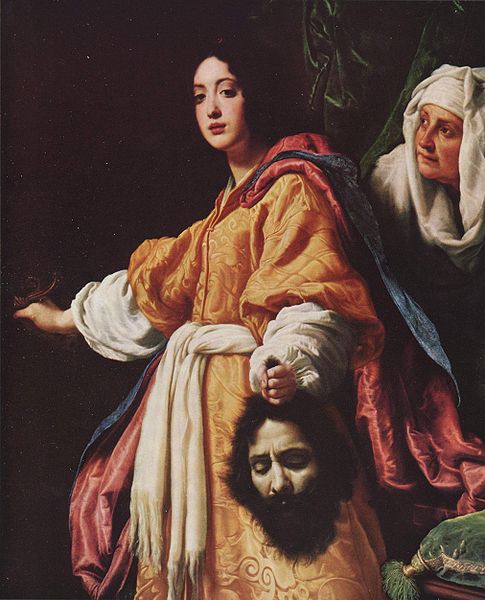
The name was popularized by a 4th-century Sicilian martyr, who, according to legend, was a beautiful Christian woman of noble lineage. She was particularly known for her striking eyes, and when a local pagan suitor tried to force her to marry him, she spent the entire night gouging her own eyes out, presenting them on a platter to the lovelorn nobleman the next day, proclaiming that if he loved her eyes so much, he could marry them instead of her. St. Lucy was immediately tortured and put to death and as a result, she is considered the patron saint of the blind.

Her feast day in Sweden is an especially popular celebration. Each year a girl is chosen to represent the saint, while leading a procession of singing white clad men and women. In older traditions, it was usually the oldest girl in the household who was picked, but since becoming a school or city festival, the title is either given to the prettiest girl or the most popular girl, sometimes done by popular demand of the populace, or school, in which the procession is held. The Sankta Lucia wears a wreath of lit candles upon her head and a red sash around her waist, afterwards, glög and lussekatte, (a type of Saffron biscuit),are served. Its popularity in Scandinavia may be due to some ancient pre-Christian roots, in which the early Germanic tribes would fend off the dark wintery nights with a procession of candles, its true origins have been somewhat lost to history, but there is a Scandinavian legend that claims that Saint Lucy appeared to a band of lost vikings, and lead them back safely to shore. Thereafter, Lucy became a popular saint among the Scandinavians.
The holiday is also celebrated in some parts of the United States, especially in Minnesota, where there are large Scandinavian enclaves, as well as in Norway, and among the Swedish speaking populations of Finland and in Estonia and Latvia.

Lucille is a derivative of the Latin feminine name, Lucilla, which was an old Latin diminutive form of Lucia. It was popularized as an independent given name, early on, due to the popularity of a 3rd century Roman martyr.

A modern famous bearer was Lucille Ball (1911-1989), a famous American actress and comedienne, known for her popular sitcom, I Love Lucy.

Lucille currently ranks in as the 613th most popular female name in the United States, she did experience a peak in popularity a the beginning of the 20th century, ranking in the highest back in 1919, coming in as the 27th most popular female name.

Its masculine form of Lucius, was a fairly common Roman praenomen during the Roman Republic and Roman Empire. It was borne by two kings of Etruria, and it was also borne by the Roman statesman, orator and philosopher, Lucius Annaeus Seneca. Lucius is also found in the New Testament, the name of a minor character, an Antiochan Christian. In addition, it was borne by three popes and a 3rd century male saint.

Lucianus, another male praenomen, is related to Lucius, but with slightly different meaning, the meaning refers to one who carries or bears light.

As of 2008, Lucian was the 810th most popular male name in the United States.

Other forms of the names include:

Lucia

  • Drita (Albanian: literally means “light” in Albanian, it is sometimes used as an alternative for Lucia).
  • Luzía (Aragonese)
  • Lusia (Breton)
  • Llúcia (Catalan)
  • Lucija Луција (Croatian/Latvian/Serbian: loot-SEE-yah)
  • Jasna (Croatian/Serbian: literally means “light” occasionally used as an alternative for Lucy. YAHS-nah)
  • Lucie (Czech: LOOT-syeh)
  • Lucia (Danish/Dutch/Corsican/Estonian/Norwegian/Romanian/Slovakian/Slovene/Swedish)
  • Luus (Dutch/Limburgish)
  • Lucy/Lucia (English: older pronunciation of the latter is LOO-shah, and in modern times, often pronounced loo-SEE-ah)
  • Lusia (Faroese)
  • Lukki/Lukka (Finnish)
  • Luusi/Luusia (Finnish)
  • Luce/Lucie (French)
  • Lucette (French: initially a diminutive form, now used as an independent given name, though considered very dated)
  • Luzie (Fruilian)
  • Lucia/Luzei/Luzia/Luzie/Luzi (German)
  • Zeia (German: old Pet form of Luzei, very obscure)
  • Loukia Λουκία (Greek: Modern)
  • Luca/Lúcia (Hungarian: former is pronounced LOOT-sah)
  • Lúcía/Lúsía (Icelandic)
  • Luce (Italian: LOO-chay)
  • Lucetta/Lucietta (Italian: initially diminutive forms, now used as independent given names)
  • Lucia (Italian: loo-CHEE-ah)
  • Luciella (Italian: originally a diminutive form, now used as an independent given name)
  • Lux (Latin: directly from the Latin word for “light” it is occasionally used as a given name in the English speaking world, and it was further popularized by the Eugenides book The Virgin Suicides, in which the lead character is named Lux Lisbon).
  • Liucija (Lithuanian: lyoot-SEE-yah).
  • Luċija (Maltese: loo-CHEE-yah)
  • Ruhia/Ruihi/Ruruhi (Maori)
  • Løssi (Norwegian: dialectical form of Lucy, from the regions of Møre and Romsdal).
  • Lucja (Polish: LOOT-syah)
  • Łucja (Polish: WOOT-syah)
  • Lúcia (Portuguese: LOOS-yah)
  • Luzia (Portuguese: loo-ZEE-uh)
  • Luziya/Svetlana (Russian: the latter is from the Old Slavonic meaning “light” and is sometimes used as an alternative form Lucy)
  • Liùsaidh (Scottish)
  • Lucìa (Sicilian)
  • Lucía (Spanish/Galician: loo-THEE-ah in Iberian Spanish and loo-SEE-ah in Latin American Spanish)
  • Luz (Spanish/Portuguese: literally ” light” in Spanish and Portuguese, it has been used as a variation for the Latin Lucia. LOOTH-Iberian Spanish LOOS-Latin American Spanish, LOOZH-Portuguese)
  • Luci (Swedish/Norwegian)
  • Lussa (Swedish: very old and obscure form of Lucy)
  • Lukia/Lucia (Ukrainian)
  • Lùsia (Venetian)
  • Lleucu (Welsh)

Lucian

  • Luken (Basque)
  • Lukian (Breton/Danish/German/Norwegian/Polish)
  • Lusian (Breton)
  • Llucià (Catalan)
  • Lucian (English: LOO-shen)
  • Lukianos (Finnish)
  • Lucien (French)
  • Lukianosz (Hungarian)
  • Lúkíanos (Icelandic)
  • Luciano (Italian/Galician/Portuguese/Spanish: Italian diminutives are Ciano, Luci and Lucio)
  • Lucianus (Latin/Dutch)
  • Lukiāns (Latvian)
  • Lukianas (Lithuanian)
  • Lucjan/Łucjan (Polish)
  • Luchian/Lucian (Romanian)
  • Lukián/Lucián (Slovakian)

Feminine forms are:

  • Liczenn (Breton)
  • Lucienne (French: luy-SYEN)
  • Luciana (Italian/Latin/Portuguese/Romanian/Spanish: Italian loo-CHAH-nah, Latin loo-KYAH-nah, Portuguese loo-SYAH-nah, Spanish: loo-THYAH-nah or loo-SYAH-nah)
  • Luciane (Brazilian Portuguese: loo-SYAH-nay)

Lucilla

  • Lucille/Lucile (French; English)
  • Lucilla (Italian/Latin: loo-CHEEL-lah in Italian)
  • Lucélia (Portuguese)
  • Lucília (Portuguese)
  • Lucila (Spanish/Portuguese)

An Italian masculine form is Lucilio

Lucius

  • Lucius (English LOO-shus)
  • Luvcie (Estruscan)
  • Lucius/Luzius (German)
  • Lúciusz (Hungarian)
  • Lucietto (Italian: obscure)
  • Lucido/Lucidio (Italian: obscure)
  • Lucio (Italian: loo-CHEE-o)
  • Luciolo (Italian: obscure)
  • Lucione (Italian: obscure)
  • Lugh (Manx)
  • Ruhiu (Maori)
  • Lucjusz/Łucjusz (Polish: LOOT-syoosh)
  • Lúcio (Portuguese)
  • Luci (Romanian)
  • Luzi (Romansch)
  • Lucio (Spanish: loo-THEE-o, loo-SEE-o)

Judah/Jude/Judith

Origin: Biblical Hebrew
Meaning: “celebrated; praise.”

Judah is a Greek form of the Hebrew name, Yehuda יְהוּדָה, which is the name of several characters in the Old Testament and at least two figures in the New Testament. In the Old Testament, the original Judah was said to be the fourth son of Leah and Jacob, the progenitor of the Judah tribe, and he is also traditionally believed to be a direct ancestor of Jesus. In Biblical Greek, Judah, Judas and Jude were all interchangeable, since in Greek, Yehudah was translated as Ioudas, but for convenience sake, especially in English, Judas is usually used to refer to the ex Apostle, Judas Iscariot, who is known for his betrayal of Christ, and due to these associations, this form of the name has extremely dubious connotations, especially among Christians. However, Jude is used in reference to another apostle, known as St. Jude Thaddeus, who is a very popular saint among Roman Catholics.

In Jewish circles, Judah is usually used in reference to the tribe, or in reference to Judah, the fourth son of Leah and Jacob. It is sometimes bestowed upon boys born around the festival of Hanukkah, which is used in honour of Judah Maccabeus, who is considered to be one of the greatest warriors in Jewish history. He was the son of Mattathias, a Cohen, and was known for his uprising against the Seleucid Empire in 167 BCE-160 BCE. The Jewish feast and holiday, known as Hanukkah, (Hebrew for “dedication”), commemorates the restoration of the temple in Jerusalem after Judah Maccabeus removed Pagan statuary from the Temple.

The name Jude has increased in popularity the last 10 years, as of 2008, he ranked in as the # 224th most popular male name in the United States.

Its feminine form of Judith, Hebrew יְהוּדִית Yehudit, was borne in the Old Testament by a wife of Esau, but is probably most closely associated with the protagonist found in the Book of Judith, which is a deuterocanonical book, included in the Septuagint and in the Roman Catholic and Eastern Orthodox Christian Old Testament of the Bible. The book is rejected by Protestant Christians and Jews since it is mostly apocryphal and believed to be more of a morality tale versus anything based on historical fact, however, though the book is not considered historically accurate by Jews, Judith remained a popular Jewish heroine and symbol. In fact, the name’s popularity among Jews is probably more in association with her than of the wife of Esau. Judith is known for her beheading of the evil, Assyrian invader, Holofernes. She was a popular subject of artists for centuries.

The name experienced some usage in Catholic Europe during the Middle Ages, since Judith was considered as much a heroine among Christians as she was among Jews. The highest Judith ranked in the U.S. popularity charts, was at # 4 in 1940. As of 2008, she ranks in at a measly # 713. In 2006, she was the 6oth most popular female name in Spain.

Other forms of Judah and Jude include:

  • Chudas (Aragonese)
  • Judes (Catalan)
  • Judas (Danish/Dutch/German/Lithuanian/Norwegian/Portuguese/Spanish/Swedish: Portuguese ZHOO-dazh)
  • Jude (English/French)
  • Juudas (Finnish)
  • Juda (German/Czech/Croatian/Slovene)
  • Ioudas Ιουδας (Greek: Modern/Biblical)
  • Yehudah יְהוּדָה (Hebrew)
  • Júdás (Hungarian)
  • Yudas (Indonesian)
  • Iúdás (Irish)
  • Giuda (Italian)
  • Yuda (Kiswahili)
  • Iudas (Late Latin)
  • Juda/Judasz (Polish)
  • Júda (Slovakian)
  • Judá (Spanish/Portuguese: Spanish hoo-DAH, Portuguese zhoo-DAH)
  • Hudas (Tagalog/Filipino)
  • Yudel/Yidel (Yiddish)

Other forms of Judith include:

  • Ioudith Ιουδιθ (Biblical Greek)
  • Iudith (Biblical Latin)
  • Jitka (Czech: originally a diminutive form, now used as an independent given name YEET-kah).
  • Judita (Czech/Romansch/Slovak/Slovene)
  • Júdit (Czech)
  • Judit (Danish/Catalan/Hungarian/Norwegian/Spanish/Swedish)
  • Jytte (Danish)
  • Jutka (Dutch/Hungarian: originally diminutive forms, used as independent given names)
  • Juut (Dutch)
  • Judith (English/Dutch/Icelandic: English nickname is usually Judy)
  • Juudit/Juta (Estonian)
  • Judith/Judithe (French: diminutive is Juju)
  • Xudit (Galician)
  • Juditha (German: Jüdie is a diminutive form)
  • Jutta/Jutte (German/Dutch/Polish: originally a diminutive form, used as an independent given name, now considered dated)
  • Yehudit יְהוּדִית (Hebrew)
  • Yudit (Indonesian)
  • Giuditta (Italian: joo-DEET-tah)
  • Yuditi (Kiswahili)
  • Ita (Polish)
  • Judyta (Polish: yoo-DIH-tah)
  • Judite (Portuguese/Latvian: Portuguese pronunciation: zhoo-DEET, Brazilian Portuguese zhoo-JEE-che )
  • Juditta (Romansch)
  • Yudif/Yudita (Russian)
  • Judetta/Judina (Spanish)
  • Hudes (Yiddish)
  • Yutke (Yiddish)

Other notable bearers of the name include Judah Benjamin (1811-1884), former Attorney General of the Confederacy and the first Jewish American to be seriously considered for the Supreme Court and the first Jewish American to serve as a U.S. Senator. It is also borne by British actor, Jude Law (b.1972).

Notable Judiths include:

Judge Judith Scheindlin (b. 1942) an American judge, TV personality and author, and Judy Jetson of the 1950s cartoon series, The Jetsons.

Designated name-days are: October 28 (France: for Jude), May 5 (France: Judith), December 5th (Czech Republic), December 10 (Estonia, Hungary and Latvia).

Javier, Xavier

Gender: Masculine
Origin: Basque
Meaning: “the new house.”

The name is derived from a Basque surname Extaberri meaning “the new house” and has been in use as a given name for centuries. It was popularized by St. Francis Xavier (1506-1552), and was also the family name of the Lords of Javier. After the popularity of the saint, the name spread throughout the Spanish speaking world as a popular male given name, its usage was followed in due course by other Catholic countries.

The name has experienced a sudden surge of popularity in the United States, ranking in as the  71st most popular male name for 2008.

In Australia he ranks in at # 56 (2007), and # 90 in Spain for 2005. Its designated name-day is December 3rd.

Other forms of the name include:

  • Chabier (Aragonese)
  • Xabel (Asturian)
  • Xabier/Xabi (Basque)
  • Xavier (Catalan/French/Galician/Portuguese/Valencian: Catalan diminutives are Xavi and Xevi)
  • Saveriu (Corsican)
  • Xaver (German/Czech)
  • Savy (Irish)
  • Saverio/Zaverio (Italian)
  • Xaverius (Latin)
  • Xabiere (Leonese)
  • Xavêio (Piedmontese)
  • Ksawery/Xawery (Polish: latter form is archaic, diminutive form is Ksawerek)
  • Ksaber Ксавьер (Russian)
  • Xavér (Slovakian/Hungarian)
  • Javier (Spanish)

Feminine forms

  • Xavière (French)
  • Saveria/Saverina/Zaveria (Italian)
  • Ksawera/Ksaweryna (Polish: diminutive forms are Ksawerka or Ksawerynka)
  • Xavéria (Slovakian)
  • Javiera/Xaviera (Spanish)

A popular compound name, used among Catholics, is Francis Xavier (English: common in Ireland); Franz Xaver (German: used in the Catholic areas of German speaking countries); Francisco Xavier (Portuguese) Francisco Javier; (Spanish) and Francois-Xavier (French).

In Portugal, Xavier is sometimes used in conjunction with Maria or Francisca as a feminine name, but is never used on females as a stand alone name. Its conjunction with names like Maria or Francisca are usually used in a religious context, in reference to the saint.

Elisabeth, Elizabeth

Gender: Feminine
Origin: Hebrew
Meaning: “God is my oath; God is abundance.”

The name is a transliterated form of the Biblical Greek Ελισβετ (Elisabet), which is a Hellenized version of the Biblical Hebrew feminine name, אֱלִישֶׁבַע‎ (Elisheva).

Elizabeth appears twice in the Bible, once in the Old Testament as the name of Aaron’s wife and once in the New Testament as the wife of Zachariah and the mother of John the Baptist.

Elizabeth has remained fairly consistent in the U.S top 100 for over a hundred years. She currently ranks in at # 9 and the lowest she has ever come in the U.S. charts was in 1945 at # 26.

In Australia she is the 37th most popular female name (2007), in Canada, she ranks in at # 20 (2008), in England/Wales she came in at # 40 (2008), in Ireland at # 63 (2007) and in Scotland at # 68 (2008).

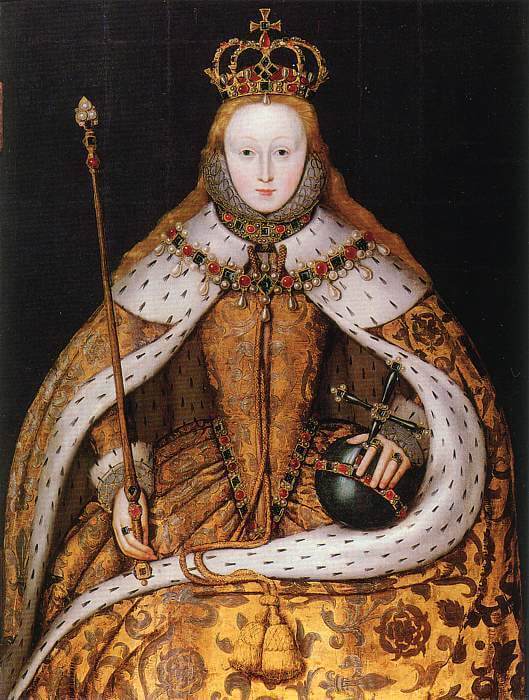
The name was borne by several saints and European royalty. Among the most notable bearers were, St. Elizabeth of Hungary, a 12th-century Hungarian princess who was known for her acts of kindness and charity toward the poor and Queen Elizabeth I of England, including the current reigning Queen, Elizabeth II.

The name Isabel/Isabella are relatives, but have becomes so far apart from its original source, that they often occur concurrently in many European countries with Elizabeth, hence is why I shall devote a different post to Isabel/Isabella, but I shall cite her several times in this article as a variation whenever needed.

I believe one of the reasons why Elizabeth has been a long time favorite, is because of her versatility. She can be shortened to a variety of different nicknames, especially in English. The most popular are: (I have cited the ones that have commonly been used as independent given name with a black club)

Bess, Bessie, Beth♣, Bets, Betsy, Bet, Bettie/Betty, Bezzy, Bit, Bitsy, Biz, Buffy, Elisa♣, Elise♣, Elle♣, Eliza♣, Ella♣, Ellie, Elsa♣, Elsie♣, Ibbie, Lib, Libby, Lilly, Lisa♣, Liz, Lizzie, Liza♣, Tetty, Tibby and Tizzy.

Other forms of the name include:

Latinate Forms
Forms found in Latinate/Romance languages

  • Sabela (Asturian)
  • Elisabèt, Lisabèt (Bearnais)
  • Elisabet (Catalan)
  • Babette (French: originally a diminutive form, used as independent given name, now considered extremely dated)
  • Élisabeth (French)
  • Élise (French)
  • Lise (French)
  • Lisette (French: originally a diminutive form but exclusively used as an independent given name)
  • Bettina (Italian)
  • Elisa (Italian/French/Portuguese: appears in Boccaccio’s Decameron as the name of one of the female story tellers).
  • Elisabella (Italian: obscure)
  • Elisabetta (Italian/Romansch)
  • Elisa (Italian/Sardinian/Spanish)
  • Elisanna/Elisena (Italian: obscure)
  • Elisetta (Italian)
  • Lelisa (Italian: obscure)
  • Lisa (Italian/Spanish)
  • Lisella (Italian: obscure)
  • Lisena (Italian: obscure)
  • Lisetta (Italian)
  • Lisina/Lisinda (Italian: obscure)
  • Lisanna (Italian)
  • Elisabetha (Late Latin)
  • Elizabetta (Liguru: a minor language spoken in Italy)
  • Elisabeta/Elisèu/Eliso (Occitanian)
  • Elisabete/Elisete/Elsa (Portuguese)
  • Babèu/Eisabèu/ Lisabèu (Provencal: Babeu is a diminutive)
  • Elisabeta (Romanian/Spanish)
  • Lisabetta (Romansch/Corsican)
  • Lisabbetta (Sicilian)
  • Isabel/Ysabel (Spanish/Aragonese/Catalan/Galician/Portuguese)

Germanic Forms
Forms used in Germanic languages

  • Elsabe (Afrikaans)
  • Liesel (Alsatian)
  • Elisabet (Danish/Faroese/Swedish/Norwegian)
  • Elsebeth (Danish)
  • Else (Danish)
  • Lise (Danish/German)
  • Lis (Danish/Norwegian/Swedish)
  • Lisbet (Danish/Norwegian/Swedish)
  • Lisbeth (Danish/German)
  • Els (Dutch: a diminutive form, occasionally used as an independent give name)
  • Elsa (Dutch/German/Swedish)
  • Liesbeth/Lijsbeth (Dutch)
  • Liesje (Dutch)
  • Eliza (English: originally a diminutive, exclusively used as an independent given name)
  • Elsba/Elsbet/Elsuba/Elusbet (Faroese)
  • Elspa (Faroese)
  • Lisabet/Lisbet (Faroese)
  • Elsebe/Elsche/Eske/Telsa (Frisian)
  • Bettina/Bettine (German: a borrowing from the Italian)
  • Elisa (German: a borrowing from Romance languages)
  • Elisabeth (German/Dutch)
  • Elise (German/Danish/Dutch/English/Norwegian: a borrowing from the French)
  • Elli (German: diminutive form, occasionally used as an independent given name)
  • Elsbeth (German/Swiss-German dialectical form)
  • Ilsa/Ilse (German/Dutch: initially a diminutive form, popularly bestowed as an independent given name, now considered dated. il-SEH)
  • Lies/Liesa/Liese (German/Dutch)
  • Liesel/Liesl (German: originally a diminutive form, used as an independent given name, now considered dated)
  • Lilli (German: originally a diminutive form, used as an independent given name due to its association with the flower)
  • Lisa/Lise (German/Dutch/English/Swedish/Danish/Norwegian)
  • Sabeth (German: obscure)
  • Aileisabaiþ (Gothic)
  • Elísabet (Icelandic)
  • Ellisif/Ellisiv (Norwegian)
  • Lieken, Lüke, Lücken (Plattdeutsch)
  • Bettan (Swedish: originally a diminutive form, occasionally used as an independent given name, but now considered dated)
  • Lisen (Swedish: originally a diminutive form, used as an independent given name)

German diminutive forms are Betti, Elis, Elli, Elschen, and Lieschen.

Slavic Forms
Forms used in Slavic speaking countries

  • Elisaveta Елисавета (Bulgarian)
  • Elizabeta (Croatian)
  • Alžběta (Czech: alzh-BYEH-tah)
  • Eliška (Czech: originally a diminutive form, used as an independent given. eh-LEESH-kah)
  • Elisabeti Елїсабеть (Old Church Slavonic)
  • Eliza (Polish: eh-LEE-zah)
  • Elżbieta (Polish: elsh-BYEH-tah)
  • Halszka (Polish: archaic. HAHLSH-kah)
  • Halżbieta (Polish: archaic. halsh-BYEH-tah)
  • Elizaveta/Yelizaveta Елизавета (Russian)
  • Jelisaveta (Serbian)
  • Alžbeta (Slovak)
  • Ažbeta (Slovene)
  • Betina (Slovene)
  • Elica (Slovene: originally a diminutive form, used as an independent given name. eh-LEET-sah)
  • Elisa/Elis (Slovene)
  • Elizabeta/Elizabet (Slovene)
  • Elza (Slovene)
  • Jelisava (Slovene)
  • Lizabeta (Slovene)
  • Špela (Slovene: originally a diminutive form, exclusively used as an independent given name. SHPEH-lah)
  • Hilža (Sorbian)
  • Lisaveta/Yelysaveta (Ukrainian)

Czech diminutive forms are Běta, Bětka, Bětuška, Betynka, Bětuše, Betyna, and Líza. Slovakian diminutives include: Beta, Betka, Betuška, Betinka, Betuša and Betina. Polish diminutive forms are Bieta, Ela (the most prevalent), Elka, Elunia and Elżunia. Slovene diminutives are: Beta, Beti, Betika, Ela, Eli, Elzi, Špelca, Špelica, Špelka, Jelica, Lili, and Lizika.

Baltic Forms
Forms used in the Baltic States

  • Eliisabet (Estonian)
  • Elts (Estonian)
  • Etti (Estonian)
  • Ilze (Estonian)
  • Liisa/Liisi/Liis (Estonian/Finnish)
  • Liisu (Estonian)
  • Eliisa (Finnish)
  • Elizabete (Latvian)
  • Līze/Lizina (Latvian)
  • Elžbieta (Lithuanian)
  • Eliissá/Liisá/Liissá (Saami)

Celtic Forms
Forms used in Celtic based languages

  • Elesbed (Breton)
  • Eilís (Irish: IE-leesh)
  • Ealisaid (Manx: ALE-is-sed)
  • Ealee (Manx)
  • Ealish (Manx)
  • Ealasaid (Scottish)
  • Elspeth (Scottish)
  • Bethan/Betsan (Welsh)

Other forms

  • Elizabeta (Albanian)
  • Ilizabith إليزابيث (Arabic)
  • Il-Shvai ܐܠܝܫܒܥ \ܐܠܝܫܒܚ (Aramaic)
  • Elsapet (Armenian)
  • Yeghisapet (Armenian)
  • Zabel (Armenian)
  • Elixabete/Elixabet/Elizabete (Basque: former are pronounced eh-LEE-sheh-BEH-tah and eh-LEE-shah-Bet)
  • Elixi (Basque: eh-LEE-shee)
  • Elisheba (Biblical Hebrew)
  • Eliso ელისო (Georgian)
  • Lizi (Georgian)
  • Elisavet Ελισαβετ(Greek: Modern)
  • Zeta (Greek: Modern)
  • Ilsipat (Greenlandic)
  • Elikapeka (Hawaiian)
  • Elisheva (Hebrew: see Hebrew script above)
  • Lizzamma (Hindi/Indian)
  • Erzsébet/Orzebet (Hungarian: ER-zhey-bet)
  • Aley/Aleyamma/Aleykutty (Malayalam)
  • Eli/Eliamma (Malayalam)
  • Elizabetta (Maltese)
  • Erihapeti (Maori)
  • Elizabet (Turkish)

Hungarian nicknames includes Bözsi, Erzsi (ER-zhee), and Zsóka (ZHO-kaw).

Medieval Forms
Forms no longer in usage from Medieval Europe

  • Ysabel/Ysabet (Catalan, Valencia, 16th-century)
  • Elisaued (Cornwall, England, 10th-century)
  • Elizabez (England, 13th-century)
  • Lylie/Lilion (England, 13th-century, possibly nicknames)
  • Elisota (England, 14th-century)
  • Elseby (Finland)
  • Isabelot (France, Paris, 13th-century)
  • Yzabé (France, Bordeaux, 15th-century)
  • Besina (14th-century Italy, Venice, possibly a diminutive form)
  • Isabetta (Italy, Florence 15th-century)
  • Bechte (Germany, 15th-century, most likely a diminutive form)
  • Beth (Germany, 15th-century, diminutive form)
  • Bettlin (Germany, 15th-century, probably a diminutive form)
  • Bytzel (Germany, 15th-century, diminutive form)
  • Els (Germany, 15th-century, diminutive form)
  • Elsslein (Germany, late 15th-century)
  • Elsslin (Germany, 15th-century, probably a diminutive form)
  • Eltzabet (Germany, late 15th-century)
  • Lyse (Germany, 15th-century, diminutive form)
  • Elsebeth (Germany, 15th-century)
  • Elzebeth (German, in Silesia, 14th-century)
  • Nele/Neleke (German, in Silesia, 14th-century, most likely than not, diminutive forms)
  • Elysant (Normandy, 1190)
  • Helisent (Normandy, 1221)
  • Isabellis (Normandy, 12th-century)
  • Ysabels/Yzabels/Yzabela (Occitan, Saint Flour, 14th-century)
  • Elitze (Sweden, 15th-century)
  • Elsika/Elsiko/Elzeke (Sweden, 15th-century)
  • Elsby/Elzeby (Sweden, 16th-century)
  • Aleseta (Switzerland, Sion, 14th-century)

Name-days are: November 17 and November 19.

Francis, Frances, Francesco, Francesca

Saint_Francis_statue_in_gardenOrigin: Latin
Meaning: “Frenchmen.”

Francis has an interesting origin in that it seems to have first appeared in the 13th-century, the first recorded bearer being St. Francis of Assisi. Known as Francesco d’Assisi, Francesco was actually the saint’s childhood nickname, his real name being Giovanni. He was the son of a French mother and a wealthy Italian businessman, Francis was born in his mother’s homeland, and was baptized Giovanni in honor of St. John the Baptist, but as soon as his parents returned to Italy, his father started to call him Francesco (Frenchman) due to the fact that his son was born in France and also in honour of his successful business ventures in France. St. Francis of Assisi was known for his formation of the Franciscan order, and his disdain for wealth. He is said to have miraculously received the stigmata and his feast is held on October 4, traditionally a day when household pets are blessed by the priests in honor of the Saint’s love of animals. The name caught on immediately after the saint’s cult became widespread throughout continental Europe. It did not reach England till around the 16th-century. Other notable Francis bearers include St. Francis Xavier (1506-1552) , Francis Bacon (1561-1626), Sir Francis Drake (1540-1595) and Frank Sinatra (whose full name was Francis Albert). There are several other notables not mentioned here. Francis is the English form but it also occasionally used in France, pronounced (frahη-SEES).

Francis currently stands at # 656 in the U.S. Top 1000 Male Names of 2008.

Variations include: (listed alphabetically by nationality)

  • Françesko (Albanian)
  • Francho (Aragonese)
  • Franciskos (Armenian)
  • Xicu (Asturian)
  • Frantzisko/Patxi (Basque: latter is pronounced PAHT-shee)
  • Francišak (Belarusian)
  • Frañsez (Breton)
  • Frantsisk (Bulgarian)
  • Francesc (Catalan: diminutive forms include Cesc, Cesco and Xesc)
  • Francescu (Corsican)
  • Frano/Franjo (Croatian: latter is pronounced FRAHN-yo)
  • František (Czech/Slovak: pronounced frahn-TEESH-ek. Diminutive forms include Franêk, Frank, Fraño, Franta and Išek.
  • Franciscus (Dutch/Estonian/Late Latin)
  • Frank (English/Dutch/German/Scandinavian: originally a nickname for Francis, it is often used as an independent given name)
  • Ransu (Finnish)
  • François (French: pronounced frahη-SWAH, the name was particularly common among French nobility and royalty.)
  • Fransiskus (Frisian/Swedish/Indonesian: Swedish diminutive is Frasse)
  • Frans/Franz (German/Dutch/Finnish: originally a nickname, it is commonly used as an independent given name)
  • Franziskus (German)
  • Frangiskos/Fragiskos (Greek Modern)
  • Ferenc (Hungarian: diminutive forms are Feri and Ferkó)
  • Proinsias (Irish)
  • Francesco/Franco (Italian: pronounced frahn-CHASE-ko)
  • Fransisks (Latvian)
  • Pranciškus (Lithuanian: pronounced prahn-TSISH-koos, diminutive form is Pranas)
  • Francesch (Lombard/Piedmontese)
  • Franġisk (Maltese)
  • Francés (Occitanian)
  • Franciszek (Polish: pronounced frahn-TSEE-shek, diminutive form includes Franek)
  • Francisco (Portuguese/Spanish: an obscure frankinized form includes Francisque. Common Spanish diminutives include: Curro, Paco, Pancho and Paquito. Portuguese nickname is Chico)
  • Francisc (Romanian)
  • Frang/Frangag (Scottish)
  • Franc/Franšicek (Slovene: latter is pronounced frahn-SHEE-chek)
  • Ffransis (Welsh)

Of course, how could we forget the beautiful feminine forms, which include, again divided by nationality alphabetically

  • Frantziska (Basque)
  • Franseza (Breton)
  • Franka (Croatian/German)
  • Františka (Czech/Slovak)
  • Francien (Dutch: pronounced frahn-SEEN)
  • Frances (English: common nicknames include: Fran, Frannie, Fanny and Frankie)
  • Françoise (French: pronounced frahη-SWAHZ. Other French offshoots are Fannie, France, Francette, and Francine)
  • Franziska (German: diminutives and offshoots include, Fanni, Franni, Franzi, Fränzi, Sissi and Ziska)
  • Franciska (Hungarian: diminutive forms include Franci and Fanni)
  • Franca (Italian)
  • Francesca (Italian)
  • Franciszka (Polish: diminutives are Frania, Franunia, Franusia and Franka)
  • Francisca (Portuguese/Spanish: popular Spanish diminutive forms include Paca and Paquita. Portuguese diminutive is Chica.
  • Frančiška (Slovenian: diminutive form is Francka pronounced FRAHNTS-kah)

August

It’s the beginning of August and summer is almost over. Hence is why I have decided to write about the August names.

The root of these names is the Latin verb augere meaning “to increase.” Augustus was a title given to Octavian, the first Emperor of the Roman Empire.

Augustus as a title implied a person with great reverence and awe, usually suggesting “venerated” or “exhalted.” The name eventually spun off as a first name, and even left an impact on our month names. In the Roman Empire, the month of Sexitilis’ name was changed to August in honour of the Emperor Octavian. Its feminine version is the austere and rather severe, version of Augusta. Both Augustus and Augusta have a lot of potential. Augustus fits right in with the other “old man” dramatic chic names that seem to be rising up the charts. Think Jasper, Atticus and Leo. There is a certain nobility and sophistication to the name. Its feminine version has the same vibe, fitting right in with other current trends, such as Sophia, Matilda and Eleanor.

We also have the much shorter version of August, which has been used across central Europe for centuries. August seems to be climbing up the American charts, he currently comes in at # 482, while the more formal version of Augustus has ways to go, coming in at # 795. If August still feels too wordy to you, then you might like August with an e, Auguste is the French form.

Of course, how could we ever forget the saintly and scholarly Augustine. The name Augustine is a derivative of the Latin, Augustinus. It has the same meaning as Augustus.

The name was borne by the renowned Catholic Theologian and Doctor of the Church, Augustine of Hippo. Either pronounced (uh-GUS-tin) or (AW-guh-STEEN) the name does not even appear in the top 1000. Parents may find the –stine ending too feminine. It would make a great middle name, or a great alternative to the more common Austin.

Other forms of the name include:

Augustus Forms

  • Augustu (Asturian/Sicilian)
  • Avqust (Azeri)
  • Aogust (Breton)
  • August (Catalan)
  • August (Croatian/English/German/Letzeburgish/Occitanian/Polish/Romanian)
  • Augustus(Czech/Danish/Dutch/English/Finnish/Frisian/Estonian/German/Latin/Norwegian/Swedish)
  • Guus (Dutch: originally a diminutive form, now used as an independent given name)
  • Aukusti/Aku/Aki (Finnish)
  • Auguste (French)
  • Ágost (Hungarian)
  • Ágústus (Icelandic)
  • Augustale (Italian: obscure)
  • Ágastas (Irish/Gaelic)
  • Augusts (Latvian)
  • Ësti (Letzebergish: initially a diminutive form)
  • Gust/Gusti (Letzebergish: initially diminutive forms)
  • Augustas (Lithuanian)
  • Ágošt (Prekmurian)
  • Aujußß (Ripoarisch)
  • Aokuso (Samoan)
  • Augosts (Samogaitian)
  • Austu (Sardinian)
  • Avgust (Slovene)
  • Augusto (Spanish/Italian/Portuguese/Aragonese/Basque)
  • Awgust (Sorbian/Turkmen)
  • Ågusse (Walon)

German diminutives are Gustel, Gustl, Gusti and Augi. Slovenian diminutives are: Gustek, Gustel, Gustelj and Gusti

Feminine forms include:

  • Augusta (Czech/Danish/Dutch/English/German/Italian/Portuguese/Spanish)
  • Gusta/Guusje/Guuske (Dutch: initially diminutive forms, used as independent given names)
  • Auguste (German: final E is pronounced)
  • Auguszta/Ágosta (Hungarian)
  • Ágústa (Icelandic)
  • Avgusta (Slovene)

Augustine Forms

  • Augustini (Albanian)
  • Agostín (Aragonese)
  • Avqustin (Azeri)
  • Aogustin (Breton)
  • Agustí (Catalan)
  • Augustín (Czech/Slovak)
  • Augustijn (Dutch)
  • Augustine (English)
  • Austin (English: a medieval contracted form of Austin, in the United States, this is the most prevalent form of the August names, in 2008, he was the 55th most popular male name, between 1997-1998, he was the 9th most popular male name)
  • Gus (English: sometimes used as an independent given name)
  • Augustin (French/Basque/Croatian/Danish/Norwegian/Romanian)
  • Agostiño (Galician)
  • Ágoston (Hungarian)
  • Ágústínus (Icelandic)
  • Agaistín (Irish/Gaelic)
  • Agostino (Italian)
  • Augustinus (Latin/Dutch/Frisian/Estonian/Finnish/German/Swedish)
  • Augustīns (Latvian)
  • Augustinas (Lithuanian)
  • Wistin (Maltese)
  • Agustin (Piedmontese)
  • Augustyn (Polish)
  • Agostinho (Portuguese)
  • Aujustin (Ripoarisch)
  • Augostėns (Samogaitian)
  • Austinu (Sardinian)
  • Avguštin (Slovene)
  • Agustín (Spanish/Asturian)
  • Awstin (Welsh)

Feminine forms include

  • Austine (English)
  • Augustine (French/German)
  • Agostina (Italian)
  • Augustina (Latin)
  • Augustyna (Polish)
  • Austina (Sardinian)
  • Agustina (Spanish)

Thomas

Gender: Masculine
Origin: Aramaic
Meaning: “twin”
(TOM-us)

The Latinized form of the Aramaic Tau’ma which is derived from the word T’oma (תאומא) meaning “twin.” The name was introduced to the world via St. Thomas the Apostle, a character that plays a prominent role in the New Testament. He is best known for his disbelief when he first heard that Christ had resurrected from the dead, hence the saying “doubting Thomas.”

Tau’ma was a nickname given to him to differentiate him from Judas Iscariot, (Thomas’ real name being Judas or Jude). He is also known as Didymos, (the Greek word for twin), and Jude. His evangelization was attributed to the area of Persia and India. Thomas is a very popular name among Indian Christians and Persian Christians. His feast is celebrated on July 3rd. The name was introduced into the English speaking world via the Normans after they had conquered England. Since that time Thomas has been a relatively popular male name.

  • Tomas (Albanian)
  • Touma توما‎, (Arabic)
  • Tovmas (Armenian)
  • Foma (Azeri/Russian)
  • Tomás (Aragonese/Asturian/Spanish)
  • Tomas (Basque)
  • Dammerl (Baverian)
  • Tòmas (Bearnais)
  • Tamaš Тамаш (Belarusian)
  • Toma Тома (Bosnian/Bulgarian/Georgian)
  • Tomaz (Breton)
  • 多馬 Duoma (Chinese Biblical)
  • 湯瑪斯 Tangmasi, 湯瑪士 Tangmashi, 托馬斯 Tuomasi, (Chinese General Translation)
  • Tumasgiu (Corsican)
  • Tomo/Tome (Croatian: occassionally Tomislav is used as a translation, though technically it has no etymological relation to Thomas)
  • Tomáš (Czech)
  • Thomas (Danish/Dutch/English/French/German/Indonesian/Latin/Luxemborgish/Norwegian/Swedish)
  • Maas (Dutch: originally a diminutive form, sometimes used as an independent given name)
  • Toomas (Estonian)
  • Tummas (Faroese)
  • Tuomas/Tuomo (Finnish)
  • Maes (Flemmish)
  • Tomas (Filipino/Tagalog)
  • Theumis (Frisian)
  • Tomé (Galician)
  • Thōmâs Θωμᾶς/Thomás Θωμάς/Didymos Δίδυμος (Greek: Modern)
  • Teom (Hebrew)
  • Tamás (Hungarian)
  • Tómas (Icelandic)
  • Tomás (Irish)
  • Tommasso (Italian)
  • Tommassino (Italian)
  • Tomasiello/Tommasuccio (Italian: obscure)
  • トーマス Tomasu (Japanese)
  • Tomas (Karakalpak: a Turkic language spoken in Uzbekistan)
  • 도마 Doma /Toma (Korean Biblical)
  • 토머스 Tomeoseu/T’omŏsŭ (Korean: General Translation)
  • Thomasê (Kurdish)
  • Toms (Latvian)
  • Tomas (Lithuanian)
  • Томислав, Τоми, Томо, Томас, Τоме (Macedonian)
  • Thoma/Thommen/Oummen/Thommy (Malayalam)
  • Tamihana (Maori)
  • Tumas (Maltese)
  • Tuami (Moroccan-Arabic)
  • Thomé (Occitanian)
  • توماس Tomasp (Persian)
  • Tomasz (Polish: Tomek is a popular diminutive, equivalent to Tommy or Tom)
  • Tomás, Tomé (Portuguese)
  • Tomašis/Tomerdos (Romani: language of the Roma people)
  • Tumasch (Romansch)
  • Tuoms (Saimogaitian: a dialect of Lithuanian)
  • Tomasi (Samoan)
  • Tomasso (Sardinian)
  • Tam/Tòmas (Scottish)
  • Тома Toma (Serbian)
  • Tomáš (Slovakian)
  • Tomaž (Slovene)
  • Tomás (Spanish)
  • Thoma (Swahili)
  • Tāmas தாமஸ்/Tōmā தோமா (Tamil)
  • To-mus โทมัส (Thai)
  • Choma (Ukrainian)
  • Tomaš (Upper Sorbian)
  • Tomaxo (Venetian)
  • Tomos/Twm (Welsh)
  • Teomo (Yiddish)


  • Thomasina, Thomasine, Thomazina and Tammy, Tamsin. Popular nicknames include Tom and Tommy.