Mihirimah, Mehrmah

  • Origin: Persian
  • Meaning: “sun & moon; affection of the moon; kindness of the moon.”
  • Gender: Female

The name is composed of the Persian elements mehr / mihr / meher (مِهر) — a Persian word meaning “sun,” “affection,” “kindness,” or “love” (and often with connotations tied to the ancient Iranian / Zoroastrian deity Mithra) and māh (ماه), meaning “moon” or “month.”

The name entered wider use through Ottoman royal history, where Mihrimah Sultan (1522–1578) — the daughter of Sultan Suleiman the Magnificent and Hürrem Sultan — became one of the most powerful and educated women of her time.

A modern Persian form is Mehrmah.

An Urdu form is Meharmah and another Turkish form is Mihrümah.

Sources

Niloufar

  • Origin: Persian نیلوفر
  • Bengali: নিলুফার
  • Urdu: نیلوفر
  • Uzbek: Нилуфар
  • Variant Transcriptions: Nilofar, Nilufar, Nilofer
  • Meaning: “morning glory; water lily; nenuphar”
  • Gender: Female

The name comes directly from the Farsi word نیلوفر (niloufar), meaning, “morning glory; water lily; nenuphar.”

It ultimately derives from Middle Persian nīlōpār, from Sanskrit nīlotpala (नीलोत्पल) meaning blue lotus (nīla “blue” + utpala “lotus”). Through Persian, it spread widely into other languages of the Islamic and Silk Road world. The Greek-Latin loan nénuphar comes from this same root, appearing in medieval botanical and poetic texts to denote the water lily (Nymphaea).

Niloufar has been used as a feminine given name in Iran, Afghanistan, Tajikistan, Azerbaijan, and Turkey (where it appears as Nilüfer).

Notable bearers include:

  • Niloufar Bayani, Iranian conservationist and scholar.
  • Nilüfer Yumlu (known simply as Nilüfer), celebrated Turkish pop singer.
  • Princess Niloufer of Hyderabad (1916–1989), Ottoman princess renowned for her beauty and philanthropy.

International Variations

  • Nunufar Նունուֆար (Armenian)
  • Nilufər (Azeri)

Sources

Mahtab

  • Origin: Persian مهتاب
  • Meaning: “moonlight.”
  • Gender: Female, unisex in Southeast Asia
  • Pron: MAH-tawb

The name is from the Persian word, مهتاب (mahtab), meaning “moonlight.” It is a poetic female name that has spread throughout the Persianate world. It is occasionally used on males in Southeast Asia.

Notable Bearers

  • Mahtab Singh (1782-1813), was the first wife of Ranjit Singh, founder of the Sikh Empire.
  • Mehtab Kadın (1830-1888) (Turkish form), was the name of the consort of Sultan Abdulmejid I of the Ottoman Empire.
  • Mahtob Mahmoody (b. 1979): Iranian-American author and daughter of Betty Mahmoody, whose story inspired Not Without My Daughter (1991), starring Sally Field.

Its Turkish form of Mehtap was among the top 100 girls’ Turkish names between 1980-1993, and peaked at # 58 in 1983.

International Variations

  • Mehtəb (Azeri)
  • Mahtob Маҳтоб (Tajik, Uzbek)
  • Mahitab (Turkish – Ottoman)
  • Mehtap (Turkmen, Turkish)

Sources

Evren

Photo by Pixabay on Pexels.com
  • Origin: Turkish
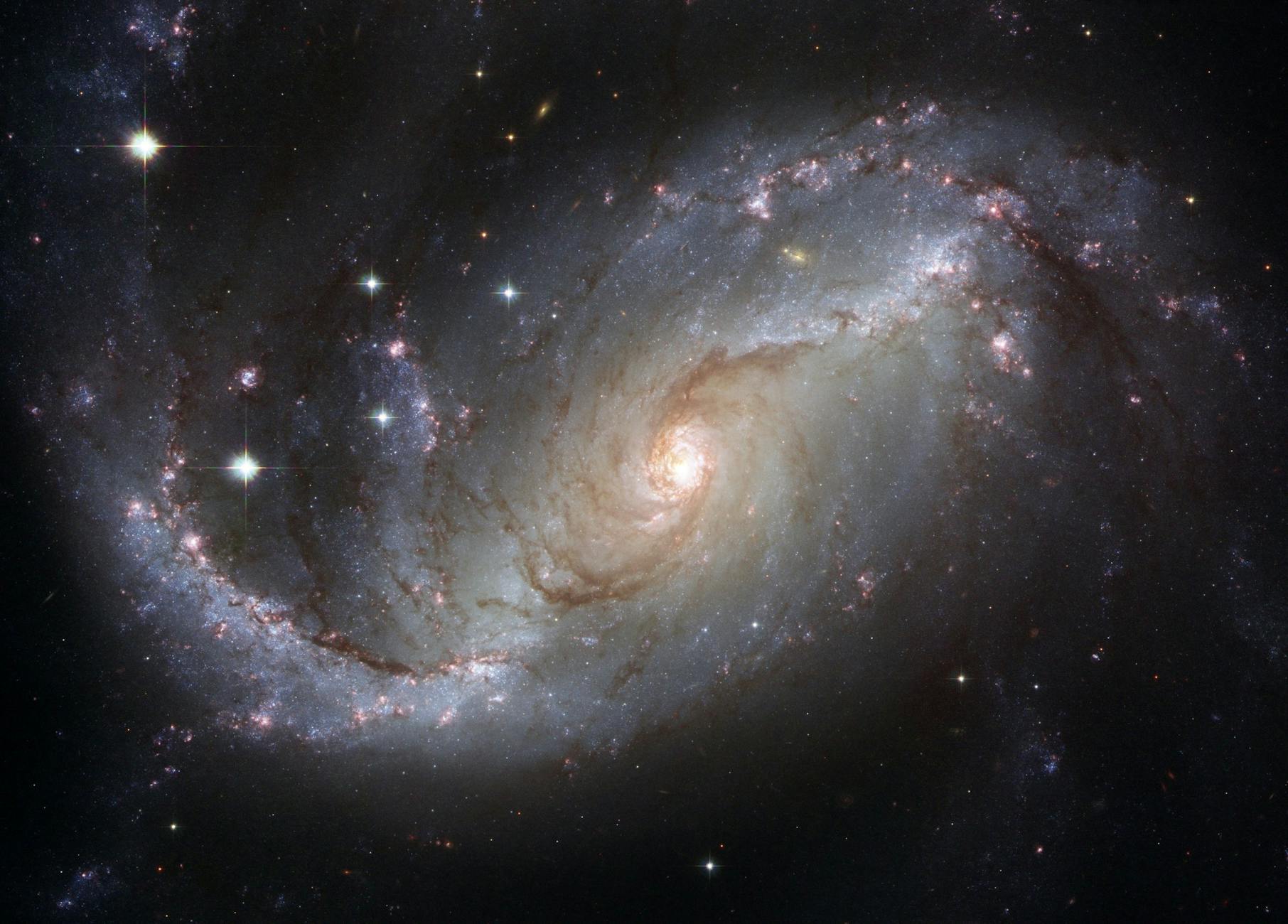
  • Meaning: “cosmos; the universe.”
  • Gender: Unisex

The name is from the Turkish word for “cosmos; the universe.” In Turkic mythology, it is the name of a dragon.

The name experienced some brief popularity among males in Turkey during the 1980s. As of 2024, it was the 973rd most popular male name in the United States.

Sources

Zubaidah, Zubayda

Photo by Sena on Pexels.com
  • Origin: Arabic زُبَيْدَة (Arabic)
  • Usage: Arabic-speaking world, most of the Islamic world
  • Gender: Female
  • Meaning: “little butterball.”

The name is derived from the Arabic rootز-ب- د (z-b-d), which pertains to “cream, foam, butter,” along with the Arabic feminine diminutive suffix, roughly translating to “little cream” or “little butter,” having the same sense as “cream of the crop.”

This was the sobriquet of Zubaidah bint Ja’far (766–831), the wife of Harun al-Rashid. Borne as Sukhainah or Amat al-‘Aziz, she was known for her construction of wells and reservoirs along the pilgramage routes to Mecca and is featured in The Thousand and One Nights. Her life was later the inspiration behind the character of Zobeide in the German opera Abu Hassan by Carl Maria von Weber.

The Turkish form of the name, Zübeyde, was borne by an Ottoman princess, the daughter of Sultan Ahmed II, who lived from 1728 to 1756. It was also carried by Zübeyde Hanım (1856–1923), the mother of Mustafa Kemal Atatürk. The name appeared in the Top 100 most popular female names in Turkey between 1980 and 1986, peaking at #70 in 1981

It is also the name of an asteroid.

Other forms include

  • Zübeydə (Azeri)
  • Zubejda (Bosnian)
  • Zobeide (German, literary)
  • Zoubida (Maghrebi Arabic)
  • Zubaida Зөбаида (Tatar)
  • Zübeyde (Turkish)
  • Zubayda (Uzbek)

Sources

Doğan

  • Origin: Turkish
  • Meaning: “falcon.”
  • Gender: masculine
  • Pron: (DOH-ahn)

The name comes directly from the Turkish word for “falcon” or “hawk,” but is also a synonym for “rising,” or “born” in the Turkish language.

It appeared in the Top 100 Most Popular Male Names in Turkey between 1987-2002 and peaked at #74 in 1998.

Sources

Aynur, Ainura

  • Origin: Turkish
  • Meaning: “moonlight.”
  • Gender: feminine
  • Pronunciation: I-noor; i-NOO-rah

Aynur is a Turkic female name, which is composed of the elements, ay (moon) and nur (light). It’s various offshoots across Central Asia have been popularly used.

Aynur appeared in the Turkish Top 100 Female Names between 1980-1997, and peaked at #22 in 1980.

Aynur is used as a female name in Azerbaijan, among the Uyghur and the Kurds. Among the Tatars of Russia, it is a masculine name, while Ajnur is a male name in Bosnia and Albania, it currently ranks in as the 11th most popular male name in Bosnia & Herzegovina (2019).

Other forms include:

  • Ajnura (Albanian, Bosnian)
  • Ainur Айнұр (Kazakh)
  • Ainura, Aynura Айнура (Kyrgyz)
  • Ainuria, Aynurya Айнурия (Tatar)

Sources

Ezgi

  • Origin: Turkish
  • Meaning: “song; melody; tune.”
  • Gender: feminine
  • Pronunciation: EZ-ghee

The name comes directly from the Turkish word for a song, tune or melody. The name appeard in the Top 100 Most Popular Female names in Turkey between 1989-2011, and peaked at #46 in 1992.

Sources