Mihirimah, Mehrmah

  • Origin: Persian
  • Meaning: “sun & moon; affection of the moon; kindness of the moon.”
  • Gender: Female

The name is composed of the Persian elements mehr / mihr / meher (مِهر) — a Persian word meaning “sun,” “affection,” “kindness,” or “love” (and often with connotations tied to the ancient Iranian / Zoroastrian deity Mithra) and māh (ماه), meaning “moon” or “month.”

The name entered wider use through Ottoman royal history, where Mihrimah Sultan (1522–1578) — the daughter of Sultan Suleiman the Magnificent and Hürrem Sultan — became one of the most powerful and educated women of her time.

A modern Persian form is Mehrmah.

An Urdu form is Meharmah and another Turkish form is Mihrümah.

Sources
Ladan

  • Origin: Persian لادن or Somali
  • Meaning: “nasturtium;” “healthy; lucky; blessed.”
  • Gender: Female
  • LAH-dahn

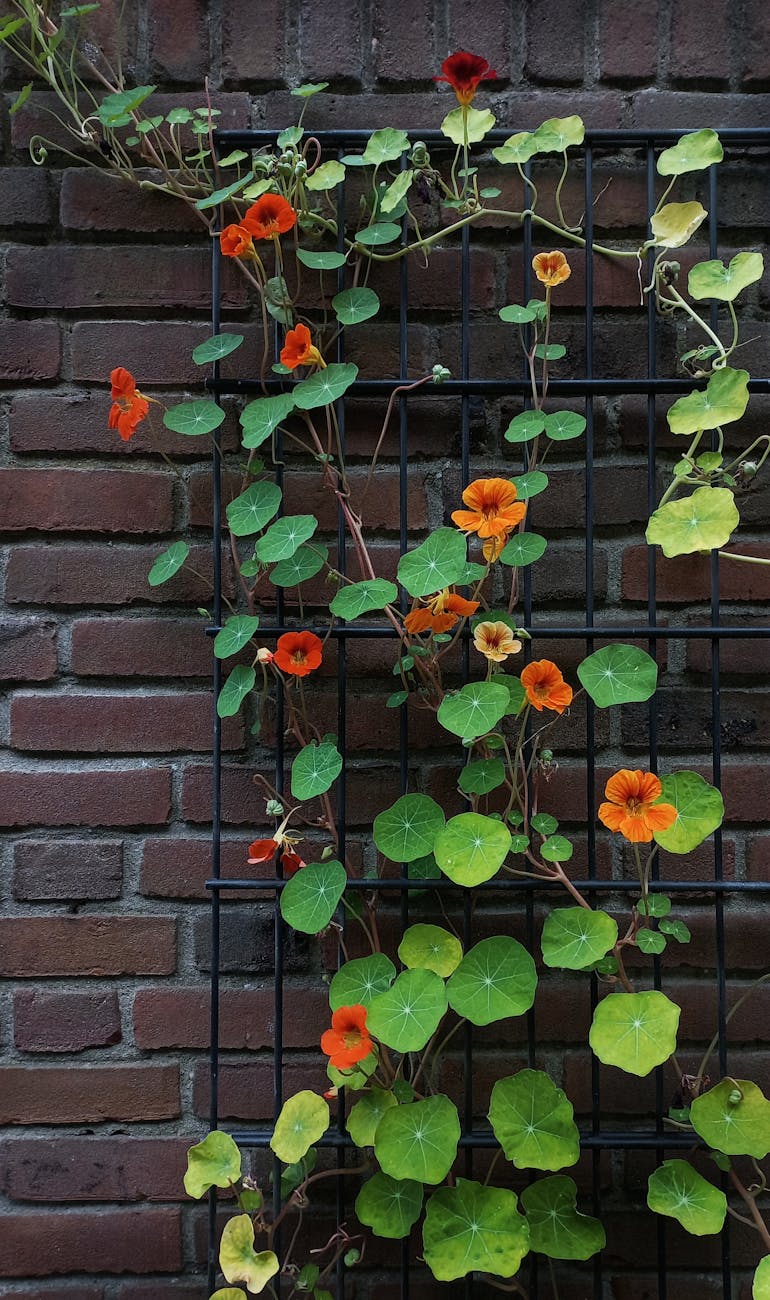
In Persian, Ladan (لادن) is a nature name meaning “nasturtium.” The term may derive from ancient Greek ládanon, the word for labdanum, a fragrant resin once used in incense and perfume.

A notable Persian bearer is Iranian actress, Ladan Mostofi (b. 1972).


In Somali, Ladan comes from the native adjective ladan, meaning “healthy,” “prosperous,” “comfortable,” or “blessed.”

A notable Somali bearer is American poet, Ladan Osman.

Sources

Niloufar

  • Origin: Persian نیلوفر
  • Bengali: নিলুফার
  • Urdu: نیلوفر
  • Uzbek: Нилуфар
  • Variant Transcriptions: Nilofar, Nilufar, Nilofer
  • Meaning: “morning glory; water lily; nenuphar”
  • Gender: Female

The name comes directly from the Farsi word نیلوفر (niloufar), meaning, “morning glory; water lily; nenuphar.”

It ultimately derives from Middle Persian nīlōpār, from Sanskrit nīlotpala (नीलोत्पल) meaning blue lotus (nīla “blue” + utpala “lotus”). Through Persian, it spread widely into other languages of the Islamic and Silk Road world. The Greek-Latin loan nénuphar comes from this same root, appearing in medieval botanical and poetic texts to denote the water lily (Nymphaea).

Niloufar has been used as a feminine given name in Iran, Afghanistan, Tajikistan, Azerbaijan, and Turkey (where it appears as Nilüfer).

Notable bearers include:

  • Niloufar Bayani, Iranian conservationist and scholar.
  • Nilüfer Yumlu (known simply as Nilüfer), celebrated Turkish pop singer.
  • Princess Niloufer of Hyderabad (1916–1989), Ottoman princess renowned for her beauty and philanthropy.

International Variations

  • Nunufar Նունուֆար (Armenian)
  • Nilufər (Azeri)

Sources

Keyvan

  • Origin: Persian کیوان,
  • Meaning: “Saturn.”
  • Gender: Male
  • Variant Transcriptions: Keyvan, Kayvon, Kaivon, Keivan, Kaywan, Kavon, Kevan, or Kaevon.
  • Pron: KAY-VAHN

The name comes directly from the Persian کیوان, which is the Persian word for the planet Saturn. It is ultimately derived from the Sumerian designation of the planet, Kaimanu.

In Zoroastrianism, the planet Saturn was viewed as the planet of strength, endurance, loyalty and patience. The Mandaic version of the name is Kiwan ࡊࡉࡅࡀࡍ.

Despite its pre-Islamic associations, the name is still popularly used in Iran and is still used among Zoroastrian families.

The Syriac version of Kewan ܟܝ݂ܘܢ is used among Assyrian Christians.

Sources

Melorin

  • Origin: Persian ملورین
  • Gender: Female
  • MEL-o-REEN

The name comes from the word ملورین (melorin), which is used for the name of a type of pearl found in the Persian Gulf.

I could not find the actual etymology. It would be great if someone knew.

Sources

Mahtab

  • Origin: Persian مهتاب
  • Meaning: “moonlight.”
  • Gender: Female, unisex in Southeast Asia
  • Pron: MAH-tawb

The name is from the Persian word, مهتاب (mahtab), meaning “moonlight.” It is a poetic female name that has spread throughout the Persianate world. It is occasionally used on males in Southeast Asia.

Notable Bearers

  • Mahtab Singh (1782-1813), was the first wife of Ranjit Singh, founder of the Sikh Empire.
  • Mehtab Kadın (1830-1888) (Turkish form), was the name of the consort of Sultan Abdulmejid I of the Ottoman Empire.
  • Mahtob Mahmoody (b. 1979): Iranian-American author and daughter of Betty Mahmoody, whose story inspired Not Without My Daughter (1991), starring Sally Field.

Its Turkish form of Mehtap was among the top 100 girls’ Turkish names between 1980-1993, and peaked at # 58 in 1983.

International Variations

  • Mehtəb (Azeri)
  • Mahtob Маҳтоб (Tajik, Uzbek)
  • Mahitab (Turkish – Ottoman)
  • Mehtap (Turkmen, Turkish)

Sources

Numan

  • Origin: Arabic نُعْمان
  • Meaning: “blood; red; bliss; anemone flower.”
  • Transliterations: Nu’man; Nouman (Maghrebi Arabic; Persian); Noman নোমান (Bengali, Tatar, Urdu)
  • Gender: Male
  • Pron (NOO-mahn)

The name comes directly from the Arabic word نُعْمان (nu’man), which is a poetic term describing “blood” as in a type of blood that brings vitality and beauty. It is also the word for the colour crimson and the anemone flower. It is ultimately from the root n–ʿ–m (ن ع م), which shares the same root with Naim نعم (comfort, tranquility, luxury, ease).

Numan ibn al-Munḏir (d. 602 CE) was one of the last Lakhmid kings of al-Ḥīrah, a pre-Islamic Arab Christian kingdom in southern Iraq. He is remembered in Arabic literature for his eloquence and patronage of poets.

In early Islamic history, Numan ibn Bashir al-Ansari (d. 684 CE) was a Companion of the Prophet Muḥammad and a prominent figure in the first Islamic century.

Sources

Rubab

  • Origin: Arabic رباب
  • Gender: Female

The name comes directly from the Arabic word رباب for a type of stringed instrument.

It was also the name of Rubāb bint Imraʾ al-Qays (b. 7th-century C.E). The wife of Husayn ibn Ali.

It is borne by Pakistani Olympic Swimmer, Rubab Raza (b. 1991).

Another transciption is Rabab.

Other forms include:

  • Rübabə (Azeri)
  • Robabeh ربابه (Persian)
  • Robab رباب (Persian)
  • Rübab (Turkish)

The name is used throughout the Islamic World.

Sources

Shams

  • Origin: Arabic شمس
  • Meaning: “sun.”
  • Gender: Unisex
  • (SHEMZ)

The name comes directly from the Arabic word for “sun.” It was the name of a Pre-Islamic South Arabian sun goddess, the equivalent of the North Arabian diety, Nuha.

A strictly feminine form is Shamsa شمسة

Maghrebi spellings are Chams and Chamsa, a Comorian feminine form is Chamsia. Turkish forms are Şems and Şemsa.

The name shares an etymological link with the Hebrew male name, Samson.

It was borne by Shams Pahlavi, one of the sisters of (1917-1996), a member of the Iranian royal family.

In recent years, it has become particularly trendy among females in the Gulf Arab countries

Sources

Shanzae, Shanzay

Photo by Carolina Basi on Pexels.com
  • Origin: Persian شانزے
  • Meaning: royal woman; woman of dignity
  • Gender: Feminine
  • Use: Urdu, Persian

The name is composed the Old Persian elements Shah (royalty) or from the Old Persian phrase, Shah- an -zay (lit daughter of king/royal princess) or Shaan-zeh (Of dignity/magnificent).

This name seems to be exclusively used among Pakistanis, I could not find any information in any Persian sources or any indication of its use among Farsi-Speakers.

Other forms are Shanzeh and Shawnzay.

Sources