 Origin: Lithuanian
Meaning: “Clover.”
(doh-BIL-ahs; dob-BIL-ay).
Both names are derived from the Lithuanian word dobilas meaning “clover.” Dobilas is the masculine form and Dobile, the feminine. Their designated name-day is November 26.
Origin: Lithuanian
Meaning: “Clover.”
(doh-BIL-ahs; dob-BIL-ay).
Both names are derived from the Lithuanian word dobilas meaning “clover.” Dobilas is the masculine form and Dobile, the feminine. Their designated name-day is November 26.
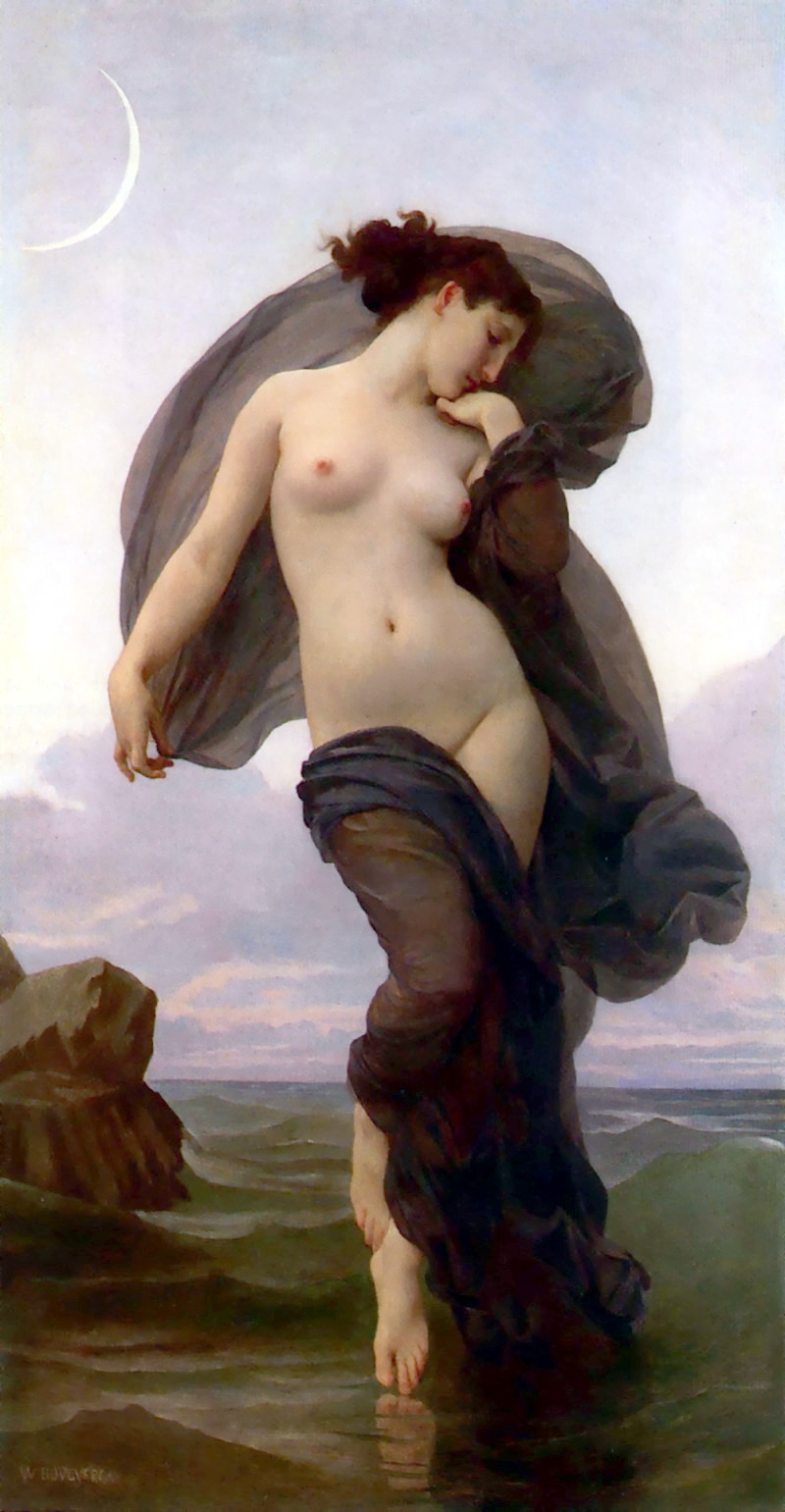 Gender: Feminine
Origin: Lithuanian
Meaning: “evening; night.”
(vah-KAH-rey)
The name is derived from the Lithuanian word vakaras meaning “evening; night.” Its designated name-day is November 28 and the masculine form is Vakaris.
Gender: feminine
Origin: Lithuanian
Meaning: “to wish for guilt.”
(nore-VYE-nay)
The name is composed of the old Lithuanian elements nor (norėti) “to wish; to want” and –vain (meaning “guilt.”) The male form is Norvainas and its designated name-day is November 3rd.
Gender: Masculine
Origin: Lithuanian
(skir-GUY-lah).
The name is composed of the Lithuanian elements skir- meaning “to allot, to decide” and -gail meaning “strong.” The name was borne by a Lithuanian Grand Duke who was the brother of Jogaila (b.1353-1397), he was the duke of the Island of Trakai. The designated name-day is October 30. The feminine form is Skirgailė.
Gender: Masculine
Origin: Lithuanian
Meaning: “nimble and strong.”
(shvit-rih-GUY-lah)
The name is composed of the Lithuanian elements švit– (which is from švitrus meaning “fast; nimble; frisky”) and gailas which means “strong.”
The name was borne by a Grand Duke of Lithuania (1370-1452) he was the brother of Jogaila and was known for his pro-Russian policies. The designate name-day in Lithuania is October 25. There is a feminine version Švitrigailė whose name-day is set for October 24.
 Gender: Feminine
Origin: Latin
Meaning: “little she-bear; she-cub; little female bear.”
Eng (ERS-uh-LAH)
The name is of Latin origin but is suggested that is may be a latinization of the old Germanic female name Yrsa meaning “bear” and was popularized by a medieval Christian saint said to be martyred in Cologne. Not much is known about the saint, other that she was martyred under Huns along with 11,000 other virgins, which is now believed to be a misprint from the written source of the legend. What is known for sure is that there was a basilica built in honour of a virgin Christian martyr in Cologne and from this arose several different legends referring to a St. Ursula and St. Cordula. According to the legend, St. Ursula was a British princess who was sent by her father to Germany to marry a prince, along with her, were sent 11,000 maidens, however, her ship was taken off course due to a storm and instead ended up in France where she then decided to do a pan-European Christian pilgramage before meeting her future husband. She made a pilgramage to Rome where she tried to pursuade the pope to do a pilgramage with her and her 11,ooo companions. When she reached cologne she and her companions were massacred by the Huns.
The legend is based off of a 4th century inscription written in the Basilica which was built in the saint’s honour. It is believed that the 11,ooo handmaidens was confused with a female martyr named Undecimilia, Undecimila or Xemilia and that the abbreviation XI.M.V was misread as a number. The same saint has also been referred to under the names Pinnosa or Vinnosa. The name was quite prevalent in Great Britain before the Reformation and went out of usage afterwards. The name is also borne by Swiss actress Ursula Andress (b. 1936). It has also appeared in popular culture as the name of the evil sea-witch in Disney’s the Little Mermaid and as the name of the wife of Nigellus Phineas Black in the Harry Potter Series.
In Poland, the name is associated with a great piece of Polish Literature written by Jan Kochanowski. Known as Laments (Treny) 1580, they are a series of 19 elegies which talk about the author’s grief after the death of his two and half year old daughter Orszola (Urzula) which he refers to as the Slavic Sappho.
Other forms of the name are (divided alphabetically by nationality):
There are a few male equivalents which include:
 Gender: Masculine
Origin: Lithuanian
Meaning: “to mourn; to grieve.”
(GEH-dahs)
The name is derived from the Lithuanian word gedėti meaning “grieve; mourn; sorrow.” Its designated name-day is October 20.
 Gender: Masculine
Origin: Lithuanian
Meaning: “one who stops fights; peace-keeper.”
The name is composed of the Lithuanian elements liautis meaning “to stop” and barti meaning “fight.” Hence the name would roughly translate as meaning “peace-keeper.” The name was borne by Liubartas (d.1384) of Volhynia-Galicia. He was the son of Gedminas, Grand Duke of Lithuania and took the Christian name Dmitry. He built the famed Lubart Castle in Lutsk Ukraine. Other forms of the name include the German Lubart and the Ukrainian Lubko (LOOP-ko). The feminine form is Liubartė.
 Gender: Feminine
Origin: Lithuanian
Meaning: “calm and patient.”
(kahn-TRIH-may)
The name is composed of the Lithuanian elements kantus, kantrus meaning “patient” and rimti meaning “calm.” Its designated name-day is October 19. Masculine version is Kantrimas.
Gender: Feminine
Origin: Lithuanian
(kass-MIH-nah; kes-MIH-nah)
The name is composed of the Lithuanian elements kęsti meaning “to suffer; to endure” or “smart” and minėti meaning “to refer to; to mention; to remember; to celebrate.” Its designated name-day is October 17, other forms of the name include Kęsminė and the masculine Kęsminas.