The name comes from the ancient Semitic root √W-Z-N / √ʾ-Z-N, meaning “to weigh, measure, or balance.”
Its Arabic use is from mīzān (ميزان) → “balance, scales,” appearing throughout the Qur’an as the mīzān al-ʿadl — the scales of divine justice and its Geʽez / Amharic use comes from mäzan / mizan (መዛን), meaning “measure, equilibrium, fairness.”
Compare to Hebrew moznaim (מאזניים) “the balances,” also symbolizing moral and cosmic fairness and the name of the astrological sign of Libra, though it is not used as a given-name.
In the Islamic world, Mizan represents the moral equilibrium of the universe — the balance by which every soul’s deeds are weighed.
In Ethiopian usage, Mizan retains the literal sense of “measure” but has become a spiritual and philosophical name, expressing inner balance and moral clarity. It’s also a familiar place name — as in Mizan Teferi, “Prince of Balance,” a town in southwest Ethiopia.
The name comes directly from the Tswana word for “light.”
Lesedi La Rona (our light), is the fifth largest diamond in the world.
Currently, Lesedi was the 6th most popular female name in South Africa in 2023 and was among the top 10 most popular male names in South Africa until 2022.
A notable female bearer is Namibian tennis player, Lesedi Sheya Jacobs (b. 1997) and a notable male bearer is South African soccer player, Lesedi Kapinga (b. 1995).
With its radiant meaning and musical sound, Lesedi carries a sense of warmth, dignity, and brilliance. It’s a name that feels both grounded in African linguistic heritage and luminous enough to travel globally—an embodiment of “light” in every sense.
The name is derived from the Arabic root م-ت-ز (m-t-z), meaning “to be distinguished, eminent, or excellent.” As an adjective, Mumtaz literally means “distinguished,” “excellent,” “outstanding,” or “exalted.”
It is often used as a word of exclamation in the same way “that’s cool” or “that’s great” is used in English.
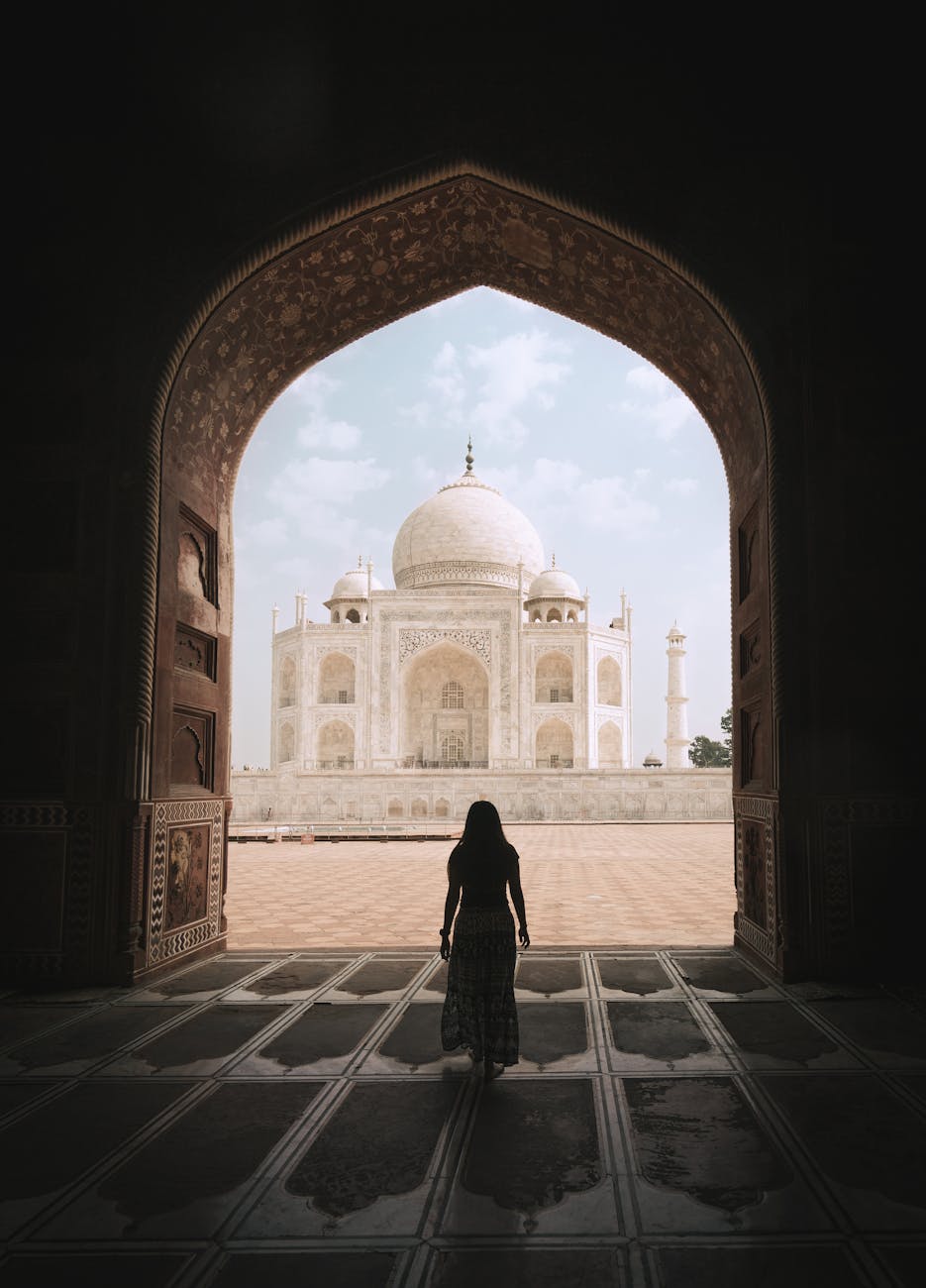
It is also used as a given-name. In the Arabic-speaking world, it is a masculine name but in Southeast Asia, it is unisex. A notable female bearer was Mumtaz Mahal (1593–1631), the beloved wife of Mughal Emperor Shah Jahan, for whom the Taj Mahal was built. Her real name was Arjumand Banu Begum, but she was titled Mumtaz Mahal, meaning “Distinguished One of the Palace.”
Mümtaz is the Turkish form, it is mostly masculine but is occasionally used on females.
The name is from the Persian word, مهتاب (mahtab), meaning “moonlight.” It is a poetic female name that has spread throughout the Persianate world. It is occasionally used on males in Southeast Asia.
Notable Bearers
Mahtab Singh (1782-1813), was the first wife of Ranjit Singh, founder of the Sikh Empire.
Mehtab Kadın (1830-1888) (Turkish form), was the name of the consort of Sultan Abdulmejid I of the Ottoman Empire.
Mahtob Mahmoody (b. 1979): Iranian-American author and daughter of Betty Mahmoody, whose story inspired Not Without My Daughter (1991), starring Sally Field.
Its Turkish form of Mehtap was among the top 100 girls’ Turkish names between 1980-1993, and peaked at # 58 in 1983.
Pron: gawk (with the final -c a short stop, not a full “k” release). In IPA: [ŋôk].
Ngọc is a Vietnamese given name and element of compound names, derived from the Sino-Vietnamese reading of the Chinese character 玉 (yù in Mandarin), meaning “jade, precious stone, gem.”
A Maori name drawn from the word reinga, meaning “the leaping-off place; the spirit world; the afterlife, in Maori tradition, the far-northern headland of Cape Reinga (Te Rerenga Wairua) is the sacred point where the spirits of the dead begin their journey back to the ancestral homeland of Hawaiki.
It is also the name of a species of spider endemic to New Zealand.
It is used as a unisex name.
A notable bearer is New Zealand netball coach, Reinga Bloxham Te Huia.