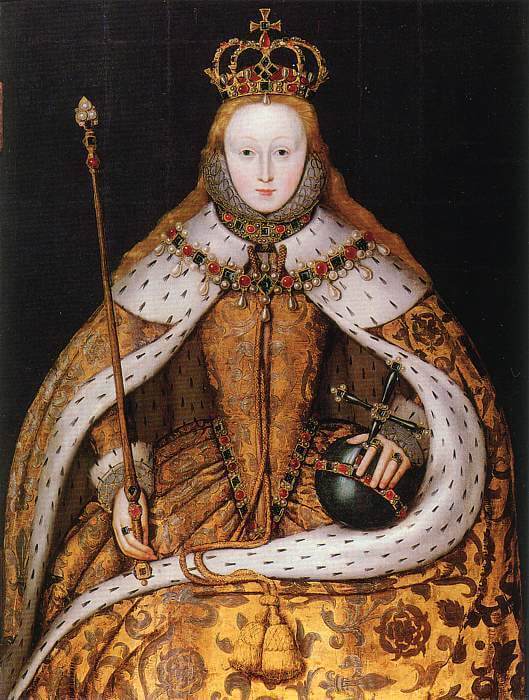
Stephen

Gender: Masculine
Origin: Greek
Meaning: ” wreath; garland.”
Eng (STEE-ven); (STEF-en)

The name is derived from the Greek, Στεφανος, (Stephanos), which refers to a wreath or garland worn upon the head, hence, the name is sometimes interpreted to mean “crown.”

As written in the New Testament, it was the name of a deacon who was stoned to death for his beliefs and is regarded as the first Christian martyr.

The designated name-day is December 26.

In the United States, Stephen currently comes in as the 192nd most popular male name, while Steven is the 104th most popular, (2008).

Other forms of the name include:

  • Stefan/Stefaan/Stëven/Stephan (Afrikaans)
  • Shtjefën/Stefan (Albanian)
  • Istfan, إصتفان, ستيف, ستيفن (Arabic)
  • Stepanos/Stepan Ստեփանոս, Ստեփան (Armenian)
  • Tcheunne (Arpetan)
  • İstfan/Stepan (Azeri)
  • Estebe/Eztebe (Basque)
  • Esteve (Bearnais/Catalan/Occitanian/Provençal)
  • Steven (Breton)
  • Stefan Стефан (Bulgarian: Stefcho Стефчо is a diminutive form)
  • Stjepan (Croatian/Serbian: diminutive forms are Stipe and Stipo).
  • Štěpán/Štefan (Czech)
  • Stephen/Stefan/Stephan (Danish)
  • Steven/Stefaan/Stefanus/Stefan/Stephan (Dutch: Stef is a common Dutch diminutive form)
  • Tehvan (Estonian)
  • Sitiveni (Fijian)
  • Tahvo/Teppo (Finnish)
  • Tapani (Finnish)
  • Étienne (French: classic form)
  • Éstienne (French: medieval form)
  • Stéphane (French: more modern form)
  • Steffen (Frisian: used in Germany, Holland, Norway and Denmark)
  • Estevo (Galician)
  • Stefan/Stephan (German)
  • Stephanos Στέφανος (Greek)
  • Kepano/Kiwini (Hawaiian)
  • István (Hungarian: Pisti, Pisto and Isti. 30th most popular male in Hungary, 2008)
  • Stefán (Icelandic)
  • Steephan (Indian)
  • Steafán/Stiofán (Irish: Gaelic)
  • Stefano (Italian)
  • Stefanino/Stefanio/Stenio/Steno (Italian: obscure forms)
  • Stefanus/Stephanus (Latin)
  • Stefans/Stepans/Stepons (Latvian)
  • Steponas/Stepas (Lithuanian)
  • Stefan/Stevan Стефан, Стеван (Macedonian)
  • Stiefnu (Maltese)
  • Tipene (Maori)
  • Šćepan Шћепан (Montenegrin)
  • Stefanu Стефанъ (Old Church Slavonic)
  • Stefan/Szczepan (Polish)
  • Estêvão (Portuguese)
  • Ştefan (Romanian: Fane is a diminutive form)
  • Steivan/Stiafan (Romansch)
  • Stefan/Stiven/Stepan Стефан, Стивен, Степан (Russian)
  • Istevene (Sardinian)
  • Stìobhan/Stìophan/Stèaphan (Scottish: Steenie is a Scotch diminutive form)
  • Stevan Стеван (Serbian)
  • Štefan (Slovak/Slovene)
  • Esteban (Spanish)
  • Stefan/Staffan/Stephan (Swedish: Steffo is a diminutive form)
  • Êtiên (Vietnamese)
  • Stepan ஸ்டீபன் (Tamil)
  • İstefanos (Turkish)
  • Stefan/Stepan Степан, Стефан (Ukrainian)
  • Steffan (Welsh)

Stephanie is a common feminine form, in the United States, she was one of the most popular feminine names between 1972 and 1994. She ranked in at # 6, four years in a row, between the years 1984 and 1987.

As of 2008, she ranked in as the 105th most popular female name. In other countries, her rankings are as follows:

  • # 84 (Australia, 2007)
  • # 488 (the Netherlands, 2008)

Estefanía was the 77th most popular female name in Chile in 2006.

Other feminine forms include:

  • Esteveneta (Bearnais/Occitanian)
  • Štěpánka (Czech)
  • Stefana (Dutch)
  • Etiennette (French: archaic)
  • Stéphanie (French)
  • Stefanie (German/Danish/Dutch: was a very popular name in Germany during the 1980s and 90s. Germ: SHTEH-fah-nee; Dutch (STAY-fah-nee. Steffi is a common German diminutive form.)
  • Kekepania (Hawaiian)
  • Stefánia (Hungarian)
  • Stefania (Italian/Polish/Romanian: Polish diminutive forms are Stefcia and Stefa)
  • Stefanina (Italian: obscure)
  • Stefanella (Italian: obscure)
  • Stenia/Stena (Italian: obscure)
  • Szczepana (Polish)
  • Estèva (Occitanian/Provençal)
  • Štefánia (Slovak)
  • Estefanía (Spanish)

Stevie, Steff, and Steffie are the preferred English diminutives.

Cornelia, Cornelius

Origin: Latin
Meaning: “horn.”
Eng (kore-NEE-lee-ah); (kore-NEE-lee-us).

The names are ultimately derived from a Roman clan name, known as the Cornelii, they were one of the most distinguished and influential clans in both the Roman Republic and Empire. Infact, it is believed that over %30 percent of all consulships were held by members of the Cornelii.

The name is believed to be derived from the Latin word cornu meaning “horn.”

The name is found in the New Testament, in the Acts, as the name of the first gentile convert to Christianity. The female counterpart was borne in history by Cornelia Africana, (2nd century B.C.E), the mother of the reformers known as the Gracchi brothers.

Other forms of the names include:

  • Kerneels (Afrikaans)
  • Kornel (Czech/Polish/Slovak)
  • Cornelis/Kornelis (Dutch)
  • Corneel/Korneel (Dutch)
  • Cees/Cor/Corné/Kees/Neel/Nelis (Dutch: diminutive forms that are sometimes used as independent given names)
  • Cornel/Cornelius (English)
  • Corneille (French: more common form)
  • Cornélius (French)
  • Cornelius/Kornelius (German: diminutives include, Corni, Corny, Neli and Nelli).
  • Niels (German/Dutch: originally a diminutive form, now used exclusively as an independent given name)
  • Kornél (Hungarian: 59th most popular male name of 2005 in Hungary)
  • Cornelio (Italian: diminutive form is Nello)
  • Korneli/Korneliusz (Polish: diminutive is Kornelek)
  • Cornélio (Portuguese)
  • Cornel/Corneliu (Romanian)
  • Cornel (Romansch)
  • Cornelio (Spanish)

Feminine forms include:

  • Kornelia (Czech/German/Polish: Polish diminutive form is Kornelka)
  • Cornelia (Dutch/English/German/Italian/Romanian/Spanish/Swedish: Dutch diminutive forms are Cokkie. In 2007, Cornelia was the 61st most popular female name in Sweden)
  • Neele (Dutch: originally a diminutive form, used as an independent given name)
  • Cornélie (French)
  • Nele (German: initially a diminutive form, now used as an independent given name, and currently very trendy in German speaking countries NEL-e)
  • Kornélia (Hungarian/Slovakian)

English diminutive forms for males are Corey and Neil, and for females they are usually Corey, Nell or Nellie.

Name-days are September 16/November 16 (Austria/Germany), December 17 (Slovakia)

Elisabeth, Elizabeth

Gender: Feminine
Origin: Hebrew
Meaning: “God is my oath; God is abundance.”

The name is a transliterated form of the Biblical Greek Ελισβετ (Elisabet), which is a Hellenized version of the Biblical Hebrew feminine name, אֱלִישֶׁבַע‎ (Elisheva).

Elizabeth appears twice in the Bible, once in the Old Testament as the name of Aaron’s wife and once in the New Testament as the wife of Zachariah and the mother of John the Baptist.

Elizabeth has remained fairly consistent in the U.S top 100 for over a hundred years. She currently ranks in at # 9 and the lowest she has ever come in the U.S. charts was in 1945 at # 26.

In Australia she is the 37th most popular female name (2007), in Canada, she ranks in at # 20 (2008), in England/Wales she came in at # 40 (2008), in Ireland at # 63 (2007) and in Scotland at # 68 (2008).

The name was borne by several saints and European royalty. Among the most notable bearers were, St. Elizabeth of Hungary, a 12th-century Hungarian princess who was known for her acts of kindness and charity toward the poor and Queen Elizabeth I of England, including the current reigning Queen, Elizabeth II.

The name Isabel/Isabella are relatives, but have becomes so far apart from its original source, that they often occur concurrently in many European countries with Elizabeth, hence is why I shall devote a different post to Isabel/Isabella, but I shall cite her several times in this article as a variation whenever needed.

I believe one of the reasons why Elizabeth has been a long time favorite, is because of her versatility. She can be shortened to a variety of different nicknames, especially in English. The most popular are: (I have cited the ones that have commonly been used as independent given name with a black club)

Bess, Bessie, Beth♣, Bets, Betsy, Bet, Bettie/Betty, Bezzy, Bit, Bitsy, Biz, Buffy, Elisa♣, Elise♣, Elle♣, Eliza♣, Ella♣, Ellie, Elsa♣, Elsie♣, Ibbie, Lib, Libby, Lilly, Lisa♣, Liz, Lizzie, Liza♣, Tetty, Tibby and Tizzy.

Other forms of the name include:

Latinate Forms
Forms found in Latinate/Romance languages

  • Sabela (Asturian)
  • Elisabèt, Lisabèt (Bearnais)
  • Elisabet (Catalan)
  • Babette (French: originally a diminutive form, used as independent given name, now considered extremely dated)
  • Élisabeth (French)
  • Élise (French)
  • Lise (French)
  • Lisette (French: originally a diminutive form but exclusively used as an independent given name)
  • Bettina (Italian)
  • Elisa (Italian/French/Portuguese: appears in Boccaccio’s Decameron as the name of one of the female story tellers).
  • Elisabella (Italian: obscure)
  • Elisabetta (Italian/Romansch)
  • Elisa (Italian/Sardinian/Spanish)
  • Elisanna/Elisena (Italian: obscure)
  • Elisetta (Italian)
  • Lelisa (Italian: obscure)
  • Lisa (Italian/Spanish)
  • Lisella (Italian: obscure)
  • Lisena (Italian: obscure)
  • Lisetta (Italian)
  • Lisina/Lisinda (Italian: obscure)
  • Lisanna (Italian)
  • Elisabetha (Late Latin)
  • Elizabetta (Liguru: a minor language spoken in Italy)
  • Elisabeta/Elisèu/Eliso (Occitanian)
  • Elisabete/Elisete/Elsa (Portuguese)
  • Babèu/Eisabèu/ Lisabèu (Provencal: Babeu is a diminutive)
  • Elisabeta (Romanian/Spanish)
  • Lisabetta (Romansch/Corsican)
  • Lisabbetta (Sicilian)
  • Isabel/Ysabel (Spanish/Aragonese/Catalan/Galician/Portuguese)

Germanic Forms
Forms used in Germanic languages

  • Elsabe (Afrikaans)
  • Liesel (Alsatian)
  • Elisabet (Danish/Faroese/Swedish/Norwegian)
  • Elsebeth (Danish)
  • Else (Danish)
  • Lise (Danish/German)
  • Lis (Danish/Norwegian/Swedish)
  • Lisbet (Danish/Norwegian/Swedish)
  • Lisbeth (Danish/German)
  • Els (Dutch: a diminutive form, occasionally used as an independent give name)
  • Elsa (Dutch/German/Swedish)
  • Liesbeth/Lijsbeth (Dutch)
  • Liesje (Dutch)
  • Eliza (English: originally a diminutive, exclusively used as an independent given name)
  • Elsba/Elsbet/Elsuba/Elusbet (Faroese)
  • Elspa (Faroese)
  • Lisabet/Lisbet (Faroese)
  • Elsebe/Elsche/Eske/Telsa (Frisian)
  • Bettina/Bettine (German: a borrowing from the Italian)
  • Elisa (German: a borrowing from Romance languages)
  • Elisabeth (German/Dutch)
  • Elise (German/Danish/Dutch/English/Norwegian: a borrowing from the French)
  • Elli (German: diminutive form, occasionally used as an independent given name)
  • Elsbeth (German/Swiss-German dialectical form)
  • Ilsa/Ilse (German/Dutch: initially a diminutive form, popularly bestowed as an independent given name, now considered dated. il-SEH)
  • Lies/Liesa/Liese (German/Dutch)
  • Liesel/Liesl (German: originally a diminutive form, used as an independent given name, now considered dated)
  • Lilli (German: originally a diminutive form, used as an independent given name due to its association with the flower)
  • Lisa/Lise (German/Dutch/English/Swedish/Danish/Norwegian)
  • Sabeth (German: obscure)
  • Aileisabaiþ (Gothic)
  • Elísabet (Icelandic)
  • Ellisif/Ellisiv (Norwegian)
  • Lieken, Lüke, Lücken (Plattdeutsch)
  • Bettan (Swedish: originally a diminutive form, occasionally used as an independent given name, but now considered dated)
  • Lisen (Swedish: originally a diminutive form, used as an independent given name)

German diminutive forms are Betti, Elis, Elli, Elschen, and Lieschen.

Slavic Forms
Forms used in Slavic speaking countries

  • Elisaveta Елисавета (Bulgarian)
  • Elizabeta (Croatian)
  • Alžběta (Czech: alzh-BYEH-tah)
  • Eliška (Czech: originally a diminutive form, used as an independent given. eh-LEESH-kah)
  • Elisabeti Елїсабеть (Old Church Slavonic)
  • Eliza (Polish: eh-LEE-zah)
  • Elżbieta (Polish: elsh-BYEH-tah)
  • Halszka (Polish: archaic. HAHLSH-kah)
  • Halżbieta (Polish: archaic. halsh-BYEH-tah)
  • Elizaveta/Yelizaveta Елизавета (Russian)
  • Jelisaveta (Serbian)
  • Alžbeta (Slovak)
  • Ažbeta (Slovene)
  • Betina (Slovene)
  • Elica (Slovene: originally a diminutive form, used as an independent given name. eh-LEET-sah)
  • Elisa/Elis (Slovene)
  • Elizabeta/Elizabet (Slovene)
  • Elza (Slovene)
  • Jelisava (Slovene)
  • Lizabeta (Slovene)
  • Špela (Slovene: originally a diminutive form, exclusively used as an independent given name. SHPEH-lah)
  • Hilža (Sorbian)
  • Lisaveta/Yelysaveta (Ukrainian)

Czech diminutive forms are Běta, Bětka, Bětuška, Betynka, Bětuše, Betyna, and Líza. Slovakian diminutives include: Beta, Betka, Betuška, Betinka, Betuša and Betina. Polish diminutive forms are Bieta, Ela (the most prevalent), Elka, Elunia and Elżunia. Slovene diminutives are: Beta, Beti, Betika, Ela, Eli, Elzi, Špelca, Špelica, Špelka, Jelica, Lili, and Lizika.

Baltic Forms
Forms used in the Baltic States

  • Eliisabet (Estonian)
  • Elts (Estonian)
  • Etti (Estonian)
  • Ilze (Estonian)
  • Liisa/Liisi/Liis (Estonian/Finnish)
  • Liisu (Estonian)
  • Eliisa (Finnish)
  • Elizabete (Latvian)
  • Līze/Lizina (Latvian)
  • Elžbieta (Lithuanian)
  • Eliissá/Liisá/Liissá (Saami)

Celtic Forms
Forms used in Celtic based languages

  • Elesbed (Breton)
  • Eilís (Irish: IE-leesh)
  • Ealisaid (Manx: ALE-is-sed)
  • Ealee (Manx)
  • Ealish (Manx)
  • Ealasaid (Scottish)
  • Elspeth (Scottish)
  • Bethan/Betsan (Welsh)

Other forms

  • Elizabeta (Albanian)
  • Ilizabith إليزابيث (Arabic)
  • Il-Shvai ܐܠܝܫܒܥ \ܐܠܝܫܒܚ (Aramaic)
  • Elsapet (Armenian)
  • Yeghisapet (Armenian)
  • Zabel (Armenian)
  • Elixabete/Elixabet/Elizabete (Basque: former are pronounced eh-LEE-sheh-BEH-tah and eh-LEE-shah-Bet)
  • Elixi (Basque: eh-LEE-shee)
  • Elisheba (Biblical Hebrew)
  • Eliso ელისო (Georgian)
  • Lizi (Georgian)
  • Elisavet Ελισαβετ(Greek: Modern)
  • Zeta (Greek: Modern)
  • Ilsipat (Greenlandic)
  • Elikapeka (Hawaiian)
  • Elisheva (Hebrew: see Hebrew script above)
  • Lizzamma (Hindi/Indian)
  • Erzsébet/Orzebet (Hungarian: ER-zhey-bet)
  • Aley/Aleyamma/Aleykutty (Malayalam)
  • Eli/Eliamma (Malayalam)
  • Elizabetta (Maltese)
  • Erihapeti (Maori)
  • Elizabet (Turkish)

Hungarian nicknames includes Bözsi, Erzsi (ER-zhee), and Zsóka (ZHO-kaw).

Medieval Forms
Forms no longer in usage from Medieval Europe

  • Ysabel/Ysabet (Catalan, Valencia, 16th-century)
  • Elisaued (Cornwall, England, 10th-century)
  • Elizabez (England, 13th-century)
  • Lylie/Lilion (England, 13th-century, possibly nicknames)
  • Elisota (England, 14th-century)
  • Elseby (Finland)
  • Isabelot (France, Paris, 13th-century)
  • Yzabé (France, Bordeaux, 15th-century)
  • Besina (14th-century Italy, Venice, possibly a diminutive form)
  • Isabetta (Italy, Florence 15th-century)
  • Bechte (Germany, 15th-century, most likely a diminutive form)
  • Beth (Germany, 15th-century, diminutive form)
  • Bettlin (Germany, 15th-century, probably a diminutive form)
  • Bytzel (Germany, 15th-century, diminutive form)
  • Els (Germany, 15th-century, diminutive form)
  • Elsslein (Germany, late 15th-century)
  • Elsslin (Germany, 15th-century, probably a diminutive form)
  • Eltzabet (Germany, late 15th-century)
  • Lyse (Germany, 15th-century, diminutive form)
  • Elsebeth (Germany, 15th-century)
  • Elzebeth (German, in Silesia, 14th-century)
  • Nele/Neleke (German, in Silesia, 14th-century, most likely than not, diminutive forms)
  • Elysant (Normandy, 1190)
  • Helisent (Normandy, 1221)
  • Isabellis (Normandy, 12th-century)
  • Ysabels/Yzabels/Yzabela (Occitan, Saint Flour, 14th-century)
  • Elitze (Sweden, 15th-century)
  • Elsika/Elsiko/Elzeke (Sweden, 15th-century)
  • Elsby/Elzeby (Sweden, 16th-century)
  • Aleseta (Switzerland, Sion, 14th-century)

Name-days are: November 17 and November 19.
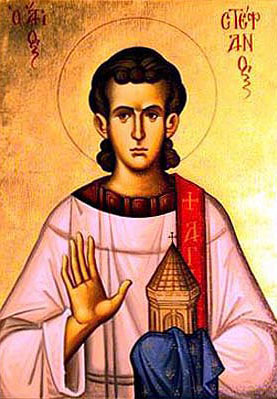
Martin, Martina

Origin: Latin
Meaning: “belonging to the god Mars.”

This popular pan-European name is derived from Latin name Martinus, a derivative of the Latin genitive Martis, used in reference to the Roman god Mars. The usage of the genitive case would reflect possession, therefore the name would roughly translate as meaning “belonging to Mars” or “possessed by Mars.”

The name was popularized by a 4th-century bishop and saint, (the patron saint of France), known as Martin of Tours. According to legend, he came upon a beggar in the middle of a harsh and cold winter, Martin cut his only cloak in half and gave it to the beggar, later that night, he had a dream of Christ appearing before him, wearing the other half of his cloak. Saint Martin of Tours was not only a popular devotional saint in France, but in the rest of Europe as well. Today, the surname of Martin is the most common in France, originally the surname was taken in honour of the saint.

Another popular saint who bears the name is St. Martin de Porres, attributed as the first African-American saint, he was born in Peru in the 1500s. He was the son of a Spanish nobleman and an African slave woman. He later became a Dominican and was known for his charity and mystical powers. In Spanish-speaking countries, the name Martin is mostly given in commemoration of him.

The name became popular among protestants, particularly adherents of the Lutheran faith, due to its associations with the German Reformer Martin Luther (1483-1546). It was also borne by Civil Rights Activist Martin Luther King Jr. 1929-1968).

In Europe today, Martin is still a fairly common choice. Its rankings are as follows:

  • #55 (Belgium 2006)
  • #56 (France 2006)
  • #20 (Hungary 2005)
  • #73 (Ireland 2007)
  • # 72 (Northern Ireland 2007)
  • # 8 (Norway 2007)
  • #32 (Slovenia 2005)
  • #59 (Spain 2006)
  • # 79 (Sweden 2007)

In Chile, he was the 4th most popular male name in 2006, while in the United States he comes in at a meagre # 221. The perfect classic male name for someone looking for something not too odd yet not too popular.

Other forms of the name include (divided alphabetically by origin)

  • Mardig (Armenian)
  • Mattin (Basque: diminutive form is Matxin)
  • Marzhin/Marzin (Breton)
  • Martí (Catalan: 77th most popular male name in Spain in 2006)
  • Martinu (Corsican)
  • Morten (Danish/Norwegian)
  • Maarten/Marten/Martijn (Dutch Pronunciation for the latter: http://www.forvo.com/search/Martijn/)
  • Ties (Dutch: originally a diminutive form, used as an independent given name)
  • Tinus (Dutch: originally a diminutive form of Martinus, now used as an independent given name)
  • Tijn (Dutch: originally a diminutive, now used as an independent given name. It was the 28th most popular male name in the Netherlands in 2008)
  • Madro/Mardi/Mardu/Mart/Märten/Märtin/Märt (Estonian)
  • Martti (Finnish)
  • Merten (Frisian)
  • Marti/Martinni (Greenlandic)
  • Márton (Hungarian: Pronunciation: http://www.forvo.com/search/Marton/ 31st most popular male name in Hungary 2005. Diminutive is Mártos)
  • Marteinn/Martin (Icelandic)
  • Mairtín (Irish Gaelic)
  • Martiniano (Italian: obscure)
  • Martino (Italian)
  • Martianus (Latin/Dutch)
  • Martinus (Latin/Dutch)
  • Marcis/Martins/Martiņš/Mārtiņš/Marts/Mārts (Latvian)
  • Martynas (Lithuanian)
  • Marcin (Polish. Pronunciation:http://www.forvo.com/search/Marcin/pl/. Diminutive is Marcinek)
  • Martim/Martinho (Portuguese)
  • Martinián (Slovakian)
  • Tinek (Slovenian: initially a diminutive form, now used as an independent given name)
  • Tine (Slovenian: originally a diminutive form, now a popular independent given name ranking in as the 59th most popular male name in Slovenia as of 2008. The final e is pronounced)
  • Martín (Spanish)
  • Mårten (Swedish)
  • Martyn (Welsh/Ukrainian)

Martin is not only used in English, but is also used in Croatian, Estonian, French, German, Maltese, Scandinavian, Romanian, Russian, Czech, Slovenian, Hungarian and Bulgarian languages as well. German nicknames include Marte, Mart,  Marti or Marty. Maroš is the Czech and Slovakian pet form and Marty is the common English nickname.

The name-days are:

  • March 1 (Bulgaria)
  • November 11 (Czech Republic/France/Germany/Poland/Lithuania/Slovakia)
  • November 10 (Sweden/Estonia/Latvia)

    Dutch children celebrating St. Martin's Day

    In some parts of Holland,  Belgium, Germany, Austria and Switzerland, children celebrate St. Maarten’s Day (November 11) by carrying lanterns from door-to-door and getting sweets in exchange for song. The same holiday is observed under the name of Mardispäev in Estonia, Jum San Martin in Malta and to a lesser extent, the holiday is celebrated in the greater region of Poland, particularly in Poznan. Only on this day, instead of it being a children’s holiday, it is more of a day to get a traditional poppy-filled croissant sold by bakers just on that one day of the year, occasionally there are concerts held in the city.

    The most common feminine form is usually Martina, which has experienced wide usage in Bulgaria, Croatia, Czech Republic, Dutch-speaking countries, Estonia, Faroe Islands, German-speaking countries, Italy, Portuguese-speaking countries, Romania, Scandinavia, Serbia, Slovakia and Spanish-speaking countries. It was borne by a 3rd-century Roman saint and martyr as well as a 6th-century Byzantine empress.

    Martinitsa

    It is interesting to note that in Bulgaria, the designated name-day is March 1, and Martin, as well as Martina, have historically been connected to the Bulgarian word mart (meaning March). In this case, the names are sometimes bestowed upon a March baby or children born on March 1. The Holiday of Baba Marta (meaning “grandmother March.”) is a traditional Bulgarian festival that celebrates the arrival of spring and the end of winter, Baba Marta is the harbinger of good weather and if she is displeased, she will continue to bring stormy weather. Baba Marta is considered a moody and fickle old woman, so one must always be careful not to displease her, one way of doing this is the exchange of martenitsi, (white and red tassles which are pinned to clothing), this is used as a way to ask Baba Marta for mercy. A martinitsa is worn either till the end of March or until the wearer spots a stork or a blooming tree, with this, the bearer knows that Baba Marta is pleased, afterwards, they are hung on trees in order to transfer luck onto the tree. The martenitsa symbolizes new life, fertility and spring.

    The rankings of Martinas popularity from country to country are as follows:

    • # 1 (Chile, 2006)
    • # 2 (Malta, 2007)
    • # 76 (Slovenia, 2005)
    • # 34 (Spain, 2006)

    Other feminine forms are:

    • Marzhina (Breton)
    • Maatje/Maartje/Martien/Martijntje (Dutch)
    • Tieneke/Tineke/Tine/Tini (Dutch diminutive forms, used as an independent given names)
    • Martine (French/Estonian/Norwegian/Danish: an obscure French feminine diminutive form is Martinette, the name is very popular in Norway coming in as the 28th most popular female name in 2007, in the Danish/Norwegian case, the final e is pronounced).
    • Martinka (Hungarian: initially used as a diminutive, occassionally used as an independent given name)
    • Martína (Icelandic)
    • Martana (Italian: obscure)
    • Martinella (Italian: obscure)
    • Marcina (Polish: the original Polish feminine form, this form has always been unusual and its latinized counterpart of Martyna has recently enjoyed popularity)
    • Martyna (Polish: popularized by a popular French children series known as Martine in French and Martynka in Polish written by Belgian authors Marcel Marlier and Gilbert Delahaye, published (1954). In Polish Martyna is pronounced (mahr-TIH-nah) the Y is akin to the i sound in pig, but not exactly so. Martyna is also the Ukrainian and Lithuanian version, but in those cases, it is pronounced with the long i sound (mahr-TEE-nah).\
    • Martinha (Portuguese)

    Other famous bearers of the name include: Martina von Trapp (1921-1951) is immortalized in the Sound of Music as Gretl von Trapp, she was named for the manor house she was born in, Martinschlössel (Martin’s Castle in English). Czech-American tennis player, Martina Návratilová (b.1956). American country-Western singer Martina McBride (b.1966). Italian actress, Martina Stella (b.1984).

    The name-days are:

    • March 1 (Bulgaria)
    • July 17 (Czech Republic)
    • January 30 (Germany/Hungary)
    • September 9 (Slovakia)
    • November 10 (Sweden)

    Rosalia, Rosalie

    Gender: Feminine
    Origin: French
    Meaning: “rose festival.”
    (ROZE-uh-LEE-uh); (ROZE-uh-LEE)

    Rosalie Cullen is described as an utterly beautiful yet cold creature. She is the more stand-offish of the Cullen bunch. If you don’t know what I am talking about, I am referring to a character in the popular Stephanie Meyer books, Twilight.

    For a character that was supposedly born at the turn of the century, Ms. Meyer certainly named her character well, since Rosalie has not been in the top 1000 names since 1988, coming in at a mere # 942 when it was last seen. In fact, the highest the name ever reached was # 66 back in 1938!

    If Rosalie Cullen doesn’t hold enough supernatural appeal for you, then you might want to look into the history of this rare little gem, as the name has enough gothic and romantic charm behind it to fit a beautiful vampire.

    It is assumed that the name is just an elaboration of the name Rose, but in actuality, it comes directly from the name of an ancient Roman and Greek festival, the rosalia. Known to the Greeks as the Anthesteria, the celebrations usually took place around the 11th to 13th of January or February. It was basically the celebration of the maturing of the wine stored in previous years. During the festival, the vintages were opened, representing the beginning of Spring. Likewise, on these days, slaves and masters reversed their roles, it was the one and only festival where slaves were allowed to participate. It was also a day that celebrated the expulsion of the lost wondering souls of the dead. It had many similar aspects to Hallow e’en and Mardi Gras. Though a popular festival, the name was never used as a human moniker till perhaps the Middle Ages.

    As a give name, it seems to have first appeared around the 1600s after the bones of a mysterious hermit saint were found in a cave in Sicily.

    Known affectionately in Sicily as La Santuzza, (the Little Saint), all that is known of St. Rosalie is that she and her family were of noble blood and were French-Norman immigrants who had settled in the city of Palermo.

    St. Rosalie chose to live a life as a hermit, and tucked herself away in a cave till she died.

    Legend has it that she was lead to the cave by angels. On the cave wall, she wrote, “I, Rosalia, daughter of Sinibald, Lord of the Roses, and Quisquina, have taken the resolution to live in this cave for the love of my lord, Jesus Christ.” (http://en.wikipedia.org/wiki/Saint_Rosalia).

    In the 1600s, Palermo had been struck by the plague, and, according to legend, the saint appeared to a hunter dying from the pestilence. She led him to the cave where her bones were found. Rosalia then instructed the hunter to transport her bones back to Palermo and to have them carried in a procession throughout the city. The hunter did what she asked and supposedly, the hunter, and the city, were cured of the plague. Since then, St. Rosalie is honoured as the patron saint of Palermo, and each July 15, a huge festival is held in her honour to commemorate the event.

    Known as the festino, it is still a big holiday in Sicily, and even throughout the United States, the same festival is celebrated by Italian Americans, only it has been switched to honour Our Lady of Mt. Carmel, while St. Rosalie’s feast is held off till the beginning of September.

    Another interesting side note is that St. Rosalie is also designated as the patron saint of evolutionary studies, due to the fact that a scientist by the name of G.E. Hutchinson conducted a study of a pool by the saint’s cave where he observed water boatmen.

    The name was never really used in the English speaking world till the influx of Italian immigrants to the United States at the turn of the century.

    In 2006 French popularity lists, Rosalie came in at # 342.

    Currently, in Slovenia, its contracted form of Zala is the 8th most popular female name, (2008).

    Other forms of the name include:

    • Rosalia (Afrikaans/Catalan/German/Italian/Sardinian)
    • Rozalija (Croatian/Latvian/Serbian/Slovene)
    • Rozálie (Czech: raw-ZAHL-yeh)
    • Rosalie (Danish/Dutch/French/English)
    • Rozália (Hungarian/Slovak)
    • Rosolia (Italian: obscure)
    • Rozalia (Polish/Slovene)
    • Rosália (Portuguese)
    • Rusulìa (Sicilian)
    • Zala (Slovene: originally a diminutive form, now used exclusively as an independent given name)
    • Rosalía (Spanish)

    An Italian masculine form is Rosalio.

    Zephyr

    Gender: Masculine
    Origin: Greek
    Meaning: “west wind.”
    Ζεφυρος
    (ZEF-er)

    The name is derived from the Greek Zephyros (Ζεφυρος), meaning, “the west wind.”

    In Greek mythology, the name is borne by one of the four wind gods, known as the Anemoi.

    Zephyr was the god of the west wind; harbinger of gentle breezes and warm air that comes with late spring and early summer. He was the husband of Chloris (greenery) and the father of Carpos (fruit).

    Another form is Zephyrinus, which was borne by a 3rd-century martyr and also borne by a Pope.

    His Roman counterpart is Favonius.

    Other forms include:

    • Zefirinus (Afrikaans)
    • Zèfir/Zeferí (Catalan)
    • Zeperino (Cebuano)
    • Zefirin (Croatian)
    • Zefyrinus (Czech/Danish/Dutch)
    • Zefyr (Danish/German/Norwegian/Polish/Swedish)
    • Zéphyr/Zéphyrin (French)
    • Zephyros Ζεφυρος (Greek)
    • Tzafrir צַפְרִיר (Hebrew)
    • Zephürosz (Hungarian: very obscure)
    • Zefiro (Italian)
    • Zephyrus/Zephyrinus (Latin)
    • Zefyras/Zefyrinas (Lithuanian)
    • Zefiryn (Polish)
    • Zéfiro/Zeferino (Portuguese)
    • Zefirin (Romanian)
    • Céfiro/Ceferino (Spanish/Galician)

    Nicknames include Zef.

    Feminine forms are

    • Zéphyrine (French)
    • Zeferina (Italian)
    • Zeferyna (Polish)

    Elsabe

    Gender: Female
    Origin: Afrikaans
    Pronunciation (EL-sah-BAY)

    An old lower Germanic form of Elizabeth, the name was first recorded in Germany in a 1492 Hamburg census as Ilsabe and Ilsabeen.

    The name has not been in wide usage in Holland or Germany since the Renaissance, but it is still prevalent among Afrikaan speakers in South Africa.

    (Johannesburg pictured at right).