Robert, Robin

Gender: Masculine
Origin: German
Meaning: “bright fame.”

The name is composed of the Germanic elements, hrod (fame) and beraht meaning (bright). In Pre-Norman England, the name existed in the form of Hreodbeorht and was replaced by the now more favored Robert after the Norman Conquest.

The name has been consistently popular in the English-speaking world since. It has been worn by hundreds of notable bearers, including two French kings, three Scottish kings, (Robert the Bruce being one) and several saints.

Currently, Robert ranks in as the 49th most popular male name in the United States, (2008). His rankings in other countries are as follows:

  • # 80 (Canada, B.C., 2008)
  • # 89 (England/Wales, 2008)
  • # 44 (Hungary, 2008)
  • # 49 (Ireland, 2008)
  • # 56 (Scotland, 2009)

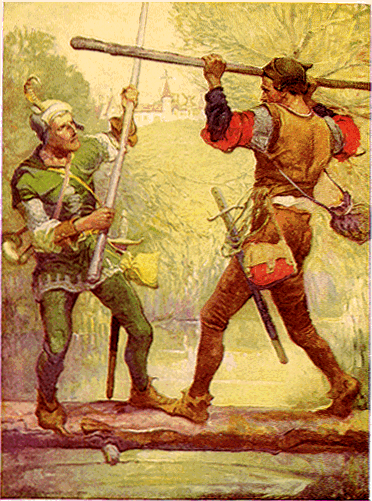
Robert has introduced several offshoots, the Medieval English diminutive form of Robin was the name of the protagonist of the legendary Robin Hood, Prince of Thieves. It is also used in Scandinavia and in German-speaking countries.

Its low Germanic counterpart of Rupert was popularized in Austria via an early Christian saint and was later introduced into England by Prince Rupert of the Rhine, a military commander and nephew of King Charles I. The name has enjoyed some usage in England ever since.

Other forms of the name include:

  • Hreodbeorht (Anglo-Saxon)
  • Roupen (Armenian)
  • Roparzh/Roperzh (Breton)
  • Robert Роберт (Catalan/Danish/Dutch/Croatian/Czech/English/Estonian/Finnish/French/German/Polish/Romanian/Russian/Serbian/Slovene)
  • Robrecht (Dutch/Afrikaans: rare, archaic)
  • Rupert (Dutch/English/German/Polish)
  • Robin (English/Finnish/Scandinavian)
  • Roobert (Finnish)
  • Roopertti (Finnish)
  • Robèrto (Fruilian)
  • Roberte (Galician)
  • Robrecht (German: rare, archaic)
  • Rodebrecht/Rotebert (German: rare, archaic)
  • Rudbert/Ruotbert (German: archaic)
  • Ruprecht (German: rare, archaic)
  • Rovēros/Rovértos Ροβῆρος Ροβέρτος (Greek)
  • Röpke (Frisian/Plattdeutsch)
  • Róbert (Hungarian/Icelandic/Slovak)
  • Roibeard (Irish-Gaelic)
  • Robertino (Italian: rare, originally a diminutive form)
  • Roberto (Italian/Portuguese/Spanish)
  • Robertus/Rupertus (Late Latin)
  • Roberts (Latvian)
  • Robertu (Leonese/Sardinian)
  • Robertas (Lithuanian)
  • Raibeart (Scottish Gaelic)
  • Robbetto (Sicilian)
  • Ruperto (Spanish)
  • Ropati (Tahitian)
  • Hopkin/Hopcyn (Welsh: originally a Medieval Welsh diminutive, occasionally used as an independent given name and now more associated with the surname).
  • Robat/Rhobert (Welsh)

Diminutives forms abound, which include: Bob, Bobbie, Rob and Robbie (English), Hob, Dob and Dobby (Medieval English diminutive forms no longer in usage), Rab/Rabbie (Scottish), Robbi (Icelandic), Röbi Swiss German, Robban (Swedish), Robercik/Robuś (Polish), and Roope/Pertti (Finnish).

A common feminine form is Roberta, which is used in English, German, Polish, Italian and Spanish. Common English short forms are Bobbie and Bertie.

A more obscure Italian/Spanish feminine form is Robertina.

Robina is a Renaissance Scots feminine form of Robin.

Name-days are: April 29 (Czech Republic/Germany/Poland), April 30 (France), June 7 (Estonia/Hungary/Poland/Slovakia/Sweden), July 18 (Poland).

Sources

  1. http://www.behindthename.com/name/robert
  2. http://www.askoxford.com/firstnames/robert?view=uk

Matilda

Gender: Feminine
Origin: Germanic
Meaning: “might in battle; strength in battle.”
Eng (mah-TIL-dah)

The name is composed of the Germanic elements, maht meaning, “might, strength” and hild meaning, “battle.”

In the English speaking world, the name has existed since Anglo-Saxon times, in the form of Mæðhilde but the Anglo-Norman forms of Matilda and Maud had replaced the former by the 10th-century.

The name was so common among the Norman aristocracy that it took on the reputation as a “Norman name.” The Normans extended their power throughout Western Europe and introduced the name to non-Germanic countries such as Italy, Spain, France and Portugal.

The name was borne by several medieval personages, who include:

St. Matilda (895-968), the first wife of Henry I the Fowler and mother of Otto I. The details of her life are recorded in the Res Gestae Saxonicae, (Deeds of the Saxons), as well as in the vita antiquior and in the vita posterior. Despite her royal lineage, St. Matilda was known for her piety and charity.

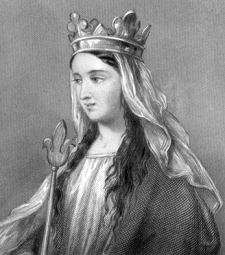
It was later borne by the wife of William I the Conquer, Matilda of Flanders, also known as Maud Le-Vieux, (1031-1083).

In Italian history, it was borne by Countess Matilda of Tuscany (1046-1115), who was known for her support for Pope Gregory VII and for her military exploits.

Edith of Scotland, (1080-1118), changed her name to Matilda upon marrying Henry I of England.

Another English queen who bore the name was Matilda of Boulogne, (1104-1152), wife of Stephen of England. It was also borne by the daughter of Henry II of England, Matilda, the Duchess of Saxony (1156-1189).

In Portugal, it was borne by their first queen-consort, Matilda of Savoy (1125-1158).

Maud was a common vernacular form used more frequently among the lower classes in both England and France. Maud is believed to have originated among the Low Germans since Matilda of Flanders, (who introduced this form of the name), was the daughter of Baldwin of Flanders. Also, in Medieval Dutch and Flemish, when a t appeared between two vowels, it was usually dropped, hence the creation of Maud.

The name was prevalent in England until the end of the 15th-century and was revived at the end of the 19th-century. The name was considered rather old fashioned between the mid to the latter part of the 20th-century, but is now suddenly rising in popularity in several countries.

Currently, in England, she is the 43rd most popular female name, (2008). Her rankings in other countries are as follows:

  • # 14 (Australia, 2008)
  • # 53 (Chile, 2006)
  • # 26 (France, 2006)
  • # 485 (the Netherlands, 2009)
  • # 25 (Norway, 2009)
  • # 25 (Sweden, 2009)
  • # 828 (the United States, 2008)

Its diminutive offshoot of Tilly is currently the 93rd most popular female name in the United Kingdom, (2008).

Other forms of the name include:

  • Matilda Матильда (Afrikaans/English/Finnish/Lithuanian/Russian/Slovak/Spanish/Swedish)
  • Mahthildis (Ancient Germanic)
  • Mæðhilde/Mǣþhild (Anglo-Saxon)
  • Matylda (Czech/Polish)
  • Mathilde (Danish/Dutch/French/German/Norwegian)
  • Machteld/Mechteld (Dutch)
  • Maud (Dutch/English)
  • Maude (English: MAWD)
  • Tilda (English/Finnish/Swedish)
  • Tilly (English: used as an independent given name)
  • Malda/Maldi (Estonian)
  • Milda/Mildi (Estonian)
  • Matilde (Estonian/Italian/Portuguese/Spanish)
  • Mahaut (French: archaic. mah-O)
  • Mahault/Maheu/Maheut (French: archaic)
  • Mechthild/Mechtilde (German)
  • Matild/Mátildá (Hungarian)
  • Matthildur (Icelandic)
  • Mafalda (Italian/Portuguese)
  • Matelda (Italian)
  • Mechtylda (Polish)
  • Matélda (Romanesque)
  • Mallt (Welsh)

Common German diminutives are: Mati, Matty, Hilde, Patty, Patsy, Tilli and Tilly.

English short forms include: Mattie, Tilly and Tilda.

A Dutch and Limbergish pet form is Til.

An Italian short form is Ilde.

A common Germanic diminutive occasionally used as an independent given name is Mette.

Obscure Italian masculine forms include: Matildio and Matildo.

The designated name-day is March 14.

It is also the name of a popular Australian national folk song, Waltzing Matilda.

Sources

  1. http://www.askoxford.com/firstnames/matilda?view=uk
  2. http://www.behindthename.com/name/matilda
  3. http://www.ssa.gov/cgi-bin/babyname.cgi
  4. Das große Vornamenlexikon, Rosa and Volker Kohlheim, Dudenverlag, Mannheim 2007, S. 292
  5. Ladó János, Bíró ÁgnesMagyar utónévkönyv. Budapest: Vince Kiadó. ISBN 963 9069 72 8 (2005)
  6. http://women.timesonline.co.uk/tol/life_and_style/women/article3074698.ece
  7. https://192.49.222.187/Nimipalvelu/default.asp?L=3
  8. http://www.ssb.no/navn/

Disa

Gender: Feminine
Origin: Old Norse
Meaning: “goddess.”
(DEE-sah)

The name is derived from the Old Norse, dís, meaning, “goddess.” This element appears in a variety of other Nordic female names, and in Swedish, Disa is sometimes treated as a short form of Hjördis, or even the Latin, Desideria.

The name appears in a Swedish saga from the Middle Ages, written by Olaus Magnus in 1555. The story recounts the exploits of a young woman by the name of Disa who is able to outwit the god, Freyr. The same story was elaborated by Swedish playwright, Johannes Messenius, in 1611, when he wrote the drama entitled Disa, which is considered one of the first plays to be written in the Swedish language.

It is also the name of a flower indigenous to South Africa, which was named for the above character.

Its designated name-day in Sweden is February 3rd.

Other forms include:

  • Dis (Danish/Norwegian/Swedish)
  • Dísa (Icelandic)
  • Dís (Icelandic/Faroese)
  • Dise (Norwegian)

Christian

Gender: Masculine
Origin: Latin
Meaning: “anointed one; Christian.”

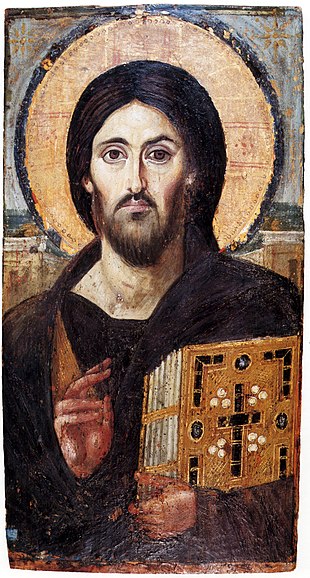
Christian is derived from the Latin, Christianus, which literally means, “anointed one” but in actuality was used to describe one of the Christian faith.

In the English speaking world, the name has been in usage since the Middle Ages, but has been consistently popular in the Germanic countries, most probably due to a few Danish kings who bore the name.

It was also the second name of Danish children’s author, Hans Christian Anderson (1805-1875).

Originally, in English, Christian was occasionally used as an anglicized feminine form of the Latin name, Christiana. Christian fell out of usage as a female name and resurged as a masculine English name around the 17th-century.

As of 2008, Christian stood as the 23rd most popular male name in the United States. His rankings in other countries are as follows:

  • # 45 (Australia, 2008)
  • # 5 (Bulgaria, 2008)
  • # 100 (Canada, B.C., 2008)
  • # 93 (Chile, 2006)
  • # 44 (Czech Republic, 2009)
  • # 15 (Denmark, 2009)
  • # 4 (Faroe Islands, 2008)
  • # 5 (Estonia, 2007)
  • # 89 (Germany, 2009)
  • # 29 (Hungary, 2008)
  • # 9 (Iceland, 2004-2007)
  • # 88 (Ireland, 2008)
  • # 196 (the Netherlands, 2008)
  • # 49 (Norway, 2009)

Other forms of the name include:

  • Christiaan (Afrikaans/Dutch)
  • Kristian (Albanian/Danish/Estonian/Norwegian/Swedish)
  • Kristo (Albanian)
  • Christo (Bulgarian)
  • Kristijan Кристијан (Croatian/Serbian)
  • Kristián (Czech/Slovak)
  • Carsten/Karsten/Kerstan/Kersten (Danish/Dutch/Frisian/Norwegian)
  • Christian (Danish/Dutch/English/French/German/Norwegian/Swedish)
  • Kresten (Danish)
  • Kristen (Danish/Norwegian/Swedish)
  • Kristjan (Danish)
  • Chrétien (French: archaic form)
  • Coerst (Frisian)
  • Críosdaidh (Gaelic)
  • Chrístos Χρίστος (Greek: modern)
  • Keresztély (Hungarian)
  • Keresztes (Hungarian)
  • Krisztián (Hungarian)
  • Kristján (Icelandic)
  • Cristiano (Italian/Portuguese)
  • Christianus (Latin)
  • Krišjānis (Latvian)
  • Chriet (Limburgish)
  • Kristijonas/Krizas/Krišcius (Lithuanian)
  • Creestee (Manx)
  • Crestian (Occitanian)
  • Krystian/Chrystian (Polish)
  • Krystyn (Polish: obscure)
  • Crétin (Provençal)
  • Cristian (Romanian/Italian/Galician)
  • Kristjan (Slovene)
  • Cristián (Spanish)
  • Christer/Krister (Swedish)

Swiss German diminutive forms are: Chrigel, Hitsch, Chrigi and Chrigu.

Bavarian diminutives are: Chris, Chrissi and Chrischan.

A Romanian diminutive is Cristi.

Christina and Christine are usually the default feminine forms.

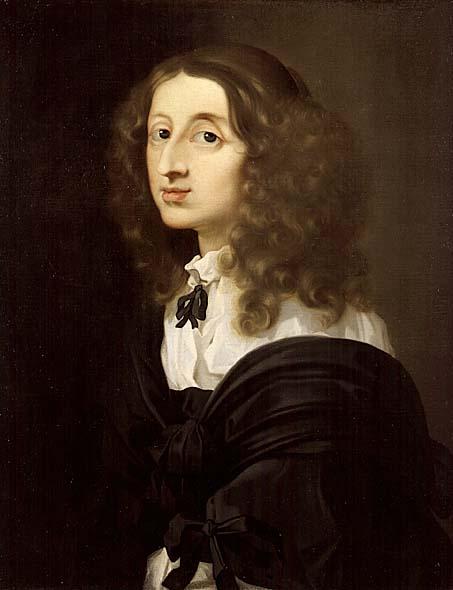
Christina and Christine have been in usage on the continent since at least the Middle Ages. Their popularity may be due to an early Christian saint and martyr of Syria. However, one of its most notable bearers was Queen Christina of Sweden.

Currently, Christina stands as the 20oth most popular female name in the United States, (2008). The highest she has ranked was in 1985, coming in as the 12th most popular female name. Its French counterpart of Christine, currently comes in as the 589th most popular female name, (2008), but at one time stood as the 14th most popular female name between 1967 and 1970.

Her popularity in other countries are as follows:

  • 9 (Czech Republic, 2009)
  • # 127 (Germany, 2009)
  • # 50 (Hungary, 2008)

Her Scandinavian forms of Kristin and Kirsten have been prevalent in the United States since the 1980s. Currently, Kirsten stood as the 567th most popular female name, (2008), while Kristin came in as the 883rd most popular female name, (2008), but once came in as the 31st most popular female name, back in 1981.

Other feminine forms include:

  • Kristina Кристина (Arabic/Bulgarian/Croatian/Czech/German/Lithuanian/Russian/Scandinavian/Serbian/Slovene
  • Crestina (Aragonese)
  • Kistiñe (Basque)
  • Christel (Bavarian: initially a diminutive form, but now used as an independent given name)
  • Hristina Христина (Bulgarian)
  • Cristina (Catalan/Corsican/Galician/Italian/Portuguese/Romanian/Spanish)
  • Kristýna (Czech)
  • Christa (Danish/English/German)
  • Kirstine (Danish)
  • Stina (Danish/Norwegian/Swedish)
  • Stine (Danish/Norwegian)
  • Tine (Danish/Norwegian)
  • Tineke (Dutch)
  • Stien (Dutch/Limburgish)
  • Christiana (English/Latin)
  • Tina (English/German/Italian/Scandinavian)
  • Kristiina (Estonian/Finnish)
  • Kirsi (Finnish)
  • Kirsti (Finnish)
  • Stiina (Finnish)
  • Tiina (Finnish)
  • Christelle (French)
  • Chrétienne (French: archaic)
  • Christiane (French/German)
  • Christine (French)
  • Christin/Kristin (German/Scandinavian)
  • Krista (German/Swedish)
  • Christína Χριστίνα (Greek)
  • Kilikina (Hawaiian)
  • Kriszta (Hungarian)
  • Krisztiána (Hungarian)
  • Krisztina (Hungarian)
  • Kristín (Icelandic)
  • Kristjana (Icelandic)
  • Cristiana (Italian/Portuguese)
  • Kristiana (Latvian)
  • Krystiana (Polish)
  • Krystyna (Polish)
  • Kjerstin (Norwegian)
  • Kjersti (Norwegian)
  • Cristìna (Sardinian)
  • Cairistìona (Scottish)
  • Kirsteen (Scottish)
  • Kirstie (Scottish)
  • Kirstin (Scottish)
  • Kristína (Slovak)
  • Kerstin (Swedish)
  • Crystin (Welsh)

English and German diminutives are: Chris, Christy, Chrissy and Tina.

French diminutives are: Chris, Chrisette and Titine.

A common Italian and Spanish compound form is Maria Cristina.

Designated name-days are: July 24 (Greece), November 12 (France), December 25 (Greece).

Mary, Maria, Miriam

Mary and its various forms has to be one of the quintessential, classic female names of all time, she has been used in Protestant England in the form of Mary, in the Islamic world as Maryam, in Jewish communities in the form of Miriam and in the Catholic world as Maria, Marie or Mary.

In the United States, she has never quite detracted from the top 100, if Mary is not in fashion then it is usually one of her other forms that may take her place, such as Molly, Mariah, Maria or Mia, all depending on the flavor of the day.

Currently, Mary is the 97th most popular female name in the United States, (2008). Mary’s rankings in other countries are as follows:

  • # 7 (Armenia, 2008)
  • # 57 (Ireland, 2007)

Its French form of Marie is popular outside the Hexagon, she currently ranks in as the 546th most popular female name in the United States, but in other countries, she appears in the top 10. Her rankings are as follows:

  • # 9 (Armenian, 2008)
  • # 4 (Belgium, 2008)
  • # 17 (Czech Republic, 2008)
  • # 24 (Denmark, 2008)
  • # 20 (France, 2009)
  • # 9 (Germany, 2009)
  • # 270 (the Netherlands, 2008)

The continental form of Maria is extremely popular across Europe and Latin America, her rankings in other countries are as follows:

  • # 4 (Argentina, 2009)
  • # 8 (Basque Country, Spain, 2008)
  • # 3 (Belarus, 2005)
  • # 3 (Bulgaria, 2008)
  • # 89 (Canada, B.C., 2008)
  • # 6 (Catalonia, Spain, 2008)
  • # 8 (Chile, 2008)
  • # 91 (England/Wales, 2008)
  • # 6 (Estonia, 2007)
  • # 4 (Faroe Islands, 2008)
  • # 59 (Germany, 2009)
  • # 1 (Greece, 2004)
  • # 90 (Hungary, 2008)
  • # 5 (Iceland, 2004-2007)
  • # 49 (Ireland, 2008)
  • # 1 (Israel, among Christian girls, 2004)
  • # 9 Marija (Latvia, 2005)
  • # 1 Marija (Macedonia, 2006)
  • # 1 (Malta, 2008)
  • # 39 (the Netherlands, 2008)
  • # 14 (Norway, 2008)
  • # 17 (Poland, 2009)
  • # 1 (Portugal, 2008)
  • # 2 (Romania, 2008)
  • # 2 (Russia, 2007)
  • # 99 (Scotland, 2008)
  • # 1 (Slovakia, 2004)
  • # 2 (Spain, 2008)
  • # 96 (Sweden, 2008)
  • # 7 (Ukraine, 2009)
  • # 64 (United States, 2008)

Her diminutive offshoot of Mia, has also been quite trendy the last 10 years, as of 2008, she was the 14th most popular female name in the United States. In other countries, her rankings are as follows:

  • # 1 (Australia, 2008)
  • # 25 (Canada, B.C., 2008)
  • # 44 (Chile, 2006)
  • # 11 (England/Wales, 2008)
  • # 1 (Germany, 2009)
  • # 23 (Ireland, 2008)
  • # 5 (Isle of Man, 2009)
  • # 350 (the Netherlands, 2008)
  • # 24 (New Zealand, 2009)
  • # 12 (Norway, 2008)
  • # 26 (Scotland, 2008)
  • # 46 (Slovenia, 2005)
  • # 3 (Switzerland, among Romansch-speakers, 2008)

Another common diminutive offshoot, is Molly, which is mostly used in the English speaking world, but has also shifted over to some of the Scandinavian countries. Her rankings in other countries are as follows:

  • # 57 (Australia, 2007)
  • # 84 (Canada, B.C., 2008)
  • # 32 (England/Wales, 2008)
  • # 25 (Ireland, 2008)
  • # 33 (New Zealand, 2009)
  • # 39 (Scotland, 2008)
  • # 11 (Sweden, 2008)
  • # 104 (United States, 2008)

Miriam is another common choice which is popular throughout Europe and the Middle East. Her rankings are as follows:

  • # 1 Mariam (Georgia, 2008)
  • # 6 Maryam (Iran, 2007)
  • # 4 Maryam (Israel, among Muslim girls, 2004)
  • # 6 Maryam (Pakistan)
  • # 48 Miriam (Spain, 2008)
  • # 1 Mariam (Tunisia, 2005)
  • # 309 Miriam (United States, 2008)

As for its meaning and derivation, though the its origins can be traced back to the Bible, its lingustic and etymological meaning has long been debated. Many hypothesis include that the name could be a derivative of the Hebrew meri, ‘rebel’ related to the Hebrew verb MRH, mara or Marah which means’ to be “rebellious.” Or that it is related to the Hebrew word מרא (MRA, mara) which means ‘well-fed’, something which would have been considered a comely attribute in Biblical times.

One of the most popular etymological theories is its association with the Hebrew מר (MR, mar), meaning. “bitter” or “bitterness, and another very well established hypothesis suggests that it is from an Egyptian source, mry “beloved” or mr meaning “love.”

Other possible theories include:

That is it a combination of the Hebrew words מר (MR, mar), meaning “bitter” or the Hebrew (mar) meaning, “drop”; or (mor) meaning, “myrrh” or ” (mari ) meaning “mistress’.

The name is borne by several female characters in both the Old and New Testament.

Among Jews, the name was originally used in honour of the sister of Aaron, Miriam the Prophetess.

Among Muslims and Christians, (particularly Catholics and Eastern Orthodox), the name is usually used in honour of the Virgin Mary, the mother of Jesus.

However, in certain eras and cultures, Mary or Maria was considered too sacred of a name to use on a child, and in other cultures, the name Maria is so honorable to have, that it is even bestowed upon males, usually in conjunction with a male name or as a middle name. This is especially so in Spanish-speaking countries, French speaking countries and occasionally done in other predominate Catholic countries such as Ireland, Poland and in Bavaria, Germany.

The name has made is presence known in British royalty as well as in the continental ruling houses. Other forms are as follows:

Latinate Forms
Forms used in Latin-based languages

  • Marieta (Catalan: originally a diminutive form, used as an independent given name in Spanish-speaking countries)
  • Miryam (Catalan: archaic form from the 13th-century)
  • Maria (Corsican/Italian/Occitanian/Portuguese/Romanian/Romansch/Latin)
  • Manon (French: originally a diminutive form of Marie, the name has been used as an independent given name for centuries. In fact, it currently ranks in as the 7th most popular female name in Belgium (2006), the 4th most popular female name in France (2006), and the 184th most popular female name in the Netherlands (2008). Pronunciation can be heard here: http://www.forvo.com/search/Manon/)
  • Marie (French: she is one of the most popular middle names in the English speaking world. In French, this form is bestowed on males in conjunction with other male names or as a middle name. There are several common French female names used in conjunction with Marie, as well. Those of which, I will save for future postings).
  • Marielle (French: originally a diminutive form of Marie, now used exclusively as an independent given name)
  • Mariette (French: a diminutive form of Marie, occasionally used as an independent given name, now considered dated in French-speaking countries).
  • Mariolle(French: obscure, very old diminutive form of Marie, the inspiration of the Polish offshoot, Mariola).
  • Marion (French: a medieval French diminutive form of Marie, now exclusively used as an independent given name, the name was borne in legend by the love interest of Robin Hood, Maid Marion, and is borne by French actress, Marion Cotillard. In France, it is the 59th most popular female name (2006)
  • Myriam (French: form of the Biblical, Miriam, she ranks in as the 95th most popular female name in France (2006)
  • Mariella (Italian: originally a diminutive form of Maria, now exclusively used as an independent given name)
  • Marietta (Italian: a diminutive form of Maria, occasionally used as an independent given name).
  • Marigia (Italian: obscure)
  • Mariuzza/Maruzziella (Italian: obscure)
  • Mariana (Portuguese: Mariana is usually considered a name of a seperate etymology, but is used in Portuguese and Spanish as a form of Miriam. She is the 73rd most popular female name in Chile, 2006).
  • María (Spanish/Galician).
  • Marita (Spanish: a diminutive form of Maria, now often used as an independent given name)
  • Maritza (Spanish: a Latin American spin-off of Maria, originally a diminutive form, now a trendy given name, especially among Mexican-Americans, she is currently the 560th most popular female name in the United States).
  • Mareye (Walon)

An Italian diminutive form is Mimi. A Portuguese diminutive form is Mariazinha.

Masculine forms are:

  • Mari (Catalan)
  • Mariu (Corsican)
  • Mario (Italian/Galician)
  • Marius (Latin/French/Romanian)
  • Mário (Portuguese)

Germanic Forms
Forms used in Germanic-speaking countries

  • Maiken/Majken (Danish/Norwegian/Swedish: originally a diminutive form of Maria, now used exclusively as an independent given name).
  • Maria (Danish/Dutch/English/Faroese/Frisian/German/Norwegian/Swedish)
  • Marie (Danish/German/Norwegian/Swedish: a borrowing from the French)
  • Mari (Danish)
  • Maaike/Maike (Dutch/Frisian/German: originally a diminutive form, used exclusively as an independent given name. In 2008, it was the 98th most popular female name in the Netherlands)
  • Marieke(Dutch: originally a diminutive form, now exclusively used as an independent given name. In 2008, it was the 188th most popular female name in the Netherlands)
  • Marijke (Dutch: mah-RYE-keh)
  • Marike (Dutch: originally a diminutive form of Maria, now used exclusively as an independent given name, pronounced mah-REE-keh)
  • Marja (Dutch/Faroese/Gothic/Limburgish: MAHR-yah).
  • Meike (Dutch/German: originally a diminutive form, now used as an independent given name, it was the 53rd most popular female name in the Netherlands of 2008.)
  • Mia (Dutch/German/English/Scandinavian: originally a diminutive form, now used as an independent given name)
  • Mieke (Dutch/Limburgish: originally a diminutive form, used exclusively as an independent given name MEE-keh)
  • Miep(Dutch: a diminutive form, but occasionally used as an independent given name MEEP).
  • Miet (Dutch: originally a diminutive form, occasionally used as an independent given name MEET).
  • Mirjam (Dutch/German/Swedish: form of the Biblical Miriam).
  • Mariel (English: just an anglicized form of the French, Marielle).
  • Mariota (English: archaic, form used in the 13th-century)
  • Mary (English)
  • Molly/Mollie (English: originally a diminutive form, now used more often as an independent given name)
  • Polly (English: originally a diminutive form, now used more often as an independent given name)
  • Marý(Faroese)
  • Mareike (Frisian/German: originally a diminutive form of Maria, now used exclusively as an independent given name)
  • Maja (German/Scandinavian: originally a diminutive form of Maria, used exclusively as an independent given name. It is the 2nd most popular female name in Sweden, (2008)
  • Mariele(German: originally diminutive form of Maria, used exclusively as an independent given name, pronounced mah-REE-leh).
  • Miriam(German/English: Biblical form, often used in German and English speaking countries)
  • Mitzi (German/English: not really used as an independent given name in German speaking countries, but experienced a short usage of popularity as an independent given name in the United States).
  • Ria(German/Dutch: originally diminutive forms, occasionally used as independent given names)
  • Mæja (Icelandic: originally a diminutive form of Maria, used exclusively as an independent given name)
  • María(Icelandic)
  • Mies (Limburgish: diminutive form of Maria, used as an independent given name in the Netherlands. MEES)
  • Mathie (Normand: mah-TEE)
  • My(Swedish: originally a diminutive form of Maria, now used as an independent given name MEE. In 2007, it was the 79th most popular female name in Sweden).
  • Mirele מִירֶעל(Yiddish: a form of Miriam. MEER-eh-leh)

Common English diminutives include May, Mayme, Mare, Mia, Molle, Molly, Moll and Polly, German diminutive forms are Mariechen and Mitzi.

Masculine forms include:

  • Marius (Dutch/German/English/Norwegian/Swedish)
  • Marjus (Faroese)
  • Maríus (Icelandic)

Baltic Forms
Variations used in Baltic countries.

  • Maaja (Estonian)
  • Maare/Maari (Estonian)
  • Maarika (Estonian/Finnish)
  • Maaria/Maarja (Estonian)
  • Maie/Maiu (Estonian: initially diminutive forms, now used as independent given names, MY-eh, MY-oo)
  • Maila/Maili/Mailu (Estonian: Maili is pronounced somewhat like Miley)
  • Mari (Estonian/Finnish)
  • Marjam (Estonian)
  • Marje/Marjen (Estonian)
  • Marjette (Estonian)
  • Mary (Estonian)
  • Maija/Maiju (Finnish)
  • Maikki (Finnish: a Finnicized form of the Sweden and Danish Majken, pronounced somewhat like Mikey)
  • Maaria/Maria (Finnish)
  • Marika (Finnish)
  • Maritta (Finnish)
  • Marjatta (Finnish: can also mean “without a berry” in Finnish, and is the name of a character in the Kalevala, but is often used as a variation of Maria; also used in Estonia)
  • Marjo (Finnish)
  • Marjukka (Finnish)
  • Marjut (Finnish)
  • Miia (Finnish)
  • Mirja (Finnish: translation of Miriam)
  • Mirjam/Mirjami (Finnish)
  • Maija (Latvian)
  • Maila (Latvian: MY-lah)
  • Mairita/Mairīta/Mairīte (Latvian)
  • Mairuta (Latvian)
  • Mare (Latvian: final E is pronounced)
  • Mareka (Latvian)
  • Mareta/Māreta (Latvian)
  • Marī (Latvian)
  • Mārica (Latvian)
  • Mariela (Latvian)
  • Mārieta (Latvian)
  • Marija (Latvian/Lithuanian)
  • Mārika (Latvian)
  • Marite/Mārita/Mārīte/Marīte (Latvian)
  • Marjama (Latvian)
  • Maruta/Māruta/Marute (Latvian)
  • Mare (Lithuanian)
  • Maryte (Lithuanian)

Masculine forms are:

  • Maarius/Mairo/Mario (Estonian)
  • Marijus/Marius (Lithuanian)

Slavic Forms
Forms used in Slavic countries

  • Merjem (Bosnian)
  • Mirjana (Bosnian/Croatian/Serbian/Slovene: translation of Miriam)
  • Mariya (Bulgarian/Russian/Ukrainian)
  • Marija (Croatian/Macedonian/Serbian/Slovene)
  • Marie (Czech: MAHR-yeh)
  • Maria (Polish)
  • Marieta (Polish)
  • Mariola (Polish: mahr-YOLE-ah)
  • Marita (Polish)
  • Maryla (Polish: mah-RIH-lah)
  • Marzena (Polish: not really etymologically related, but has had a historical usage as a variation of Maria in Poland. The name is actually the name of an ancient Polish goddess and it may be linked with the either Polish word for “hope; dream” or with the Old Slavonic word for “death.” mahr-ZHEH-nah, diminutive form is Marzenka).
  • Mária (Slovakian)
  • Marika (Slovakian)
  • Marica (Slovene: initially a diminutive form, used as an independent given name in Slovenia, but is also used as a diminutive form in Bosnian, Croatian, Serbian, Czech and Slovakian, mah-REET-sah).
  • Mojca (Slovene: initially a diminutive form, now used exclusively as an independent given name in Slovenia. MOY-tsah)
  • Marya Марья (Russian)

Czech and Slovak diminutive forms are: Mája, MáňaMaruška and Maryška. Serbian and Slovene diminutives are Maša. Russian diminutives are Manya, Masha, Mashenka and Mashka. Polish diminutives are MasiaMarysia (mah-RISH-ah) and Maryska.

Masculine forms are:

  • Marian (Polish)
  • Mariusz (Polish)
  • Marij/Mario (Slovene)

Celtic Forms
Forms used in Celtic Languages

  • Mari (Breton)
  • Mallaidh (Irish-Gaelic: translation of Molly)
  • Maira/Máire (Irish-Gaelic)
  • Mairenn/Máirín (Irish-Gaelic)
  • Muire (Irish-Gaelic)
  • Mariod/Mariot (Manx)
  • Moirrey/Voirrey (Manx)
  • Màiri (Scotch-Gaelic)
  • Mhari (Scotch-Gaelic)
  • Mhairi/Mhairie (Scotch-Gaelic)
  • Moire (Scotch-Gaelic)
  • Mair (Welsh)

Other Forms
Forms used in other languages not listed in the above

  • Maria (Albanian/Kiswahili)
  • Maryam مريم (Arabic)
  • Mariam (Armenian)
  • Məryəm (Azeri)
  • Maia (Basque)
  • Miren (Basque)
  • Mariam (Coptic/Egyptian)
  • Mariami (Georgian)
  • Maria Μαρία (Greek: Modern)
  • Maroula/Roula (Greek: Modern: initially diminutive forms)
  • Malia (Hawaiian/Zuni)
  • Mária (Hungarian)
  • Maria (Indonesian)
  • Meryem (Kurdish/Turkish)
  • Mariam/Mariamma/Mariamme (Malayalam)
  • Marija (Maltese)
  • Mere (Maori)
  • Miriama (Maori)

The name has several name-days.

William, Liam

Gender: Masculine
Origin: German
Meaning: “desire; helmet protection.”
(WIL-yem)

The name is of Norman origins and is derived from the Old Germanic elements wil meaning “desire” and helm, meaning “helmet; protection.”

In the early Middle Ages, the name was especially popular among Norman nobility and royalty. It was borne by an 8th-century saint, William of Gellone, a monk and cousin of Charlemagne.

The name was introduced into England in the 11th-century by William the Conqueror, and remained an extremely common name in England from thereon.

In the United States, William stands as the 8th most popular male name (2008), the lowest he has ever ranked in U.S. history was in 1992 and then again in 1995 when it came in as the 20th most popular male name.

At the turn of the last century, for 30 years in a row, William remained the 2nd most popular male name in the United States, (1880-1909).

His rankings in other countries is as follows:

# 2 (Australia, 2008)
# 16 (Canada, B.C., 2008)
# 10 (England/Wales, 2008)
# 83 (France, 2006)
# 44 (Ireland, 2007)
# 402 (the Netherlands, 2008)
# 5 (New Zealand, 2009)
# 19 (Norway, 2007)
# 46 (Scotland, 2008)
# 4 (Sweden, 2008)

Another popular up-and-coming form is Liam, which is an Irish contracted form of William. Currently, he stands as the 75th most popular male name in the United States (2008). His rankings in other countries are as follows:

# 17 (Australia, 2007)
# 48 (Belgium, 2006)
# 10 (Canada, B.C., 2008)
# 22 (England/Wales, 2008)
# 26 (Ireland, 2008)
# 82 (the Netherlands, 2008)
# 7 (New Zealand, 2009)
# 4 (Scotland, 2009)
# 13 (Sweden, 2007)

The name is borne by Irish actor, Liam Neeson.

Other cognates of William include:

  • Guildhelm (Afrikaans/Old Dutch)
  • Uilliam (Albanian)
  • Willelm (Anglo-Saxon)
  • Guillén (Aragonese)
  • Gwilherm (Breton)
  • Uiliam Уилиам (Bulgarian)
  • Guillem (Catalan)
  • Vilém (Czech)
  • Vilhelm (Danish)
  • Willem (Dutch)
  • Wim (Dutch)
  • William (English/Scandinavian)
  • Villem/Villu (Estonian)
  • Vilhelmi (Finnish)
  • Vilho (Finnish: contracted form)
  • Viljami (Finnish)
  • Ville (Finnish: contracted form)
  • Guillaume (French)
  • Jelle (Frisian: originally a diminutive form, used as an independent given name)
  • Pim (Frisian: originally a diminutive form, used as an independent given name)
  • Wilke/Wilko (Frisian)
  • Guillerme (Galician)
  • Wilhelm (German/Polish)
  • Gouliélmos Γουλιέλμος (Greek: Modern)
  • Vilmos (Hungarian)
  • Vilhjálmur (Icelandic)
  • Uilleag (Irish-Gaelic)
  • Uilliam (Irish-Gaelic)
  • Ulick (Irish: anglicization of Uilleag)
  • Guglielmo (Italian: most common offshoot)
  • Lemo (Italian: contracted form)
  • Velmo/Velmino (Italian: obscure)
  • Villelmo (Italian: obscure)
  • Villermo (Italian: obscure)
  • Vilio (Italian: obscure)
  • Guilielmus (Latin)
  • Viljams (Latvian)
  • Vilis (Latvian)
  • Wöllem/Wullem/Wum (Limburgish)
  • Vilhelmas (Lithuanian)
  • Vilius/Viliumas (Lithuanian)
  • Wellëm (Luxembourgish)
  • Illiam (Manx)
  • Wiremu (Maori)
  • Gllâome (Norman)
  • Guilhem (Occitanian)
  • Willahelm (Old German)
  • Vilhjálmr (Old Norse)
  • Willken/Wilm/Willm (Plattdeutsch)
  • Guilherme (Portuguese)
  • Zelmino/Zelmo (Romanesque)
  • Vilhelm (Romanian/Scandinavian)
  • Wellem (Ripoarisch)
  • Vilgelm Вильгельм (Russian/Ukrainian)
  • Vėljams (Samogaitian)
  • Uilleam (Scottish-Gaelic)
  • Gugghiermu (Sicilian)
  • Vilim Вилим (Serbian)
  • Viliam (Slovak)
  • Viljem (Slovene)
  • Guillermo (Spanish)
  • Gelmo/Gilmo (Venetian)
  • Gwil (Welsh)
  • Gwilim/Gwilym (Welsh)
  • Velvel װֶעלװֶעל (Yiddish: also the Yiddish word for wolf but commonly used as a diminutive form of Wilhelm)

Notable bearers include: Swiss national folk hero, William Tell (14th-century), Scottish national hero, William Wallace (13th-century).

It was also borne dramatist, William Shakespeare (1564-1616), poet William Blake (1757-1827), dramatist, William Butler Yeats (1865-1939), author William Faulkner (1897-1962), including the current Crown Prince of England, Prince William of Wales (b.1982), and it has also been borne by several U.S. presidents.

Common English diminutives England: Bill, Billy, Will, Willy and Wills/Wils.

Italian diminutives include: Gelmino, Ielmo, Memmo (Tuscan dialectical form), Memo and Lemmo.

Feminine offshoots include Willa, Wilhelmina, Wilma, Mina and Minnie.

Wilhelmina is a German/Dutch form that was briefly used in the United States in the early part of the 20th-century but is in rare use today, in fact, she does not appear in the U.S. top 1000. It is, however, currently the 297th most popular female name in the Netherlands (2008)

Wilhelmina was borne by several Danish princesses, and was extremely common in German and Dutch royalty.

Its contracted English form of Willa, seems like it should be an up-and-comer, but currently does not rank in the U.S. top 1000.

The name was borne by famous American author, Willa Cather (1873-1947) née Wilella, another feminine form of William which should be noted.

Minnie was quite fashionable as a stand alone name at the turn of the 20th-century. In 1880, she was the 5th most popular female name in the United States. She was out of the top 1000 by 1971.

The name is usually associated with the Disney Character and girlfriend of Mickey Mouse, Minnie Mouse, hence is probably why she fell out of usage.

Wilma is another form that has not been in the U.S. top 1000 for quite some time, introduced into the 19th-century by German and Scandinavian immigrants, Wilma is currently very trendy in both Norway and Sweden. More so in Sweden, it is currently the 9th most popular female name (2008).

An early English feminine form that might be appealing to the surname lovers was Wilmot, which appears as early as the 16th-century. It may have been an anglicization of an early French feminine name, Wilmette.

Other feminine forms are:

  • Wilma/Vilma (Czech/English/German/Portuguese/Scandinavian/Slovak/Spanish)
  • Elma (Dutch/German/Slovene: contracted form)
  • Willemina (Dutch)
  • Willemijn (Dutch)
  • Mina (English/German: contraction of Wilhelmina)
  • Minnie (English/German)
  • Velma (English/German)
  • Wilella (English)
  • Willa (English)
  • Willia (English)
  • Wilmot (English)
  • Wilhelmina (English/German/Dutch/Polish)
  • Helmi (Finnish: also means “pearl” see Helmi)
  • Miina (Finnish: contraction of Wilhelmina)
  • Minna (Finnish/German)
  • Vilhelmiina (Finnish)
  • Guillaumette/Guillaumine (French)
  • Guilette (French)
  • Minette (French)
  • Wilhelmine (French/German/Dutch)
  • Wilmette (French)
  • Jeltje/Jeltsje (Frisian: contractions of Wilhelmina)
  • Helma (German: contraction of Wilhelmina)
  • Helmine (German: contraction of Wilhelmina)
  • Vilhelma (Hungarian)
  • Vilhelmina (Hungarian/Scandinavian)
  • Azelma (Italian)
  • Gilma (Italian)
  • Guglielma/Guglielmina (Italian: diminutive forms are Mema and Memma)
  • Velma/Velmina (Italian)
  • Villelma/Vilelma/Villelmina/Villermina (Italian)
  • Vilia/Villa (Italian)
  • Zelma/Zelmina (Italian)
  • Mien (Limburgish: originally a short form of Wilhelmina, now used as an independent given name)
  • Guilhermina (Portuguese)
  • Wilja (Scandinavian)
  • Willamina (Scottish)
  • Guilla/Guillerma/Guillermina (Spanish)
  • Ilma (Spanish: contraction of Guillierma)
  • Gelma/Gelmina (Ventian)
  • Velvela (Yiddish)

A Finnish/Scandinavian diminutive is Mimmi.

A Czech and Polish diminutive is Minka and a popular English diminutive was Billie.

Designated name-days are: January 10 (France/Lithuania/Poland), April 6 (Finland/Hungary/Poland), May 26 (Finland/Lithuania/Poland/Sweden), May 28 (Germany/Latvia/Poland/Slovakia), June 8-24-25 (Hungary/Lithuania/Poland), July 5 (Poland), September 2 (Poland), September 19 (Hungary/Lithuania), October 25 (Poland).

Michael

Gender: Masculine
Origin: Hebrew
Meaning: “who is like God?”
Eng (MI-kel)

One of the most prevalent male names in the Western World, and to a certain extent, the Middle Eastern world, the name is derived from a rhetorical Hebrew question מִיכָאֵל (Mikha’el) meaning “who is like God?” or “who is like El” the answer being that no one is like God.

This is in reference to the legend of when one of God’s most powerful angels, (Lucifer depending on the theological tradition), became so arrogant and prideful that he built an army of angels in order to overthrow the throne of God, thinking that he himself could be like God, Michael is believed to have smite the fallen angel, asking him the question “who is like God?” after casting him out of the gates of heaven.

According Mormon saint theology, “who is like God?” refers to the idea that Michael was Adam before he was created by God in human form. The meaning of the name explains that all humans are created in God’s image.

Michael is believed to be a powerful angel in Islamic, Christian and Jewish tradition. He appears several times in the Bible, being mentioned in the Book of Daniel, the Book of Jude and the Book of Revelations. He even appears in the apocryphal Book of Enoch.

In Roman Catholicism, Michael is referred to as St. Michael the Archangel and is considered a powerful saint, especially powerful against demonic attacks and is the patron saint of chivalry, the warrior, police officers, paratroopers, firefighters, soldiers and fighter pilots. Among German Catholics, he is the patron saint of Germany, and in Belgium, he considered the patron saint of Brussels.

In the Eastern Christian tradition, is known as Taxiarch Archangel Michael or simply as Archangel Michael.

In Jewish tradition, Michael is the protector and heavenly warrior of Israel and the advocate of the Jews.

In Islam, he is mentioned in the Qu’ran once, in Sura 2:98 and that Michael was a good angel who stood on the left hand of God (Allah’s) throne.

The archangel is also important in the Bahai faith and the New Age religions.

He plays a role in John Milton’s epic poem, Paradise Lost.

There is no reason to explain why Michael is so popular, especially in the U.S. As of 2008, Michael was the 2nd most popular male name. He was moved down from the 1st position down to the 2nd position back in 1999, when he was overthrown by Jacob.

Between the years 1954 and 1999, Michael was the most popular male name. The lowest that Michael ever ranked in U.S. naming history was in 1892 when he came in as the 59th most popular male name in the United States. In other countries, Michael’s rankings are as follows:

  • # 36 (Australia, 2007)
  • # 36 (Canada, B.C. 2008)
  • # 4 (Denmark, 2009)
  • # 52 (England/Wales, 2008)
  • # 10 (Ireland, 2007)
  • # 239 (the Netherlands, 2008)
  • # 33 (Scotland, 2008)

The Michael form is also used in Afrikaans, Danish, Czech, German and Ripoarisch.

Other forms of the name include:

  • Mëhill/Mhill (Albanian)
  • Mighel (Amazigh/Moroccan)
  • Mikhael/Mikail ميخائيل‎, (Arabic/Coptic)
  • Miguel (Aragonese/Galician/Portuguese/Spanish: mee-GEL)
  • Mikael Միքաել (Armenian)
  • Micael (Asturian)
  • Mikayıl (Azeri)
  • Mikel (Basque)
  • Mitxel (Basque)
  • Miquèu (Bearnais/Occitanian/Gascon/Provençal)
  • Mickaël (Breton)
  • Mikael (Breton/Finnish/Icelandic/Norwegian/Swedish: a Finnish diminutive form is Mika)
  • Mihail Михаил (Bulgarian/Russian: Misha is the most common diminutive form)
  • Michjeli (Calabrian: Chjeli is the diminutive mee-KYAY-lee)
  • Miquel (Catalan: mee-KEL. Quelo is a common diminutive form)
  • Myghal (Cornish)
  • Michal (Czech/Slovak: mee-HAHL: 15th most popular male name in the Czech Republic-2007)
  • Mihajlo/Mihovil (Croatian: diminutive form is Miho)
  • Mihail Михаил (Croatian/Serbian)
  • Mikkel (Danish/Norwegian/Swedish: 6oth most popular male name in Norway-2007)
  • Maikel (Dutch: MY-kel)
  • Michaël (Dutch/Frisian: mee-kah-EL)
  • Michiel (Dutch: 307th most popular male name in the Netherlands-2008)
  • Miikael/Mikhel (Estonian)
  • Mikko (Finnish)
  • Michel (French: MEE-shel)
  • Michêl (Fruilian)
  • Mícheál (Gaelic-Irish)
  • Mìcheal (Gaelic-Scotch)
  • Micheil (Gaelic-Scotch)
  • Mikheil მიხეილი (Georgian)
  • Mikhael/Mikhalis Μιχάλης/Μιχαήλ (Greek: Μίκης (Mikis) is the common pet form))
  • Mikala (Hawaiian)
  • Micha’el מִיכָאֵל‎, (Hebrew)
  • Mihály (Hungarian: 60th most popular male name in Hungary-2008. Misi and Miska are the most common pet forms. MEE-hie)
  • Mikhael (Indonesian)
  • Michea (Italian: obscure/archaic mee-KAY-ah)
  • Michele (Italian: mee-KAY-lay)
  • Michelino (Italian: obscure)
  • Miķelis/Mihails (Latvian)
  • Mykolas (Lithuanian)
  • Mikail (Malayalam)
  • Mikiel (Maltese)
  • Mikaere (Maori)
  • Migueltzin (Nahuatl)
  • Michè (Neopolitan)
  • Miché/Michi (Norman)
  • Miqueu (Occitanian)
  • Mikhailu Мїхаилъ (Old Church Slavonic)
  • Michał (Polish/Sorbian: mee-HOW)
  • Mihai/Mihail (Romanian: diminutive form is Mihaita)
  • Micheli/Mikelli/Migali (Sardinian)
  • Mihailo Михаило (Serbian)
  • Miceli (Sicilian: Celi is a diminutive form. mee-KAY-lee)
  • Miha (Slovene: originally a diminutive form of Mihael, now used exclusively as an independent given name, it was the 11th most popular male name in Slovenia-2005)
  • Mihael (Slovene: 86th most popular male name in Slovenia-2005)
  • Mikâil (Turkish)
  • Mikhailo/Mykhailo Михайло (Ukrainian)
  • Michełe (Venetian)
  • Meical (Welsh)

English diminutive forms are: Mick, Micky, Mike and Mikey. German diminutive forms are Maik (pronounced like Mike), Maiki, Michi and Micki. A Swiss-German dialectical diminutive is is Michu (Bern)

There are also forms that mean “Michael Archangel” and are used in reference to the angel. These are:

  • Michelangelo (Italian)
  • Michelarcangelo (Italian)
  • Michelangiolo (Romansch)
  • Mihangel (Welsh)

Michelangela is an Italian feminine form.

An Italian smush is Michelantonio.

The feminine form of Michelle (an English corruption of the French feminine form Michèle), has been used in the English speaking world since the early 20th-century.

It currently ranks in as the 103rd most popular female name, and the highest it peaked was # 2, in the years 1968, ’69 and again in ’71, ’72.

Its Latinate feminine form has recently sparked in popularity as well (see Michaela for more details)

Other feminine forms include:

  • Micaela (Asturian)
  • Mikelle (Basque)
  • Miquèla (Bearnais)
  • Mikaela (Breton)
  • Miquela (Catalan/Occitanian/Gascon/Provençal)
  • Michelle (English/German: a phonetic corruption of the French Michèle)
  • Michèle (French)
  • Michéline (French: mee-shay-LEEN)
  • Michaelina/Michaeline (Irish: an Irish corruption of the French Micheline and the Italian, Michelina, common diminutive form is Micki/Micky. MY-keh-LEEN-ah; MY-keh-LEEN)
  • Michela (Italian: mee-KAY-lah)
  • Michelina (Italian: mee-kay-LEE-nah)
  • Michalina (Polish: mee-ha-LEE-nah: Michalinka and Misia are the diminutive forms)
  • Miguela (Spanish)
  • Miguelina (Spanish)

The designated name-day for Michael is September 29.

Jacob, James, Jacqueline

Gender: Masculine
Origin: Hebrew
Meaning: debated
Eng: (JAKE-ub); (JAMEZ)

Since it is the beginning of the year, I thought I would start doing the most popular names of 2008.

In the United States, Jacob is currently the most popular male name, coming in at # 1 in 2008.

Actually, Jacob has held on to the number 1 spot, for the last decade, since 1999. The lowest that Jacob has ever ranked in U.S. naming history was back in 1967 ranking in at # 353.

Jacob’s rankings in other countries are as follows:

  • # 21 (Australia, 2007)
  • # 3 (Canada, B.C., 2008)
  • # 20 (England/Wales, 2008)
  • # 94 (Ireland, 2007)
  • # 122 (the Netherlands, 2008)
  • # 89 (Norway, 2007)
  • # 79 (Scotland, 2008)
  • # 29 (Sweden, 2007)

Jacob is a Biblical name of Hebrew origin, borne by an important Jewish patriarch, the meaning of the name is somewhat debated. Though many sources agree that it is derived from the Hebrew ‎עקב (aqabaqav), which means “to seize by the heel”, “to circumvent” or ” to restrain” and may possibly be a word-play of the Hebrew עקבה‎ (iqqebahiqqbah) meaning, “heel,” since in the Bible, Jacob was born holding onto the heel of his twin brother Esau. In Hebrew, the act of holding the heel was associated with deception, so the name has been suggested to take on the meaning of “deception.”

Other sources have suggested it to mean “may God protect”, being a derivative of the Hebrew יַעֲקֹבְאֵל (Ya’aqov’el).

In the Bible, Jacob was the younger twin son of Rebekah and Isaac, by deceiving his elder brother Esau into selling his birthright, Jacob received his father’s blessing before Isaac’s death.

Jacob later became the father of the twelve tribes of Israel.

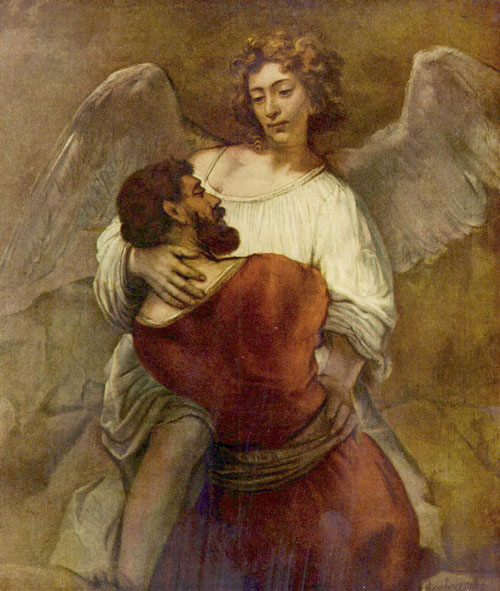
His episode of dreaming of a ladder to heaven is called “Jacob’s Ladder” and his wrestling with the angel, after which God gave Jacob the name of Israel ,meaning, “struggles with God” or “God contended.”

The name later appears in the New Testament by several other characters, one of them being the name of the Apostle James, (also known as Jacob since both names are related).

In English, both Jacob and James are derived from the Biblical Greek, Ιακωβος (Iakobos) later being latinized to Iacomus, (from which James is an anglicized a corruption).

James and Jacob have been used in England interchangeably since the Middle Ages, James became a common name in English and Scottish royalty.

Currently, James is the 17th most popular male name in the United States, the highest he has peaked was between 1940 and 1952, coming in at # 1. The lowest he has peaked was at # 19 in 1999 and then again in 2001.

James has never detracted from the U.S. top 20.

In other countries, his rankings are as follows:

  • # 8 (Australia, 2007)
  • # 10 (Canada, B.C., 2008)
  • # 9 (England/Wales, 2008)
  • # 5 (Ireland, 2007)
  • # 332 (the Netherlands, 2008)
  • # 5 (Scotland, 2008)

The designated name-days for Jacob are December 20 (France), July 25.

Other forms of both names include:

  • Jakob (Afrikaans/Danish/Dutch/German/Norwegian/Slovene/Swedish: 12th most popular male name in Slovenia-2005; 39th most popular in Norway-2007 and the 3o9th most popular in the United States-2008)
  • Japku/Jakup/Jakub/Jakob/Jakov (Albanian)
  • Ya’eqob (Amharic/Ethiopian)
  • يعقوب Yaʿqūb/Yakub (Arabic)
  • Chaime (Aragonese)
  • Ya`iqob/Ukba/Ukva ያዕቆብ (Aramaic)
  • Hagop/Hakob/Jakob Հակոբ/Յակոբ (Armenian)
  • Aqob/Jakobos (Assyrian)
  • Yəqub (Azeri)
  • Jacobe/Jagoba/Jakes/Jakoma/Yaku/Yagoba/Xanti (Basque)
  • Jåggl (Bavarian)
  • Jakub/Jakaŭ/Jakuš (Bielorusian)
  • Jakub (Bosnian/Polish/Slovak/Slovene/Sorbian: common Polish diminutive forms are Kuba and Kubuś)
  • Jacut/Jagu/Jagut/Jak/Jakez/Jakezig/Jakou (Breton)
  • Yakov/Zhekov Жеков (Bulgarian)
  • Iacovo/Iacoviello/Coviello (Calabrian: Southern Italian dialect)
  • Jacob (Catalan/Dutch/English/Lexumburgish/Limburgish/Portuguese)
  • Jaume/Jaumet (Catalan)
  • Jacca/Jago/Jamma/Jammes (Cornish)
  • Giacumu (Corsican)
  • Jakov/Jako Јаков (Croatian/Serbian/Slovene)
  • Jákob (Czech/Hungarian: Kuba and Kubík are the diminutive forms)
  • Jacobus/Jakobus (Dutch/Limburgish: Jacobus is currently the 233rd most popular male name in the Netherlands-2008)
  • Coos/Kobe/Kobus/Jaap (Dutch: initially diminutive forms, used as independent given names)
  • Coby (English: originally a diminutive form, now used as an independent given name. He currently ranks in as the 832nd most popular male name-2008)
  • Jaagup/Jaak/Jakkab/Jakkob/Jakob (Estonian)
  • Jákup (Faroese)
  • Jaakob/Jaakoppi/Jaakko (Finnish: Jaska is the diminutive form)
  • Jacopo (Florentine: Northern Italian dialectical form, Lapo and Puccio are diminutives)
  • Jacques (French)
  • Iaquet/Jaco/Jacot/Jacquot/Jacquet (French: archaic, medieval forms)
  • Jacquemin/Jacqueminot (French: archaic, medieval forms)
  • Jabbo/Coob (Frisian)
  • Jakip (Frisian)
  • Iacun (Fruilian)
  • Sacun (Fruilian: literally meaning “Saint James.”)
  • Xacobe/Xaime (Galician)
  • Iakob იაკობ (Georgian)
  • Iákovos Ιακωβος/Iakóv Ιακώβ/Yángos Γιάγκος (Greek)
  • Iakopa/Iakopo/Kimo (Hawaiian)
  • Akiba/Akiva עֲקִיבָא (Hebrew)
  • Ya’akov יעקב (Hebrew)
  • Akkoobjee (Hindi)
  • Jakab (Hungarian)
  • Yakob/Yakobus (Indonesian)
  • Seamus/Séamus (Irish-Gaelic: SHAY-mus: Séimí and Séimín are diminutive forms. Currently the 748th most popular male name in the United States)
  • Giacobbe (Italian)
  • Giacomo (Italian: more common form)
  • Jacopo (Italian: archaic form)
  • Aqo/Ya’qub (Kurd)
  • Iacobus/Iacomus/Jacobus (Latin)
  • Jēkabs (Latvian)
  • Jaokob (Limburgish)
  • Cobus/Keub/Keube/Kuub/Kuèb (Limburgish: initially diminutive forms, now used as independent given names)
  • Zjaak/Jaco (Limburgish: initially diminutive forms, now used as independent given names)
  • Jokūbas (Lithuanian)
  • Jakov/Jakle/Jako (Macedonian)
  • Chacko/Yakob (Malayalam)
  • Ġakbu (Maltese)
  • Jayms (Manx)
  • Hemi (Maori)
  • Sak (Mohawk)
  • Jacuvo/Jacuviello/Cuviello (Neopolitan: Southern Italian dialect)
  • Gemme/Gemmes/Jacque (Norman)
  • Jacme (Occitanian/Provençal)
  • Jammes/Jaume (Occitanian)
  • Iakovu Іакѡвъ (Old Church Slavonic)
  • Yaghoub (Persian)
  • Giaco (Piedmontese: Northern Italian dialect)
  • Diogo (Portuguese: variation of Tiago)
  • Iago (Portuguese)
  • Jacó (Portuguese)
  • Jácomo (Portuguese)
  • Jaime (Portuguese/Spanish: Jaime is currently the 321st most popular male name in the United States-2008. He is the 97th most popular in Chile-2006 and the 33rd most popular in Spain-2006)
  • Thiago (Portuguese-Brazilian)
  • Tiago (Portuguese-European: a contraction of the Spanish Santiago, which literally means “Saint James”)
  • Köbes (Ripoarisch)
  • Iacob (Romanian)
  • Jacomo (Romanesque: a Northern Italian dialect spoken in the region of Tuscany)
  • Giachem/Giachen/Jachen (Romansch)
  • Giacumin (Romansch)
  • Yakov Иаков/Яков (Russian: Yasha is a diminutive form)
  • Iakopo (Samoan)
  • Hamish (Scottish-Gaelic: an anglicization of Seumas)
  • Jaikie (Scottish-Gaelic)
  • Jamie (Scottish: low lands Scots contraction, currently the 669th most popular male name in the United States; the 17th most popular male name in Scotland-2008; the 51st most popular in England and Wales-2008; 17th most popular in Ireland-2007; the 12st most popular in the Netherlands and the 96th most popular in Australia)
  • Seumas (Scottish-Gaelic)
  • Simidh (Scottish-Gaelic)
  • Jaka (Slovene: this was the 10th most popular male name in Slovenia-2005)
  • Diego (Spanish: a contraction of Santiago. Diego currently ranks in as the 68th most popular male name in the United States-2008. In Belgium he is the 48th-2006; in Chile, the 7th-2006; in France the 78-2006. In the Netherlands he comes in as the 189th most popular male name-2008 and in Spain he is the 10th most popular male name-2006 )
  • Jacobo (Spanish: archaic form: Jaime or Diego are the preferred forms)
  • Santiago (Spanish: literally meaning “Saint James” the name is usually bestowed in honour of St. James the Apostle. Currently, it is the 171st most popular male name in the United States. In Chile, he is the 55th most popular-2006 and in Spain, the 66th most popular-2006)
  • Yago (Spanish: archaic form)
  • Yakubu (Swahili)
  • Köbi (Swiss-German dialectical diminutive form, occasionally used as an independent given name)
  • Yaqub ܝܰܥܩܽܘܒ (Syrian)
  • Yakup (Turkish: Yascha is a diminutive form)
  • Yakiv Яків (Ukrainian)
  • Iago/Siam (Welsh)
  • Coppel/Kapel/Koppel (Yiddish)
  • Yankev/Yankl/Yankel/Yankele (Yiddish)

Older Polish forms include: Jakub, Jakób, Jakob, Jakow, Jekub, Jokob, Jokub and Jakusz.

Less common Polish diminutive forms include: Jakuszek, Jakubek, Jakubko, Kusz, Kuszęt, Kubek, (in modern Polish this means “cup” and has fallen out of usage as a diminutive form of Jacob), and Jaksa.

English diminutives of Jacob include: Jack, Jake, Jay, Cobb, Coby and Cubby. Diminutives for James include: Jack, Jamie, Jay, Jeb, Jem, Jemmy, Jim and Jimmy.

A Danish and Dutch diminutive form is Ib and Jeppe, Sjaak and Sjakie are also Dutch diminutives.

Slovene diminutive forms include: Jak, Jakec, Jaki, Jaša, Žak and Žaki.

Jacob has spawned various feminine forms that are worth noting.

There is the French, Jacqueline, (said like JACK-eh-lin), in English, but pronounced as (ZHAHK-e-LEEN) in French.
The name has a long history of usage in the English speaking world and is also used the German-speaking world and is occasionally used in Spanish-speaking countries.

Jacqueline is currently the 152nd most popular name for females in the United States. The highest she ranked was in 1961 coming in as the 37th most popular female name.

For Americans, a notable bearer is former First Lady and fashion trend-setter, Jacqueline Bouvier Kennedy Onassis.

A common English diminutive form is Jackie.

Other feminine forms include:

  • Jakuba (Czech)
  • Bine (Danish/German)
  • Jacobine/Jakobine (Danish/Norwegian/German/Swedish)
  • Jacoba/Coba (Dutch)
  • Jacobien (Dutch)
  • Jacomina (Dutch)
  • Jacquetta (English)
  • Jacquemine (French: archaic form)
  • Jacquette (French)
  • Jakoba/Jakobe (German)
  • Yaakova (Hebrew)
  • Giachetta (Italian)
  • Giacobba (Italian)
  • Giacometta (Italian)
  • Giacoma/Giacomina (Italian)
  • Jacobella/Jacomella/Jacovella (Italian: obscure/archaic forms)
  • Iacobina (Latin)
  • Jakubina (P0lish)
  • Żaklina (Polish: corruption of the French, Jacqueline)
  • Jacobina (Romansch)
  • Jacobea (Romansch)
  • Jamesina/Jamesine (Scottish)
  • Jakoba/Jakobina (Slovene)
  • Jakica/Jakovica (Slovene: initially a diminutive forms, used as independent given names yah-KEET-sah, yah-koh-VEET-sah)
  • Žaklin/Žaklina (Slovene: corruptions of the French, Jacqueline zhahk-LEEN; zhahk-LEE-nah)
  • Jacquelina (Spanish: corruption of the French, Jacqueline)

Emma

Gender: Feminine
Origin: German
Meaning: “universal; whole.”
(EM-mah)

Currently one of the most popular female names in the English speaking world and on continental Europe, it is derived from an old Germanic element ermen/irmen meaning “whole; universal; encompassing.”

It was first introduced into England via Emma of Normandy who was the wife of King Ethelred II and then the wife of King Canute. Through Ethelred II she was the mother of Edward the Confessor.

The name was also borne by an 11th-century Austrian saint, also known as Hemma.

Emma was quite popular at the turn of the last century and then fell out of fashion, being revived in the mid 196os in England and then the late 1990s in the United States and Continental Europe.

She is currently the most popular female name in the United States (2008). The lowest she ranked in United States naming history was in 1976 at # 463. Emma was the 3rd most popular name in 1880.

In English, Em or Emmie or usually the preferred nicknames.

Her popularity elsewhere is as follows:

  • # 20 (Australia)
  • # 1 (Belgium, 2008)
  • # 2 (Canada, Alberta, 2008)
  • # 3 (Canada, B.C. 2008)
  • # 3 (Canada, Manitoba, 2008)
  • # 1 (Canada, Nova Scotia, 2008)
  • # 4 (Canada, Quebec, 2008)
  • # 2 (Canada, Saskatchewan, 2008)
  • # 1 (Denmark, 2008)
  • # 31 (England/Wales, 2008)
  • # 8 (Faroe Islands, 2008)
  • # 2 (Finland, among Finnish-speakers, 2007)
  • # 1 (Finland, among Swedish-speakers, 2007)
  • # 3 (Flemish Region, Belgium, 2008)
  • # 1 (France, 2008)
  • # 5 (Germany, 2009)
  • # 23 (Hungary, 2006)
  • # 4 (Ireland, 2008)
  • # 4 (Liechenstein, 2008)
  • # 4 (Malta, 2008)
  • # 4 (the Netherlands, 2009)
  • # 8 (New Zealand, 2009)
  • # 7 (Northern Ireland, 2008)
  • # 2 (Norway, 2008)
  • # 8 (Scotland, 2009)
  • # 54 (Spain, 2006)
  • # 3 (Sweden, 2008)
  • # 1 (Switzerland, among French-speakers, 2008)
  • # 3 (Switzerland, among Italian-speakers, 2008)
  • # 3 (Wallonia, Belgium, 2008)

Other forms of the name include:

  • Ema (Croatian/Czech/Portuguese/Slovak/Slovene/Spanish: Slovene diminutive form is Emi)
  • Emmy (Danish/Dutch/Norwegian/Swedish: originally a diminutive form, now almost exclusively used as an independent given name, especially in Sweden where it ranked in as the 62nd most popular female name of 2007. In the United States, she comes in at # 955-2008)
  • Ima (Dutch/English: EE-mah-Dutch; I-muh- English )
  • Emmie (English: used as an independent given name since the early 1800s)
  • Imma (Frisian)
  • Imke (Frisian: IM-ke: 118th most popular female name in the Netherlands-2008)
  • Emmi (Hungarian)
  • Hemma (Old German: medieval form)
  • Emma Эмма (Russian)
  • Emica/Emika (Slovene: originally diminutive forms, used as independent given names, eh-MEET-sah; eh-MEE-kah)
  • Hema (Slovene: diminutive form is Hemi)

The designated name-days are January 31st, April 19, June 27, September 9 and December 10.

The name is used in virtually every European country and language.

An Italian masculine form is Emmo, and the English male name Emmett is related, (different entry for Emmett will come in the future).

The name is borne by actresses Emma Thompson and Emma Watson. It is the name of the main character of the Jane Austen novel of the same name. It was used on the SitCom Friends as the name of the daughter of Ross and Rachel.

Ruth

Gender: Hebrew
Origin: Hebrew
Meaning: “companion.”
Eng (ROOTH)

The name is derived from the Biblical Hebrew word רְעוּת (re’ut), which means “friend; companion.”

In the Old Testament, the name is borne by the central character of the Book of Ruth, a Moabite woman who later became a loyal and faithful Jew. She is considered the ancestress of King David, and in Christian tradition, she is also considered an ancestor of Jesus.

Since Ruth is considered an ideal heroine in Judaism, the name has always been common in the Jewish community, among Christians, the name did not catch on until after the Reformation, especially in the Anglo-phone world, where the name became especially common among Puritans.

The highest the name ever ranked in U.S. naming history was back in 1893, where she came in as the 3rd most popular female name.

Currently, she ranks in as the 362nd most popular female name.

In other countries, her rankings are as follows:

  • # 94 (Ireland, 2006)
  • # 488 (the Netherlands, 2008)

The Ruth form is also used in Catalan, Danish, Dutch, French, German, Norwegian and Swedish.

Other forms include:

  • Rut (Afrikaans/Aragonese/Catalan/German/Hungarian/Indonesian/Italian/Javanese/Maltese/Polish/Spanish/Swedish)
  • Rút (Czech)
  • Ruut (Finnish/Estonian)
  • Rutt (Estonian)
  • Routh Ρουθ (Greek)
  • Rut רות (Hebrew Modern: In Israel, Ruti is the common diminutive form)
  • Rúth (Hungarian)
  • Rǘt (Irish Gaelic)
  • Ruthu (Kiswahili)
  • Rūta (Lithuanian: also coincides with the Lithuanian word for the rue plant)
  • Rūtenė (Lithuanian)
  • Ruthi Рѹѳь (Old Church Slavonic)
  • Ruta (Polish/Croatian)
  • Rute (Portuguese)
  • Ruf Руфь (Russian)
  • Ruthven (Scottish)
  • Rutu (Yoruban)

A common English diminutive, which is also sometimes bestowed as an independent given name is Ruthie. Ruthanne/Ruth-Anne is a common English compound form.

A Lithuanian masculine form is Rūtenis.

The name was borne by former first daughter of the United States, “Baby” Ruth Cleveland, daughter of President Grover Cleveland (1891-1904)

The designated name-day is January 4.