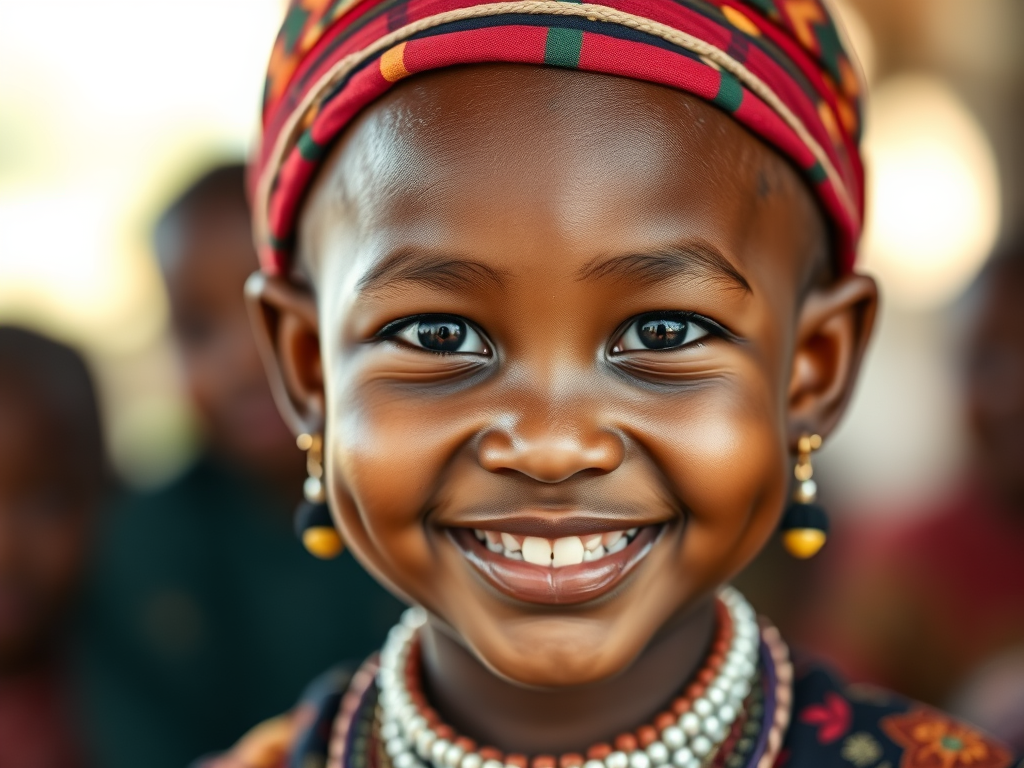
The name comes directly from the Tswana word for “light.”
Lesedi La Rona (our light), is the fifth largest diamond in the world.
Currently, Lesedi was the 6th most popular female name in South Africa in 2023 and was among the top 10 most popular male names in South Africa until 2022.
A notable female bearer is Namibian tennis player, Lesedi Sheya Jacobs (b. 1997) and a notable male bearer is South African soccer player, Lesedi Kapinga (b. 1995).
With its radiant meaning and musical sound, Lesedi carries a sense of warmth, dignity, and brilliance. It’s a name that feels both grounded in African linguistic heritage and luminous enough to travel globally—an embodiment of “light” in every sense.
The name Padma (पद्म) is derived from Sanskrit, meaning “lotus.” In South Asian tradition, the lotus is one of the most sacred flowers, symbolizing purity, beauty, spiritual awakening, and transcendence — a blossom that rises pristine from muddy waters.
Religious & Mythological Significance
Lakshmi: In Hindu texts, Padma is used as a by-name of the goddess Lakshmi, goddess of wealth, fortune, and prosperity. She is often depicted standing or seated upon a lotus, holding lotus flowers in her hands.
Vishnu: The lotus is also associated with Vishnu, Lakshmi’s consort, and the cosmic lotus from which the universe springs.
Attributes: The padma is one of the four attributes (ayudhas) often shown in iconography of deities — symbolizing purity, enlightenment, and divine perfection.
Buddhism & Jainism: The lotus also holds deep meaning in Buddhist and Jain traditions, where it represents spiritual liberation and the blossoming of wisdom.
The name is technically unisex but more commonly bestowed on females. A notable bearer is American author, Padma Lakshmi (b. 1970).
It is also the name of a major river in Bangladesh and in the Harry Potter series, Padma Patil is the twin of Parvati Patil.
International Variations
Padmé (f) – a pop-culture invention from the Star Wars franchise, which is based on the Sanskrit name.
Pron: gawk (with the final -c a short stop, not a full “k” release). In IPA: [ŋôk].
Ngọc is a Vietnamese given name and element of compound names, derived from the Sino-Vietnamese reading of the Chinese character 玉 (yù in Mandarin), meaning “jade, precious stone, gem.”
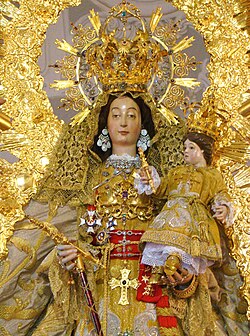
Remedios is a Spanish given name—technically unisex but used almost exclusively for girls—meaning “remedies” or “cures.” It derives from a Marian title, Nuestra Señora de los Remedios (“Our Lady of Remedies”).
The devotion to Our Lady of Remedies originated with the Trinitarian Order in the late 12th century, and it spread widely in Spain after the Reconquista. By the time of the Spanish explorations of the Americas, the Virgin under this title had become a favored patron of soldiers and conquistadores.
It is the name of a character in Gabriel Garcia Marquez’s 1967 novel, One Hundred Years of Solitude.
It is borne by Spanish Flamenco singer, Remedios Amaya (b. 1962) and Spanish painter, Remedios Varo (1908-1963).
Its also the name of several places in Latin America.
Its Catalan form is Remei and Remédios its Portuguese form.
Remedy is a potential English form but has only been in use as a given name since the 20th-century.
Common Spanish diminutives include: Remi, Remita, Medi, Medis, Mecha, Chío, and Chita.
The name comes directly from the Arabic word for “sun.” It was the name of a Pre-Islamic South Arabian sun goddess, the equivalent of the North Arabian diety, Nuha.
A strictly feminine form is Shamsa شمسة
Maghrebi spellings are Chams and Chamsa, a Comorian feminine form is Chamsia. Turkish forms are Şems and Şemsa.
The name shares an etymological link with the Hebrew male name, Samson.
It was borne by Shams Pahlavi, one of the sisters of (1917-1996), a member of the Iranian royal family.
In recent years, it has become particularly trendy among females in the Gulf Arab countries
The name is from the Turkish word for “cosmos; the universe.” In Turkic mythology, it is the name of a dragon.
The name experienced some brief popularity among males in Turkey during the 1980s. As of 2024, it was the 973rd most popular male name in the United States.
The name comes directly from the Tibetan word བཀྲ་ཤིས (good luck, fortune, auspicious). It is traditonally given equally to both males and females in Tibetan Buddhist countries.