All names are derived from the Sanskrit जीवा (life).
In Hinduism and Jainism, the term jiva is used to describe the soul.
Jiva can be unisex and was borne by the 4th-century (CE) Buddhist nun and sister of King Kucha as well as a 16th-century male Hindu philosopher and saint, Jiva Goswami.
Jiva ultimately derives from the Indo-European *gʷih₃wotós, which also produced the Latin vita (life), Lithuanian gyvatà (life) and Proto-Slavic *živòtъ (life). See Živa of the same etymology.
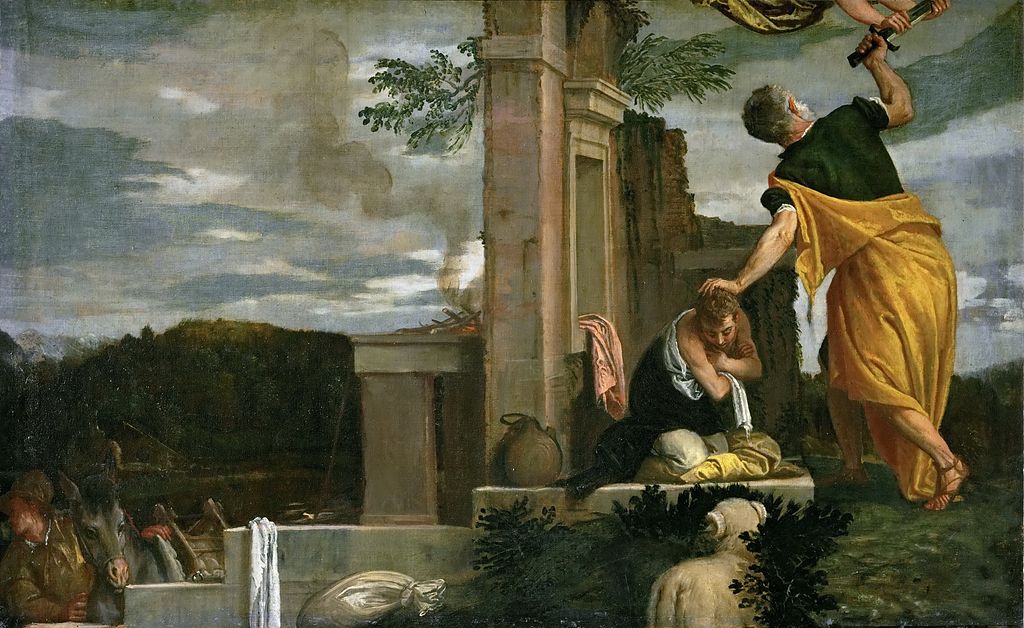
The name comes directly from the Biblical Hebrew יִרְאֶה (jireh) meaning, “to provide” or “to see.” In the Bible, it is the name of a place the where Abraham attempted to sacrifice Isaac before God intervened and provided a ram in his place. It has been in sporadic use as both a male and female given name in England and the United States since the 17th-century. It was born by a 19th-century Michigan politican, Jira Payne.
It has recently appeared in the U.S. Top 1000 Most Popular Male Names, coming in at #848 (2023). Its sudden appearance may have been popularized by the Elevation Worship and Maverick City Music song of the same name, released in 2021.
Its Spanish version of Yireh, is used as a unisex given name in Latin American countries.
Pron: (HERSH; HER-shuh; HERSH-e-NEE, some dialects HERSH-nee); HERSH-ee-kuh; HERSH-ee-tuh; HERSH-VERD-the-nuh)
From the Sanskrit root हर्ष (harsa) meaning “joy; delight; excitement.” It can also refer to sexual excitement or an erection. In Hinduism, Harsha is one of the twenty-four emanations of the celestial couple, Lakshmi and Narayana. It is also the name of one of the three sons of Dharmadeva and the husband of Nandi (also meaning “joy).
Harsha itself is unisex but is more common on males. It was born by a 7th-century Emperor of Kannauj of the Pushyabhuti dynasty in Northern India, also known as Harshvardhana or Harsh-Vardhana, and several other medieval Indian Kings as well as a 12th-century C.E. Sanskrit epic poet. A strictly masculine form is Harsh (HERSH).
Harshvardhana or sometimes spelled Harsh Vardhana is a masculine double name which means “increasingly happy,” being composed of the Sanskrit words, हर्ष (harsa) and वर्धन vardhana (increase; growth).
The feminine offshoot of Harshika derives from the same root but also refers to a type of musical metre.
Another feminine form is Harshini, which derives from the Sanskrit adjective हर्षिन् (harSin) meaning “delightful; joyful.” Harshini is also the name of a type of plant. This beautiful name is not pronounced har-SHEE-nee, but more like HERSH-e-nee or HERSH-nee, like Hershey Chocolate Kisses. There is also just Harshi, pronounced like Hershey.
And another female form is Harshita, which is of the same root being from the Sanskrit हर्षित (harsita) meaning, “pleased; gladdened; joy; happy; delight; charmed” or “made to stand erect.”
Usage: Arabic-Speaking countries, India and Pakistani among Muslim communities
Azraq أَزْرَق is from the masculine Arabic noun from the word for blue. The name has occasional use in Arabic-speaking North Africa and the Levant.
It’s feminine form of Zarqaa زرقاء is the Arabic feminine version of the word for blue زرقاء. It is transliterated as Zerqa or Zerka in Maghrebi Arab countries. Zerka can also be the Bosnian or Albanian form. This name has occasional use across the Islamic world.
Zaraq زرق is an Arabic unisex name derived from the neuter Arabic noun meaning “greenish-blue,” roughly translating to the color of turquoise (not the gemstone which in Arabic is Fairuz فيروز). Zaraq is mainly used as a masculine name in Southeast Asian countries such as Pakistan and India, but is considered unisex in the Arabic-Speaking world.
All three names derive from the Arabic root word z-r-q (ز-ر-ق), which means “blue.”
Other transliterations of the feminine form are Zurqa and Zurqa.’