Zoran

Gender: Masculine
Origin: Slavonic
Meaning: “dawn.”
Зоран

The name is a masculinized form of the Slavonic female name Zora, which is from the Old Slavonic, meaning, “dawn” and which also was the name of an ancient Slavic goddess, (see Zora for more details).

The name is mainly used in Bosnia, Bulgaria, Croatia, Macedonia, Montenegro, Serbia and Slovenia and as of 2006, he was the 2nd most popular male name in the Republic of Macedonia.

Chloe, Chloë, Chloé

Gender: Feminine
Origin: Greek
Meaning: “young green shoot.”
Χλοη
Eng (KLO-wee); Fre (klo-AY)

Currently the 10th most popular female name in the United States, the name is of Greek origin and its meaning refers to a recently budding plant.

In Ancient Greece, the name was used as an epithet for the Greek goddess Demeter.

The name also appears in the New Testament, where it is the name of a woman mentioned by Paul in one of his epistles.

The name also appears in Ancient Greek romance written by Longus, Daphnis & Chloe.

In the English speaking world, the name has been in and out of usage since at least the 18th-century. Between 1944 and 1981, Chloe did not even make it to the U.S. top 1000. For the last decade, Chloe has been one of the most popular female names in the English speaking world.

In other countries, its popularity is as follows:

  • # 2 (Australia, 2008)
  • # 17 (Belgium, 2006)
  • # 2 (Canada, B.C., 2008)
  • # 6 (England/Wales, 2008)
  • # 4 (France, 2009)
  • # 9 (Ireland, 2008)
  • # 6 (Isle of Man, 2008)
  • # 9 (Northern Ireland, 2009)
  • # 6 (Scotland, 2009)
  • # 2 (Switzerland, among French-speakers, 2008)

Chloë and Chloe are both used in the English speaking world, without the diacritic (that is the two dots over the E), she is used in Germany, Poland, the Netherlands, Scandinavia, the Czech Republic and Slovenia.

Other forms include:

  • Chloé (French)
  • Kloé (Hungarian)
  • Cloe (Italian)
  • Cloé (Portuguese)

The name is borne by actress American actress, Chloë Sevigny (b.1974)

Leonie, Léonie, Leona, Leon

Origin: Greek
Meaning: “lion.”
(Eng: lee-OWE-nee; lee-OWE-nuh); Germ (LE-o-nee); Fre (lay-o-NEE)
(Eng: lee-ON; Germ LE-own; Fre (lay-OWn)

Leonie is currently a very popular name in the German-speaking countries, she ranked in at # 1 Austria (2008), she was the 3rd most popular in Germany (2009), the 4th most popular in Liechtenstein (2009) and the 4th most popular female name in all of Switzerland (2008).

In France, she ranked in at # 67 (2006) and at # 251 in the Netherlands (2008) and has yet to hit the U.S. top 1000.

The name Leonie is from the French feminine name, Léonie, which is a French form of the Latinate, Leona, a feminine form of the Greek male name Leon, which comes directly from the Greek word for “lion.”

The name was borne by several saints, which sparked the popularity for both the male and female forms.

In the United States, Leon ranked in as the 501st most popular male name, the highest he peaked in the United States was in 1921, coming in as the 74th most popular male name. In other countries, his rankings are as follows:

  • # 62 (England/Wales, 2008)
  • # 75 (Ireland, 2007)
  • # 184 (the Netherlands, 2008)
  • # 39 (Norway, 2007)
  • # 62 (Scotland, 2008)
  • # 35 (Slovenia, 2005)
  • # 56 (Sweden, 2007)
  • # 2 (Switzerland, 2008)

Lionel is an old French diminutive form that is now exclusively used as an independent given name.

The Latin for of Leo is a cognate, a name which I shall dedicate a separate entry to in another installment.

Other forms of the male form include:

  • Levon (Armenian)
  • Léon (French)
  • Leonius (Late Latin)
  • Leonas (Lithuanian)
  • Leone (Italian)
  • Liun (Romansch)
  • León (Spanish)

Feminine forms include:

  • Leona (English/Italian/Polish/Spanish)
  • Léonie (French)
  • Léonne (French)
  • Leonie (German)
  • Leonia (Late Latin)

Designated name-day for Leonie is January 10 (Germany).

Joshua

Gender: Masculine
Origin: Hebrew
Meaning: “Yahweh is salvation.”
Eng (JOSH-e-wuh)

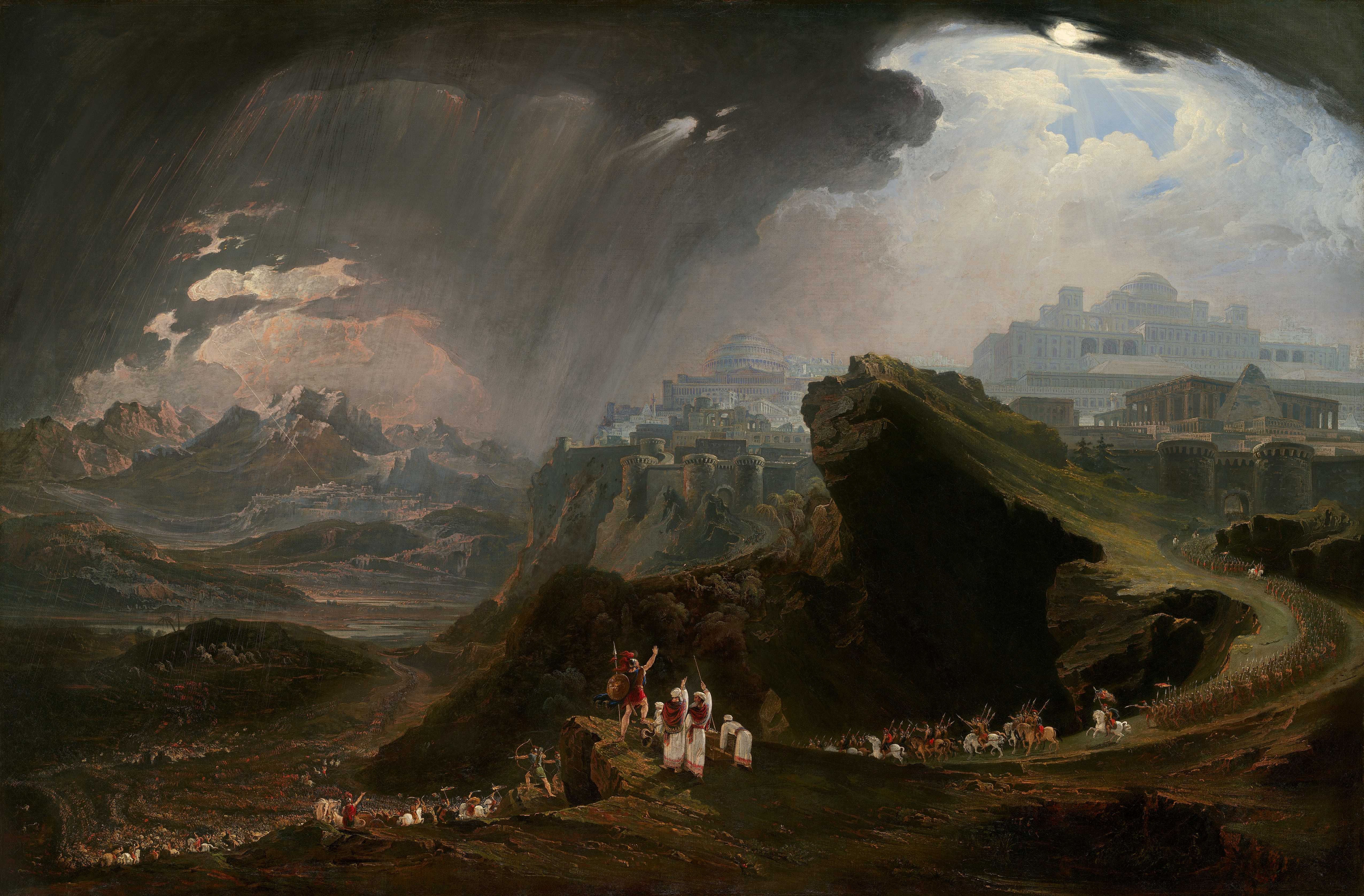
The name is borne in the Old Testament by an apprentice and companion of Moses, also known as one of the twelve spies of Israel sent out by Moses to the land of Canaan. After the death of Moses, he was appointed chief of the Israelites.

According to the Bible, Joshua was born as Hoshea, and was the son of Nun of the tribe of Ephraim, and Moses changed his name to Joshua, (Numbers 13:16).

The name is derived from the Hebrew, יְהוֹשֻׁעַ‎ (Yehoshua), which is composed of the Hebrew roots, ישע meaning, “salvation” “to deliver” or “to be victorious.”

The name of Jesus is an anglicization of the Hebrew Yehoshua, being a translation of the Biblical Greek, ιησου (Iesou/Jesus).

In the English speaking world, before the Reformation, Joshua was seldom used outside Jewish communities. Currently, Joshua is the 4th most popular male name in the United States, (2008), the lowest he ever ranked in U.S. naming history was in 1929, coming in as the 726th most popular male name.

His rankings in other countries are as follows:

  • # 4 (Australia, 2008)
  • # 8 (Canada, B.C., 2008)
  • # 5 (England/Wales, 2008)
  • # 29 (Ireland, 2007)
  • # 1 (Isle of Man, 2008)
  • # 93 (the Netherlands, 2008)
  • # 4 (New Zealand, 2009)
  • # 1 (Philippines, 2006)
  • # 21 (Scotland, 2008)

Other forms of the name include:

  • Yushua يوشع (Arabic)
  • Yuşə (Azeri)
  • Josu (Basque)
  • Josuè (Catalan)
  • Jošua (Croatian)
  • Jozue (Czech/Slovak)
  • Josva (Danish/Norwegian)
  • Jozua (Dutch)
  • Joosua (Finnish)
  • Josue (French/Spanish)
  • Xosué (Galician)
  • Jehoschua (German)
  • Josua (German/Swedish)
  • Iokua (Hawaiian)
  • Józsua (Hungarian)
  • Yusha (Indonesian)
  • Gesuè (Italian: obscure as its too close to Gesù, the Italian form of Jesus)
  • Gesuele (Italian)
  • Giosuè (Italian: more common form)
  • Giosuele (Italian)
  • Jozuė (Lithuanian)
  • Jozue/Jeszua (Polish)
  • Josué (Portuguese)
  • Iosua (Romanian)

Feminine forms include:

  • Josune (Basque)
  • Gesuela/Gesuella (Italian: jase-oo-AY-lah)

Josh is the common English diminutive form and Chucho, Chus and Chuy are the Spanish diminutives.

Narek

Gender: Masculine
Origin: Armenian
Meaning: uncertain
Նարեկ

I promised to cover some of the most popular names, and I have also decided to focus my attention not just to top names in the U.S. and British charts, but also to names from all over the world, that is, if I am able to find the statistical data.

Currently, Narek is the # 1 most popular male name in Armenia (2008).

The name comes from the name of a place in Armenia, but was popularized by the famous Armenian poet, philosopher, theologian and Saint, Krikor Narekatsi (951-1003).

He is author of the Armenian mystical interpretation of the Song of Songs (977) and other numerous poetic writings. His anthology of poems, entitled Book of Lamentations, is considered one of Armenia’s greatest pieces of literature and has been the inspiration of other Armenian poets and authors.

Miracles and legends have been attributed to St. Gregory of Narek.

Emily, Emil

Gender: Feminine
Origin: Latin
Meaning: “rival.”
(EM-ih-LEE)

The name is an anglicization of the Roman gens name Aemilius which was derived from the Latin aemulus meaning, “rival.”

Contrary to popular belief, Emily is not related to the Germanic, Amalia/Amelia, which is most likely derived from the Germanic element, amal, meaning “to work.”

Emily is just the English feminine form of the Germanic, Emil.

It is believed that Emily was introduced into the English speaking world in the 18th-century, after the German Hanover line had inherited the British throne, but evidence shows that Emily had been in usage in England since at least Norman times and that it may have been introduced through the Normans in 1066.

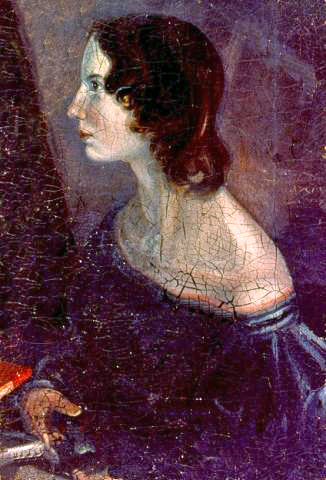
The name was borne by famous American poet, Emily Dickenson (1830-1886) and by English novelist and poet, Emily Brontë (1818-1848).

In modern history, Emily has been extremely popular in the English speaking world for at least a decade. She is currently the 3rd most popular female name in the United States-2008, and was # 1 in 2007, but was overthrown by the similar sounding Emma.

The lowest that Emily has ranked in U.S. history was in 1962, coming in as the 274th most popular female name.

In other countries, her rankings are as follows:

  • # 5 (Australia, 2008)
  • # 3 (Canada, B.C., 2008)
  • # 72 (Chile, 2006)
  • # 3 (England/Wales, 2008)
  • # 7 (Germany, 2009)
  • # 4  (Ireland, 2008)
  • # 3 (Isle of Man, 2008)
  • # 8 (Luxembourg, 2008)
  • # 137 (the Netherlands, 2008)
  • # 6 (New Zealand, 2009)
  • # 6 (Northern Ireland, 2009)
  • # 4 (Scotland, 2009)

Its more Latinate counterpart of Emilia is as follows:

  • # 6 (Faroe Islands, 2008)
  • # 9 (Finland, among Finnish-speakers, 2007)
  • # 2 (Finland, among Swedish-speakers, 2007)
  • # 3 (Iceland, 2004-2007)
  • # 5 (Liechtenstein, 2008)
  • # 401 (United States, 2008)

Its masculine counterpart has never been widely used in the English speaking world, but has been a long time favorite in Northern Europe.

The last time Emil was seen in the U.S. top 1000 was in 1984, coming in at # 967.

The highest that Emil ever ranked in U.S. naming history was at # 90, back in 1881, the same year that the United States saw a huge influx of Scandinavian immigrants.

Currently, Emil is the 5th most popular male name in Norway (2007) and the 9th most popular in Sweden (2007).

Other forms of Emily are:

  • Emiliya Емилия (Bulgarian)
  • Emílie (Czech: eh-MEEL-yeh)
  • Emilý (Faroese)
  • Émilie (French: ay-mee-LEE. 24th most popular female name in Belgium-2006; 41st most popular in France-2006; 292nd most popular in the Netherlands-2008.)
  • Émilienne (French)
  • Eimíle (Gaelic-Irish)
  • Emelie (German/Swedish: 48th most popular female name in Sweden; EM-eh-LEE)
  • Emilie (German/Danish/Dutch/Norwegian/Swedish: EM-ih-LEE)
  • Emele (Hawaiian)
  • Emilía (Icelandic)
  • Emilia (Italian/Dutch/Estonian/Faroese/Finnish/Polish/Romanian/Scandinavian/Spanish: 16th most popular in Chile-2006; 97th most popular in England/Wales-2008; 18th most popular in Sweden-2007).
  • Emiliana (Italian/Portuguese/Romanian/Spanish)
  • Emilietta/Milietta (Italian: obscure diminutive form that were used as independent given names)
  • Aemilia (Latin: ay-MEE-lyah)
  • Aemiliana (Latin)
  • Emīlija (Latvian)
  • Emilija (Lithuanian/Serbian/Croatian/Slovene)
  • Emília (Portuguese/Hungarian/Slovak: 83rd most popular female name in Hungary-2008)
  • Emilja (Slovene)
  • Emilijana (Slovene)
  • Emila (Spanish: obscure, Emilia is more common)

Masculine forms include:

  • Emilli (Basque)
  • Emilion (Breton)
  • Milig (Breton)
  • Emil Емил (Bulgarian/Serbian)
  • Emili (Catalan)
  • Emiel (Dutch)
  • Eemil (Estoanian/Finnish)
  • Eemeli (Finnish)
  • Émile (French)
  • Émilien (French)
  • Amil (German)
  • Emil (German/Croatian/Czech/Faroese/Hungarian/Icelandic/Norwegian/Polish/Slovene/Swedish)
  • Emilián (Hungarian)
  • Emiliano (Italian/Spanish)
  • Emilietto (Italian: obscure diminutive form that was used as an independent given name)
  • Emilio (Italian/Portuguese/Spanish)
  • Miliano (Italian: obscure contracted form)
  • Aemilianus (Latin)
  • Aemilius (Latin/Dutch)
  • Aimil (Manx/Scottish)
  • Emilian (Romanian)
  • Emilij (Russian)
  • Jemilijan (Russian)
  • Emilijan (Serbo-Croatian/Slovene)
  • Ymil/Yjmil (Silisian: a dialect of Polish)
  • Emilijano (Slovene)
  • Emilij (Slovene)
  • Emilijo (Slovene)

The name-days for Emily/Emilia are:  May 19 (Finland); May 23 (Poland); June 24/30 (Poland); July 19 (Hungary); August 19 (Poland); November 14 (Sweden); November 24 (Poland/Slovakia).

The name-days for Emil are: January 31st (Slovakia); May 22 (Czech Republic/Poland); May 28 (Hungary); July 18 (Bulgaria); August 5/8 (Poland); August 8 (Bulgaria); October 6/11 (Poland).

The masculine and feminine forms are borne by several saints and Emilia is the name of at least three Shakespearean characters.

Common English diminutives are Em, Emmie and Millie. A Spanish diminutive is Emilita. A Slavic diminutive is Emilka; in Polish it is sometimes Milcia.

Ethan

Gender: Masculine
Origin: Hebrew
Meaning: “strong; enduring; solid.”
Eng (EE-then); Heb (ay-TAHN)

Currently the 3rd most popular male name in the United States, Ethan is a Biblical Hebrew name that is mentioned eight times in the Bible.

Not much is known about the Biblical Ethan, other than that it was the name of a possible magi or cymbal player of King David.

The name’s popularity is relatively recent. It was not used much outside the Jewish community until after the Protestant Reformation, even then, the name was still very uncommon.

In 1880, Ethan did not appear in the U.S. top 1000, in 1884, he suddenly appeared coming in at # 613, then fell out of the top 1000 the next year, coming in again at # 846 in 1886.

For the next 80 or so years, Ethan had had a history of disappearing from the top 1000 every few years, and then reappearing, but never ranking very high. It wasn’t until, starting in 1956, that Ethan remained steadily in the top 1000 each year.

For ’56, he was the 948th most popular male name.

Ethan jumped several places towards the end of the 1980s. He came in at # 236 in 1988 and then jumped a couple hundred spots the following year, cracking the top 100, he came in at # 87 for 1989.

In 2002, he hit the top 10, coming in at # 5.

His popularity in other countries are as follows:

  • # 10 (Australia, 2007)
  • # 36 (Belgium, 2006)
  • # 1 (Canada, B.C., 2008)
  • # 15 (England/Wales, 2008)
  • # 24 (France, 2006)
  • # 46 (Ireland, 2007)
  • # 31 (Scotland, 2008)

Other forms of the name include:

  • Etan (German/Polish)
  • Aithan Αιθαν (Greek: Biblical)
  • Eitan/Eytan אֵיתָן (Hebrew: Modern)

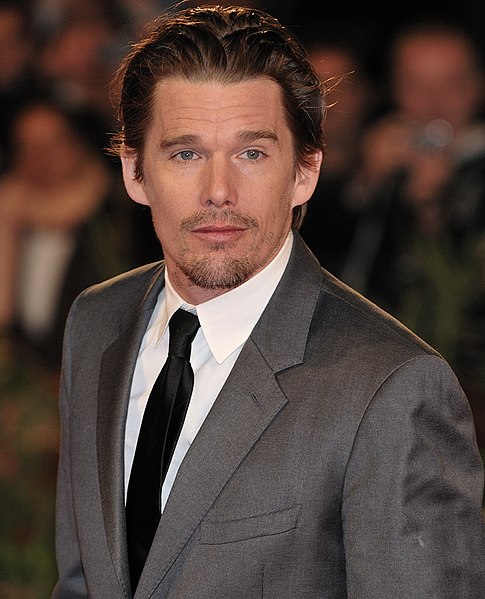
The name is also borne American revolutionary Ethan Allen (1738-1789) and by actor, Ethan Hawke (b. 1970).

It is also the name of the protagnostis in Edith Wharton’s novel Ethan Frome (1911)

Michael

Gender: Masculine
Origin: Hebrew
Meaning: “who is like God?”
Eng (MI-kel)

One of the most prevalent male names in the Western World, and to a certain extent, the Middle Eastern world, the name is derived from a rhetorical Hebrew question מִיכָאֵל (Mikha’el) meaning “who is like God?” or “who is like El” the answer being that no one is like God.

This is in reference to the legend of when one of God’s most powerful angels, (Lucifer depending on the theological tradition), became so arrogant and prideful that he built an army of angels in order to overthrow the throne of God, thinking that he himself could be like God, Michael is believed to have smite the fallen angel, asking him the question “who is like God?” after casting him out of the gates of heaven.

According Mormon saint theology, “who is like God?” refers to the idea that Michael was Adam before he was created by God in human form. The meaning of the name explains that all humans are created in God’s image.

Michael is believed to be a powerful angel in Islamic, Christian and Jewish tradition. He appears several times in the Bible, being mentioned in the Book of Daniel, the Book of Jude and the Book of Revelations. He even appears in the apocryphal Book of Enoch.

In Roman Catholicism, Michael is referred to as St. Michael the Archangel and is considered a powerful saint, especially powerful against demonic attacks and is the patron saint of chivalry, the warrior, police officers, paratroopers, firefighters, soldiers and fighter pilots. Among German Catholics, he is the patron saint of Germany, and in Belgium, he considered the patron saint of Brussels.

In the Eastern Christian tradition, is known as Taxiarch Archangel Michael or simply as Archangel Michael.

In Jewish tradition, Michael is the protector and heavenly warrior of Israel and the advocate of the Jews.

In Islam, he is mentioned in the Qu’ran once, in Sura 2:98 and that Michael was a good angel who stood on the left hand of God (Allah’s) throne.

The archangel is also important in the Bahai faith and the New Age religions.

He plays a role in John Milton’s epic poem, Paradise Lost.

There is no reason to explain why Michael is so popular, especially in the U.S. As of 2008, Michael was the 2nd most popular male name. He was moved down from the 1st position down to the 2nd position back in 1999, when he was overthrown by Jacob.

Between the years 1954 and 1999, Michael was the most popular male name. The lowest that Michael ever ranked in U.S. naming history was in 1892 when he came in as the 59th most popular male name in the United States. In other countries, Michael’s rankings are as follows:

  • # 36 (Australia, 2007)
  • # 36 (Canada, B.C. 2008)
  • # 4 (Denmark, 2009)
  • # 52 (England/Wales, 2008)
  • # 10 (Ireland, 2007)
  • # 239 (the Netherlands, 2008)
  • # 33 (Scotland, 2008)

The Michael form is also used in Afrikaans, Danish, Czech, German and Ripoarisch.

Other forms of the name include:

  • Mëhill/Mhill (Albanian)
  • Mighel (Amazigh/Moroccan)
  • Mikhael/Mikail ميخائيل‎, (Arabic/Coptic)
  • Miguel (Aragonese/Galician/Portuguese/Spanish: mee-GEL)
  • Mikael Միքաել (Armenian)
  • Micael (Asturian)
  • Mikayıl (Azeri)
  • Mikel (Basque)
  • Mitxel (Basque)
  • Miquèu (Bearnais/Occitanian/Gascon/Provençal)
  • Mickaël (Breton)
  • Mikael (Breton/Finnish/Icelandic/Norwegian/Swedish: a Finnish diminutive form is Mika)
  • Mihail Михаил (Bulgarian/Russian: Misha is the most common diminutive form)
  • Michjeli (Calabrian: Chjeli is the diminutive mee-KYAY-lee)
  • Miquel (Catalan: mee-KEL. Quelo is a common diminutive form)
  • Myghal (Cornish)
  • Michal (Czech/Slovak: mee-HAHL: 15th most popular male name in the Czech Republic-2007)
  • Mihajlo/Mihovil (Croatian: diminutive form is Miho)
  • Mihail Михаил (Croatian/Serbian)
  • Mikkel (Danish/Norwegian/Swedish: 6oth most popular male name in Norway-2007)
  • Maikel (Dutch: MY-kel)
  • Michaël (Dutch/Frisian: mee-kah-EL)
  • Michiel (Dutch: 307th most popular male name in the Netherlands-2008)
  • Miikael/Mikhel (Estonian)
  • Mikko (Finnish)
  • Michel (French: MEE-shel)
  • Michêl (Fruilian)
  • Mícheál (Gaelic-Irish)
  • Mìcheal (Gaelic-Scotch)
  • Micheil (Gaelic-Scotch)
  • Mikheil მიხეილი (Georgian)
  • Mikhael/Mikhalis Μιχάλης/Μιχαήλ (Greek: Μίκης (Mikis) is the common pet form))
  • Mikala (Hawaiian)
  • Micha’el מִיכָאֵל‎, (Hebrew)
  • Mihály (Hungarian: 60th most popular male name in Hungary-2008. Misi and Miska are the most common pet forms. MEE-hie)
  • Mikhael (Indonesian)
  • Michea (Italian: obscure/archaic mee-KAY-ah)
  • Michele (Italian: mee-KAY-lay)
  • Michelino (Italian: obscure)
  • Miķelis/Mihails (Latvian)
  • Mykolas (Lithuanian)
  • Mikail (Malayalam)
  • Mikiel (Maltese)
  • Mikaere (Maori)
  • Migueltzin (Nahuatl)
  • Michè (Neopolitan)
  • Miché/Michi (Norman)
  • Miqueu (Occitanian)
  • Mikhailu Мїхаилъ (Old Church Slavonic)
  • Michał (Polish/Sorbian: mee-HOW)
  • Mihai/Mihail (Romanian: diminutive form is Mihaita)
  • Micheli/Mikelli/Migali (Sardinian)
  • Mihailo Михаило (Serbian)
  • Miceli (Sicilian: Celi is a diminutive form. mee-KAY-lee)
  • Miha (Slovene: originally a diminutive form of Mihael, now used exclusively as an independent given name, it was the 11th most popular male name in Slovenia-2005)
  • Mihael (Slovene: 86th most popular male name in Slovenia-2005)
  • Mikâil (Turkish)
  • Mikhailo/Mykhailo Михайло (Ukrainian)
  • Michełe (Venetian)
  • Meical (Welsh)

English diminutive forms are: Mick, Micky, Mike and Mikey. German diminutive forms are Maik (pronounced like Mike), Maiki, Michi and Micki. A Swiss-German dialectical diminutive is is Michu (Bern)

There are also forms that mean “Michael Archangel” and are used in reference to the angel. These are:

  • Michelangelo (Italian)
  • Michelarcangelo (Italian)
  • Michelangiolo (Romansch)
  • Mihangel (Welsh)

Michelangela is an Italian feminine form.

An Italian smush is Michelantonio.

The feminine form of Michelle (an English corruption of the French feminine form Michèle), has been used in the English speaking world since the early 20th-century.

It currently ranks in as the 103rd most popular female name, and the highest it peaked was # 2, in the years 1968, ’69 and again in ’71, ’72.

Its Latinate feminine form has recently sparked in popularity as well (see Michaela for more details)

Other feminine forms include:

  • Micaela (Asturian)
  • Mikelle (Basque)
  • Miquèla (Bearnais)
  • Mikaela (Breton)
  • Miquela (Catalan/Occitanian/Gascon/Provençal)
  • Michelle (English/German: a phonetic corruption of the French Michèle)
  • Michèle (French)
  • Michéline (French: mee-shay-LEEN)
  • Michaelina/Michaeline (Irish: an Irish corruption of the French Micheline and the Italian, Michelina, common diminutive form is Micki/Micky. MY-keh-LEEN-ah; MY-keh-LEEN)
  • Michela (Italian: mee-KAY-lah)
  • Michelina (Italian: mee-kay-LEE-nah)
  • Michalina (Polish: mee-ha-LEE-nah: Michalinka and Misia are the diminutive forms)
  • Miguela (Spanish)
  • Miguelina (Spanish)

The designated name-day for Michael is September 29.

Jacob, James, Jacqueline

Gender: Masculine
Origin: Hebrew
Meaning: debated
Eng: (JAKE-ub); (JAMEZ)

Since it is the beginning of the year, I thought I would start doing the most popular names of 2008.

In the United States, Jacob is currently the most popular male name, coming in at # 1 in 2008.

Actually, Jacob has held on to the number 1 spot, for the last decade, since 1999. The lowest that Jacob has ever ranked in U.S. naming history was back in 1967 ranking in at # 353.

Jacob’s rankings in other countries are as follows:

  • # 21 (Australia, 2007)
  • # 3 (Canada, B.C., 2008)
  • # 20 (England/Wales, 2008)
  • # 94 (Ireland, 2007)
  • # 122 (the Netherlands, 2008)
  • # 89 (Norway, 2007)
  • # 79 (Scotland, 2008)
  • # 29 (Sweden, 2007)

Jacob is a Biblical name of Hebrew origin, borne by an important Jewish patriarch, the meaning of the name is somewhat debated. Though many sources agree that it is derived from the Hebrew ‎עקב (aqabaqav), which means “to seize by the heel”, “to circumvent” or ” to restrain” and may possibly be a word-play of the Hebrew עקבה‎ (iqqebahiqqbah) meaning, “heel,” since in the Bible, Jacob was born holding onto the heel of his twin brother Esau. In Hebrew, the act of holding the heel was associated with deception, so the name has been suggested to take on the meaning of “deception.”

Other sources have suggested it to mean “may God protect”, being a derivative of the Hebrew יַעֲקֹבְאֵל (Ya’aqov’el).

In the Bible, Jacob was the younger twin son of Rebekah and Isaac, by deceiving his elder brother Esau into selling his birthright, Jacob received his father’s blessing before Isaac’s death.

Jacob later became the father of the twelve tribes of Israel.

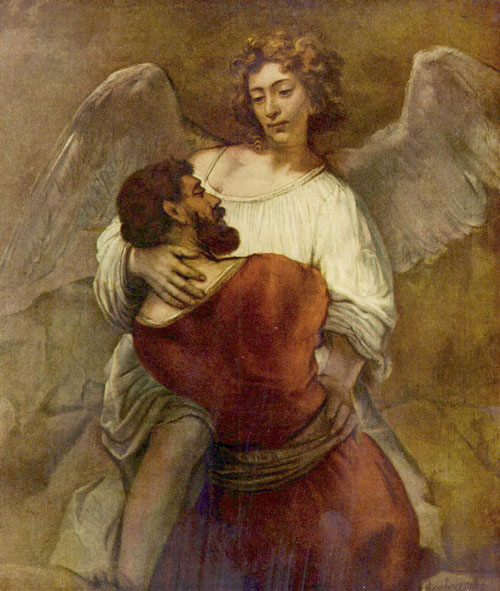
His episode of dreaming of a ladder to heaven is called “Jacob’s Ladder” and his wrestling with the angel, after which God gave Jacob the name of Israel ,meaning, “struggles with God” or “God contended.”

The name later appears in the New Testament by several other characters, one of them being the name of the Apostle James, (also known as Jacob since both names are related).

In English, both Jacob and James are derived from the Biblical Greek, Ιακωβος (Iakobos) later being latinized to Iacomus, (from which James is an anglicized a corruption).

James and Jacob have been used in England interchangeably since the Middle Ages, James became a common name in English and Scottish royalty.

Currently, James is the 17th most popular male name in the United States, the highest he has peaked was between 1940 and 1952, coming in at # 1. The lowest he has peaked was at # 19 in 1999 and then again in 2001.

James has never detracted from the U.S. top 20.

In other countries, his rankings are as follows:

  • # 8 (Australia, 2007)
  • # 10 (Canada, B.C., 2008)
  • # 9 (England/Wales, 2008)
  • # 5 (Ireland, 2007)
  • # 332 (the Netherlands, 2008)
  • # 5 (Scotland, 2008)

The designated name-days for Jacob are December 20 (France), July 25.

Other forms of both names include:

  • Jakob (Afrikaans/Danish/Dutch/German/Norwegian/Slovene/Swedish: 12th most popular male name in Slovenia-2005; 39th most popular in Norway-2007 and the 3o9th most popular in the United States-2008)
  • Japku/Jakup/Jakub/Jakob/Jakov (Albanian)
  • Ya’eqob (Amharic/Ethiopian)
  • يعقوب Yaʿqūb/Yakub (Arabic)
  • Chaime (Aragonese)
  • Ya`iqob/Ukba/Ukva ያዕቆብ (Aramaic)
  • Hagop/Hakob/Jakob Հակոբ/Յակոբ (Armenian)
  • Aqob/Jakobos (Assyrian)
  • Yəqub (Azeri)
  • Jacobe/Jagoba/Jakes/Jakoma/Yaku/Yagoba/Xanti (Basque)
  • Jåggl (Bavarian)
  • Jakub/Jakaŭ/Jakuš (Bielorusian)
  • Jakub (Bosnian/Polish/Slovak/Slovene/Sorbian: common Polish diminutive forms are Kuba and Kubuś)
  • Jacut/Jagu/Jagut/Jak/Jakez/Jakezig/Jakou (Breton)
  • Yakov/Zhekov Жеков (Bulgarian)
  • Iacovo/Iacoviello/Coviello (Calabrian: Southern Italian dialect)
  • Jacob (Catalan/Dutch/English/Lexumburgish/Limburgish/Portuguese)
  • Jaume/Jaumet (Catalan)
  • Jacca/Jago/Jamma/Jammes (Cornish)
  • Giacumu (Corsican)
  • Jakov/Jako Јаков (Croatian/Serbian/Slovene)
  • Jákob (Czech/Hungarian: Kuba and Kubík are the diminutive forms)
  • Jacobus/Jakobus (Dutch/Limburgish: Jacobus is currently the 233rd most popular male name in the Netherlands-2008)
  • Coos/Kobe/Kobus/Jaap (Dutch: initially diminutive forms, used as independent given names)
  • Coby (English: originally a diminutive form, now used as an independent given name. He currently ranks in as the 832nd most popular male name-2008)
  • Jaagup/Jaak/Jakkab/Jakkob/Jakob (Estonian)
  • Jákup (Faroese)
  • Jaakob/Jaakoppi/Jaakko (Finnish: Jaska is the diminutive form)
  • Jacopo (Florentine: Northern Italian dialectical form, Lapo and Puccio are diminutives)
  • Jacques (French)
  • Iaquet/Jaco/Jacot/Jacquot/Jacquet (French: archaic, medieval forms)
  • Jacquemin/Jacqueminot (French: archaic, medieval forms)
  • Jabbo/Coob (Frisian)
  • Jakip (Frisian)
  • Iacun (Fruilian)
  • Sacun (Fruilian: literally meaning “Saint James.”)
  • Xacobe/Xaime (Galician)
  • Iakob იაკობ (Georgian)
  • Iákovos Ιακωβος/Iakóv Ιακώβ/Yángos Γιάγκος (Greek)
  • Iakopa/Iakopo/Kimo (Hawaiian)
  • Akiba/Akiva עֲקִיבָא (Hebrew)
  • Ya’akov יעקב (Hebrew)
  • Akkoobjee (Hindi)
  • Jakab (Hungarian)
  • Yakob/Yakobus (Indonesian)
  • Seamus/Séamus (Irish-Gaelic: SHAY-mus: Séimí and Séimín are diminutive forms. Currently the 748th most popular male name in the United States)
  • Giacobbe (Italian)
  • Giacomo (Italian: more common form)
  • Jacopo (Italian: archaic form)
  • Aqo/Ya’qub (Kurd)
  • Iacobus/Iacomus/Jacobus (Latin)
  • Jēkabs (Latvian)
  • Jaokob (Limburgish)
  • Cobus/Keub/Keube/Kuub/Kuèb (Limburgish: initially diminutive forms, now used as independent given names)
  • Zjaak/Jaco (Limburgish: initially diminutive forms, now used as independent given names)
  • Jokūbas (Lithuanian)
  • Jakov/Jakle/Jako (Macedonian)
  • Chacko/Yakob (Malayalam)
  • Ġakbu (Maltese)
  • Jayms (Manx)
  • Hemi (Maori)
  • Sak (Mohawk)
  • Jacuvo/Jacuviello/Cuviello (Neopolitan: Southern Italian dialect)
  • Gemme/Gemmes/Jacque (Norman)
  • Jacme (Occitanian/Provençal)
  • Jammes/Jaume (Occitanian)
  • Iakovu Іакѡвъ (Old Church Slavonic)
  • Yaghoub (Persian)
  • Giaco (Piedmontese: Northern Italian dialect)
  • Diogo (Portuguese: variation of Tiago)
  • Iago (Portuguese)
  • Jacó (Portuguese)
  • Jácomo (Portuguese)
  • Jaime (Portuguese/Spanish: Jaime is currently the 321st most popular male name in the United States-2008. He is the 97th most popular in Chile-2006 and the 33rd most popular in Spain-2006)
  • Thiago (Portuguese-Brazilian)
  • Tiago (Portuguese-European: a contraction of the Spanish Santiago, which literally means “Saint James”)
  • Köbes (Ripoarisch)
  • Iacob (Romanian)
  • Jacomo (Romanesque: a Northern Italian dialect spoken in the region of Tuscany)
  • Giachem/Giachen/Jachen (Romansch)
  • Giacumin (Romansch)
  • Yakov Иаков/Яков (Russian: Yasha is a diminutive form)
  • Iakopo (Samoan)
  • Hamish (Scottish-Gaelic: an anglicization of Seumas)
  • Jaikie (Scottish-Gaelic)
  • Jamie (Scottish: low lands Scots contraction, currently the 669th most popular male name in the United States; the 17th most popular male name in Scotland-2008; the 51st most popular in England and Wales-2008; 17th most popular in Ireland-2007; the 12st most popular in the Netherlands and the 96th most popular in Australia)
  • Seumas (Scottish-Gaelic)
  • Simidh (Scottish-Gaelic)
  • Jaka (Slovene: this was the 10th most popular male name in Slovenia-2005)
  • Diego (Spanish: a contraction of Santiago. Diego currently ranks in as the 68th most popular male name in the United States-2008. In Belgium he is the 48th-2006; in Chile, the 7th-2006; in France the 78-2006. In the Netherlands he comes in as the 189th most popular male name-2008 and in Spain he is the 10th most popular male name-2006 )
  • Jacobo (Spanish: archaic form: Jaime or Diego are the preferred forms)
  • Santiago (Spanish: literally meaning “Saint James” the name is usually bestowed in honour of St. James the Apostle. Currently, it is the 171st most popular male name in the United States. In Chile, he is the 55th most popular-2006 and in Spain, the 66th most popular-2006)
  • Yago (Spanish: archaic form)
  • Yakubu (Swahili)
  • Köbi (Swiss-German dialectical diminutive form, occasionally used as an independent given name)
  • Yaqub ܝܰܥܩܽܘܒ (Syrian)
  • Yakup (Turkish: Yascha is a diminutive form)
  • Yakiv Яків (Ukrainian)
  • Iago/Siam (Welsh)
  • Coppel/Kapel/Koppel (Yiddish)
  • Yankev/Yankl/Yankel/Yankele (Yiddish)

Older Polish forms include: Jakub, Jakób, Jakob, Jakow, Jekub, Jokob, Jokub and Jakusz.

Less common Polish diminutive forms include: Jakuszek, Jakubek, Jakubko, Kusz, Kuszęt, Kubek, (in modern Polish this means “cup” and has fallen out of usage as a diminutive form of Jacob), and Jaksa.

English diminutives of Jacob include: Jack, Jake, Jay, Cobb, Coby and Cubby. Diminutives for James include: Jack, Jamie, Jay, Jeb, Jem, Jemmy, Jim and Jimmy.

A Danish and Dutch diminutive form is Ib and Jeppe, Sjaak and Sjakie are also Dutch diminutives.

Slovene diminutive forms include: Jak, Jakec, Jaki, Jaša, Žak and Žaki.

Jacob has spawned various feminine forms that are worth noting.

There is the French, Jacqueline, (said like JACK-eh-lin), in English, but pronounced as (ZHAHK-e-LEEN) in French.

The name has a long history of usage in the English speaking world and is also used the German-speaking world and is occasionally used in Spanish-speaking countries.

Jacqueline is currently the 152nd most popular name for females in the United States. The highest she ranked was in 1961 coming in as the 37th most popular female name.

For Americans, a notable bearer is former First Lady and fashion trend-setter, Jacqueline Bouvier Kennedy Onassis.

A common English diminutive form is Jackie.

Other feminine forms include:

  • Jakuba (Czech)
  • Bine (Danish/German)
  • Jacobine/Jakobine (Danish/Norwegian/German/Swedish)
  • Jacoba/Coba (Dutch)
  • Jacobien (Dutch)
  • Jacomina (Dutch)
  • Jacquetta (English)
  • Jacquemine (French: archaic form)
  • Jacquette (French)
  • Jakoba/Jakobe (German)
  • Yaakova (Hebrew)
  • Giachetta (Italian)
  • Giacobba (Italian)
  • Giacometta (Italian)
  • Giacoma/Giacomina (Italian)
  • Jacobella/Jacomella/Jacovella (Italian: obscure/archaic forms)
  • Iacobina (Latin)
  • Jakubina (P0lish)
  • Żaklina (Polish: corruption of the French, Jacqueline)
  • Jacobina (Romansch)
  • Jacobea (Romansch)
  • Jamesina/Jamesine (Scottish)
  • Jakoba/Jakobina (Slovene)
  • Jakica/Jakovica (Slovene: initially a diminutive forms, used as independent given names yah-KEET-sah, yah-koh-VEET-sah)
  • Žaklin/Žaklina (Slovene: corruptions of the French, Jacqueline zhahk-LEEN; zhahk-LEE-nah)
  • Jacquelina (Spanish: corruption of the French, Jacqueline)

Emma

Gender: Feminine
Origin: German
Meaning: “universal; whole.”
(EM-mah)

Currently one of the most popular female names in the English speaking world and on continental Europe, it is derived from an old Germanic element ermen/irmen meaning “whole; universal; encompassing.”

It was first introduced into England via Emma of Normandy who was the wife of King Ethelred II and then the wife of King Canute. Through Ethelred II she was the mother of Edward the Confessor.

The name was also borne by an 11th-century Austrian saint, also known as Hemma.

Emma was quite popular at the turn of the last century and then fell out of fashion, being revived in the mid 196os in England and then the late 1990s in the United States and Continental Europe.

She is currently the most popular female name in the United States (2008). The lowest she ranked in United States naming history was in 1976 at # 463. Emma was the 3rd most popular name in 1880.

In English, Em or Emmie or usually the preferred nicknames.

Her popularity elsewhere is as follows:

  • # 20 (Australia)
  • # 1 (Belgium, 2008)
  • # 2 (Canada, Alberta, 2008)
  • # 3 (Canada, B.C. 2008)
  • # 3 (Canada, Manitoba, 2008)
  • # 1 (Canada, Nova Scotia, 2008)
  • # 4 (Canada, Quebec, 2008)
  • # 2 (Canada, Saskatchewan, 2008)
  • # 1 (Denmark, 2008)
  • # 31 (England/Wales, 2008)
  • # 8 (Faroe Islands, 2008)
  • # 2 (Finland, among Finnish-speakers, 2007)
  • # 1 (Finland, among Swedish-speakers, 2007)
  • # 3 (Flemish Region, Belgium, 2008)
  • # 1 (France, 2008)
  • # 5 (Germany, 2009)
  • # 23 (Hungary, 2006)
  • # 4 (Ireland, 2008)
  • # 4 (Liechenstein, 2008)
  • # 4 (Malta, 2008)
  • # 4 (the Netherlands, 2009)
  • # 8 (New Zealand, 2009)
  • # 7 (Northern Ireland, 2008)
  • # 2 (Norway, 2008)
  • # 8 (Scotland, 2009)
  • # 54 (Spain, 2006)
  • # 3 (Sweden, 2008)
  • # 1 (Switzerland, among French-speakers, 2008)
  • # 3 (Switzerland, among Italian-speakers, 2008)
  • # 3 (Wallonia, Belgium, 2008)

Other forms of the name include:

  • Ema (Croatian/Czech/Portuguese/Slovak/Slovene/Spanish: Slovene diminutive form is Emi)
  • Emmy (Danish/Dutch/Norwegian/Swedish: originally a diminutive form, now almost exclusively used as an independent given name, especially in Sweden where it ranked in as the 62nd most popular female name of 2007. In the United States, she comes in at # 955-2008)
  • Ima (Dutch/English: EE-mah-Dutch; I-muh- English )
  • Emmie (English: used as an independent given name since the early 1800s)
  • Imma (Frisian)
  • Imke (Frisian: IM-ke: 118th most popular female name in the Netherlands-2008)
  • Emmi (Hungarian)
  • Hemma (Old German: medieval form)
  • Emma Эмма (Russian)
  • Emica/Emika (Slovene: originally diminutive forms, used as independent given names, eh-MEET-sah; eh-MEE-kah)
  • Hema (Slovene: diminutive form is Hemi)

The designated name-days are January 31st, April 19, June 27, September 9 and December 10.

The name is used in virtually every European country and language.

An Italian masculine form is Emmo, and the English male name Emmett is related, (different entry for Emmett will come in the future).

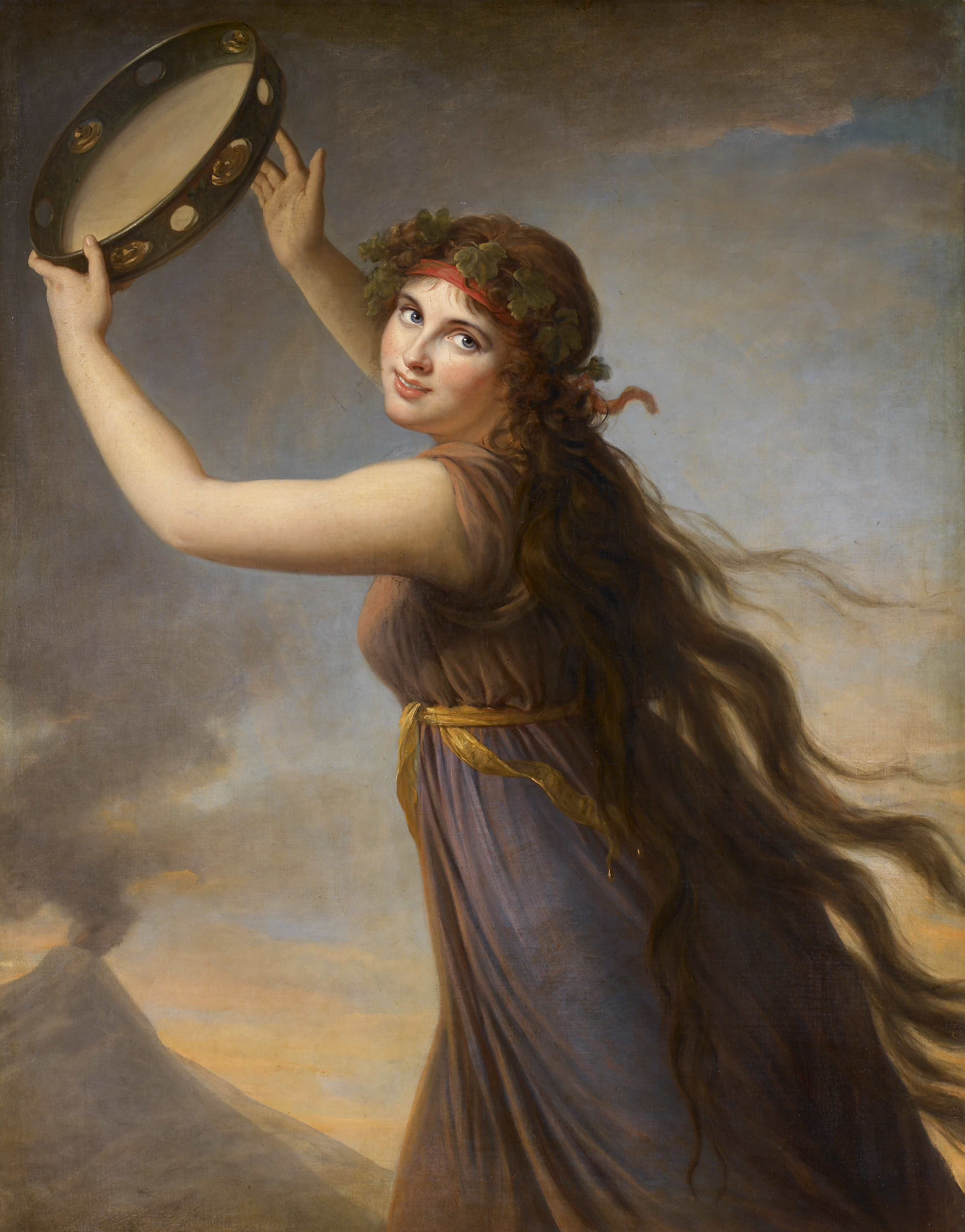
The name is borne by actresses Emma Thompson and Emma Watson. It is the name of the main character of the Jane Austen novel of the same name. It was used on the SitCom Friends as the name of the daughter of Ross and Rachel.