Awwal, Oula

Photo by Pixabay on Pexels.com
  • Origin: Arabic
  • Meaning: “first; foremost.”
  • masc (AHW-wahl); fem (OO-lah)

Awwal أوّل is an Arabic male name which comes directly from the Arabic word القائمة (first, foremost). It’s feminine form is Oula أولى. A unisex form is Awwalan أَوَّلاَن which is derived from the plural form of awwal.

In Islam, al-Awwal is one of the many names of God.

Sources

Ayman, Yamina, Yumna

Photo by Skylar Kang on Pexels.com
  • Origin: Arabic
  • Meaning: “right.”
  • masc. (I-mun); fem (yah-MEE-nah); YOOM-na

Ayman is derived from the Arabic word يمين (yamin) meaning “right,” referring to the right hand. The word is ultimately derived from a Semitic root ي م ن (right). The Arabic root word is y-m-n (ي-م-ن), which can mean “right hand,” “right side,” “favor,” “blessing,” “prosperity,” “ease,” or “success.” It shares the same root as the Hebrew מִין (yamin) meaning, “right hand; south,” which forms a basis of the name Benjamin. The country of Yemen also gets its name from the same root word.

The name was borne by a companion of the Prophet Mohammed, known as Ayman Ibn Abayd.

Ayman is a traditional male name in the Arabic-speaking world, but has been commonly used on females in Pakistan, possibly in reference to the kunya of Umm Ayman (meaning “mother of Ayman”, the mother of Ayman Ibn Abayd, or perhaps due to it sounding more feminine in the Urdu language.

Its traditional Arabic feminine form is Yamina يمينة which is a popular female name in Maghrebi countries but is used in other predominate Islamic countries. Another feminine form is Yumna يُمْنَى, which is currently the 983rd most popular female name in the United States (2021).

A more unusual feminine form is Yumnaat يُمْنَات.

Ayamin أَيامِن which is a plural form يمين (yamin) is occasionally used as a unisex name.

Ayman currently ranks as the 96th most popular male name in Catalonia, Spain (2021).

Its current rankings in other countries are as follows:

  • #407 (England & Wales, 2021).
  • #477 (France)

Its Turkish form of Eymen is the 5th most popular male name in Turkey (2021). In the Netherlands it ranks in at #344 (2022) and in France at #440 (2021).

Another transliteration of Ayman is Aiman.

Other forms include:

  • Ejmen (Albanian)
  • Yaman, Yamin يمين (Arabic)
  • Yumn يُمْن (Arabic)
  • Ayman (Arabic, Azeri, Urdu)
  • Aiman আইমান Әймән (Bengali, Kazakh, Tatar)
  • Ajman (Bosnian)
  • Aymon Аймон (Tajik)
  • Eymen (Turkish)

Feminine forms include:

  • Jamina (Albanian, Bosnian)

Sources
Azraq, Zaraq, Zarqaa

Photo by cottonbro studio on Pexels.com
  • Origin: Arabic زرقاء
  • Meaning: “blue”
  • (uz-ROCK); (zuh-ROCK); (zar-KA)
  • Usage: Arabic-Speaking countries, India and Pakistani among Muslim communities

Azraq أَزْرَق is from the masculine Arabic noun from the word for blue. The name has occasional use in Arabic-speaking North Africa and the Levant.

It’s feminine form of Zarqaa زرقاء is the Arabic feminine version of the word for blue زرقاء. It is transliterated as Zerqa or Zerka in Maghrebi Arab countries. Zerka can also be the Bosnian or Albanian form. This name has occasional use across the Islamic world.

Zaraq زرق is an Arabic unisex name derived from the neuter Arabic noun meaning “greenish-blue,” roughly translating to the color of turquoise (not the gemstone which in Arabic is Fairuz فيروز). Zaraq is mainly used as a masculine name in Southeast Asian countries such as Pakistan and India, but is considered unisex in the Arabic-Speaking world.

All three names derive from the Arabic root word z-r-q (ز-ر-ق), which means “blue.”

Other transliterations of the feminine form are Zurqa and Zurqa.’

Sources

Hatan, Hattan

Photo by Jill Burrow on Pexels.com
  • Origin: Arabic هتان
  • Meaning: “downpour, rain.”
  • Gender: masculine

The name comes directly from the Arabic weather term هتان (hattan) meaning “downpour; rain.” It is commonly used in Arab Gulf countries.

Sources

Sadime, Sadeem

  • Origin: Arabic سديم
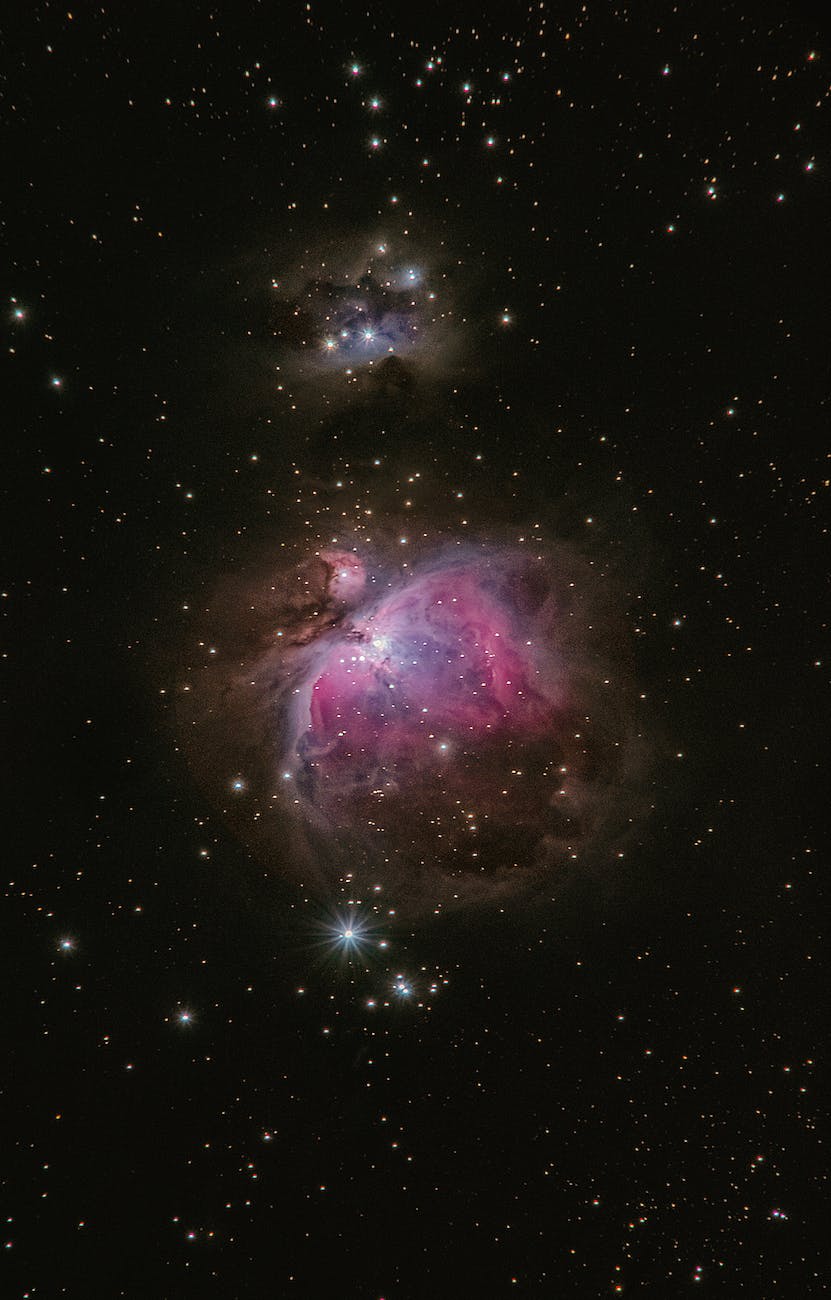
  • Meaning: “nebula; fog; mist.”
  • Gender: female

The name comes directly from the Arabic word سديم meaning “nebula, fog; mist.” The word itself is from the Arabic root s-d-m, which means “darkness” “obscurity.”

The word use is found in Arabic poetry to describe a mist or haze that obscures the view.

sources

Faaria, Faria, Farya

  • Origin: Arabic فارعة
  • Meaning: “lofty; tall; towering; slender; slim; beautiful; handsome; pretty.”
  • Gender: feminine
  • Pronunciation: Arabic: fah-REE…AH; Urdu: FAR-yah

The name is derived from the Arabic word فَارِع (fari) which can mean “tall; lofty” and also “slim; slender” as well as “beautiful; handsome; pretty.” It is derived from the Arabic verbal root ف ر ع (f-r-‘) meaning, “to ascend.” The same root shares is also related فَرْع‎ (farʿ), meaning “tree branch; hair; mountain top; upper part,” which is why some websites list it as meaning, “beautiful hair.”

Sources

Fiddah, Fizzah, Fizziyah

  • Origin: Arabic فِضَّة
  • Meaning: “silver.”
  • Gender: female
  • Phonetic Pronunciation Standard Arabic: FEED-dah; Spoken Arabic: FEEZ-zah
  • IPA: /fidˤ.dˤa/

The name comes directly from the Arabic word فِضَّة (fiddah), meaning “silver”, it is sometimes transliterated as Fizzah.

Another form is Fizziyah فِضِّيَّة, which means “silvery.” Also transliterated as Fiddiyah.

Fizzi فِضِّي is a unisex variation.

It is the same word in Maltese, but spelled Fidda. It is not used as a given-name in Malta, but may hypothetically make a nice Maltese female name since it is already used as a legitimate Arabic female name in other parts of the world.

Other forms include:

  • Fidah (Malay)
  • Fedha (Swahili)

Other transliterations include: Feda, Fedda, Fedha, Feza, Fezza, Fidda, Fida & Fidha.

Sources

Nuralain, Noorulain

  • Origin: Arabic نور العين
  • Meaning: “light of the eye.”
  • Gender: feminine
  • Arab pron (NOO-roo-LINE); Urdu pron (NOO-rul-en)

The name is composed of the Arabic words, nur نُور (light), ul-Ain عَين (the eye; spring, fountain), hence it could also take on the meaning of “light of the spring or fountain.”

Noorulain or Noor-ul-Ain is a common name among Indian Muslims and Pakistanis, though it is not necessarily a name with strong religious connotations in the Arabic-speaking world itself.

It is the name of the female protagonist in a popular Pakistani romantic drama series of the same name (2018).

The Noor-ul-Ain is the name of one of the largest pink diamonds in the world and the tiara it is mounted in, which was made for Empress Farah Pahlavi’s wedding in 1958.

Other forms include the Malay and Indonesian, Norain, Nurain and Noorain.

Its Maghrebi forms are Noorelein, Noureleine, Noraleine, Nureleine & Nurelène which are sometime mistranslated by onomasticians as modern French or Flemish combinations of Nora & Madeleine, which may be the case in some instances.

Other transliterations include: Noor Alain, Nur Alain, Noor-ul-Ain, Nur-ul-Ain, Noraline, Noralin, Noralyn, Nour Elain, Nurelein, Nuraline, Nurelen, Nurelayne & Nuralyn.

Sources

Safin, Safana, Safina

Safin سَفِين is an Arabic male name that derives from the Arabic root, S-F-N س ف ن meaning, “ship.” Safin itself is the plural form and therefore means “ships.” The singular form of Safina سَفِينة (ship) is used as a female given-name. Another feminine form, which is Safana سَفّانة, literally meaning “boatwright” in modern Arabic derives from the same root but may have had a connotation of a precious gem or pearl in old Arabic and was also used as a term of endearment for a daughter.

The name is used in reference to “سفينة نوح” (safinat Nuh), which is Arabic for Noah’s ark.

Other forms include: Safeen (masculine), Saffanah (feminine), Safanah (feminine) & Safinah (feminine).

A Tatar form is Сәфинә” (Säfinä).

Safina is used throughout the Islamic world.

Sources

Ramz, Ramzi, Ramza, Ramzia

  • Origin: Arabic
  • Meaning: “code, sign, mark.”

Ramiz رامز , Ramz رَمْز & Ramzi رمزي are Arabic masculine names which come directly from the Arabic word (ramz) رَمْز , meaning, “code, sign, mark, symbol, gesture.” It is ultimately derived from R-M-Z root in Arabic.

Ramzi appeared in the U.S. Top 1000 Most popular male names between 1973-1990 and peaked at #320 in 1982. It’s usage in the United States may have been influenced by immigrant groups who use the name (Southeastern European Muslims, Arab immigrants & Southeastern Asian Muslims immigrants), mixed with Anglophone parents who were probably using it as an alternate spelling for the English surname/place-name, Ramsey, which means “wild garlic island.” It should also be noted that during this time period, the use of Arabic names became especially popular among African-Americans.

The name is sometimes transliteration as Ramzy and I suppose in the English-speaking world it could also be transliterated as Ramsey.

The feminine forms are Ramza and Ramzia, spelled Ramziya Рәмзия in Central Asian & Turkic languages (Bashkir, Chechen, Tatar).

Other forms include:

Male

  • Remzi Ремзи (Albanian, Bosnian, Crimean Tatar, Turkish)

Female

  • Remzije (Albanian, Bosnian)
  • Remziye (Turkish)

Sources