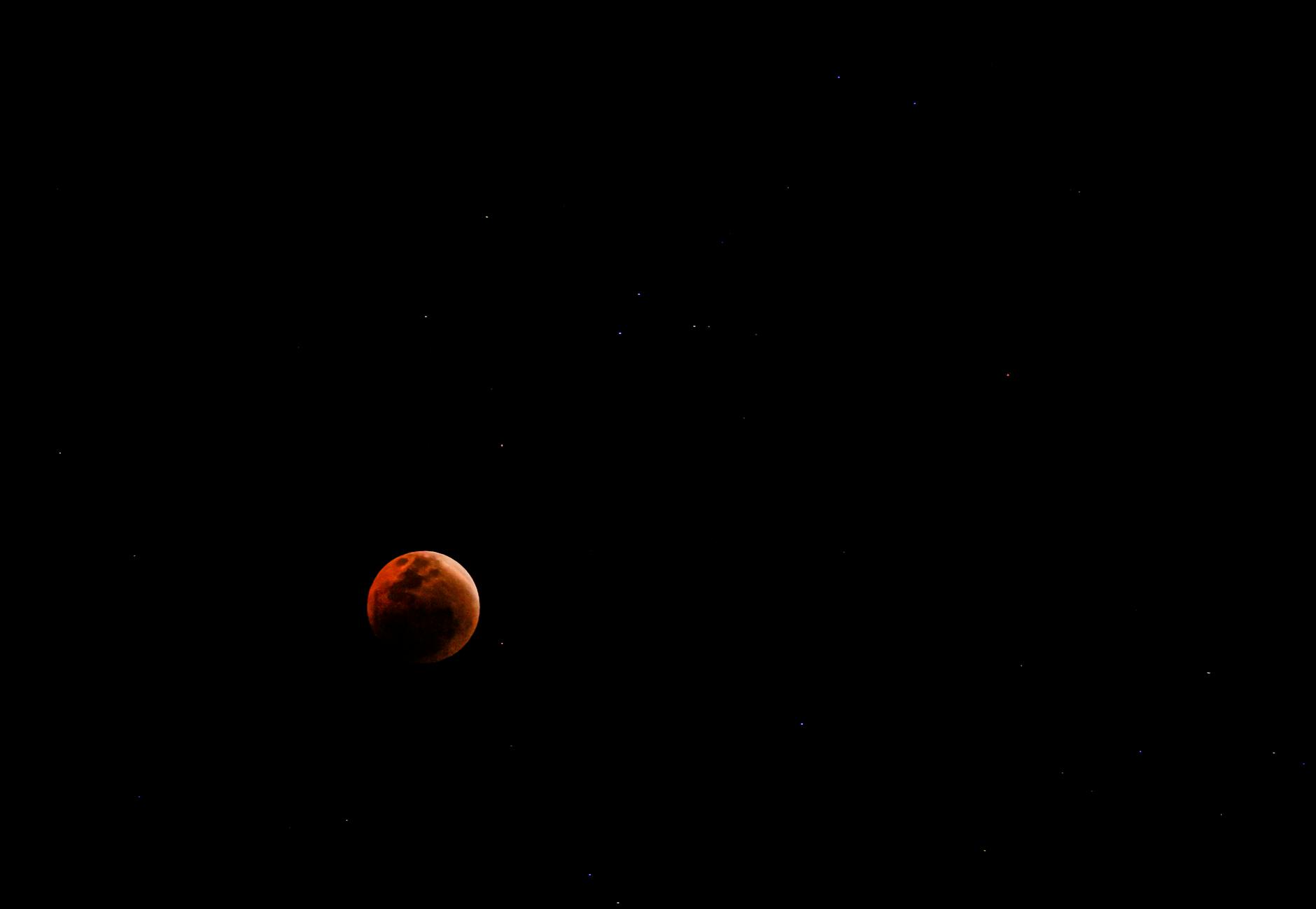
Sahir is a masculine name which is derived from the Arabic root: س-ه-ر (s-h-r), related to staying awake at night. In some contexts it can also carry the poetic meaning “bright, wakeful like the night sky.” Its feminine form is Sahira ساهرة, also sometimes transliterated as Sahera and Sahirah.
The name is derived from the Arabic word اَشْھَل (ashal) meaning, “bluish black eyes.” The name is also used in Iran, Afghanistan and among South-Asian Muslims.
The name comes directly from the Arabic word for “sun.” It was the name of a Pre-Islamic South Arabian sun goddess, the equivalent of the North Arabian diety, Nuha.
A strictly feminine form is Shamsa شمسة
Maghrebi spellings are Chams and Chamsa, a Comorian feminine form is Chamsia. Turkish forms are Şems and Şemsa.
The name shares an etymological link with the Hebrew male name, Samson.
It was borne by Shams Pahlavi, one of the sisters of (1917-1996), a member of the Iranian royal family.
In recent years, it has become particularly trendy among females in the Gulf Arab countries
Meaning: “smile; wonder; miracle; astonishment” also “arrogance and pride.”
May be a variant transciption of the Arabic, Sumeyya
Pron: (SMIGH-yuh), rhymes with Maya
Technically unisex in Indian culture; feminine in Arabic
The name has come into recent use in India. It is most likely derived from the Sanskrit word स्मय (smaya), meaning “smile, wonder; surprise; astonishment.” Yet, it can also mean “arrogance; pride.” It is from the same Indo-European root as the English word, “smile.” The Danish female name, Smilla, is also related. All of these are ultimately derived from Indo-European root *smey- (to laugh, be glad, wonder).
It’s mainly used as a female name, but it does appear as the name of male character in the Purana.
It can also be a variant transliteration of the Arabic female name, Sumeyya.
Suhail or sometimes transliterated as Suhayl, is derived from the Arabic word سَھْل (sahl) meaning “level; even; smooth, easy.” It is the Arabic name of the second brightest star known in the western world as Canopus. It’s appearance in the skies have traditionally been linked with the end of summer in the Arab world. It is the name of a few other stars.
It was also borne by one of the contemporaries of the Prophet Mohammed, known as Suhayl ibn ʿAmr (6th-century C.E).
Suhail appeared in the U.K. Top 1000 between 1996-2002, peaking at #694 in 1997. Its Urdu form of Sohail appeared in the U.K. Top 1000 between 1996-2007 and peaked at #305 in 1997.
Usage: Arabic-speaking world, most of the Islamic world
Gender: Female
Meaning: “little butterball.”
The name is derived from the Arabic rootز-ب- د (z-b-d), which pertains to “cream, foam, butter,” along with the Arabic feminine diminutive suffix, roughly translating to “little cream” or “little butter,” having the same sense as “cream of the crop.”
This was the sobriquet of Zubaidah bint Ja’far (766–831), the wife of Harun al-Rashid. Borne as Sukhainah or Amat al-‘Aziz, she was known for her construction of wells and reservoirs along the pilgramage routes to Mecca and is featured in The Thousand and One Nights. Her life was later the inspiration behind the character of Zobeide in the German opera Abu Hassan by Carl Maria von Weber.
The Turkish form of the name, Zübeyde, was borne by an Ottoman princess, the daughter of Sultan Ahmed II, who lived from 1728 to 1756. It was also carried by Zübeyde Hanım (1856–1923), the mother of Mustafa Kemal Atatürk. The name appeared in the Top 100 most popular female names in Turkey between 1980 and 1986, peaking at #70 in 1981
The name comes directly from the Arabic جبّار (jabbar), meaning “mighty; powerful.” In Islam, the term الجبّار (al-jabbar) is one of the 99 names of Allah.
Another variation is Abd-al-Jabbar (عبد الجبار), meaning “servant of the Almighty.”
Jabbar has appeared in the U.S. Top 1000 Most Popular Male Names in 1972, coming in as the 910th most popular male name. Its Swahili form of Jabari became common in the African-American community in the 1970s. It is currently the 920th most popular male name in the United States.