The name comes directly from the Hindi word वीर (vira), meaning “hero; brave,” which is ultimately derived from the Sanskrit.
Alternately, this can be a Female name, in which case, it is the Limburgish form of Vera.
As of 2023, the name appears in the U.S. Top 1000 Most Popular Male Names, ranking in at #975, in England and Wales, it is the 577th most popular male name.
The name is composed of the Hebrew elements from the Hebrew עשה (asa), “to do or make,” and אל (‘el), “God, divinity.” It is born in the Bible by 2 different characters, some allege they are the same person, a Moabite Warrior of King David and a Benjamite leader.
As of 2023, Jasiel appears in the U.S. Top 1000 Most Popular Male Names as the 939th most popular male name.
The name is borne in the Bible by the son of Joseph and Asenath, who is considered a patriarch, as he is a founder of one of the 12 trubes of Israel. According Genesis 41:52, he is named thus by Joseph because “God has made me fruitful in the land of my suffering.”
The name was also borne by a few early Christian saints, including St. Ephraim of Syria (4th-century, CE).
Ephraim appeared in the U.S. Top 1000 between 1880-1914, it disappeared for 99 years and reappeared in the charts in 2013. For its first centennial cycle, it peaked at #403 in 1880. As of 2023, it was the 992nd most popular male name.
Its Spanish counterparts of Efraín and Efrén have also appeared in the U.S. Top 1000, Efraín appeared between 1950 and 2014, peaking at #469 in 1981 whilst Efrén appeared between 1966-2007, peaking at #768 in 1990.
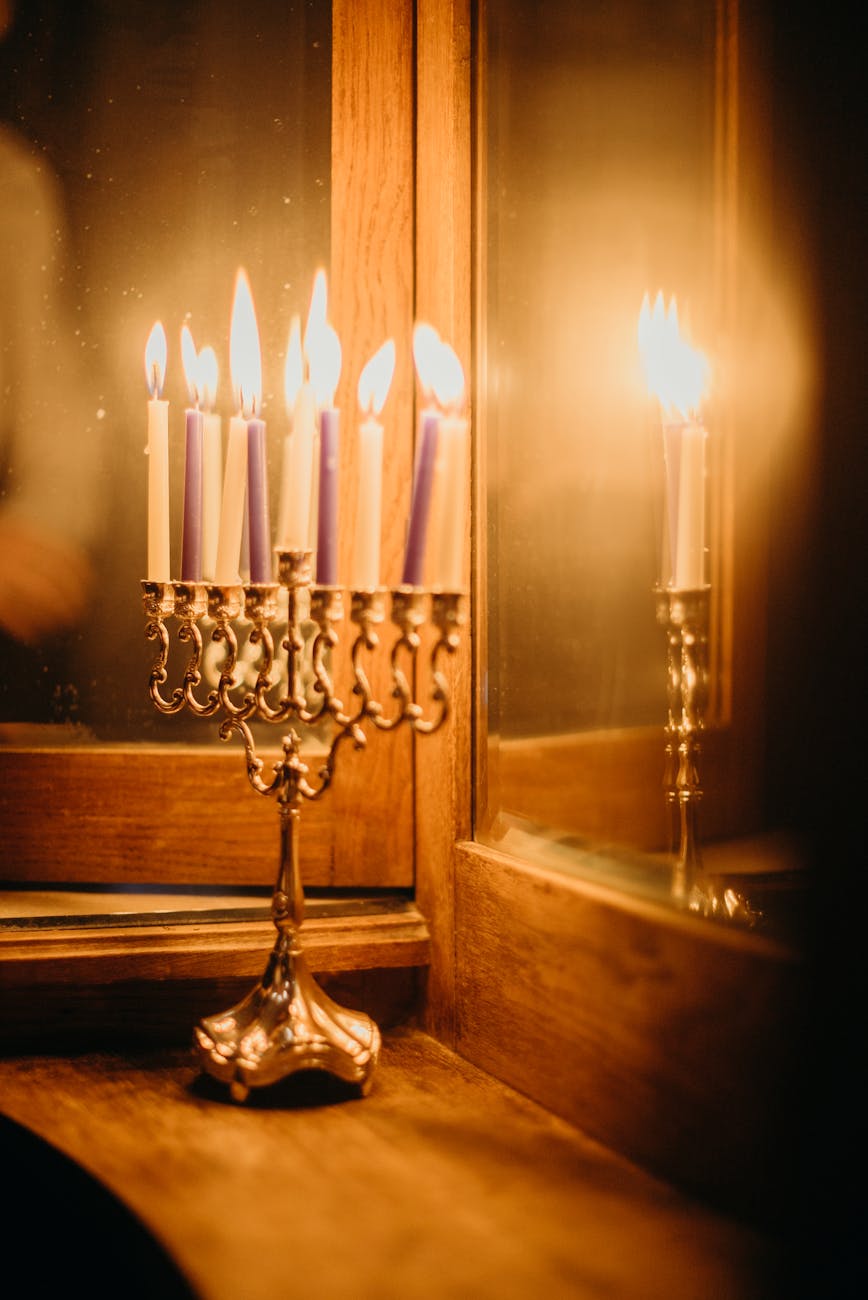
Meaning: “my father is a candle; my father is Ner; son of Ner.”
Gender: masculine
The name is composed of the Hebrew elements, ab אב (father) and ner נר (candle). In the Bible, the name is borne by a cousin of King Saul and the commander and chief of his army, son of Ner. His name also appears as אבינר בן נר (Abiner), literally meaning “son of Ner.”
As a given-name in the English-speaking world, it came into use after the Protestant Reformation and was quite common. The name was used by Eastern Christians and Jews for much longer. However, Abnér was borne by an 8th-century Irish monk.
It appeared in the U.S. Top 1000 between 1880 and 1938 and peaked at #289 in 1881. It reappeared in the top 1000 in 2020, and disappeared and was resurrected in 2023, coming in at #997.
In Medieval Europe, it was borne by Abner of Burgos (1270-1347), a Jewish convert to Christianity who became a polemical philosopher against Judaism. Upon his conversion to Christianity, he took the name, Alfonso of Valladolid.
Pron: Eng (i-DAH-lee-ah; id-DAHL-yah); Pol (ee-DAHL-yah)
The name can have a few different origins and meanings. It does seem to appear in use in Medieval France, in this case, it may be an elaborated form of a Germanic name, perhaps related to a Frankish element, idal (unknown meaning) or the Old Norse ið, meaning “work.” Alternately, it appears in Greek mythology as an epithet for the goddess Aphrodite. In this case, the etymology is from the name of city on the island of Cyprus called Idalion, in which a temple to Aphrodite existed. The etymology of the city name itself is from the Greek Eidon helios, “I saw the sun.”
The name has had use across Europe. In Poland, it came into use in the 19th-century when Juliusz Słowacki used it as the name of a heroin in his 1866 play, Fantazy. It was thereafter used as the name of a character in the 1909 novel, Trędowata by Helena Mniszkówna.
In Poland, it has appeared in and out of the 200 most popular female names between 2010 and 2022, peaking at #172 in 2021.
In 2023, 160 girls were given this name in the United States.
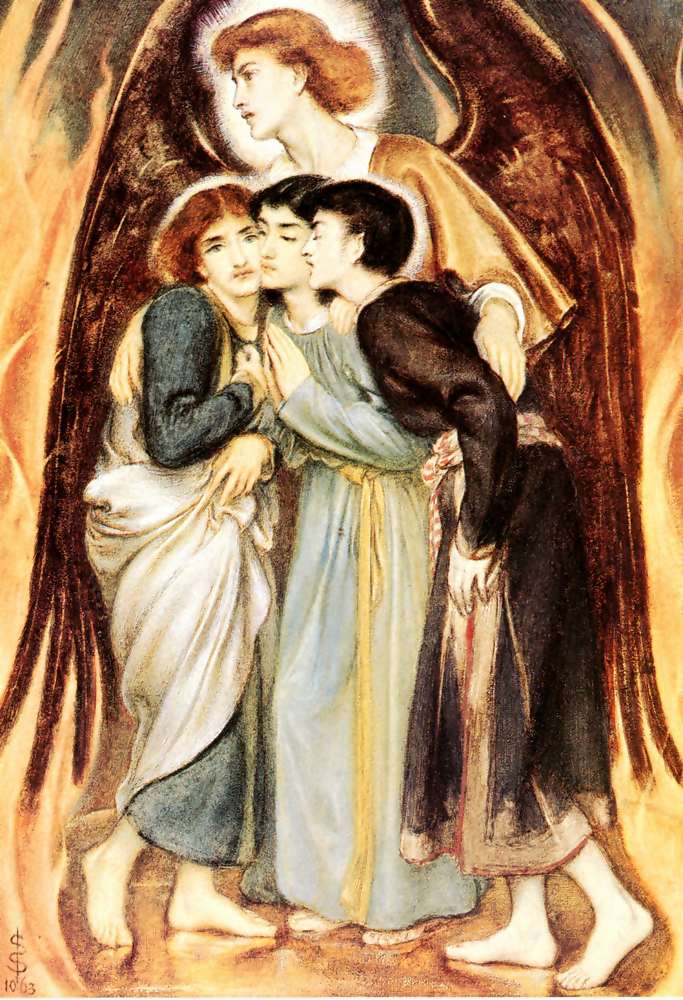
The name comes from the Hebrew meaning, “who is like God?; who is equal to God?,” “who is asked for?” and according to Hitchcock Bible names, “lent.” The name is borne by three male characters in the Bible, one mentioned in (Exodus 6:22) as one of the sons of Uzziel, the uncle of Moses and Aaron and most notably, it is the Hebrew name of Meshach (Dan. 1:11, 19) one of the three youths who refused to worship idols and were thrown in a furnace but miraculously survived.
Misael currently ranks in as the 192nd most popular male name in Mexico (2021) and the 790th most popular male name in the United States (2022).
In the Coptic Church, it is borne by St. Misael the Anchorite (7th-century CE).
Its feminine version of Mishaela is a pop song by Israeli pop singer, Achinoam Nini and has experienced sporadic usage in Israel and the English-speaking world. It is also the name of a character in Shining Force Gaiden: Final Conflict.
The name can either be a contracted form of the female Welsh name Gwenllian (white linen; white flax) or derive from the Welsh word lliain (flax, linen).