
Abner
- Origin: Biblical Hebrew אַבְנֵר
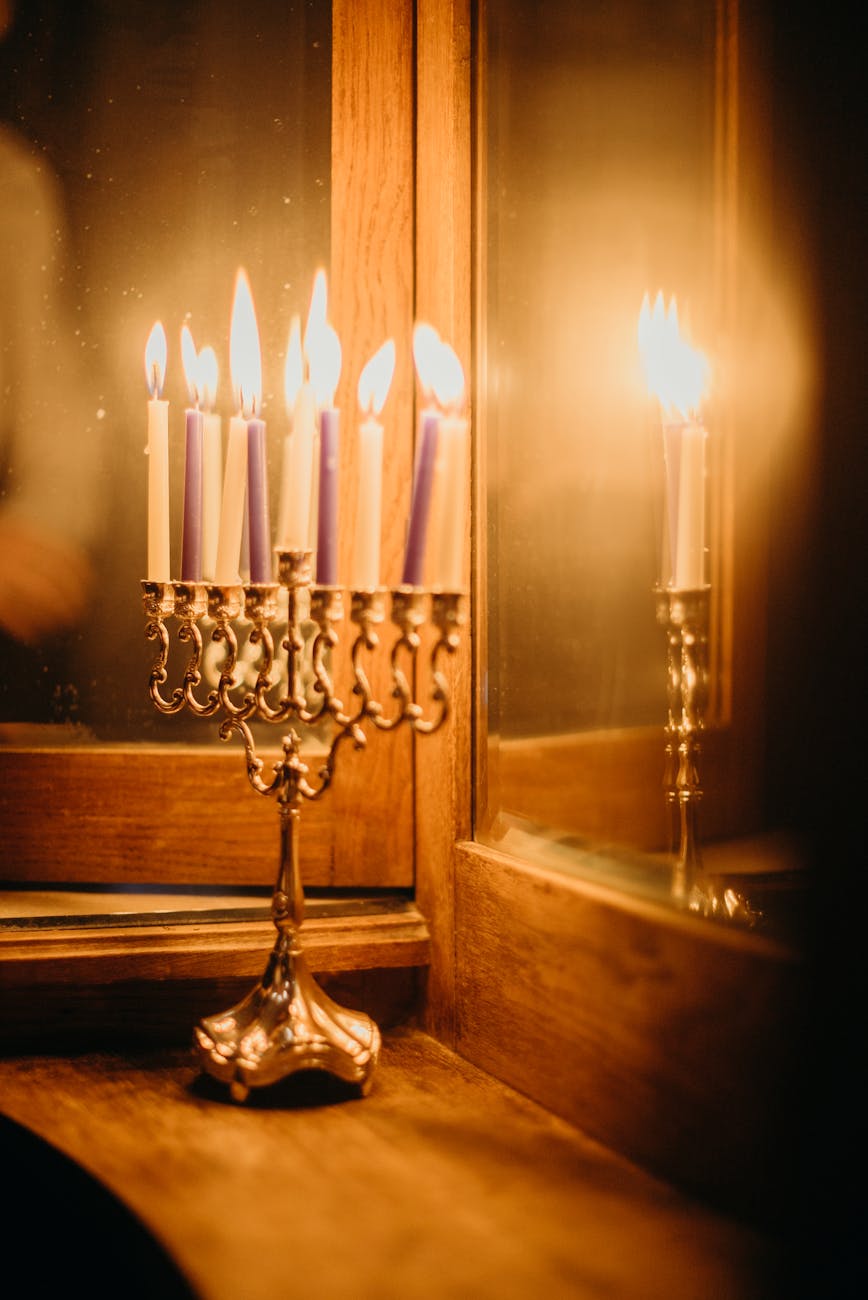
- Meaning: “my father is a candle; my father is Ner; son of Ner.”
- Gender: masculine
The name is composed of the Hebrew elements, ab אב (father) and ner נר (candle). In the Bible, the name is borne by a cousin of King Saul and the commander and chief of his army, son of Ner. His name also appears as אבינר בן נר (Abiner), literally meaning “son of Ner.”
As a given-name in the English-speaking world, it came into use after the Protestant Reformation and was quite common. The name was used by Eastern Christians and Jews for much longer. However, Abnér was borne by an 8th-century Irish monk.
It appeared in the U.S. Top 1000 between 1880 and 1938 and peaked at #289 in 1881. It reappeared in the top 1000 in 2020, and disappeared and was resurrected in 2023, coming in at #997.
In Medieval Europe, it was borne by Abner of Burgos (1270-1347), a Jewish convert to Christianity who became a polemical philosopher against Judaism. Upon his conversion to Christianity, he took the name, Alfonso of Valladolid.
Other forms/Usage
- Abner አብነር (Amharic) ⲁⲃⲉⲛⲏⲣ (Coptic) (Catalan, Dutch, English, German, Finnish, French, Galician, Italian, Nordic, Polish, Portuguese, Spanish)
- Abennir Ἀβεννήρ (Greek)
- Avner Авне́р (Hebrew, Ukrainian, Russian)
- Avenár (Hungarian)
- Abnér (Irish)
- Aveniru Авениръ (Old Church Slavonic)
Sources
- https://www.abarim-publications.com/Meaning/Abner.html
- https://www.behindthename.com/name/abner
- https://ru.wikipedia.org/wiki/%D0%90%D0%B2%D0%BD%D0%B5%D1%80
- https://www.nordicnames.de/wiki/Abner
- https://en.wikipedia.org/wiki/Abn%C3%A9r
- https://www.trismegistos.org/nam/detail.php?nam_id=24993&ref_per_namvar=namvar
Ad space — add Google AdSense code in Appearance › Ad Settings