
- Origin: Igbo
- Meaning: “thanks; gratitude.”
- Gender: Unisex
- EH-KEH-NEH
The name is from the Igbo meaning “thanks; gratitude.”
Sources
The name is from the Igbo meaning “thanks; gratitude.”
Sources

Nihara is a Sanskrit female name which comes directly from the word for “mist; dew; fog; hoarfrost; snow.”
The masculine form is Nihar.
Another female form is Nihari.
Sources

The name comes directly from the Turkmen word for “a feast” or “a gathering.”
The name is also sometimes spelled Meilis.
A notable bearer is Turkmen chess champion, Meylis Annaberdiyev (b. 1985).
Sources

The Greek name Nyx (Νύξ) means “night.” It comes directly from the Proto-Indo-European root nókʷts, the same ancient word that produced Latin nox, Sanskrit nakta (नक्त)*, and Old English niht → modern English night.
Thus, Nyx and Nox are linguistic sisters — two ancient words expressing the same primordial idea: darkness, mystery, and the cosmic night from which creation emerges.
In Greek mythology, Nyx is the goddess and personification of the Night and Nox the Roman counterpart.
She is said to have arisen directly from Chaos, the void before creation, and is counted among the Protogenoi — the primal deities who gave birth to the cosmos itself.
Nyx was both feared and revered by the Olympians. Even Zeus, king of the gods, hesitated to cross her.
Hesiod’s Theogony (c. 700 BCE) describes her as a shadowy figure dwelling in the western lands of perpetual darkness, near the gates of Tartarus.
In recent years, Nyx has appeared more often as a middle name, to fill a void for a longer first name. Its Latin form of Nox may make an appealing choice for those seeking gender-neutral sounding female names, sounding similar to the trendy male name Knocks. It has recently come into use in the Netherlands as a male name for unknown reasons.
Sources

The masculine name Kaldi and the feminine Kalda is derived from the Old Norse meaning, “cold; chill.”
Sources

The name comes directly from the Welsh word for “snowdrop,” a type of flower known as galanthus. The word itself is composed of the Welsh words, eira (snow) & llys (vegetable; herb).
The galanthus flower is known to flower in February.
Sources

The name comes directly from the Arabic word فِضَّة (fiddah), meaning “silver”, it is sometimes transliterated as Fizzah.
Another form is Fizziyah فِضِّيَّة, which means “silvery.” Also transliterated as Fiddiyah.
Fizzi فِضِّي is a unisex variation.
It is the same word in Maltese, but spelled Fidda. It is not used as a given-name in Malta, but may hypothetically make a nice Maltese female name since it is already used as a legitimate Arabic female name in other parts of the world.
Other forms include:
Other transliterations include: Feda, Fedda, Fedha, Feza, Fezza, Fidda, Fida & Fidha.
Sources

The name comes directly from the Sanskrit word हिमानी meaning, “a mass of collection of snow; snow dirft.”
Sources
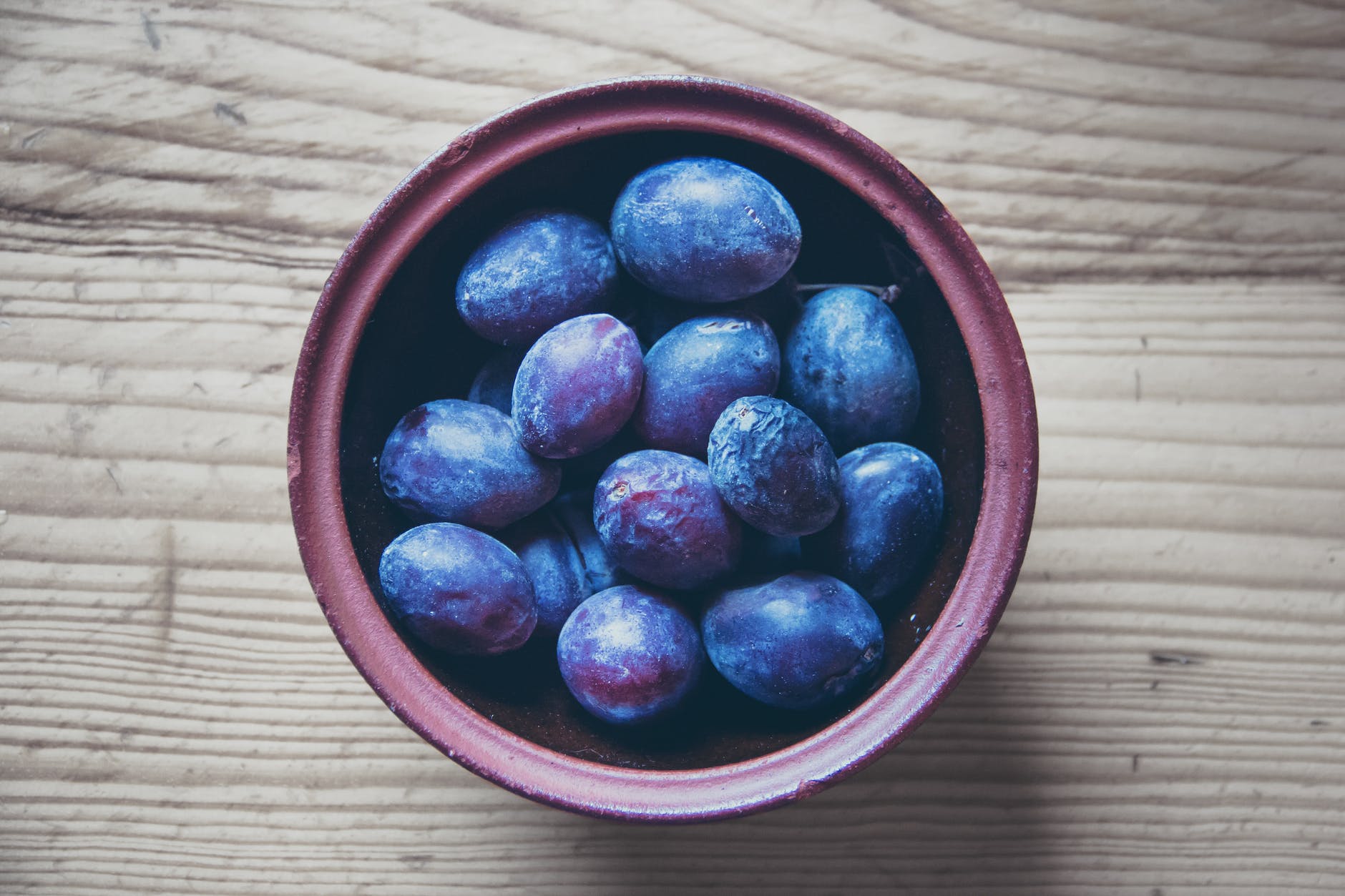
The name is a transliteration of the Chinese unisex name 冬梅 (winter plum). This is the most popular form. Other character combinations for this name are possible, which then alters the meaning and in some cases, the gender. There is 东 dong (east) & 梅 mei (plum; apricot); or 东 mei (little sister) or 美 mei (beautiful). There are numerous other character combinations that will alter the meaning.
Sources

The name comes directly from the Hebrew word for the cedar tree אֶרֶז. This name did not come into use as a masculine given-name among Jews until after the creation of the State of Israel in 1945. It may have been popularized by Aleksander Zederbaum (1816-1893), a Polish-Jewish journalist who founded the Hebrew language newspaper, Ha-Melitz who often used “Erez” as a pseudonym in his writings.
It is also the name of a Kibbutz and of Erez Crossing, the latter being the name of a border crossing on the Israeli-Gaza border.
Sources