
- Origin: Uzbek
- Meaning: “misty moon; foggy moon.”
- Gender: Female
The name is composed of the Uzbek words, oy (moon) and tuman (mist; fog).
Source
The name is composed of the Uzbek words, oy (moon) and tuman (mist; fog).
Source
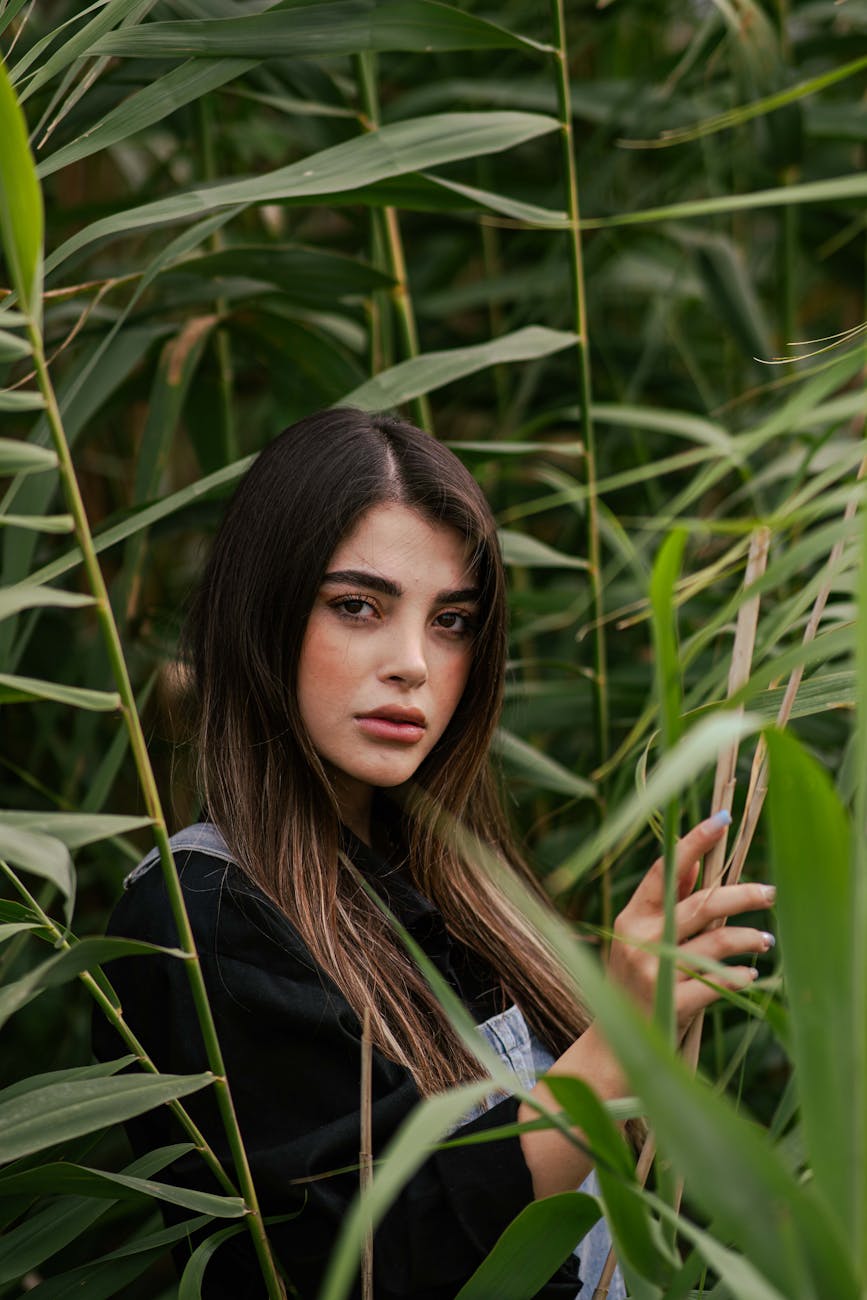
The name comes directly from the Farsi word نیلوفر (niloufar), meaning, “morning glory; water lily; nenuphar.”
It ultimately derives from Middle Persian nīlōpār, from Sanskrit nīlotpala (नीलोत्पल) meaning blue lotus (nīla “blue” + utpala “lotus”). Through Persian, it spread widely into other languages of the Islamic and Silk Road world. The Greek-Latin loan nénuphar comes from this same root, appearing in medieval botanical and poetic texts to denote the water lily (Nymphaea).
Niloufar has been used as a feminine given name in Iran, Afghanistan, Tajikistan, Azerbaijan, and Turkey (where it appears as Nilüfer).
Notable bearers include:
International Variations
Sources

The name is from the Persian word, مهتاب (mahtab), meaning “moonlight.” It is a poetic female name that has spread throughout the Persianate world. It is occasionally used on males in Southeast Asia.
Notable Bearers
Its Turkish form of Mehtap was among the top 100 girls’ Turkish names between 1980-1993, and peaked at # 58 in 1983.
International Variations
Sources

Rostam is an ancient Persian name that likely descends from Old Persian or Sogdian roots. Its meaning is debated, but the most popular theory is that it derives from *rautas-taxma “strong like a river.”
The name is immortalized in Ferdowsi’s 10th-century Persian epic, the Shahnameh, where Rostam is the towering national hero described as:
Because of this epic, Rostam is to Persian culture what Hercules is to the Greek tradition.
Rostam has been a popular masculine name across Iran, Afghanistan, Tajikistan, and Central Asia for over a thousand years. It also appears as Rustam in many languages of the region—Azerbaijani, Uzbek, Pashto, and even in parts of the Caucasus and South Asia.
International Variations
Sources
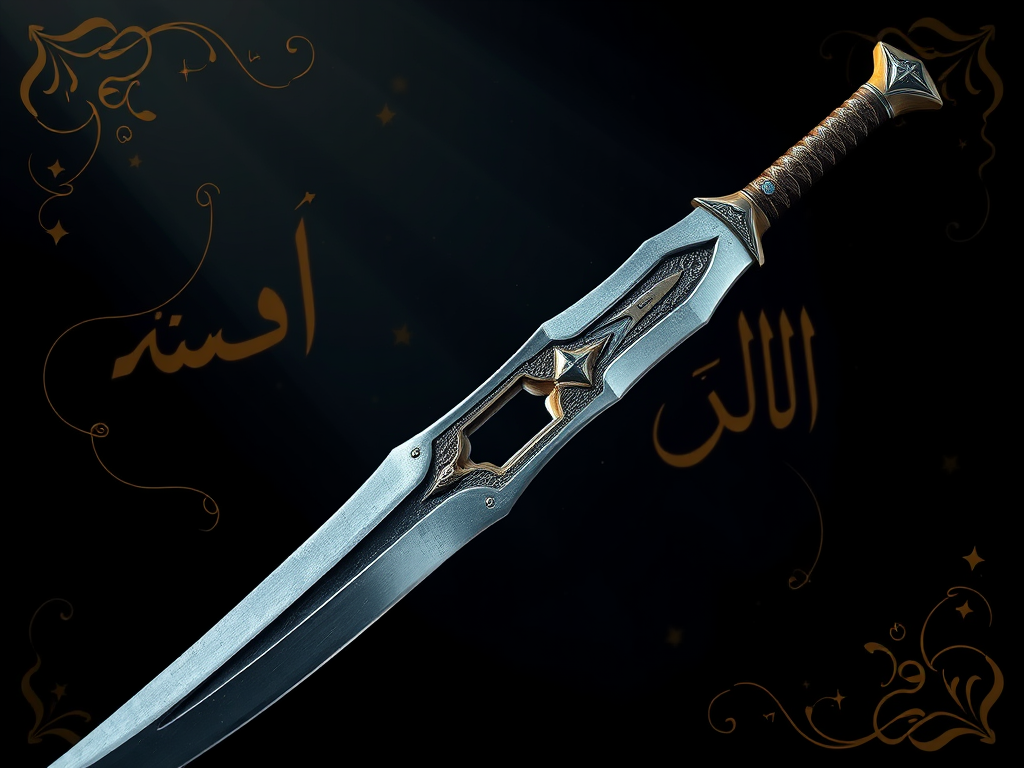
In Islamic tradition it specifically refers to a sword with a split or notched blade—the legendary weapon given by the Prophet Muhammad to his cousin and son-in-law ʿAlī ibn Abī Ṭālib.
It possibly comes from classical Arabic compound dhū / dhu (ذو) (possessor of; one who has), and fiqār / fiqar (فقار) (spine; vertebrae). Other sources suggest the second element may relate to the stars of Orion’s belt.
The phrase literally means “the one with the notches” or “owner of the notched spine.”
International Variations
Sources

The name is derived from the Farsi تهم (tahm), meaning, “potent; strong; powerful.”
It’s a Persian female name with deep roots. It is the name of the wife of Rostam and the mother of Sohrab in the 10th-century Persian epic, Shahnameh.
Its usage has spread to South-Asia, Pakistan and Bangladesh, as well as throughout Central Asia.
Between 1996-2002, it appeared in the U.K’s Top 500 Most Popular Female Names, peaking at #641 in 1999.
Notable bearer include Tajik actress, Tahmina Rajabova (b. 1982) and Iranian film director, Tahmineh Milani (b. 1960).
Other forms include:
A rare Bosnian masculine form is Tahmin/Tamin.
Sources
Sohrab (Persian: سهراب) is a classic Persian male name. It is most famous from the Shahnameh. In the epic, Sohrab is the heroic son of Rostam and Tahmineh. He is celebrated for his beauty and courage. He is known for his tragic duel with his father Rostam. It is one of the most famous episodes in Persian literature. His story has inspired countless Persian miniatures, operas, and poems. There are also even Western adaptations. One example is Matthew Arnold’s 19th-century poem Sohrab and Rustum.
Scholars derive it from Middle Persian, Suhrāv / Sōhrāv. It is composed of suhr / sohr (سهر) – “red, ruddy, rosy, dawn-colored.” The term āb آب means “water,” but in old compound names, it figuratively represents “essence, fluid, brightness, radiance.” The latter may also be related to آو / او (âv / ô / ow), which is an older or poetic variant meaning, “sound” or “voice.” In some historical compounds, it functions like âb to indicate “substance” or “radiance.”
The name appears not only in Iran, but is found across the Persianate world, including Tajikistan, Afghanistan, and Azerbaijan. It also exists among Central Asian and South-Asian communities influenced by Persian literature, and Zurab ზურაბ is its Georgian form.
International variations include:
Sources

The name comes directly from the Arabic word رباب for a type of stringed instrument.
It was also the name of Rubāb bint Imraʾ al-Qays (b. 7th-century C.E). The wife of Husayn ibn Ali.
It is borne by Pakistani Olympic Swimmer, Rubab Raza (b. 1991).
Another transciption is Rabab.
Other forms include:
The name is used throughout the Islamic World.
Sources

Sabih صبيح is a masculine Arabic name which comes directly from the Arabic word, صَبيح (ṣabīḥ), meaning, “comely; beautiful; handsome; graceful.” It is ultimately derived from the Arabic root word, صبح (ṣabuḥa) “to be beautiful; to be radiant; to beam.”
Sabiha صبيحة is its feminine form. It’s feminine form was borne by Sabiha Sultan (1894-1971) an Ottoman princess, the third and last daughter of Sultan Mehmed VI; the first Turkish female sculptor, Sabiha Bengütaş (1904-1992); and Turkish combat pilot, Sabiha Gökçen (1913-2001).
Sources

The name is derived from the Arabic word اَشْھَل (ashal) meaning, “bluish black eyes.” The name is also used in Iran, Afghanistan and among South-Asian Muslims.
Other forms include:
Sources