Zubaidah, Zubayda

Photo by Sena on Pexels.com
  • Origin: Arabic زُبَيْدَة (Arabic)
  • Usage: Arabic-speaking world, most of the Islamic world
  • Gender: Female
  • Meaning: “little butterball.”

The name is derived from the Arabic rootز-ب- د (z-b-d), which pertains to “cream, foam, butter,” along with the Arabic feminine diminutive suffix, roughly translating to “little cream” or “little butter,” having the same sense as “cream of the crop.”

This was the sobriquet of Zubaidah bint Ja’far (766–831), the wife of Harun al-Rashid. Borne as Sukhainah or Amat al-‘Aziz, she was known for her construction of wells and reservoirs along the pilgramage routes to Mecca and is featured in The Thousand and One Nights. Her life was later the inspiration behind the character of Zobeide in the German opera Abu Hassan by Carl Maria von Weber.

The Turkish form of the name, Zübeyde, was borne by an Ottoman princess, the daughter of Sultan Ahmed II, who lived from 1728 to 1756. It was also carried by Zübeyde Hanım (1856–1923), the mother of Mustafa Kemal Atatürk. The name appeared in the Top 100 most popular female names in Turkey between 1980 and 1986, peaking at #70 in 1981

It is also the name of an asteroid.

Other forms include

  • Zübeydə (Azeri)
  • Zubejda (Bosnian)
  • Zobeide (German, literary)
  • Zoubida (Maghrebi Arabic)
  • Zubaida Зөбаида (Tatar)
  • Zübeyde (Turkish)
  • Zubayda (Uzbek)

Sources

Safin, Safana, Safina

Safin سَفِين is an Arabic male name that derives from the Arabic root, S-F-N س ف ن meaning, “ship.” Safin itself is the plural form and therefore means “ships.” The singular form of Safina سَفِينة (ship) is used as a female given-name. Another feminine form, which is Safana سَفّانة, literally meaning “boatwright” in modern Arabic derives from the same root but may have had a connotation of a precious gem or pearl in old Arabic and was also used as a term of endearment for a daughter.

The name is used in reference to “سفينة نوح” (safinat Nuh), which is Arabic for Noah’s ark.

Other forms include: Safeen (masculine), Saffanah (feminine), Safanah (feminine) & Safinah (feminine).

A Tatar form is Сәфинә” (Säfinä).

Safina is used throughout the Islamic world.

Sources

Ramz, Ramzi, Ramza, Ramzia

  • Origin: Arabic
  • Meaning: “code, sign, mark.”

Ramiz رامز , Ramz رَمْز & Ramzi رمزي are Arabic masculine names which come directly from the Arabic word (ramz) رَمْز , meaning, “code, sign, mark, symbol, gesture.” It is ultimately derived from R-M-Z root in Arabic.

Ramzi appeared in the U.S. Top 1000 Most popular male names between 1973-1990 and peaked at #320 in 1982. It’s usage in the United States may have been influenced by immigrant groups who use the name (Southeastern European Muslims, Arab immigrants & Southeastern Asian Muslims immigrants), mixed with Anglophone parents who were probably using it as an alternate spelling for the English surname/place-name, Ramsey, which means “wild garlic island.” It should also be noted that during this time period, the use of Arabic names became especially popular among African-Americans.

The name is sometimes transliteration as Ramzy and I suppose in the English-speaking world it could also be transliterated as Ramsey.

The feminine forms are Ramza and Ramzia, spelled Ramziya Рәмзия in Central Asian & Turkic languages (Bashkir, Chechen, Tatar).

Other forms include:

Male

  • Remzi Ремзи (Albanian, Bosnian, Crimean Tatar, Turkish)

Female

  • Remzije (Albanian, Bosnian)
  • Remziye (Turkish)

Sources

Duha

  • Origin: Arabic ضحى
  • Meaning: “forenoon.”
  • Gender: unisex
  • DOO-hah

The name comes directly from the Arabic word for forenoon or late morning. In Islam, it is used in reference to Salat ad-Duha صَلَاة الضحى‎‎, a voluntary prayer that is said between Fajr and Dhuhr and is used mainly for the atonement of sins.

It is also the name of the 93rd chapter in the Qu’ran, al-Ḍuḥā الضحى‎, (the Morning).

As a given-name, it is traditionally unisex, but has been more often bestowed on females.

Other forms include:

  • Duha Духа (Albanian, Arabic (standard), Bashkir, Bosnian, Chechen, Kazakh, Kurdish, Turkish)
  • Zuha ज़ुहा (Azeri, Hindi)
  • Doha, Dohaa للال چاشت (Bengali, Urdu)
  • Dhuha (Javanese, Malaysian)
  • Zoha ضحی (Persian)
  • Zuho Зуҳо (Tajik, Uzbek)

Sources

Latif, Latifa

  • Origin: Arabic لَطِيْف
  • Meaning: “gentle; kind; benevolent.”

Latif is a masculine given-name which comes directly from the Arabic word لَطِيف (gentle; kind; benevolent). In Islam, Al-Latif لطيف, (the Kind; the Benevolent) is one of the 99 names of Allah (God). It’s feminine form is Latifa.

Latif & Latifa are commonly used throughout the Islamic world.

A notable American bearer is actress & singer, Queen Latifah.

Other forms include:

  • Latıif (m), Latıifa (f) (Avar)
  • Lətif (m), Lətife (f) (Azeri)
  • Latheef, Latheefa (Dhivehi)
  • Latifah (f) (Indonesian, Malaysian)
  • Letîf (m), Letîfe (f) (Kurdish)
  • Lәtyjif (m), Lәtyjifә (f) (Tatar)
  • Letife (f) (Turkish)
  • Lateef لطیف, Lateefa(h) (Urdu)

Sources

Fuad

  • Origin: Arabic فُؤاد
  • Meaning: “heart.”
  • Gender: masculine
  • Pronunciation: foo-AD

The name comes directly from the Arabic word for heart. It is used equally among Arab- Muslims & Christians. Among Christians, particularly Palestinians, Chaldeans and Lebanese Christians who profess Roman Catholicism, it is used in reference to the Sacred Heart of Jesus or the Immaculate Heart of Mary, in the same way the Spanish name Corazón is used in the Spanish-speaking world, though in the Arabic case, the name is strictly masculine.

Among Muslims, the term fu’ad is used at least 5 times in the Quran. The name is used throughout the Islamic world.

It is even used among Non-Arab groups in the Middle East, such as Mizrachi Jews.

The name was borne by two Egyptian kings.

Other forms include:

  • Fuad (Amharic, Azeri, Bosnian, Indonesian)
  • Fouad (Maghrebi)
  • Fuat (Turkish)
  • Fawad (Urdu)

A feminine form is Fuada(h).

Sources

Zuleika, Zuleikha

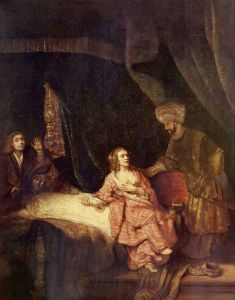
800px-Rembrandt_Harmensz._van_Rijn_065


  • Origin/Meaning: unknown زُلَيْخا זוליכה‎
  • Gender: female
  • (zoo-LAY-kah)
  • Usage: Arabic, Armenian, English, German, Italian, Ladino, Persian, Portuguese – Brazilian, Spanish

The name is of uncertain origin or meaning, since it appears in Muslim and Medieval Jewish tradition as the name of the wife of Potiphar (who is unnamed in the Old Testament), it is often suspected to be of Coptic origin, though the name is not traditionally used among contemporary Copts.

The wife of Potiphar is mentioned in the Bible as trying to seduce Joseph and later falsely claiming he tried to rape her, which leads to Joseph’s unjust imprisonment. In Medieval Islamic tradition, the story was reinterpreted as a popular love story, the subject of much poetry, she is named Zuleikha and her love for Joseph was interpreted by Sufi poets, especially Rumi and Hafez, to represent the longing the soul has for God. Zuleika is also attributed to be her name in the Sefer haYashar, also known as the Book of Jasher, a Jewish midrash of unknown authorship.

In the English-speaking world, the name first came into use in the early 19th-century, it was most likely popularized by Byron’s 1813 poem, The Bride of Abydos, in which it is the name of the heroine. It was also used by the German poet Goethe for his 1810 poem entitled, Book of Zuleika, in his collection of Eastern inspired poems called West–östlicher Divan. It is the name of the eponymous character in the 1911 novel, Zuleika Dobson by Max Beerbohn, which was later adapted into a musical.

The name is also used in Spanish-speaking countries and Brazil.


Other forms include:

  • Zulejka (Albanian, Bosnian)
  • Züleyxa (Azeri)
  • Zuleica (Catalan, Portuguese, Spanish)
  • Zulejha, Zulejka Зуле́йха, Зулейка (Chechen, Russian)
  • Zelikah (Dutch)
  • Zouleïkha (French)
  • Züleyha (Turkish)
  • Zulayho (Uzbek)

Other Arabic transliterations include: Zulaykha and Zulekha.

Spanish diminutives include: Zula & Zuzu.


Sources

Hashim

The name is most likely derived from the Arabic root H26-SH-M  meaning “breaker or pulverizer.” This was a sobriquet for Hāshim ibn ‘Abd Manāf (circ. 5th-century C.E.) who was the great-grandfather of the Prophet Muhammad and found of the Banu Hashim tribe. Borne ‘Amr al-‘Ulā, ot is said he took this name because he used to break up his bread to share in a broth among pilgrims to Mecca and he is also said to have saved the poeple of Mecca from a famine by breaking up his bread into tiny crumbs.

Another transliteration is Hasheem

Currently, Hashim is the 436th Most Popular Male Name in England & Wales (2018).

Other forms include:

  • HIashim ХӀашим (Chechen)
  • Haysim (Indonesian)
  • Hashem هاشم (Persian)
  • Haşim (Turkish)

Sources

Dunya, Dounia

download

The name is derived from the Arabic dunyā (دُنْيَا) meaning “world, kingdom, universe.”

It is a concept in Islam used to describe worldly concerns, and it is also used to describe anything that is close or near.

Its Maghrebi form of Dounia is currently the 445th most popular female name in France.

Other forms include:

  • Dynja (Albanian)
  • Dünya (Azeri/Turkish)
  • Donja Донъя (Bashkir)
  • Dunja (Bosnian)
  • Djunjà/ дюня̀/Dunjà дуня̀ (Bulgarian)
  • Denya (Egyptian-Arabic)
  • Donya  دنیا (Egyptian-Arabic/Javanese/Persian)
  • Duniya (Hausa)
  • Ddunit (Kabyle)
  • Dünïe дүние (Kazakh)
  • Dinya (Kurdish)
  • Düynö (Kyrgyz)
  • Dunia (Malay/Indonesian/Swahili)
  • Dinja (Maltese)
  • Dunida (Somali)
  • Dunyo дунё (Tajik/Uzbek)
  • Dön’ya дөнья (Tatar)
  • Dünyä (Turkmen)
  • Duniyâ دنیا (Urdu)

Sources

Firdaus

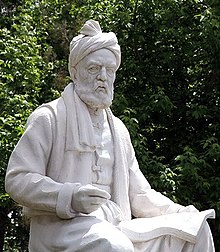
Poet, Firdowsi
  • Origin: Perso-Arabic
  • Gender: Unisex
  • Meaning: heaven; paradise; garden
  • Pronunciation: (FUR-dows)

The name comes directly from the Arabic word فردوس (firdaws), meaning “paradise,” which is ultimately from the Avestan pairidaeza “garden; enclosure.” In Islam, the term firdaws is sometimes used to refer to the highest level of Jannat or Heaven.

The name seems to be traditionally given to both males and females equally. A notable bearer was the 11th-century Persian poet, Firdowsi, who authored the historical epic, Shahnamah (Book of Kings).

Other forms of the name include:

  • Fardawəs (Abkhaz, exclusively male)
  • Firdovs (Chechen, exclusively female)
  • Fildusa (Bosnian, exclusively female)
  • Firdevsa (Bosnian, exclusively female)
  • Firdusa (Bosnian, exclusively female)
  • Firdaws/Firdaous (Maghrebin forms, exclusively female)
  • Pardis (Persian, exclusively female)
  • Fardowsa (Somali, exclusively female)
  • Firdavs (Tajik & Uzbek, exclusively male)
  • Firdausa (Tatar, exclusively female)
  • Firdaves (Tatar, unisex)
  • Firdavis (Tatar, exclusively male)
  • Firdevs (Turkish, unisex)

Sources