Boaz

Gender: Masculine
Origin: Biblical Hebrew  בֹּעַז
Meaning: “strength; swiftness.”
Eng (BO-az)

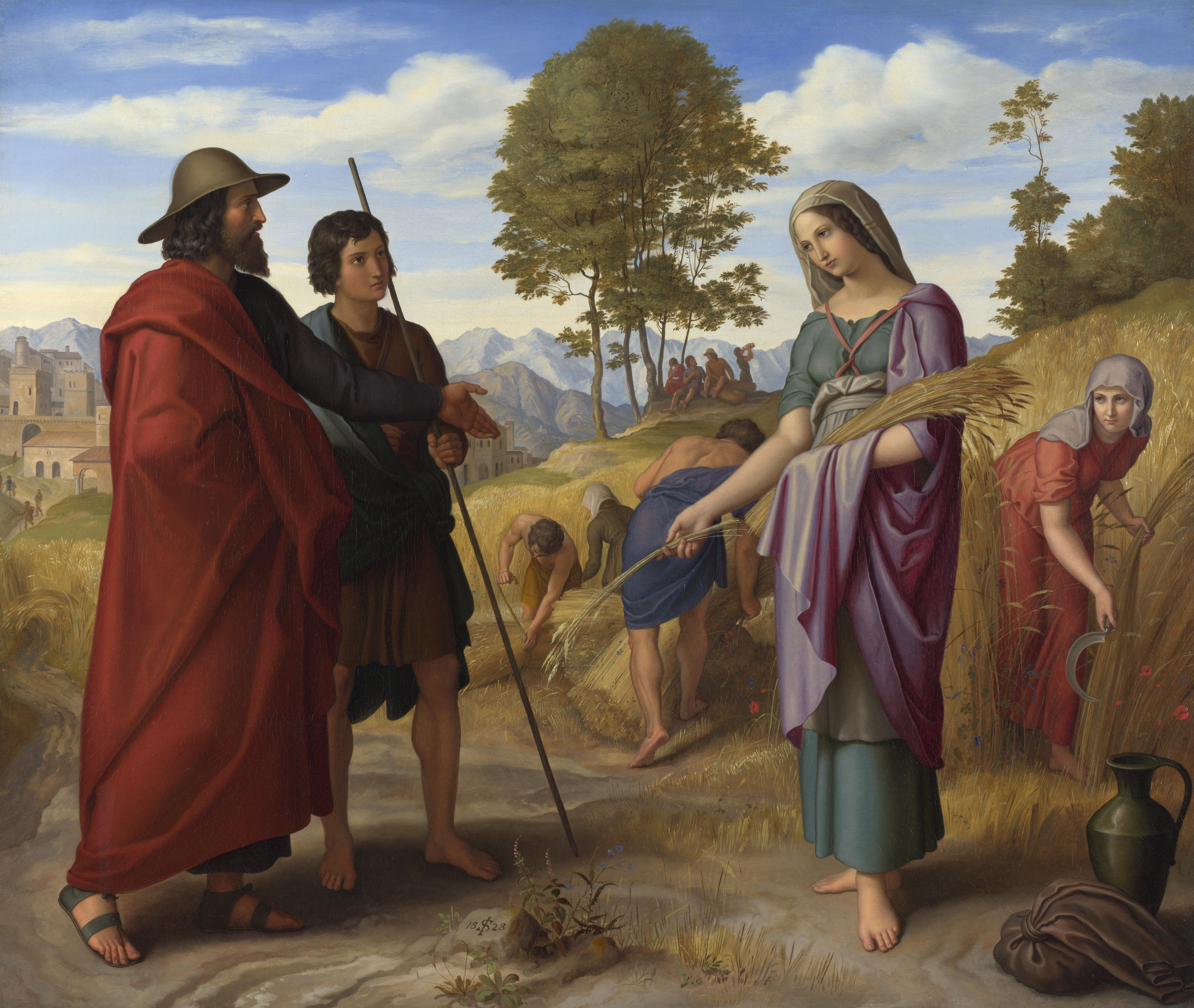
The name appears several times throughout the Bible, in the Old Testament it is the name of the husband of Ruth, traditionally believed by Christians to be a direct ancestor of Jesus. It is also the name of one of the columns in Solomon’s Temple.

The name also appears in the Book of Mormon as the name of a city in which the Nephites  won a battle against the Lamanites.

As of 2010, its Scandinavian form of Boas was the 5th most popular male name in the Faroe Islands, while its specifically Faroese relative of Bóas was the 9th most popular.

In the Netherlands, Boaz was the 78th most popular male name, (2010).

Other forms of the name include:

  • Booz (Basque/Catalan/Indonesian/Latin: Biblical/Polish/Spanish)
  • Boaz Бо́аз (Dutch/English/French/Polish/Portuguese/Ukrainian)
  • Bóas (Faroese/Icelandic)
  • Boas (German/Scandinavian)
  • Boós Βοόζ Вооз (Greek/Russian)

Rebecca

Gender: Feminine
Origin: debated
Meaning: debated
Eng (re-BEK-ka)

Rebecca is the English form of the Biblical Hebrew רִבְקָה (Rivqah), which possibly means “snare” or “noose” possibly referring to captivation or beauty, but may also be of an unknown Aramaic source.

The name is borne in the Bible by the Aramean wife of Isaac and the mother of Jacob and Esau. She is considered a Jewish matriarch.

In the English speaking world, the name was seldom used until the Protestant Reformation, where it became an exceedingly popular name. Pocahantas even took this as her Christian name upon her baptism.

Currently, Rebekka is the 3rd most popular female name in Faroe Islands, (2010). Her rankings in other countries are as follows:

  • # 20 (Rebecca, Italy, 2010)
  • # 24 (Rebeka, Hungary, 2010)
  • # 37 (Rebecca, Northern Ireland, 2010)
  • # 38 (Rebecca, Scotland, 2010)
  • # 48 (Rebecca, Ireland, 2010)
  • # 75 (Rebeka, Slovenia, 2010)
  • # 75 (Rebecca, Sweden, 2010)
  • # 82 (Rebecca, England/Wales, 2010)
  • # 137 (Rebecca, United States, 2010)
  • # 290 (Rebecca, Netherlands, 2010)
  • # 304 (Rebecca, France, 2009)
  • # 404 (Rebekah, United States, 2010)

Other forms of the name include:

  • Rafqa ﻪﻔﻴﻓﺍﺭ (Arabic/Syriac)
  • Rebeka Ребека (Bosnian/Bulgarian/Czech/Hungarian/Lithuanian/Polish/Slovak/Slovene)
  • Rebeca (Catalan/Ladino/Portuguese/Romanian/Spanish)
  • Rebekka (Dutch/Ethiopian/Finnish/German/Scandinavian)
  • Rebecca (English/Italian/Scandinavian)
  • Becca (English)
  • Reba (English)
  • Rebekah (English)
  • Rébecca (French)
  • Rebèque (French)
  • Rebekah (Greek: Biblical)
  • Revekka Ρεβέκκα (Greek: Modern)
  • Rifqa (Hebrew: Biblical)
  • Riva/Rivka רִבְקָה, רבקה אמנו (Hebrew: Modern)
  • Réba (Hungarian)
  • Ribka (Indonesian)
  • Ryfka (Polish-Yiddish)
  • Rebecke (Plattdeutsch)
  • Revekka Реве́кка (Russian)
  • Reveka (Serbian)
  • Rebecka (Swedish)
  • Rifka/Riwka (Yiddish)

The name was the subject of the 1938 British novel of the same name, written by Daphne du Maurier. It is also borne by a 19th-century Lebanese Christian saint. The designated name-day is March 23 (France).

Common English diminutive forms include: Becca, Beck, Becky, Bex, Reba and Rebi.

Sources

  1. Genesis 22:20-23
  2. http://www.ou.org/torah/ti/5764/toldot64.htm
  3. http://www.behindthename.com/name/rebecca
  4. http://www.askoxford.com/firstnames/rebecca?view=uk

Leah

Gender: Feminine
Origin: Hebrew
Meaning: debated
Eng (LEE-uh); Heb (LAY-ah)

The name is found in the Old Testament as the name of the sister of Rachel and the first wife of Jacob.

In Jewish tradition, Leah is considered a matriarch and among Christians, she is believed to be the direct ancestor of Jesus.

Its exact meaning and origins are debated. Many scholars believe that it is from the Hebrew לְאָה (le’ah), meaning, “weary.” Other sources have suggested that it is from an Akkadian source meaning, “lady; mistress.”

In the English speaking world and on the continent, it was not common outside the Jewish community until after the Protestant Reformation.

Currently, Leah ranks in as the 24th most popular female name, (2010) and this is the highest the name has ranked in U.S. naming history. She is quite popular in other countries, her rankings in other countries are as follows:

  • # 1 (Lea, Faroe Islands, 2010)
  • # 1 (Léa, Monaco, 2009)
  • # 1 (Lea, Romansch-speaking, Switzerland, 2010)
  • # 2 (Léa, French-speaking, Switzerland, 2010)
  • # 2 (Lea, Liechtenstein, 2010)
  • # 3 (Léa, France, 2009)
  • # 3 (Lea, Luxembourg, 2009)
  • # 5 (Lea, Austria, 2010)
  • # 5 (Lea, German-speaking, Switzerland, 2010)
  • # 5 (Léa, Belgium, 2010)
  • # 5 (Lea/Leah, Germany, 2011)
  • # 9 (Lea, Malta, 2010)
  • # 14 (Leah, Norway, 2010)
  • # 15 (Leah, Ireland, 2010)
  • # 17 (Lea, Croatia, 2009)
  • # 20 (Leah, Northern Ireland, 2010)
  • # 25 (Leah, Scotland, 2010)
  • # 39 (Lea, Slovenia, 2010)
  • # 46 (Lea, Denmark, 2010)
  • # 49 (Lea, Sweden, 2010)
  • # 50 (Leah, England/Wales, 2010)
  • # 55 (Leia, Sweden, 2010)
  • # 56 (Leah, Canada, BC, 2010)
  • # 59 (Lia, Slovenia, 2010)
  • # 63 (Leah, New Zealand, 2010)
  • # 89 (Lea, Norway, 2010)
  • # 95 (Lia, Hungary, 2010)
  • # 96 (Leah, Australia, NSW, 2010)
  • # 299 (Lia, France, 2009)
  • # 320 (Leia, France, 2009)
  • # 356 (Lia, Netherlands, 2010)
  • # 386 (Leah, Netherlands, 2010)
  • # 418 (Lea, Netherlands, 2010)
  • # 566 (Lea, United States, 2010)
  • # 830 (Leia, United States, 2010)

Other forms of the name include:

  • Lia (Catalan/Czech/Hungarian/Italian/Portuguese/Biblical Latin/Slovene)
  • Lea (Czech/Dutch/Estonian/Finnish/German/Hungarian/Icelandic/Norwegian/Polish/Romansch/Scandinavian/Slovak/Slovene/Spanish/Turkish)
  • Leah (English/Ethiopian/German/Scandinavian)
  • Leea (Finnish)
  • Leija (Finnish)
  • Leja (Finnish)
  • Lessu (Finnish)
  • Léa (French)
  • Leaette/Liette (French: originally a diminutive form, used as an independent given name, especially among French Huguenots).
  • Lía (Galician/Spanish)
  • Leia Λεια (Greek: Biblical)
  • Léá (Irish-Gaelic)
  • Lija/Liya Лия (Russian)
  • Lejá (Sami)

Common Czech diminutives include:

  • Leana
  • Leí
  • Leonka
  • Leoša
  • Leuška
  • Leúšik
  • Lienka
  • Liuška

The designated name-days are: January 5 (Estonia/Finland), March 22 (France), April 29 (Slovak), June 26 (Sweden).

Eva, Eve

Gender: Feminine
Origin: Hebrew
Meaning: “life.”
Eng (EEV); (EE-vuh); Germ/Sp/Pol (EV-ah)

The name is borne in the Bible and in the Quran by the first woman created by God. She and her husband were expelled from the Garden of Eden after eating from the Tree of Knowledge.

The name is believed to be derived from the Hebrew roots חַוָּה, Ḥavvāh, from the Hebrew root ḥāyâ meaning “life” and the Semitic element, ḥyw “to live.” Both the Hebrew word chavah meaning “to live” and chayah meaning “to breath” share the same root.

Despite Eve’s fall from Grace in the Bible, the name was always in usage among Jewish, Christian and Muslim communities. In England, its usage can be traced back to the 12th-century. Its Latinate form of Eva, has always been a classic in continental Europe, especially in Germany, Poland, Slovakia and the Czech Republic.

As of 2010, Eva was the most popular female name in the Faroe Islanda and in Slovenia. Eve, Eva and all her various forms’ rankings in other countries are as follows:

  • # 3 (Iceland, 2010)
  • # 4 (French-speaking, Switzerland, 2010)
  • # 5 (Netherlands, 2010)
  • # 7 (Ieva, Lithuania, 2010)
  • # 10 (Armenia, 2010)
  • # 10 (Evie, England/Wales, 2010)
  • # 14 (Northern Ireland, 2010)
  • # 15 (France, 2009)
  • # 17 (Scotland, 2010)
  • # 20 (Belgium, 2009)
  • # 24 (New Zealand, 2010)
  • # 26 (Australia, NSW, 2010)
  • # 29 (Croatia, 2010)
  • # 31 (Evie, Scotland, 2010)
  • # 33 (Evie, Australia, NSW, 2010)
  • # 37 (England/Wales, 2010)
  • # 44 (Eevi, Finland among Finnish-speakers, 2010)
  • # 44 (Ireland, 2010)
  • # 46 (Austria, 2010)
  • # 47 (Canada, BC, 2010)
  • # 48 (Spain, 2010)
  • # 55 (Catalonia, 2010)
  • # 55 (Éabha, Ireland, 2010)
  • # 56 (Eve, Northern Ireland, 2010)
  • # 59 (Eve, Ireland, 2010)
  • # 86 (Norway, 2010)
  • # 91 (United States, 2010)
  • # 92 (Eve, England/Wales, 2010)
  • # 99 (Eve, Australia, NSW, 2010)
  • # 201 (Eve, France, 2009)
  • # 589 (Eve, United States, 2010)
  • # 705 (Evie, United States, 2010)

Other forms of the name include:

  • Eva Ева ევა
    (Afrikaans/Albanian/Armenian/Basque/Belarusian/Bosnian/Catalan/Croatian/Czech/Dutch/Faroese/French/Frisian/Galician/Georgian/German/Icelandic/Italian/Portuguese/Romansch/Spanish/Scandinavian)
  • Evis (Albanian)
  • Mahalet/Mahlet (Amharic)
  • Hawa حواء Хауа (Arabic)
  • Yeva (Armenian)
  • Həvva (Azeri)
  • Yeva Ева Эва (Belarusian/Russian/Ukrainian)
  • Yevga Евга (Belarusian)
  • Hava (Bosnian)
  • Evy (Danish/Norwegian/Swedish: initially a diminutive form, occasionally used as an independent given name)
  • Eveke (Dutch: initially a diminutive form, used as an independent given name, EV-eh-ke)
  • Eve (English/Estonian/Walon)
  • Evie (English)
  • Hawat/Hewa (Egyptian/Coptic)
  • Eeva (Estonian/Finnish)
  • Eevi (Estonian/Finnish)
  • Evi (Estonian)
  • Ivi/Iivi (Estonian)
  • Iivika (Estonian)
  • Ève (French)
  • Eefje, Eefke (Frisian)
  • Hawwa ሕይዋን (Ge-ez)
  • Eua Ευα (Greek)
  • Chava חַוָה (Hebrew: Modern: KHAH-vah, gutteral CH sound)
  • Éva (Hungarian: AY-vaw, diminutive form is Évike)
  • Hawa (Indonesian/Malayalam)
  • Éabha (Irish-Gaelic)
  • Ieva (Latvian/Lithuanian: YEH-vah)
  • Evuzus (Malaysian)
  • Aaue (Manx)
  • Èva (Occitanian)
  • Ewa (Polish: EH-vah, diminutive forms are Ewka, Ewunia and Ewusia)
  • Evá (Sami)
  • Evelia (Spanish)
  • Evita (Spanish)
  • Eba (Tagalog)
  • Havva (Turkish)
  • Efa (Welsh)

Italian masculine form is Evo.

Traditionally, in most European countries, the name-day for Adam and Eve is December 24.

Frederick

Gender: Masculine
Origin: German
Meaning: “peaceful ruler.”
Eng (FRED-eh-rick; FRED-rick)

The name is composed of the Germanic elements, frid (peace) and rich (ruler). The name has been popular in the Germanic world since the 10th century. It was borne by three dukes of Austria, including Frederick the Fair (1289-1330), the first king of Austria. It was extremely popular among minor German royalty and was eventually borne by Frederick II, King of Prussia, also known as Frederick the Great (1712-1786)

Among Danish Royalty, it has been tradition to alternate naming the eldest son either Christian or Frederick each generation. Frederick, so far, has been borne by nine Danish kings and is currently borne by the Danish Crown Prince (b.1968).

In the Middle Ages, it was borne by three Holy Roman Emperors, including the illustrious Crusader, Frederick I Barberossa (the Red Beard).

The name was introduced into England by the Normans, but became popular in the 18th-century when the German Hanovers inherited the British Throne, which has issued at least one Frederick thus far: Frederick, Prince of Wales (1707–1751), eldest son of King George II of England.

As of 2010, its Danish form of Frederik was the 7th most popular male name in Denmark. His rankings in other countries are as follows:

  • # 11 (Federico, Italy, 2010)
  • # 16 (Federico, Argentina, 2009)
  • # 35 (Fredrik, Norway, 2010)
  • # 95 (England/Wales, 2010)
  • # 393 (Frederik, Netherlands, 2010)
  • # 496 (United States, 2010)

Other forms of the name include:

  • Ferry (Alsatian)
  • Frederig (Breton)
  • Frederic (Catalan)
  • Bedřich (Czech)
  • Frederick (English)
  • Fríðrikur (Faroese)
  • Fredrik (Finnish/Scandinavian)
  • Frédéric (French)
  • Freark (Frisian)
  • Fridric (Frisian)
  • Frerich (German)
  • Friedrich (German)
  • Frigyes (Hungarian)
  • Friðrik (Icelandic)
  • Feardorcha (Irish)
  • Federico (Italian/Spanish)
  • Federigo (Italian)
  • Fredo (Italian)
  • Fricis (Latvian)
  • Frīdrihs (Latvian)
  • Frydrichas (Lithuanian)
  • Friduric (Old High German)
  • Friðrikr (Old Norse)
  • Freerk (Plattdeustch)
  • Fryderyk (Polish)
  • Frédéri (Poitvin)
  • Frederico (Portuguese)
  • Frederi (Provançal)
  • Fadri (Romansch)
  • Frideric (Romansch)
  • Riet (Romansch)
  • Riget (Romansch)
  • Friderik (Slovene)
Common diminutives include:
  • Bedřišek (Czech)
  • Béďa (Czech)
  • Béďánek (Czech)
  • Bédísek (Czech)
  • Fedder (Danish)
  • Fred (English/Scandinavian)
  • Freddy (English/Scandinavian)
  • Frits (Faroese)
  • Fiete (Frisian)
  • Fiddy (German)
  • Freidi (German)
  • Freidl (German)
  • Fre(r)k (German)
  • Fritz (German)
Its feminine form of Federica is currently the 21st most popular female name in Italy, (2009), while Frederikke is currently the 38th most popular female name in Denmark, (2010) and Frédérique is the 150th most popular female name in the Netherlands, (2010).
Other feminine forms include:
  • Bedřiška (Czech)
  • Frederikke (Danish/Norwegian)
  • Frédérique (Dutch/French)
  • Frederica (English/Portuguese)
  • Friðrika (Faroese/Icelandic)
  • Fredrika (Finnish/Swedish)
  • Friederike (German)
  • Federica (Italian)
  • Fryderyka (Polish)
  • Fadrica (Romansch)
  • Fadrina (Romansch)

Silas

Gender: Masculine
Origin: Greek
Eng (SIE-las); Dan (SEE-lahs)

The name is a Greek form of the Latin male name, Silvanus.

It is borne in the New Testament by a companion of St. Paul, he is revered as a saint in both the Eastern and Roman Churches.

As of 2010, Silas was the 21st most popular male name in Denmark. His rankings in other countries are as follows:

  • # 221 (United States, 2010)
  • # 311 (Netherlands, 2010)

Other forms of the name include:

  • Sila Сіла (Belarusian/Bulgarian/Italian/Russian/Serbian/Ukrainian)
  • Silas (Catalan/Dutch/English/French/German/Portuguese/Scandinavian/Spanish)
  • Sylas (Polish)

Rasmus

Gender: Masculine
Origin: Scandinavian
(RAHS-moos)

The name is a Danish and Swedish form of the Greek male name, Erasmus Ερασμος, meaning, “beloved.”

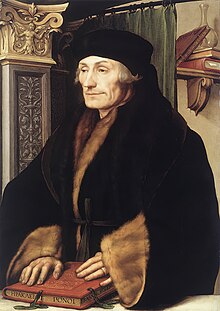
It was borne by a 4th-century Greek saint and martyr, also known as St. Elmo. It was later borne by a renowned Dutch scholar and humanist for whom the Erasmus Program was named.

As of 2010, Rasmus was the 26th most popular male name in Denmark and the 42nd most popular male name in Sweden.

Other forms of the name include:

  • Erasme (Catalan)
  • Erazmo (Croatian)
  • Erasmus (Dutch/English/Finnish/German/Romansch/Scandinavian)
  • Rasmus (Danish/Faroese/Finnish/Icelandic/Norwegian/Swedish)
  • Elmo (English/German/Italian)
  • Asmo (Finnish)
  • Érasme (French)
  • Erazmus (Hungarian)
  • Erasmo (Italian/Portuguese/Spanish)
  • Ermo (Italian)
  • Rasin(us) (Norwegian)
  • Rasofiel (Norwegian)
  • Rasman(n) (Norwegian)
  • Erazm Эра́зм (Polish/Russian)
  • Erasm (Romanian)
  • Rásm(m)os (Sami)
  • Rástoš (Sami)
  • Erazem (Slovene)
An obscure Danish and Norwegian feminine form is Rasmine.

Ida

Gender: Feminine
Origin: German
Meaning: “labour; work.”
Eng (I-dah); Germ/Swe (EE-da)

The name is derived from the Germanic element, id, meaning “work; labour.”

The name was introduced into England by the Normans and fell out of usage by the late Middle Ages. It experienced a revival during the 19th-century, possibly due to the heroin of the Lord Tennyson poem, The Princess (1847); which was later adapted into a play entitled Princess Ida.

The name could also, likewise, be related to the Greek female name, which is found in Greek Mythology as the name of a nymph who nursed Zeus. Mount Ida on Crete is supposedly named after her.

In Hinduism it is the name of an earth goddess.

The name does not appear in the U.S. top 1000, the highest she has ranked in U.S. naming history was between 1880-1882, where she consecutively came in as the 7th most popular female name. She is, however, the 2nd most popular female name in Denmark, (2010). Her rankings in other countries are as follows:

  • # 7 (Norway, 2010)
  • # 8 (Iida, Finland, 2010)
  • # 17 (Sweden, 2010)

The name was borne by St. Ida of Lorraine (1040-1115); Russian ballerina, Ida Rubenstein (1885-1960); First Lady Ida Saxton McKinley (1847-1907); African-American Journalist and Early Civil Rights Activist, Ida B. Wells (1862-1931).

Ida is used across Europe, and rarely deviates from the original form. In Finnish she is rendered as Iida, and there is a very archaic Polish form of Hida, no longer in usage.

The designated name-days are: February 16 (Slovakia); March 14 (Czech Republic); September 4 (Germany, Norway, Poland); September 14 (Finland/Sweden).

Source

  1. http://www.behindthename.com/name/ida

Cecilia, Cecily

Gender: Feminine
Origin: Latin
Meaning “blind”
Eng (seh-SEE-lee-yuh); Lat (kay-KEE-lyah); Italian (chay-CHEEL-yah).

This four syllable, melodic name has been in usage throughout the Western World since the early Middle Ages. Thanks to the cult of Saint Cecilia, an early Christian martyr, considered to be the patron saint of music and musicians.

Geoffrey Chaucer made the saint a subject of his writings and refers to the name as meaning “lily of heaven”; “the way for the blind”; “contemplation of heaven and an active life”; “as if lacking in blindness”; “a heaven for people to gaze upon.”

However, these were only epithets used by the early English writer describing the wondrous attributes and virtues of the saint, and should not be confused for its real meaning.

The name is a feminine form of the Latin Caecilius which comes from the word caecus meaning blind.

The name was introduced into England after the Norman conquest in the form of Cecily (SES-ih-LEE). The name was very popular in England until the Protestant Reformation where it fell out of usage.

Its Latin counterpart of Cecilia was not introduced into the English speaking world until the 18th-century, afterwards, its early English form of Cecily became quite popular during Victorian England.

As of 2010, its Danish form of Cecilie was the 30th most popular female name in Denmark. Her rankings in other countries are as follows:

  • # 39 (Silje, Denmark, 2010)
  • # 65 (Silje, Norway, 2010)
  • # 277 (Cecilia, United States, 2010)
  • # 385 (Cécile, France, 2009)
  • # 486 (Cecilia, France, 2009)
  • # 741 (Cecelia, United States, 2010)

There is the masculine English form of Cecil. Other forms of the name include:

  • Aziliz (Breton)
  • Cicilia (Corsican)
  • Cecilija (Croatian)
  • Cila (Croatian)
  • Cecílie (Czech: tset-TSEEL-yeh)
  • Cecilie (Danish/Norwegian)
  • Cille (Danish)
  • Sille (Danish)
  • Cecile/Ceciel (Dutch)
  • Cecilia (Dutch/Finnish/German/Italian/Romanian/Spanish/Swedish)
  • Cilla (Dutch/Swedish)
  • Cecelia (English)
  • Säsil (Estonian)
  • Sesilia (Faroese)
  • Selja/Silja (Finnish)
  • Cécile (French)
  • Silke (Frisian/German: ZIL-kə)
  • Síle (Gaelic)
  • Kek’ik’ilia კიკილია (Georgia)
  • Cäcilia/Caecilia (German: tsay-TSEEL-yah or tsay-TSEE-lee-yah)
  • Cäcilie (German: tsay-TSEEL-yə or tsay-TSEE-lee-yə)
  • Zilla (German: originally a diminutive form sometimes used as an independent given name, another diminutive is Zilly)
  • Kekilia (Greek Modern)
  • Sissiilia/Sissii (Greenlandic)
  • Kikilia (Hawaiian)
  • Cecília (Hungarian/Portuguese/Slovak)
  • Cili (Hungarian/Slovene)
  • Szöszill (Hungarian)
  • Seselía, Sesilía, Sesselía, Sessilía (Icelandic)
  • Sisilia (Indonesian)
  • Sheila (Irish)
  • Caecilia (Latin)
  • Cecilė/Cilė(Lithuanian)
  • Cissolt (Manx: SIS-solt)
  • Sidsel (Norwegian/Danish)
  • Silje (Norwegian/Danish)
  • Sissel (Norwegian/Danish)
  • Cilgia (Romansch)
  • Tsetsiliya (Russian)
  • Sìleas (Scottish)
  • Cecília (Slovakian)
  • Šejla (Slovakian)
  • Cecilija (Slovenian)
  • Cilika (Slovenian)
  • Cilka (Slovenian)
  • Sisel (Yiddish)
  • Zisel (Yiddish)

Male forms include

  • Cecil (English)
  • Cecilio (Italian/Spanish)
  • Caecilius (Latin)
  • Cecilijus (Lithuanian)
  • Cecilián (Slovakian)

Czech diminutive forms are: Cecilka, Celia, Cilia, Cilka and Cilinka.

English diminutive forms are: Cece, Celia and Sissy.

The designated name-day is November 22nd.

Bruno, Bruna, Brune


Gender: Masculine
Origin: German
Meaning: “brown.”
(BROO-no)

The name has a Latin sound but is actually of German origins. It is derived from the German word brun meaning “brown.” A follower of my blog, Capucine, informed me that the meaning of the name was originally a euphemism for a bear.

It has also been suggested that the name might be related to the Old High German, brunja, meaning, “breastplate.”

According to askoxford.com, the name has been borne by German royalty and nobility alike. It was also borne by a 10th-century saint and the son of Emperor Henry the Fowler as well as by the Saxon Duke who gave his name to the town of Brunswick (in German Braunschweig).

The name has also experienced popular usage in Spanish-speaking countries, French-speaking countries, as well as in Italy, Portugal and Poland.

Thanks to the influx of German immigrants at the beginning of the 20th century, it reached # 260 way back in 1915. The highest it has ever reached in the Social Security list. It currently comes in at a mere # 665 (2018).

His rankings in other countries are as follows:

  • # 14 (Catalonia, 2018)
  • # 21 (Spain, 2018)
  • # 29 (Galicia, Spain, 2018)
  • # 44 (Poland, 2018)
  • # 59 (Portugal, 2018)
  • # 115 (Italy, 2018)
  • # 377 (England & Wales, 2018)
  • # 476 (the Netherlands, 2018)
Other forms of the name include:
  • Bru (Catalan)
  • Bruneau (French)
  • Brun (German)
  • Brúnó (Hungarian)
  • Brunello (Italian)
  • Brunetto (Italian)
  • Brunino (Italian)
  • Brunone (Italian)
  • Broen (Limbergish)
  • Brunon (Occitanian/Polish)

The feminine form of Bruna is a popular name in Brazil, Italy and Croatia.

It is currently the 28th Most Popular Female Name in Spain (2018) and the 66th Most Popular Female Name in Portugal (2018), while its French form of Brune currently ranks in at # 363 in France (2018).

Other feminine forms include:

  • Brune (Dutch/French)
  • Brunonia (English), which is borne by author, Brunonia Barry
  • Brunelle (French)
  • Brunette (French)
  • Brunella (Italian)
  • Brunetta (Italian)
  • Brunina (Italian)
  • Brunona (Polish)

Its designated name day is July 12.


Updated by Sebastiane on 12/21/2019
Sources