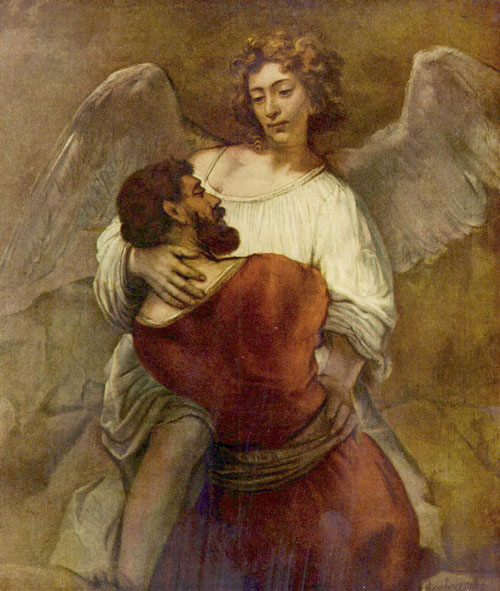
Isaac

Gender: Masculine
Origin: Hebrew
Meaning: “laughter.”
Eng (I-zek)

The name is derived from the Hebrew יִצְחָק (Yitzchaq) which is most likely related to the Hebrew verb for laughter, as according to Gen. xviii. 12, Sarah laughed when she heard the angel prophesied that she would bear a son at 90 years of age.

The name is borne in the Old Testament by the son of Sarah and Abraham. One of the most noted accounts between Isaac and his father was when God commanded Abraham to sacrifice Isaac, Isaac being spared at the last moment when God realized that Abraham would sacrifice his own son in order to follow God’s commands.

Isaac later married Rebecca and fathered Esau and Jacob.

Isaac is considered an important patriarch among the Jews and even among Muslims.

In Western Europe, the name did not catch on among Christians until after the Protestant Reformation, in Eastern Orthodox Europe, Isaac was commonly used among Christians since the Middle Ages.

Currently, Isaac is the 37th most popular male name in the United States, (2008), his rankings in other countries are as follows:

  • # 23 (Australia, 2008)
  • # 30 (Canada, B.C., 2008)
  • # 96 (Chile, 2006)
  • # 39 (England/Wales, 2008)
  • # 453 (the Netherlands, 2009)

Other forms of the name include:

  • Isaak (Albanian)
  • Ishaq إسحٰق, إسحاق (Arabic)
  • Sahak Սահակ (Armenian)
  • İshaq (Azeri)
  • Isak Ісак (Belarusian)
  • Ishak (Bosnian/Indonesian)
  • Isaak Исаак (Bulgarian)
  • Isaac (Catalan/English/French/Galician/Portuguese/Spanish)
  • Izak (Croatian)
  • Izák (Czech)
  • Isak (Danish/Norwegian/Swedish)
  • Isach (Danish: archaic)
  • Izaäk (Dutch)
  • Iisak (Estonian)
  • Ísakur (Faroese)
  • Iisakki (Finnish)
  • Isaaki ისააკი (Georgian)
  • Isaak (German)
  • Isaakios Ισαάκιος (Greek: Modern)
  • Yitzchak/Yitzhak/Itzhak יִצְחָק, (Hebrew)
  • Izsák (Hungarian)
  • Ísak (Icelandic)
  • Íosác (Irish-Gaelic)
  • Isacco (Italian)
  • Isaacius/Isaacus (Late Latin)
  • Aizeks/Isacs (Latvian)
  • Izaokas (Lithuanian)
  • Isaaku Ісаакъ (Old Church Slavonic)
  • Izaak/Izak (Polish)
  • Isaque (Portuguese)
  • Isac (Romanian)
  • Isaak Исаак (Russian/Ukrainian)
  • Iosag (Scottish-Gaelic)
  • Isaka (Swahili)
  • İshak/İshâk (Turkish)

A common English short form is Ike.

Finnish diminutives are Iikka and Iirro.

A Yiddish diminutive is Sekel.

In France, the designated name-day is December 20.

A notable bearer is physicist and mathematician, Isaac Newton (1643-1727).

Sources

  1. http://www.jewishencyclopedia.com/view.jsp?artid=174&letter=I
  2. http://www.askoxford.com/firstnames/isaac?view=uk
  3. http://www.behindthename.com/name/isaac
  4. Hoffman William F and George W. Helon, First Names of the Polish Commonwealth: Origins and Meanings (Polish Genealogical Society of America, 1998)

Samuel

Gender: Masculine
Origin: Hebrew
Meaning: “God has heard.”
Eng (SAM-yoo-el)

The name is derived from the Hebrew שְׁמוּאֵל (Shemu’el) meaning, “God has heard.”

According to 1 Samuel 1:20, Hannah gave her son the name of Samuel in reference to when she had asked God for a son and God had heard her request.

Samuel was the last of the Hebrew Judges and the first of the Hebrew prophets and he also anointed the first two kings of Israel: Saul and David.

The name was always popular among Jews, but did not become prevalent in the English-speaking world until after the Protestant Reformation. The name was especially common among the Puritans of the 17th-century.

Currently, Samuel is the 28th most popular male name in the United States, (2008). In other countries, his rankings are as follows:

  • # 9 Samvel (Armenia, 2008)
  • # 13 (Australia, 2008)
  • # 42 (Belgium, 2006)
  • # 20 (Canada, B.C., 2008)
  • # 88 (Chile, 2006)
  • # 11 (England/Wales, 2008)
  • # 47 (France, 2006)
  • # 98 (the Netherlands, 2009)
  • # 95 (Norway, 2009)
  • # 39 (Scotland, 2009)
  • # 59 (Sweden, 2009)

Other forms of the name include:

  • Samvel (Armenian)
  • Samel (Basque)
  • Samoyla/Samuil Самуил (Bulgarian/Russian/Ukrainian)
  • Samuel (Czech/Dutch/English/French/German/Polish/Portuguese/Scandinavian/Slovak/Spanish)
  • Samuël (Dutch)
  • Samuli (Finnish)
  • Samouel Σαμουηλ (Greek: Biblical)
  • Shemu’el שְׁמוּאֵל (Hebrew: Biblical)
  • Shmuel שְׁמוּאֵל (Hebrew: Modern)
  • Sámuel (Hungarian)
  • Samúel (Icelandic)
  • Samuele (Italian)
  • Samweli (Kiswahili)
  • Samuels (Latvian)
  • Samuelis (Lithuanian)
  • Szmuel (Polish-Hebrew: a Polish transliteration of the modern Hebrew form, used primarily among Polish Jews)
  • Samuilu Самѹилъ (Old Church Slavonic)
  • Samuil (Romanian)
  • Samuèli (Sardinian)
  • Sawyl (Welsh)
  • Shem (Yiddish)
  • Schmuel (Yiddish)

Common English/German short forms are Sam and Sammy.

Czech short forms are: Samo, Samko, Samik , Samenko and Saminko.

A Polish diminutive is Samek.

A Hungarian and Finnish short form is Samu.

An Italian feminine form is Samuela and an obscure Norwegian feminine form is Samueline.

Designated name-days are: February 16 (Germany), August 20 (France/Poland), August 26 (Slovakia) and September 1 (Czech Republic and Sweden).

Sources

  1. http://www.panorama.am/en/society/2008/02/02/name/
  2. http://www.mechon-mamre.org/p/pt/pt08a01.htm#20
  3. http://www.askoxford.com/firstnames/samuel?view=uk
  4. http://www.behindthename.com/php/find.php?name=samuel
  5. Atikian, Martha Bilezikian. Armenians’ Names (Martha Bilezikian Atikian, 1973)
  6. Hoffman, William F. and George W. Helon. First Names of the Polish Commonwealth: Origins & Meanings. (Polish Genealogical Society of America, 1998)

Mary, Maria, Miriam

Mary and its various forms has to be one of the quintessential, classic female names of all time, she has been used in Protestant England in the form of Mary, in the Islamic world as Maryam, in Jewish communities in the form of Miriam and in the Catholic world as Maria, Marie or Mary.

In the United States, she has never quite detracted from the top 100, if Mary is not in fashion then it is usually one of her other forms that may take her place, such as Molly, Mariah, Maria or Mia, all depending on the flavor of the day.

Currently, Mary is the 97th most popular female name in the United States, (2008). Mary’s rankings in other countries are as follows:

  • # 7 (Armenia, 2008)
  • # 57 (Ireland, 2007)

Its French form of Marie is popular outside the Hexagon, she currently ranks in as the 546th most popular female name in the United States, but in other countries, she appears in the top 10. Her rankings are as follows:

  • # 9 (Armenian, 2008)
  • # 4 (Belgium, 2008)
  • # 17 (Czech Republic, 2008)
  • # 24 (Denmark, 2008)
  • # 20 (France, 2009)
  • # 9 (Germany, 2009)
  • # 270 (the Netherlands, 2008)

The continental form of Maria is extremely popular across Europe and Latin America, her rankings in other countries are as follows:

  • # 4 (Argentina, 2009)
  • # 8 (Basque Country, Spain, 2008)
  • # 3 (Belarus, 2005)
  • # 3 (Bulgaria, 2008)
  • # 89 (Canada, B.C., 2008)
  • # 6 (Catalonia, Spain, 2008)
  • # 8 (Chile, 2008)
  • # 91 (England/Wales, 2008)
  • # 6 (Estonia, 2007)
  • # 4 (Faroe Islands, 2008)
  • # 59 (Germany, 2009)
  • # 1 (Greece, 2004)
  • # 90 (Hungary, 2008)
  • # 5 (Iceland, 2004-2007)
  • # 49 (Ireland, 2008)
  • # 1 (Israel, among Christian girls, 2004)
  • # 9 Marija (Latvia, 2005)
  • # 1 Marija (Macedonia, 2006)
  • # 1 (Malta, 2008)
  • # 39 (the Netherlands, 2008)
  • # 14 (Norway, 2008)
  • # 17 (Poland, 2009)
  • # 1 (Portugal, 2008)
  • # 2 (Romania, 2008)
  • # 2 (Russia, 2007)
  • # 99 (Scotland, 2008)
  • # 1 (Slovakia, 2004)
  • # 2 (Spain, 2008)
  • # 96 (Sweden, 2008)
  • # 7 (Ukraine, 2009)
  • # 64 (United States, 2008)

Her diminutive offshoot of Mia, has also been quite trendy the last 10 years, as of 2008, she was the 14th most popular female name in the United States. In other countries, her rankings are as follows:

  • # 1 (Australia, 2008)
  • # 25 (Canada, B.C., 2008)
  • # 44 (Chile, 2006)
  • # 11 (England/Wales, 2008)
  • # 1 (Germany, 2009)
  • # 23 (Ireland, 2008)
  • # 5 (Isle of Man, 2009)
  • # 350 (the Netherlands, 2008)
  • # 24 (New Zealand, 2009)
  • # 12 (Norway, 2008)
  • # 26 (Scotland, 2008)
  • # 46 (Slovenia, 2005)
  • # 3 (Switzerland, among Romansch-speakers, 2008)

Another common diminutive offshoot, is Molly, which is mostly used in the English speaking world, but has also shifted over to some of the Scandinavian countries. Her rankings in other countries are as follows:

  • # 57 (Australia, 2007)
  • # 84 (Canada, B.C., 2008)
  • # 32 (England/Wales, 2008)
  • # 25 (Ireland, 2008)
  • # 33 (New Zealand, 2009)
  • # 39 (Scotland, 2008)
  • # 11 (Sweden, 2008)
  • # 104 (United States, 2008)

Miriam is another common choice which is popular throughout Europe and the Middle East. Her rankings are as follows:

  • # 1 Mariam (Georgia, 2008)
  • # 6 Maryam (Iran, 2007)
  • # 4 Maryam (Israel, among Muslim girls, 2004)
  • # 6 Maryam (Pakistan)
  • # 48 Miriam (Spain, 2008)
  • # 1 Mariam (Tunisia, 2005)
  • # 309 Miriam (United States, 2008)

As for its meaning and derivation, though the its origins can be traced back to the Bible, its lingustic and etymological meaning has long been debated. Many hypothesis include that the name could be a derivative of the Hebrew meri, ‘rebel’ related to the Hebrew verb MRH, mara or Marah which means’ to be “rebellious.” Or that it is related to the Hebrew word מרא (MRA, mara) which means ‘well-fed’, something which would have been considered a comely attribute in Biblical times.

One of the most popular etymological theories is its association with the Hebrew מר (MR, mar), meaning. “bitter” or “bitterness, and another very well established hypothesis suggests that it is from an Egyptian source, mry “beloved” or mr meaning “love.”

Other possible theories include:

That is it a combination of the Hebrew words מר (MR, mar), meaning “bitter” or the Hebrew (mar) meaning, “drop”; or (mor) meaning, “myrrh” or ” (mari ) meaning “mistress’.

The name is borne by several female characters in both the Old and New Testament.

Among Jews, the name was originally used in honour of the sister of Aaron, Miriam the Prophetess.

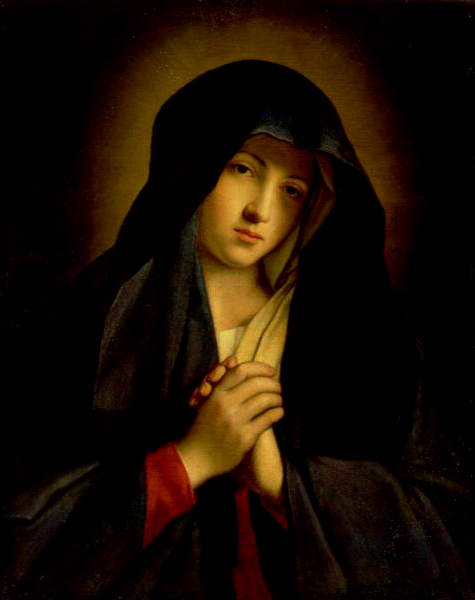
Among Muslims and Christians, (particularly Catholics and Eastern Orthodox), the name is usually used in honour of the Virgin Mary, the mother of Jesus.

However, in certain eras and cultures, Mary or Maria was considered too sacred of a name to use on a child, and in other cultures, the name Maria is so honorable to have, that it is even bestowed upon males, usually in conjunction with a male name or as a middle name. This is especially so in Spanish-speaking countries, French speaking countries and occasionally done in other predominate Catholic countries such as Ireland, Poland and in Bavaria, Germany.

The name has made is presence known in British royalty as well as in the continental ruling houses. Other forms are as follows:

Latinate Forms
Forms used in Latin-based languages

  • Marieta (Catalan: originally a diminutive form, used as an independent given name in Spanish-speaking countries)
  • Miryam (Catalan: archaic form from the 13th-century)
  • Maria (Corsican/Italian/Occitanian/Portuguese/Romanian/Romansch/Latin)
  • Manon (French: originally a diminutive form of Marie, the name has been used as an independent given name for centuries. In fact, it currently ranks in as the 7th most popular female name in Belgium (2006), the 4th most popular female name in France (2006), and the 184th most popular female name in the Netherlands (2008). Pronunciation can be heard here: http://www.forvo.com/search/Manon/)
  • Marie (French: she is one of the most popular middle names in the English speaking world. In French, this form is bestowed on males in conjunction with other male names or as a middle name. There are several common French female names used in conjunction with Marie, as well. Those of which, I will save for future postings).
  • Marielle (French: originally a diminutive form of Marie, now used exclusively as an independent given name)
  • Mariette (French: a diminutive form of Marie, occasionally used as an independent given name, now considered dated in French-speaking countries).
  • Mariolle(French: obscure, very old diminutive form of Marie, the inspiration of the Polish offshoot, Mariola).
  • Marion (French: a medieval French diminutive form of Marie, now exclusively used as an independent given name, the name was borne in legend by the love interest of Robin Hood, Maid Marion, and is borne by French actress, Marion Cotillard. In France, it is the 59th most popular female name (2006)
  • Myriam (French: form of the Biblical, Miriam, she ranks in as the 95th most popular female name in France (2006)
  • Mariella (Italian: originally a diminutive form of Maria, now exclusively used as an independent given name)
  • Marietta (Italian: a diminutive form of Maria, occasionally used as an independent given name).
  • Marigia (Italian: obscure)
  • Mariuzza/Maruzziella (Italian: obscure)
  • Mariana (Portuguese: Mariana is usually considered a name of a seperate etymology, but is used in Portuguese and Spanish as a form of Miriam. She is the 73rd most popular female name in Chile, 2006).
  • María (Spanish/Galician).
  • Marita (Spanish: a diminutive form of Maria, now often used as an independent given name)
  • Maritza (Spanish: a Latin American spin-off of Maria, originally a diminutive form, now a trendy given name, especially among Mexican-Americans, she is currently the 560th most popular female name in the United States).
  • Mareye (Walon)

An Italian diminutive form is Mimi. A Portuguese diminutive form is Mariazinha.

Masculine forms are:

  • Mari (Catalan)
  • Mariu (Corsican)
  • Mario (Italian/Galician)
  • Marius (Latin/French/Romanian)
  • Mário (Portuguese)

Germanic Forms
Forms used in Germanic-speaking countries

  • Maiken/Majken (Danish/Norwegian/Swedish: originally a diminutive form of Maria, now used exclusively as an independent given name).
  • Maria (Danish/Dutch/English/Faroese/Frisian/German/Norwegian/Swedish)
  • Marie (Danish/German/Norwegian/Swedish: a borrowing from the French)
  • Mari (Danish)
  • Maaike/Maike (Dutch/Frisian/German: originally a diminutive form, used exclusively as an independent given name. In 2008, it was the 98th most popular female name in the Netherlands)
  • Marieke(Dutch: originally a diminutive form, now exclusively used as an independent given name. In 2008, it was the 188th most popular female name in the Netherlands)
  • Marijke (Dutch: mah-RYE-keh)
  • Marike (Dutch: originally a diminutive form of Maria, now used exclusively as an independent given name, pronounced mah-REE-keh)
  • Marja (Dutch/Faroese/Gothic/Limburgish: MAHR-yah).
  • Meike (Dutch/German: originally a diminutive form, now used as an independent given name, it was the 53rd most popular female name in the Netherlands of 2008.)
  • Mia (Dutch/German/English/Scandinavian: originally a diminutive form, now used as an independent given name)
  • Mieke (Dutch/Limburgish: originally a diminutive form, used exclusively as an independent given name MEE-keh)
  • Miep(Dutch: a diminutive form, but occasionally used as an independent given name MEEP).
  • Miet (Dutch: originally a diminutive form, occasionally used as an independent given name MEET).
  • Mirjam (Dutch/German/Swedish: form of the Biblical Miriam).
  • Mariel (English: just an anglicized form of the French, Marielle).
  • Mariota (English: archaic, form used in the 13th-century)
  • Mary (English)
  • Molly/Mollie (English: originally a diminutive form, now used more often as an independent given name)
  • Polly (English: originally a diminutive form, now used more often as an independent given name)
  • Marý(Faroese)
  • Mareike (Frisian/German: originally a diminutive form of Maria, now used exclusively as an independent given name)
  • Maja (German/Scandinavian: originally a diminutive form of Maria, used exclusively as an independent given name. It is the 2nd most popular female name in Sweden, (2008)
  • Mariele(German: originally diminutive form of Maria, used exclusively as an independent given name, pronounced mah-REE-leh).
  • Miriam(German/English: Biblical form, often used in German and English speaking countries)
  • Mitzi (German/English: not really used as an independent given name in German speaking countries, but experienced a short usage of popularity as an independent given name in the United States).
  • Ria(German/Dutch: originally diminutive forms, occasionally used as independent given names)
  • Mæja (Icelandic: originally a diminutive form of Maria, used exclusively as an independent given name)
  • María(Icelandic)
  • Mies (Limburgish: diminutive form of Maria, used as an independent given name in the Netherlands. MEES)
  • Mathie (Normand: mah-TEE)
  • My(Swedish: originally a diminutive form of Maria, now used as an independent given name MEE. In 2007, it was the 79th most popular female name in Sweden).
  • Mirele מִירֶעל(Yiddish: a form of Miriam. MEER-eh-leh)

Common English diminutives include May, Mayme, Mare, Mia, Molle, Molly, Moll and Polly, German diminutive forms are Mariechen and Mitzi.

Masculine forms include:

  • Marius (Dutch/German/English/Norwegian/Swedish)
  • Marjus (Faroese)
  • Maríus (Icelandic)

Baltic Forms
Variations used in Baltic countries.

  • Maaja (Estonian)
  • Maare/Maari (Estonian)
  • Maarika (Estonian/Finnish)
  • Maaria/Maarja (Estonian)
  • Maie/Maiu (Estonian: initially diminutive forms, now used as independent given names, MY-eh, MY-oo)
  • Maila/Maili/Mailu (Estonian: Maili is pronounced somewhat like Miley)
  • Mari (Estonian/Finnish)
  • Marjam (Estonian)
  • Marje/Marjen (Estonian)
  • Marjette (Estonian)
  • Mary (Estonian)
  • Maija/Maiju (Finnish)
  • Maikki (Finnish: a Finnicized form of the Sweden and Danish Majken, pronounced somewhat like Mikey)
  • Maaria/Maria (Finnish)
  • Marika (Finnish)
  • Maritta (Finnish)
  • Marjatta (Finnish: can also mean “without a berry” in Finnish, and is the name of a character in the Kalevala, but is often used as a variation of Maria; also used in Estonia)
  • Marjo (Finnish)
  • Marjukka (Finnish)
  • Marjut (Finnish)
  • Miia (Finnish)
  • Mirja (Finnish: translation of Miriam)
  • Mirjam/Mirjami (Finnish)
  • Maija (Latvian)
  • Maila (Latvian: MY-lah)
  • Mairita/Mairīta/Mairīte (Latvian)
  • Mairuta (Latvian)
  • Mare (Latvian: final E is pronounced)
  • Mareka (Latvian)
  • Mareta/Māreta (Latvian)
  • Marī (Latvian)
  • Mārica (Latvian)
  • Mariela (Latvian)
  • Mārieta (Latvian)
  • Marija (Latvian/Lithuanian)
  • Mārika (Latvian)
  • Marite/Mārita/Mārīte/Marīte (Latvian)
  • Marjama (Latvian)
  • Maruta/Māruta/Marute (Latvian)
  • Mare (Lithuanian)
  • Maryte (Lithuanian)

Masculine forms are:

  • Maarius/Mairo/Mario (Estonian)
  • Marijus/Marius (Lithuanian)

Slavic Forms
Forms used in Slavic countries

  • Merjem (Bosnian)
  • Mirjana (Bosnian/Croatian/Serbian/Slovene: translation of Miriam)
  • Mariya (Bulgarian/Russian/Ukrainian)
  • Marija (Croatian/Macedonian/Serbian/Slovene)
  • Marie (Czech: MAHR-yeh)
  • Maria (Polish)
  • Marieta (Polish)
  • Mariola (Polish: mahr-YOLE-ah)
  • Marita (Polish)
  • Maryla (Polish: mah-RIH-lah)
  • Marzena (Polish: not really etymologically related, but has had a historical usage as a variation of Maria in Poland. The name is actually the name of an ancient Polish goddess and it may be linked with the either Polish word for “hope; dream” or with the Old Slavonic word for “death.” mahr-ZHEH-nah, diminutive form is Marzenka).
  • Mária (Slovakian)
  • Marika (Slovakian)
  • Marica (Slovene: initially a diminutive form, used as an independent given name in Slovenia, but is also used as a diminutive form in Bosnian, Croatian, Serbian, Czech and Slovakian, mah-REET-sah).
  • Mojca (Slovene: initially a diminutive form, now used exclusively as an independent given name in Slovenia. MOY-tsah)
  • Marya Марья (Russian)

Czech and Slovak diminutive forms are: Mája, MáňaMaruška and Maryška. Serbian and Slovene diminutives are Maša. Russian diminutives are Manya, Masha, Mashenka and Mashka. Polish diminutives are MasiaMarysia (mah-RISH-ah) and Maryska.

Masculine forms are:

  • Marian (Polish)
  • Mariusz (Polish)
  • Marij/Mario (Slovene)

Celtic Forms
Forms used in Celtic Languages

  • Mari (Breton)
  • Mallaidh (Irish-Gaelic: translation of Molly)
  • Maira/Máire (Irish-Gaelic)
  • Mairenn/Máirín (Irish-Gaelic)
  • Muire (Irish-Gaelic)
  • Mariod/Mariot (Manx)
  • Moirrey/Voirrey (Manx)
  • Màiri (Scotch-Gaelic)
  • Mhari (Scotch-Gaelic)
  • Mhairi/Mhairie (Scotch-Gaelic)
  • Moire (Scotch-Gaelic)
  • Mair (Welsh)

Other Forms
Forms used in other languages not listed in the above

  • Maria (Albanian/Kiswahili)
  • Maryam مريم (Arabic)
  • Mariam (Armenian)
  • Məryəm (Azeri)
  • Maia (Basque)
  • Miren (Basque)
  • Mariam (Coptic/Egyptian)
  • Mariami (Georgian)
  • Maria Μαρία (Greek: Modern)
  • Maroula/Roula (Greek: Modern: initially diminutive forms)
  • Malia (Hawaiian/Zuni)
  • Mária (Hungarian)
  • Maria (Indonesian)
  • Meryem (Kurdish/Turkish)
  • Mariam/Mariamma/Mariamme (Malayalam)
  • Marija (Maltese)
  • Mere (Maori)
  • Miriama (Maori)

The name has several name-days.

Alexander, Alexandra

Origin: Greek
Meaning: “defender of man.”

The name is composed of the Greek elements, ἀλέξω (alexos), meaning “to defend; to help” and the genitive Greek noun, ἀνδρός (andros) “belonging to man.” Hence, the name would roughly translate as “defender of man” or “helper of man.”

The name is extremely ancient, and possibly, even pre-Hellenistic, the oldest record of the name dates back to the Mycenean period, where the feminine form of Alexandra, is found written in Linear B.

In Greek mythology, Alexander was another name used for the hero, Paris and Alexandra was used as an epithet for the goddess, Hera.

The name is also found several times in the Bible and the most famous bearer in history has to possibly be attributed to Alexander the Great, a 4th-century Greek emperor who expanded his empire as far away as Asia, spreading his fame and his name.

Later the name was borne by several saints and kings throughout Europe, including Tsar Alexander I of Russia.

Currently, Alexander is the 6th most popular male name for boys in the United States, (2008), the lowest that Alexander ever ranked in U.S. naming history was in 1959, coming in at # 233.

In other countries, his rankings are as follows:

  • # 19 (Australia, 2008)
  • # 8 (Austria, 2008)
  • # 37 (Belgium, 2006)
  • # 3 (Bulgaria, 2008)
  • # 14 (Canada, B.C., 2008)
  • # 44 (Chile, 2006)
  • # 19 (England/Wales, 2008)
  • # 1 (Estonia, 2007)
  • # 9 (Finland, among Finnish-speakers)
  • # 99 (Hungary, 2008)
  • # 5 (Iceland, 2004-2007)
  • # 5 (Isle of Man, 2008)
  • # 2  Alessandro (Italy, 2007)
  • # 4 Alecsander/Alessandro (Liechtenstein, 2008)
  • # 1 Aleksander (Macedonia, 2006)
  • # 5  Alejandro (Mexico, 2008)
  • # 97 (the Netherlands, 2008)
  • # 10 (Norway, 2008)
  • # 14 Aleksander (Poland, Warsaw, 2009)
  • # 2 Alexandru (Romania, 2008)
  • # 1  (Russia, Moscow, 2007)
  • # 11 (Scotland, 2008)
  • # 2 Alejandro (Spain, 2008)
  • # 2 Àlex (Spain, Catalonia, 2008)
  • # 6 (Sweden, 2008)
  • # 1 Alessandro (Switzerland, among Italian-speakers, 2008)

Other forms of Alexander include:

  • Aleksandër/Sandër/Skënder (Albanian: Aleko, Aleks, Leka, Lekë, Leksi and Leks are diminutive forms)
  • Eskender (Amharic/Ethiopian)
  • Iskander الاسكندر / اسكندر (Arabic)
  • Alixandre (Aragonese)
  • Aleksandr/Alexandr Ալեքսանդր (Armenian)
  • Aleksan/Alexan Ալեքսան (Armenian)
  • Aleq/Alik Ալեք/ Ալիկ (Armenian: originally diminutive forms, now used as independent given names)
  • Alexandru (Asturian/Romanian)
  • İsgəndər (Azeri)
  • Alakshendra/Alekzandar (Bangali)
  • Iskandar/Skandar (Bangali)
  • Iskәndәr Искәндәр (Bashkir)
  • Alesander (Basque)
  • Aliaksandr Аляксандp (Belarusian: Aleś Алeсь is usually the diminutive form)
  • Alaksander Аляксандаp (Belarusian: Tarashkevitsa spelling)
  • Aleksandar (Bosnian/Croatian: Saša is the diminutive form)
  • Aleksandar Александър (Bulgarian: Sasho Сашо and Aleks Aлекс are the diminutives)
  • Alexandre/Àlex/Xandre (Catalan/Galician)
  • Lisandru (Corsican/Lombard)
  • Alexandr (Czech)
  • Alexander (Czech/Dutch/English/Estonian/German/Icelandic/Norwegian/Swedish)
  • Alexander/Aleksander (Danish)
  • Xander (English)
  • Sander (Dutch/Estonian/Norwegian: contracted form)
  • Aleksander (Estonian)
  • Alejandru (Extrumaduran: a dialect of Spanish)
  • Aleksandur (Faroese)
  • Aleksanteri (Finnish)
  • Santeri/Santtu (Finnish: contracted forms)
  • Alexandre (French)
  • Aleksander (Frisian)
  • Alexandré/Aleksandre ალექსანდრე (Georgian)
  • Aleko ალეკო/Lexo ლექსო (Georgian: contracted forms)
  • Aléxandros Αλέξανδρος (Greek: Modern)
  • Alakshendra अलक्षेन्द्र (Hindi)
  • Sándor (Hungarian)
  • Iskandar (Indonesian/Malay)
  • Alasandar/Alastar/Alsander (Irish-Gaelic)
  • Alessandro (Italian: Ale is a diminutive form)
  • Alessandrino (Italian: obscure)
  • Sandro (Italian: a diminutive form now used exclusively as an independent given name)
  • Sandrino (Italian: originally a diminutive form, used as an independent given name, obscure)
  • Askander/Eskander/Îskenderê (Kurdish)
  • İskender Искендер (Kyrgyz)
  • Aleksandrs (Latvian)
  • Alexandrus (Latin)
  • Aleksandras (Lithuanian)
  • Lisandor (Lombard)
  • Aleksandar Александар (Macedonian: Alek Алек, Atse Аце, Atso Ацо and Sasho Сашо are diminutive forms)
  • Chandy ചാണ്ടി (Malayalam)
  • Lixandru (Maltese)
  • Alxandre (Mirandese: a dialect of Portuguese)
  • Aleksandr/Alexandr Алєѯандръ (Old Church Slavonic)
  • Sikandar سکندر (Persian)
  • Aleksander (Polish: more common form, diminutives include, Alek, Aleks and Olek.)
  • Oleksander (Polish: archaic form)
  • Alexandre (Portuguese)
  • Alexandro (Portuguese: obscure)
  • Alesch (Romansch)
  • Alexi (Romansch)
  • Aleksandr Александр (Russian: diminutive forms include: Alik Алик, Sasha Саша, Sashka Сашка, Sashok Сашок, Sashkin Сашкин, Shura Шура, Shurik Шурик and Sanyok Санёк )
  • Alasdair/Alastair/Alistair/Alisdair/Aldair (Scotch-Gaelic)
  • Aleksandar Александар (Serbian: Aca Аца, Aleks Алекс, Sale Сале, and Saša Саша are diminutives)
  • Alessandru (Sardinian)
  • Alissandru (Sicilian)
  • Lisciànniru/Lisciànnuru/Lisciànnaru (Sicilian)
  • Aleksander (Slovene: Aleks, Sandi and Sašo are the diminutives)
  • Alejandro (Spanish: Alejo, Alex, Jano and Jandro are the diminutive forms)
  • Aleksandar (Tamil)
  • İskender (Turkish)
  • Olexandr/Oleksandr Олександр (Ukrainian: Oles Олесь and Sashko Сашко are the diminutives)
  • Iskandar (Uzbek)
  • Alecsander (Welsh)
  • Sender/Senderl סענדער (Yiddish)

As for its feminine form, it has also been borne by several monarchs and saints throughout history. Currently, she is the 61st most popular female name in the United States, the highest she ranked was at # 26 in 1995-1996, the lowest she ever ranked was in 1936 coming in as the 991st most popular female name. Her rankings in other countries is as follows:

  • # 74 (Australia, 2007)
  • # 5 (Bulgaria, 2008)
  • # 53 (Canada, B.C., 2008)
  • # 45 (Chile, 2006)
  • # 90 (England/Wales, 2008)
  • # 21 (Hungary, 2008)
  • # 67 (Ireland, 2007)
  • # 7 (Macedonia, 2006)
  • # 397 (the Netherlands, 2008)
  • # 99 (Norway, 2007)
  • # 8 Aleksandra (Poland, 2oo8)
  • # 4 (Romania, 2008)
  • # 77 (Sweden, 2007)

Alexandra has also spun off Sandra, which is currently the 7th most popular female name in Estonia, and ranks in as the # 441st most popular female name in the United States.

In the United States, the highest she peaked was in 1947, coming in as the 5th most popular female name. Sandy is the preferred pet form.

In other countries, her rankings are as follows:

  • # 58 (Norway, 2008)
  • # 30 (Spain, 2006)

Its more elaborated version of Alexandria, currently ranks in as the 189th most popular female name in the United States (2008).

Other forms of Alexandra include:

  • Aleksandra Александра (Bulgarian/Croatian/Estonian/Polish/Russian/Serbian/Slovene)
  • Aleksandrina Александрина (Bulgarian/Russian)
  • Alexandra (Catalan/Czech/Dutch/English/French/German/Greek/Hungarian/Portuguese/Romanian/Scandinavian/Slovak)
  • Alexandrine (Danish/French/German)
  • Sandra (Dutch/English/Finnish/German/Italian/Latvian/Lithuanian/Portuguese/Scandinavian/Slovene)
  • Xandra (Dutch)
  • Alexandria (English/German)
  • Alexandrina (English: the first name of Queen Victoria)
  • Sandrine (French)
  • Szandra (Hungarian)
  • Alessandra (Italian)
  • Alessandrina (Italian)
  • Sandrina (Italian/Spanish)
  • Lisandra (Maltese)
  • Alexandreina (Romanian)
  • Sanda (Romanian/Croatian)
  • Alastríona/Alastrina (Scotch-Gaelic)
  • Alissandra (Sicilian)
  • Alejandra (Spanish)
  • Oleksandra Олександра (Romanian)

Common English diminutive forms for both genders are Alex, Lex, and Sandy. For males, Ander, Andy and Xander, for females, Alexa, Lexa, Lexie, Sandra and Xandra.

The designated name-days for Alexander are: February 27 (Slovakia), November 19 (Russia) and December 12 (Sweden).

The designated name-days for Alexandra are: April 21st (Czech Republic), May 6/31 (Russia), May 18 (Hungary), June 23 (Russia), August 30 (Greece), Janury 2nd (Slovakia) and February 17 (Sweden)

A Hungarian male diminutive is Sanyi.

Polish diminutives are: Ola, Olka and Olusia.

In Russian, common unisexual diminutives, are Sasha and Shura. Popular feminine diminutives are: Lesya Леся,

A Romanian male diminutive form is Sandu.

An obscure Scottish male diminutive is Sawney.

Michael

Gender: Masculine
Origin: Hebrew
Meaning: “who is like God?”
Eng (MI-kel)

One of the most prevalent male names in the Western World, and to a certain extent, the Middle Eastern world, the name is derived from a rhetorical Hebrew question מִיכָאֵל (Mikha’el) meaning “who is like God?” or “who is like El” the answer being that no one is like God.

This is in reference to the legend of when one of God’s most powerful angels, (Lucifer depending on the theological tradition), became so arrogant and prideful that he built an army of angels in order to overthrow the throne of God, thinking that he himself could be like God, Michael is believed to have smite the fallen angel, asking him the question “who is like God?” after casting him out of the gates of heaven.

According Mormon saint theology, “who is like God?” refers to the idea that Michael was Adam before he was created by God in human form. The meaning of the name explains that all humans are created in God’s image.

Michael is believed to be a powerful angel in Islamic, Christian and Jewish tradition. He appears several times in the Bible, being mentioned in the Book of Daniel, the Book of Jude and the Book of Revelations. He even appears in the apocryphal Book of Enoch.

In Roman Catholicism, Michael is referred to as St. Michael the Archangel and is considered a powerful saint, especially powerful against demonic attacks and is the patron saint of chivalry, the warrior, police officers, paratroopers, firefighters, soldiers and fighter pilots. Among German Catholics, he is the patron saint of Germany, and in Belgium, he considered the patron saint of Brussels.

In the Eastern Christian tradition, is known as Taxiarch Archangel Michael or simply as Archangel Michael.

In Jewish tradition, Michael is the protector and heavenly warrior of Israel and the advocate of the Jews.

In Islam, he is mentioned in the Qu’ran once, in Sura 2:98 and that Michael was a good angel who stood on the left hand of God (Allah’s) throne.

The archangel is also important in the Bahai faith and the New Age religions.

He plays a role in John Milton’s epic poem, Paradise Lost.

There is no reason to explain why Michael is so popular, especially in the U.S. As of 2008, Michael was the 2nd most popular male name. He was moved down from the 1st position down to the 2nd position back in 1999, when he was overthrown by Jacob.

Between the years 1954 and 1999, Michael was the most popular male name. The lowest that Michael ever ranked in U.S. naming history was in 1892 when he came in as the 59th most popular male name in the United States. In other countries, Michael’s rankings are as follows:

  • # 36 (Australia, 2007)
  • # 36 (Canada, B.C. 2008)
  • # 4 (Denmark, 2009)
  • # 52 (England/Wales, 2008)
  • # 10 (Ireland, 2007)
  • # 239 (the Netherlands, 2008)
  • # 33 (Scotland, 2008)

The Michael form is also used in Afrikaans, Danish, Czech, German and Ripoarisch.

Other forms of the name include:

  • Mëhill/Mhill (Albanian)
  • Mighel (Amazigh/Moroccan)
  • Mikhael/Mikail ميخائيل‎, (Arabic/Coptic)
  • Miguel (Aragonese/Galician/Portuguese/Spanish: mee-GEL)
  • Mikael Միքաել (Armenian)
  • Micael (Asturian)
  • Mikayıl (Azeri)
  • Mikel (Basque)
  • Mitxel (Basque)
  • Miquèu (Bearnais/Occitanian/Gascon/Provençal)
  • Mickaël (Breton)
  • Mikael (Breton/Finnish/Icelandic/Norwegian/Swedish: a Finnish diminutive form is Mika)
  • Mihail Михаил (Bulgarian/Russian: Misha is the most common diminutive form)
  • Michjeli (Calabrian: Chjeli is the diminutive mee-KYAY-lee)
  • Miquel (Catalan: mee-KEL. Quelo is a common diminutive form)
  • Myghal (Cornish)
  • Michal (Czech/Slovak: mee-HAHL: 15th most popular male name in the Czech Republic-2007)
  • Mihajlo/Mihovil (Croatian: diminutive form is Miho)
  • Mihail Михаил (Croatian/Serbian)
  • Mikkel (Danish/Norwegian/Swedish: 6oth most popular male name in Norway-2007)
  • Maikel (Dutch: MY-kel)
  • Michaël (Dutch/Frisian: mee-kah-EL)
  • Michiel (Dutch: 307th most popular male name in the Netherlands-2008)
  • Miikael/Mikhel (Estonian)
  • Mikko (Finnish)
  • Michel (French: MEE-shel)
  • Michêl (Fruilian)
  • Mícheál (Gaelic-Irish)
  • Mìcheal (Gaelic-Scotch)
  • Micheil (Gaelic-Scotch)
  • Mikheil მიხეილი (Georgian)
  • Mikhael/Mikhalis Μιχάλης/Μιχαήλ (Greek: Μίκης (Mikis) is the common pet form))
  • Mikala (Hawaiian)
  • Micha’el מִיכָאֵל‎, (Hebrew)
  • Mihály (Hungarian: 60th most popular male name in Hungary-2008. Misi and Miska are the most common pet forms. MEE-hie)
  • Mikhael (Indonesian)
  • Michea (Italian: obscure/archaic mee-KAY-ah)
  • Michele (Italian: mee-KAY-lay)
  • Michelino (Italian: obscure)
  • Miķelis/Mihails (Latvian)
  • Mykolas (Lithuanian)
  • Mikail (Malayalam)
  • Mikiel (Maltese)
  • Mikaere (Maori)
  • Migueltzin (Nahuatl)
  • Michè (Neopolitan)
  • Miché/Michi (Norman)
  • Miqueu (Occitanian)
  • Mikhailu Мїхаилъ (Old Church Slavonic)
  • Michał (Polish/Sorbian: mee-HOW)
  • Mihai/Mihail (Romanian: diminutive form is Mihaita)
  • Micheli/Mikelli/Migali (Sardinian)
  • Mihailo Михаило (Serbian)
  • Miceli (Sicilian: Celi is a diminutive form. mee-KAY-lee)
  • Miha (Slovene: originally a diminutive form of Mihael, now used exclusively as an independent given name, it was the 11th most popular male name in Slovenia-2005)
  • Mihael (Slovene: 86th most popular male name in Slovenia-2005)
  • Mikâil (Turkish)
  • Mikhailo/Mykhailo Михайло (Ukrainian)
  • Michełe (Venetian)
  • Meical (Welsh)

English diminutive forms are: Mick, Micky, Mike and Mikey. German diminutive forms are Maik (pronounced like Mike), Maiki, Michi and Micki. A Swiss-German dialectical diminutive is is Michu (Bern)

There are also forms that mean “Michael Archangel” and are used in reference to the angel. These are:

  • Michelangelo (Italian)
  • Michelarcangelo (Italian)
  • Michelangiolo (Romansch)
  • Mihangel (Welsh)

Michelangela is an Italian feminine form.

An Italian smush is Michelantonio.

The feminine form of Michelle (an English corruption of the French feminine form Michèle), has been used in the English speaking world since the early 20th-century.

It currently ranks in as the 103rd most popular female name, and the highest it peaked was # 2, in the years 1968, ’69 and again in ’71, ’72.

Its Latinate feminine form has recently sparked in popularity as well (see Michaela for more details)

Other feminine forms include:

  • Micaela (Asturian)
  • Mikelle (Basque)
  • Miquèla (Bearnais)
  • Mikaela (Breton)
  • Miquela (Catalan/Occitanian/Gascon/Provençal)
  • Michelle (English/German: a phonetic corruption of the French Michèle)
  • Michèle (French)
  • Michéline (French: mee-shay-LEEN)
  • Michaelina/Michaeline (Irish: an Irish corruption of the French Micheline and the Italian, Michelina, common diminutive form is Micki/Micky. MY-keh-LEEN-ah; MY-keh-LEEN)
  • Michela (Italian: mee-KAY-lah)
  • Michelina (Italian: mee-kay-LEE-nah)
  • Michalina (Polish: mee-ha-LEE-nah: Michalinka and Misia are the diminutive forms)
  • Miguela (Spanish)
  • Miguelina (Spanish)

The designated name-day for Michael is September 29.

Jacob, James, Jacqueline

Gender: Masculine
Origin: Hebrew
Meaning: debated
Eng: (JAKE-ub); (JAMEZ)

Since it is the beginning of the year, I thought I would start doing the most popular names of 2008.

In the United States, Jacob is currently the most popular male name, coming in at # 1 in 2008.

Actually, Jacob has held on to the number 1 spot, for the last decade, since 1999. The lowest that Jacob has ever ranked in U.S. naming history was back in 1967 ranking in at # 353.

Jacob’s rankings in other countries are as follows:

  • # 21 (Australia, 2007)
  • # 3 (Canada, B.C., 2008)
  • # 20 (England/Wales, 2008)
  • # 94 (Ireland, 2007)
  • # 122 (the Netherlands, 2008)
  • # 89 (Norway, 2007)
  • # 79 (Scotland, 2008)
  • # 29 (Sweden, 2007)

Jacob is a Biblical name of Hebrew origin, borne by an important Jewish patriarch, the meaning of the name is somewhat debated. Though many sources agree that it is derived from the Hebrew ‎עקב (aqabaqav), which means “to seize by the heel”, “to circumvent” or ” to restrain” and may possibly be a word-play of the Hebrew עקבה‎ (iqqebahiqqbah) meaning, “heel,” since in the Bible, Jacob was born holding onto the heel of his twin brother Esau. In Hebrew, the act of holding the heel was associated with deception, so the name has been suggested to take on the meaning of “deception.”

Other sources have suggested it to mean “may God protect”, being a derivative of the Hebrew יַעֲקֹבְאֵל (Ya’aqov’el).

In the Bible, Jacob was the younger twin son of Rebekah and Isaac, by deceiving his elder brother Esau into selling his birthright, Jacob received his father’s blessing before Isaac’s death.

Jacob later became the father of the twelve tribes of Israel.

His episode of dreaming of a ladder to heaven is called “Jacob’s Ladder” and his wrestling with the angel, after which God gave Jacob the name of Israel ,meaning, “struggles with God” or “God contended.”

The name later appears in the New Testament by several other characters, one of them being the name of the Apostle James, (also known as Jacob since both names are related).

In English, both Jacob and James are derived from the Biblical Greek, Ιακωβος (Iakobos) later being latinized to Iacomus, (from which James is an anglicized a corruption).

James and Jacob have been used in England interchangeably since the Middle Ages, James became a common name in English and Scottish royalty.

Currently, James is the 17th most popular male name in the United States, the highest he has peaked was between 1940 and 1952, coming in at # 1. The lowest he has peaked was at # 19 in 1999 and then again in 2001.

James has never detracted from the U.S. top 20.

In other countries, his rankings are as follows:

  • # 8 (Australia, 2007)
  • # 10 (Canada, B.C., 2008)
  • # 9 (England/Wales, 2008)
  • # 5 (Ireland, 2007)
  • # 332 (the Netherlands, 2008)
  • # 5 (Scotland, 2008)

The designated name-days for Jacob are December 20 (France), July 25.

Other forms of both names include:

  • Jakob (Afrikaans/Danish/Dutch/German/Norwegian/Slovene/Swedish: 12th most popular male name in Slovenia-2005; 39th most popular in Norway-2007 and the 3o9th most popular in the United States-2008)
  • Japku/Jakup/Jakub/Jakob/Jakov (Albanian)
  • Ya’eqob (Amharic/Ethiopian)
  • يعقوب Yaʿqūb/Yakub (Arabic)
  • Chaime (Aragonese)
  • Ya`iqob/Ukba/Ukva ያዕቆብ (Aramaic)
  • Hagop/Hakob/Jakob Հակոբ/Յակոբ (Armenian)
  • Aqob/Jakobos (Assyrian)
  • Yəqub (Azeri)
  • Jacobe/Jagoba/Jakes/Jakoma/Yaku/Yagoba/Xanti (Basque)
  • Jåggl (Bavarian)
  • Jakub/Jakaŭ/Jakuš (Bielorusian)
  • Jakub (Bosnian/Polish/Slovak/Slovene/Sorbian: common Polish diminutive forms are Kuba and Kubuś)
  • Jacut/Jagu/Jagut/Jak/Jakez/Jakezig/Jakou (Breton)
  • Yakov/Zhekov Жеков (Bulgarian)
  • Iacovo/Iacoviello/Coviello (Calabrian: Southern Italian dialect)
  • Jacob (Catalan/Dutch/English/Lexumburgish/Limburgish/Portuguese)
  • Jaume/Jaumet (Catalan)
  • Jacca/Jago/Jamma/Jammes (Cornish)
  • Giacumu (Corsican)
  • Jakov/Jako Јаков (Croatian/Serbian/Slovene)
  • Jákob (Czech/Hungarian: Kuba and Kubík are the diminutive forms)
  • Jacobus/Jakobus (Dutch/Limburgish: Jacobus is currently the 233rd most popular male name in the Netherlands-2008)
  • Coos/Kobe/Kobus/Jaap (Dutch: initially diminutive forms, used as independent given names)
  • Coby (English: originally a diminutive form, now used as an independent given name. He currently ranks in as the 832nd most popular male name-2008)
  • Jaagup/Jaak/Jakkab/Jakkob/Jakob (Estonian)
  • Jákup (Faroese)
  • Jaakob/Jaakoppi/Jaakko (Finnish: Jaska is the diminutive form)
  • Jacopo (Florentine: Northern Italian dialectical form, Lapo and Puccio are diminutives)
  • Jacques (French)
  • Iaquet/Jaco/Jacot/Jacquot/Jacquet (French: archaic, medieval forms)
  • Jacquemin/Jacqueminot (French: archaic, medieval forms)
  • Jabbo/Coob (Frisian)
  • Jakip (Frisian)
  • Iacun (Fruilian)
  • Sacun (Fruilian: literally meaning “Saint James.”)
  • Xacobe/Xaime (Galician)
  • Iakob იაკობ (Georgian)
  • Iákovos Ιακωβος/Iakóv Ιακώβ/Yángos Γιάγκος (Greek)
  • Iakopa/Iakopo/Kimo (Hawaiian)
  • Akiba/Akiva עֲקִיבָא (Hebrew)
  • Ya’akov יעקב (Hebrew)
  • Akkoobjee (Hindi)
  • Jakab (Hungarian)
  • Yakob/Yakobus (Indonesian)
  • Seamus/Séamus (Irish-Gaelic: SHAY-mus: Séimí and Séimín are diminutive forms. Currently the 748th most popular male name in the United States)
  • Giacobbe (Italian)
  • Giacomo (Italian: more common form)
  • Jacopo (Italian: archaic form)
  • Aqo/Ya’qub (Kurd)
  • Iacobus/Iacomus/Jacobus (Latin)
  • Jēkabs (Latvian)
  • Jaokob (Limburgish)
  • Cobus/Keub/Keube/Kuub/Kuèb (Limburgish: initially diminutive forms, now used as independent given names)
  • Zjaak/Jaco (Limburgish: initially diminutive forms, now used as independent given names)
  • Jokūbas (Lithuanian)
  • Jakov/Jakle/Jako (Macedonian)
  • Chacko/Yakob (Malayalam)
  • Ġakbu (Maltese)
  • Jayms (Manx)
  • Hemi (Maori)
  • Sak (Mohawk)
  • Jacuvo/Jacuviello/Cuviello (Neopolitan: Southern Italian dialect)
  • Gemme/Gemmes/Jacque (Norman)
  • Jacme (Occitanian/Provençal)
  • Jammes/Jaume (Occitanian)
  • Iakovu Іакѡвъ (Old Church Slavonic)
  • Yaghoub (Persian)
  • Giaco (Piedmontese: Northern Italian dialect)
  • Diogo (Portuguese: variation of Tiago)
  • Iago (Portuguese)
  • Jacó (Portuguese)
  • Jácomo (Portuguese)
  • Jaime (Portuguese/Spanish: Jaime is currently the 321st most popular male name in the United States-2008. He is the 97th most popular in Chile-2006 and the 33rd most popular in Spain-2006)
  • Thiago (Portuguese-Brazilian)
  • Tiago (Portuguese-European: a contraction of the Spanish Santiago, which literally means “Saint James”)
  • Köbes (Ripoarisch)
  • Iacob (Romanian)
  • Jacomo (Romanesque: a Northern Italian dialect spoken in the region of Tuscany)
  • Giachem/Giachen/Jachen (Romansch)
  • Giacumin (Romansch)
  • Yakov Иаков/Яков (Russian: Yasha is a diminutive form)
  • Iakopo (Samoan)
  • Hamish (Scottish-Gaelic: an anglicization of Seumas)
  • Jaikie (Scottish-Gaelic)
  • Jamie (Scottish: low lands Scots contraction, currently the 669th most popular male name in the United States; the 17th most popular male name in Scotland-2008; the 51st most popular in England and Wales-2008; 17th most popular in Ireland-2007; the 12st most popular in the Netherlands and the 96th most popular in Australia)
  • Seumas (Scottish-Gaelic)
  • Simidh (Scottish-Gaelic)
  • Jaka (Slovene: this was the 10th most popular male name in Slovenia-2005)
  • Diego (Spanish: a contraction of Santiago. Diego currently ranks in as the 68th most popular male name in the United States-2008. In Belgium he is the 48th-2006; in Chile, the 7th-2006; in France the 78-2006. In the Netherlands he comes in as the 189th most popular male name-2008 and in Spain he is the 10th most popular male name-2006 )
  • Jacobo (Spanish: archaic form: Jaime or Diego are the preferred forms)
  • Santiago (Spanish: literally meaning “Saint James” the name is usually bestowed in honour of St. James the Apostle. Currently, it is the 171st most popular male name in the United States. In Chile, he is the 55th most popular-2006 and in Spain, the 66th most popular-2006)
  • Yago (Spanish: archaic form)
  • Yakubu (Swahili)
  • Köbi (Swiss-German dialectical diminutive form, occasionally used as an independent given name)
  • Yaqub ܝܰܥܩܽܘܒ (Syrian)
  • Yakup (Turkish: Yascha is a diminutive form)
  • Yakiv Яків (Ukrainian)
  • Iago/Siam (Welsh)
  • Coppel/Kapel/Koppel (Yiddish)
  • Yankev/Yankl/Yankel/Yankele (Yiddish)

Older Polish forms include: Jakub, Jakób, Jakob, Jakow, Jekub, Jokob, Jokub and Jakusz.

Less common Polish diminutive forms include: Jakuszek, Jakubek, Jakubko, Kusz, Kuszęt, Kubek, (in modern Polish this means “cup” and has fallen out of usage as a diminutive form of Jacob), and Jaksa.

English diminutives of Jacob include: Jack, Jake, Jay, Cobb, Coby and Cubby. Diminutives for James include: Jack, Jamie, Jay, Jeb, Jem, Jemmy, Jim and Jimmy.

A Danish and Dutch diminutive form is Ib and Jeppe, Sjaak and Sjakie are also Dutch diminutives.

Slovene diminutive forms include: Jak, Jakec, Jaki, Jaša, Žak and Žaki.

Jacob has spawned various feminine forms that are worth noting.

There is the French, Jacqueline, (said like JACK-eh-lin), in English, but pronounced as (ZHAHK-e-LEEN) in French.

The name has a long history of usage in the English speaking world and is also used the German-speaking world and is occasionally used in Spanish-speaking countries.

Jacqueline is currently the 152nd most popular name for females in the United States. The highest she ranked was in 1961 coming in as the 37th most popular female name.

For Americans, a notable bearer is former First Lady and fashion trend-setter, Jacqueline Bouvier Kennedy Onassis.

A common English diminutive form is Jackie.

Other feminine forms include:

  • Jakuba (Czech)
  • Bine (Danish/German)
  • Jacobine/Jakobine (Danish/Norwegian/German/Swedish)
  • Jacoba/Coba (Dutch)
  • Jacobien (Dutch)
  • Jacomina (Dutch)
  • Jacquetta (English)
  • Jacquemine (French: archaic form)
  • Jacquette (French)
  • Jakoba/Jakobe (German)
  • Yaakova (Hebrew)
  • Giachetta (Italian)
  • Giacobba (Italian)
  • Giacometta (Italian)
  • Giacoma/Giacomina (Italian)
  • Jacobella/Jacomella/Jacovella (Italian: obscure/archaic forms)
  • Iacobina (Latin)
  • Jakubina (P0lish)
  • Żaklina (Polish: corruption of the French, Jacqueline)
  • Jacobina (Romansch)
  • Jacobea (Romansch)
  • Jamesina/Jamesine (Scottish)
  • Jakoba/Jakobina (Slovene)
  • Jakica/Jakovica (Slovene: initially a diminutive forms, used as independent given names yah-KEET-sah, yah-koh-VEET-sah)
  • Žaklin/Žaklina (Slovene: corruptions of the French, Jacqueline zhahk-LEEN; zhahk-LEE-nah)
  • Jacquelina (Spanish: corruption of the French, Jacqueline)

Ruth

Gender: Hebrew
Origin: Hebrew
Meaning: “companion.”
Eng (ROOTH)

The name is derived from the Biblical Hebrew word רְעוּת (re’ut), which means “friend; companion.”

In the Old Testament, the name is borne by the central character of the Book of Ruth, a Moabite woman who later became a loyal and faithful Jew. She is considered the ancestress of King David, and in Christian tradition, she is also considered an ancestor of Jesus.

Since Ruth is considered an ideal heroine in Judaism, the name has always been common in the Jewish community, among Christians, the name did not catch on until after the Reformation, especially in the Anglo-phone world, where the name became especially common among Puritans.

The highest the name ever ranked in U.S. naming history was back in 1893, where she came in as the 3rd most popular female name.

Currently, she ranks in as the 362nd most popular female name.

In other countries, her rankings are as follows:

  • # 94 (Ireland, 2006)
  • # 488 (the Netherlands, 2008)

The Ruth form is also used in Catalan, Danish, Dutch, French, German, Norwegian and Swedish.

Other forms include:

  • Rut (Afrikaans/Aragonese/Catalan/German/Hungarian/Indonesian/Italian/Javanese/Maltese/Polish/Spanish/Swedish)
  • Rút (Czech)
  • Ruut (Finnish/Estonian)
  • Rutt (Estonian)
  • Routh Ρουθ (Greek)
  • Rut רות (Hebrew Modern: In Israel, Ruti is the common diminutive form)
  • Rúth (Hungarian)
  • Rǘt (Irish Gaelic)
  • Ruthu (Kiswahili)
  • Rūta (Lithuanian: also coincides with the Lithuanian word for the rue plant)
  • Rūtenė (Lithuanian)
  • Ruthi Рѹѳь (Old Church Slavonic)
  • Ruta (Polish/Croatian)
  • Rute (Portuguese)
  • Ruf Руфь (Russian)
  • Ruthven (Scottish)
  • Rutu (Yoruban)

A common English diminutive, which is also sometimes bestowed as an independent given name is Ruthie. Ruthanne/Ruth-Anne is a common English compound form.

A Lithuanian masculine form is Rūtenis.

The name was borne by former first daughter of the United States, “Baby” Ruth Cleveland, daughter of President Grover Cleveland (1891-1904)

The designated name-day is January 4.

Basil

Gender: Masculine

The name, coincidentally, has two different origins and meanings.

It could either be from the Greek, Vassilios, which in itself is derived from the Greek Βασιλειος (Basileos), meaning “king.” The words: basilica, basilisk and the name of the herb, Basil, share the same etymology.

The name was borne by Saint Basil the Great, a 4th-century bishop of Caesarea. He is considered the father of the early Christian Church among both Eastern Orthodox and Roman Catholics.

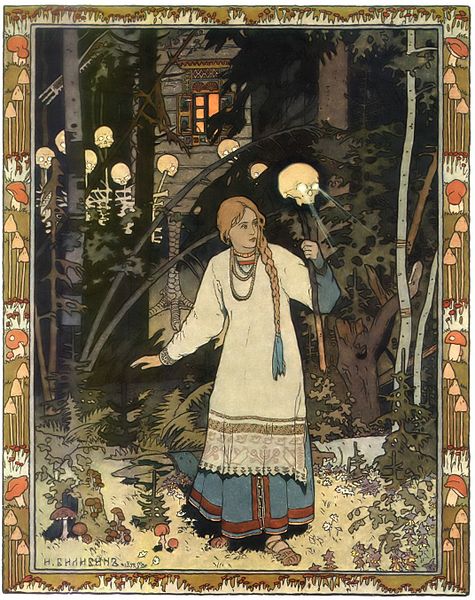
In Russian Folklore, its feminine version of Vasilisa appears in a popular Russian fairytale, entitled Vasilisa the Beautiful, the tale shares similar features to the Western European Cinderella Story.

The designated name-day is often January 2.

Another etymology of the name is the Arabic باسل (Basil), which means “valiant” or “brave.”

Other forms of the first form, include:

  • Vasil (Bulgarian/Albanian)
  • Veselin (Bulgarian)
  • Bazilije (Croatian)
  • Basil/Bazil (Czech/Slovak)
  • Vasilij (Czech)
  • Pasi (Finnish)
  • Basile (French)
  • Breasal (Gaelic/Irish)
  • Basil/Basilius (German/Dutch)
  • Wassili (German)
  • Basileios Βασιλειος (Greek Ancient)
  • Vasílios Βασίλειος/Vasílis Βασίλης (Greek Modern)
  • Bazil (Hungarian)
  • Vászoly (Hungarian)
  • Vazul (Hungarian)
  • Basile/Basileo (Italian)
  • Basilio (Italian: most common form)
  • Basilius (Latin)
  • Basilijus/Bazilijus (Lithuanian)
  • Vasilii Василии (Old Church Slavonic)
  • Bazyli (Polish)
  • Bazylid/Bazylis (Polish)
  • Bazyliusz (Polish)
  • Wasyl/Wasyli (Polish: archaic forms)
  • Basílio (Portuguese)
  • Vasile (Romanian: Vasilica is a diminutive)
  • Baseli (Romansch)
  • Vasily Василий (Russian: Vaska and Vasya are usually the diminutives)
  • Basili (Sardinian)
  • Vasilije Василије (Serbian)
  • Vasil (Slovak)
  • Bazilij (Slovene)
  • Basilio/Basiléo (Spanish)
  • Vasyl Василь (Ukrainian)

Feminine forms include:

  • Vasilka Василка (Bulgarian)
  • Vasilena/Veselina (Bulgarian)
  • Vesela (Bulgarian)
  • Veliki (Croatian)
  • Basilissa (Greek Ancient/Romansch)
  • Vasiliki Βασιλικη (Greek Modern)
  • Basilia (Italian)
  • Basilea/Basiliola (Italian)
  • Bazilė (Lithuanian)
  • Bazyla/Bazylia/Bazylisa (Polish)
  • Vasilisa Василиса (Russian)
  • Vasylyna Василина (Ukrainian)

David

Gender: Masculine
Origin: Hebrew
Meaning: “beloved.”

The name is derived from the Hebrew דָּוִד (Dawid), which is derived from the Hebrew word דוד (dwd) meaning “beloved.”

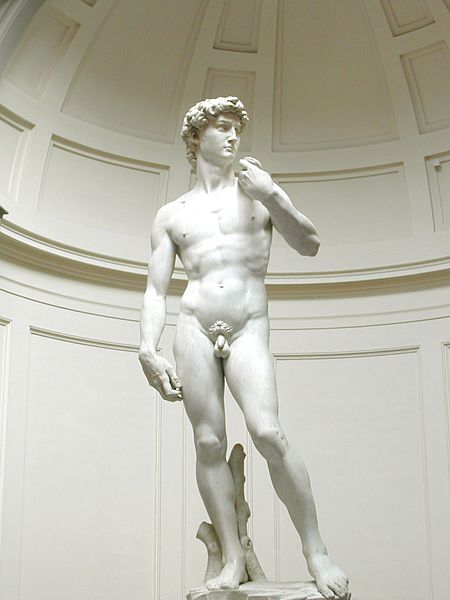
The name is borne in the Old Testament by King David, he is considered to be the greatest Jewish king in history, he is famous for defeating the evil Philistine, Goliath and several other endeavors mentioned in the Bible. He also plays a part in the Qu’ran and in Christian tradition, is considered an ancestor of Jesus.

In the English speaking world, the name has been in usage since the Middle Ages, it was borne by two Scottish Kings and St. Dewi (known as St. David in English) is considered the patron saint of Wales.

In the United States, the name currently ranks in as the 14th most popular male name, actually, David has been in the U.S. top 20 since 1880, and he peaked in 1960, coming in at # 1. In other countries, his popularity is as follows:

  • # 2 Davit (Armenia, 2008)
  • # 74 (Australia, 2007)
  • # 6 (Austria, 2008)
  • # 7 (Catalonia, Spain, 2008)
  • # 87 (Belgium, 2006)
  • # 53 (Canada, B.C. 2008)
  • # 31 (Chile, 2006)
  • # 64 (England/Wales, 2008)
  • # 1 (Faroe Islands, 2008)
  • # 96 (France, 2006)
  • # 6 (Hungary, 2008)
  • # 16 (Ireland, 2007)
  • # 4 (Israel, among Jewish boys, 2008)
  • #  9 Davide (Italy, 2007)
  • # 1 (Liechtenstein)
  • # 4 Dovydas (Lithuanian)
  • # 41 (the Netherlands, 2008)
  • # 51 (Norway, 2007)
  • # 8 Dawid (Poland, 2008)
  • # 4 (Romania, 2008)
  • # 27 (Scotland, 2008)
  • # 9 (Slovenia, 2005)
  • # 4 (Spain, 2008)
  • # 40 (Sweden 2007)
  • # 4 (Switzerland, among German-speakers, 2008)
  • # 6 (Switzerland, among French-speakers, 2008)
  • # 5 Davide (Switzerland, among Italian-speakers, 2008)

The David form is used in Albanian, Catalan, Croatian, Czech, Danish, Dutch, French, Galician, German, Norwegian, Portuguese, Romanian, Spanish and Swedish.

Other forms of the name are:

  • Davidi (Albanian)
  • Da’ud/Da’oud/Da’wud/Da’wood داؤود (Arabic)
  • Davit Դավիթ (Armenian)
  • Davud (Azeri)
  • Davud/Daud/Daut (Bosnian)
  • Daveth (Cornish)
  • Taavet/Taave/Taavi/Taavo/Tavo (Estonian)
  • Daavid (Finnish)
  • Taavetti/Taavi (Finnish)
  • Dáibhead/Dáibheid/Daithí/Davy (Gaelic/Irish)
  • Dawit/Dato დავით (Georgian)
  • David Δαβίδ (Greek)
  • Dávid (Hungarian/Faroese/Slovak)
  • Davíð (Icelandic)
  • Daud (Indonesian)
  • Davide (Italian: Davidino and Daviduccio are obscure diminutive forms that were occasionally used as independent given names)
  • Daudi (Kiswahili)
  • Dawid (Kurdish)
  • Dāvids/Dāvis (Latvian)
  • Dovydas (Lithuanian)
  • Davidu Давідъ(Old Church Slavonic)
  • Davud داوود (Persian)
  • Dawid (Polish: DAH-veed)
  • David Давид (Russian/Belarusian)
  • Davíd (Spanish)
  • Dàibheid/Dàibhidh/Daividh (Scottish)
  • Davud/Dâvud (Turkish)
  • Davyd (Ukrainian)
  • Dai (Welsh: a Welsh diminutive form of David, occasionally used as an independent given name)
  • Dafydd/Dewi (Welsh)
  • Dewydd (Welsh: archaic)
  • Dovid (Yiddish)
  • Dudel (Yiddish)
  • Tavel (Yiddish)

Feminine forms are:

  • Davida (English/Scottish)
  • Davina/Davinia (English/Scottish)

Designated name-days are December 29 and December 30.

Stephen

Gender: Masculine
Origin: Greek
Meaning: ” wreath; garland.”
Eng (STEE-ven); (STEF-en)

The name is derived from the Greek, Στεφανος, (Stephanos), which refers to a wreath or garland worn upon the head, hence, the name is sometimes interpreted to mean “crown.”

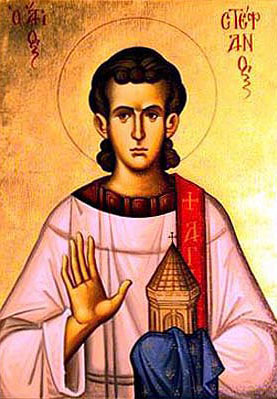
As written in the New Testament, it was the name of a deacon who was stoned to death for his beliefs and is regarded as the first Christian martyr.

The designated name-day is December 26.

In the United States, Stephen currently comes in as the 192nd most popular male name, while Steven is the 104th most popular, (2008).

Other forms of the name include:

  • Stefan/Stefaan/Stëven/Stephan (Afrikaans)
  • Shtjefën/Stefan (Albanian)
  • Istfan, إصتفان, ستيف, ستيفن (Arabic)
  • Stepanos/Stepan Ստեփանոս, Ստեփան (Armenian)
  • Tcheunne (Arpetan)
  • İstfan/Stepan (Azeri)
  • Estebe/Eztebe (Basque)
  • Esteve (Bearnais/Catalan/Occitanian/Provençal)
  • Steven (Breton)
  • Stefan Стефан (Bulgarian: Stefcho Стефчо is a diminutive form)
  • Stjepan (Croatian/Serbian: diminutive forms are Stipe and Stipo).
  • Štěpán/Štefan (Czech)
  • Stephen/Stefan/Stephan (Danish)
  • Steven/Stefaan/Stefanus/Stefan/Stephan (Dutch: Stef is a common Dutch diminutive form)
  • Tehvan (Estonian)
  • Sitiveni (Fijian)
  • Tahvo/Teppo (Finnish)
  • Tapani (Finnish)
  • Étienne (French: classic form)
  • Éstienne (French: medieval form)
  • Stéphane (French: more modern form)
  • Steffen (Frisian: used in Germany, Holland, Norway and Denmark)
  • Estevo (Galician)
  • Stefan/Stephan (German)
  • Stephanos Στέφανος (Greek)
  • Kepano/Kiwini (Hawaiian)
  • István (Hungarian: Pisti, Pisto and Isti. 30th most popular male in Hungary, 2008)
  • Stefán (Icelandic)
  • Steephan (Indian)
  • Steafán/Stiofán (Irish: Gaelic)
  • Stefano (Italian)
  • Stefanino/Stefanio/Stenio/Steno (Italian: obscure forms)
  • Stefanus/Stephanus (Latin)
  • Stefans/Stepans/Stepons (Latvian)
  • Steponas/Stepas (Lithuanian)
  • Stefan/Stevan Стефан, Стеван (Macedonian)
  • Stiefnu (Maltese)
  • Tipene (Maori)
  • Šćepan Шћепан (Montenegrin)
  • Stefanu Стефанъ (Old Church Slavonic)
  • Stefan/Szczepan (Polish)
  • Estêvão (Portuguese)
  • Ştefan (Romanian: Fane is a diminutive form)
  • Steivan/Stiafan (Romansch)
  • Stefan/Stiven/Stepan Стефан, Стивен, Степан (Russian)
  • Istevene (Sardinian)
  • Stìobhan/Stìophan/Stèaphan (Scottish: Steenie is a Scotch diminutive form)
  • Stevan Стеван (Serbian)
  • Štefan (Slovak/Slovene)
  • Esteban (Spanish)
  • Stefan/Staffan/Stephan (Swedish: Steffo is a diminutive form)
  • Êtiên (Vietnamese)
  • Stepan ஸ்டீபன் (Tamil)
  • İstefanos (Turkish)
  • Stefan/Stepan Степан, Стефан (Ukrainian)
  • Steffan (Welsh)

Stephanie is a common feminine form, in the United States, she was one of the most popular feminine names between 1972 and 1994. She ranked in at # 6, four years in a row, between the years 1984 and 1987.

As of 2008, she ranked in as the 105th most popular female name. In other countries, her rankings are as follows:

  • # 84 (Australia, 2007)
  • # 488 (the Netherlands, 2008)

Estefanía was the 77th most popular female name in Chile in 2006.

Other feminine forms include:

  • Esteveneta (Bearnais/Occitanian)
  • Štěpánka (Czech)
  • Stefana (Dutch)
  • Etiennette (French: archaic)
  • Stéphanie (French)
  • Stefanie (German/Danish/Dutch: was a very popular name in Germany during the 1980s and 90s. Germ: SHTEH-fah-nee; Dutch (STAY-fah-nee. Steffi is a common German diminutive form.)
  • Kekepania (Hawaiian)
  • Stefánia (Hungarian)
  • Stefania (Italian/Polish/Romanian: Polish diminutive forms are Stefcia and Stefa)
  • Stefanina (Italian: obscure)
  • Stefanella (Italian: obscure)
  • Stenia/Stena (Italian: obscure)
  • Szczepana (Polish)
  • Estèva (Occitanian/Provençal)
  • Štefánia (Slovak)
  • Estefanía (Spanish)

Stevie, Steff, and Steffie are the preferred English diminutives.