Alice, Allison

Gender: Feminine
Origin: debated
Meaning: debated
Eng (AL-is)

The name is of debated origin and meaning, and is usually narrowed down to two possible origins and meanings, one, the most popular theory, is that it is a French Norman form of Alaïs, which is an old French form of the Germanic, Adalheid, meaning, “noble; high.” Other sources like to link the name with a Greek source, meaning, “truth”, however, though this is a popular etymology, I was never able to confirm it.

Alice was quite popular in Medieval Europe, as were her offshoots: Alicia, Alix and Alison.

In 1880, Alice was the 8th most popular female name in the United States, today, Alice stands at a meagre # 326, being replaced by her more modern sounding counterparts: Alicia and Allison.

Allison is the 32nd most popular female name in the United States, (2008).

Contrary to popular belief, Allison/Alison is a very old feminine given name, which can be traced all the way back to the Normans. Its was originally a diminutive form of Aalis, (the Norman form of Alice), and was introduced into England during the 11th-century. Allison/Alison disappeared at the end of the Middle Ages, and was revived in the 20th-century. She first appeared in the U.S. top 1000 in 1946, coming in as the 903rd most popular female name.

Another very current version is Alicia, which is actually fading in popularity. As of 2008, she was the # 178th most popular female name in the United States, but back in 1983, she was the 41st most popular female name.

The Alice is form is not just relegated to English-speaking countries. Her usage is found in France, pronounced, (ah-LEES), in Italy as (ah-LEE-che), in the Czech Republic as (ah-LEET-seh). She is also used in German-speaking countries, Portuguese-speaking countries and in Scandinavia. Her current rankings are as follows:

  • # 99 (Australia, 2008)
  • # 58 (Belgium, 2006)
  • # 46 (England/Wales, 2008)
  • # 358 (Germany, 2009)
  • # 85 (Ireland, 2008)
  • # 10 (Italy, 2006)
  • # 488 (the Netherlands, 2008)
  • # 1 (Sweden, 2009)

Her Latinate counterpart of Alicia is also very transcultural, her rankings are as follows:

  • # 97 (Australia, 2008)
  • # 62 (Belgium, 2006)
  • # 95 (England/Wales, 2008)
  • # 94 (Germany, 2009)
  • # 110 (the Netherlands, 2008)
  • # 17 Alicja (Poland, 2008)
  • # 90 (Scotland, 2008)
  • # 43 (Spain, 2008)
  • # 29 (Sweden, 2009)

Other forms of the name include:

  • Alizia (Aragonese)
  • Licia (Asturian)
  • Alike (Basque)
  • Alícia (Catalan/Spanish: ah-LEE-thee-ah Spanish European. ah-LEE-see-ah Latin American Spanish)
  • Alice (Czech/Danish/Dutch/English/French/German/Icelandic/Italian/Norwegian/Swedish)
  • Alicia (English/Galician/German/Italian: ah-LEE-shuh in English and ah-LEE-chah in Italian)
  • Aila/Aile (Estonian)
  • Aili (Estonian/Scottish)
  • Aliise (Estonian)
  • Aliisa (Finnish)
  • Alison (French)
  • Alix (French: ah-LEEKS)
  • Aliki/Alíkē Aλίκη (Greek: Modern)
  • Aliz (Hungarian)
  • Ailís (Irish-Gaelic: AY-leesh)
  • Alise (Latvian)
  • Alicija (Lithuanian)
  • Ealee (Manx)
  • Ealish (Manx)
  • Aalis (Norman)
  • Alicja (Polish: ah-LEET-syah)
  • Alisa Алиса (Russian)
  • Aileas (Scots-Gaelic)
  • Alica (Slovakian: ah-LEET-sah)
  • Allis (Swedish)
  • Alis (Welsh)

An obscure Italian masculine form is  Alicio.

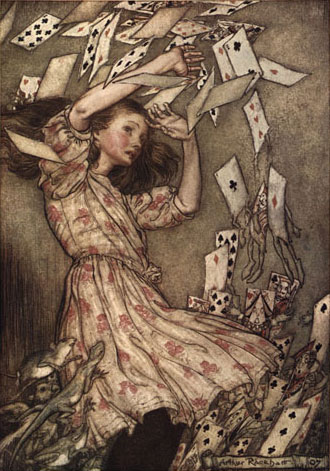
In popular fiction, it is borne by the protagonist of Lewis Carroll’s Alice’s Adventures in Wonderland (1865).

Designated name-days are Janury 15 (Czech Republic), June 23rd (Sweden), September 16 (Estonia) and December 16 (France).

Mary, Maria, Miriam

Mary and its various forms has to be one of the quintessential, classic female names of all time, she has been used in Protestant England in the form of Mary, in the Islamic world as Maryam, in Jewish communities in the form of Miriam and in the Catholic world as Maria, Marie or Mary.

In the United States, she has never quite detracted from the top 100, if Mary is not in fashion then it is usually one of her other forms that may take her place, such as Molly, Mariah, Maria or Mia, all depending on the flavor of the day.

Currently, Mary is the 97th most popular female name in the United States, (2008). Mary’s rankings in other countries are as follows:

  • # 7 (Armenia, 2008)
  • # 57 (Ireland, 2007)

Its French form of Marie is popular outside the Hexagon, she currently ranks in as the 546th most popular female name in the United States, but in other countries, she appears in the top 10. Her rankings are as follows:

  • # 9 (Armenian, 2008)
  • # 4 (Belgium, 2008)
  • # 17 (Czech Republic, 2008)
  • # 24 (Denmark, 2008)
  • # 20 (France, 2009)
  • # 9 (Germany, 2009)
  • # 270 (the Netherlands, 2008)

The continental form of Maria is extremely popular across Europe and Latin America, her rankings in other countries are as follows:

  • # 4 (Argentina, 2009)
  • # 8 (Basque Country, Spain, 2008)
  • # 3 (Belarus, 2005)
  • # 3 (Bulgaria, 2008)
  • # 89 (Canada, B.C., 2008)
  • # 6 (Catalonia, Spain, 2008)
  • # 8 (Chile, 2008)
  • # 91 (England/Wales, 2008)
  • # 6 (Estonia, 2007)
  • # 4 (Faroe Islands, 2008)
  • # 59 (Germany, 2009)
  • # 1 (Greece, 2004)
  • # 90 (Hungary, 2008)
  • # 5 (Iceland, 2004-2007)
  • # 49 (Ireland, 2008)
  • # 1 (Israel, among Christian girls, 2004)
  • # 9 Marija (Latvia, 2005)
  • # 1 Marija (Macedonia, 2006)
  • # 1 (Malta, 2008)
  • # 39 (the Netherlands, 2008)
  • # 14 (Norway, 2008)
  • # 17 (Poland, 2009)
  • # 1 (Portugal, 2008)
  • # 2 (Romania, 2008)
  • # 2 (Russia, 2007)
  • # 99 (Scotland, 2008)
  • # 1 (Slovakia, 2004)
  • # 2 (Spain, 2008)
  • # 96 (Sweden, 2008)
  • # 7 (Ukraine, 2009)
  • # 64 (United States, 2008)

Her diminutive offshoot of Mia, has also been quite trendy the last 10 years, as of 2008, she was the 14th most popular female name in the United States. In other countries, her rankings are as follows:

  • # 1 (Australia, 2008)
  • # 25 (Canada, B.C., 2008)
  • # 44 (Chile, 2006)
  • # 11 (England/Wales, 2008)
  • # 1 (Germany, 2009)
  • # 23 (Ireland, 2008)
  • # 5 (Isle of Man, 2009)
  • # 350 (the Netherlands, 2008)
  • # 24 (New Zealand, 2009)
  • # 12 (Norway, 2008)
  • # 26 (Scotland, 2008)
  • # 46 (Slovenia, 2005)
  • # 3 (Switzerland, among Romansch-speakers, 2008)

Another common diminutive offshoot, is Molly, which is mostly used in the English speaking world, but has also shifted over to some of the Scandinavian countries. Her rankings in other countries are as follows:

  • # 57 (Australia, 2007)
  • # 84 (Canada, B.C., 2008)
  • # 32 (England/Wales, 2008)
  • # 25 (Ireland, 2008)
  • # 33 (New Zealand, 2009)
  • # 39 (Scotland, 2008)
  • # 11 (Sweden, 2008)
  • # 104 (United States, 2008)

Miriam is another common choice which is popular throughout Europe and the Middle East. Her rankings are as follows:

  • # 1 Mariam (Georgia, 2008)
  • # 6 Maryam (Iran, 2007)
  • # 4 Maryam (Israel, among Muslim girls, 2004)
  • # 6 Maryam (Pakistan)
  • # 48 Miriam (Spain, 2008)
  • # 1 Mariam (Tunisia, 2005)
  • # 309 Miriam (United States, 2008)

As for its meaning and derivation, though the its origins can be traced back to the Bible, its lingustic and etymological meaning has long been debated. Many hypothesis include that the name could be a derivative of the Hebrew meri, ‘rebel’ related to the Hebrew verb MRH, mara or Marah which means’ to be “rebellious.” Or that it is related to the Hebrew word מרא (MRA, mara) which means ‘well-fed’, something which would have been considered a comely attribute in Biblical times.

One of the most popular etymological theories is its association with the Hebrew מר (MR, mar), meaning. “bitter” or “bitterness, and another very well established hypothesis suggests that it is from an Egyptian source, mry “beloved” or mr meaning “love.”

Other possible theories include:

That is it a combination of the Hebrew words מר (MR, mar), meaning “bitter” or the Hebrew (mar) meaning, “drop”; or (mor) meaning, “myrrh” or ” (mari ) meaning “mistress’.

The name is borne by several female characters in both the Old and New Testament.

Among Jews, the name was originally used in honour of the sister of Aaron, Miriam the Prophetess.

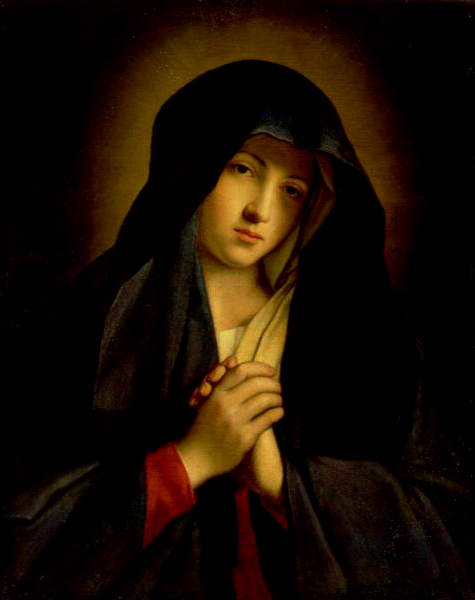
Among Muslims and Christians, (particularly Catholics and Eastern Orthodox), the name is usually used in honour of the Virgin Mary, the mother of Jesus.

However, in certain eras and cultures, Mary or Maria was considered too sacred of a name to use on a child, and in other cultures, the name Maria is so honorable to have, that it is even bestowed upon males, usually in conjunction with a male name or as a middle name. This is especially so in Spanish-speaking countries, French speaking countries and occasionally done in other predominate Catholic countries such as Ireland, Poland and in Bavaria, Germany.

The name has made is presence known in British royalty as well as in the continental ruling houses. Other forms are as follows:

Latinate Forms
Forms used in Latin-based languages

  • Marieta (Catalan: originally a diminutive form, used as an independent given name in Spanish-speaking countries)
  • Miryam (Catalan: archaic form from the 13th-century)
  • Maria (Corsican/Italian/Occitanian/Portuguese/Romanian/Romansch/Latin)
  • Manon (French: originally a diminutive form of Marie, the name has been used as an independent given name for centuries. In fact, it currently ranks in as the 7th most popular female name in Belgium (2006), the 4th most popular female name in France (2006), and the 184th most popular female name in the Netherlands (2008). Pronunciation can be heard here: http://www.forvo.com/search/Manon/)
  • Marie (French: she is one of the most popular middle names in the English speaking world. In French, this form is bestowed on males in conjunction with other male names or as a middle name. There are several common French female names used in conjunction with Marie, as well. Those of which, I will save for future postings).
  • Marielle (French: originally a diminutive form of Marie, now used exclusively as an independent given name)
  • Mariette (French: a diminutive form of Marie, occasionally used as an independent given name, now considered dated in French-speaking countries).
  • Mariolle(French: obscure, very old diminutive form of Marie, the inspiration of the Polish offshoot, Mariola).
  • Marion (French: a medieval French diminutive form of Marie, now exclusively used as an independent given name, the name was borne in legend by the love interest of Robin Hood, Maid Marion, and is borne by French actress, Marion Cotillard. In France, it is the 59th most popular female name (2006)
  • Myriam (French: form of the Biblical, Miriam, she ranks in as the 95th most popular female name in France (2006)
  • Mariella (Italian: originally a diminutive form of Maria, now exclusively used as an independent given name)
  • Marietta (Italian: a diminutive form of Maria, occasionally used as an independent given name).
  • Marigia (Italian: obscure)
  • Mariuzza/Maruzziella (Italian: obscure)
  • Mariana (Portuguese: Mariana is usually considered a name of a seperate etymology, but is used in Portuguese and Spanish as a form of Miriam. She is the 73rd most popular female name in Chile, 2006).
  • María (Spanish/Galician).
  • Marita (Spanish: a diminutive form of Maria, now often used as an independent given name)
  • Maritza (Spanish: a Latin American spin-off of Maria, originally a diminutive form, now a trendy given name, especially among Mexican-Americans, she is currently the 560th most popular female name in the United States).
  • Mareye (Walon)

An Italian diminutive form is Mimi. A Portuguese diminutive form is Mariazinha.

Masculine forms are:

  • Mari (Catalan)
  • Mariu (Corsican)
  • Mario (Italian/Galician)
  • Marius (Latin/French/Romanian)
  • Mário (Portuguese)

Germanic Forms
Forms used in Germanic-speaking countries

  • Maiken/Majken (Danish/Norwegian/Swedish: originally a diminutive form of Maria, now used exclusively as an independent given name).
  • Maria (Danish/Dutch/English/Faroese/Frisian/German/Norwegian/Swedish)
  • Marie (Danish/German/Norwegian/Swedish: a borrowing from the French)
  • Mari (Danish)
  • Maaike/Maike (Dutch/Frisian/German: originally a diminutive form, used exclusively as an independent given name. In 2008, it was the 98th most popular female name in the Netherlands)
  • Marieke(Dutch: originally a diminutive form, now exclusively used as an independent given name. In 2008, it was the 188th most popular female name in the Netherlands)
  • Marijke (Dutch: mah-RYE-keh)
  • Marike (Dutch: originally a diminutive form of Maria, now used exclusively as an independent given name, pronounced mah-REE-keh)
  • Marja (Dutch/Faroese/Gothic/Limburgish: MAHR-yah).
  • Meike (Dutch/German: originally a diminutive form, now used as an independent given name, it was the 53rd most popular female name in the Netherlands of 2008.)
  • Mia (Dutch/German/English/Scandinavian: originally a diminutive form, now used as an independent given name)
  • Mieke (Dutch/Limburgish: originally a diminutive form, used exclusively as an independent given name MEE-keh)
  • Miep(Dutch: a diminutive form, but occasionally used as an independent given name MEEP).
  • Miet (Dutch: originally a diminutive form, occasionally used as an independent given name MEET).
  • Mirjam (Dutch/German/Swedish: form of the Biblical Miriam).
  • Mariel (English: just an anglicized form of the French, Marielle).
  • Mariota (English: archaic, form used in the 13th-century)
  • Mary (English)
  • Molly/Mollie (English: originally a diminutive form, now used more often as an independent given name)
  • Polly (English: originally a diminutive form, now used more often as an independent given name)
  • Marý(Faroese)
  • Mareike (Frisian/German: originally a diminutive form of Maria, now used exclusively as an independent given name)
  • Maja (German/Scandinavian: originally a diminutive form of Maria, used exclusively as an independent given name. It is the 2nd most popular female name in Sweden, (2008)
  • Mariele(German: originally diminutive form of Maria, used exclusively as an independent given name, pronounced mah-REE-leh).
  • Miriam(German/English: Biblical form, often used in German and English speaking countries)
  • Mitzi (German/English: not really used as an independent given name in German speaking countries, but experienced a short usage of popularity as an independent given name in the United States).
  • Ria(German/Dutch: originally diminutive forms, occasionally used as independent given names)
  • Mæja (Icelandic: originally a diminutive form of Maria, used exclusively as an independent given name)
  • María(Icelandic)
  • Mies (Limburgish: diminutive form of Maria, used as an independent given name in the Netherlands. MEES)
  • Mathie (Normand: mah-TEE)
  • My(Swedish: originally a diminutive form of Maria, now used as an independent given name MEE. In 2007, it was the 79th most popular female name in Sweden).
  • Mirele מִירֶעל(Yiddish: a form of Miriam. MEER-eh-leh)

Common English diminutives include May, Mayme, Mare, Mia, Molle, Molly, Moll and Polly, German diminutive forms are Mariechen and Mitzi.

Masculine forms include:

  • Marius (Dutch/German/English/Norwegian/Swedish)
  • Marjus (Faroese)
  • Maríus (Icelandic)

Baltic Forms
Variations used in Baltic countries.

  • Maaja (Estonian)
  • Maare/Maari (Estonian)
  • Maarika (Estonian/Finnish)
  • Maaria/Maarja (Estonian)
  • Maie/Maiu (Estonian: initially diminutive forms, now used as independent given names, MY-eh, MY-oo)
  • Maila/Maili/Mailu (Estonian: Maili is pronounced somewhat like Miley)
  • Mari (Estonian/Finnish)
  • Marjam (Estonian)
  • Marje/Marjen (Estonian)
  • Marjette (Estonian)
  • Mary (Estonian)
  • Maija/Maiju (Finnish)
  • Maikki (Finnish: a Finnicized form of the Sweden and Danish Majken, pronounced somewhat like Mikey)
  • Maaria/Maria (Finnish)
  • Marika (Finnish)
  • Maritta (Finnish)
  • Marjatta (Finnish: can also mean “without a berry” in Finnish, and is the name of a character in the Kalevala, but is often used as a variation of Maria; also used in Estonia)
  • Marjo (Finnish)
  • Marjukka (Finnish)
  • Marjut (Finnish)
  • Miia (Finnish)
  • Mirja (Finnish: translation of Miriam)
  • Mirjam/Mirjami (Finnish)
  • Maija (Latvian)
  • Maila (Latvian: MY-lah)
  • Mairita/Mairīta/Mairīte (Latvian)
  • Mairuta (Latvian)
  • Mare (Latvian: final E is pronounced)
  • Mareka (Latvian)
  • Mareta/Māreta (Latvian)
  • Marī (Latvian)
  • Mārica (Latvian)
  • Mariela (Latvian)
  • Mārieta (Latvian)
  • Marija (Latvian/Lithuanian)
  • Mārika (Latvian)
  • Marite/Mārita/Mārīte/Marīte (Latvian)
  • Marjama (Latvian)
  • Maruta/Māruta/Marute (Latvian)
  • Mare (Lithuanian)
  • Maryte (Lithuanian)

Masculine forms are:

  • Maarius/Mairo/Mario (Estonian)
  • Marijus/Marius (Lithuanian)

Slavic Forms
Forms used in Slavic countries

  • Merjem (Bosnian)
  • Mirjana (Bosnian/Croatian/Serbian/Slovene: translation of Miriam)
  • Mariya (Bulgarian/Russian/Ukrainian)
  • Marija (Croatian/Macedonian/Serbian/Slovene)
  • Marie (Czech: MAHR-yeh)
  • Maria (Polish)
  • Marieta (Polish)
  • Mariola (Polish: mahr-YOLE-ah)
  • Marita (Polish)
  • Maryla (Polish: mah-RIH-lah)
  • Marzena (Polish: not really etymologically related, but has had a historical usage as a variation of Maria in Poland. The name is actually the name of an ancient Polish goddess and it may be linked with the either Polish word for “hope; dream” or with the Old Slavonic word for “death.” mahr-ZHEH-nah, diminutive form is Marzenka).
  • Mária (Slovakian)
  • Marika (Slovakian)
  • Marica (Slovene: initially a diminutive form, used as an independent given name in Slovenia, but is also used as a diminutive form in Bosnian, Croatian, Serbian, Czech and Slovakian, mah-REET-sah).
  • Mojca (Slovene: initially a diminutive form, now used exclusively as an independent given name in Slovenia. MOY-tsah)
  • Marya Марья (Russian)

Czech and Slovak diminutive forms are: Mája, MáňaMaruška and Maryška. Serbian and Slovene diminutives are Maša. Russian diminutives are Manya, Masha, Mashenka and Mashka. Polish diminutives are MasiaMarysia (mah-RISH-ah) and Maryska.

Masculine forms are:

  • Marian (Polish)
  • Mariusz (Polish)
  • Marij/Mario (Slovene)

Celtic Forms
Forms used in Celtic Languages

  • Mari (Breton)
  • Mallaidh (Irish-Gaelic: translation of Molly)
  • Maira/Máire (Irish-Gaelic)
  • Mairenn/Máirín (Irish-Gaelic)
  • Muire (Irish-Gaelic)
  • Mariod/Mariot (Manx)
  • Moirrey/Voirrey (Manx)
  • Màiri (Scotch-Gaelic)
  • Mhari (Scotch-Gaelic)
  • Mhairi/Mhairie (Scotch-Gaelic)
  • Moire (Scotch-Gaelic)
  • Mair (Welsh)

Other Forms
Forms used in other languages not listed in the above

  • Maria (Albanian/Kiswahili)
  • Maryam مريم (Arabic)
  • Mariam (Armenian)
  • Məryəm (Azeri)
  • Maia (Basque)
  • Miren (Basque)
  • Mariam (Coptic/Egyptian)
  • Mariami (Georgian)
  • Maria Μαρία (Greek: Modern)
  • Maroula/Roula (Greek: Modern: initially diminutive forms)
  • Malia (Hawaiian/Zuni)
  • Mária (Hungarian)
  • Maria (Indonesian)
  • Meryem (Kurdish/Turkish)
  • Mariam/Mariamma/Mariamme (Malayalam)
  • Marija (Maltese)
  • Mere (Maori)
  • Miriama (Maori)

The name has several name-days.

William, Liam

Gender: Masculine
Origin: German
Meaning: “desire; helmet protection.”
(WIL-yem)

The name is of Norman origins and is derived from the Old Germanic elements wil meaning “desire” and helm, meaning “helmet; protection.”

In the early Middle Ages, the name was especially popular among Norman nobility and royalty. It was borne by an 8th-century saint, William of Gellone, a monk and cousin of Charlemagne.

The name was introduced into England in the 11th-century by William the Conqueror, and remained an extremely common name in England from thereon.

In the United States, William stands as the 8th most popular male name (2008), the lowest he has ever ranked in U.S. history was in 1992 and then again in 1995 when it came in as the 20th most popular male name.

At the turn of the last century, for 30 years in a row, William remained the 2nd most popular male name in the United States, (1880-1909).

His rankings in other countries is as follows:

# 2 (Australia, 2008)
# 16 (Canada, B.C., 2008)
# 10 (England/Wales, 2008)
# 83 (France, 2006)
# 44 (Ireland, 2007)
# 402 (the Netherlands, 2008)
# 5 (New Zealand, 2009)
# 19 (Norway, 2007)
# 46 (Scotland, 2008)
# 4 (Sweden, 2008)

Another popular up-and-coming form is Liam, which is an Irish contracted form of William. Currently, he stands as the 75th most popular male name in the United States (2008). His rankings in other countries are as follows:

# 17 (Australia, 2007)
# 48 (Belgium, 2006)
# 10 (Canada, B.C., 2008)
# 22 (England/Wales, 2008)
# 26 (Ireland, 2008)
# 82 (the Netherlands, 2008)
# 7 (New Zealand, 2009)
# 4 (Scotland, 2009)
# 13 (Sweden, 2007)

The name is borne by Irish actor, Liam Neeson.

Other cognates of William include:

  • Guildhelm (Afrikaans/Old Dutch)
  • Uilliam (Albanian)
  • Willelm (Anglo-Saxon)
  • Guillén (Aragonese)
  • Gwilherm (Breton)
  • Uiliam Уилиам (Bulgarian)
  • Guillem (Catalan)
  • Vilém (Czech)
  • Vilhelm (Danish)
  • Willem (Dutch)
  • Wim (Dutch)
  • William (English/Scandinavian)
  • Villem/Villu (Estonian)
  • Vilhelmi (Finnish)
  • Vilho (Finnish: contracted form)
  • Viljami (Finnish)
  • Ville (Finnish: contracted form)
  • Guillaume (French)
  • Jelle (Frisian: originally a diminutive form, used as an independent given name)
  • Pim (Frisian: originally a diminutive form, used as an independent given name)
  • Wilke/Wilko (Frisian)
  • Guillerme (Galician)
  • Wilhelm (German/Polish)
  • Gouliélmos Γουλιέλμος (Greek: Modern)
  • Vilmos (Hungarian)
  • Vilhjálmur (Icelandic)
  • Uilleag (Irish-Gaelic)
  • Uilliam (Irish-Gaelic)
  • Ulick (Irish: anglicization of Uilleag)
  • Guglielmo (Italian: most common offshoot)
  • Lemo (Italian: contracted form)
  • Velmo/Velmino (Italian: obscure)
  • Villelmo (Italian: obscure)
  • Villermo (Italian: obscure)
  • Vilio (Italian: obscure)
  • Guilielmus (Latin)
  • Viljams (Latvian)
  • Vilis (Latvian)
  • Wöllem/Wullem/Wum (Limburgish)
  • Vilhelmas (Lithuanian)
  • Vilius/Viliumas (Lithuanian)
  • Wellëm (Luxembourgish)
  • Illiam (Manx)
  • Wiremu (Maori)
  • Gllâome (Norman)
  • Guilhem (Occitanian)
  • Willahelm (Old German)
  • Vilhjálmr (Old Norse)
  • Willken/Wilm/Willm (Plattdeutsch)
  • Guilherme (Portuguese)
  • Zelmino/Zelmo (Romanesque)
  • Vilhelm (Romanian/Scandinavian)
  • Wellem (Ripoarisch)
  • Vilgelm Вильгельм (Russian/Ukrainian)
  • Vėljams (Samogaitian)
  • Uilleam (Scottish-Gaelic)
  • Gugghiermu (Sicilian)
  • Vilim Вилим (Serbian)
  • Viliam (Slovak)
  • Viljem (Slovene)
  • Guillermo (Spanish)
  • Gelmo/Gilmo (Venetian)
  • Gwil (Welsh)
  • Gwilim/Gwilym (Welsh)
  • Velvel װֶעלװֶעל (Yiddish: also the Yiddish word for wolf but commonly used as a diminutive form of Wilhelm)

Notable bearers include: Swiss national folk hero, William Tell (14th-century), Scottish national hero, William Wallace (13th-century).

It was also borne dramatist, William Shakespeare (1564-1616), poet William Blake (1757-1827), dramatist, William Butler Yeats (1865-1939), author William Faulkner (1897-1962), including the current Crown Prince of England, Prince William of Wales (b.1982), and it has also been borne by several U.S. presidents.

Common English diminutives England: Bill, Billy, Will, Willy and Wills/Wils.

Italian diminutives include: Gelmino, Ielmo, Memmo (Tuscan dialectical form), Memo and Lemmo.

Feminine offshoots include Willa, Wilhelmina, Wilma, Mina and Minnie.

Wilhelmina is a German/Dutch form that was briefly used in the United States in the early part of the 20th-century but is in rare use today, in fact, she does not appear in the U.S. top 1000. It is, however, currently the 297th most popular female name in the Netherlands (2008)

Wilhelmina was borne by several Danish princesses, and was extremely common in German and Dutch royalty.

Its contracted English form of Willa, seems like it should be an up-and-comer, but currently does not rank in the U.S. top 1000.

The name was borne by famous American author, Willa Cather (1873-1947) née Wilella, another feminine form of William which should be noted.

Minnie was quite fashionable as a stand alone name at the turn of the 20th-century. In 1880, she was the 5th most popular female name in the United States. She was out of the top 1000 by 1971.

The name is usually associated with the Disney Character and girlfriend of Mickey Mouse, Minnie Mouse, hence is probably why she fell out of usage.

Wilma is another form that has not been in the U.S. top 1000 for quite some time, introduced into the 19th-century by German and Scandinavian immigrants, Wilma is currently very trendy in both Norway and Sweden. More so in Sweden, it is currently the 9th most popular female name (2008).

An early English feminine form that might be appealing to the surname lovers was Wilmot, which appears as early as the 16th-century. It may have been an anglicization of an early French feminine name, Wilmette.

Other feminine forms are:

  • Wilma/Vilma (Czech/English/German/Portuguese/Scandinavian/Slovak/Spanish)
  • Elma (Dutch/German/Slovene: contracted form)
  • Willemina (Dutch)
  • Willemijn (Dutch)
  • Mina (English/German: contraction of Wilhelmina)
  • Minnie (English/German)
  • Velma (English/German)
  • Wilella (English)
  • Willa (English)
  • Willia (English)
  • Wilmot (English)
  • Wilhelmina (English/German/Dutch/Polish)
  • Helmi (Finnish: also means “pearl” see Helmi)
  • Miina (Finnish: contraction of Wilhelmina)
  • Minna (Finnish/German)
  • Vilhelmiina (Finnish)
  • Guillaumette/Guillaumine (French)
  • Guilette (French)
  • Minette (French)
  • Wilhelmine (French/German/Dutch)
  • Wilmette (French)
  • Jeltje/Jeltsje (Frisian: contractions of Wilhelmina)
  • Helma (German: contraction of Wilhelmina)
  • Helmine (German: contraction of Wilhelmina)
  • Vilhelma (Hungarian)
  • Vilhelmina (Hungarian/Scandinavian)
  • Azelma (Italian)
  • Gilma (Italian)
  • Guglielma/Guglielmina (Italian: diminutive forms are Mema and Memma)
  • Velma/Velmina (Italian)
  • Villelma/Vilelma/Villelmina/Villermina (Italian)
  • Vilia/Villa (Italian)
  • Zelma/Zelmina (Italian)
  • Mien (Limburgish: originally a short form of Wilhelmina, now used as an independent given name)
  • Guilhermina (Portuguese)
  • Wilja (Scandinavian)
  • Willamina (Scottish)
  • Guilla/Guillerma/Guillermina (Spanish)
  • Ilma (Spanish: contraction of Guillierma)
  • Gelma/Gelmina (Ventian)
  • Velvela (Yiddish)

A Finnish/Scandinavian diminutive is Mimmi.

A Czech and Polish diminutive is Minka and a popular English diminutive was Billie.

Designated name-days are: January 10 (France/Lithuania/Poland), April 6 (Finland/Hungary/Poland), May 26 (Finland/Lithuania/Poland/Sweden), May 28 (Germany/Latvia/Poland/Slovakia), June 8-24-25 (Hungary/Lithuania/Poland), July 5 (Poland), September 2 (Poland), September 19 (Hungary/Lithuania), October 25 (Poland).

Emily, Emil

Gender: Feminine
Origin: Latin
Meaning: “rival.”
(EM-ih-LEE)

The name is an anglicization of the Roman gens name Aemilius which was derived from the Latin aemulus meaning, “rival.”

Contrary to popular belief, Emily is not related to the Germanic, Amalia/Amelia, which is most likely derived from the Germanic element, amal, meaning “to work.”

Emily is just the English feminine form of the Germanic, Emil.

It is believed that Emily was introduced into the English speaking world in the 18th-century, after the German Hanover line had inherited the British throne, but evidence shows that Emily had been in usage in England since at least Norman times and that it may have been introduced through the Normans in 1066.

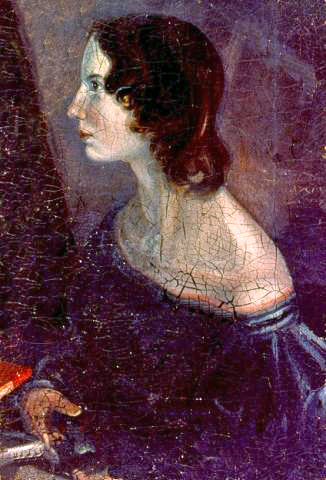
The name was borne by famous American poet, Emily Dickenson (1830-1886) and by English novelist and poet, Emily Brontë (1818-1848).

In modern history, Emily has been extremely popular in the English speaking world for at least a decade. She is currently the 3rd most popular female name in the United States-2008, and was # 1 in 2007, but was overthrown by the similar sounding Emma.

The lowest that Emily has ranked in U.S. history was in 1962, coming in as the 274th most popular female name.

In other countries, her rankings are as follows:

  • # 5 (Australia, 2008)
  • # 3 (Canada, B.C., 2008)
  • # 72 (Chile, 2006)
  • # 3 (England/Wales, 2008)
  • # 7 (Germany, 2009)
  • # 4  (Ireland, 2008)
  • # 3 (Isle of Man, 2008)
  • # 8 (Luxembourg, 2008)
  • # 137 (the Netherlands, 2008)
  • # 6 (New Zealand, 2009)
  • # 6 (Northern Ireland, 2009)
  • # 4 (Scotland, 2009)

Its more Latinate counterpart of Emilia is as follows:

  • # 6 (Faroe Islands, 2008)
  • # 9 (Finland, among Finnish-speakers, 2007)
  • # 2 (Finland, among Swedish-speakers, 2007)
  • # 3 (Iceland, 2004-2007)
  • # 5 (Liechtenstein, 2008)
  • # 401 (United States, 2008)

Its masculine counterpart has never been widely used in the English speaking world, but has been a long time favorite in Northern Europe.

The last time Emil was seen in the U.S. top 1000 was in 1984, coming in at # 967.

The highest that Emil ever ranked in U.S. naming history was at # 90, back in 1881, the same year that the United States saw a huge influx of Scandinavian immigrants.

Currently, Emil is the 5th most popular male name in Norway (2007) and the 9th most popular in Sweden (2007).

Other forms of Emily are:

  • Emiliya Емилия (Bulgarian)
  • Emílie (Czech: eh-MEEL-yeh)
  • Emilý (Faroese)
  • Émilie (French: ay-mee-LEE. 24th most popular female name in Belgium-2006; 41st most popular in France-2006; 292nd most popular in the Netherlands-2008.)
  • Émilienne (French)
  • Eimíle (Gaelic-Irish)
  • Emelie (German/Swedish: 48th most popular female name in Sweden; EM-eh-LEE)
  • Emilie (German/Danish/Dutch/Norwegian/Swedish: EM-ih-LEE)
  • Emele (Hawaiian)
  • Emilía (Icelandic)
  • Emilia (Italian/Dutch/Estonian/Faroese/Finnish/Polish/Romanian/Scandinavian/Spanish: 16th most popular in Chile-2006; 97th most popular in England/Wales-2008; 18th most popular in Sweden-2007).
  • Emiliana (Italian/Portuguese/Romanian/Spanish)
  • Emilietta/Milietta (Italian: obscure diminutive form that were used as independent given names)
  • Aemilia (Latin: ay-MEE-lyah)
  • Aemiliana (Latin)
  • Emīlija (Latvian)
  • Emilija (Lithuanian/Serbian/Croatian/Slovene)
  • Emília (Portuguese/Hungarian/Slovak: 83rd most popular female name in Hungary-2008)
  • Emilja (Slovene)
  • Emilijana (Slovene)
  • Emila (Spanish: obscure, Emilia is more common)

Masculine forms include:

  • Emilli (Basque)
  • Emilion (Breton)
  • Milig (Breton)
  • Emil Емил (Bulgarian/Serbian)
  • Emili (Catalan)
  • Emiel (Dutch)
  • Eemil (Estoanian/Finnish)
  • Eemeli (Finnish)
  • Émile (French)
  • Émilien (French)
  • Amil (German)
  • Emil (German/Croatian/Czech/Faroese/Hungarian/Icelandic/Norwegian/Polish/Slovene/Swedish)
  • Emilián (Hungarian)
  • Emiliano (Italian/Spanish)
  • Emilietto (Italian: obscure diminutive form that was used as an independent given name)
  • Emilio (Italian/Portuguese/Spanish)
  • Miliano (Italian: obscure contracted form)
  • Aemilianus (Latin)
  • Aemilius (Latin/Dutch)
  • Aimil (Manx/Scottish)
  • Emilian (Romanian)
  • Emilij (Russian)
  • Jemilijan (Russian)
  • Emilijan (Serbo-Croatian/Slovene)
  • Ymil/Yjmil (Silisian: a dialect of Polish)
  • Emilijano (Slovene)
  • Emilij (Slovene)
  • Emilijo (Slovene)

The name-days for Emily/Emilia are:  May 19 (Finland); May 23 (Poland); June 24/30 (Poland); July 19 (Hungary); August 19 (Poland); November 14 (Sweden); November 24 (Poland/Slovakia).

The name-days for Emil are: January 31st (Slovakia); May 22 (Czech Republic/Poland); May 28 (Hungary); July 18 (Bulgaria); August 5/8 (Poland); August 8 (Bulgaria); October 6/11 (Poland).

The masculine and feminine forms are borne by several saints and Emilia is the name of at least three Shakespearean characters.

Common English diminutives are Em, Emmie and Millie. A Spanish diminutive is Emilita. A Slavic diminutive is Emilka; in Polish it is sometimes Milcia.

Jacob, James, Jacqueline

Gender: Masculine
Origin: Hebrew
Meaning: debated
Eng: (JAKE-ub); (JAMEZ)

Since it is the beginning of the year, I thought I would start doing the most popular names of 2008.

In the United States, Jacob is currently the most popular male name, coming in at # 1 in 2008.

Actually, Jacob has held on to the number 1 spot, for the last decade, since 1999. The lowest that Jacob has ever ranked in U.S. naming history was back in 1967 ranking in at # 353.

Jacob’s rankings in other countries are as follows:

  • # 21 (Australia, 2007)
  • # 3 (Canada, B.C., 2008)
  • # 20 (England/Wales, 2008)
  • # 94 (Ireland, 2007)
  • # 122 (the Netherlands, 2008)
  • # 89 (Norway, 2007)
  • # 79 (Scotland, 2008)
  • # 29 (Sweden, 2007)

Jacob is a Biblical name of Hebrew origin, borne by an important Jewish patriarch, the meaning of the name is somewhat debated. Though many sources agree that it is derived from the Hebrew ‎עקב (aqabaqav), which means “to seize by the heel”, “to circumvent” or ” to restrain” and may possibly be a word-play of the Hebrew עקבה‎ (iqqebahiqqbah) meaning, “heel,” since in the Bible, Jacob was born holding onto the heel of his twin brother Esau. In Hebrew, the act of holding the heel was associated with deception, so the name has been suggested to take on the meaning of “deception.”

Other sources have suggested it to mean “may God protect”, being a derivative of the Hebrew יַעֲקֹבְאֵל (Ya’aqov’el).

In the Bible, Jacob was the younger twin son of Rebekah and Isaac, by deceiving his elder brother Esau into selling his birthright, Jacob received his father’s blessing before Isaac’s death.

Jacob later became the father of the twelve tribes of Israel.

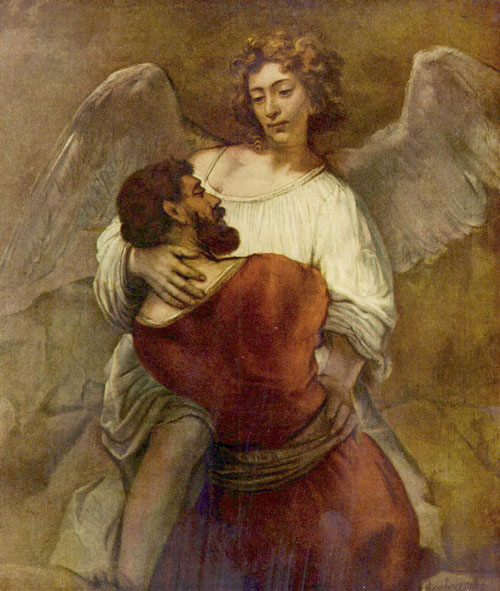
His episode of dreaming of a ladder to heaven is called “Jacob’s Ladder” and his wrestling with the angel, after which God gave Jacob the name of Israel ,meaning, “struggles with God” or “God contended.”

The name later appears in the New Testament by several other characters, one of them being the name of the Apostle James, (also known as Jacob since both names are related).

In English, both Jacob and James are derived from the Biblical Greek, Ιακωβος (Iakobos) later being latinized to Iacomus, (from which James is an anglicized a corruption).

James and Jacob have been used in England interchangeably since the Middle Ages, James became a common name in English and Scottish royalty.

Currently, James is the 17th most popular male name in the United States, the highest he has peaked was between 1940 and 1952, coming in at # 1. The lowest he has peaked was at # 19 in 1999 and then again in 2001.

James has never detracted from the U.S. top 20.

In other countries, his rankings are as follows:

  • # 8 (Australia, 2007)
  • # 10 (Canada, B.C., 2008)
  • # 9 (England/Wales, 2008)
  • # 5 (Ireland, 2007)
  • # 332 (the Netherlands, 2008)
  • # 5 (Scotland, 2008)

The designated name-days for Jacob are December 20 (France), July 25.

Other forms of both names include:

  • Jakob (Afrikaans/Danish/Dutch/German/Norwegian/Slovene/Swedish: 12th most popular male name in Slovenia-2005; 39th most popular in Norway-2007 and the 3o9th most popular in the United States-2008)
  • Japku/Jakup/Jakub/Jakob/Jakov (Albanian)
  • Ya’eqob (Amharic/Ethiopian)
  • يعقوب Yaʿqūb/Yakub (Arabic)
  • Chaime (Aragonese)
  • Ya`iqob/Ukba/Ukva ያዕቆብ (Aramaic)
  • Hagop/Hakob/Jakob Հակոբ/Յակոբ (Armenian)
  • Aqob/Jakobos (Assyrian)
  • Yəqub (Azeri)
  • Jacobe/Jagoba/Jakes/Jakoma/Yaku/Yagoba/Xanti (Basque)
  • Jåggl (Bavarian)
  • Jakub/Jakaŭ/Jakuš (Bielorusian)
  • Jakub (Bosnian/Polish/Slovak/Slovene/Sorbian: common Polish diminutive forms are Kuba and Kubuś)
  • Jacut/Jagu/Jagut/Jak/Jakez/Jakezig/Jakou (Breton)
  • Yakov/Zhekov Жеков (Bulgarian)
  • Iacovo/Iacoviello/Coviello (Calabrian: Southern Italian dialect)
  • Jacob (Catalan/Dutch/English/Lexumburgish/Limburgish/Portuguese)
  • Jaume/Jaumet (Catalan)
  • Jacca/Jago/Jamma/Jammes (Cornish)
  • Giacumu (Corsican)
  • Jakov/Jako Јаков (Croatian/Serbian/Slovene)
  • Jákob (Czech/Hungarian: Kuba and Kubík are the diminutive forms)
  • Jacobus/Jakobus (Dutch/Limburgish: Jacobus is currently the 233rd most popular male name in the Netherlands-2008)
  • Coos/Kobe/Kobus/Jaap (Dutch: initially diminutive forms, used as independent given names)
  • Coby (English: originally a diminutive form, now used as an independent given name. He currently ranks in as the 832nd most popular male name-2008)
  • Jaagup/Jaak/Jakkab/Jakkob/Jakob (Estonian)
  • Jákup (Faroese)
  • Jaakob/Jaakoppi/Jaakko (Finnish: Jaska is the diminutive form)
  • Jacopo (Florentine: Northern Italian dialectical form, Lapo and Puccio are diminutives)
  • Jacques (French)
  • Iaquet/Jaco/Jacot/Jacquot/Jacquet (French: archaic, medieval forms)
  • Jacquemin/Jacqueminot (French: archaic, medieval forms)
  • Jabbo/Coob (Frisian)
  • Jakip (Frisian)
  • Iacun (Fruilian)
  • Sacun (Fruilian: literally meaning “Saint James.”)
  • Xacobe/Xaime (Galician)
  • Iakob იაკობ (Georgian)
  • Iákovos Ιακωβος/Iakóv Ιακώβ/Yángos Γιάγκος (Greek)
  • Iakopa/Iakopo/Kimo (Hawaiian)
  • Akiba/Akiva עֲקִיבָא (Hebrew)
  • Ya’akov יעקב (Hebrew)
  • Akkoobjee (Hindi)
  • Jakab (Hungarian)
  • Yakob/Yakobus (Indonesian)
  • Seamus/Séamus (Irish-Gaelic: SHAY-mus: Séimí and Séimín are diminutive forms. Currently the 748th most popular male name in the United States)
  • Giacobbe (Italian)
  • Giacomo (Italian: more common form)
  • Jacopo (Italian: archaic form)
  • Aqo/Ya’qub (Kurd)
  • Iacobus/Iacomus/Jacobus (Latin)
  • Jēkabs (Latvian)
  • Jaokob (Limburgish)
  • Cobus/Keub/Keube/Kuub/Kuèb (Limburgish: initially diminutive forms, now used as independent given names)
  • Zjaak/Jaco (Limburgish: initially diminutive forms, now used as independent given names)
  • Jokūbas (Lithuanian)
  • Jakov/Jakle/Jako (Macedonian)
  • Chacko/Yakob (Malayalam)
  • Ġakbu (Maltese)
  • Jayms (Manx)
  • Hemi (Maori)
  • Sak (Mohawk)
  • Jacuvo/Jacuviello/Cuviello (Neopolitan: Southern Italian dialect)
  • Gemme/Gemmes/Jacque (Norman)
  • Jacme (Occitanian/Provençal)
  • Jammes/Jaume (Occitanian)
  • Iakovu Іакѡвъ (Old Church Slavonic)
  • Yaghoub (Persian)
  • Giaco (Piedmontese: Northern Italian dialect)
  • Diogo (Portuguese: variation of Tiago)
  • Iago (Portuguese)
  • Jacó (Portuguese)
  • Jácomo (Portuguese)
  • Jaime (Portuguese/Spanish: Jaime is currently the 321st most popular male name in the United States-2008. He is the 97th most popular in Chile-2006 and the 33rd most popular in Spain-2006)
  • Thiago (Portuguese-Brazilian)
  • Tiago (Portuguese-European: a contraction of the Spanish Santiago, which literally means “Saint James”)
  • Köbes (Ripoarisch)
  • Iacob (Romanian)
  • Jacomo (Romanesque: a Northern Italian dialect spoken in the region of Tuscany)
  • Giachem/Giachen/Jachen (Romansch)
  • Giacumin (Romansch)
  • Yakov Иаков/Яков (Russian: Yasha is a diminutive form)
  • Iakopo (Samoan)
  • Hamish (Scottish-Gaelic: an anglicization of Seumas)
  • Jaikie (Scottish-Gaelic)
  • Jamie (Scottish: low lands Scots contraction, currently the 669th most popular male name in the United States; the 17th most popular male name in Scotland-2008; the 51st most popular in England and Wales-2008; 17th most popular in Ireland-2007; the 12st most popular in the Netherlands and the 96th most popular in Australia)
  • Seumas (Scottish-Gaelic)
  • Simidh (Scottish-Gaelic)
  • Jaka (Slovene: this was the 10th most popular male name in Slovenia-2005)
  • Diego (Spanish: a contraction of Santiago. Diego currently ranks in as the 68th most popular male name in the United States-2008. In Belgium he is the 48th-2006; in Chile, the 7th-2006; in France the 78-2006. In the Netherlands he comes in as the 189th most popular male name-2008 and in Spain he is the 10th most popular male name-2006 )
  • Jacobo (Spanish: archaic form: Jaime or Diego are the preferred forms)
  • Santiago (Spanish: literally meaning “Saint James” the name is usually bestowed in honour of St. James the Apostle. Currently, it is the 171st most popular male name in the United States. In Chile, he is the 55th most popular-2006 and in Spain, the 66th most popular-2006)
  • Yago (Spanish: archaic form)
  • Yakubu (Swahili)
  • Köbi (Swiss-German dialectical diminutive form, occasionally used as an independent given name)
  • Yaqub ܝܰܥܩܽܘܒ (Syrian)
  • Yakup (Turkish: Yascha is a diminutive form)
  • Yakiv Яків (Ukrainian)
  • Iago/Siam (Welsh)
  • Coppel/Kapel/Koppel (Yiddish)
  • Yankev/Yankl/Yankel/Yankele (Yiddish)

Older Polish forms include: Jakub, Jakób, Jakob, Jakow, Jekub, Jokob, Jokub and Jakusz.

Less common Polish diminutive forms include: Jakuszek, Jakubek, Jakubko, Kusz, Kuszęt, Kubek, (in modern Polish this means “cup” and has fallen out of usage as a diminutive form of Jacob), and Jaksa.

English diminutives of Jacob include: Jack, Jake, Jay, Cobb, Coby and Cubby. Diminutives for James include: Jack, Jamie, Jay, Jeb, Jem, Jemmy, Jim and Jimmy.

A Danish and Dutch diminutive form is Ib and Jeppe, Sjaak and Sjakie are also Dutch diminutives.

Slovene diminutive forms include: Jak, Jakec, Jaki, Jaša, Žak and Žaki.

Jacob has spawned various feminine forms that are worth noting.

There is the French, Jacqueline, (said like JACK-eh-lin), in English, but pronounced as (ZHAHK-e-LEEN) in French.

The name has a long history of usage in the English speaking world and is also used the German-speaking world and is occasionally used in Spanish-speaking countries.

Jacqueline is currently the 152nd most popular name for females in the United States. The highest she ranked was in 1961 coming in as the 37th most popular female name.

For Americans, a notable bearer is former First Lady and fashion trend-setter, Jacqueline Bouvier Kennedy Onassis.

A common English diminutive form is Jackie.

Other feminine forms include:

  • Jakuba (Czech)
  • Bine (Danish/German)
  • Jacobine/Jakobine (Danish/Norwegian/German/Swedish)
  • Jacoba/Coba (Dutch)
  • Jacobien (Dutch)
  • Jacomina (Dutch)
  • Jacquetta (English)
  • Jacquemine (French: archaic form)
  • Jacquette (French)
  • Jakoba/Jakobe (German)
  • Yaakova (Hebrew)
  • Giachetta (Italian)
  • Giacobba (Italian)
  • Giacometta (Italian)
  • Giacoma/Giacomina (Italian)
  • Jacobella/Jacomella/Jacovella (Italian: obscure/archaic forms)
  • Iacobina (Latin)
  • Jakubina (P0lish)
  • Żaklina (Polish: corruption of the French, Jacqueline)
  • Jacobina (Romansch)
  • Jacobea (Romansch)
  • Jamesina/Jamesine (Scottish)
  • Jakoba/Jakobina (Slovene)
  • Jakica/Jakovica (Slovene: initially a diminutive forms, used as independent given names yah-KEET-sah, yah-koh-VEET-sah)
  • Žaklin/Žaklina (Slovene: corruptions of the French, Jacqueline zhahk-LEEN; zhahk-LEE-nah)
  • Jacquelina (Spanish: corruption of the French, Jacqueline)

Angela

Gender: Feminine
Origin: Greek
Meaning: “messenger.”
Eng (AN-je-luh)

The name is a feminine form of the Greek male name, Ángelos (αγγελος), meaning, “messenger.”

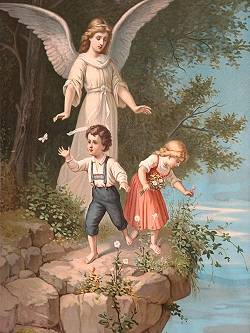
In Greek mythology, Ángelos was an epithet for the god, Hermes. In later Judeo-Christian culture, the name became associated with angels since it shares the same etymology with the word angel.

The name has been borne by several saints.

In the United States, she currently ranks in at # 133. The highest she peaked in U.S. naming history was between 1974-1976 where she was the 5th most popular female name in the United States.

Her rankings in other countries are as follows:

  • # 91 (Canada, B.C. 2008)
  • # 56 (Chile, 2006)
  • # 481 (the Netherlands, 2006)
  • # 25 (Spain, 2006)

Angela is used in Danish, Dutch, English, German, Icelandic, Italian, Norwegian, Romanian, Romansch, Slovak , Slovene and Swedish.

Its Latinate diminutive form, Angelina, has recently sparked in popularity, due to the fame of American actress, Angelina Jolie.

In the United States, she currently ranks in as the 69th most popular female name (2008). Her rankings in other countries are as follows:

  • # 54 (Australia, 2007)
  • # 91 (Canada, B.C. 2008)
  • # 72 (France, 2006)
  • # 184 (the Netherlands, 2008)
  • # 96 (Sweden, 2007).

Other feminine forms Angela include:

  • Anxhela (Albanian)
  • Anela/Aneliya (Bulgarian)
  • Àngela (Catalan)
  • Angiola (Corsican/Romansch/Sardinian)
  • Angioletta (Corsican/Romansch/Sardinian)
  • Anđela (Croatian)
  • Anděla (Czech)
  • Angèle (French: an obscure diminutive form is Angelette)
  • Anela/Ankela (Hawaiian)
  • Angéla (Hungarian)
  • Aingeal (Irish Gaelic)
  • Angeletta (Italian: obscure diminutive form which was occasionally used as an independent given name)
  • Anġla (Maltese)
  • Ainle (Manx)
  • Aniela (Polish: diminutive form is Anielka)
  • Ângela (Portuguese)
  • Anzhela ангела (Russian)
  • Andjela Анђела (Serbian)
  • Ángela (Spanish)
  • Angelia (Spanish)
  • Angelita (Spanish: a diminutive form occasionally used as an independent given name)

An English diminutive is Angie, German diminutives are Angie and Geli.

Some Italian smush names include Giovannangela, Giuliangela, Mariangela, Michelangela, and Rosangela.

Masculine forms are:

  • Angeru (Basque)
  • Angel Ангел (Bulgarian)
  • Àngel (Catalan)
  • Anđelko (Croatian)
  • Anděl (Czech)
  • Anxo (Galician)
  • Angelos Αγγελος (Greek Modern)
  • Angelo (Italian/Spanish: currently the 284th most popular male name in the United States-2008; and the 98th in Chile-2006)
  • Angelus (Latin)
  • Anġlu (Maltese)
  • Ángel (Spanish)

Other forms of Angelina include:

  • Angiolina (Corsican/Romansch/Sardinian)
  • Angelien (Dutch)
  • Angéline (French)
  • Anzhelina Анжелина (Russian)

Angelina is also used in English, French, German, Italian, Polish, Romanian and Spanish.

Angela’s designated name-day is sometimes January 4th.

Lucia, Lucille, Lucy, Lucian, Lucius

Origin: Latin
Meaning: “light.”

Today is December 13, said to be the darkest night of the year, and also the feast of St. Lucy, whose name appropriately means “light.” Contrary to popular belief, Lucy is the English form of Lucia, and is not a nickname that later became an independent given name, in fact, Lucy was fairly common in Medieval England, particularly after the Norman Conquest in 1066. The latinate form of Lucia, is a feminine version of the Latin, Lucius, which was a Roman praenomen derived from the Latin word lux meaning “light.”

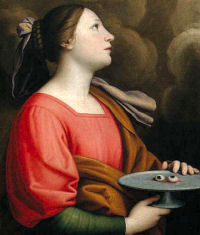
The name was popularized by a 4th-century Sicilian martyr, who, according to legend, was a beautiful Christian woman of noble lineage. She was particularly known for her striking eyes, and when a local pagan suitor tried to force her to marry him, she spent the entire night gouging her own eyes out, presenting them on a platter to the lovelorn nobleman the next day, proclaiming that if he loved her eyes so much, he could marry them instead of her. St. Lucy was immediately tortured and put to death and as a result, she is considered the patron saint of the blind.

Her feast day in Sweden is an especially popular celebration. Each year a girl is chosen to represent the saint, while leading a procession of singing white clad men and women. In older traditions, it was usually the oldest girl in the household who was picked, but since becoming a school or city festival, the title is either given to the prettiest girl or the most popular girl, sometimes done by popular demand of the populace, or school, in which the procession is held. The Sankta Lucia wears a wreath of lit candles upon her head and a red sash around her waist, afterwards, glög and lussekatte, (a type of Saffron biscuit),are served. Its popularity in Scandinavia may be due to some ancient pre-Christian roots, in which the early Germanic tribes would fend off the dark wintery nights with a procession of candles, its true origins have been somewhat lost to history, but there is a Scandinavian legend that claims that Saint Lucy appeared to a band of lost vikings, and lead them back safely to shore. Thereafter, Lucy became a popular saint among the Scandinavians.

The holiday is also celebrated in some parts of the United States, especially in Minnesota, where there are large Scandinavian enclaves, as well as in Norway, and among the Swedish speaking populations of Finland and in Estonia and Latvia.

Lucille is a derivative of the Latin feminine name, Lucilla, which was an old Latin diminutive form of Lucia. It was popularized as an independent given name, early on, due to the popularity of a 3rd century Roman martyr.

A modern famous bearer was Lucille Ball (1911-1989), a famous American actress and comedienne, known for her popular sitcom, I Love Lucy.

Lucille currently ranks in as the 613th most popular female name in the United States, she did experience a peak in popularity a the beginning of the 20th century, ranking in the highest back in 1919, coming in as the 27th most popular female name.

Its masculine form of Lucius, was a fairly common Roman praenomen during the Roman Republic and Roman Empire. It was borne by two kings of Etruria, and it was also borne by the Roman statesman, orator and philosopher, Lucius Annaeus Seneca. Lucius is also found in the New Testament, the name of a minor character, an Antiochan Christian. In addition, it was borne by three popes and a 3rd century male saint.

Lucianus, another male praenomen, is related to Lucius, but with slightly different meaning, the meaning refers to one who carries or bears light.

As of 2008, Lucian was the 810th most popular male name in the United States.

Other forms of the names include:

Lucia

  • Drita (Albanian: literally means “light” in Albanian, it is sometimes used as an alternative for Lucia).
  • Luzía (Aragonese)
  • Lusia (Breton)
  • Llúcia (Catalan)
  • Lucija Луција (Croatian/Latvian/Serbian: loot-SEE-yah)
  • Jasna (Croatian/Serbian: literally means “light” occasionally used as an alternative for Lucy. YAHS-nah)
  • Lucie (Czech: LOOT-syeh)
  • Lucia (Danish/Dutch/Corsican/Estonian/Norwegian/Romanian/Slovakian/Slovene/Swedish)
  • Luus (Dutch/Limburgish)
  • Lucy/Lucia (English: older pronunciation of the latter is LOO-shah, and in modern times, often pronounced loo-SEE-ah)
  • Lusia (Faroese)
  • Lukki/Lukka (Finnish)
  • Luusi/Luusia (Finnish)
  • Luce/Lucie (French)
  • Lucette (French: initially a diminutive form, now used as an independent given name, though considered very dated)
  • Luzie (Fruilian)
  • Lucia/Luzei/Luzia/Luzie/Luzi (German)
  • Zeia (German: old Pet form of Luzei, very obscure)
  • Loukia Λουκία (Greek: Modern)
  • Luca/Lúcia (Hungarian: former is pronounced LOOT-sah)
  • Lúcía/Lúsía (Icelandic)
  • Luce (Italian: LOO-chay)
  • Lucetta/Lucietta (Italian: initially diminutive forms, now used as independent given names)
  • Lucia (Italian: loo-CHEE-ah)
  • Luciella (Italian: originally a diminutive form, now used as an independent given name)
  • Lux (Latin: directly from the Latin word for “light” it is occasionally used as a given name in the English speaking world, and it was further popularized by the Eugenides book The Virgin Suicides, in which the lead character is named Lux Lisbon).
  • Liucija (Lithuanian: lyoot-SEE-yah).
  • Luċija (Maltese: loo-CHEE-yah)
  • Ruhia/Ruihi/Ruruhi (Maori)
  • Løssi (Norwegian: dialectical form of Lucy, from the regions of Møre and Romsdal).
  • Lucja (Polish: LOOT-syah)
  • Łucja (Polish: WOOT-syah)
  • Lúcia (Portuguese: LOOS-yah)
  • Luzia (Portuguese: loo-ZEE-uh)
  • Luziya/Svetlana (Russian: the latter is from the Old Slavonic meaning “light” and is sometimes used as an alternative form Lucy)
  • Liùsaidh (Scottish)
  • Lucìa (Sicilian)
  • Lucía (Spanish/Galician: loo-THEE-ah in Iberian Spanish and loo-SEE-ah in Latin American Spanish)
  • Luz (Spanish/Portuguese: literally ” light” in Spanish and Portuguese, it has been used as a variation for the Latin Lucia. LOOTH-Iberian Spanish LOOS-Latin American Spanish, LOOZH-Portuguese)
  • Luci (Swedish/Norwegian)
  • Lussa (Swedish: very old and obscure form of Lucy)
  • Lukia/Lucia (Ukrainian)
  • Lùsia (Venetian)
  • Lleucu (Welsh)

Lucian

  • Luken (Basque)
  • Lukian (Breton/Danish/German/Norwegian/Polish)
  • Lusian (Breton)
  • Llucià (Catalan)
  • Lucian (English: LOO-shen)
  • Lukianos (Finnish)
  • Lucien (French)
  • Lukianosz (Hungarian)
  • Lúkíanos (Icelandic)
  • Luciano (Italian/Galician/Portuguese/Spanish: Italian diminutives are Ciano, Luci and Lucio)
  • Lucianus (Latin/Dutch)
  • Lukiāns (Latvian)
  • Lukianas (Lithuanian)
  • Lucjan/Łucjan (Polish)
  • Luchian/Lucian (Romanian)
  • Lukián/Lucián (Slovakian)

Feminine forms are:

  • Liczenn (Breton)
  • Lucienne (French: luy-SYEN)
  • Luciana (Italian/Latin/Portuguese/Romanian/Spanish: Italian loo-CHAH-nah, Latin loo-KYAH-nah, Portuguese loo-SYAH-nah, Spanish: loo-THYAH-nah or loo-SYAH-nah)
  • Luciane (Brazilian Portuguese: loo-SYAH-nay)

Lucilla

  • Lucille/Lucile (French; English)
  • Lucilla (Italian/Latin: loo-CHEEL-lah in Italian)
  • Lucélia (Portuguese)
  • Lucília (Portuguese)
  • Lucila (Spanish/Portuguese)

An Italian masculine form is Lucilio

Lucius

  • Lucius (English LOO-shus)
  • Luvcie (Estruscan)
  • Lucius/Luzius (German)
  • Lúciusz (Hungarian)
  • Lucietto (Italian: obscure)
  • Lucido/Lucidio (Italian: obscure)
  • Lucio (Italian: loo-CHEE-o)
  • Luciolo (Italian: obscure)
  • Lucione (Italian: obscure)
  • Lugh (Manx)
  • Ruhiu (Maori)
  • Lucjusz/Łucjusz (Polish: LOOT-syoosh)
  • Lúcio (Portuguese)
  • Luci (Romanian)
  • Luzi (Romansch)
  • Lucio (Spanish: loo-THEE-o, loo-SEE-o)

Elisabeth, Elizabeth

Gender: Feminine
Origin: Hebrew
Meaning: “God is my oath; God is abundance.”

The name is a transliterated form of the Biblical Greek Ελισβετ (Elisabet), which is a Hellenized version of the Biblical Hebrew feminine name, אֱלִישֶׁבַע‎ (Elisheva).

Elizabeth appears twice in the Bible, once in the Old Testament as the name of Aaron’s wife and once in the New Testament as the wife of Zachariah and the mother of John the Baptist.

Elizabeth has remained fairly consistent in the U.S top 100 for over a hundred years. She currently ranks in at # 9 and the lowest she has ever come in the U.S. charts was in 1945 at # 26.

In Australia she is the 37th most popular female name (2007), in Canada, she ranks in at # 20 (2008), in England/Wales she came in at # 40 (2008), in Ireland at # 63 (2007) and in Scotland at # 68 (2008).

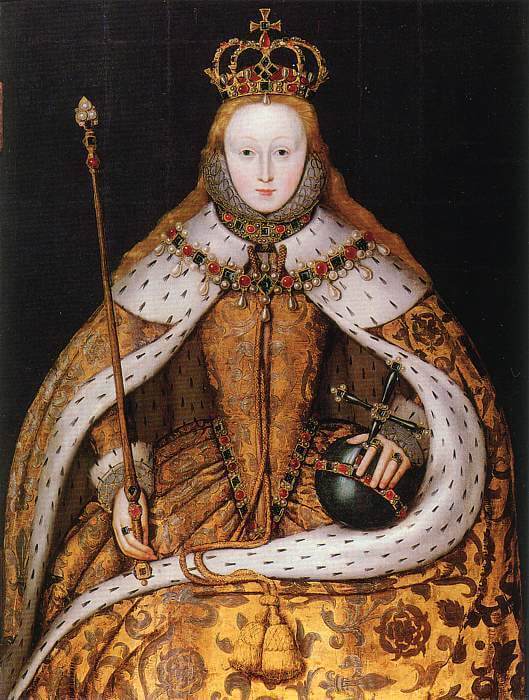
The name was borne by several saints and European royalty. Among the most notable bearers were, St. Elizabeth of Hungary, a 12th-century Hungarian princess who was known for her acts of kindness and charity toward the poor and Queen Elizabeth I of England, including the current reigning Queen, Elizabeth II.

The name Isabel/Isabella are relatives, but have becomes so far apart from its original source, that they often occur concurrently in many European countries with Elizabeth, hence is why I shall devote a different post to Isabel/Isabella, but I shall cite her several times in this article as a variation whenever needed.

I believe one of the reasons why Elizabeth has been a long time favorite, is because of her versatility. She can be shortened to a variety of different nicknames, especially in English. The most popular are: (I have cited the ones that have commonly been used as independent given name with a black club)

Bess, Bessie, Beth♣, Bets, Betsy, Bet, Bettie/Betty, Bezzy, Bit, Bitsy, Biz, Buffy, Elisa♣, Elise♣, Elle♣, Eliza♣, Ella♣, Ellie, Elsa♣, Elsie♣, Ibbie, Lib, Libby, Lilly, Lisa♣, Liz, Lizzie, Liza♣, Tetty, Tibby and Tizzy.

Other forms of the name include:

Latinate Forms
Forms found in Latinate/Romance languages

  • Sabela (Asturian)
  • Elisabèt, Lisabèt (Bearnais)
  • Elisabet (Catalan)
  • Babette (French: originally a diminutive form, used as independent given name, now considered extremely dated)
  • Élisabeth (French)
  • Élise (French)
  • Lise (French)
  • Lisette (French: originally a diminutive form but exclusively used as an independent given name)
  • Bettina (Italian)
  • Elisa (Italian/French/Portuguese: appears in Boccaccio’s Decameron as the name of one of the female story tellers).
  • Elisabella (Italian: obscure)
  • Elisabetta (Italian/Romansch)
  • Elisa (Italian/Sardinian/Spanish)
  • Elisanna/Elisena (Italian: obscure)
  • Elisetta (Italian)
  • Lelisa (Italian: obscure)
  • Lisa (Italian/Spanish)
  • Lisella (Italian: obscure)
  • Lisena (Italian: obscure)
  • Lisetta (Italian)
  • Lisina/Lisinda (Italian: obscure)
  • Lisanna (Italian)
  • Elisabetha (Late Latin)
  • Elizabetta (Liguru: a minor language spoken in Italy)
  • Elisabeta/Elisèu/Eliso (Occitanian)
  • Elisabete/Elisete/Elsa (Portuguese)
  • Babèu/Eisabèu/ Lisabèu (Provencal: Babeu is a diminutive)
  • Elisabeta (Romanian/Spanish)
  • Lisabetta (Romansch/Corsican)
  • Lisabbetta (Sicilian)
  • Isabel/Ysabel (Spanish/Aragonese/Catalan/Galician/Portuguese)

Germanic Forms
Forms used in Germanic languages

  • Elsabe (Afrikaans)
  • Liesel (Alsatian)
  • Elisabet (Danish/Faroese/Swedish/Norwegian)
  • Elsebeth (Danish)
  • Else (Danish)
  • Lise (Danish/German)
  • Lis (Danish/Norwegian/Swedish)
  • Lisbet (Danish/Norwegian/Swedish)
  • Lisbeth (Danish/German)
  • Els (Dutch: a diminutive form, occasionally used as an independent give name)
  • Elsa (Dutch/German/Swedish)
  • Liesbeth/Lijsbeth (Dutch)
  • Liesje (Dutch)
  • Eliza (English: originally a diminutive, exclusively used as an independent given name)
  • Elsba/Elsbet/Elsuba/Elusbet (Faroese)
  • Elspa (Faroese)
  • Lisabet/Lisbet (Faroese)
  • Elsebe/Elsche/Eske/Telsa (Frisian)
  • Bettina/Bettine (German: a borrowing from the Italian)
  • Elisa (German: a borrowing from Romance languages)
  • Elisabeth (German/Dutch)
  • Elise (German/Danish/Dutch/English/Norwegian: a borrowing from the French)
  • Elli (German: diminutive form, occasionally used as an independent given name)
  • Elsbeth (German/Swiss-German dialectical form)
  • Ilsa/Ilse (German/Dutch: initially a diminutive form, popularly bestowed as an independent given name, now considered dated. il-SEH)
  • Lies/Liesa/Liese (German/Dutch)
  • Liesel/Liesl (German: originally a diminutive form, used as an independent given name, now considered dated)
  • Lilli (German: originally a diminutive form, used as an independent given name due to its association with the flower)
  • Lisa/Lise (German/Dutch/English/Swedish/Danish/Norwegian)
  • Sabeth (German: obscure)
  • Aileisabaiþ (Gothic)
  • Elísabet (Icelandic)
  • Ellisif/Ellisiv (Norwegian)
  • Lieken, Lüke, Lücken (Plattdeutsch)
  • Bettan (Swedish: originally a diminutive form, occasionally used as an independent given name, but now considered dated)
  • Lisen (Swedish: originally a diminutive form, used as an independent given name)

German diminutive forms are Betti, Elis, Elli, Elschen, and Lieschen.

Slavic Forms
Forms used in Slavic speaking countries

  • Elisaveta Елисавета (Bulgarian)
  • Elizabeta (Croatian)
  • Alžběta (Czech: alzh-BYEH-tah)
  • Eliška (Czech: originally a diminutive form, used as an independent given. eh-LEESH-kah)
  • Elisabeti Елїсабеть (Old Church Slavonic)
  • Eliza (Polish: eh-LEE-zah)
  • Elżbieta (Polish: elsh-BYEH-tah)
  • Halszka (Polish: archaic. HAHLSH-kah)
  • Halżbieta (Polish: archaic. halsh-BYEH-tah)
  • Elizaveta/Yelizaveta Елизавета (Russian)
  • Jelisaveta (Serbian)
  • Alžbeta (Slovak)
  • Ažbeta (Slovene)
  • Betina (Slovene)
  • Elica (Slovene: originally a diminutive form, used as an independent given name. eh-LEET-sah)
  • Elisa/Elis (Slovene)
  • Elizabeta/Elizabet (Slovene)
  • Elza (Slovene)
  • Jelisava (Slovene)
  • Lizabeta (Slovene)
  • Špela (Slovene: originally a diminutive form, exclusively used as an independent given name. SHPEH-lah)
  • Hilža (Sorbian)
  • Lisaveta/Yelysaveta (Ukrainian)

Czech diminutive forms are Běta, Bětka, Bětuška, Betynka, Bětuše, Betyna, and Líza. Slovakian diminutives include: Beta, Betka, Betuška, Betinka, Betuša and Betina. Polish diminutive forms are Bieta, Ela (the most prevalent), Elka, Elunia and Elżunia. Slovene diminutives are: Beta, Beti, Betika, Ela, Eli, Elzi, Špelca, Špelica, Špelka, Jelica, Lili, and Lizika.

Baltic Forms
Forms used in the Baltic States

  • Eliisabet (Estonian)
  • Elts (Estonian)
  • Etti (Estonian)
  • Ilze (Estonian)
  • Liisa/Liisi/Liis (Estonian/Finnish)
  • Liisu (Estonian)
  • Eliisa (Finnish)
  • Elizabete (Latvian)
  • Līze/Lizina (Latvian)
  • Elžbieta (Lithuanian)
  • Eliissá/Liisá/Liissá (Saami)

Celtic Forms
Forms used in Celtic based languages

  • Elesbed (Breton)
  • Eilís (Irish: IE-leesh)
  • Ealisaid (Manx: ALE-is-sed)
  • Ealee (Manx)
  • Ealish (Manx)
  • Ealasaid (Scottish)
  • Elspeth (Scottish)
  • Bethan/Betsan (Welsh)

Other forms

  • Elizabeta (Albanian)
  • Ilizabith إليزابيث (Arabic)
  • Il-Shvai ܐܠܝܫܒܥ \ܐܠܝܫܒܚ (Aramaic)
  • Elsapet (Armenian)
  • Yeghisapet (Armenian)
  • Zabel (Armenian)
  • Elixabete/Elixabet/Elizabete (Basque: former are pronounced eh-LEE-sheh-BEH-tah and eh-LEE-shah-Bet)
  • Elixi (Basque: eh-LEE-shee)
  • Elisheba (Biblical Hebrew)
  • Eliso ელისო (Georgian)
  • Lizi (Georgian)
  • Elisavet Ελισαβετ(Greek: Modern)
  • Zeta (Greek: Modern)
  • Ilsipat (Greenlandic)
  • Elikapeka (Hawaiian)
  • Elisheva (Hebrew: see Hebrew script above)
  • Lizzamma (Hindi/Indian)
  • Erzsébet/Orzebet (Hungarian: ER-zhey-bet)
  • Aley/Aleyamma/Aleykutty (Malayalam)
  • Eli/Eliamma (Malayalam)
  • Elizabetta (Maltese)
  • Erihapeti (Maori)
  • Elizabet (Turkish)

Hungarian nicknames includes Bözsi, Erzsi (ER-zhee), and Zsóka (ZHO-kaw).

Medieval Forms
Forms no longer in usage from Medieval Europe

  • Ysabel/Ysabet (Catalan, Valencia, 16th-century)
  • Elisaued (Cornwall, England, 10th-century)
  • Elizabez (England, 13th-century)
  • Lylie/Lilion (England, 13th-century, possibly nicknames)
  • Elisota (England, 14th-century)
  • Elseby (Finland)
  • Isabelot (France, Paris, 13th-century)
  • Yzabé (France, Bordeaux, 15th-century)
  • Besina (14th-century Italy, Venice, possibly a diminutive form)
  • Isabetta (Italy, Florence 15th-century)
  • Bechte (Germany, 15th-century, most likely a diminutive form)
  • Beth (Germany, 15th-century, diminutive form)
  • Bettlin (Germany, 15th-century, probably a diminutive form)
  • Bytzel (Germany, 15th-century, diminutive form)
  • Els (Germany, 15th-century, diminutive form)
  • Elsslein (Germany, late 15th-century)
  • Elsslin (Germany, 15th-century, probably a diminutive form)
  • Eltzabet (Germany, late 15th-century)
  • Lyse (Germany, 15th-century, diminutive form)
  • Elsebeth (Germany, 15th-century)
  • Elzebeth (German, in Silesia, 14th-century)
  • Nele/Neleke (German, in Silesia, 14th-century, most likely than not, diminutive forms)
  • Elysant (Normandy, 1190)
  • Helisent (Normandy, 1221)
  • Isabellis (Normandy, 12th-century)
  • Ysabels/Yzabels/Yzabela (Occitan, Saint Flour, 14th-century)
  • Elitze (Sweden, 15th-century)
  • Elsika/Elsiko/Elzeke (Sweden, 15th-century)
  • Elsby/Elzeby (Sweden, 16th-century)
  • Aleseta (Switzerland, Sion, 14th-century)

Name-days are: November 17 and November 19.

Catherine/Katherine

Gender: Feminine
Origin: Debated
Meaning: Debated

Katherine and Catherine have to be one of the quintessential female classics of the Western World, according to the United States Social Security Administration’s popularity charts, Katherine has not fallen out of the top 100 for over a 100 years. She has remained a staple, bouncing the lowest to 105th position in 1938 and bouncing the highest to the 25th place in 1991. She currently ranks in as the 45th most popular female name in the United States (2008). Her elder English and French counterpart, Catherine, comes in slightly lower, but has remained fairly high in the American charts since 1880. Her highest position being at # 18 in 1914 and then again in 1917 and came in the lowest just this past year, ranking in at # 149.

In other countries, the rankings of Katherine are as follows:

# 78 (Canada-BC, 2008)
# 63 (Chile, 2006)

Her popularity in other incarnations are as follows: (divided alphabetically by cited country)

Katharina (# 8, Austria, 2008)
Catalina (# 3, Chile, 2006)
Kateřina (# 7, Czech Republic, 2008)
Katrin (# 6, Faroe Islands, 2008)
Aikaterini (# 3, Greece, 2004)
Katrín (# 4, Iceland, 2004-2007)
Katie (# 2, Ireland, 2008)
Kate (# 10, Ireland, 2008)
Karin (9th most popular female name among Palestinian Christians in Israel, 2004)
Katharina (# 5, Liechtenstein, 2008)
Katerina (# 10, Macedonia, 2006)
Katie (# 1, Northern Ireland, 2008)
Yekaterina (# 1, Russia-St. Petersburg, 2003)
Yekaterina (# 6, Russia-Moscow, 2007)
Katie (# 8, Scotland, 2008)
Katarina (# 7, Serbia, 2005)
Katarína (# 4, Slovakia, 2004)
Kaitlyn (# 10, United States-Combined Spellings, 2007)

As for the etymology of the name, it has always been popularly believed to mean “pure” but its history and origins are far more complicated and muddled. There are several theories as to its derivations and linguistic origins, the most popular are that it is either derived from the Greek  word, ΚαΘαροσ, (katharos), meaning, “pure”, or the Greek Εεκατερινε, (Hekaterine), a feminine form of the Greek, Hekáteros, meaning “each of the two; singly.” It has also been suggested that it is a form of the Greek goddess name, Hecate, which means “from a far”, or it is possibly from the Greek word, αικια (aikia) meaning, “torture; injurious treatment.” According to Behindthename, another theory suggests that it could be from a Coptic name meaning “my consecration of your name.”

The name was introduced into Western Europe after European Crusaders encountered the Christians of the Middle East, among them, the devotion of a popular 4th-century, Christian saint was discovered, St. Katherine of Alexandria. According to legend, the saint was spiked and tortured on a wheel after refusing to deny her Christian convictions and converting several members of the Alexandrian royal family to Christianity. Her cult was very popular among Christians in Syria, many centuries before her story even reached Europe. After its introduction, European Latin scholars assumed that the name was associated with the Greek Katharos meaning “pure.”

The name was first recorded in England in 1196. It was thereafter an extremely popular name in Christian Europe.

Catherine has several name-days, but the most popular, and the most widely celebrated during the Middle Ages, took place on November 25th. There is an old French celebration that took place on November 25th.  It was a day for unmarried women, twenty-five years and older, (labelled Catherinette’s in French). They would make caps, attend balls and crown the local St. Catherine of Alexandria statue with a custom hat. This was to ensure that the saint would provide the single ladies a partner by the end of the year. The term “capping st. Catherine” was used in reference to a single woman 25 years and up. This tradition died out somewhat, but remains a popular festivity among hat-makers and dress-makers even till today, particularly in the 2nd arrondisment of Paris. Any women who is single, working in the fashion industry, 25 years old and older, can attend a ball in a specially made hat, and go to the City Hall to present their creations for judging.

Though the term is a bit old fashioned, catherinette is a French word used to refer to a single women who is 25 years and older.

Other notable bearers, place and things include:

Catherine of Aragon

Catherina is the name of a crater on the moon, named for St. Catherine of Alexandria.

The Monastery of St. Catherine’s in Sinai Egypt, which is said to be the oldest Christian monastery and boasts one of the largest collections codices and manuscripts in the world.

St. Katherine Municipality lies in the North Sinai Governorate of Egypt, its city is St. Katherine’s.

Saint Catherine of Siena (1347-1380), a renowned Catholic saint, theologian, Doctor of the Church and tertiary of the Dominican order. She was known for her mystical experiences and her papal counseling.

St. Catherine of Bologna (1413-1463) another Italian saint, she is considered the patron saint of Bologna, artists and against temptations.

Catherine of Aragon (1485-1536) the first wife of Henry VII of England. Actually, Henry went on to marry two other Catherines, Catherine Howard and Catherine Parr.

St. Kateri Tekakwitha (1656-1680) was a Catholic Algonquin woman affectionately termed Lily of the Mohawks, she was also the daughter of a chief. At a young age she was ravished by the scars of small-pox and lived a life of devotion till she died at the age of 24.

Now to delve into her sundry variations.

Latinate Forms

Variations from various Romance based languages

  • Catèlena (Artapan)
  • Catin/Catineta/Catinon (Bearnais)
  • Caterina (Catalan/Italian/Spanish)
  • Catalina (Corsican/Gascon/Occitanian/Spanish)
  • Catherine (French)
  • Katia (Italian: a borrowing from the Russian but very popular in Italy)
  • Rina (Italian diminutive form, used as an independent given name)
  • Catharina (Late Latin)
  • Catarina (Portuguese/Occitanian/Galician/Romansch)
  • Cátia (Portuguese: originally a diminutive form or either a Portugeusized form of the Slavic Katya, particularly common in Brazil, where it was most likely introduced by Russian and Ukrainian immigrants)
  • Catarino (Provencal)
  • Ninoun (Provencal: originally a diminutive, now becoming more common as an independent given name)
  • Cătălina/Ecaterina (Romanian)
  • Catinca (Romanian: a romanianized form of the Russian diminutive, Katinka, used as an independent given name)
  • Catina (Romanian/Sicilian)
  • Catrina (Romanian)
  • Catrina/Chatrina (Romansch)
  • Caderina/Catellina (Sardinian)

Obscure French diminiutives are Catherinette, Trinette and Rinette.

Germanic Forms
Variation from various Germanic based languages

  • Caja (Danish)
  • Catharina/Cathrine/Katarina/Katherina (Danish/Norwegian/Swedish)
  • Karen (Danish)
  • Karin (Danish/Norwegian/Swedish)
  • Katharine (Danish)
  • Katrina/Katrine/Kathrina/Kathrin (Danish)
  • Trine (Danish)
  • Catharina (Dutch/Swedish)
  • Cato (Dutch)
  • Kaatje (Dutch)
  • Katelijne/Katelijn (Dutch)
  • Katrien (Dutch)
  • Katrijn (Dutch)
  • Nienke (Dutch)
  • Tineke (Dutch: originally a diminutive form, used as an independent given name)
  • Toos/Truus (Dutch: initially diminutive forms, used as independent given names)
  • Trijn/Trijntje (Dutch)
  • Kate/Katie (English: originally diminutive forms, now often used as independent given names in most English speaking countries)
  • Katherine/Karen (English)
  • Katarina/Katrin (Faroese/Danish)
  • Katrina (Faroese)
  • Kaja (Frisian)
  • Käthe/Caatje (Frisian)
  • Katryntje (Frisian)
  • Keetje (Frisian)
  • Nine/Nynke (Frisian)
  • Cathrin/Catrin/Kathrin (German)
  • Carin/Karin/Karina/Karine (German/Swedish/Norwegian/Danish)
  • Katarina/Katerine/Katharina (German)
  • Kathrein (German)
  • Katinka (German/Dutch: Germanized form of the Russian diminutive, Katenka)
  • Katja (German)
  • Trina (German)
  • Kaðlín (Icelandic: kahth-LEEN)
  • Karín (Icelandic)
  • Kata/Katarína/Katrín (Icelandic)
  • Kett (Lëtzebuergesch)
  • Kaia (Norwegian)
  • Kari (Norwegian)
  • Trina (Plauttdeutsch)
  • Cajsa/Kajsa (Swedish)
  • Katarina (Swedish)
  • Reina (Yiddish)

Obscure German diminutive forms are Käthchen and Trinchen. A Swiss German dialectical diminutive is Käti. English diminutive forms are Cat, Cathy, Kate, Kathy, Katie, Kay, Kiki, (also used in Sweden and Norway), Kit and Kitty.

Celtic Forms
Variations from various Celtic based languages

  • Katarin (Breton)
  • Katell/Kattelig (Breton: latter is pronounced kah-tel-LEEK)
  • Katik (Breton: kah-TEEK)
  • Katou (Breton: kah-TOO)
  • Cáit/Cáitín (Irish)
  • Catraoine/Caiterína (Irish)
  • Caitlín (Irish)
  • Caitria/Caitrín (Irish)
  • Caitríona (Irish)
  • Cathleen/Kathleen (Irish: anglicized form of Caitlin)
  • Catreena/Catreeney (Manx)
  • Catrìona (Scottish)
  • Cadi (Welsh)
  • Catrin (Welsh)

Slavic Forms
Variation used in Slavonic based languages

  • Kacjaryna (Belorusian: kahts-yah-REE-nah)
  • Ekaterina (Bulgarian/Macedonian/Russian)
  • Kateřina (Czech: kah-teh-ZHEE-nah)
  • Katarzyna (Polish: kah-tah-ZHIH-nah)
  • Jekaterina/Yekaterina (Russian)
  • Katarina (Serbo-Croatian/Slovenian)
  • Katarína (Slovakian)
  • Katica (Slovenian: originally a diminutive form, now used as an independent given name. kah-TEET-sah)
  • Katja (Slovenian: originally a diminutive form, now used as an independent given name. KAHT-yah)
  • Katherine/Kateryna (Ukrainian)

Russian Diminutives include: Katenka, Katiusha and Katya, Czech pet forms are,Káťa, Kačka, Káča, Kačí, Kačenka, Kača, Kačaba, Kačík, Kačuda, Kaťulka, Katerinka, Katica, Katja, Katka, Katla, Katuška and Rina. The most popular diminutive form in Poland is Kasia (KAH-shuh), but there is also Kachna, Kaśka, Kasienka and Kasiunia. Serbo-Croatian diminiutive forms are Kata, Kate (final E is pronounced), Katica, Katja, Katarincica and Rina. A Bulgarian diminutives is Katriška.Ukrainian diminutives are: Katrusya, Katya and Katerynka. Belorusian diminutive forms are Kasja and Katra.

Baltic Forms
Various forms used in the Baltic States

  • Kaarin (Estonian)
  • Kadi/Kadri/Kadrin (Estonian)
  • Kairi/Kari (Estonian)
  • Kaisa/Kaisu (Estonian/Finnish)
  • Katre/Katri/Katrin (Estonian)
  • Triina/Triin/Triinu (Estonian)
  • Kaija (Finnish)
  • Kata (Finnish)
  • Katariina (Finnish/Estonian)
  • Kati (Finnish)
  • Katja (Finnish)
  • Katri/Katriina (Finnish)
  • Riina (Finnish)
  • Jekaterina (Latvian)
  • Kate (Latvian: final E is pronounced)
  • Katrīna (Latvian)
  • Trine (Latvian: final E is pronounced)
  • Katerina/Katrina (Lithuanian)
  • Katrė (Lithuanian)
  • Katryna (Lithuanian)
  • Kotryna (Lithuanian)

Other Languages

  • Katarina/Katjusha/Katerina/Katha (Albanian)
  • Gadara/Gadarine/Kadara/Kadarine (Armenian)
  • Karine (Armenian)
  • Katalina (Basque)
  • Katalin (Basque/Hungarian)
  • Katarin (Basque)
  • Ekaterina (Georgian)
  • Kattak (Greenlandic)
  • Aikaterine/Aikaterini (Greek Modern)
  • Katerina (Greek Modern)
  • Katina (Greek Modern)
  • Kakalina/Kalena/Kalina (Hawaiian)
  • Kathani (Hindi/Arabic)
  • Katarina (Hungarian/Turkish)
  • Kasari (Japanese)
  • Katarina (Maltese)
  • Kataraina (Maori)
  • Kateri (Mohawk)
  • Gáddjá (Saami)
  • Gáhte (Saami)
  • Gáhteriinná/Káhtariinná (Saami)
  • Gáre/Káre (Saami)
  • Gáren (Saami)
  • Kasrin ܟܐܣܪܝܢ (Syriac/Assyrian)
  • Akaterina (Turkish)

Hungarian diminutive forms include Kata, Kati, Katica, Katinka, Kató, Katóka, Kitti and Koto.


Medieval Forms
Variations used in the Middle Ages and are most likely out of usage
  • Catelinòta (Bearnais)
  • Cathelinen (Dutch, 14th-century)
  • Verkateline (Dutch, 13th-14th centuries)
  • Catelina/Catelin/Catlin (English 12th-century)
  • Cattel/Cattle/Catin (English 12th-century)
  • Katelina/Kateline/Katelin/Katlin (English 12th-century)
  • Caterina/Katerina/Katerine (English 14th-century)
  • Kateryna/Kateryn (English 15th-century)
  • Catant (French, obscure medieval diminutive form)
  • Cateline/Catelot/Caterine (French in Paris, 13th-century, the final T on Catelot is silent).
  • Cathereau (French; obscure medieval form; KAH-teh-RO)
  • Kateline/Katerine (French, in Paris, 13th-century)
  • Ka(e)therlin/Ketlin/Keterlin/Ketterlin (German 15th-century)
  • Keth/Ketherlein (German 15th-century)
  • Katusch/Kethe/Keterlyn (German in Silesia, 13th-century)
  • Kaþareina (Gothic, extinct Germanic language)
  • Quataryna/Quatalina (Provencal, 16th-century)
  • Kaithren (Scottish, 15th-century)
  • Katrein (Scottish, 16th-17th-centuries)
  • Kadrin (Swedish 12th-century)
  • Karinae (Swedish 12th-15th centuries)
  • Katena (Swedish 14th-century)
  • Kättilö (Swedish 14th-century, though may also be a corruption of the Old Norse Katla)


There are a few masculine forms, the Italian Caterino, Catterino, Cattalino, Catinu (Sicilian dialectical form), and the Romanian Cătălin.