Christopher

Gender: Masculine
Origin: Greek
Meaning: “Christ-bearer.”
(KRIS-te-FER)

A popular male name throughout the Christian world, it is derived from the Greek Χριστόφορος, which is composed of the elements, χριστός (khristós), meaning, “anointed one” or in this case, just “Christ” and φέρειν (phérein), meaning, “to carry.”

The name caught on in the early Middle Ages after the legends of a Saint of the same name became a widespread cult, according to the legend, the name was borne by a giant who carried the Christ child across a river. He is considered the patron saint of travellers and is still revered as a popular saint in both the Eastern Churches and the Roman Catholic Church.

As of 2008, Christopher was the 9th most popular male name in the United States. Between 1979-1994, he was the 2nd most popular male name. The lowest he has ranked in U.S. naming history was in 1931, when he came in as the 360th most popular male name.

The name has always been quite common in Central and Northern Europe.

His rankings in other countries are as follows:

  • # 53 (Australia, 2007)
  • # 65 (Canada, B.C., 2008)
  • # 94 (England/Wales, 2008)
  • # 155 (Germany, 2009)
  • # 61 (Ireland, 2007)
  • # 18 (Poland, Warsaw, 2009)
  • # 52 (Scotland, 2008)
  • # 99 (Sweden, 2008)

Other forms include:

  • Kristofor (Albanian)
  • Krystafer كريستوفر (Arabic: used among Middle Eastern Christian)
  • Khrystafor Хрыстафор (Belarusian)
  • Kristof (Breton)
  • Khristofor/Hristofor Христофор (Bulgarian)
  • Cristòfol (Catalan)
  • Cristofanu (Corsican)
  • Kristofor (Croatian)
  • Kryštof (Czech)
  • Christoffer/Christopher/Kristoffer (Danish)
  • Christoffel/Christoforus (Dutch)
  • Christophe (Dutch/French)
  • Christof/Kristof (Estonian)
  • Tohver/Tohvri (Estonian)
  • Kristofer/Risto (Finnish)
  • Christoph/Christof (German)
  • Khristóphoros Χριστόφορος (Greek: Modern)
  • Kristóf/Krisztofer (Hungarian)
  • Kristófer (Icelandic)
  • Críostóir (Irish-Gaelic)
  • Cristofaro/Cristofero (Italian)
  • Cristofalo/Cristofolo (Italian)
  • Cristofano (Italian)
  • Cristoforo (Italian: most common form)
  • Christophorus (Latin)
  • Kristaps/Kristofs (Latvian)
  • Kristoforas/Kristupas (Lithuanian)
  • Christopher/Kristoffer (Norwegian)
  • Krzysztof (Polish)
  • Cristóvão (Portuguese)
  • Christof/Christofor (Romanian)
  • Khristofor Христофор (Russian/Serbian/Ukrainian)
  • Cristolu (Sardinian)
  • Kester (Scottish)
  • Krištof (Slovak/Slovene)
  • Kito (Sorbian)
  • Cristóbal (Spanish)
  • Christoffer/Kristoffer (Swedish)
  • Kristof (Turkish)
  • Krishtof Криштоф (Ukrainian)
  • Cristoforo (Venetian)

Common English diminutives are Chip, Chris, Christy, Kip, Kit and Topher.

German diminutives are Stoffel and Stoffi.

Polish diminutives are: Krzysiek, Krzysiu, Krzyś, Krzysio, Krzysiaczek, Krzych and Krzychu.

An Italian feminine form is Cristofora and an obscure French/German feminine form is Christophine. Another obscure feminine form is the Polish, Krzysztofa.

Notable bearers include: Christopher Columbus (1451-1506), three Danish Kings which include Christoffer of Bavaria, English playwright, Christopher Marlowe (1564-1593) and the fictional character, Christopher Robin, of Winnie-the-Pooh books.

Jasmine

Gender: Feminine
Origin: Persian
Meaning: unknown, name of a flower

Jasmine is derived from the Persian feminine name, Yasmin, which is the name of a type flower indigenous to the Middle East.

The name was always quite prevalent throughout the Middle East, but didn’t really catch on in the Western World till the late 70s and early 80s. In the early 90s, her popularity was fueled when Disney came out with the hit, animated movie, Aladdin, in which the lady love is named Jasmine.

In 1973, Jasmine entered the top 1000, coming in as the 861st most popular female name in the United States, for that year. In 1993, Jasmine skyrocketed to # 23, and as of 2008, she is the 43rd most popular female name.

Jasmine has been popular in other countries, her rankings are as follows:

  • # 3 (Argentina, 2009)
  • # 21 (Australia, 2007)
  • # 8 Yasmin (Brazil, 2009)
  • # 38 (Canada, B.C., 2008)
  • # 94 Jazmin (Chile, 2006)
  • # 35 (England/Wales, 2008)
  • # 32 Jasmin/Yasmin (Germany, 2009)
  • # 4 Jazmin (Hungary, 2008)
  • # 84 (Ireland, 2007)
  • # 9 Jasmine/Yasmine (Malta, 2007)
  • # 15 Jasmijn (the Netherlands, 2008)
  • # 445 Jasmine (the Netherlands, 2008)
  • # 5 (the Philippines, 2006)
  • # 59 Jasmine (Sweden, 2008)

Other forms of the name include:

  • Yasmeen يسمين (Arabic/Persian)
  • Yasmin (Arabic/German/Persian/Spanish)
  • Yasεmεn (Azeri)
  • Yaasaman/Yaasman (Baloch)
  • Jasmina (Bosnian/Croatian/Macedonian/Serbian/Slovene: diminutive form is Jasminka)
  • Jasmijn (Dutch)
  • Jasmine (English/French/Swedish)
  • Jessamine/Jessamy (English)
  • Jasmiina (Finnish)
  • Jasmin (Finnish/German)
  • Yasiman (Hindi)
  • Jázmin (Hungarian)
  • Jasmín (Icelandic)
  • Gelsomina (Italian)
  • Gelsa/Gelsina (Italian)
  • Jazmina (Lithuanian)
  • Yasmina (Persian)
  • Jaśmina (Polish)
  • Yasaman (Tajik)
  • Yasemin (Turkish)
  • Jazmín (Spanish)

There are a few masculine forms, which include, the Italian, GelsinoGelso and Gelsomino.

A Lithuanian masculine form is Jazminas.

Tatiana

Gender: Feminine
Origin: Latin
Meaning: unknown
Татьяна

A popular Russian female name, Tatiana is actually of ancient Latin origins. A feminine form of Tatianus, which is a variation of Tatius, it is of uncertain derivation or meaning and is believed to be of Sabine origins.

The name was borne by an early Christian martyr, a Roman woman, who was persecuted under Emperor Alexander Severus (C. 230). Her devotion became especially popular in the Eastern Orthodox Churches, hence is why the name is so common in Eastern Europe.

Her designated name-day is January 12, and in Russia, this is considered a national holiday for students, known under its religious name as Tatiana Day, and in secular circles as Russian Students Day.

In 1755, Russian Minster of Education, Ivan Shuvalov, designated his mother’s name-day as Tatiana Day, in honour of his mother. That same year, St. Tatiana was declared the patron saint of students.

The name is believed to have been further popularized through Alexander Pushkin’s 1825 novel, Eugene Onegin, in which the lady love of Onegin is named, Tatyana Larina, (affectionately known as Tanya).

The name was also borne by one of the last Russian Grand Duchesses, Tatyana Nikolaevna Romanov of Russia (1897-1918).

In the United States, Tatiana did not catch on as a first name til the 1980s, thanks in part due to a popular line of perfume that came out. Currently, Tatiana ranks in as the 328th most popular female name, (2008).

Tanya and Tanja are diminutive forms that caught on as independent given names in the rest of Europe.

In the English-speaking world, its usage caught on in the 1930s, especially in the United States, when the same decade saw a large influx of Ukrainian and Russian immigrants. She currently ranks in as the 841st most popular female name, (2008).

The highest she has ranked in U.S. naming history was in 1974, coming in as the 46th most popular female name.

The Tanja spelling became especially popular in Germany between the late 1970s and 80s, this rendition is also used in Serbia, Croatia, Finland and Slovenia.

In Brazil, there is Tânia, which in part, may have been introduced via Ukrainian and Russian immigrants during the turn of the century and again between the 1930s and 1970s.

Tania and Tatiana are also used in Spanish speaking countries.

Other forms of Tatiana include:

  • Taciana (Belorusian)
  • Tatyana Татяна (Bulgarian/Russian)
  • Tatjana Татјана (Croatian/Macedonian/Serbian/Slovene)
  • Taťána (Czech)
  • Taina (Finnish)
  • Tatienne (French)
  • Tania (Hungarian/Italian)
  • Tatjána (Hungarian)
  • Taziana (Italian)
  • Tatiana (Italian/Polish/Portuguese/Romanian/Slovak/Spanish)
  • Tacjana/Tacjanna (Polish)
  • Táňa (Slovakian)
  • Tijana (Slovene)
  • Tjaša (Slovene: originally a diminutive form, now used as an independent given name, it ranked in as the 15th most popular female name in Slovenia, (2005)
  • Tatiana Тетяна (Ukrainian)

Masculine forms are:

  • Tanio (Italian)
  • Tatiano (Italian)
  • Taziano (Italian)
  • Tazio (Italian)
  • Tatianus (Latin)
  • Tatius (Latin)
  • Tacjan (Polish)

In Russian, the name has a myriad of diminutive forms, these include: Tanchik, Tanchita, Tanchos, Tanic, Tano, Tanya, Tanyufka, Tanyurik, Tantanya, Tasha, Tasik, Tata, Tatyanida, Taya, Tosya, Toussia and Totoshka.

Nyyrikki

Gender: Masculine
Origin: Finnish
Meaning: unknown

The name is of ancient origins but its meaning seems to have been lost. In Finnish mythology, it is borne by the god of the hunt, the son of Tapio.

He appears in the Finnish national epic, the Kalevala.

The designated name-day is January 10.

The name is not very common in Finland.

William, Liam

Gender: Masculine
Origin: German
Meaning: “desire; helmet protection.”
(WIL-yem)

The name is of Norman origins and is derived from the Old Germanic elements wil meaning “desire” and helm, meaning “helmet; protection.”

In the early Middle Ages, the name was especially popular among Norman nobility and royalty. It was borne by an 8th-century saint, William of Gellone, a monk and cousin of Charlemagne.

The name was introduced into England in the 11th-century by William the Conqueror, and remained an extremely common name in England from thereon.

In the United States, William stands as the 8th most popular male name (2008), the lowest he has ever ranked in U.S. history was in 1992 and then again in 1995 when it came in as the 20th most popular male name.

At the turn of the last century, for 30 years in a row, William remained the 2nd most popular male name in the United States, (1880-1909).

His rankings in other countries is as follows:

# 2 (Australia, 2008)
# 16 (Canada, B.C., 2008)
# 10 (England/Wales, 2008)
# 83 (France, 2006)
# 44 (Ireland, 2007)
# 402 (the Netherlands, 2008)
# 5 (New Zealand, 2009)
# 19 (Norway, 2007)
# 46 (Scotland, 2008)
# 4 (Sweden, 2008)

Another popular up-and-coming form is Liam, which is an Irish contracted form of William. Currently, he stands as the 75th most popular male name in the United States (2008). His rankings in other countries are as follows:

# 17 (Australia, 2007)
# 48 (Belgium, 2006)
# 10 (Canada, B.C., 2008)
# 22 (England/Wales, 2008)
# 26 (Ireland, 2008)
# 82 (the Netherlands, 2008)
# 7 (New Zealand, 2009)
# 4 (Scotland, 2009)
# 13 (Sweden, 2007)

The name is borne by Irish actor, Liam Neeson.

Other cognates of William include:

  • Guildhelm (Afrikaans/Old Dutch)
  • Uilliam (Albanian)
  • Willelm (Anglo-Saxon)
  • Guillén (Aragonese)
  • Gwilherm (Breton)
  • Uiliam Уилиам (Bulgarian)
  • Guillem (Catalan)
  • Vilém (Czech)
  • Vilhelm (Danish)
  • Willem (Dutch)
  • Wim (Dutch)
  • William (English/Scandinavian)
  • Villem/Villu (Estonian)
  • Vilhelmi (Finnish)
  • Vilho (Finnish: contracted form)
  • Viljami (Finnish)
  • Ville (Finnish: contracted form)
  • Guillaume (French)
  • Jelle (Frisian: originally a diminutive form, used as an independent given name)
  • Pim (Frisian: originally a diminutive form, used as an independent given name)
  • Wilke/Wilko (Frisian)
  • Guillerme (Galician)
  • Wilhelm (German/Polish)
  • Gouliélmos Γουλιέλμος (Greek: Modern)
  • Vilmos (Hungarian)
  • Vilhjálmur (Icelandic)
  • Uilleag (Irish-Gaelic)
  • Uilliam (Irish-Gaelic)
  • Ulick (Irish: anglicization of Uilleag)
  • Guglielmo (Italian: most common offshoot)
  • Lemo (Italian: contracted form)
  • Velmo/Velmino (Italian: obscure)
  • Villelmo (Italian: obscure)
  • Villermo (Italian: obscure)
  • Vilio (Italian: obscure)
  • Guilielmus (Latin)
  • Viljams (Latvian)
  • Vilis (Latvian)
  • Wöllem/Wullem/Wum (Limburgish)
  • Vilhelmas (Lithuanian)
  • Vilius/Viliumas (Lithuanian)
  • Wellëm (Luxembourgish)
  • Illiam (Manx)
  • Wiremu (Maori)
  • Gllâome (Norman)
  • Guilhem (Occitanian)
  • Willahelm (Old German)
  • Vilhjálmr (Old Norse)
  • Willken/Wilm/Willm (Plattdeutsch)
  • Guilherme (Portuguese)
  • Zelmino/Zelmo (Romanesque)
  • Vilhelm (Romanian/Scandinavian)
  • Wellem (Ripoarisch)
  • Vilgelm Вильгельм (Russian/Ukrainian)
  • Vėljams (Samogaitian)
  • Uilleam (Scottish-Gaelic)
  • Gugghiermu (Sicilian)
  • Vilim Вилим (Serbian)
  • Viliam (Slovak)
  • Viljem (Slovene)
  • Guillermo (Spanish)
  • Gelmo/Gilmo (Venetian)
  • Gwil (Welsh)
  • Gwilim/Gwilym (Welsh)
  • Velvel װֶעלװֶעל (Yiddish: also the Yiddish word for wolf but commonly used as a diminutive form of Wilhelm)

Notable bearers include: Swiss national folk hero, William Tell (14th-century), Scottish national hero, William Wallace (13th-century).

It was also borne dramatist, William Shakespeare (1564-1616), poet William Blake (1757-1827), dramatist, William Butler Yeats (1865-1939), author William Faulkner (1897-1962), including the current Crown Prince of England, Prince William of Wales (b.1982), and it has also been borne by several U.S. presidents.

Common English diminutives England: Bill, Billy, Will, Willy and Wills/Wils.

Italian diminutives include: Gelmino, Ielmo, Memmo (Tuscan dialectical form), Memo and Lemmo.

Feminine offshoots include Willa, Wilhelmina, Wilma, Mina and Minnie.

Wilhelmina is a German/Dutch form that was briefly used in the United States in the early part of the 20th-century but is in rare use today, in fact, she does not appear in the U.S. top 1000. It is, however, currently the 297th most popular female name in the Netherlands (2008)

Wilhelmina was borne by several Danish princesses, and was extremely common in German and Dutch royalty.

Its contracted English form of Willa, seems like it should be an up-and-comer, but currently does not rank in the U.S. top 1000.

The name was borne by famous American author, Willa Cather (1873-1947) née Wilella, another feminine form of William which should be noted.

Minnie was quite fashionable as a stand alone name at the turn of the 20th-century. In 1880, she was the 5th most popular female name in the United States. She was out of the top 1000 by 1971.

The name is usually associated with the Disney Character and girlfriend of Mickey Mouse, Minnie Mouse, hence is probably why she fell out of usage.

Wilma is another form that has not been in the U.S. top 1000 for quite some time, introduced into the 19th-century by German and Scandinavian immigrants, Wilma is currently very trendy in both Norway and Sweden. More so in Sweden, it is currently the 9th most popular female name (2008).

An early English feminine form that might be appealing to the surname lovers was Wilmot, which appears as early as the 16th-century. It may have been an anglicization of an early French feminine name, Wilmette.

Other feminine forms are:

  • Wilma/Vilma (Czech/English/German/Portuguese/Scandinavian/Slovak/Spanish)
  • Elma (Dutch/German/Slovene: contracted form)
  • Willemina (Dutch)
  • Willemijn (Dutch)
  • Mina (English/German: contraction of Wilhelmina)
  • Minnie (English/German)
  • Velma (English/German)
  • Wilella (English)
  • Willa (English)
  • Willia (English)
  • Wilmot (English)
  • Wilhelmina (English/German/Dutch/Polish)
  • Helmi (Finnish: also means “pearl” see Helmi)
  • Miina (Finnish: contraction of Wilhelmina)
  • Minna (Finnish/German)
  • Vilhelmiina (Finnish)
  • Guillaumette/Guillaumine (French)
  • Guilette (French)
  • Minette (French)
  • Wilhelmine (French/German/Dutch)
  • Wilmette (French)
  • Jeltje/Jeltsje (Frisian: contractions of Wilhelmina)
  • Helma (German: contraction of Wilhelmina)
  • Helmine (German: contraction of Wilhelmina)
  • Vilhelma (Hungarian)
  • Vilhelmina (Hungarian/Scandinavian)
  • Azelma (Italian)
  • Gilma (Italian)
  • Guglielma/Guglielmina (Italian: diminutive forms are Mema and Memma)
  • Velma/Velmina (Italian)
  • Villelma/Vilelma/Villelmina/Villermina (Italian)
  • Vilia/Villa (Italian)
  • Zelma/Zelmina (Italian)
  • Mien (Limburgish: originally a short form of Wilhelmina, now used as an independent given name)
  • Guilhermina (Portuguese)
  • Wilja (Scandinavian)
  • Willamina (Scottish)
  • Guilla/Guillerma/Guillermina (Spanish)
  • Ilma (Spanish: contraction of Guillierma)
  • Gelma/Gelmina (Ventian)
  • Velvela (Yiddish)

A Finnish/Scandinavian diminutive is Mimmi.

A Czech and Polish diminutive is Minka and a popular English diminutive was Billie.

Designated name-days are: January 10 (France/Lithuania/Poland), April 6 (Finland/Hungary/Poland), May 26 (Finland/Lithuania/Poland/Sweden), May 28 (Germany/Latvia/Poland/Slovakia), June 8-24-25 (Hungary/Lithuania/Poland), July 5 (Poland), September 2 (Poland), September 19 (Hungary/Lithuania), October 25 (Poland).

Sarah, Sara

Gender: Feminine
Origin: Hebrew
Meaning: “princess.”
Eng (SARE-ah); Heb (SAH-hrah)

Sarah has been a popular choice throughout the English speaking world since the Protestant Reformation. In Medieval Europe, the name seldom got much usage outside the Jewish community.

Currently, Sarah is the 20th most popular female name in the United States-(2008) and the highest she peaked was in 1993 coming in as the 3rd most popular female name.

The lowest she has ever ranked in U.S. history so far was in 1959 when she ranked in as the 119th most popular female name.

In other countries, Sarah and Sara’s rankings are as follows:

  • # 16 (Australia, 2007)
  • # 2 (Austria, 2008)
  • # 6 (Belgium, 2008)
  • # 13 (Canada, B.C., 2008)
  • # 72 (England/Wales, 2008)
  • # 3 (Croatia, 2008)
  • # 9 (Denmark, 2008)
  • # 2 (Faroe Islands, 2008)
  • # 3 (Finland, among Finnish-speakers, 2007)
  • # 10 (Finland, among Swedish-speakers, 2007)
  • # 1 (Iceland, 2004-2007)
  • # 3 (Iran, 2007)
  • # 3 (Ireland, 2008)
  • # 4 (Israel, among Druze girls, 2004)
  • # 4 (Italy, 2007)
  • # 3 (Libya)
  • # 1 (Liechtenstein,2008)
  • # 7 (Luxembourg, 2008)
  • # 34 (the Netherlands, 2008)
  • # 3 (Norway, 2008)
  • # 76 (Poland, Warsaw, 2009)
  • # 24 (Scotland, 2008)
  • # 5 (Serbia, 2009)
  • # 2 (Slovenia, 2008)
  • # 4 (Spain, 2008)
  • # 7 (Spain, Basque Country, 2008)
  • # 9 (Spain, Catalonia, 2008)
  • # 3 (Switzerland, 2008)
  • # 9 (Quebec, Canada, 2008)

The name is found in the Old Testament as the name of the wife of patriarch, Abraham, and the mother of Isaac. Among Jews, Sarah is considered to be an important matriarch and she also plays an important role as the wife of Ibrahim in the Qu’ran.

According to the Old Testament, Sarah was born as Sarai, (either from the Hebrew meaning “contentious” or “my princess”), but after Abraham had made the covenant with God, her name was changed to Sarah שָׂרָה, which is from the Hebrew meaning “a princess” or “a woman of high status”.

In Romani legend, the name is borne by a popular folk saint, known as St. Sarah the Black, it was believed that she was a a servant of St. Mary Magdalen, and that upon their arrival in France, she lived the life a of a beggar. The Romani people took her on as their patron saint.

The name has spun off such offshoots as Sally and Sadie. Both Sally and Sadie started off as English pet forms, but have been in usage as independent given names for centuries.

Currently, Sadie stands in as the 108th most popular female name in the United States, (2008), in Canada, she is the 56th most popular female name.

As for the older, dowdier version of Sally, it has not ranked in the U.S. top 1000 since 2004, when it came in at # 917. The highest she ranked in U.S. naming history was in 1939, when she came in as the 52nd most popular female name.

Other forms of the Sarah include:

  • Sara سارة (Arabic)
  • Sahra/Saro (Aramaic)
  • SaraAzeri/Catalan/Dutch/Finnish/French/German/Indonesian/Italian/Latvian/Lithuanian/Polish/Portuguese/Spanish/Scandinavian Turkish)
  • Sára (Czech/Faroese/Icelandic/Slovak: SAH-rah)
  • Saara (Estonian/Finnish/Baloch)
  • Saare (Estonian)
  • Saija (Finnish)
  • Sari (Finnish)
  • Saar/Saarke/Saartje (Frisian)
  • Sarah שָׂרָ֖ה (German/English/Hebrew)
  • Sára Σάρα (Greek)
  • Saala/Saalat (Greenlandic)
  • Kala (Hawaiian)
  • Sarit שָׂרִית (Hebrew: modern form)
  • Sára (Hungarian: SHAH-rah)
  • Sári/Sárika (Hungarian: SHAH-ree, SHAH-ree-ko: originally diminutive forms, now used as independent given name)
  • Saretta (Italian: obscure form)
  • Sarina (Italian: obscure form)
  • Sarita (Italian/Lithuanian/Spanish: obscure diminutive form, now used as an independent given name)
  • Saruccia (Italian: Medieval diminutive form occasionally used as an independent given name)
  • Sasotta (Italian: obscure form)
  • Sarina (Ossetian/Georgian)
  • Sara  سارا(Persian/Iranian)
  • Sara Сара (Russian/Serbian/Bulgarian)
  • Sarê (Kurdish)
  • Suri (Yiddish)
  • Tzeitel (Yiddish: TSITE-el)

The designated name-days are: January 19 (Poland/Hungary), July 19 (Sweden), October 4/22 (France), October 9 (Czech Republic).

Famous Sarahs include: French Stage Actress, Sarah Bernhardt (1844-1923), Sarah Ferguson, Duchess of York (b.1959), American actress, Sarah Michelle Gellar (b.1977), American nominee for Vice-President and former governor of Alaska, Sarah Palin (b.1964). American actress and star of Sex and the City Sarah Jessica Parker (b.1965).

Anthony, Antonia

Origin: Latin
Meaning: unknown

The masculine English name, Anthony, is currently the 7th most popular male name in the United States.

The name is derived from a Roman family name, Antonius, which is of speculated origins, it is suspected to be of Etruscan heritage and it was borne by Marcus Antonius, (Marc Antony), who ruled the Roman Empire jointly with Caesar Augustus during the 1st-century B.C.E. His romance with Cleopatra is retold in Shakespeare’s tragedy, Antony and Cleopatra (1606).

The name was popularized in the Christian world due to the cult of St. Anthony the Great, an Egyptian hermit from the 3rd-century C.E. He is mostly noted for his establishment of Christian monasticism, another famous saint is Anthony of Padua, a 13th-century saint, who is known as the patron saint of Portugal and of lost items.

Originally, Antony was the more common form used in the English speaking world, and still is, to a certain extent, in the United Kingdom. The original English pronunciation was AN-tuh-nee, but AN-thuh-nee can also be heard in certain areas of the United States, particularly in the Midwest.

The lowest that Anthony has ranked in United States naming history was in 1885 when he came in as the 105th most popular male name.

His ranking in other countries is as follows:

  • # 48 (Australia, 2007)
  • # 33 Antoine (Belgium, 2006)
  • # 55 (Canada, B.C., 2008)
  • # 16 Antoine (France, 2006)
  • # 70 (France, 2006)
  • # 74 Antonin (France, 2006)
  • # 71 (Ireland, 2007)
  • # 312 (the Netherlands, 2008)
  • # 22 (Spain, 2006)

Its continental form of Anton, has always been a popular choice throughout Northern and Central Europe, in the United States, he is currently the 832nd most popular male name-2008, the highest he ever ranked in U.S. naming history was in 1885 coming in as the 175th most popular male name.

In other countries, his rankings are as follows:

  • # 4 (Finland, among Swedish-speakers, 2007)
  • # 11 (Sweden, 2007)

The feminine form of Antonia, currently does not rank in the U.S. top 1000, she is currently the 5th most popular female name in Chile-2008.

In the Netherlands, its diminutive form of Teun is currently the 36th most popular male name (2008).

Other forms of Anthony include:

  • Antón (Aragonese)
  • Antoniu (Asturian/Romanian/Sicilian)
  • Andoni (Basque)
  • Antolin (Basque)
  • Antton (Basque)
  • Anteng (Bavarian)
  • Dane (Bavarian: not to be confused with the English name Dane, this is pronounced: DAH-neh)
  • Anton Антон ანტონ(Breton/Bulgarian/Dutch/Estonian/Georgian/German/Maltese/Romanian/Russian/Scandinavian/Slovene/Ukrainian)
  • Antoun (Breton)
  • Andon Андон (Bulgarian/Albanian)
  • Antonij Антоний (Bulgarian)
  • Antoni (Catalan/Polish/Romansch: in Catalan, Tonet is the diminutive form. In Polish, the pet form is Antek)
  • Antone (Corsican: Antó is the diminutive form)
  • Ante/Anto (Croatian)
  • Antun (Croatian)
  • Antonín (Czech)
  • Anthonie/Antonie (Dutch)
  • Antheunis/Anthonis (Dutch)
  • Antonius (Dutch/Latin)
  • Antoon (Dutch)
  • Teun (Dutch: originally a diminutive form, now used as an independent given name).
  • Teunis/Theunis (Dutch: originally a diminutive form, now used exclusively as an independent given name)
  • Ton (Dutch/Limburgish)
  • Anteneh (Est0nian)
  • Tõnis (Estonian: originally a diminutive form, also used as an independent given name)
  • Anttoni (Finnish)
  • Antoine (French)
  • Antonin (French/Romansch)
  • Tinus (Frisian)
  • Antain/Antaine/Antoin/Antóin (Gaelic-Irish)
  • Antônios Αντώνιος/Antónis Αντώνης (Greek: modern)
  • Akoni/Anakoni (Hawaiian)
  • Antal (Hungarian)
  • Antoníus (Icelandic)
  • Totono (Indonesian)
  • Antonello (Italian)
  • Antonetto/Antonietto (Italian: obscure archaic diminutive form that was used as an independent given name)
  • Antoniano (Italian)
  • Antonico (Italian)
  • Antonillo (Italian)
  • Antonino (Italian: Nino is the common diminutive form)
  • Antoniuccio/Antonuccio (Italian: archaic form)
  • Antoniusso (Italian: archaic form)
  • Antuono (Italian: archaic, possibly a corruption of the French Antoine)
  • Antoninus (Latin)
  • Antons (Latvian)
  • Tun/Tunnes (Lexumburgish)
  • Antanas (Lithuanian: more common form)
  • Antonijus (Lithuanian)
  • Tonìn (Neopolitan)
  • Tonik (Norwegian: obscure form)
  • Titoan/Titouan (Occitanian/Provençal)
  • Tönnies, Tüns (Plattdeutsch)
  • Antoniusz (Polish: obscure form)
  • António (Portuguese: European)
  • Antônio (Portuguese: Brazilian)
  • Tonnies/Tünnes (Ripoarisch)
  • Antieni (Romansch)
  • Antòni (Sardinian/Occitanian: diminutive form is Tottoi)
  • Antonije Антоније (Serbian)
  • ‘Ntonio (Sicilian)
  • Antonio (Spanish/Italian: Toño and Tonito are the Spanish diminutive forms)
  • Done (Swabian)
  • Antümi (Turkish)
  • Antonij Антоній (Ukrainian)

Various feminine forms include:

  • Antònia (Catalan)
  • Antonieta (Catalan)
  • Antonija Антонија (Croatian/Serbian/Slovene)
  • Antonína (Czech/Slovak)
  • Antonie (Czech: ahn-TONE-yeh)
  • Antonia (Dutch/Italian/Polish/Romansch/Slovene/Spanish)
  • Tonneke (Dutch)
  • Antonie (French)
  • Antonine/Tonine (French: Tonine was originally a diminutive form and is now occasionally used as an independent given name)
  • Antoinette (French/Dutch)
  • Toinette (French: originally a diminutive form, now used as an independent given name)
  • Toinon (French: originally a diminutive form, occasionally used as a diminutive form)
  • Antía (Galician)
  • Antonella (Italian)
  • Antonetta/Antonietta (Italian)
  • Antonica (Italian)
  • Antonilla (Italian)
  • Antonina Антонина (Italian/Polish/Russian: Tosia is the Polish diminutive form and Nina is the Italian diminutive form)
  • Antonita (Italian/Spanish: originally a pet form, now used as an independent given name)
  • Titoana/Titouane (Occitanian/Gascon/Provençal)
  • Antónia (Portuguese/Bearnais/Hungarian/Slovak)
  • Tonia (Romansch)
  • Tonka (Slovene: originally a diminutive form, used as an independent given name)

A common English diminutive form for both the masculine and the feminine is Tony, in French, common diminutive forms are Toine, Toinou and Togne, for males.

Italian feminine diminutive forms are: Tonia, Tonina, Tona, NinaNinetta and Ninuccia. Italian masculine diminutives are: Tonio, Tonello, Tonino, Tonuccio, Nino, Ninuccio, Totò, Toni and Tony.

Italian combined forms are Antonmaria, Antoniomaria and Antonangelo.

Alexander, Alexandra

Origin: Greek
Meaning: “defender of man.”

The name is composed of the Greek elements, ἀλέξω (alexos), meaning “to defend; to help” and the genitive Greek noun, ἀνδρός (andros) “belonging to man.” Hence, the name would roughly translate as “defender of man” or “helper of man.”

The name is extremely ancient, and possibly, even pre-Hellenistic, the oldest record of the name dates back to the Mycenean period, where the feminine form of Alexandra, is found written in Linear B.

In Greek mythology, Alexander was another name used for the hero, Paris and Alexandra was used as an epithet for the goddess, Hera.

The name is also found several times in the Bible and the most famous bearer in history has to possibly be attributed to Alexander the Great, a 4th-century Greek emperor who expanded his empire as far away as Asia, spreading his fame and his name.

Later the name was borne by several saints and kings throughout Europe, including Tsar Alexander I of Russia.

Currently, Alexander is the 6th most popular male name for boys in the United States, (2008), the lowest that Alexander ever ranked in U.S. naming history was in 1959, coming in at # 233.

In other countries, his rankings are as follows:

  • # 19 (Australia, 2008)
  • # 8 (Austria, 2008)
  • # 37 (Belgium, 2006)
  • # 3 (Bulgaria, 2008)
  • # 14 (Canada, B.C., 2008)
  • # 44 (Chile, 2006)
  • # 19 (England/Wales, 2008)
  • # 1 (Estonia, 2007)
  • # 9 (Finland, among Finnish-speakers)
  • # 99 (Hungary, 2008)
  • # 5 (Iceland, 2004-2007)
  • # 5 (Isle of Man, 2008)
  • # 2  Alessandro (Italy, 2007)
  • # 4 Alecsander/Alessandro (Liechtenstein, 2008)
  • # 1 Aleksander (Macedonia, 2006)
  • # 5  Alejandro (Mexico, 2008)
  • # 97 (the Netherlands, 2008)
  • # 10 (Norway, 2008)
  • # 14 Aleksander (Poland, Warsaw, 2009)
  • # 2 Alexandru (Romania, 2008)
  • # 1  (Russia, Moscow, 2007)
  • # 11 (Scotland, 2008)
  • # 2 Alejandro (Spain, 2008)
  • # 2 Àlex (Spain, Catalonia, 2008)
  • # 6 (Sweden, 2008)
  • # 1 Alessandro (Switzerland, among Italian-speakers, 2008)

Other forms of Alexander include:

  • Aleksandër/Sandër/Skënder (Albanian: Aleko, Aleks, Leka, Lekë, Leksi and Leks are diminutive forms)
  • Eskender (Amharic/Ethiopian)
  • Iskander الاسكندر / اسكندر (Arabic)
  • Alixandre (Aragonese)
  • Aleksandr/Alexandr Ալեքսանդր (Armenian)
  • Aleksan/Alexan Ալեքսան (Armenian)
  • Aleq/Alik Ալեք/ Ալիկ (Armenian: originally diminutive forms, now used as independent given names)
  • Alexandru (Asturian/Romanian)
  • İsgəndər (Azeri)
  • Alakshendra/Alekzandar (Bangali)
  • Iskandar/Skandar (Bangali)
  • Iskәndәr Искәндәр (Bashkir)
  • Alesander (Basque)
  • Aliaksandr Аляксандp (Belarusian: Aleś Алeсь is usually the diminutive form)
  • Alaksander Аляксандаp (Belarusian: Tarashkevitsa spelling)
  • Aleksandar (Bosnian/Croatian: Saša is the diminutive form)
  • Aleksandar Александър (Bulgarian: Sasho Сашо and Aleks Aлекс are the diminutives)
  • Alexandre/Àlex/Xandre (Catalan/Galician)
  • Lisandru (Corsican/Lombard)
  • Alexandr (Czech)
  • Alexander (Czech/Dutch/English/Estonian/German/Icelandic/Norwegian/Swedish)
  • Alexander/Aleksander (Danish)
  • Xander (English)
  • Sander (Dutch/Estonian/Norwegian: contracted form)
  • Aleksander (Estonian)
  • Alejandru (Extrumaduran: a dialect of Spanish)
  • Aleksandur (Faroese)
  • Aleksanteri (Finnish)
  • Santeri/Santtu (Finnish: contracted forms)
  • Alexandre (French)
  • Aleksander (Frisian)
  • Alexandré/Aleksandre ალექსანდრე (Georgian)
  • Aleko ალეკო/Lexo ლექსო (Georgian: contracted forms)
  • Aléxandros Αλέξανδρος (Greek: Modern)
  • Alakshendra अलक्षेन्द्र (Hindi)
  • Sándor (Hungarian)
  • Iskandar (Indonesian/Malay)
  • Alasandar/Alastar/Alsander (Irish-Gaelic)
  • Alessandro (Italian: Ale is a diminutive form)
  • Alessandrino (Italian: obscure)
  • Sandro (Italian: a diminutive form now used exclusively as an independent given name)
  • Sandrino (Italian: originally a diminutive form, used as an independent given name, obscure)
  • Askander/Eskander/Îskenderê (Kurdish)
  • İskender Искендер (Kyrgyz)
  • Aleksandrs (Latvian)
  • Alexandrus (Latin)
  • Aleksandras (Lithuanian)
  • Lisandor (Lombard)
  • Aleksandar Александар (Macedonian: Alek Алек, Atse Аце, Atso Ацо and Sasho Сашо are diminutive forms)
  • Chandy ചാണ്ടി (Malayalam)
  • Lixandru (Maltese)
  • Alxandre (Mirandese: a dialect of Portuguese)
  • Aleksandr/Alexandr Алєѯандръ (Old Church Slavonic)
  • Sikandar سکندر (Persian)
  • Aleksander (Polish: more common form, diminutives include, Alek, Aleks and Olek.)
  • Oleksander (Polish: archaic form)
  • Alexandre (Portuguese)
  • Alexandro (Portuguese: obscure)
  • Alesch (Romansch)
  • Alexi (Romansch)
  • Aleksandr Александр (Russian: diminutive forms include: Alik Алик, Sasha Саша, Sashka Сашка, Sashok Сашок, Sashkin Сашкин, Shura Шура, Shurik Шурик and Sanyok Санёк )
  • Alasdair/Alastair/Alistair/Alisdair/Aldair (Scotch-Gaelic)
  • Aleksandar Александар (Serbian: Aca Аца, Aleks Алекс, Sale Сале, and Saša Саша are diminutives)
  • Alessandru (Sardinian)
  • Alissandru (Sicilian)
  • Lisciànniru/Lisciànnuru/Lisciànnaru (Sicilian)
  • Aleksander (Slovene: Aleks, Sandi and Sašo are the diminutives)
  • Alejandro (Spanish: Alejo, Alex, Jano and Jandro are the diminutive forms)
  • Aleksandar (Tamil)
  • İskender (Turkish)
  • Olexandr/Oleksandr Олександр (Ukrainian: Oles Олесь and Sashko Сашко are the diminutives)
  • Iskandar (Uzbek)
  • Alecsander (Welsh)
  • Sender/Senderl סענדער (Yiddish)

As for its feminine form, it has also been borne by several monarchs and saints throughout history. Currently, she is the 61st most popular female name in the United States, the highest she ranked was at # 26 in 1995-1996, the lowest she ever ranked was in 1936 coming in as the 991st most popular female name. Her rankings in other countries is as follows:

  • # 74 (Australia, 2007)
  • # 5 (Bulgaria, 2008)
  • # 53 (Canada, B.C., 2008)
  • # 45 (Chile, 2006)
  • # 90 (England/Wales, 2008)
  • # 21 (Hungary, 2008)
  • # 67 (Ireland, 2007)
  • # 7 (Macedonia, 2006)
  • # 397 (the Netherlands, 2008)
  • # 99 (Norway, 2007)
  • # 8 Aleksandra (Poland, 2oo8)
  • # 4 (Romania, 2008)
  • # 77 (Sweden, 2007)

Alexandra has also spun off Sandra, which is currently the 7th most popular female name in Estonia, and ranks in as the # 441st most popular female name in the United States.

In the United States, the highest she peaked was in 1947, coming in as the 5th most popular female name. Sandy is the preferred pet form.

In other countries, her rankings are as follows:

  • # 58 (Norway, 2008)
  • # 30 (Spain, 2006)

Its more elaborated version of Alexandria, currently ranks in as the 189th most popular female name in the United States (2008).

Other forms of Alexandra include:

  • Aleksandra Александра (Bulgarian/Croatian/Estonian/Polish/Russian/Serbian/Slovene)
  • Aleksandrina Александрина (Bulgarian/Russian)
  • Alexandra (Catalan/Czech/Dutch/English/French/German/Greek/Hungarian/Portuguese/Romanian/Scandinavian/Slovak)
  • Alexandrine (Danish/French/German)
  • Sandra (Dutch/English/Finnish/German/Italian/Latvian/Lithuanian/Portuguese/Scandinavian/Slovene)
  • Xandra (Dutch)
  • Alexandria (English/German)
  • Alexandrina (English: the first name of Queen Victoria)
  • Sandrine (French)
  • Szandra (Hungarian)
  • Alessandra (Italian)
  • Alessandrina (Italian)
  • Sandrina (Italian/Spanish)
  • Lisandra (Maltese)
  • Alexandreina (Romanian)
  • Sanda (Romanian/Croatian)
  • Alastríona/Alastrina (Scotch-Gaelic)
  • Alissandra (Sicilian)
  • Alejandra (Spanish)
  • Oleksandra Олександра (Romanian)

Common English diminutive forms for both genders are Alex, Lex, and Sandy. For males, Ander, Andy and Xander, for females, Alexa, Lexa, Lexie, Sandra and Xandra.

The designated name-days for Alexander are: February 27 (Slovakia), November 19 (Russia) and December 12 (Sweden).

The designated name-days for Alexandra are: April 21st (Czech Republic), May 6/31 (Russia), May 18 (Hungary), June 23 (Russia), August 30 (Greece), Janury 2nd (Slovakia) and February 17 (Sweden)

A Hungarian male diminutive is Sanyi.

Polish diminutives are: Ola, Olka and Olusia.

In Russian, common unisexual diminutives, are Sasha and Shura. Popular feminine diminutives are: Lesya Леся,

A Romanian male diminutive form is Sandu.

An obscure Scottish male diminutive is Sawney.

Joshua

Gender: Masculine
Origin: Hebrew
Meaning: “Yahweh is salvation.”
Eng (JOSH-e-wuh)

The name is borne in the Old Testament by an apprentice and companion of Moses, also known as one of the twelve spies of Israel sent out by Moses to the land of Canaan. After the death of Moses, he was appointed chief of the Israelites.

According to the Bible, Joshua was born as Hoshea, and was the son of Nun of the tribe of Ephraim, and Moses changed his name to Joshua, (Numbers 13:16).

The name is derived from the Hebrew, יְהוֹשֻׁעַ‎ (Yehoshua), which is composed of the Hebrew roots, ישע meaning, “salvation” “to deliver” or “to be victorious.”

The name of Jesus is an anglicization of the Hebrew Yehoshua, being a translation of the Biblical Greek, ιησου (Iesou/Jesus).

In the English speaking world, before the Reformation, Joshua was seldom used outside Jewish communities. Currently, Joshua is the 4th most popular male name in the United States, (2008), the lowest he ever ranked in U.S. naming history was in 1929, coming in as the 726th most popular male name.

His rankings in other countries are as follows:

  • # 4 (Australia, 2008)
  • # 8 (Canada, B.C., 2008)
  • # 5 (England/Wales, 2008)
  • # 29 (Ireland, 2007)
  • # 1 (Isle of Man, 2008)
  • # 93 (the Netherlands, 2008)
  • # 4 (New Zealand, 2009)
  • # 1 (Philippines, 2006)
  • # 21 (Scotland, 2008)

Other forms of the name include:

  • Yushua يوشع (Arabic)
  • Yuşə (Azeri)
  • Josu (Basque)
  • Josuè (Catalan)
  • Jošua (Croatian)
  • Jozue (Czech/Slovak)
  • Josva (Danish/Norwegian)
  • Jozua (Dutch)
  • Joosua (Finnish)
  • Josue (French/Spanish)
  • Xosué (Galician)
  • Jehoschua (German)
  • Josua (German/Swedish)
  • Iokua (Hawaiian)
  • Józsua (Hungarian)
  • Yusha (Indonesian)
  • Gesuè (Italian: obscure as its too close to Gesù, the Italian form of Jesus)
  • Gesuele (Italian)
  • Giosuè (Italian: more common form)
  • Giosuele (Italian)
  • Jozuė (Lithuanian)
  • Jozue/Jeszua (Polish)
  • Josué (Portuguese)
  • Iosua (Romanian)

Feminine forms include:

  • Josune (Basque)
  • Gesuela/Gesuella (Italian: jase-oo-AY-lah)

Josh is the common English diminutive form and Chucho, Chus and Chuy are the Spanish diminutives.

Emily, Emil

Gender: Feminine
Origin: Latin
Meaning: “rival.”
(EM-ih-LEE)

The name is an anglicization of the Roman gens name Aemilius which was derived from the Latin aemulus meaning, “rival.”

Contrary to popular belief, Emily is not related to the Germanic, Amalia/Amelia, which is most likely derived from the Germanic element, amal, meaning “to work.”

Emily is just the English feminine form of the Germanic, Emil.

It is believed that Emily was introduced into the English speaking world in the 18th-century, after the German Hanover line had inherited the British throne, but evidence shows that Emily had been in usage in England since at least Norman times and that it may have been introduced through the Normans in 1066.

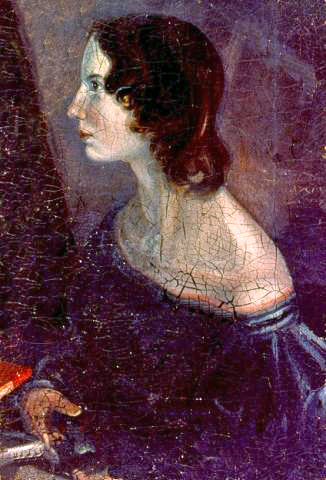
The name was borne by famous American poet, Emily Dickenson (1830-1886) and by English novelist and poet, Emily Brontë (1818-1848).

In modern history, Emily has been extremely popular in the English speaking world for at least a decade. She is currently the 3rd most popular female name in the United States-2008, and was # 1 in 2007, but was overthrown by the similar sounding Emma.

The lowest that Emily has ranked in U.S. history was in 1962, coming in as the 274th most popular female name.

In other countries, her rankings are as follows:

  • # 5 (Australia, 2008)
  • # 3 (Canada, B.C., 2008)
  • # 72 (Chile, 2006)
  • # 3 (England/Wales, 2008)
  • # 7 (Germany, 2009)
  • # 4  (Ireland, 2008)
  • # 3 (Isle of Man, 2008)
  • # 8 (Luxembourg, 2008)
  • # 137 (the Netherlands, 2008)
  • # 6 (New Zealand, 2009)
  • # 6 (Northern Ireland, 2009)
  • # 4 (Scotland, 2009)

Its more Latinate counterpart of Emilia is as follows:

  • # 6 (Faroe Islands, 2008)
  • # 9 (Finland, among Finnish-speakers, 2007)
  • # 2 (Finland, among Swedish-speakers, 2007)
  • # 3 (Iceland, 2004-2007)
  • # 5 (Liechtenstein, 2008)
  • # 401 (United States, 2008)

Its masculine counterpart has never been widely used in the English speaking world, but has been a long time favorite in Northern Europe.

The last time Emil was seen in the U.S. top 1000 was in 1984, coming in at # 967.

The highest that Emil ever ranked in U.S. naming history was at # 90, back in 1881, the same year that the United States saw a huge influx of Scandinavian immigrants.

Currently, Emil is the 5th most popular male name in Norway (2007) and the 9th most popular in Sweden (2007).

Other forms of Emily are:

  • Emiliya Емилия (Bulgarian)
  • Emílie (Czech: eh-MEEL-yeh)
  • Emilý (Faroese)
  • Émilie (French: ay-mee-LEE. 24th most popular female name in Belgium-2006; 41st most popular in France-2006; 292nd most popular in the Netherlands-2008.)
  • Émilienne (French)
  • Eimíle (Gaelic-Irish)
  • Emelie (German/Swedish: 48th most popular female name in Sweden; EM-eh-LEE)
  • Emilie (German/Danish/Dutch/Norwegian/Swedish: EM-ih-LEE)
  • Emele (Hawaiian)
  • Emilía (Icelandic)
  • Emilia (Italian/Dutch/Estonian/Faroese/Finnish/Polish/Romanian/Scandinavian/Spanish: 16th most popular in Chile-2006; 97th most popular in England/Wales-2008; 18th most popular in Sweden-2007).
  • Emiliana (Italian/Portuguese/Romanian/Spanish)
  • Emilietta/Milietta (Italian: obscure diminutive form that were used as independent given names)
  • Aemilia (Latin: ay-MEE-lyah)
  • Aemiliana (Latin)
  • Emīlija (Latvian)
  • Emilija (Lithuanian/Serbian/Croatian/Slovene)
  • Emília (Portuguese/Hungarian/Slovak: 83rd most popular female name in Hungary-2008)
  • Emilja (Slovene)
  • Emilijana (Slovene)
  • Emila (Spanish: obscure, Emilia is more common)

Masculine forms include:

  • Emilli (Basque)
  • Emilion (Breton)
  • Milig (Breton)
  • Emil Емил (Bulgarian/Serbian)
  • Emili (Catalan)
  • Emiel (Dutch)
  • Eemil (Estoanian/Finnish)
  • Eemeli (Finnish)
  • Émile (French)
  • Émilien (French)
  • Amil (German)
  • Emil (German/Croatian/Czech/Faroese/Hungarian/Icelandic/Norwegian/Polish/Slovene/Swedish)
  • Emilián (Hungarian)
  • Emiliano (Italian/Spanish)
  • Emilietto (Italian: obscure diminutive form that was used as an independent given name)
  • Emilio (Italian/Portuguese/Spanish)
  • Miliano (Italian: obscure contracted form)
  • Aemilianus (Latin)
  • Aemilius (Latin/Dutch)
  • Aimil (Manx/Scottish)
  • Emilian (Romanian)
  • Emilij (Russian)
  • Jemilijan (Russian)
  • Emilijan (Serbo-Croatian/Slovene)
  • Ymil/Yjmil (Silisian: a dialect of Polish)
  • Emilijano (Slovene)
  • Emilij (Slovene)
  • Emilijo (Slovene)

The name-days for Emily/Emilia are:  May 19 (Finland); May 23 (Poland); June 24/30 (Poland); July 19 (Hungary); August 19 (Poland); November 14 (Sweden); November 24 (Poland/Slovakia).

The name-days for Emil are: January 31st (Slovakia); May 22 (Czech Republic/Poland); May 28 (Hungary); July 18 (Bulgaria); August 5/8 (Poland); August 8 (Bulgaria); October 6/11 (Poland).

The masculine and feminine forms are borne by several saints and Emilia is the name of at least three Shakespearean characters.

Common English diminutives are Em, Emmie and Millie. A Spanish diminutive is Emilita. A Slavic diminutive is Emilka; in Polish it is sometimes Milcia.