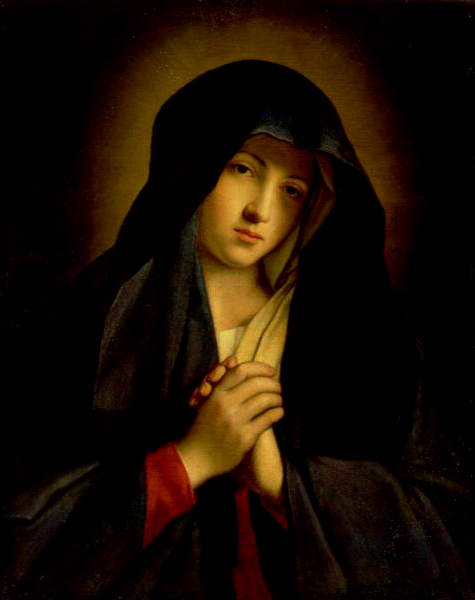
Agatha

Gender: Feminine
Origin: Greek
Meaning: “good.”
Eng (AG-uh-thuh)

The name is derived from the Greek, αγαθος (agathos), meaning, “good.”

The name was borne by an early Christian martyr, St. Agatha of Sicily, who, according to legend, refused the advances of a suitor and was renounced as a Christian. Before being beheaded, she was tortured by having her breasts tinctured off. Due to this she has been considered the patron saint against breast cancer and other breast diseases. Her feast day and the designated name-day is February 5.

The name was popular in Medieval England but fell out of usage after the Protestant Reformation. It was revived in the 19th century, one famous modern bearer being English mystery writer, Agatha Christie (1890-1976).

Currently, the name does not appear in the U.S. top 1000, the last time she was seen was in 1945, coming in as the 917th most popular female name.

She remains a staple in other countries, particularly in Poland and France.

Other forms of the name include:

  • Agate (Basque)
  • Àgueda/Àgata (Catalan)
  • Agata Агата (Croatian/Icelandic/Italian/Latin/Norwegian/Polish/Romanian/Russian/Serbian/Slovene/Swedish)
  • Agáta (Czech/Hungarian/Slovak)
  • Agate/Agathe (Danish/German/Latvian/Norwegian: ah-GAH-te)
  • Agatha (Dutch/English/German)
  • Aet (Estonian)
  • Agaate (Estonian)
  • Ita/Iti (Estonian)
  • Akaata (Finnish)
  • Agathe (French: ah-GAHT)
  • Ádega (Galician)
  • Agathê/Agathi ἀγαθή (Greek: Modern)
  • Ágota (Hungarian)
  • Agra (Latvian: this one has a completely different etymology, but has also been traditionally used as a form of Agatha).
  • Agota (Lithuanian)
  • Ågot (Norwegian)
  • Aita (Romansch/Estonian)
  • Agafia Агафья (Russian)
  • Gaèa (Serbian)
  • Àita (Sicilian)
  • Agatija (Slovene)
  • Gadea (Spanish: archaic)
  • Águeda (Spanish/Portuguese)
  • Agda (Swedish)
  • Ahafiya (Ukrainian)

An English short form is Aggie.

Croatian diminutives are: Agica, Jaga and Jagica.

A Czech pet form is Hota.

Polish short forms are: Aga, Agatka and Agusia.

Russian diminutives are: Agasha, Gafiya, Ganya, Gasha and Gashka.

A Hungarian short form is Ági.

A male Greek form is Agathon Αγαθων.

Agate is also the name of a precious stone.

Veronica, Berenice, Bernice

Gender: Feminine
Origin: Greek
Meaning: “true image; bringer of victory.”
Eng (veh-RON-ik-uh); Eng (bare-eh-NIE-see); Eng (ber-NEES)

Veronica and Berenice have a very long history of usage.

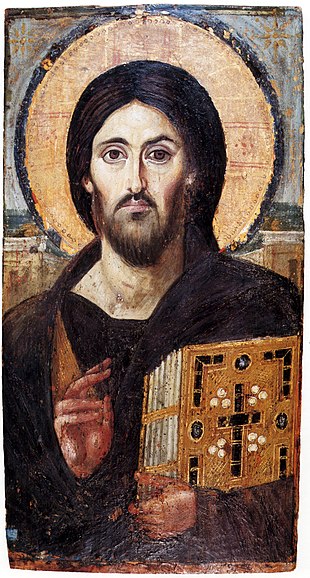
In the ancient world, Berenice was a Greek royal name, possibly derived from the Greek elements, φερω (phero), meaning, “to bring” and νικη (nike), meaning “victory.” However, other sources contend that Veronica is a completely different name of a different etymology, being composed of the Latin phrase, vera icon, meaning, “true image.” This meaning is most likely in reference to the legend of St.Veronica, who in Catholic and Orthodox tradition was a lady who wiped Christ’s face with her veil. According to the legend, Christ’s face miraculously imprinted itself on her veil.

Berenice also appears in the New Testament, but seems to have been a common female name in the ancient Greek world. It was borne by several Greek and Macedonian royal princesses.

Veronica was occasionally used in Medieval England, but went out of usage, even before the Protestant Reformation. It remained common on the Continent.

Veronica became prevalent in 2oth-century America due to the sudden influx Catholic European immigrants. Currently, Veronica is the 216th most popular female name in the United States, (2008). She experienced a short surge of popularity between the 1970s and 80s, the highest she ranked was at # 68.

Berenice/Bernice were introduced into the English speaking world during the Protestant Reformation. Currently, Berenice does not appear in the U.S. top 1000, the last time she was seen was in 2003, coming in as the 855th most popular female name. However, in 1921, Bernice was the 39th most popular female name in the United States. Bernice fell out of the top 1000 in 1985.

Other forms of Veronica include:

  • Veronika Вероника (Croatian/Czech/German/Hungarian/Latvian/Lithuanian/Norwegian/Russian/Serbian/Slovak/Slovene/Swedish)
  • Veronica (Danish/English/Finnish/Italian/Romanian)
  • Véronique (French)
  • Weronika (Polish)
  • Weronikia (Polish: obscure)
  • Verônica (Portuguese)
  • Feruna (Slovene: obscure)
  • Verónica (Spanish)

An Italian masculine form is Veronico.

Russian diminutives include: Veronichka, Vera, Verona, Ronya, Ronyusha, Verunya, Verusha, Vicky, Nick, Nikasha, and Nikusha.

Slovene diminutives include: Nika, Roni, Ronja, Ronka, Verona, Veroni, Veronica, Veronka and Veruša.

Common English short forms are: Nicki, Ronnie and Vera.

Other Berenice forms include:

  • Vernika (Czech)
  • Berenika (Czech/Polish/Slovene)
  • Berenice (English/Italian: be-reh-NEE-che)
  • Bernice (English)
  • Berenike Βερενικη (Greek)
  • Bernike Βερνικη (Greek)
  • Pherenike Φερενικη (Greek: ancient Attic Greek)
  • Bereniké (Hungarian)
  • Verenika (Russian)

In English, Bunny is used as a pet form of Bernice.

The designated name-day is February 4.

Christian

Gender: Masculine
Origin: Latin
Meaning: “anointed one; Christian.”

Christian is derived from the Latin, Christianus, which literally means, “anointed one” but in actuality was used to describe one of the Christian faith.

In the English speaking world, the name has been in usage since the Middle Ages, but has been consistently popular in the Germanic countries, most probably due to a few Danish kings who bore the name.

It was also the second name of Danish children’s author, Hans Christian Anderson (1805-1875).

Originally, in English, Christian was occasionally used as an anglicized feminine form of the Latin name, Christiana. Christian fell out of usage as a female name and resurged as a masculine English name around the 17th-century.

As of 2008, Christian stood as the 23rd most popular male name in the United States. His rankings in other countries are as follows:

  • # 45 (Australia, 2008)
  • # 5 (Bulgaria, 2008)
  • # 100 (Canada, B.C., 2008)
  • # 93 (Chile, 2006)
  • # 44 (Czech Republic, 2009)
  • # 15 (Denmark, 2009)
  • # 4 (Faroe Islands, 2008)
  • # 5 (Estonia, 2007)
  • # 89 (Germany, 2009)
  • # 29 (Hungary, 2008)
  • # 9 (Iceland, 2004-2007)
  • # 88 (Ireland, 2008)
  • # 196 (the Netherlands, 2008)
  • # 49 (Norway, 2009)

Other forms of the name include:

  • Christiaan (Afrikaans/Dutch)
  • Kristian (Albanian/Danish/Estonian/Norwegian/Swedish)
  • Kristo (Albanian)
  • Christo (Bulgarian)
  • Kristijan Кристијан (Croatian/Serbian)
  • Kristián (Czech/Slovak)
  • Carsten/Karsten/Kerstan/Kersten (Danish/Dutch/Frisian/Norwegian)
  • Christian (Danish/Dutch/English/French/German/Norwegian/Swedish)
  • Kresten (Danish)
  • Kristen (Danish/Norwegian/Swedish)
  • Kristjan (Danish)
  • Chrétien (French: archaic form)
  • Coerst (Frisian)
  • Críosdaidh (Gaelic)
  • Chrístos Χρίστος (Greek: modern)
  • Keresztély (Hungarian)
  • Keresztes (Hungarian)
  • Krisztián (Hungarian)
  • Kristján (Icelandic)
  • Cristiano (Italian/Portuguese)
  • Christianus (Latin)
  • Krišjānis (Latvian)
  • Chriet (Limburgish)
  • Kristijonas/Krizas/Krišcius (Lithuanian)
  • Creestee (Manx)
  • Crestian (Occitanian)
  • Krystian/Chrystian (Polish)
  • Krystyn (Polish: obscure)
  • Crétin (Provençal)
  • Cristian (Romanian/Italian/Galician)
  • Kristjan (Slovene)
  • Cristián (Spanish)
  • Christer/Krister (Swedish)

Swiss German diminutive forms are: Chrigel, Hitsch, Chrigi and Chrigu.

Bavarian diminutives are: Chris, Chrissi and Chrischan.

A Romanian diminutive is Cristi.

Christina and Christine are usually the default feminine forms.

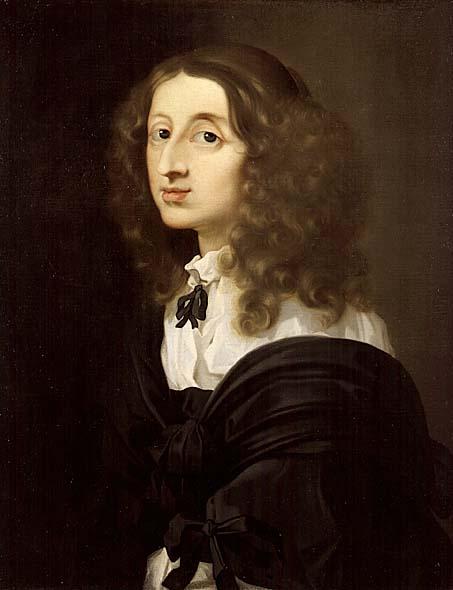
Christina and Christine have been in usage on the continent since at least the Middle Ages. Their popularity may be due to an early Christian saint and martyr of Syria. However, one of its most notable bearers was Queen Christina of Sweden.

Currently, Christina stands as the 20oth most popular female name in the United States, (2008). The highest she has ranked was in 1985, coming in as the 12th most popular female name. Its French counterpart of Christine, currently comes in as the 589th most popular female name, (2008), but at one time stood as the 14th most popular female name between 1967 and 1970.

Her popularity in other countries are as follows:

  • 9 (Czech Republic, 2009)
  • # 127 (Germany, 2009)
  • # 50 (Hungary, 2008)

Her Scandinavian forms of Kristin and Kirsten have been prevalent in the United States since the 1980s. Currently, Kirsten stood as the 567th most popular female name, (2008), while Kristin came in as the 883rd most popular female name, (2008), but once came in as the 31st most popular female name, back in 1981.

Other feminine forms include:

  • Kristina Кристина (Arabic/Bulgarian/Croatian/Czech/German/Lithuanian/Russian/Scandinavian/Serbian/Slovene
  • Crestina (Aragonese)
  • Kistiñe (Basque)
  • Christel (Bavarian: initially a diminutive form, but now used as an independent given name)
  • Hristina Христина (Bulgarian)
  • Cristina (Catalan/Corsican/Galician/Italian/Portuguese/Romanian/Spanish)
  • Kristýna (Czech)
  • Christa (Danish/English/German)
  • Kirstine (Danish)
  • Stina (Danish/Norwegian/Swedish)
  • Stine (Danish/Norwegian)
  • Tine (Danish/Norwegian)
  • Tineke (Dutch)
  • Stien (Dutch/Limburgish)
  • Christiana (English/Latin)
  • Tina (English/German/Italian/Scandinavian)
  • Kristiina (Estonian/Finnish)
  • Kirsi (Finnish)
  • Kirsti (Finnish)
  • Stiina (Finnish)
  • Tiina (Finnish)
  • Christelle (French)
  • Chrétienne (French: archaic)
  • Christiane (French/German)
  • Christine (French)
  • Christin/Kristin (German/Scandinavian)
  • Krista (German/Swedish)
  • Christína Χριστίνα (Greek)
  • Kilikina (Hawaiian)
  • Kriszta (Hungarian)
  • Krisztiána (Hungarian)
  • Krisztina (Hungarian)
  • Kristín (Icelandic)
  • Kristjana (Icelandic)
  • Cristiana (Italian/Portuguese)
  • Kristiana (Latvian)
  • Krystiana (Polish)
  • Krystyna (Polish)
  • Kjerstin (Norwegian)
  • Kjersti (Norwegian)
  • Cristìna (Sardinian)
  • Cairistìona (Scottish)
  • Kirsteen (Scottish)
  • Kirstie (Scottish)
  • Kirstin (Scottish)
  • Kristína (Slovak)
  • Kerstin (Swedish)
  • Crystin (Welsh)

English and German diminutives are: Chris, Christy, Chrissy and Tina.

French diminutives are: Chris, Chrisette and Titine.

A common Italian and Spanish compound form is Maria Cristina.

Designated name-days are: July 24 (Greece), November 12 (France), December 25 (Greece).

Aamu

Gender: Feminine
Origin: Finnish
Meaning: “morning.”
(AH-moo)

The name comes directly from the Finnish word for “morning.”

It first entered the Finnish Calendar in 1929. Apparently, it has occasionally been used on males, but is considered feminine. Earliest recorded use of this name in Finland is 1899.

An obscure variation is Aamukoi (morning dawn).

Its designated name-day in Finland is February 2nd.

Possible translations

  • Amou (French)

Calques (the below are feminine)

  • Akinyi (Luo)
  • Auring (Filipino)
  • Chen (Chinese, unisex)
  • Doha, Duha (Arabic)
  • Goizane (Basque)
  • Liwen (Mapuche)
  • Rīta (Latvian)
  • Rytė (Lithuanian)
  • Sabah (Arabic)
  • Zariza (Arabic)
  • Vihaana (Sanskrit)

Masculine

  • Manlius (Latin)
  • Prabhat (Sanskrit)
  • Rīts (Latvian)
  • Rytas (Lithuanian)
  • Vihaan (Sanskrit)

Sources

Bridget

Gender: Feminine
Origin: Celtic
Meaning: debated
(BRID-jet)

Bridget is an anglicization of the Irish Gaelic Brighid, which is of somewhat debated meaning. One theory is that it is derived from the Gaelic brígh, meaning, “power, strength, vigor, virtue.”

Another theory put out by Gods and Fighting Men (1904), translated by Lady Augusta Gregory, is that it is from the Gaelic breo-saighit meaning, “fiery arrow.”

Other sources have suggested it to mean “exalted one.”

In Celtic mythology, this was the name of an extremely important and powerful goddess.

According to the medieval Irish anthology, Lebor Gabála Érenn, Bridget was a goddess of poetry and was the daughter of Dagda. She was also associated with fire, wisdom and anything with an elevated status, whether it be a high mountain top, or someone of high social status.

The name was also borne by an early Irish saint, whose story and legend often melds with that of the ancient goddess. St. Bridget of Kildare was believed to have been a nun and one of the first converts under St. Patrick.

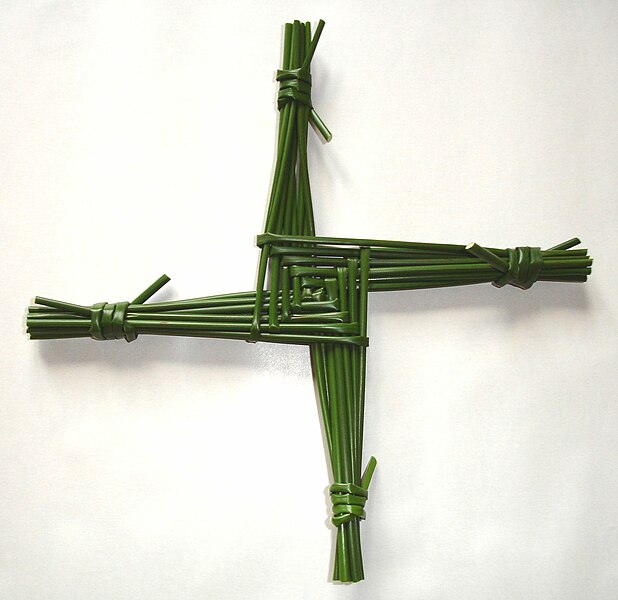
The St. Bridget’s Cross is often attributed to her, according to legend, she came upon a dying non- Christian man, in an effort to convert him to the new religion, she made a cross from the reeds that were beside him. That is all that is known of the origins of the St. Bridget’s Cross, but traditionally, a new one is made each year, on the feast of St. Bridget, (Feb. 1) while the old one is burned.
The feast of St. Bridget, which in some calenders falls on the 1st or 2nd of February,was originally one of the major festivals of the Celtic calender, known as Imbolc, it marked the first days of spring.

The name Bridget spread outside the Celtic world to the Germanic countries, it was popularized in Scandinavia by St. Bridget of Sweden, a Swedish noblewoman, mystic and founder of the Bridgettine order of nuns. She was also the mother of St. Katherine of Vadstena.

Between the 18th and 19th-centuries, when Irish immigrants first settled in the United States, the name was so common among the Irish, that Bridget or its diminutive form of Biddy became a slang term for any Irish woman.

Currently, Bridget 394th most popular female name in the United States, 2008. Its cognate of Brigitta is currently the 88th most popular female name in Hungary, (2008).

Other forms of the name include:

  • Brigit (Asturian/Scottish)
  • Birkide/Birxita (Basque: beer-KEE-de, beer-SHEE-tah)
  • Brec’hed (Breton: modern)
  • Brigantis (Breton: ancient)
  • Brigita Бригита (Bulgarian/Croatian/Czech/Latvian/Lithuanian/Romanian/Slovak/Slovene)
  • Brígida (Catalan/Portuguese/Spanish)
  • Brigantia (Celtic)
  • Berit (Danish/Norwegian: BEH-reet)
  • Birgit (Danish/Norwegian/Swedish: BEER-geet)
  • Birgitta (Danish/Dutch/Estonian/Finnish/German/Icelandic/Lithuanian: beer-GEET-tah)
  • Birgitte (Danish/German: beer-GEET-te)
  • Birte/Birthe (Danish/Norwegian: BEER-te)
  • Gitte (Danish: originally a diminutive form, used as an independent given name: GEET-te)
  • Bridget (English/German)
  • Pirjo (Finnish: PEER-yo)
  • Pirkko (Finnish” PEERK-ko)
  • Piritta (Finnish: PEE-reet-tah)
  • Priitta (Finnish: PREET-tah)
  • Brigitte (French: bree-ZHEET)
  • Bríxida (Galician: BREE-shee-dah)
  • Berecyntia (Gaulic)
  • Brigindo/Brigandu (Gaulic)
  • Birgid (German: BEER-geet)
  • Brida (German: obscure)
  • Brigida (German/Sardinian: bree-GEE-dah)
  • Brigitta (German/Hungarian)
  • Bríd (Irish-Gaelic: BREED)
  • Brídín (Irish-Gaelic: brid-EEN)
  • Brighid/Brigid (Irish-Gaelic)
  • Bedelia (Irish)
  • Bride (Irish: BRIDE or BREED)
  • Brigidine (Irish)
  • Brigida (Italian: BREEJ-ee-dah)
  • Brigidina (Italian: obscure)
  • Briej (Limburgish)
  • Brede (Manx)
  • Breesha (Manx)
  • Breeshey (Manx)
  • Breda (Norwegian: BREH-dah)
  • Brita/Britta/Brit/Britt (Norwegian/Swedish: BREE-tah, BRIT-tah, BRITT)
  • Bryda (Polish)
  • Brygida (Polish: brih-GEE-dah)
  • Braida/Brida (Romansch)
  • Brìghde/Brìde (Scots-Gaelic)
  • Gittan (Swedish: originally a diminutive form, used as an independent given name: GEET-tahn)
  • Ffraid (Welsh: FRAID)

A Swiss German diminutive form is Brigittli. German short forms are: Biggi, Briggi, Gitte, Gitti and Gittl.

Irish and English diminutives are: Biddy, Bride, Bree, Brie, Bridie and Bridge.

Alice, Allison

Gender: Feminine
Origin: debated
Meaning: debated
Eng (AL-is)

The name is of debated origin and meaning, and is usually narrowed down to two possible origins and meanings, one, the most popular theory, is that it is a French Norman form of Alaïs, which is an old French form of the Germanic, Adalheid, meaning, “noble; high.” Other sources like to link the name with a Greek source, meaning, “truth”, however, though this is a popular etymology, I was never able to confirm it.

Alice was quite popular in Medieval Europe, as were her offshoots: Alicia, Alix and Alison.

In 1880, Alice was the 8th most popular female name in the United States, today, Alice stands at a meagre # 326, being replaced by her more modern sounding counterparts: Alicia and Allison.

Allison is the 32nd most popular female name in the United States, (2008).

Contrary to popular belief, Allison/Alison is a very old feminine given name, which can be traced all the way back to the Normans. Its was originally a diminutive form of Aalis, (the Norman form of Alice), and was introduced into England during the 11th-century. Allison/Alison disappeared at the end of the Middle Ages, and was revived in the 20th-century. She first appeared in the U.S. top 1000 in 1946, coming in as the 903rd most popular female name.

Another very current version is Alicia, which is actually fading in popularity. As of 2008, she was the # 178th most popular female name in the United States, but back in 1983, she was the 41st most popular female name.

The Alice is form is not just relegated to English-speaking countries. Her usage is found in France, pronounced, (ah-LEES), in Italy as (ah-LEE-che), in the Czech Republic as (ah-LEET-seh). She is also used in German-speaking countries, Portuguese-speaking countries and in Scandinavia. Her current rankings are as follows:

  • # 99 (Australia, 2008)
  • # 58 (Belgium, 2006)
  • # 46 (England/Wales, 2008)
  • # 358 (Germany, 2009)
  • # 85 (Ireland, 2008)
  • # 10 (Italy, 2006)
  • # 488 (the Netherlands, 2008)
  • # 1 (Sweden, 2009)

Her Latinate counterpart of Alicia is also very transcultural, her rankings are as follows:

  • # 97 (Australia, 2008)
  • # 62 (Belgium, 2006)
  • # 95 (England/Wales, 2008)
  • # 94 (Germany, 2009)
  • # 110 (the Netherlands, 2008)
  • # 17 Alicja (Poland, 2008)
  • # 90 (Scotland, 2008)
  • # 43 (Spain, 2008)
  • # 29 (Sweden, 2009)

Other forms of the name include:

  • Alizia (Aragonese)
  • Licia (Asturian)
  • Alike (Basque)
  • Alícia (Catalan/Spanish: ah-LEE-thee-ah Spanish European. ah-LEE-see-ah Latin American Spanish)
  • Alice (Czech/Danish/Dutch/English/French/German/Icelandic/Italian/Norwegian/Swedish)
  • Alicia (English/Galician/German/Italian: ah-LEE-shuh in English and ah-LEE-chah in Italian)
  • Aila/Aile (Estonian)
  • Aili (Estonian/Scottish)
  • Aliise (Estonian)
  • Aliisa (Finnish)
  • Alison (French)
  • Alix (French: ah-LEEKS)
  • Aliki/Alíkē Aλίκη (Greek: Modern)
  • Aliz (Hungarian)
  • Ailís (Irish-Gaelic: AY-leesh)
  • Alise (Latvian)
  • Alicija (Lithuanian)
  • Ealee (Manx)
  • Ealish (Manx)
  • Aalis (Norman)
  • Alicja (Polish: ah-LEET-syah)
  • Alisa Алиса (Russian)
  • Aileas (Scots-Gaelic)
  • Alica (Slovakian: ah-LEET-sah)
  • Allis (Swedish)
  • Alis (Welsh)

An obscure Italian masculine form is  Alicio.

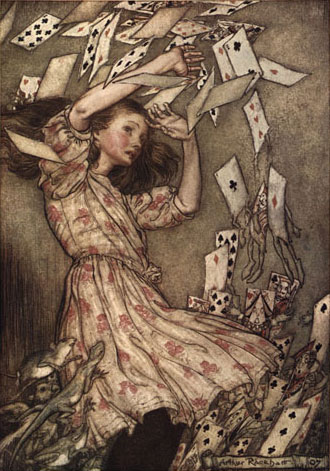
In popular fiction, it is borne by the protagonist of Lewis Carroll’s Alice’s Adventures in Wonderland (1865).

Designated name-days are Janury 15 (Czech Republic), June 23rd (Sweden), September 16 (Estonia) and December 16 (France).

Victor, Victoria

Origin: Latin
Meaning: “victory.”

Both names are derived from the Latin, meaning, “victory.”

Victoria is the feminine form of Victorius, but it was also the name of the Roman goddess of Victory, the counterpart of the Greek goddess, Nike.

The name was borne by an early North African Christian martyr, its masculine counterpart, was also borne by several early saints, including three popes.

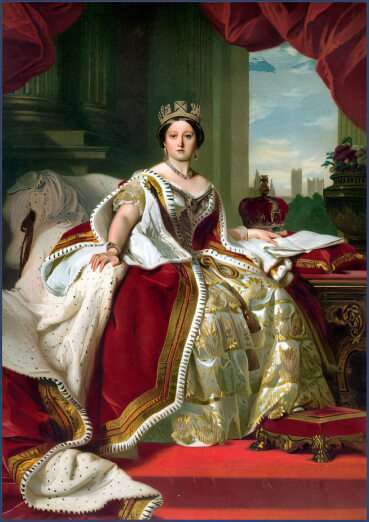
Victoria did not come into use in the English-speaking world till the 19th-century, when Victoria became queen of the British Empire. This period in history, the Victorian Era, was named in her honour, as were several geographic locations throughout the former British Empire.

Currently, in the United States, Victoria is the 27th most popular female name. Her rankings in other countries are as follows:

  • # 41 (Belgium, 2006)
  • # 56 (Canada, B.C., 2008)
  • # 28 (Chile, 2006)
  • # 16 (Czech Republic, 2009)
  • # 17 (Denmark, 2009)
  • # 44 (Germany, 2009)
  • # 10 (Hungary, 2008)
  • # 27 Vittoria (Italy, 2006)
  • # 297 (the Netherlands, 2008)
  • # 26 (Norway, 2009)
  • # 2 Wiktoria (Poland, 2008)
  • # 8 (Russia, Moscow, 2007)
  • # 58 (Spain, 2008)
  • # 92 (Sweden, 2009)

As for its masculine counterpart, Victor, was never a popular choice in the English speaking world, but has always been quite common in Latin American countries and on continental Europe. His rankings are as follows:

  • # 15 (Belgium, 2006)
  • # 37 (Chile, 2006)
  • # 45 (Czech Republic, 2009)
  • # 7 (Denmark, 2009)
  • # 270 (Germany, 2009)
  • # 206 (the Netherlands, 2008)
  • # 9 Wiktor (Poland, 2008)
  • # 8 (Sweden, 2009)
  • # 111 (the United States, 2008)

Other forms of Victoria include:

  • Victòria (Catalan)
  • Viktorie (Czech: diminutive form is Viktorka)
  • Viktoria (Danish/German/Swedish)
  • Victoria (Dutch/English/Finnish/German/Norwegian/Romanian/Spanish/Swedish)
  • Vihtoriina (Finnish)
  • Victoire (French)
  • Victorine (French)
  • Viktória (Hungarian/Slovak)
  • Viktorina (Hungarian)
  • Viktoría (Icelandic)
  • Vittoria (Italian)
  • Vittoriana (Italian)
  • Vittorina (Italian)
  • Viktorija Викторија (Latvian/Lithuanian/Serb0-Croatian/Slovene)
  • Wiktoria (Polish)
  • Vitória (Portuguese)
  • Viktoriya Виктория (Russian/Ukrainian)

Common English diminutives include: Vicky/Vicki or Tori. A Romanian short form is Vica. Vicki/Vikki is also used as a short form in the German speaking countries as well as in Scandinavia.

Wiktorka and Wisia are the Polish short forms.

Male variations include:

  • Viktor (Albanian/Czech/Dutch/Finnish/German/Hungarian/Slovak/Swedish)
  • Vítor (Asturian)
  • Viktar Віктар (Belarusian)
  • Victor (Danish/Dutch/German/English/French/Norwegian/Portuguese/Romanian/Swedish)
  • Vittorio (Italian)
  • Victorius (Latin)
  • Viktoras (Lithuanian)
  • Wiktor (Polish)
  • Vítor (Portuguese)
  • Viktor Виктор (Russian/Ukrainian)
  • Víctor (Spanish)

The name was borne by famous French author, Victor Hugo.

Mary, Maria, Miriam

Mary and its various forms has to be one of the quintessential, classic female names of all time, she has been used in Protestant England in the form of Mary, in the Islamic world as Maryam, in Jewish communities in the form of Miriam and in the Catholic world as Maria, Marie or Mary.

In the United States, she has never quite detracted from the top 100, if Mary is not in fashion then it is usually one of her other forms that may take her place, such as Molly, Mariah, Maria or Mia, all depending on the flavor of the day.

Currently, Mary is the 97th most popular female name in the United States, (2008). Mary’s rankings in other countries are as follows:

  • # 7 (Armenia, 2008)
  • # 57 (Ireland, 2007)

Its French form of Marie is popular outside the Hexagon, she currently ranks in as the 546th most popular female name in the United States, but in other countries, she appears in the top 10. Her rankings are as follows:

  • # 9 (Armenian, 2008)
  • # 4 (Belgium, 2008)
  • # 17 (Czech Republic, 2008)
  • # 24 (Denmark, 2008)
  • # 20 (France, 2009)
  • # 9 (Germany, 2009)
  • # 270 (the Netherlands, 2008)

The continental form of Maria is extremely popular across Europe and Latin America, her rankings in other countries are as follows:

  • # 4 (Argentina, 2009)
  • # 8 (Basque Country, Spain, 2008)
  • # 3 (Belarus, 2005)
  • # 3 (Bulgaria, 2008)
  • # 89 (Canada, B.C., 2008)
  • # 6 (Catalonia, Spain, 2008)
  • # 8 (Chile, 2008)
  • # 91 (England/Wales, 2008)
  • # 6 (Estonia, 2007)
  • # 4 (Faroe Islands, 2008)
  • # 59 (Germany, 2009)
  • # 1 (Greece, 2004)
  • # 90 (Hungary, 2008)
  • # 5 (Iceland, 2004-2007)
  • # 49 (Ireland, 2008)
  • # 1 (Israel, among Christian girls, 2004)
  • # 9 Marija (Latvia, 2005)
  • # 1 Marija (Macedonia, 2006)
  • # 1 (Malta, 2008)
  • # 39 (the Netherlands, 2008)
  • # 14 (Norway, 2008)
  • # 17 (Poland, 2009)
  • # 1 (Portugal, 2008)
  • # 2 (Romania, 2008)
  • # 2 (Russia, 2007)
  • # 99 (Scotland, 2008)
  • # 1 (Slovakia, 2004)
  • # 2 (Spain, 2008)
  • # 96 (Sweden, 2008)
  • # 7 (Ukraine, 2009)
  • # 64 (United States, 2008)

Her diminutive offshoot of Mia, has also been quite trendy the last 10 years, as of 2008, she was the 14th most popular female name in the United States. In other countries, her rankings are as follows:

  • # 1 (Australia, 2008)
  • # 25 (Canada, B.C., 2008)
  • # 44 (Chile, 2006)
  • # 11 (England/Wales, 2008)
  • # 1 (Germany, 2009)
  • # 23 (Ireland, 2008)
  • # 5 (Isle of Man, 2009)
  • # 350 (the Netherlands, 2008)
  • # 24 (New Zealand, 2009)
  • # 12 (Norway, 2008)
  • # 26 (Scotland, 2008)
  • # 46 (Slovenia, 2005)
  • # 3 (Switzerland, among Romansch-speakers, 2008)

Another common diminutive offshoot, is Molly, which is mostly used in the English speaking world, but has also shifted over to some of the Scandinavian countries. Her rankings in other countries are as follows:

  • # 57 (Australia, 2007)
  • # 84 (Canada, B.C., 2008)
  • # 32 (England/Wales, 2008)
  • # 25 (Ireland, 2008)
  • # 33 (New Zealand, 2009)
  • # 39 (Scotland, 2008)
  • # 11 (Sweden, 2008)
  • # 104 (United States, 2008)

Miriam is another common choice which is popular throughout Europe and the Middle East. Her rankings are as follows:

  • # 1 Mariam (Georgia, 2008)
  • # 6 Maryam (Iran, 2007)
  • # 4 Maryam (Israel, among Muslim girls, 2004)
  • # 6 Maryam (Pakistan)
  • # 48 Miriam (Spain, 2008)
  • # 1 Mariam (Tunisia, 2005)
  • # 309 Miriam (United States, 2008)

As for its meaning and derivation, though the its origins can be traced back to the Bible, its lingustic and etymological meaning has long been debated. Many hypothesis include that the name could be a derivative of the Hebrew meri, ‘rebel’ related to the Hebrew verb MRH, mara or Marah which means’ to be “rebellious.” Or that it is related to the Hebrew word מרא (MRA, mara) which means ‘well-fed’, something which would have been considered a comely attribute in Biblical times.

One of the most popular etymological theories is its association with the Hebrew מר (MR, mar), meaning. “bitter” or “bitterness, and another very well established hypothesis suggests that it is from an Egyptian source, mry “beloved” or mr meaning “love.”

Other possible theories include:

That is it a combination of the Hebrew words מר (MR, mar), meaning “bitter” or the Hebrew (mar) meaning, “drop”; or (mor) meaning, “myrrh” or ” (mari ) meaning “mistress’.

The name is borne by several female characters in both the Old and New Testament.

Among Jews, the name was originally used in honour of the sister of Aaron, Miriam the Prophetess.

Among Muslims and Christians, (particularly Catholics and Eastern Orthodox), the name is usually used in honour of the Virgin Mary, the mother of Jesus.

However, in certain eras and cultures, Mary or Maria was considered too sacred of a name to use on a child, and in other cultures, the name Maria is so honorable to have, that it is even bestowed upon males, usually in conjunction with a male name or as a middle name. This is especially so in Spanish-speaking countries, French speaking countries and occasionally done in other predominate Catholic countries such as Ireland, Poland and in Bavaria, Germany.

The name has made is presence known in British royalty as well as in the continental ruling houses. Other forms are as follows:

Latinate Forms
Forms used in Latin-based languages

  • Marieta (Catalan: originally a diminutive form, used as an independent given name in Spanish-speaking countries)
  • Miryam (Catalan: archaic form from the 13th-century)
  • Maria (Corsican/Italian/Occitanian/Portuguese/Romanian/Romansch/Latin)
  • Manon (French: originally a diminutive form of Marie, the name has been used as an independent given name for centuries. In fact, it currently ranks in as the 7th most popular female name in Belgium (2006), the 4th most popular female name in France (2006), and the 184th most popular female name in the Netherlands (2008). Pronunciation can be heard here: http://www.forvo.com/search/Manon/)
  • Marie (French: she is one of the most popular middle names in the English speaking world. In French, this form is bestowed on males in conjunction with other male names or as a middle name. There are several common French female names used in conjunction with Marie, as well. Those of which, I will save for future postings).
  • Marielle (French: originally a diminutive form of Marie, now used exclusively as an independent given name)
  • Mariette (French: a diminutive form of Marie, occasionally used as an independent given name, now considered dated in French-speaking countries).
  • Mariolle(French: obscure, very old diminutive form of Marie, the inspiration of the Polish offshoot, Mariola).
  • Marion (French: a medieval French diminutive form of Marie, now exclusively used as an independent given name, the name was borne in legend by the love interest of Robin Hood, Maid Marion, and is borne by French actress, Marion Cotillard. In France, it is the 59th most popular female name (2006)
  • Myriam (French: form of the Biblical, Miriam, she ranks in as the 95th most popular female name in France (2006)
  • Mariella (Italian: originally a diminutive form of Maria, now exclusively used as an independent given name)
  • Marietta (Italian: a diminutive form of Maria, occasionally used as an independent given name).
  • Marigia (Italian: obscure)
  • Mariuzza/Maruzziella (Italian: obscure)
  • Mariana (Portuguese: Mariana is usually considered a name of a seperate etymology, but is used in Portuguese and Spanish as a form of Miriam. She is the 73rd most popular female name in Chile, 2006).
  • María (Spanish/Galician).
  • Marita (Spanish: a diminutive form of Maria, now often used as an independent given name)
  • Maritza (Spanish: a Latin American spin-off of Maria, originally a diminutive form, now a trendy given name, especially among Mexican-Americans, she is currently the 560th most popular female name in the United States).
  • Mareye (Walon)

An Italian diminutive form is Mimi. A Portuguese diminutive form is Mariazinha.

Masculine forms are:

  • Mari (Catalan)
  • Mariu (Corsican)
  • Mario (Italian/Galician)
  • Marius (Latin/French/Romanian)
  • Mário (Portuguese)

Germanic Forms
Forms used in Germanic-speaking countries

  • Maiken/Majken (Danish/Norwegian/Swedish: originally a diminutive form of Maria, now used exclusively as an independent given name).
  • Maria (Danish/Dutch/English/Faroese/Frisian/German/Norwegian/Swedish)
  • Marie (Danish/German/Norwegian/Swedish: a borrowing from the French)
  • Mari (Danish)
  • Maaike/Maike (Dutch/Frisian/German: originally a diminutive form, used exclusively as an independent given name. In 2008, it was the 98th most popular female name in the Netherlands)
  • Marieke(Dutch: originally a diminutive form, now exclusively used as an independent given name. In 2008, it was the 188th most popular female name in the Netherlands)
  • Marijke (Dutch: mah-RYE-keh)
  • Marike (Dutch: originally a diminutive form of Maria, now used exclusively as an independent given name, pronounced mah-REE-keh)
  • Marja (Dutch/Faroese/Gothic/Limburgish: MAHR-yah).
  • Meike (Dutch/German: originally a diminutive form, now used as an independent given name, it was the 53rd most popular female name in the Netherlands of 2008.)
  • Mia (Dutch/German/English/Scandinavian: originally a diminutive form, now used as an independent given name)
  • Mieke (Dutch/Limburgish: originally a diminutive form, used exclusively as an independent given name MEE-keh)
  • Miep(Dutch: a diminutive form, but occasionally used as an independent given name MEEP).
  • Miet (Dutch: originally a diminutive form, occasionally used as an independent given name MEET).
  • Mirjam (Dutch/German/Swedish: form of the Biblical Miriam).
  • Mariel (English: just an anglicized form of the French, Marielle).
  • Mariota (English: archaic, form used in the 13th-century)
  • Mary (English)
  • Molly/Mollie (English: originally a diminutive form, now used more often as an independent given name)
  • Polly (English: originally a diminutive form, now used more often as an independent given name)
  • Marý(Faroese)
  • Mareike (Frisian/German: originally a diminutive form of Maria, now used exclusively as an independent given name)
  • Maja (German/Scandinavian: originally a diminutive form of Maria, used exclusively as an independent given name. It is the 2nd most popular female name in Sweden, (2008)
  • Mariele(German: originally diminutive form of Maria, used exclusively as an independent given name, pronounced mah-REE-leh).
  • Miriam(German/English: Biblical form, often used in German and English speaking countries)
  • Mitzi (German/English: not really used as an independent given name in German speaking countries, but experienced a short usage of popularity as an independent given name in the United States).
  • Ria(German/Dutch: originally diminutive forms, occasionally used as independent given names)
  • Mæja (Icelandic: originally a diminutive form of Maria, used exclusively as an independent given name)
  • María(Icelandic)
  • Mies (Limburgish: diminutive form of Maria, used as an independent given name in the Netherlands. MEES)
  • Mathie (Normand: mah-TEE)
  • My(Swedish: originally a diminutive form of Maria, now used as an independent given name MEE. In 2007, it was the 79th most popular female name in Sweden).
  • Mirele מִירֶעל(Yiddish: a form of Miriam. MEER-eh-leh)

Common English diminutives include May, Mayme, Mare, Mia, Molle, Molly, Moll and Polly, German diminutive forms are Mariechen and Mitzi.

Masculine forms include:

  • Marius (Dutch/German/English/Norwegian/Swedish)
  • Marjus (Faroese)
  • Maríus (Icelandic)

Baltic Forms
Variations used in Baltic countries.

  • Maaja (Estonian)
  • Maare/Maari (Estonian)
  • Maarika (Estonian/Finnish)
  • Maaria/Maarja (Estonian)
  • Maie/Maiu (Estonian: initially diminutive forms, now used as independent given names, MY-eh, MY-oo)
  • Maila/Maili/Mailu (Estonian: Maili is pronounced somewhat like Miley)
  • Mari (Estonian/Finnish)
  • Marjam (Estonian)
  • Marje/Marjen (Estonian)
  • Marjette (Estonian)
  • Mary (Estonian)
  • Maija/Maiju (Finnish)
  • Maikki (Finnish: a Finnicized form of the Sweden and Danish Majken, pronounced somewhat like Mikey)
  • Maaria/Maria (Finnish)
  • Marika (Finnish)
  • Maritta (Finnish)
  • Marjatta (Finnish: can also mean “without a berry” in Finnish, and is the name of a character in the Kalevala, but is often used as a variation of Maria; also used in Estonia)
  • Marjo (Finnish)
  • Marjukka (Finnish)
  • Marjut (Finnish)
  • Miia (Finnish)
  • Mirja (Finnish: translation of Miriam)
  • Mirjam/Mirjami (Finnish)
  • Maija (Latvian)
  • Maila (Latvian: MY-lah)
  • Mairita/Mairīta/Mairīte (Latvian)
  • Mairuta (Latvian)
  • Mare (Latvian: final E is pronounced)
  • Mareka (Latvian)
  • Mareta/Māreta (Latvian)
  • Marī (Latvian)
  • Mārica (Latvian)
  • Mariela (Latvian)
  • Mārieta (Latvian)
  • Marija (Latvian/Lithuanian)
  • Mārika (Latvian)
  • Marite/Mārita/Mārīte/Marīte (Latvian)
  • Marjama (Latvian)
  • Maruta/Māruta/Marute (Latvian)
  • Mare (Lithuanian)
  • Maryte (Lithuanian)

Masculine forms are:

  • Maarius/Mairo/Mario (Estonian)
  • Marijus/Marius (Lithuanian)

Slavic Forms
Forms used in Slavic countries

  • Merjem (Bosnian)
  • Mirjana (Bosnian/Croatian/Serbian/Slovene: translation of Miriam)
  • Mariya (Bulgarian/Russian/Ukrainian)
  • Marija (Croatian/Macedonian/Serbian/Slovene)
  • Marie (Czech: MAHR-yeh)
  • Maria (Polish)
  • Marieta (Polish)
  • Mariola (Polish: mahr-YOLE-ah)
  • Marita (Polish)
  • Maryla (Polish: mah-RIH-lah)
  • Marzena (Polish: not really etymologically related, but has had a historical usage as a variation of Maria in Poland. The name is actually the name of an ancient Polish goddess and it may be linked with the either Polish word for “hope; dream” or with the Old Slavonic word for “death.” mahr-ZHEH-nah, diminutive form is Marzenka).
  • Mária (Slovakian)
  • Marika (Slovakian)
  • Marica (Slovene: initially a diminutive form, used as an independent given name in Slovenia, but is also used as a diminutive form in Bosnian, Croatian, Serbian, Czech and Slovakian, mah-REET-sah).
  • Mojca (Slovene: initially a diminutive form, now used exclusively as an independent given name in Slovenia. MOY-tsah)
  • Marya Марья (Russian)

Czech and Slovak diminutive forms are: Mája, MáňaMaruška and Maryška. Serbian and Slovene diminutives are Maša. Russian diminutives are Manya, Masha, Mashenka and Mashka. Polish diminutives are MasiaMarysia (mah-RISH-ah) and Maryska.

Masculine forms are:

  • Marian (Polish)
  • Mariusz (Polish)
  • Marij/Mario (Slovene)

Celtic Forms
Forms used in Celtic Languages

  • Mari (Breton)
  • Mallaidh (Irish-Gaelic: translation of Molly)
  • Maira/Máire (Irish-Gaelic)
  • Mairenn/Máirín (Irish-Gaelic)
  • Muire (Irish-Gaelic)
  • Mariod/Mariot (Manx)
  • Moirrey/Voirrey (Manx)
  • Màiri (Scotch-Gaelic)
  • Mhari (Scotch-Gaelic)
  • Mhairi/Mhairie (Scotch-Gaelic)
  • Moire (Scotch-Gaelic)
  • Mair (Welsh)

Other Forms
Forms used in other languages not listed in the above

  • Maria (Albanian/Kiswahili)
  • Maryam مريم (Arabic)
  • Mariam (Armenian)
  • Məryəm (Azeri)
  • Maia (Basque)
  • Miren (Basque)
  • Mariam (Coptic/Egyptian)
  • Mariami (Georgian)
  • Maria Μαρία (Greek: Modern)
  • Maroula/Roula (Greek: Modern: initially diminutive forms)
  • Malia (Hawaiian/Zuni)
  • Mária (Hungarian)
  • Maria (Indonesian)
  • Meryem (Kurdish/Turkish)
  • Mariam/Mariamma/Mariamme (Malayalam)
  • Marija (Maltese)
  • Mere (Maori)
  • Miriama (Maori)

The name has several name-days.