Rostam

  • Origin: Persian رستم
  • Meaning: unknown
  • Gender: Male

Rostam is an ancient Persian name that likely descends from Old Persian or Sogdian roots. Its meaning is debated, but the most popular theory is that it derives from *rautas-taxma “strong like a river.”

The name is immortalized in Ferdowsi’s 10th-century Persian epic, the Shahnameh, where Rostam is the towering national hero described as:

  • a mighty warrior of the kingdom of Zabul.
  • tamer of the legendary horse Rakhsh.
  • defender of Iran against its enemies
  • and the tragic father of Sohrab in one of the most famous father-son duels in world literature.

Because of this epic, Rostam is to Persian culture what Hercules is to the Greek tradition.

Rostam has been a popular masculine name across Iran, Afghanistan, Tajikistan, and Central Asia for over a thousand years. It also appears as Rustam in many languages of the region—Azerbaijani, Uzbek, Pashto, and even in parts of the Caucasus and South Asia.

International Variations

  • Rüstəm (Azeri)
  • Rustam Рустам, رستم (Chechen, Kazakh, Kyrgyz, Indonesian, Pashto, Tajik, Urdu, Uyghur, Uzbek)
  • Rostom როსტომ (Georgian)
  • Rustem Рустем (Russian)
  • Rustan, Rusten (Scandinavian)
  • Röstäm Рөстәм (Tatar)
  • Rüstem (Turkish)

Sources

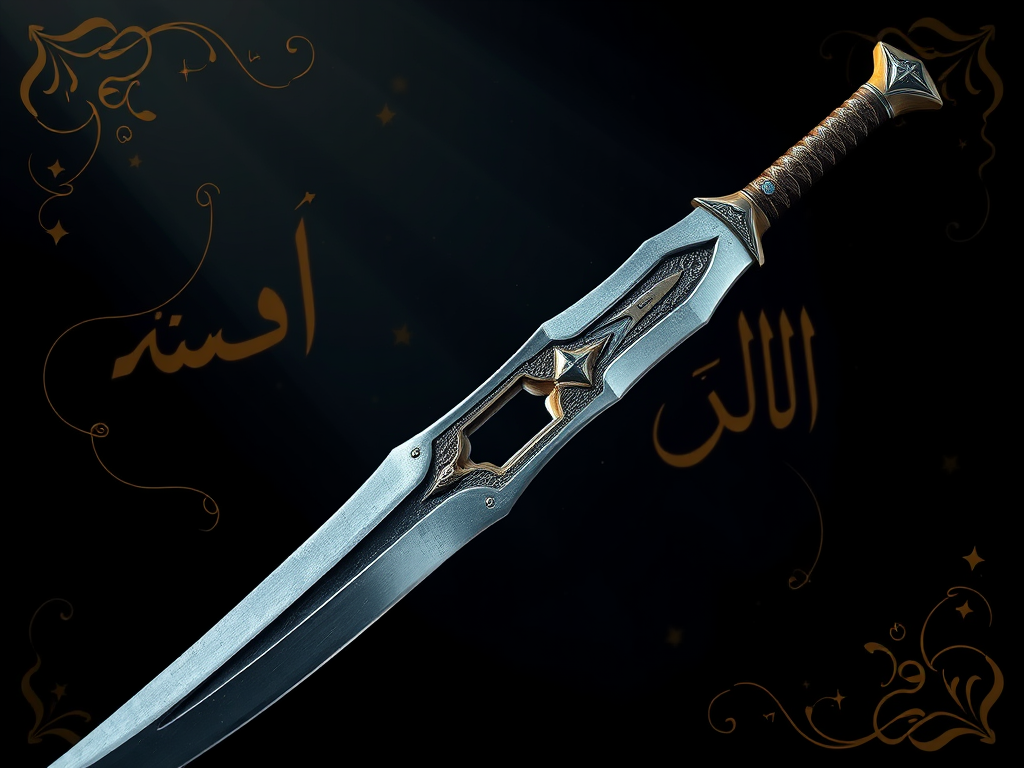
Zulfiqar

  • Origin: Arabic ذو الفقار
  • Meaning: debated
  • Gender: Male
  • Pron: ZOOL-fee-KAR

In Islamic tradition it specifically refers to a sword with a split or notched blade—the legendary weapon given by the Prophet Muhammad to his cousin and son-in-law ʿAlī ibn Abī Ṭālib.

It possibly comes from classical Arabic compound dhū / dhu (ذو) (possessor of; one who has), and fiqār / fiqar (فقار) (spine; vertebrae). Other sources suggest the second element may relate to the stars of Orion’s belt.

The phrase literally means “the one with the notches” or “owner of the notched spine.”

International Variations

  • Zylfikari, Zilfikari (Albanian)
  • Zupulkar Зулпукъар (Avar)
  • Zülfüqar (Azeri)
  • Zulfikar (Bosnian, Indonesian)
  • Zulfakar Зульфакъар (Chechen)
  • Zülpykar Зұлпықар (Kazakh)
  • Zilfiqar (Kurdish)
  • Zulfaqar (Malay)
  • Zolfeghar ذوالفقار (Persian)
  • Zulfikor (Tajik/Uzbek)
  • Zülfikar (Turkish)

Sources

Tahmina, Tahmineh

  • Origin: Persian تهمینه (Persian); Таҳмина (Tajik); তাহমিনা
  • Meaning: “potent; strong; powerful.”
  • Gender: Female

The name is derived from the Farsi تهم (tahm), meaning, “potent; strong; powerful.”

It’s a Persian female name with deep roots. It is the name of the wife of Rostam and the mother of Sohrab in the 10th-century Persian epic, Shahnameh.

Its usage has spread to South-Asia, Pakistan and Bangladesh, as well as throughout Central Asia.

Between 1996-2002, it appeared in the U.K’s Top 500 Most Popular Female Names, peaking at #641 in 1999.

Notable bearer include Tajik actress, Tahmina Rajabova (b. 1982) and Iranian film director, Tahmineh Milani (b. 1960).

Other forms include:

  • Tahmina, Takhmina, Taxmina Тахмина, تهیمینه / تهمینه (Avar, Baloch, Bashkir, Chechen, Circassian, Kazakh, Kurdish, Kyrgyz, Ossetian, Pashto, Tatar, Turkmen, Uzbek)
  • Təhminə (Azeri)
  • Tahmina, Tamina (Bosnian)
  • Tahmine (Turkish)

A rare Bosnian masculine form is Tahmin/Tamin.

Sources

Rubab

  • Origin: Arabic رباب
  • Gender: Female

The name comes directly from the Arabic word رباب for a type of stringed instrument.

It was also the name of Rubāb bint Imraʾ al-Qays (b. 7th-century C.E). The wife of Husayn ibn Ali.

It is borne by Pakistani Olympic Swimmer, Rubab Raza (b. 1991).

Another transciption is Rabab.

Other forms include:

  • Rübabə (Azeri)
  • Robabeh ربابه (Persian)
  • Robab رباب (Persian)
  • Rübab (Turkish)

The name is used throughout the Islamic World.

Sources

Sabih, Sabiha

Sabiha Sultan
  • Origin: Arabic
  • Meaning: “comely; beautiful; handsome; graceful.”

Sabih صبيح is a masculine Arabic name which comes directly from the Arabic word, صَبيح (ṣabīḥ), meaning, “comely; beautiful; handsome; graceful.” It is ultimately derived from the Arabic root word, صبح (ṣabuḥa) “to be beautiful; to be radiant; to beam.”

Sabiha صبيحة is its feminine form. It’s feminine form was borne by Sabiha Sultan (1894-1971) an Ottoman princess, the third and last daughter of Sultan Mehmed VI; the first Turkish female sculptor, Sabiha Bengütaş (1904-1992); and Turkish combat pilot, Sabiha Gökçen (1913-2001).

Sources

Safin, Safana, Safina

Safin سَفِين is an Arabic male name that derives from the Arabic root, S-F-N س ف ن meaning, “ship.” Safin itself is the plural form and therefore means “ships.” The singular form of Safina سَفِينة (ship) is used as a female given-name. Another feminine form, which is Safana سَفّانة, literally meaning “boatwright” in modern Arabic derives from the same root but may have had a connotation of a precious gem or pearl in old Arabic and was also used as a term of endearment for a daughter.

The name is used in reference to “سفينة نوح” (safinat Nuh), which is Arabic for Noah’s ark.

Other forms include: Safeen (masculine), Saffanah (feminine), Safanah (feminine) & Safinah (feminine).

A Tatar form is Сәфинә” (Säfinä).

Safina is used throughout the Islamic world.

Sources

Ramz, Ramzi, Ramza, Ramzia

  • Origin: Arabic
  • Meaning: “code, sign, mark.”

Ramiz رامز , Ramz رَمْز & Ramzi رمزي are Arabic masculine names which come directly from the Arabic word (ramz) رَمْز , meaning, “code, sign, mark, symbol, gesture.” It is ultimately derived from R-M-Z root in Arabic.

Ramzi appeared in the U.S. Top 1000 Most popular male names between 1973-1990 and peaked at #320 in 1982. It’s usage in the United States may have been influenced by immigrant groups who use the name (Southeastern European Muslims, Arab immigrants & Southeastern Asian Muslims immigrants), mixed with Anglophone parents who were probably using it as an alternate spelling for the English surname/place-name, Ramsey, which means “wild garlic island.” It should also be noted that during this time period, the use of Arabic names became especially popular among African-Americans.

The name is sometimes transliteration as Ramzy and I suppose in the English-speaking world it could also be transliterated as Ramsey.

The feminine forms are Ramza and Ramzia, spelled Ramziya Рәмзия in Central Asian & Turkic languages (Bashkir, Chechen, Tatar).

Other forms include:

Male

  • Remzi Ремзи (Albanian, Bosnian, Crimean Tatar, Turkish)

Female

  • Remzije (Albanian, Bosnian)
  • Remziye (Turkish)

Sources

Duha

  • Origin: Arabic ضحى
  • Meaning: “forenoon.”
  • Gender: unisex
  • DOO-hah

The name comes directly from the Arabic word for forenoon or late morning. In Islam, it is used in reference to Salat ad-Duha صَلَاة الضحى‎‎, a voluntary prayer that is said between Fajr and Dhuhr and is used mainly for the atonement of sins.

It is also the name of the 93rd chapter in the Qu’ran, al-Ḍuḥā الضحى‎, (the Morning).

As a given-name, it is traditionally unisex, but has been more often bestowed on females.

Other forms include:

  • Duha Духа (Albanian, Arabic (standard), Bashkir, Bosnian, Chechen, Kazakh, Kurdish, Turkish)
  • Zuha ज़ुहा (Azeri, Hindi)
  • Doha, Dohaa للال چاشت (Bengali, Urdu)
  • Dhuha (Javanese, Malaysian)
  • Zoha ضحی (Persian)
  • Zuho Зуҳо (Tajik, Uzbek)

Sources

Latif, Latifa

  • Origin: Arabic لَطِيْف
  • Meaning: “gentle; kind; benevolent.”

Latif is a masculine given-name which comes directly from the Arabic word لَطِيف (gentle; kind; benevolent). In Islam, Al-Latif لطيف, (the Kind; the Benevolent) is one of the 99 names of Allah (God). It’s feminine form is Latifa.

Latif & Latifa are commonly used throughout the Islamic world.

A notable American bearer is actress & singer, Queen Latifah.

Other forms include:

  • Latıif (m), Latıifa (f) (Avar)
  • Lətif (m), Lətife (f) (Azeri)
  • Latheef, Latheefa (Dhivehi)
  • Latifah (f) (Indonesian, Malaysian)
  • Letîf (m), Letîfe (f) (Kurdish)
  • Lәtyjif (m), Lәtyjifә (f) (Tatar)
  • Letife (f) (Turkish)
  • Lateef لطیف, Lateefa(h) (Urdu)

Sources

Fuad

  • Origin: Arabic فُؤاد
  • Meaning: “heart.”
  • Gender: masculine
  • Pronunciation: foo-AD

The name comes directly from the Arabic word for heart. It is used equally among Arab- Muslims & Christians. Among Christians, particularly Palestinians, Chaldeans and Lebanese Christians who profess Roman Catholicism, it is used in reference to the Sacred Heart of Jesus or the Immaculate Heart of Mary, in the same way the Spanish name Corazón is used in the Spanish-speaking world, though in the Arabic case, the name is strictly masculine.

Among Muslims, the term fu’ad is used at least 5 times in the Quran. The name is used throughout the Islamic world.

It is even used among Non-Arab groups in the Middle East, such as Mizrachi Jews.

The name was borne by two Egyptian kings.

Other forms include:

  • Fuad (Amharic, Azeri, Bosnian, Indonesian)
  • Fouad (Maghrebi)
  • Fuat (Turkish)
  • Fawad (Urdu)

A feminine form is Fuada(h).

Sources