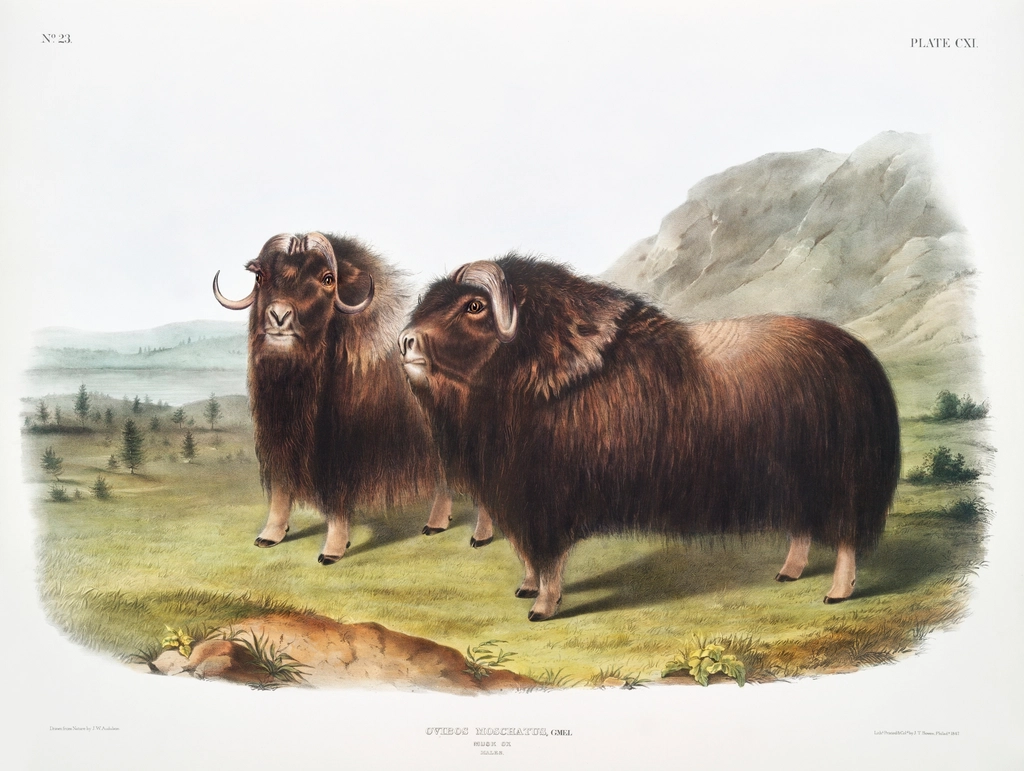
Luay, Luai

  • Origin: Arabic لؤيّ
  • Meaning: “wild ox; protector.”
  • Gender: Male
  • (LOO-iey)

The name is derived from the Arabic لأًى (laʾan) “wild ox,” which can also have the euphemism of a shield or protector. Interestingly enough, it may share the same etymological root as the Hebrew female name, Leah.

The name is borne by Lu’ayy ibn Ghalib (3rd-century C.E.) who was the ancestor of the Islamic prophet Muhammed.

Other forms of the name include:

  • Luaj (Albanian/Bosnian)
  • Lüey (Azeri/Turkish)
  • Louay (Maghrebi Arabic)
  • Louie (Maghrebi Arabic)
  • Loay لؤی (Urdu)

Sources

Thance, Tanco

  • Origin: Old German
  • Meaning: “thanks.”
  • Gender: Male
  • Eng Pron: (THANTZ); Germ pron: (TAHN-seh; TAHN-ko)

A popular Old Germanic name element, derived from the Old High German “thanc,” meaning “to thank.” Some early records list Thance as a male name, more likely pronounced the German way, it may make a unique alternative to Vance when pronounced the English way.

The name later evolved into Tanco, Tanko, Danco and Danko.

Female forms include: Tenca and Thenca.

Source

  • Förstemann, Ernst. Altdeutsches Namenbuch. Bonn, 1900, page 1105

Dagolitus

  • Origin: Gaulic
  • Meaning: “good feast.”
  • Gender: Male

A Gaulic name meaning, “good feast.”

Source

Nihar, Nihara

  • Origin: Sanskrit
  • Nihar: निहार, नीहार
  • Nihara: निहारा, नीहारा
  • Meaning: “mist; dew; fog; hoarfrost; snow.”

Nihara is a Sanskrit female name which comes directly from the word for “mist; dew; fog; hoarfrost; snow.”

The masculine form is Nihar.

Another female form is Nihari.

Sources

Daetor

  • Origin: Greek Δαίτωρ
  • Meaning: “to light; to burn; to kindle; divider; judge; host of a feast.”
  • Gender: Male
  • Modern Greek: Daitor (DYE-tore)
  • Eng pron: DAY-tor

The name is derived from the Greek δαίω (daio) meaning, “to light; to burn; to kindle,” and “to divide, share, tear” or “to host a feast.” The element has the same meaning as distributing justice, items or food.”

It is borne in the Illiad by a minor character, a Trojan warrior who attacked the Greek fleet during the tenth year of the Trojan war and was subsequently shot dead.

Sources

Nuyat, Nuya

  • Origin: Mordvin Нуят
  • Meaning: “harvest.”
  • Gender: Male

Nuyat is a male pre-Christian Mordvin name meaning, “harvest.”

The female form is Nuya.

Source

Meýlis

  • Origin: Turkmen
  • Meaning: “feast; celebration.”
  • Gender: Male

The name comes directly from the Turkmen word for “a feast” or “a gathering.”

The name is also sometimes spelled Meilis.

A notable bearer is Turkmen chess champion, Meylis Annaberdiyev (b. 1985).

Sources

Logi

  • Origin: Old Norse
  • Meaning: “flame; blaze.”
  • Gender: Male
  • LOH-gee

The name comes directly from the Old Norse word for “flame; blaze,” and is also used as a poetic word for a sword. It is born in Norse Mythology by Logi, a jötunn and the personification of fire. He was the son of Fornjótr. He is known for winning a meat eating competition against Loki.

A Swedish variation is Loge

It is a cooler and fresher alternative to Logan, with a spark.

Sources