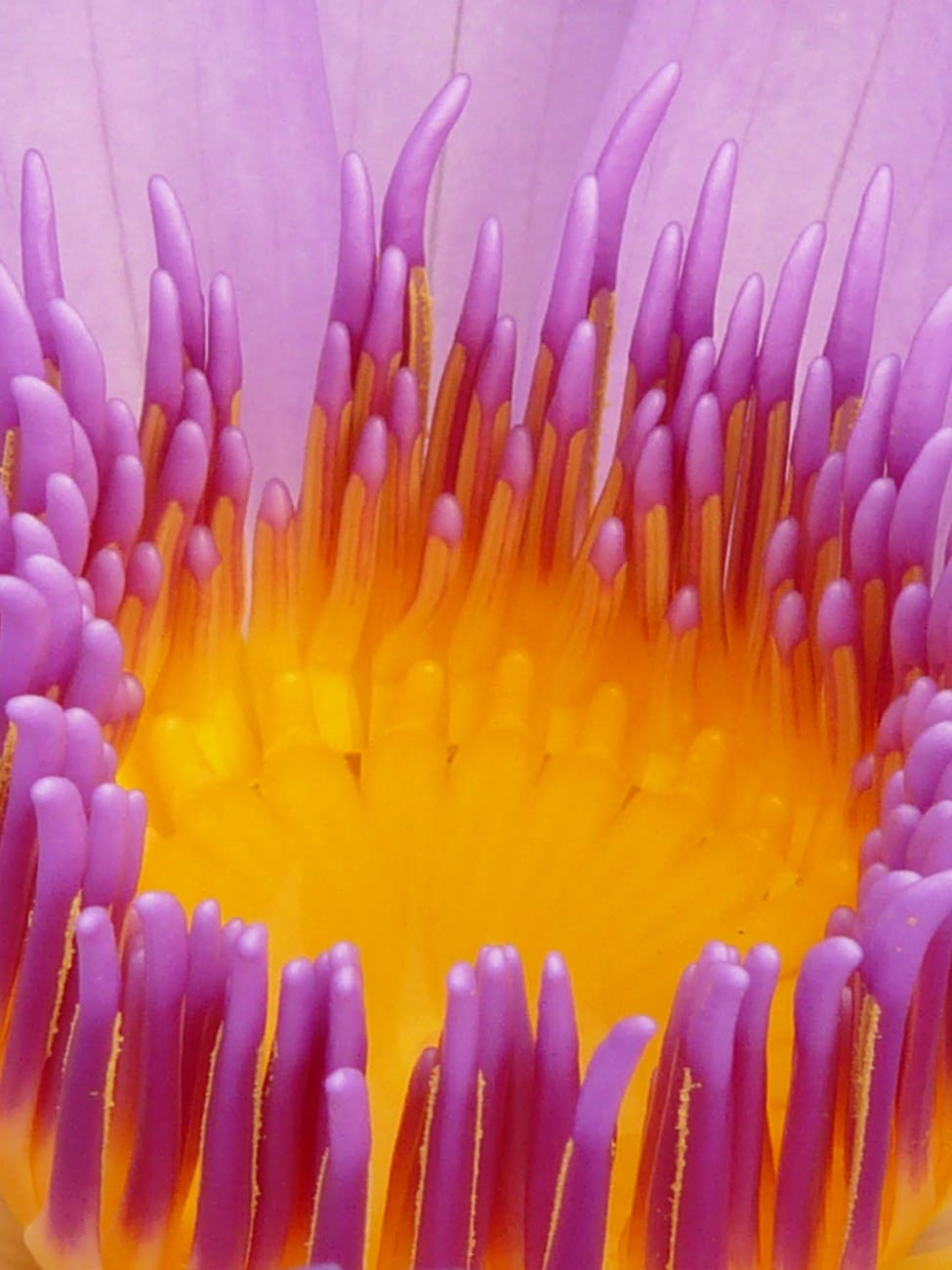
- Origin: Chinese 蕊僖
- Meaning: “joyful stamen; joyful bud; bud of joy.”
- Gender: feminine
- Pronunciation: (ROO-SHEE)
The name is composed of the Chinese 蕊 (ruǐ) meaning, (stamen, pistil, bud) and 僖 (xī)(joy).
Sources
The name is composed of the Chinese 蕊 (ruǐ) meaning, (stamen, pistil, bud) and 僖 (xī)(joy).
Sources

Both come from the Greek, θεός (theos) meaning “god” and δόσις (dosis) meaning “giving.” Both the male and female form were borne by several Christian saints and Medieval rulers. In the English-speaking world, a notable bearer was Theodosia Alston Burr (1783-1813), the daughter of Aaron Burr and an American socialite who mysteriously disappeared in a ship-wreck. Her fate has been a source of speculation for two centuries, but she most likely died in the wreck. She is also the subject of the Broadway opera song from Hamilton, My Theodosia.
It’s female version has experienced usage in the English-speaking world since the 15th-century. It has spun off several diminutive off-shoots, which later became independent names, such as Docie/Dosey, Doshie, Dosha, Docia and Theda.
Theodosia appeared in the U.S. Top 1000 Most Popular Female Names between 1880-1895, it peaked at number #547 in 1880. It’s offshoot of Doshie appeared in the U.S. Top 1000 between 1880-1905 and peaked at #640 in 1884 whereas Doshia peaked at #582 in 1881 and Docia at #317 in 1880.
Theda (THEE-dah) was the name of silent film actress, Theda Bara (born Theodosia Burr Goodman, 1885-1955). Theda appeared in the U.S. Top 1000 between 1880-1948 and peaked at #350 in 1916. Theda Bara may have helped sustain the usage of the name in the United States, but it seems to have been common enough long before she graced the silver screen.
In the 1988 movie For Keeps, starring Molly Ringwald, a teen couple are faced with an unexpected pregnancy, in which they name their daughter Theodosia, short form Thea, it is a last minute decision decided by the father who gets the name from his deceased grandmother of the same name.
It is the name of the main character of the R. L. LaFevers 2007 children’s novel, Theodosia and the Serpents of Chaos, which spun off a tv series.
Its pronunciation in the English-speaking world fluctuates depending on the region and personal preference, from THEE-oh-DOH-see-uh, to THEE-oh-DOH-shuh and THEE-oh-DOH-zhuh, the sky’s the limits.
Its masculine form has always been prevalent in eastern Christian countries but did not pick up the same momentum in the English-speaking world as its feminine counterpart did.
Female forms
Male Forms
Sources
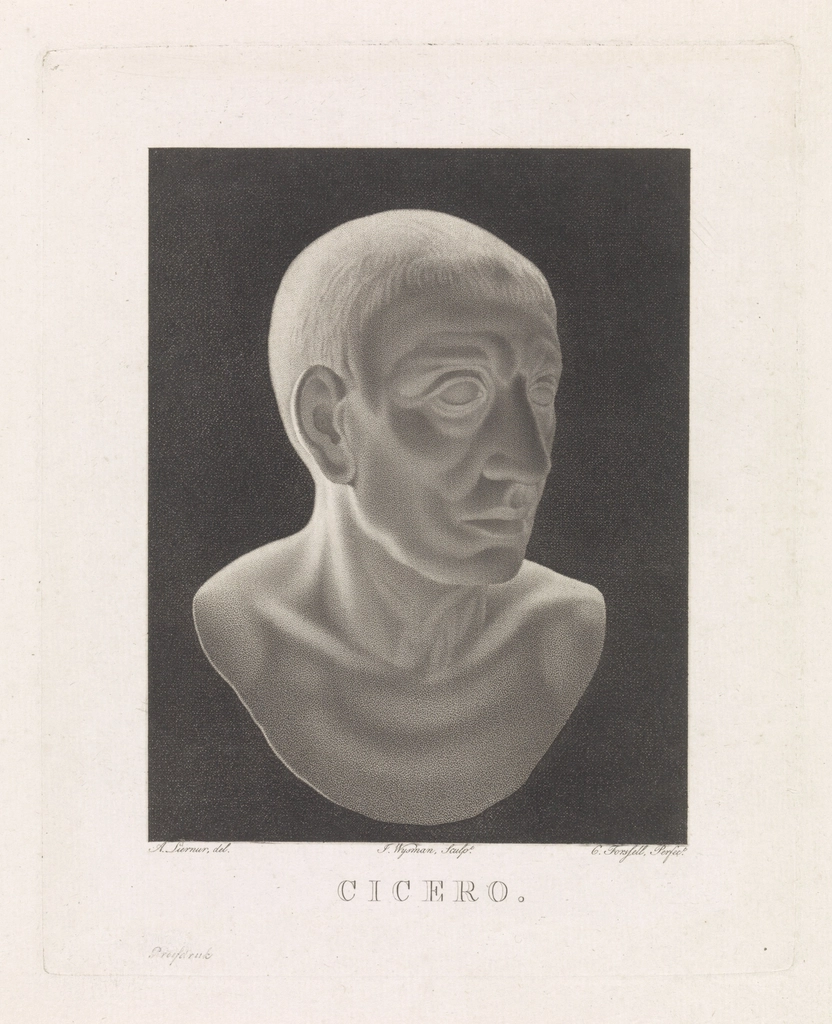
Tully is the English form of the Roman family name, Tullius, which is derived from the praenomen, Tullus, of an unknown meaning. It is likely Etruscan and its meaning has been lost. Other suggestions include that it is from the Latin, tullius (spout of water; gush of blood) or the Latin term, tollere, meaning “to lift,” allegedly referring to the act of a Roman father lifting their newborn son and claiming him.
A notable bearer is Marcus Tullius Cicero.
It was also borne by several male and female saints.
Alternately, Tully has been used on females occasionally, mainly as a diminutive form of Petula.
Male forms
Female forms
Sources
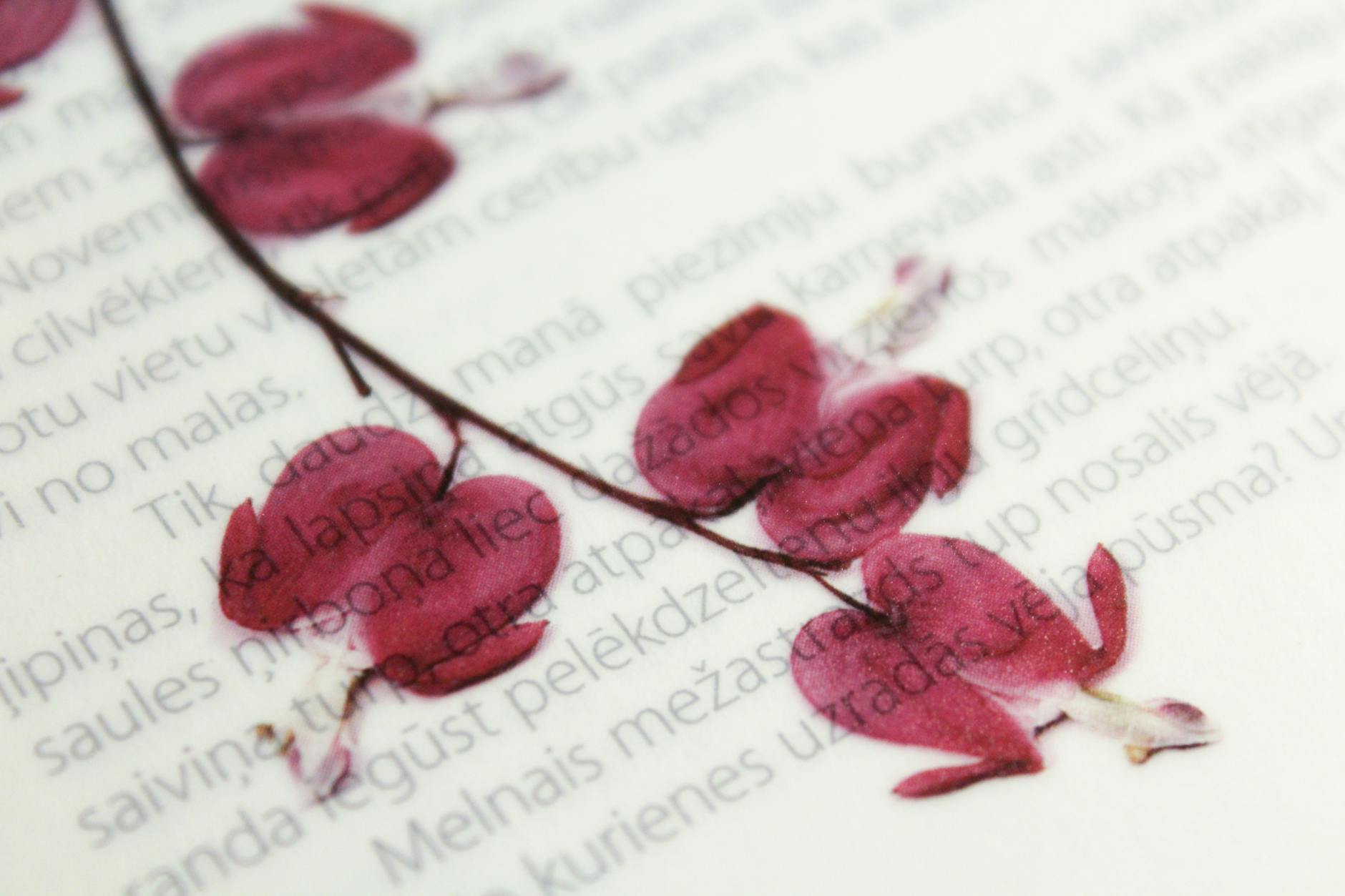
From the name of a type of verse in classical Tamil poetry, consisting of 2-12 lines.
Sources
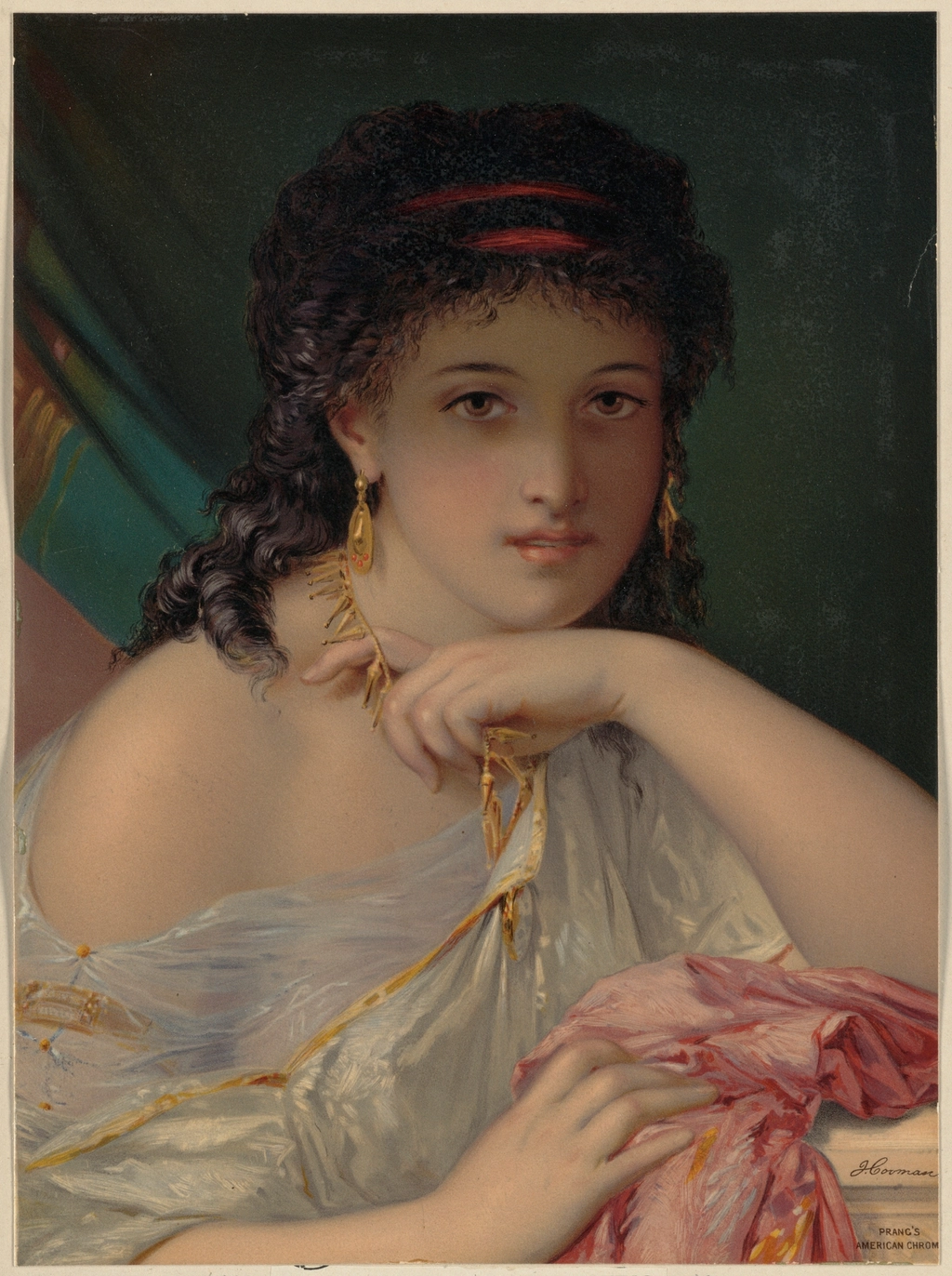
The name is of uncertain origin or meaning, it has been suggested to be from an Old Roman gens name, Velius, possibly meaning “concealed.” It may have also been taken from the name of an Ancient Roman city in Salerno, which possibly has the same meaning as above, and has also been suggested to be a contracted form of Evelia or Evelina. It is mainly used in Lazio and Tuscany. It was further popularized in Italy by the 1923 novel by Bruno Cicognani, La Velia.
It is also the name of a genus of aquatic insect in the family veliidae.
It appeared in the U.S. Top 1000 Popular Female Names between 1929 and 1930, peaking at #836 in 1929.
There are also the masculine forms of Velio, Velino (Italian), Velius (Latin) and the Bulgarian, Velian Велиян.
Other forms include:
Sources
The name comes from the Sanskrit root आरोहण (arohana) meaning “ascending; ladder; rising.” It also refers to a crescendo in music.
It is also sometimes transliterated as Arohi.
A notable bearer is Indian actress, Aarohi Patel (b. 1994).
Sources

From the Medieval Italian term, villano, meaning a farmhand, countryman, peasant, ultimately from the Latin villanus, of the same above meaning.
Both its masculine form of Villano and its feminine form of Villana were in common use in Medieval Italy. Its masculine form was born by two 12th-century Italian bishops, and its feminine form was born by Bl. Villana de Botti (1332-1360), an Italian nun and penitent who is currently up for canonization by the Catholic Church.
Both names fell out of use in Italy due to the term later taking on the meaning of a rude or crass person. Villano is however, also an Italian surname. Its gallicized forms of Villain and Villaine appear in sporadic use in France between the 11th-17th centuries.
Villanella is a type of Italian music, which later spun off the Villanelle (derived from pluralized of the former word), which is the name of a type of pastoral poem that became popular in 19th-century England.
Villanelle was used as the name of a character in the 1987 Jeannette Winterson novel, The Passion. It was then used as the name of a character in the Luke Jennings’ thriller novel, Codename Villanelle, which later spun off the BBC series, Killing Eve (2018-2022). Since 2018, the name has appeared in sporadic use in the U.K. being given to 5 baby girls a year.
Theoretically, Villanella could have been a Medieval diminutive form of Villana, and it would then be possible to gallicize the name to Villanelle, but I cannot find any records for either name being used prior to the 21st-century, and Villana’s French form was Villaine, which would more likely to have lend itself to the diminutive form of Villainette.
Masculine forms:
Feminine forms
Sources

Contrary to popular belief, this is not from a surname, rather, the surname is from the first name. It is a Germanic dithematic name, derived from the Anglo-Saxon Deorwine, composed of the elements deór (wild animal, beast, deer) and wine (friend). Deór had a connotation of brave, compare the modern English words of deer and dire, both of which derive from the same element. It may also derive from the Frankish elements, daroth (spear, lance, javelin) and wini (friend). It was in use in both Medieval France and Anglo-Saxon England. The surname is actually from a patronymic, denoting someone who had a father named Darwin.
A notable bearer is Charles Darwin, English naturalist and writer, best known as the originator of the theory of biological evolution by natural selection (1809-1882). It is also the name of a city in Australia, which is the capital of the Northern Territory.
Darwin has been in and out of the U.S. Top 1000 Most Popular Male Names since 1881, it peaked at #297 in 1983. As of 2022, it was the 986th most popular male name.
Modern feminine forms include Darva and Darwina.
Darwin and Darvin has also experienced recent popular usage in Latin America.
Other forms include
Sources

Both names are derive from the Latin galilaeus, meaning “from Galilee,” which ultimately derives from the Hebrew, גָּלִיל, meaning “district; circle; hill; knoll.” The name was used in honor of the place name in the New Testament.
Galileo was borne by Galileo Galilei (1564-1642), he in turn was named for an ancestor.
As of 2022, its feminine counterpart of Galilea appears in the U.S. Top 1000 Most Popular Female names, coming in at #731.
Male forms include:
Female forms include:
Sources

The name comes directly from the Zulu phrase meaning, “they increased.”
The name is borne by Doja Cat, whose birth name is Amala Ratna Zandile Dlamini (b. 1995); South African activist and conservationist, Zandile Ndhlovu, and South African actress, Zandile Msutwana (b. 1979).
Sources