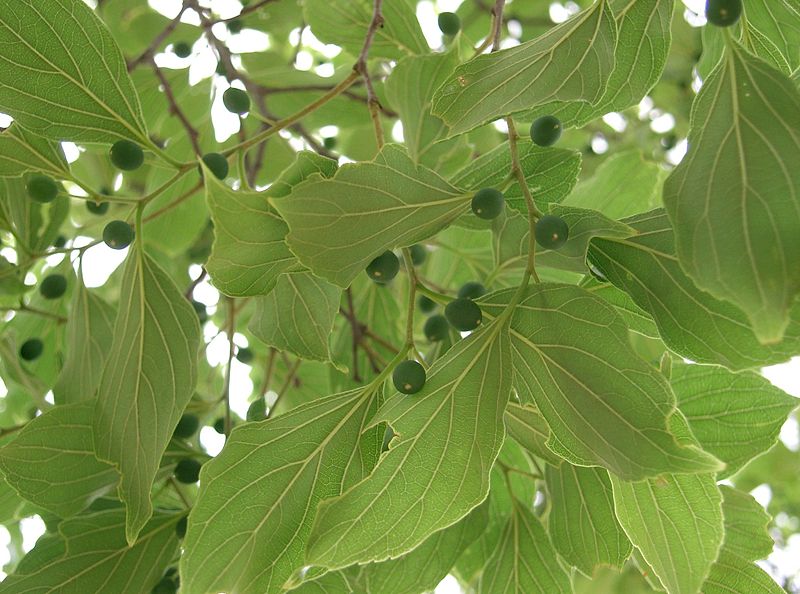
- Origin: Arabic ميس
- Meaning: “hackberry tree; sugarberry tree”
- Gender: feminine
- Pron: (MAH-ees; MIES)
The name comes directly from the Arabic word ميس which is the name of the hackberry tree.
Sources
The name comes directly from the Arabic word ميس which is the name of the hackberry tree.
Sources

The name comes directly from the Sanskrit word for the St.Thomas lidpod plant, scientific name is Ipomoea turpethum.
A notable bearer is Indian actress, Malavika Mohanon (b. 1993).
Sources

The name can either be a contracted form of the female Welsh name Gwenllian (white linen; white flax) or derive from the Welsh word lliain (flax, linen).
Sources

The name comes directly from the Welsh word meaning, “comely; fair; beautiful.”
The names has had rare but steady usage in Wales, being given to at least 3 babies per year.
Sources

The name is of uncertain meaning, it is possibly a feminine form of the Welsh male name, Lleu (bright, light), or composed of the Welsh element, lleu (bright; light) and cu (dear), or derived from the Welsh lleuad (moon).
It was often synchronized with the name Lucy.
It is the name of a heroine in the 14th-century Welsh poem by Llywelyn Goch ap Meurig Hen, Marwnad Lleucu Llwyd, it is said to have been written for his deceased lover of the same name.
Sources

The name comes directly from the Tamil word ilavenil இளவேனில் (springtime). A notable bearer is sport shooter, Elavenil Valarivan (b. 1999).
Sources
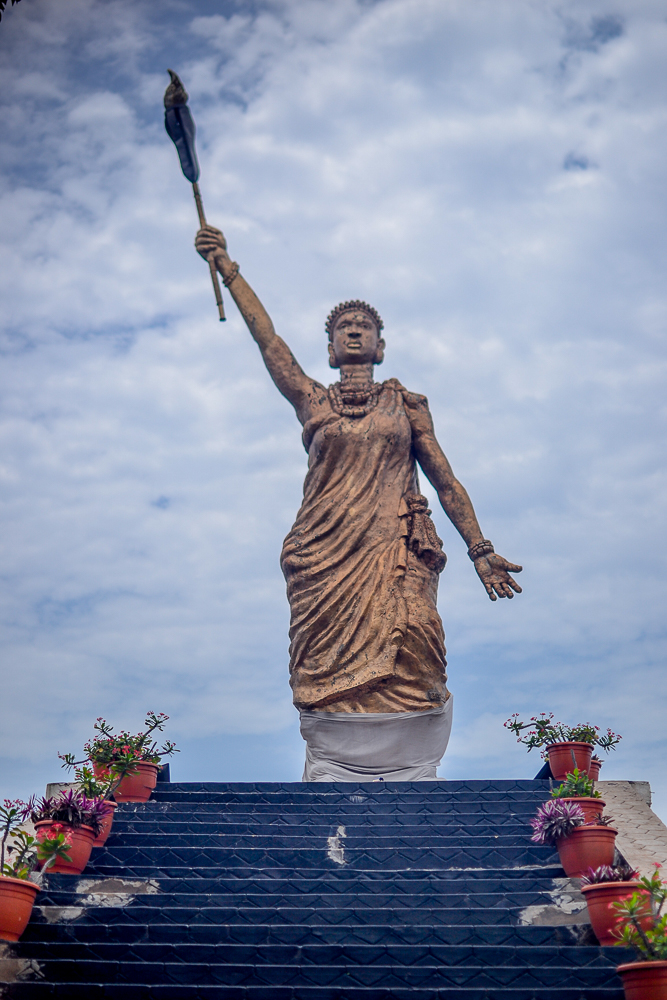
The name is composed or the Yoruba elements, ọmọ (“child”) + rè (“to give attention to”) + èmi (“me”).
In Yorubaland, the southwestern part of Nigeria, it is the name of a legendary 12th-century Queen, Moremi Ajasoro. Queen Moremi sacrificed her son to the spirit of the Esimirin river in exchange for power to stop the raids and enslavement of her people by the Ugbo, the Yoruba still commemorate this sacrifice during the Edi Festival. Her story has been adapted into a 2018 musical of the same name. In 2017, a statue was commemorated in her honor (pictured above) in Osun State, Nigeria, and is currently the fourth largest structure in Africa.
Sources

The name comes directly from the Arabic word رشا meaning “young gazelle.”
The stress is on the second syllable.
Another transliteration is Reshaa.
Sources

The name is composed of the Yoruba elements, temi (mine), ni (is) and ola (wealth). Common short forms are Temi and Lola.
Sources
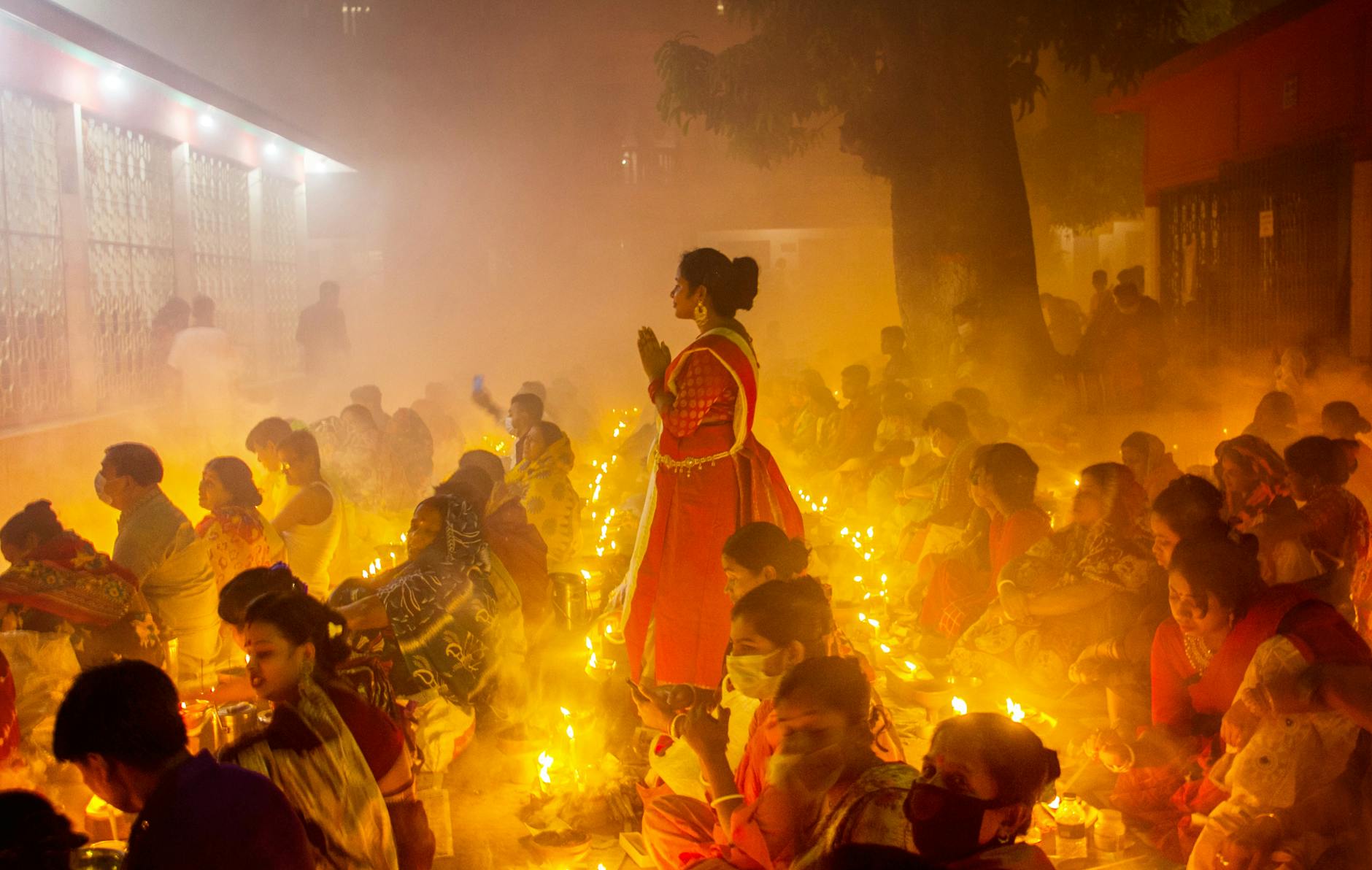
The name comes directly from the Sanskrit word for faith, belief, devotion or trust. It is ultimately from the Indo-European root *ḱred-dʰeh₁ (to believe; to put one’s heart into another). It shares the same root as the word creed and the Latin credo.
In Hinduisim, shraddha is a funerary ritual that is used to honour one’s deceaded forbears, especially deceased parents.
A notable bearer is Indian actress and singer, Shraddha Kapoor (b. 1989). Other notable bearers include the Indian actresses, Shraddha Arya (b. 1987); Shraddha Sinath (b. 1990) and Shraddha Das (b. 1987)
Sources