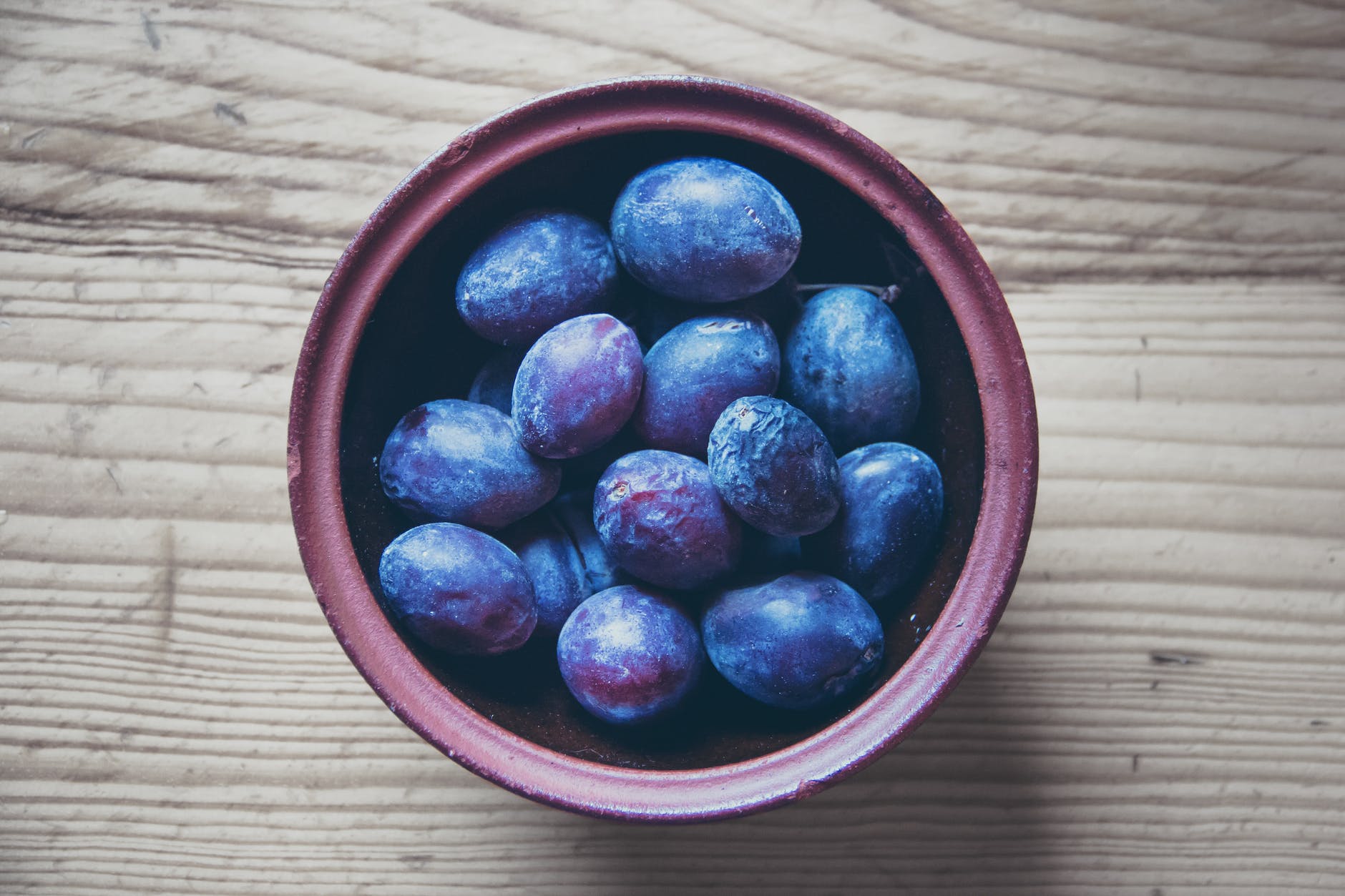
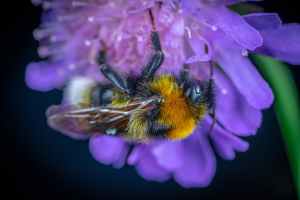
The name is a transliteration of the Chinese unisex name 冬梅 (winter plum). This is the most popular form. Other character combinations for this name are possible, which then alters the meaning and in some cases, the gender. There is 东 dong (east) & 梅 mei (plum; apricot); or 东 mei (little sister) or 美 mei (beautiful). There are numerous other character combinations that will alter the meaning.
The name comes directly from the Welsh word for the linnet or finch bird.
The name came first into use in Wales in the 1880s. It is sometimes listed as a unisex names on other sites, but I have not come across any records of this being used on males in my own research. It was likely a name that came into use when Welsh revivalism became popular in the late 1800s, however, its use could have hypothetically been used in Medieval or pre-Christian Wales, I just cannot locate records indicating such.
The name is of uncertain origin or meaning, but has been attested in Venice since the 16th-century. It was the name of Loredana Marcello (d. 1572), the wife of Doge Mocenigo of Venice. It is suspected to be derived from the surname, Loredan, which was the family name of a noble family in the Republic of Venice. According to legend, they derived their name from the Latin Laureati, Lauretani (laureled), owing to the idea that they descended from “fame and glory.”
The name went from being an obscure regional name to a popular name throughout Italy due to Luciano Zuccoli’s novel, L’amore di Loredana (1908). It was also used earlier by French author George Sand in her novel, Mattea (1833), but the name never became widespread in the French-speaking world.
At the turn of the 20th-century, when it first became popular in Italy, it may have been used by devout Catholic families, especially in the South of Italy, who mistakenly believed it referenced, Loreto, as in Our Lady of Loreto.
The designated name-day in Italy is December 10th.
The name is also used in Albania, Romania, Slovenia and the other former Yugoslav countries.
Slovenian forms include: Loridina, Lorica (loh-REET-sah) & Lorka.
An obscure Italian variation is Oredana and the masculine Oredano.
The French form is Lorédane and its masculine form of Lorédan.
Italian short forms include: Dana, Lora & Lori.
There is an Italian masculine form, though rare, which is Loredano and also the Croatian, Lordan.
It is borne by Swiss female rapper of Albanian descent, known simply as Loredana (b. 1995).
Nectar is the English form of the Greek NektariosΝεκτάριος, which is derived from νέκταρ (nektar), meaning “nectar, the drink of the gods. Nectar is not a name that has ever been in common use in the English-speaking world, but since it is the name of several Eastern and Western Christian saints, the proper English male translation of the name would be Nectar; or it would have appeared thus in the calendar.
It was borne by St. Nectaire of Auvergne, a 4th-century Christian missionary to the Gauls in what is now the Massif Central region of France. According to Gregory of Tours, he was sent by Pope Fabian, along with his brothers, where he transformed a temple that was dedicated to Apollo on Mont Cornadore into a cathedral that still stands, and was subsequently beheaded by the local Gaulic chieftain. The commune of Saint-Nectaire in the Puy-de-Dôme department of France gets its name from him, as does the cheese of the same name; or the latter technically comes from the Marshal of Senneterre, which is a linguistic corruption of Saint-Nectaire.
The name comes directly from the Hebrew word for the cedar tree אֶרֶז. This name did not come into use as a masculine given-name among Jews until after the creation of the State of Israel in 1945. It may have been popularized by Aleksander Zederbaum (1816-1893), a Polish-Jewish journalist who founded the Hebrew language newspaper, Ha-Melitz who often used “Erez” as a pseudonym in his writings.
It is also the name of a Kibbutz and of Erez Crossing, the latter being the name of a border crossing on the Israeli-Gaza border.
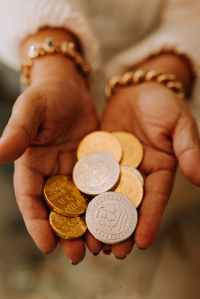
The name is derived from the Sanskrit निष्क (niska), which essentially means “gold coin,” “gold vessel” or “a gold pendant.” It can refer to a unit of measurement, which is the weight of gold equal to 18 or 15 Suvarṇas or karsa. It is defined in the 15th-century Yogasārasaṅgraha by Vasudeva, a compendium of Ayurverdic medicine and pharmacology.