
- Origin: Shona
- Meaning: “to be thankful.”
- Gender: Unisex
- TEN-dye
From the Shona word tenda or kutenda (to give thanks), it is technically unisex but slightly more common for boys.
Sources
From the Shona word tenda or kutenda (to give thanks), it is technically unisex but slightly more common for boys.
Sources

The name comes from the Tswana word for gratitude.
Sources

A popular Old Germanic name element, derived from the Old High German “thanc,” meaning “to thank.” Some early records list Thance as a male name, more likely pronounced the German way, it may make a unique alternative to Vance when pronounced the English way.
The name later evolved into Tanco, Tanko, Danco and Danko.
Female forms include: Tenca and Thenca.
Source

The name is from the Igbo meaning “thanks; gratitude.”
Sources

The name is from the Arabic word مَوَدَّة (mawaddah), meaning, “affection; love; friendship.” It has the same sense as the Greek word and name, Agape. It is ultimately derived from the Arabic root و-د-د (w-d-d), meaning, “love; affection; compassion.”
Sources

Both names come from the Arabic root ṣ-d-q (ص د ق), which carries the sense of truth, sincerity, honesty, faithfulness.
In Islamic tradition the title al-Ṣiddīq was famously given to Abu Bakr, the first caliph and closest companion of the Prophet Muhammad, highlighting his absolute honesty and faith.
The feminine al-Ṣiddīqa is used honorifically for Mary (Maryam) in the Qur’an (5:75) and also for Fāṭimah, the daughter of the Prophet, in later Islamic literature.
International Variations
Female Versions
Sources

The name comes directly from the English word. It has been in use as a unisex given-name since the 16th-century, being introduced by the Puritans.
True first appeared in the U.S. Top 1000 Most Popular Male Names in 1895, ranking in at #986th most popular male name in the United States.
Sources

The name comes directly from the Sanskrit word for faith, belief, devotion or trust. It is ultimately from the Indo-European root *ḱred-dʰeh₁ (to believe; to put one’s heart into another). It shares the same root as the word creed and the Latin credo.
In Hinduisim, shraddha is a funerary ritual that is used to honour one’s deceaded forbears, especially deceased parents.
A notable bearer is Indian actress and singer, Shraddha Kapoor (b. 1989). Other notable bearers include the Indian actresses, Shraddha Arya (b. 1987); Shraddha Sinath (b. 1990) and Shraddha Das (b. 1987)
Sources

Latif is a masculine given-name which comes directly from the Arabic word لَطِيف (gentle; kind; benevolent). In Islam, Al-Latif لطيف, (the Kind; the Benevolent) is one of the 99 names of Allah (God). It’s feminine form is Latifa.
Latif & Latifa are commonly used throughout the Islamic world.
A notable American bearer is actress & singer, Queen Latifah.
Other forms include:
Sources
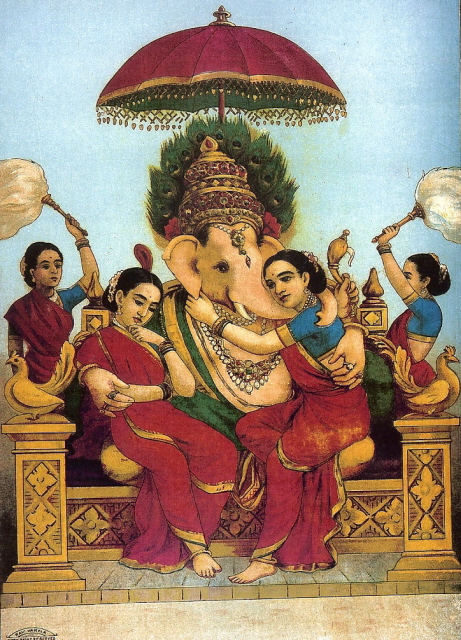
The name comes from the Sanskrit noun सिद्धि (siddhi), meaning “perfection, attainment, accomplishment,” which is a concept that refers to the attainment of magical, paranormal or psychic abilities through meditation and yoga. It is a concept found in Yoga, Buddhism and Hinduism.
In Hinduism, it is the name of one of Lord Ganesha’s wives, the other being named Riddhi.
Sources