The name is composed of the Anglo-Saxon words cuþ “famous” and beohrt “bright.” It is notably borne by St. Cuthbert of Lindisfarne, a 7th-century English saint who is revered as the patron saint of Northumbria. Even after the Protestant Reformation, he remained a popular figure in Northern England, the Cathedral of Durham is where he lies entered.
It is the progenitor of the eponymous English surname.
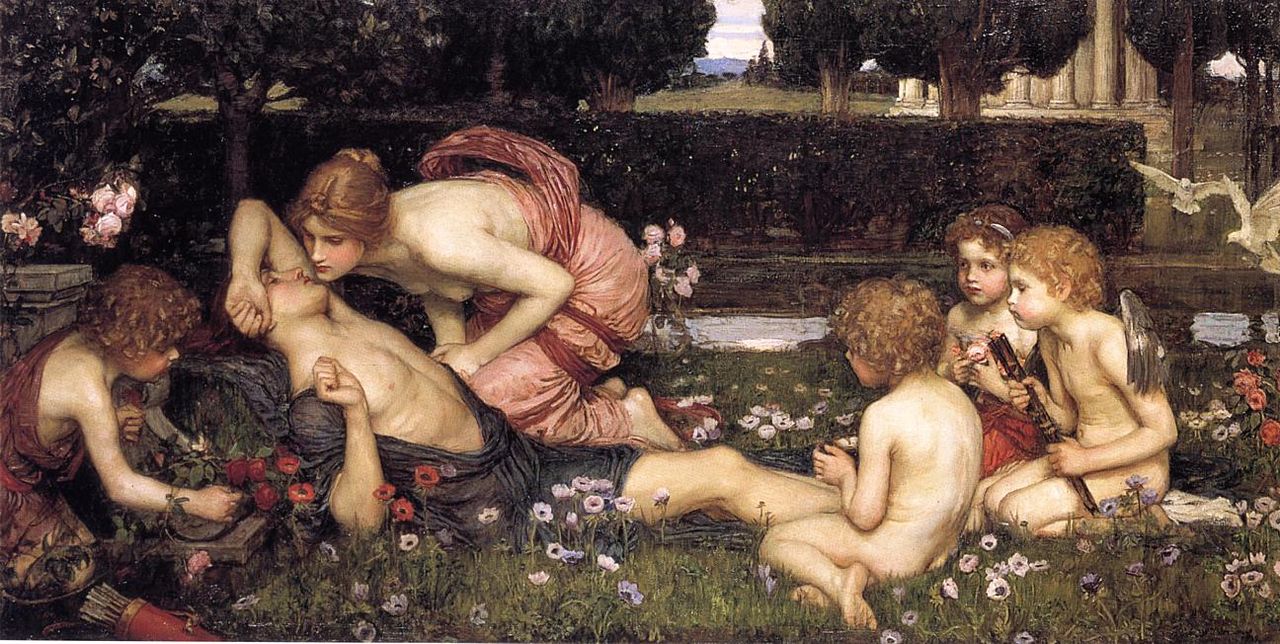
The Awakening of Adonis (1899-1900) by John William Waterhouse
Adonis is borne in Greek mythology by the god of beauty and desire. According to the most popular myth, he was born of the incestuous union of Theias and his daughter Myrrha. Myrrha had tricked her own father into having sex with her. The gods transformed Myrrha into a myrrh tree after Theias attempted to kill her whilst pregnant with Adonis. Adonis was beloved of Aphrodite and mothered by Persephone, but he was subsequently killed by a boar when Artemis, or in some versions, Ares, sent a boar to kill Adonis out of jealousy. When Adonis died, Aphrodite cried tears which mingled with Adonis’ blood, producing the Anemone flower. Aphrodite instituted the Adonia festival in his commemoration, whereby all women had a mass mock funeral of Adonis by growing plants in potsherds on their rooftops and performing a mass funeral ritual as soon as the plants sprouted.
It is likely Adonis was imported by the Greeks from the Phoenicians, the latter being the descendants of the Sumerians, Mesopotamians & Babylonians. It is believed by most scholars that Adonis is an adaptation of the Sumerian story of Dumuzid & Inanna (later Tammuz & Ishtar), in which a ritual funeral rite was also performed by women across the former Babylonian empire. Adonis itself is a Hellenized form of the Canaanite, adon, which means “lord” and was often used as an appellation by the Canaanites for the god Tammuz. The Jews adopted this appellation for Yahweh in the form of Adonai (my lord).
Adonis is borne by an 8th-century French saint of Vienne. He is also listed asAdon & Ado. Adonis has sporadically been used as a given-name in Greece, anglophone, francophone & hispanophone countries. The French feminine off-shoots, though rare these days, are Adonise (AH-do-NEEZ) and Adonie, and were actually prevalent in 18th-centurry Quebec & New Orleans. An obscure Italian feminine form is Adonella.
There is the male Biblical Hebrew name, Adonijah meaning (my lord is Yahweh). It is borne by a son of King David and was Hellenized in the Septuagint as Adonias.
Other forms include:
Adonies (Catalan)
Adonia (Dutch, Italian, Swedish)
AdonijaАдония (French, German, Russian)
Adonias Αδωνίας (French, Greek, Portuguese)
Adonías (Galician)
Adonja (Norwegian)
Adoniasz (Polish)
Adonías (Spanish)
Adoniya Адонія (Ukrainian)
Currently, Adonis is the 242nd most popular male name in the United States and the 461st most popular in France.
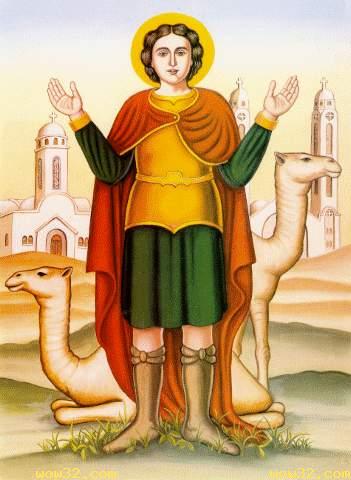
Menas is a popular male name among Eastern Christians, it is of uncertain meaning, it may derive from the Greek μήνη (mene) meaning, “moon,” or the ancient Egyptian Menes, which is the name of a 3rd-century BCE Egyptian pharaoh, in which case, the name derives from the ancient Egyptian, mnj (he who endures). It may also be related to the ancient Egyptian divinity name, Min, which is of uncertain meaning. However, according to Coptic tradition, the name means “amen.”
It is the name of a popular 2nd-century Coptic saint and martyr, known as Ⲁⲃⲃⲁ Ⲙⲏⲛⲁ (Abba Mina). According to legend, St. Menas’ parents were devout Christians who were having a hard time having children. His mother prayed to the Virgin Mary for a child, and she heard a response saying “amen,” this is where the name Menas supposedly derives from. It is speculated by some that the Western St. Christopher and the Eastern St. Menas are one and the same person. It is also borne by an Ethiopian saint of the 6th-century (CE) and a 16th-century CE Ethiopian emperor.
It was the name of 1st-century CE Roman admiral who features in Shakespeares, Antony & Cleopatra.
Photo by Jose Antonio Gallego Vu00e1zquez on Pexels.com
Origin: Greek Ἀτρεύς
Meaning: “to not tremble; fearless.”
Gender: masculine
Pronunciation: Eng (AY-tree-us); Grek (ah-TRAY-oos)
The name is composed of the Greek elements, ἀ-, “no” and τρέω, “tremble,” hence meaning, “fearless.”
The name is borne in Greek mythology by the son of Pelops & Hippodamia and the father of Agammennon & Menelaus. Atreus and his brother were expelled from their kingdom after killing their elder brother for the throne. Atreus took refuge in Mycenae where he sat-in as a temporary king while Eurystheus was fighting in a war, but ultimately, Atreus took over the the throne. His descendants thereafter are known as Atreides.
In Frank Herbert’s Dune Series, House of Atreides is the name of one of the great houses.
The name has recently entered the U.S. Top 1000 in 2019, currently ranking in as the 788th most popular name in the United States.
The name is from the Hebrew meaning “just; righteous.” It is borne by 5 characters in the Old Testament, most notably Zadok the High Priest during the reign of King David & King Solomon.
The name has always been used among Jews but came into use among Protestant Christians mainly in the 18th-century.
Zadok the Priest is a hymn written by Handel which was first played at King George II’s coronation and has been played at every coronation in the British monarchy since.
The name is composed of the Greek elements δηιοω (deioo) & ανηρ (aner) meaning “man.”
The name is most notably borne in Greek mythology by the wife of Hercules who was tricked by the Centaur of Nessus into believing his poisoned blood would cure Hercules of infidelity but ended up being fatal to the man-god. It is also borne by an Amazon who was killed by Hercules during his quest to obtain the golden girdle of Hippolyta.
In recent years, its Spanish form of Deyanira has been popular in Latin American countries. A common Spanish short form is Deya (DIE-ah).
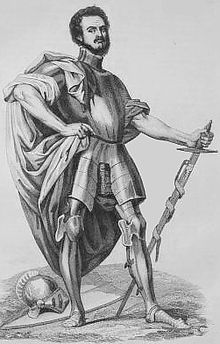
The name is composed of the Polish elements, zbyć, zbyć się, pozbyć się (to dispel) and gniew (anger).
This has been a common Polish male name since Medieval Times, it was borne by Zbigniew, High Duke of Poland (1102-1107); Polish poet, Zbigniew Herbert (1924-1998); and a notable American bearer was American political strategist, Zbigniew Brzeziński (1927-2017).
Common Polish diminutive forms are Zbyszek and Zbyś.
Its designated name-days are February 17, March 17, April 1, June 16 or October 10.
Other forms include:
Zbignjew Збігнеў (Belorusian)
Zbygněv, Zbyhněv, Zbyněk(Czech)
Sbigné (French)
Sbinco, Zbinco(German, Latin)
Sbigneus (German, Latin)
Sbigneo(Italian, Portuguese, Spanish)
Zbigņevs (Latvian)
Zbygniew (Polish)
Zbignev Збигнев (Russian, Ukrainian)
A Czech and Polish Medieval feminine form is Zbincza (ZBEEN-chah).
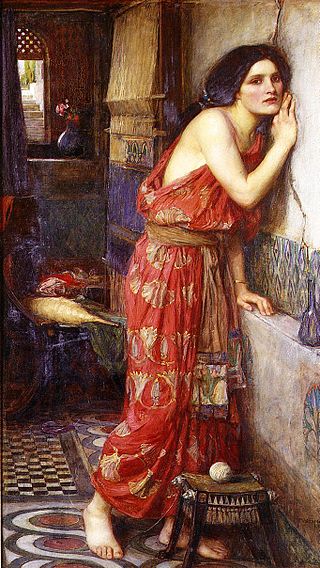
The name is of uncertain origin and meaning but possibly has a Semitic origin. Thisbe is the name of the lover of Pyramus in Ancient Classical literature, their story is recounted in Ovid’s Metamorphosis. Basically, they are 2 start-crossed Babylonian lovers who end up dying in a similar vein as Romeo & Juliet.
It is also the name of a city mentioned in the Bible, the birth place of the prophet Elijah and it is sometimes transliterated as Tishbe.
Thisbe is also the name of a nymph in Greek mythology who gave her the name to the town in Boeotia of the same name, it’s contemporary Greek form being Thisvi.
As for its usage, I found a record for a Thisby Gilbank born in 1604 in Suffolk, England, but became extremely widespread in England and the American colonies by the 18th-century. It may have been used in reference to both the Greek character and the place in the Bible.