Islam

Gender: Masculine
Origin: Arabic
Meaning: “voluntary submission to God.”
(IS-lahm)

The name comes from the Arabic verbal noun meaning, “obedience, subjugation of someone or something, or the voluntary submissal to the Almighty.”

The name is technically unisex, but is more often used for males throughout the Islamic world.

As of 2010, Islam was the 14th most popular male name in Kazakhstan, (2010).

It is borne by the current president of Uzbekistan, Islam Karimov (b.1938).

Amir

Gender: Masculine
Origin: Arabic أمير Амир
Meaning: “prince; commander”
(uh-MEER)
The name is derived from the Arabic word for a prince, ruler, commander or admiral. In the Islamic world, it is used as an honorific title of nobility, office or someone of high eminence. The word itself is derived from the Arabic root amr meaning, “to command.”
The early Islamic caliphs used the title Amir al-Muninin meaning, “Commander of the Faithful”, a reference of their leadership over the adherants of the Islamic faith.
The title was assumed by other Islamic rulers, including sheiks and sultans throughout Central Asia all the way into Saudi Arabic.
The leader of a group of pilgrims to Mecca is often referred to as an amir.
It is used as a given name throughout the Islamic world.
As of 2010, Amir was the 20th most popular male name in Kazakhstan, (2010). His rankings in other other countries are as follows:
  • # 13 (Emir, Bosnia & Herzegovina, 2010)
  • # 28 (Emir, Turkey, 2010)
  • # 66 (Bosnia & Herzegovina, 2010)
  • # 155 (the Netherlands, 2010)
  • # 221 (France, 2009)
  • # 278 (United States, 2010)
Other forms of the name include:
  • Emir (Albanian/Bosnian/Turkish)
  • Əmir (Azeri)
  • Amirs (Latvian)
Feminine forms include, Emira (Albanian/Bosnian/Turkish) and Amira.
Amir can also be a Hebrew male אָמִיר name meaning, “tree top.”

Fatima

Gender: Feminine
Origin: Arabic فاطمة
Meaning: “to abstain.”
Sp (FAH-tee-mah); Arab (FAH-TEE-MAH)

The name comes Arabic meaning “to abstain.”

It is an extremely popular name throughout the Islamic world, and is especially popular among Shia Muslims. It was borne by the daughter of the Prophet Mohammed, who was also known as Fatima Zahra (Fatima the Illustrious).

Among Muslims, she is revered as an exemplar among women.

The name is also used among Portuguese and Spanish-speaking Christians in reference to a shrine in Portugal in which the Virgin Mary is believed to have appeared. The name shares the same etymology as the town was named for a Moorish princess who converted to Christianity and was subsequently persecuted by her family.

Currently, its Turkic form of Fatma is the 3rd most popular female name in Azerbaijan, (2010). Her rankings in other countries are as follows:

  • # 1 (Fatemah, Iran, 2007)
  • # 1 (Morocco, 2007)
  • # 1 (Pakistan)
  • # 1 (United Arab Emirates)
  • # 8 (Libya
  • # 13 (Fatma, Turkey, 2010)
  • # 38 (Bosnia & Herzegovina, 2010)
  • # 71 (Catalonia, 2010)
  • # 87 (Spain, 2010)
  • # 92 (Belgium, 2009)
  • # 211 (Netherlands, 2010)
  • # 255 (France, 2009)
  • # 270 (United States, 2010)

Other forms of the name include:

  • Fatima (Albanian/Arabic/Bosnian/Chechen/Chuvash/Kazakh/Kyrgyz/Pashtun/Tajik/Tatar/Urdu/Uzbek)
  • Fatma (Maghrebi Arabic, Turkish/Wolof/Zazaki)
  • Fadime (Azeri/Kurdish/Tunisian/Turkish)
  • Fatimə (Azeri)
  • Faḍma (Berber/Kabyle)
  • Fadumo (Ethiopian)
  • Fatimah (Indonesian/Javanese/Malaysian/Swahili)
  • Fatemah فاطمه (Persian)
  • Fátima (Portuguese/Spanish)
  • Faduma (Somali)
  • Fátímọ̀ (Yoruban)
  • Fatıma (Zazaki)

Elijah, Elias

Gender: Masculine
Origin: Hebrew
Meaning: “Yahweh is God.”
Eng (ee-LIE-jah ; e-LIE-jah)
Eng (ee-LIE-us; eh-LIE-us)

The name is derived from the Biblical Hebrew, אֱלִיָּהוּ, (Eliyyahu), meaning, “Yahweh is God.”

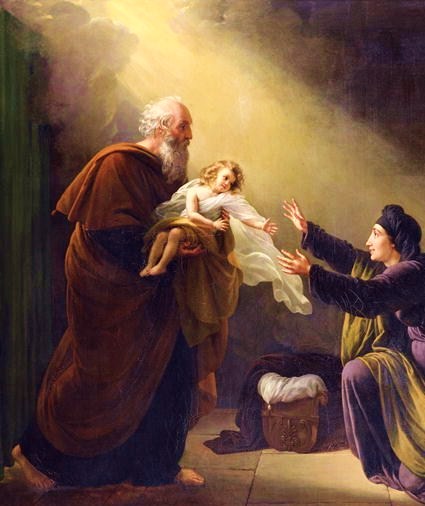
The name is borne in the Old Testament by an extremely important prophet who is speculated to have been alive around the 9th-century C.E.

Many miraculous occurrences were attributed to him, the most spectacular being that he could raise the dead, invoke fire from the sky and it is also believed that he ascended into heaven, (body and soul), via a chariot of fire flanked by cherubs.

He is an extremely popular figure in both Judaism and Christianity.

In the New Testament, it is believed that Elijah appeared with Moses during the Transfiguration of Christ.

Elijah has always been revered as a great saint by the Eastern Orthodox Churches, and in Russia and other Slavo-Orthodox nations, Elijah has been equated as a sort of folk character: he is responsible for bad weather if angered.

In Judaism, Elijah is invoked during the weekly Havdalah, the Passover seder and during the ritual circumcision.

In the the Church of Jesus Christ of Latter-Day Saints, it is believed that Elijah visited Joseph Smith and Oliver Cowdery in 1836.

Unlike other Old Testament names, Elijah has had a longer usage among Christians, going as far back as the Middle Ages. However, in Medieval England, the Middle English form of Elis, was more widely used.

In addition to the prophet Elijah, the name was also borne by at least two Catholic/Orthodox Saints.

Currently, Elijah is the 18th most popular male name in the United States, (2010). So far, this is the highest he has ranked in U.S. naming history. His rankings in other countries are as follows:

  • # 45 (Australia, 2010)
  • # 78 (Canada, B.C., 2010)
  • # 311 (the Netherlands, 2010)
  • # 427 (France, 2009)

His Hellenized counterpart of Elias, is also an up-and-comer, he is currently the # 141st most popular male name in the United States, (2010) and his rankings in other countries are as follows:

  • # 4 (Sweden, 2010)
  • # 9 (Austria, 2010)
  • # 10 (Norway, 2010)
  • # 13 (Germany, 2011)
  • # 18 (Denmark, 2010)
  • # 44 (Belgium, 2009)
  • # 119 (France, 2009)
  • # 225 (the Netherlands, 2010)

Other forms of the name include:

  • Ilyas إلياس (Arabic)
  • Ilia/Ilya Илья (Bulgarian/Old Church Slavonic/Russian)
  • Ilija Илија (Bulgarian/Croatian/Macedonian/Serbian)
  • Elies (Catalan)
  • Elijáš (Czech)
  • Elia (Dutch/Finnish/Georgian/Italian/Norwegian)
  • Eliah (English)
  • Eelis (Finnish)
  • Eljas (Finnish)
  • Élie (French)
  • Elias Ηλιας (English/Estonian/Finnish/German/Greek/Portuguese/Scandinavian)
  • Ellis/Elis (English)
  • Elija (German)
  • Elise ელისე (Georgian)
  • Eliou Ηλιου (Greek)
  • Eliyyahu/Eliyahu אֱלִיָּהוּ (Hebrew)
  • Éliás (Hungarian)
  • Illés (Hungarian)
  • Elías (Icelandic/Spanish)
  • Illyas (Indonesian)
  • Oillil (Irish-Gaelic)
  • Eliya (Kiswahili)
  • Helias (Latin: Biblical)
  • Habacus (Latin: Vulgate)
  • Elijas (Lithuanian)
  • Eliasz (Polish)
  • Ilie (Romanian)
  • Eliáš (Slovakian)
  • İlyas (Turkish)

A Romanian feminine form is Ilinca, (ee-LEEN-kah).

The name is borne by American actor, Elijah Wood (b. 1981)

The designated name days are March 24, July 20 and August 2nd.

Matthias, Mathias

Gender: Masculine
Origin: Hebrew
Meaning: “gift of yahweh.”
Eng (muh-THIGH-us); Germ/Scand (mah-TEE-ahs)

Matthias is a form of Matthew, but has been treated as a different name for centuries. He has been a staple in Central and Northern Europe, especially in Germany, the Netherlands and Scandinavia.

In the New Testament, the name was borne by the replacement of Judas Iscariot. Matthias was considered an apostle and according to legend, he went on to convert the Georgians where he died a martyr by crucifixion.

He is currently one of the most popular male names in all of Europe, his rankings are as follows:

  • # 8 Mathis (Belgium, 2008)
  • # 13 Matyáš (Czech Republic, 2009)
  • # 10 Mathias (Denmark, 2009)
  • # 8 Mattias/Mathias (Estonia, 2008)
  • # 60 Mathias (France, 2006)
  • # 71 Matthis/Mathis/Mattis/Matis (Germany, 2009)
  • # 131 Matthias (Germany, 2009)
  • # 54 Mátyás (Hungary, 2008)
  • # 31 Matthías (Iceland, 2008)
  • # 7 Mattia (Italy, 2007)
  • # 5 Mathias (Liechtenstein, 2008)
  • # 1 Matas (Lithuania, 2009)
  • # 1 Matthias (Malta, 2008)
  • # 6 Thijs (the Netherlands, 2009)
  • # 52 Ties (the Netherlands, 2009)
  • # 92 Matthijs (the Netherlands, 2009)
  • # 5 Mathias/Matias (Norway, 2009)
  • # 11 Maciej (Poland, 2008)
  • # 35 Matija (Slovenia, 2005)
  • # 90 Matjaz (Slovenia, 20o5)
  • # 97 Mattias (Sweden)
  • # 33 Mathis (Switzerland, among French-speakers, 2008)
  • # 4 Mattia (Switzerland, among Italian-speakers, 2008)
  • # 4 Mattia (Switzerland, among Romansch-speakers, 2008)

Other forms of the name include:

  • Matthias Ματθιας Матті́й (Afrikaans/English/French/German/Greek/Maltese/Scandinavian/Ukrainian)
  • Matthes (Afrikaans)
  • Mattheis (Afrikaans)
  • Matthies (Afrikaans)
  • Matta متى (Arabic)
  • Matai (Aramaic)
  • Matta/Mətta (Azeri)
  • Matia (Basque)
  • Maciej Maceй (Belarusian/Polish: MAHT-chay)
  • Matties (Catalan)
  • Matija Матија (Croatian/Serbian/Slovene)
  • Matyáš (Czech)
  • Matthijs (Dutch)
  • Thijs (Dutch: originally a diminutive form, now a very popular independent given name. TIES)
  • Ties (Dutch: originally a diminutive form, now a very popular independent given name. TEES)
  • Madis (Estonian)
  • Matias (Finnish/Portuguese)
  • Mat’at”a მატათა (Georgian)
  • Mathias (French/German/Scandinavian)
  • Mathis (French/German)
  • Matis (German)
  • Mattias (German/Swedish)
  • This (German)
  • Mathaios Ματθαιος (Greek: Biblical)
  • Makaio (Hawaiian)
  • Mattithyahu מַתִּתְיָהוּ (Hebrew)
  • Mátyás (Hungarian)
  • Maitiú (Irish-Gaelic)
  • Mattia (Italian)
  • Mathia (Kiswahili)
  • Matiass (Latvian)
  • Matas (Lithuanian)
  • Motiejus (Lithuanian)
  • Mathai (Malayalam)
  • Matius (Malay)
  • Matthia Матѳіа (Old Church Slavonic)
  • Täis (Plattdeutsch)
  • Matia (Romanian)
  • Mateias/Matteias (Romansch)
  • Teias (Romansch)
  • Tia (Romansch)
  • Tias (Romansch)
  • Maitias (Scottish-Gaelic)
  • Matia (Sardinian)
  • Maćij (Sorbian)
  • Matías (Spanish)

An obscure Feminine form is the Polish: Macieja

In France, the designated name-day is May 14.

The name has been borne by several Hungarian kings.

Sources

  1. http://www.behindthename.com/php/find.php?name=matthias
  2. http://www.askoxford.com/firstnames/matthias?view=uk
  3. http://www.newadvent.org/cathen/10066a.htm

Aaron

Gender: Masculine
Origin: Biblical
Meaning: debated

The name appears in the Old Testament as the name of the brother of Moses, (Exodus 6:16-20). Aaron was appointed by God to be the spokesperson for Moses and was also the first High Priest of the Israelites.

The name is of debated origin and meaning, many sources agree that it is of an unknown Egyptian source. It has also been linked with the Hebrew har-on meaning “exalted” or “mountain of strength” but this has often been debunked as a folk etymology.

In most of the Western World, its usage as a given name was exclusive among Jews until after the Protestant Reformation, when it became quite fashionable among Christians. Among Eastern Christians, the name has always been in usage.

The name is also popular among Muslims, in the forms of Haroun, Haron or Harun. It is borne by Harun al-Rashid, a 9th-century Caliph.

Currently, Aaron is the 50th most popular male name in the United States, (2008). His rankings in other countries are as follows:

  • # 69 (Australia, 2008)
  • # 65 (Belgium, 2008)
  • # 62 (Canada, B.C., 2008)
  • # 55  (England/Wales, 2008)
  • # 12 (Ireland, 2008)
  • # 158 (the Netherlands, 2009)
  • # 7 (Scotland, 2009)

Other forms of the name include:

  • Haroun/Haron/Harun هارون (Arabic)
  • Aaron/Aharon Аарон/Ахарон (Belarusian/Bulgarian)
  • Aihran (Breton)
  • Aaron Ααρών Ааро́н (Catalan/English/Estonian/Finnish/French/German/Greek/Romanian/Russian/Slovene/Ukrainian)
  • Aron Арон (Croatian/Danish/Norwegian/Polish/Serbian/Swedish)
  • Árón/Áron (Czech)
  • Aäron (Dutch)
  • Aharon אַהֲרֹן (Hebrew)
  • Áron (Hungarian/Slovak)
  • Aronne (Italian)
  • Aroni (Kiswahili)
  • Aaronas (Lithuanian)
  • Aarão/Arão (Portuguese)
  • Aarón (Spanish)
  • Áárọ́nì (Yoruba)

The name was borne by several Eastern Orthodox and Roman Catholic saints.

An obscure Spanish feminine form is Aárona.

The designated name-days are: July 1 (France/Poland).

Sources

  1. http://www.askoxford.com/firstnames/aaron?view=uk
  2. http://www.behindthename.com/php/find.php?name=aaron
  3. http://www.biblegateway.com/passage/?search=Exodus%206:16-20;&version=NIV;KJV;YLT
  4. http://en.wikisource.org/wiki/Catholic_Encyclopedia_(1913)/Aaron
  5. http://www.jewishencyclopedia.com/view.jsp?artid=4&letter=A&search=aaron#18
  6. Scofield Reference Bible, Proper Names

Isaiah

Gender: Masculine
Origin: Hebrew
Meaning: “Yahweh is salvation.”
Eng (i-ZAY-ah)

The name is derived from the Hebrew יְשַׁעְיָהוּ (Yesha’yahu), meaning, “Yahweh is Salvation.”

In the Old Testament, it was borne by a prophet, he is considered a major and extremely important prophet among Jews and Christians. Among Jews, his prophecies are mostly interpreted to describe the coming destruction of Jerusalem, while among Christians, his prophecies are believed to foretell the coming of Christ.

The name was always prevalent among Jews and Eastern Orthodox Christians, among Western Christians, the name did not catch on until after the Protestant Reformation.

Currently, Isaiah is the 42nd most popular male name in the United States, (2008) and he is the 84th most popular in Canada, B.C., (2008).

Other forms of the name include:

  • Ash’iyā’ أشعیاء(Arabic)
  • Zaia ܙܝܥܐ (Aramaic/Assyrian/Syriac)
  • Isaiah Ісайя Иса́ия (Belarusian/Russian/Serbian/Ukrainian)
  • Isaïes (Catalan)
  • Izaija (Croatian)
  • Izaiáš/Izajáš (Czech/Slovak)
  • Esajas (Danish)
  • Jesaja (Danish/Dutch/German/Finnish/Latvian/Norwegian/Swedish)
  • Esa (Finnish)
  • Isaïe/Ésaïe (French)
  • Isaie (Fruilian)
  • Esaias Ἠσαΐας (Greek: Biblical)
  • Ikaia (Hawaiian)
  • Yəšaʿyáhu יְשַׁעְיָהוּ (Hebrew: Modern)
  • Ézsaiás/Isaiás (Hungarian)
  • Yesaya (Indonesian)
  • Isaia (Italian/Romanian)
  • Yésaya (Javanese)
  • Isaya (Kiswahili)
  • Izaijas/Ješajas (Lithuanian)
  • Izajasz (Polish)
  • Isaías (Portuguese/Spanish)
  • Isay Исай (Russian)
  • Eseia (Welsh)

In the Orthodox Church, the name-day is May 9.

Sources

Samuel

Gender: Masculine
Origin: Hebrew
Meaning: “God has heard.”
Eng (SAM-yoo-el)

The name is derived from the Hebrew שְׁמוּאֵל (Shemu’el) meaning, “God has heard.”

According to 1 Samuel 1:20, Hannah gave her son the name of Samuel in reference to when she had asked God for a son and God had heard her request.

Samuel was the last of the Hebrew Judges and the first of the Hebrew prophets and he also anointed the first two kings of Israel: Saul and David.

The name was always popular among Jews, but did not become prevalent in the English-speaking world until after the Protestant Reformation. The name was especially common among the Puritans of the 17th-century.

Currently, Samuel is the 28th most popular male name in the United States, (2008). In other countries, his rankings are as follows:

  • # 9 Samvel (Armenia, 2008)
  • # 13 (Australia, 2008)
  • # 42 (Belgium, 2006)
  • # 20 (Canada, B.C., 2008)
  • # 88 (Chile, 2006)
  • # 11 (England/Wales, 2008)
  • # 47 (France, 2006)
  • # 98 (the Netherlands, 2009)
  • # 95 (Norway, 2009)
  • # 39 (Scotland, 2009)
  • # 59 (Sweden, 2009)

Other forms of the name include:

  • Samvel (Armenian)
  • Samel (Basque)
  • Samoyla/Samuil Самуил (Bulgarian/Russian/Ukrainian)
  • Samuel (Czech/Dutch/English/French/German/Polish/Portuguese/Scandinavian/Slovak/Spanish)
  • Samuël (Dutch)
  • Samuli (Finnish)
  • Samouel Σαμουηλ (Greek: Biblical)
  • Shemu’el שְׁמוּאֵל (Hebrew: Biblical)
  • Shmuel שְׁמוּאֵל (Hebrew: Modern)
  • Sámuel (Hungarian)
  • Samúel (Icelandic)
  • Samuele (Italian)
  • Samweli (Kiswahili)
  • Samuels (Latvian)
  • Samuelis (Lithuanian)
  • Szmuel (Polish-Hebrew: a Polish transliteration of the modern Hebrew form, used primarily among Polish Jews)
  • Samuilu Самѹилъ (Old Church Slavonic)
  • Samuil (Romanian)
  • Samuèli (Sardinian)
  • Sawyl (Welsh)
  • Shem (Yiddish)
  • Schmuel (Yiddish)

Common English/German short forms are Sam and Sammy.

Czech short forms are: Samo, Samko, Samik , Samenko and Saminko.

A Polish diminutive is Samek.

A Hungarian and Finnish short form is Samu.

An Italian feminine form is Samuela and an obscure Norwegian feminine form is Samueline.

Designated name-days are: February 16 (Germany), August 20 (France/Poland), August 26 (Slovakia) and September 1 (Czech Republic and Sweden).

Sources

  1. http://www.panorama.am/en/society/2008/02/02/name/
  2. http://www.mechon-mamre.org/p/pt/pt08a01.htm#20
  3. http://www.askoxford.com/firstnames/samuel?view=uk
  4. http://www.behindthename.com/php/find.php?name=samuel
  5. Atikian, Martha Bilezikian. Armenians’ Names (Martha Bilezikian Atikian, 1973)
  6. Hoffman, William F. and George W. Helon. First Names of the Polish Commonwealth: Origins & Meanings. (Polish Genealogical Society of America, 1998)

Mary, Maria, Miriam

Mary and its various forms has to be one of the quintessential, classic female names of all time, she has been used in Protestant England in the form of Mary, in the Islamic world as Maryam, in Jewish communities in the form of Miriam and in the Catholic world as Maria, Marie or Mary.

In the United States, she has never quite detracted from the top 100, if Mary is not in fashion then it is usually one of her other forms that may take her place, such as Molly, Mariah, Maria or Mia, all depending on the flavor of the day.

Currently, Mary is the 97th most popular female name in the United States, (2008). Mary’s rankings in other countries are as follows:

  • # 7 (Armenia, 2008)
  • # 57 (Ireland, 2007)

Its French form of Marie is popular outside the Hexagon, she currently ranks in as the 546th most popular female name in the United States, but in other countries, she appears in the top 10. Her rankings are as follows:

  • # 9 (Armenian, 2008)
  • # 4 (Belgium, 2008)
  • # 17 (Czech Republic, 2008)
  • # 24 (Denmark, 2008)
  • # 20 (France, 2009)
  • # 9 (Germany, 2009)
  • # 270 (the Netherlands, 2008)

The continental form of Maria is extremely popular across Europe and Latin America, her rankings in other countries are as follows:

  • # 4 (Argentina, 2009)
  • # 8 (Basque Country, Spain, 2008)
  • # 3 (Belarus, 2005)
  • # 3 (Bulgaria, 2008)
  • # 89 (Canada, B.C., 2008)
  • # 6 (Catalonia, Spain, 2008)
  • # 8 (Chile, 2008)
  • # 91 (England/Wales, 2008)
  • # 6 (Estonia, 2007)
  • # 4 (Faroe Islands, 2008)
  • # 59 (Germany, 2009)
  • # 1 (Greece, 2004)
  • # 90 (Hungary, 2008)
  • # 5 (Iceland, 2004-2007)
  • # 49 (Ireland, 2008)
  • # 1 (Israel, among Christian girls, 2004)
  • # 9 Marija (Latvia, 2005)
  • # 1 Marija (Macedonia, 2006)
  • # 1 (Malta, 2008)
  • # 39 (the Netherlands, 2008)
  • # 14 (Norway, 2008)
  • # 17 (Poland, 2009)
  • # 1 (Portugal, 2008)
  • # 2 (Romania, 2008)
  • # 2 (Russia, 2007)
  • # 99 (Scotland, 2008)
  • # 1 (Slovakia, 2004)
  • # 2 (Spain, 2008)
  • # 96 (Sweden, 2008)
  • # 7 (Ukraine, 2009)
  • # 64 (United States, 2008)

Her diminutive offshoot of Mia, has also been quite trendy the last 10 years, as of 2008, she was the 14th most popular female name in the United States. In other countries, her rankings are as follows:

  • # 1 (Australia, 2008)
  • # 25 (Canada, B.C., 2008)
  • # 44 (Chile, 2006)
  • # 11 (England/Wales, 2008)
  • # 1 (Germany, 2009)
  • # 23 (Ireland, 2008)
  • # 5 (Isle of Man, 2009)
  • # 350 (the Netherlands, 2008)
  • # 24 (New Zealand, 2009)
  • # 12 (Norway, 2008)
  • # 26 (Scotland, 2008)
  • # 46 (Slovenia, 2005)
  • # 3 (Switzerland, among Romansch-speakers, 2008)

Another common diminutive offshoot, is Molly, which is mostly used in the English speaking world, but has also shifted over to some of the Scandinavian countries. Her rankings in other countries are as follows:

  • # 57 (Australia, 2007)
  • # 84 (Canada, B.C., 2008)
  • # 32 (England/Wales, 2008)
  • # 25 (Ireland, 2008)
  • # 33 (New Zealand, 2009)
  • # 39 (Scotland, 2008)
  • # 11 (Sweden, 2008)
  • # 104 (United States, 2008)

Miriam is another common choice which is popular throughout Europe and the Middle East. Her rankings are as follows:

  • # 1 Mariam (Georgia, 2008)
  • # 6 Maryam (Iran, 2007)
  • # 4 Maryam (Israel, among Muslim girls, 2004)
  • # 6 Maryam (Pakistan)
  • # 48 Miriam (Spain, 2008)
  • # 1 Mariam (Tunisia, 2005)
  • # 309 Miriam (United States, 2008)

As for its meaning and derivation, though the its origins can be traced back to the Bible, its lingustic and etymological meaning has long been debated. Many hypothesis include that the name could be a derivative of the Hebrew meri, ‘rebel’ related to the Hebrew verb MRH, mara or Marah which means’ to be “rebellious.” Or that it is related to the Hebrew word מרא (MRA, mara) which means ‘well-fed’, something which would have been considered a comely attribute in Biblical times.

One of the most popular etymological theories is its association with the Hebrew מר (MR, mar), meaning. “bitter” or “bitterness, and another very well established hypothesis suggests that it is from an Egyptian source, mry “beloved” or mr meaning “love.”

Other possible theories include:

That is it a combination of the Hebrew words מר (MR, mar), meaning “bitter” or the Hebrew (mar) meaning, “drop”; or (mor) meaning, “myrrh” or ” (mari ) meaning “mistress’.

The name is borne by several female characters in both the Old and New Testament.

Among Jews, the name was originally used in honour of the sister of Aaron, Miriam the Prophetess.

Among Muslims and Christians, (particularly Catholics and Eastern Orthodox), the name is usually used in honour of the Virgin Mary, the mother of Jesus.

However, in certain eras and cultures, Mary or Maria was considered too sacred of a name to use on a child, and in other cultures, the name Maria is so honorable to have, that it is even bestowed upon males, usually in conjunction with a male name or as a middle name. This is especially so in Spanish-speaking countries, French speaking countries and occasionally done in other predominate Catholic countries such as Ireland, Poland and in Bavaria, Germany.

The name has made is presence known in British royalty as well as in the continental ruling houses. Other forms are as follows:

Latinate Forms
Forms used in Latin-based languages

  • Marieta (Catalan: originally a diminutive form, used as an independent given name in Spanish-speaking countries)
  • Miryam (Catalan: archaic form from the 13th-century)
  • Maria (Corsican/Italian/Occitanian/Portuguese/Romanian/Romansch/Latin)
  • Manon (French: originally a diminutive form of Marie, the name has been used as an independent given name for centuries. In fact, it currently ranks in as the 7th most popular female name in Belgium (2006), the 4th most popular female name in France (2006), and the 184th most popular female name in the Netherlands (2008). Pronunciation can be heard here: http://www.forvo.com/search/Manon/)
  • Marie (French: she is one of the most popular middle names in the English speaking world. In French, this form is bestowed on males in conjunction with other male names or as a middle name. There are several common French female names used in conjunction with Marie, as well. Those of which, I will save for future postings).
  • Marielle (French: originally a diminutive form of Marie, now used exclusively as an independent given name)
  • Mariette (French: a diminutive form of Marie, occasionally used as an independent given name, now considered dated in French-speaking countries).
  • Mariolle(French: obscure, very old diminutive form of Marie, the inspiration of the Polish offshoot, Mariola).
  • Marion (French: a medieval French diminutive form of Marie, now exclusively used as an independent given name, the name was borne in legend by the love interest of Robin Hood, Maid Marion, and is borne by French actress, Marion Cotillard. In France, it is the 59th most popular female name (2006)
  • Myriam (French: form of the Biblical, Miriam, she ranks in as the 95th most popular female name in France (2006)
  • Mariella (Italian: originally a diminutive form of Maria, now exclusively used as an independent given name)
  • Marietta (Italian: a diminutive form of Maria, occasionally used as an independent given name).
  • Marigia (Italian: obscure)
  • Mariuzza/Maruzziella (Italian: obscure)
  • Mariana (Portuguese: Mariana is usually considered a name of a seperate etymology, but is used in Portuguese and Spanish as a form of Miriam. She is the 73rd most popular female name in Chile, 2006).
  • María (Spanish/Galician).
  • Marita (Spanish: a diminutive form of Maria, now often used as an independent given name)
  • Maritza (Spanish: a Latin American spin-off of Maria, originally a diminutive form, now a trendy given name, especially among Mexican-Americans, she is currently the 560th most popular female name in the United States).
  • Mareye (Walon)

An Italian diminutive form is Mimi. A Portuguese diminutive form is Mariazinha.

Masculine forms are:

  • Mari (Catalan)
  • Mariu (Corsican)
  • Mario (Italian/Galician)
  • Marius (Latin/French/Romanian)
  • Mário (Portuguese)

Germanic Forms
Forms used in Germanic-speaking countries

  • Maiken/Majken (Danish/Norwegian/Swedish: originally a diminutive form of Maria, now used exclusively as an independent given name).
  • Maria (Danish/Dutch/English/Faroese/Frisian/German/Norwegian/Swedish)
  • Marie (Danish/German/Norwegian/Swedish: a borrowing from the French)
  • Mari (Danish)
  • Maaike/Maike (Dutch/Frisian/German: originally a diminutive form, used exclusively as an independent given name. In 2008, it was the 98th most popular female name in the Netherlands)
  • Marieke(Dutch: originally a diminutive form, now exclusively used as an independent given name. In 2008, it was the 188th most popular female name in the Netherlands)
  • Marijke (Dutch: mah-RYE-keh)
  • Marike (Dutch: originally a diminutive form of Maria, now used exclusively as an independent given name, pronounced mah-REE-keh)
  • Marja (Dutch/Faroese/Gothic/Limburgish: MAHR-yah).
  • Meike (Dutch/German: originally a diminutive form, now used as an independent given name, it was the 53rd most popular female name in the Netherlands of 2008.)
  • Mia (Dutch/German/English/Scandinavian: originally a diminutive form, now used as an independent given name)
  • Mieke (Dutch/Limburgish: originally a diminutive form, used exclusively as an independent given name MEE-keh)
  • Miep(Dutch: a diminutive form, but occasionally used as an independent given name MEEP).
  • Miet (Dutch: originally a diminutive form, occasionally used as an independent given name MEET).
  • Mirjam (Dutch/German/Swedish: form of the Biblical Miriam).
  • Mariel (English: just an anglicized form of the French, Marielle).
  • Mariota (English: archaic, form used in the 13th-century)
  • Mary (English)
  • Molly/Mollie (English: originally a diminutive form, now used more often as an independent given name)
  • Polly (English: originally a diminutive form, now used more often as an independent given name)
  • Marý(Faroese)
  • Mareike (Frisian/German: originally a diminutive form of Maria, now used exclusively as an independent given name)
  • Maja (German/Scandinavian: originally a diminutive form of Maria, used exclusively as an independent given name. It is the 2nd most popular female name in Sweden, (2008)
  • Mariele(German: originally diminutive form of Maria, used exclusively as an independent given name, pronounced mah-REE-leh).
  • Miriam(German/English: Biblical form, often used in German and English speaking countries)
  • Mitzi (German/English: not really used as an independent given name in German speaking countries, but experienced a short usage of popularity as an independent given name in the United States).
  • Ria(German/Dutch: originally diminutive forms, occasionally used as independent given names)
  • Mæja (Icelandic: originally a diminutive form of Maria, used exclusively as an independent given name)
  • María(Icelandic)
  • Mies (Limburgish: diminutive form of Maria, used as an independent given name in the Netherlands. MEES)
  • Mathie (Normand: mah-TEE)
  • My(Swedish: originally a diminutive form of Maria, now used as an independent given name MEE. In 2007, it was the 79th most popular female name in Sweden).
  • Mirele מִירֶעל(Yiddish: a form of Miriam. MEER-eh-leh)

Common English diminutives include May, Mayme, Mare, Mia, Molle, Molly, Moll and Polly, German diminutive forms are Mariechen and Mitzi.

Masculine forms include:

  • Marius (Dutch/German/English/Norwegian/Swedish)
  • Marjus (Faroese)
  • Maríus (Icelandic)

Baltic Forms
Variations used in Baltic countries.

  • Maaja (Estonian)
  • Maare/Maari (Estonian)
  • Maarika (Estonian/Finnish)
  • Maaria/Maarja (Estonian)
  • Maie/Maiu (Estonian: initially diminutive forms, now used as independent given names, MY-eh, MY-oo)
  • Maila/Maili/Mailu (Estonian: Maili is pronounced somewhat like Miley)
  • Mari (Estonian/Finnish)
  • Marjam (Estonian)
  • Marje/Marjen (Estonian)
  • Marjette (Estonian)
  • Mary (Estonian)
  • Maija/Maiju (Finnish)
  • Maikki (Finnish: a Finnicized form of the Sweden and Danish Majken, pronounced somewhat like Mikey)
  • Maaria/Maria (Finnish)
  • Marika (Finnish)
  • Maritta (Finnish)
  • Marjatta (Finnish: can also mean “without a berry” in Finnish, and is the name of a character in the Kalevala, but is often used as a variation of Maria; also used in Estonia)
  • Marjo (Finnish)
  • Marjukka (Finnish)
  • Marjut (Finnish)
  • Miia (Finnish)
  • Mirja (Finnish: translation of Miriam)
  • Mirjam/Mirjami (Finnish)
  • Maija (Latvian)
  • Maila (Latvian: MY-lah)
  • Mairita/Mairīta/Mairīte (Latvian)
  • Mairuta (Latvian)
  • Mare (Latvian: final E is pronounced)
  • Mareka (Latvian)
  • Mareta/Māreta (Latvian)
  • Marī (Latvian)
  • Mārica (Latvian)
  • Mariela (Latvian)
  • Mārieta (Latvian)
  • Marija (Latvian/Lithuanian)
  • Mārika (Latvian)
  • Marite/Mārita/Mārīte/Marīte (Latvian)
  • Marjama (Latvian)
  • Maruta/Māruta/Marute (Latvian)
  • Mare (Lithuanian)
  • Maryte (Lithuanian)

Masculine forms are:

  • Maarius/Mairo/Mario (Estonian)
  • Marijus/Marius (Lithuanian)

Slavic Forms
Forms used in Slavic countries

  • Merjem (Bosnian)
  • Mirjana (Bosnian/Croatian/Serbian/Slovene: translation of Miriam)
  • Mariya (Bulgarian/Russian/Ukrainian)
  • Marija (Croatian/Macedonian/Serbian/Slovene)
  • Marie (Czech: MAHR-yeh)
  • Maria (Polish)
  • Marieta (Polish)
  • Mariola (Polish: mahr-YOLE-ah)
  • Marita (Polish)
  • Maryla (Polish: mah-RIH-lah)
  • Marzena (Polish: not really etymologically related, but has had a historical usage as a variation of Maria in Poland. The name is actually the name of an ancient Polish goddess and it may be linked with the either Polish word for “hope; dream” or with the Old Slavonic word for “death.” mahr-ZHEH-nah, diminutive form is Marzenka).
  • Mária (Slovakian)
  • Marika (Slovakian)
  • Marica (Slovene: initially a diminutive form, used as an independent given name in Slovenia, but is also used as a diminutive form in Bosnian, Croatian, Serbian, Czech and Slovakian, mah-REET-sah).
  • Mojca (Slovene: initially a diminutive form, now used exclusively as an independent given name in Slovenia. MOY-tsah)
  • Marya Марья (Russian)

Czech and Slovak diminutive forms are: Mája, MáňaMaruška and Maryška. Serbian and Slovene diminutives are Maša. Russian diminutives are Manya, Masha, Mashenka and Mashka. Polish diminutives are MasiaMarysia (mah-RISH-ah) and Maryska.

Masculine forms are:

  • Marian (Polish)
  • Mariusz (Polish)
  • Marij/Mario (Slovene)

Celtic Forms
Forms used in Celtic Languages

  • Mari (Breton)
  • Mallaidh (Irish-Gaelic: translation of Molly)
  • Maira/Máire (Irish-Gaelic)
  • Mairenn/Máirín (Irish-Gaelic)
  • Muire (Irish-Gaelic)
  • Mariod/Mariot (Manx)
  • Moirrey/Voirrey (Manx)
  • Màiri (Scotch-Gaelic)
  • Mhari (Scotch-Gaelic)
  • Mhairi/Mhairie (Scotch-Gaelic)
  • Moire (Scotch-Gaelic)
  • Mair (Welsh)

Other Forms
Forms used in other languages not listed in the above

  • Maria (Albanian/Kiswahili)
  • Maryam مريم (Arabic)
  • Mariam (Armenian)
  • Məryəm (Azeri)
  • Maia (Basque)
  • Miren (Basque)
  • Mariam (Coptic/Egyptian)
  • Mariami (Georgian)
  • Maria Μαρία (Greek: Modern)
  • Maroula/Roula (Greek: Modern: initially diminutive forms)
  • Malia (Hawaiian/Zuni)
  • Mária (Hungarian)
  • Maria (Indonesian)
  • Meryem (Kurdish/Turkish)
  • Mariam/Mariamma/Mariamme (Malayalam)
  • Marija (Maltese)
  • Mere (Maori)
  • Miriama (Maori)

The name has several name-days.

Ruth

Gender: Hebrew
Origin: Hebrew
Meaning: “companion.”
Eng (ROOTH)

The name is derived from the Biblical Hebrew word רְעוּת (re’ut), which means “friend; companion.”

In the Old Testament, the name is borne by the central character of the Book of Ruth, a Moabite woman who later became a loyal and faithful Jew. She is considered the ancestress of King David, and in Christian tradition, she is also considered an ancestor of Jesus.

Since Ruth is considered an ideal heroine in Judaism, the name has always been common in the Jewish community, among Christians, the name did not catch on until after the Reformation, especially in the Anglo-phone world, where the name became especially common among Puritans.

The highest the name ever ranked in U.S. naming history was back in 1893, where she came in as the 3rd most popular female name.

Currently, she ranks in as the 362nd most popular female name.

In other countries, her rankings are as follows:

  • # 94 (Ireland, 2006)
  • # 488 (the Netherlands, 2008)

The Ruth form is also used in Catalan, Danish, Dutch, French, German, Norwegian and Swedish.

Other forms include:

  • Rut (Afrikaans/Aragonese/Catalan/German/Hungarian/Indonesian/Italian/Javanese/Maltese/Polish/Spanish/Swedish)
  • Rút (Czech)
  • Ruut (Finnish/Estonian)
  • Rutt (Estonian)
  • Routh Ρουθ (Greek)
  • Rut רות (Hebrew Modern: In Israel, Ruti is the common diminutive form)
  • Rúth (Hungarian)
  • Rǘt (Irish Gaelic)
  • Ruthu (Kiswahili)
  • Rūta (Lithuanian: also coincides with the Lithuanian word for the rue plant)
  • Rūtenė (Lithuanian)
  • Ruthi Рѹѳь (Old Church Slavonic)
  • Ruta (Polish/Croatian)
  • Rute (Portuguese)
  • Ruf Руфь (Russian)
  • Ruthven (Scottish)
  • Rutu (Yoruban)

A common English diminutive, which is also sometimes bestowed as an independent given name is Ruthie. Ruthanne/Ruth-Anne is a common English compound form.

A Lithuanian masculine form is Rūtenis.

The name was borne by former first daughter of the United States, “Baby” Ruth Cleveland, daughter of President Grover Cleveland (1891-1904)

The designated name-day is January 4.