The name is derived from the Sanskrit प्रीति (prīti), which means, “love; joy; kindness; pleasure; favor; affection; sweetheart.” Another form is Pritika.
It is sometimes transliterations as Preeti & Preetika.
A notable bearer is British Secretary of State for the Home Department, Priti Patel (b. 1972).
The name comes directly from the Arabic word for heart. It is used equally among Arab- Muslims & Christians. Among Christians, particularly Palestinians, Chaldeans and Lebanese Christians who profess Roman Catholicism, it is used in reference to the Sacred Heart of Jesus or the Immaculate Heart of Mary, in the same way the Spanish name Corazónis used in the Spanish-speaking world, though in the Arabic case, the name is strictly masculine.
Among Muslims, the term fu’ad is used at least 5 times in the Quran. The name is used throughout the Islamic world.
It is even used among Non-Arab groups in the Middle East, such as Mizrachi Jews.
Pronunciation: SID-dee; SIT-tee (depending on language & dialect)
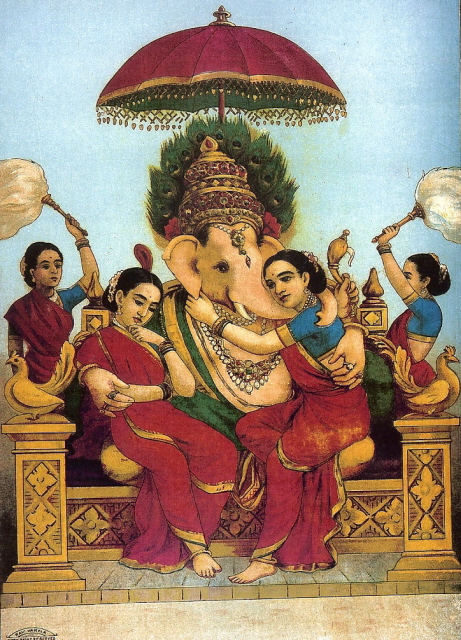
The name comes from the Sanskrit noun सिद्धि (siddhi), meaning “perfection, attainment, accomplishment,” which is a concept that refers to the attainment of magical, paranormal or psychic abilities through meditation and yoga. It is a concept found in Yoga, Buddhism and Hinduism.
In Hinduism, it is the name of one of Lord Ganesha’s wives, the other being named Riddhi.
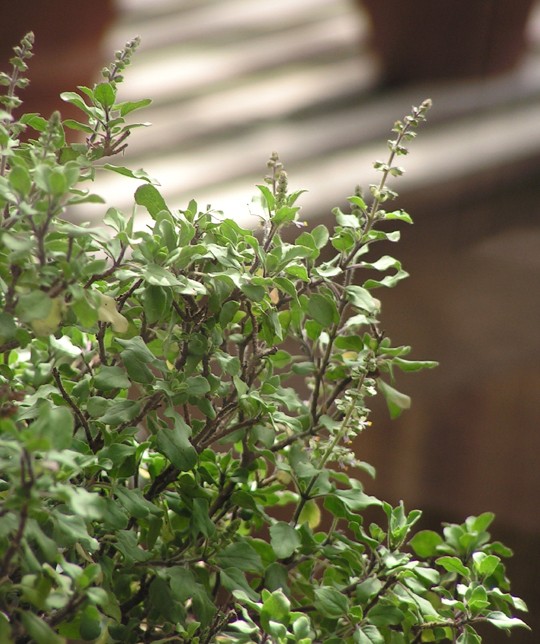
The name is derived from the Sanskrit तुलसी (holy basil). It is the name of a type of perennial plant in the family Lamicae and is endemic to the Indian subcontinent.
Tulsi is considered sacred plant in Hinduism, it is worshipped as an avatar for the goddess Lakshmi and the plant is traditionally planted in the center of courtyards to Hindu houses or next to Hanuman temples.
It is worshipped in Vaishnavism and holds an importance in Ayuverda traditions.
A notable bearer is American politician Tulsi Gabbard (b. 1981).
The name can be of several different origins and meanings.
It is a Biblical male name that occurs in 2 Samuel 23:25 as the name of Elika the Harodite, one of David’s 37 special warriors. In this case, אֵַליקָא (Eli’ka), may mean “vomit of God” or “Congregation of God.” Some sources also list this as meaning “pelican of God.” In English, the name would be pronounced ee-LYE-kuh.
Pronounced, EH-lee-KAW الیکا, it is a Persian female name that derives from the Mazanderani language, meaning, “wild cherry.” However, it’s use in Iran may be influenced by an identical sounding Indian female name, which is derived from the Sanskrit एलीका (Elika), meaning “small cardamom.” It is also the name of a village in northern Iran of the same aforementioned Mazanderani etymology.
Elika is also a Nordic female name of uncertain etymology, it’s earliest use is recorded in 18th-century Iceland. It may derive from the the Frisian diminutive name, Alike, which is a diminutive form of any name beginning in the Adal- element, or the Frisian unisex diminutive name Elike, which is a short form of any name beginning in the EGG- element.
It may also be linked with a Greenlandic female name of uncertain etymology.
It’s Nordic form has been in use in Finland & Estonia, as well as all of Scandinavia & Iceland. It should be noted that Elike has occurred in use as a unisex name in Norway and Friesland.
Swedish and Frisian female variations include Eliko & Eliken.
Alternately, it is a Mari female name, but is of uncertain meaning, it may be a variation of Evika, meaning “slender.”
It is also the Hawaiian translation of Elisa, Eliza, Erica & Eric.