Duha

  • Origin: Arabic ضحى
  • Meaning: “forenoon.”
  • Gender: unisex
  • DOO-hah

The name comes directly from the Arabic word for forenoon or late morning. In Islam, it is used in reference to Salat ad-Duha صَلَاة الضحى‎‎, a voluntary prayer that is said between Fajr and Dhuhr and is used mainly for the atonement of sins.

It is also the name of the 93rd chapter in the Qu’ran, al-Ḍuḥā الضحى‎, (the Morning).

As a given-name, it is traditionally unisex, but has been more often bestowed on females.

Other forms include:

  • Duha Духа (Albanian, Arabic (standard), Bashkir, Bosnian, Chechen, Kazakh, Kurdish, Turkish)
  • Zuha ज़ुहा (Azeri, Hindi)
  • Doha, Dohaa للال چاشت (Bengali, Urdu)
  • Dhuha (Javanese, Malaysian)
  • Zoha ضحی (Persian)
  • Zuho Зуҳо (Tajik, Uzbek)

Sources

Gauri

  • Origin: Sanskrit, Hindi, Marathi गौरी
  • Meaning: “fair; light-skinned; white; brilliant.”
  • Gender: feminine
  • Pronunciation: GORE-ee

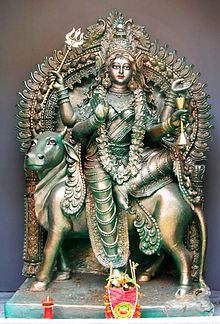
The name comes directly from the Sanskrit word meaning “fair; light-skinned; white; brilliant.” In Hinduism, this is an epithet for the goddess Parvati in her Mahagauri form.

The Kannada and Tamil form is Gowri கௌரி (Tamil) & ಗೌರಿ (Kannada).

Gauri can also be a Finnish male form of the name Gabriel.

Sources

Hansa

The name can have a few origins and meanings. It is primarily an Indian name that comes from the Sanskrit हंस (hamsa), which originally referred to an aquatic bird of passage. The hamsa is described as a mythical bird with knowledge in the Rig Veda and also as the main means of transport for the gods Brahma, Gayatri, Saraswati, and Vishvakarma in Hinduism. In the Ramayana, the hamsa was the bird that carried love letters between Damayanti and Nala. According to Indian legend, arayanna (heavenly hamsa swans) are said to live in the Himalayas where they eat pearls and are able to separate milk from water.

The hamsa bird is also associated with the concept of soham (that I am), as when it is said fast, hamsa starts to resemble soham. The latter is linked with the Brahman, and thus the bird is often associated with the cycle of samsara.

The hamsa bird has also been a popular motif in Indian art for centuries.

Over the centuries, it has interchangeably been translated as a swan, flamingo, goose or duck. It is ultimately from the Proto-Indo-European root word *ǵʰh₂éns, which is also the progenitor of the English word goose, German gans (goose), and the Latin anser (goose).

In India, as a given-name, it is used among all languages groups. The name is primarily used on females but has occasionally been given to males.

The name is also German and Scandinavian female name, being a contracted form of Johanna. Other forms are Hansina and Hansine.

Sources

Anil, Anila

Anila is from the Sanskrit आनिल (wind), in Hinduism it is an epithet for the wind God, Vayu. In contemporary India, both names are unisex.

Anıl is a Turkish unisex name meaning “the memory; to be remembered,” in Turkish. Anil is also a popular Albanian & Bosnian male name, while Anila is the feminine form that is exclusively used in Albania & Bosnia.

Anıl appeared in the Top 100 Most Popular Male Names in Turkey between 1990 and 2012, peaking at #51 in 1991.

Sources

Arhan, Arhana

Arhana is a Sanskrit female name that comes directly from the Sanskrit noun अर्हण (arhana) meaning, “honour; worship; respect.” It’s masculine form is Arhan, which is sometimes transliterated as Arhaan.

Sources

Kayal

The name is a feminine Indian name that sounds identical to the male English surname & given-name, Kyle.

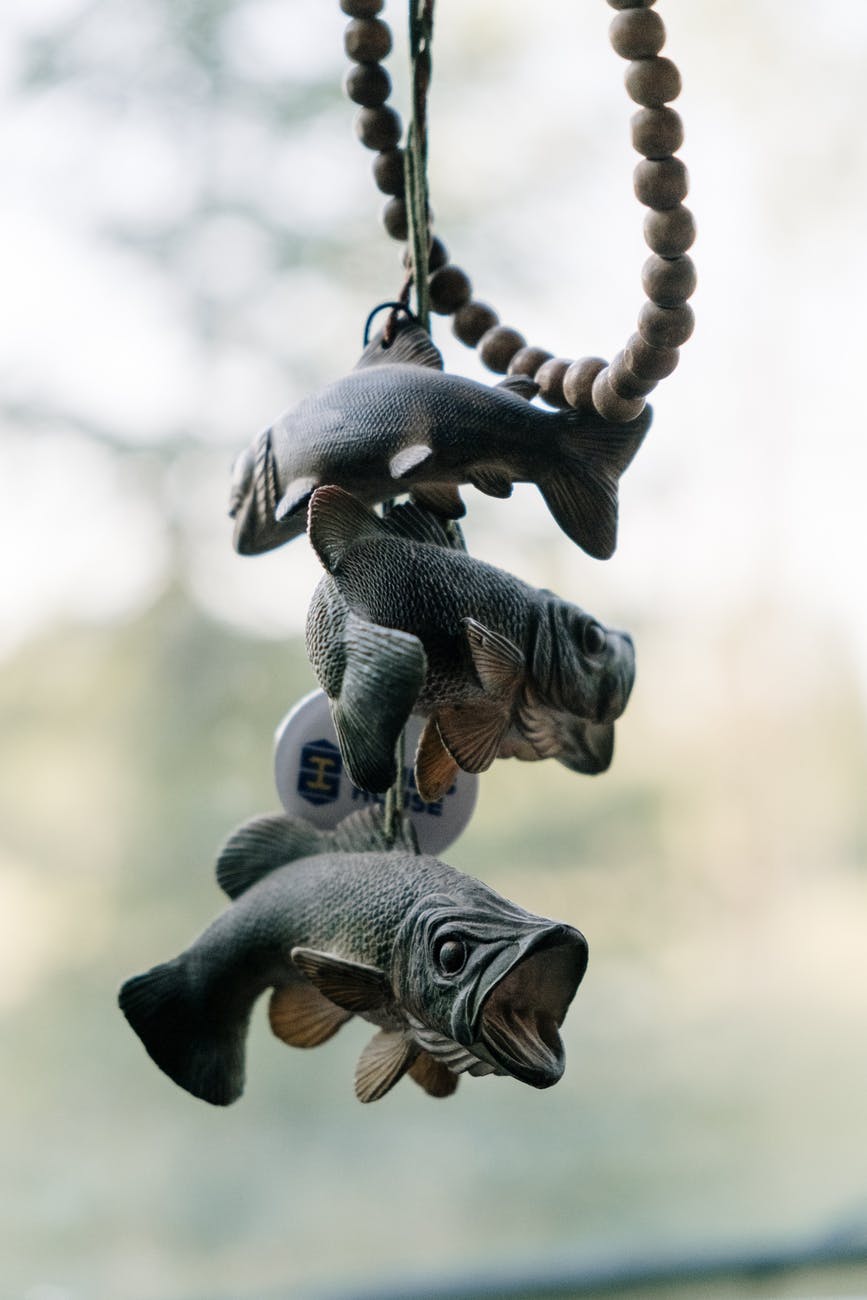
It can either be derived from the Hindi “कायल (convinced) or the Tamil கயல் which is the name of a species of fish endemic to the Indian subcontinent, known under the scientific term of cyprinus fimbriatus or the Fringed-lipped peninsula carp.

Sources

Khushi

  • Origin: Persian, Hindi خوشی ख़ुशी
  • Meaning: “joy; happiness; mirth; delight.”
  • Gender: feminine
  • Pronunciation: (KUSH-shee)

The name is from the Hindi word ख़ुशी which means “joy; delight; mirth; happiness.” It is a borrowing from the Persian word خوشی of the same meaning.

Another transliteration is Kushi.

Sources

Lakshmi, Laxmi

  • Origin: Sanskrit लक्ष्मी
  • Kannada: ಲಕ್ಷ್ಮೀ
  • Malayalam: ലക്ഷ്മി
  • Marathi/Hindi: लक्ष्मी
  • Odia: ଲକ୍ଷ୍ମୀ
  • Tamil: லட்சுமி
  • Telugu: లక్ష్మి
  • Meaning: “to perceive, observe, know, understand’ and ‘goal, aim, objective.”
  • Gender: feminine
  • LUCK-shmee

The name is derived from the Sanskrit lakṣ (लक्ष्) and lakṣa (लक्ष), meaning “to perceive, observe, know, understand’ and ‘goal, aim, objective.”

It is borne in Hinduism by the supreme goddess, wife of Vishnu, who is revered as the goddess of beauty, prosperity, luxury, contentment and among other things. She is known as Sri (the Noble One) and Akshara (imperishable), among other names. She is mentioned in the Rigveda as early as approximately 1000 BCE and is also revered in Buddhism and Jainism.

The name is mainly feminine, but is sometimes used among males in honour of the goddess in the same way that Mary, Maria, Marie has been used on males among Roman Catholics in honour of the Virgin Mary.

Sources

Lavanya

  • Origin: Sanskrit/Hindi लावण्य
  • Telugu: లావణ్యా
  • Tamil: லாவண்யா
  • Meaning: “grace; beauty; charm; loveliness.”
  • Gender: feminine
  • Pronunciation: (LAH-vun-yah)

The name comes directly from the Sanskrit word meaning, “grace; beauty; charm; loveliness.”

Sources

Mahvash, Mehwish

  • Origin: Persian مهوش
  • Urdu: مہوش, Hindi: महवश
  • Meaning: “beautiful like the moon; moonlike; moonfaced.”
  • Gender: feminine
  • Pronunciation: Per (MAH-vash); Urdu (MAY-wish)

Mahvash is a Persian name meaning “beautiful like the moon” or “moon-like.” It’s Urdu offshoot is Mehwish and its Turkish form is Mehveş.

Though it is a pre-Islamic Persian name, it is a popular name used among Muslims in India and is also used in Pakistan.

Mahvash was the stage name of a renowned Persian entertainer from the 1950s.

Mahvash Disease is the name of a type of an autosomal recessive, hereditary pancreatic neuroendocrine tumor syndrome. However, I could not find the reason why it is specifically called Mahvash disease.

Mehwish is borne by Pakistani actress, Mehwish Hayat (b. 1983).

Sources